INTERNACIONAL
Mike Rogers dishes on how shock Haley Stevens endorsement unfolded hours before Election Day

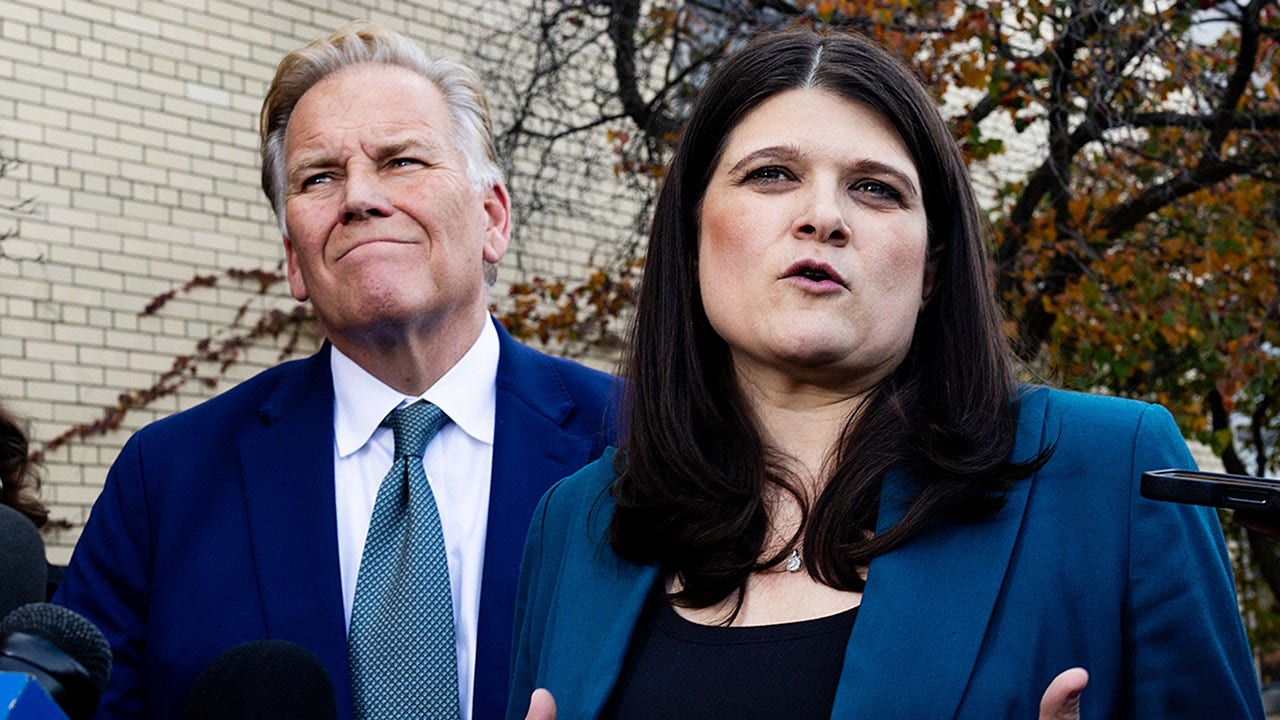
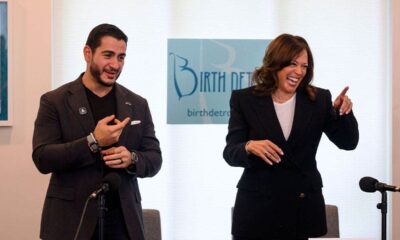
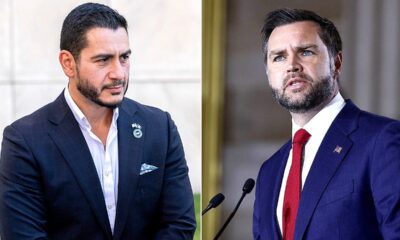
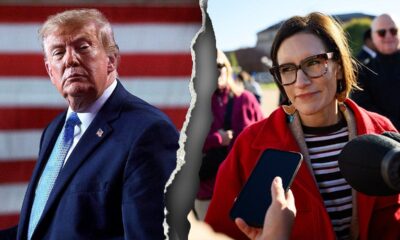
Michigan Republican U.S. Senate candidate Mike Rogers praised Democratic Rep. Haley Stevens for putting America ahead of her party Monday while accusing Democrats of viciously attacking the congresswoman after she stunned her party by endorsing him over Democratic candidate Abdul El-Sayed.
Rogers told Brian Kilmeade on the «Brian Kilmeade Show» that Stevens’ endorsement «flipped this thing upside down,» saying the congresswoman called him Sunday morning while he was on his way to church before ultimately deciding to publicly back his campaign following her bruising primary loss to El-Sayed.
«This is a congresswoman who just stood up and said, ‘America is more important than my party right now,’» Rogers said. «And we cannot elect somebody who is so anti-Jewish, who is divisive, who’s angry, who was mean about his politics. It’s just the wrong thing to do.»
EL SAYED’S LEFT-WING ALLIES ATTACK ‘EVIL’ STEVENS AFTER BOMBSHELL ROGERS ENDORSEMENT
Rogers’ comments came as reported Monday that Stevens’ endorsement triggered backlash from top Democrats, including Senate Minority Leader Chuck Schumer, D-N.Y., and former House Speaker Nancy Pelosi, D-Calif.
Schumer called the move a «despicable betrayal,» while Pelosi accused Stevens of «dangerously» betraying Michigan families by backing Rogers.
The endorsement marked a dramatic break for Stevens, who had stopped short of explicitly endorsing El-Sayed in the weeks after losing the Democratic primary but continued to publicly align herself with the party. During an October CNN interview, Stevens was repeatedly pressed on whether she supported El-Sayed and declined to explicitly say she endorsed him, instead stressing that she was «still on the team» and planned to support Democrats on the ballot.
The tensions between the former primary rivals had been building in the closing stretch of the race. Stevens pressed El-Sayed to condemn an outside group’s ad linking U.S. support for Israel to higher grocery prices, which she called antisemitic, before El-Sayed’s campaign asked her to stay away from its remaining campaign events. El-Sayed said his campaign did not produce the ad and that he disagreed with its contents.
MICHIGAN DEMOCRAT HALEY STEVENS BACKS EL-SAYED AFTER NARROW PRIMARY DEFEAT, CALLS SOCIALISM ‘DANGEROUS’
Meanwhile, days before she publicly endorsed Rogers, Stevens’ fiancé, Jason Turkish, had already broken with the Democratic nominee. Turkish, a Jewish Michigan attorney and registered Democrat, told reporters at a Rogers campaign event that he planned to vote for the Republican, arguing that El-Sayed’s rhetoric on Israel had made the Jewish community «less safe.» Turkish described his decision as «putting country before party.»
Still, even hours before the endorsement, Stevens appeared to be denying that she planned to back Rogers. Digital reported Monday that Rep. Debbie Dingell, D-Mich., said she spoke with Stevens around midnight Saturday and was told reports of an impending Rogers endorsement were a «rumor» and «not true.»
However, hours later, Stevens was standing alongside Rogers at a Detroit church service, where she ultimately announced she would cross party lines and endorse him over El-Sayed.
«We didn’t know what was going to happen. We were driving to the church yesterday morning when the call came in,» Rogers said. «I just invited her to come in. She decided between when she got in the car and she got to the church, she was going to not only withdraw the endorsement, but endorse me.»
DEMOCRATS WHO ‘NEVER VOTED REPUBLICAN’ BACK ROGERS OVER EL-SAYED IN RAZOR-CLOSE RACE
Rogers, who said the pair had a «great conversation» on the phone, also pushed back on suggestions that Stevens had received anything in exchange for the endorsement, saying his campaign had no advance knowledge that she planned to back him.
«Absolutely not. Matter of fact, we didn’t know what was going to happen,» Rogers said when asked whether he had offered Stevens anything. «She said, ‘I’ve not asked anyone to go with me, I’m just telling you what I’m doing.’»
Rogers then took aim at Democrats who have attacked Stevens since her announcement.
«They want to attack Haley Stevens for saying, ‘I’m a Democrat, I’m voting Democrat up and down the ticket, except for one race, Abdul El-Sayed. I am voting for Mike Rogers,’» Rogers said.
ROGERS ARGUES EL-SAYED IS VULNERABLE WITH 2 TRADITIONALLY DEMOCRATIC BLOCS AS OBAMA HEADS TO MICHIGAN
«Their whole plan now is to come out and attack her with viciousness,» he continued. «She’s the only one in the Democrat Party today that has enough common sense to know you elect somebody that hates a group of people this much, it’s gonna be a disaster for Democrats and America.»
During his appearance on Kilmeade’s radio show, Rogers was pressed on a New York Times/Siena poll released Sunday that showed El-Sayed leading him 53% to 42% among likely Michigan voters, a significantly wider margin than other surveys of the race.
Rogers rejected the findings, pointing to his campaign’s internal polling and modeling, which he said showed the race within one or two points.
«We have it as a one- or two-point race,» Rogers said. «Our polling, our modeling and polling shows this is tied or we’re up by two. So we think that’s closer to the truth.»
Rogers also argued that the poll underestimated his support among Black voters in Detroit, saying his campaign had made «great inroads» in the community.
SIGN UP TO GET THE POLITICS NEWSLETTER
His comments come after Stevens publicly questioned El-Sayed’s outreach to Black voters. During the October CNN interview, when she would not explicitly back El-Sayed, Stevens said she had urged El-Sayed and his campaign to deliver a speech to the Black community.
«But yeah, I mean, that didn’t happen,» Stevens said at the time. «That speech hasn’t happened.»
elections, democratic party, politics, abdul el sayed, chuck schumer, democrats senate, democrats elections, nancy pelosi







INTERNACIONAL
Estados Unidos vota en las elecciones legislativas con un fuerte operativo de vigilancia y una alta participación anticipada
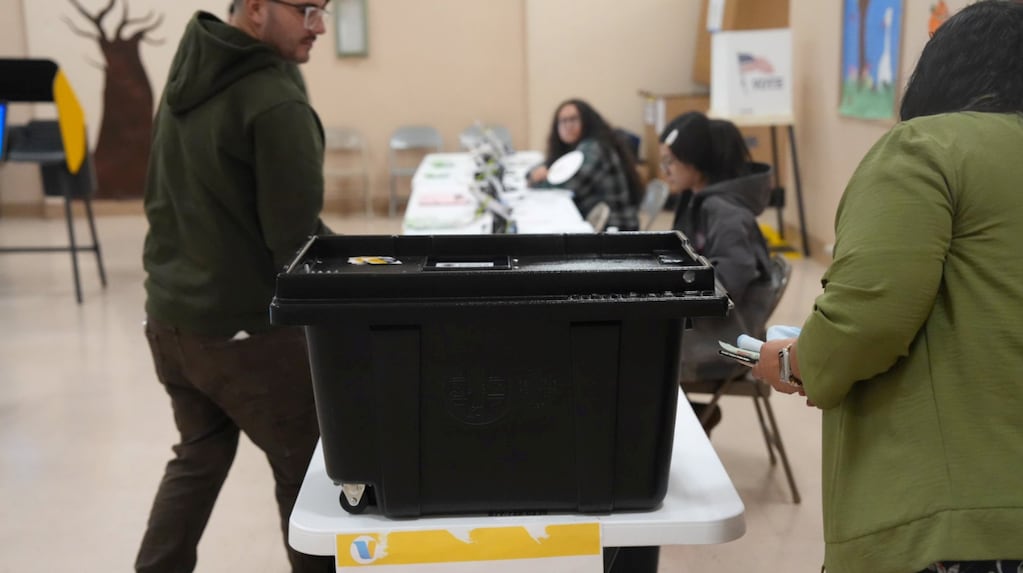
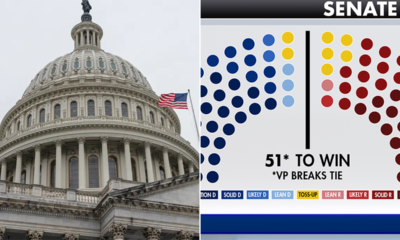
Estados Unidos celebra este martes las elecciones legislativas de mitad de mandato, en las que se definirá si el Partido Republicano del presidente Donald Trump mantiene el control del Congreso. La jornada está marcada por un amplio despliegue de observadores electorales, una elevada participación en el voto anticipado y una serie de disputas judiciales por los intentos de la Casa Blanca de intervenir en la organización de los comicios.
Millones de estadounidenses ya acudieron a las urnas y la participación anticipada va camino de superar la registrada en las anteriores elecciones de mitad de mandato. A pesar de las reiteradas denuncias de fraude de Trump, el proceso se desarrolló hasta ahora con relativamente pocos inconvenientes, según informó la agencia Associated Press.
El Departamento de Justicia preparó su mayor operativo de supervisión de centros de votación hasta la fecha, mientras que organizaciones vinculadas al Partido Demócrata y grupos defensores del derecho al voto organizaron un despliegue todavía mayor de observadores.
La elección se desarrolla en un contexto de incertidumbre política, después de que Trump condicionara su reconocimiento de los resultados a que los comicios fueran, según sus propias palabras, honestos.
La vigilancia electoral y las disputas judiciales que marcaron la previa de las elecciones
Durante los últimos meses, el gobierno de Trump impulsó distintas iniciativas para ampliar el control federal sobre las elecciones, cuya administración corresponde principalmente a los estados.
Los departamentos de Justicia y Seguridad Nacional participaron en una investigación a gran escala para identificar posibles votantes sin ciudadanía estadounidense. Una de las operaciones, realizada antes del amanecer en California, terminó con más de dos docenas de arrestos.
Sin embargo, los registros del propio gobierno y las investigaciones estatales muestran que los casos de personas sin ciudadanía que votan son extremadamente infrecuentes.
En paralelo, las reiteradas denuncias de fraude del presidente llevaron a funcionarios electorales y organizaciones demócratas a prepararse ante la posibilidad de que agentes de inmigración se presentaran en los centros de votación o de que las autoridades federales intentaran incautar máquinas electorales.
La administración republicana aseguró que no habría agentes federales armados custodiando las urnas durante la jornada. Hasta el lunes, las medidas que más preocupaban a los demócratas no se habían concretado.
La tensión también se trasladó a los tribunales. El lunes por la noche, la Corte Suprema de Estados Unidos rechazó un pedido del gobierno para obligar a California a separar miles de boletas, en el marco de sus investigaciones sobre presuntos votantes no habilitados.
El fallo se sumó a otra derrota judicial de Trump, ocurrida menos de dos meses antes, cuando el máximo tribunal frenó una iniciativa para modificar las condiciones del voto por correo mediante cambios en el Servicio Postal.
Además, el Departamento de Justicia había presentado una demanda para bloquear la certificación de los resultados en Alaska si la elección al Senado favorecía a los demócratas.
Especialistas en derecho electoral advirtieron que las iniciativas del presidente exceden las prácticas habituales de intervención federal en los comicios, aunque consideraron poco probable que sus argumentos prosperaran ante los tribunales.
Una semana antes de la votación, Trump volvió a poner en duda la legitimidad del proceso. Cuando un periodista le preguntó si aceptaría los resultados, respondió: “Lo haré si son honestos”.
La alta participación anticipada y los problemas que podrían afectar la votación
Los primeros centros de votación tenían previsto abrir a las 6 de la mañana, hora local, en distintos estados, entre ellos Connecticut, Indiana, Kentucky, Luisiana, Maine, Missouri, Nueva Jersey, Nueva York y Virginia.
La elevada concurrencia anticipada aparece como uno de los datos centrales de estas elecciones. Millones de ciudadanos ya emitieron su voto antes de la jornada principal, una tendencia que podría superar los niveles registrados en los anteriores comicios legislativos de mitad de mandato.
Sin embargo, las autoridades electorales también enfrentan dificultades logísticas que podrían afectar el desarrollo de la votación y el posterior escrutinio.
Las fuertes lluvias y las inundaciones repentinas registradas durante el fin de semana amenazaban con dificultar el acceso a los centros electorales en algunas zonas de Colorado, Arizona y Nuevo México.
Aunque la mayoría de los establecimientos mantuvieron sus ubicaciones, los funcionarios evaluaban posibles modificaciones según la evolución de las condiciones meteorológicas.
Otro motivo de preocupación es el voto por correo, debido a cambios recientes en las operaciones del Servicio Postal estadounidense que podrían provocar demoras en el matasellado de las boletas.
Por ese motivo, los responsables electorales recomendaron que quienes todavía deban entregar sus votos utilicen los buzones habilitados o los lleven personalmente a los centros de votación.
Durante las primarias de este año, decenas de miles de electores de California, Oregon y Washington quedaron sin poder contabilizar sus sufragios porque las boletas llegaron fuera de término o tenían matasellos tardíos.
Trump
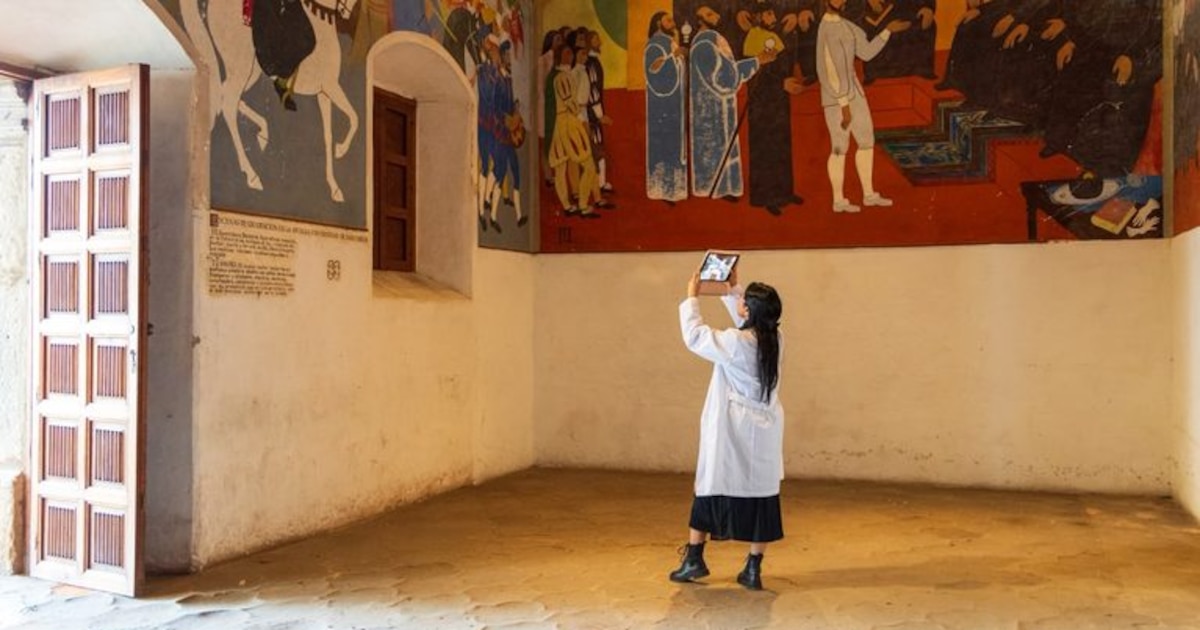
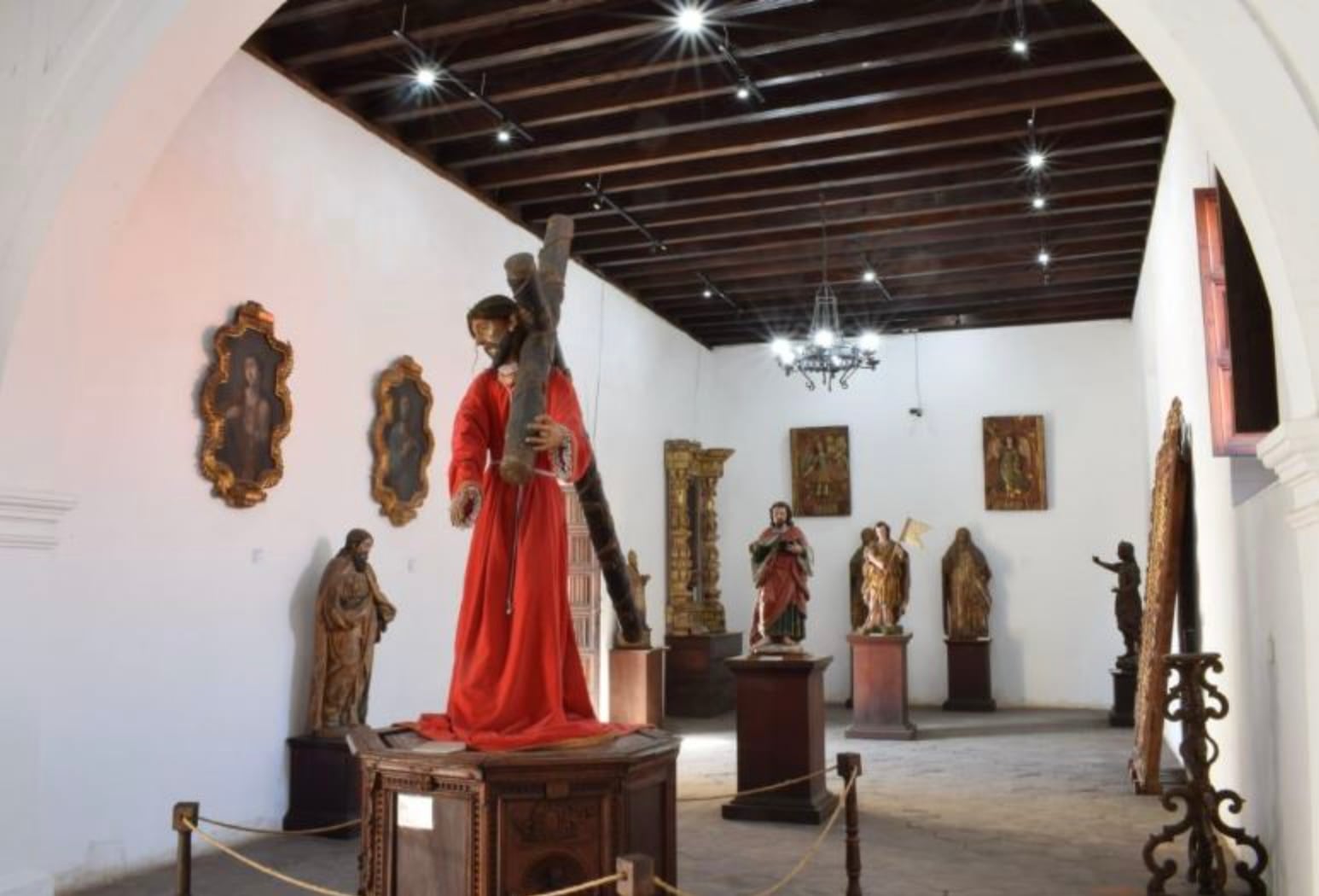
El Museo de Arte Colonial (MAC) de La Antigua Guatemala reabrió de forma progresiva con la exposición temporal «125 años de fe», dedicada al patrimonio de la Hermandad de Jesús Nazareno de la Caída.
La muestra abrió el 29 de octubre y reúne piezas vinculadas con la tradición del Quinto Domingo de Cuaresma, que la hermandad mantiene desde 1902.
La reapertura del recinto reunió al ministro de Cultura y Deportes, Luis Méndez Salinas; al encargado general de la Hermandad de Jesús Nazareno de la Caída, Gabriel Pellecer; al vocero de la organización, Eduardo Perea, además de autoridades, invitados y miembros de la comunidad antigüeña.
Durante el acto, Méndez Salinas vinculó el regreso del museo con la recuperación de una parte del patrimonio cultural del país. “En agosto, cuando recibimos de vuelta las llaves, dije que con el museo volvería a estar viva una parte de nuestra historia. Ahora sabemos qué parte llega primero”, afirmó el ministro.
El funcionario añadió que el espacio debe convertirse en un recinto de referencia para los visitantes y para la población guatemalteca. “Que este museo sea como el Quinto Domingo de Cuaresma un lugar que todo el pueblo guatemalteco reclame como suyo”, expresó.
La muestra reúne túnicas, mantos y objetos procesionales
La exhibición presenta una selección de patrimonio textil, escultórico y procesional de la Hermandad de Jesús Nazareno de la Caída. El recorrido incluye túnicas, mantos, resplandores, uniformes, estandartes y otros enseres históricos usados en torno al cortejo religioso.
Pellecer definió la apertura de la muestra como una oportunidad para compartir con el público piezas que habitualmente forman parte de la vida interna de la hermandad. “Hemos abierto el ropero de Jesús”, dijo al referirse a los objetos expuestos en el MAC.
Las piezas permiten seguir la evolución de las expresiones devocionales y artísticas que acompañan la procesión del Quinto Domingo de Cuaresma. La tradición tiene en Jesús Nazareno de la Caída una de sus imágenes centrales y convoca cada año a devotos que participan en su recorrido por las calles de La Antigua Guatemala.
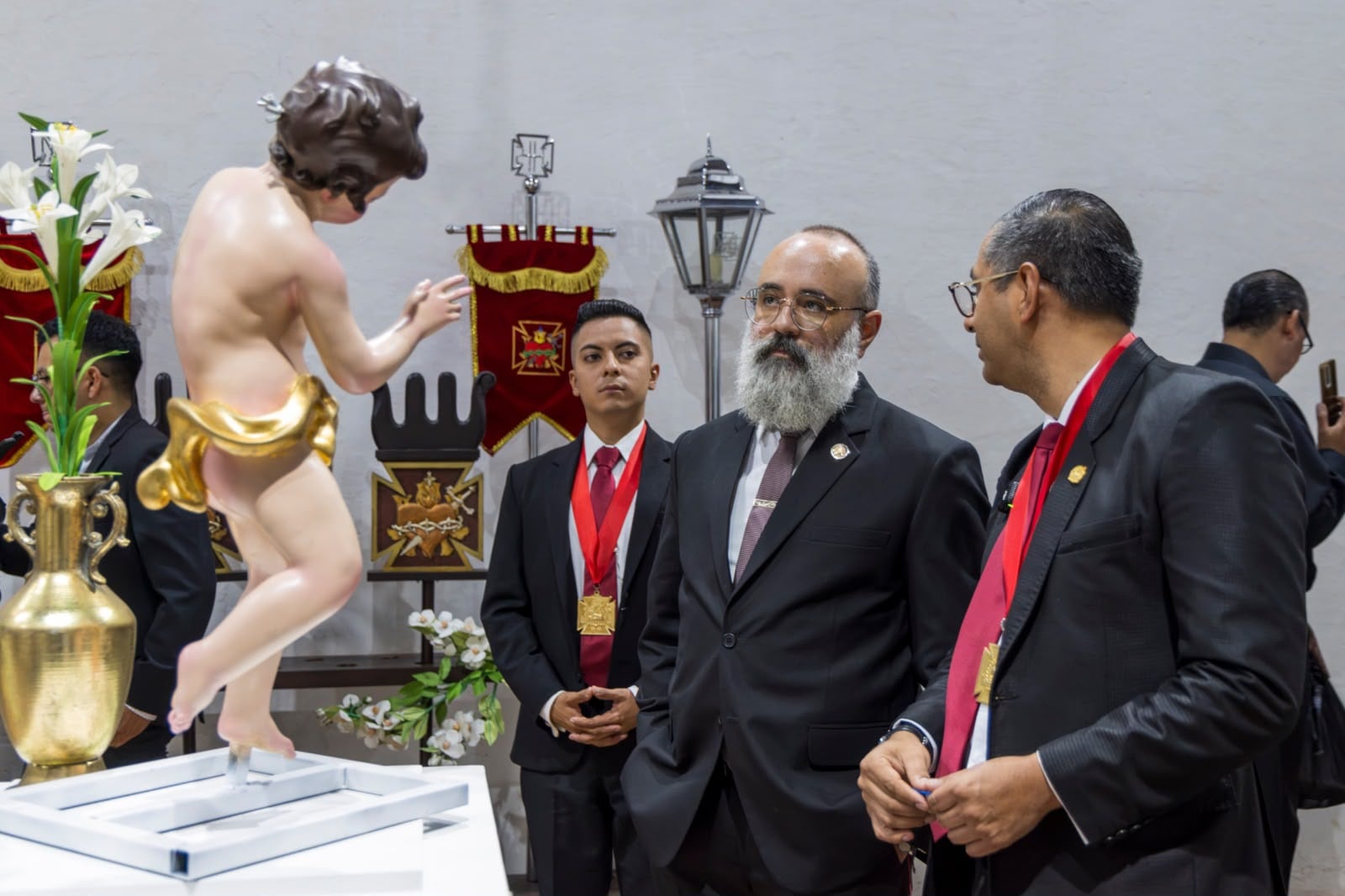
Para Perea, los objetos exhibidos conservan una relación vigente con la devoción y no deben entenderse solo como vestigios históricos. “Al abrir las puertas del MAC, los invitamos a contemplar este patrimonio vivo no como objetos inertes del pasado, sino como los tesoros que hoy acompañan el caminar del Protector Perpetuo de la Humanidad”, señaló.
La exposición estará abierta hasta el 22 de noviembre
La exposición «125 años de fe» podrá visitarse hasta el 22 de noviembre de 2026. El museo atenderá de 9:00 a 16:00 horas de lunes a viernes, mientras que los fines de semana abrirá a partir de las 10:00 horas.
El costo de ingreso será de Q5, unos USD 0,64, para visitantes nacionales y de Q50, USD 6.49, para extranjeros. La muestra inaugura una nueva etapa de actividades en el museo, que prevé incorporar exposiciones temporales y actualizar su propuesta museográfica.
La reapertura ocurre después de que el Ministerio de Cultura y Deportes retomara la administración del inmueble el 11 de agosto.
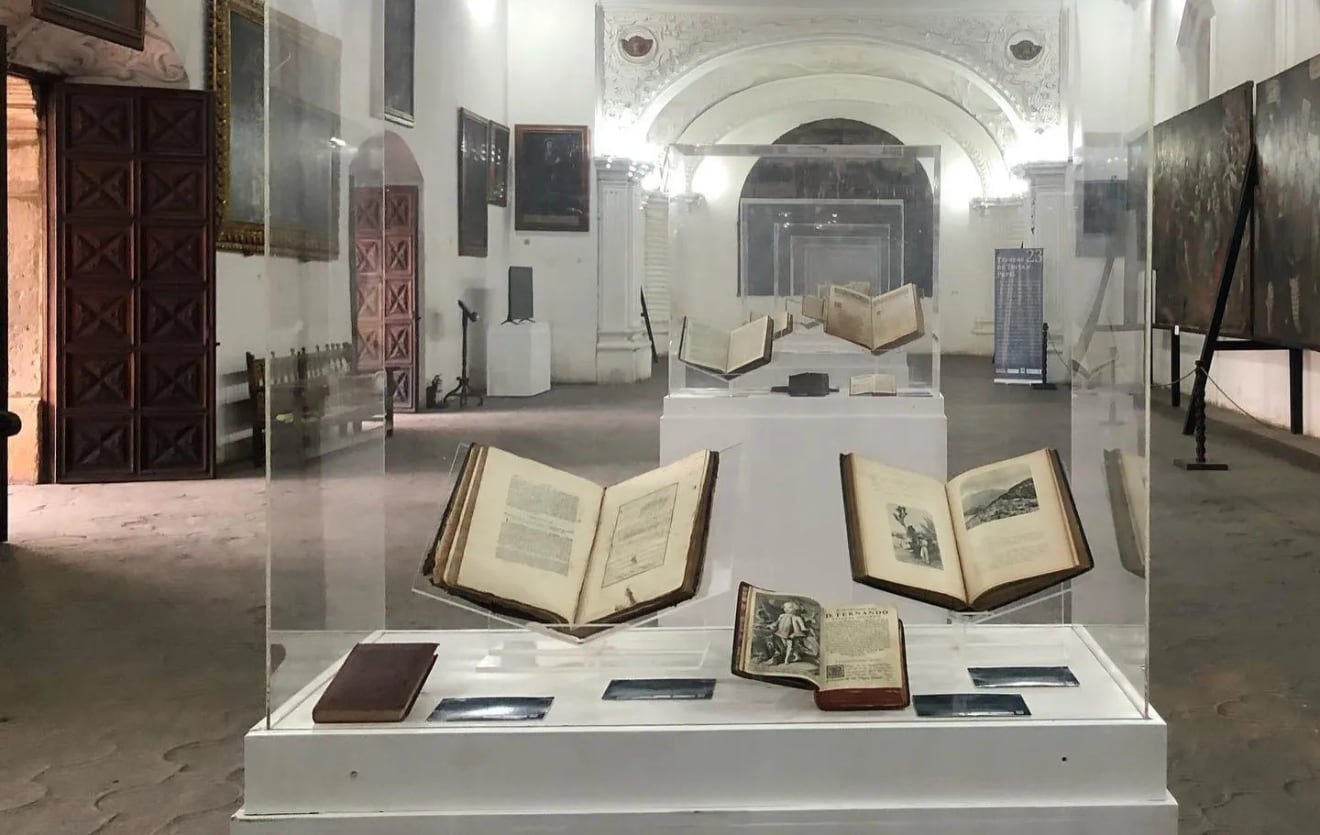
La cartera inició entonces trabajos de limpieza, acondicionamiento y restablecimiento del sistema de videovigilancia, además de evaluaciones sobre el estado de techos, paredes, pisos, instalaciones eléctricas, iluminación y humedad.
El ministerio prevé el retorno de 287 bienes patrimoniales
El MAC resguarda 287 bienes culturales pertenecientes a la colección patrimonial del país. El Ministerio de Cultura y Deportes informó que la recuperación del edificio permitirá organizar su retorno bajo criterios de conservación y seguridad.
El recinto había permanecido cerrado durante nueve meses, después de diligencias judiciales iniciadas en diciembre de 2025 a partir de una denuncia por las condiciones de conservación de los bienes.
Durante ese proceso, 198 piezas fueron trasladadas al Palacio Nacional de la Cultura, mientras otras permanecieron de forma temporal en el museo por las dificultades que implicaba su movilización.
Entre las obras trasladadas figuraron piezas atribuidas a Tomás de Merlo, entre ellas “San Salvador de Horta” y pinturas de la serie La Pasión de Cristo. El Ministerio indicó que los movimientos se realizaron por orden judicial y bajo protocolos de protección para las obras.
La recuperación de las llaves del inmueble también puso fin, de forma parcial, a una disputa institucional sobre su custodia y uso.
La cartera sostuvo que el edificio está amparado por un acuerdo de usufructo vigente hasta 2032, mientras que la Municipalidad de Antigua Guatemala argumentó que el inmueble debía regresar a la comuna si dejaba de operar como museo.
Guatemala,Bernardo Arévalo,Gobierno de Guatemala,Museo de Arte Colonial,Ministerio de Cultura y Deportes,Antigua Guatemala,Museo,Patrimonio cultural
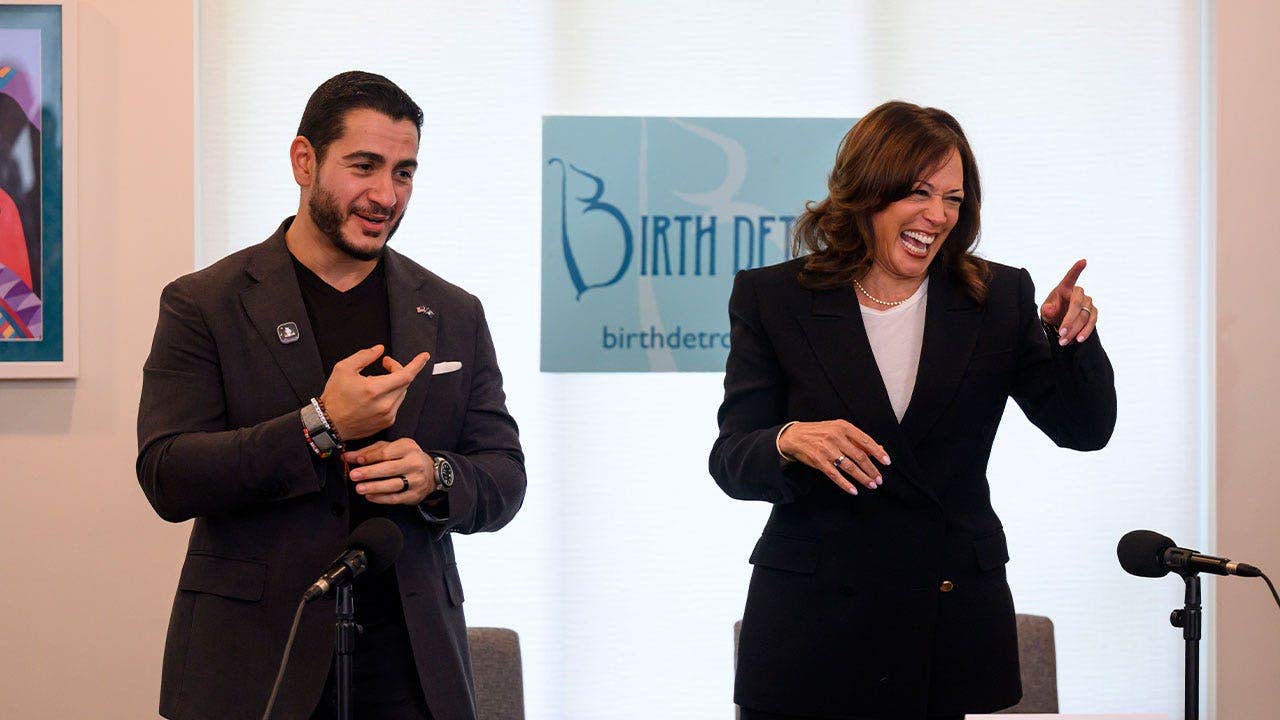
Michigan Democratic Senate candidate Abdul El-Sayed is facing renewed scrutiny from Republican critics over his mother’s questioning by federal investigators more than two decades ago as part of an investigation into an Islamic charity where she worked.
El-Sayed’s Republican opponent, former Rep. Mike Rogers, R-Mich., accused the Democratic candidate of misleading Michigan voters about his views on the Muslim Brotherhood, pointing to reported associations involving members of El-Sayed’s family.
El-Sayed previously told that he has «never been» and will «never be» a member of the Muslim Brotherhood. Digital is not aware of any direct ties between El-Sayed and the organization.
El-Sayed’s campaign did not respond to Digital’s request for comment.
CONTROVERSY OVER ABDUL EL-SAYED’S FAMILY TIES TO MUSLIM BROTHERHOOD IGNORED, DOWNPLAYED BY LIBERAL MEDIA
«Michiganders cannot trust Abdul El-Sayed. He lies about his physician credentials, his family life, and about how much his disastrous policies will cost Michigan’s families,» a spokesperson for Rogers told Digital. «Tell the truth, Abdul.»
El-Sayed has not publicly addressed the details of his mother’s questioning by federal investigators or the raid on the offices of the Islamic charity where she worked since the Washington Free Beacon resurfaced the reports last month.
Federal authorities raided the Missouri office of the Islamic American Relief Agency (IARA), where El-Sayed’s mother, Fatten Elkomy, worked in 2004, according to the Columbia Daily Tribune. The newspaper reported that federal agents questioned Elkomy for approximately three hours during the investigation.
In 2008, IARA was shut down by the federal government in connection with alleged violations of federal sanctions and terrorism-related financing restrictions, including allegations involving funding for Islamic militants in Afghanistan and terrorist groups such as the Taliban and al Qaeda.
Elkomy was not charged in connection with the investigation, according to multiple reports. Digital has found no evidence that she facilitated transfers of funds to terrorist organizations.
The U.S. Treasury Department did not respond to Digital’s request for comment about the government’s findings concerning IARA’s alleged connections to the Muslim Brotherhood or why Elkomy was questioned by federal investigators.
TRUMP LINKS MICHIGAN SENATE CANDIDATE ABDUL EL-SAYED TO MUSLIM BROTHERHOOD: ‘HE’S A CON MAN’
During his Senate campaign, El-Sayed has sought to distance himself from his mother’s reported political associations, emphasizing that she did not raise him.
El-Sayed was raised in Michigan by his father and stepmother after his parents divorced when he was 3.
«I have no ties. We have no ties,» El-Sayed told NBC’s Tom Llamas in October. «I have never had these conversations with my mother, I wasn’t raised by my mother.»
The scrutiny of El-Sayed extended to the candidate’s fundraisers and campaign events with Islamic leaders, some of whom have reported ties to the Muslim Brotherhood or have been accused of making antisemitic or hateful remarks. The controversy has also included El-Sayed’s campaign appearances with left-wing streamer Hasan Piker.
His former Democratic primary opponent, Rep. Haley Stevens, D-Mich., endorsed Rogers on Sunday, citing concerns about El-Sayed’s approach to the safety of Michigan’s Jewish community and his repeated campaign appearances with Piker, who previously said, «America deserved 9/11.»
«I don’t like a democratic nominee for U.S. senate campaigning and standing with someone who’s saying that America deserved 9/11,» Stevens said during a CNN interview Sunday night.
El-Sayed declined to comment on Piker’s remarks during an April interview with POLITICO but later disavowed them during an August appearance on NBC’s «Meet the Press.»
EL-SAYED ERUPTS AT GOP RIVAL OVER MUSLIM BROTHERHOOD ACCUSATIONS IN FIERY SENATE DEBATE
Amy Mek, founder of the RAIR Foundation, a nonprofit organization focused on investigating groups it identifies as connected to terrorism, echoed Rogers’ concerns about national security and El-Sayed’s silence in a statement to Digital.
Mek, who previously testified before Congress about terrorism-related threats in the United States, told Digital that she believes El-Sayed’s silence on his mother’s questioning reflects political considerations.
She also pointed to social media posts by El-Sayed’s half-sister, Eman Abdelhadi, who wrote on X in 2012 that members of their family have «long been» members of the Muslim Brotherhood.
In a separate 2013 post that remains publicly available on her account, Abdelhadi said she was «praying for all my family that supports the #MB.»
Abdelhadi later recalled her family’s fear of FBI surveillance in a 2016 article titled, «Queer, Muslim, and Unwelcome at the ‘New Stonewall.’»
El-Sayed has not publicly addressed his half-sister’s statements in detail but called the tweets «not serious» during his NBC interview, accusing Llamas of «using hearsay evidence from a tweet» to question him about his family’s reported connections to the Muslim Brotherhood.
politics, abdul el sayed, fbi, al qaeda terror, midterm elections

Preocupación en River Plate: Juan Cruz Meza sufrió un desgarro tras el Superclásico y será baja

El impresionante chimento del casamiento de Lali Espósito y Pedro Rosemblat que sorprendió a todos: «Lloró de principio a fin»

Estados Unidos vota en las elecciones legislativas con un fuerte operativo de vigilancia y una alta participación anticipada

Denunciaron ante el Consejo de la Magistratura a cinco jueces federales por integrar tribunales de la AFA

La leyenda de Alemania que elogió la carrera de Messi en la Selección y cambió de opinión sobre su debate con Maradona tras Qatar

Nintendo visitó museos y fabricó sus propios tejidos para diseñar la túnica de Link en Zelda: Ocarina of Time Remake – Nintenderos

Qué pasó con el Refugio de Eli y por qué hizo enfurecer a Santi Maratea: «Fue un desastre, él nunca más le contestó y le prohibió…»

Darío Barassi reveló el nombre que había elegido en caso de tener un hijo varón: «Tiene personalidad»

El “efecto Lula” sigue pegando en Argentina: los bonos sintieron el impacto, pero el tipo de cambio aguantó

El secretario de Culto dijo que Milei recibirá al Papa en el aeropuerto y habló de una cadena nacional

 CHIMENTOS1 día ago
Qué pasó con el Refugio de Eli y por qué hizo enfurecer a Santi Maratea: «Fue un desastre, él nunca más le contestó y le prohibió…»
- ECONOMIA2 días ago
El “efecto Lula” sigue pegando en Argentina: los bonos sintieron el impacto, pero el tipo de cambio aguantó
- POLITICA2 días ago
Agustín Caulo: “El Gobierno sigue trabajando para que no se politice la visita de León XIV a la Argentina”