INTERNACIONAL
Adorable, pero letal: así es el loris perezoso, el único primate venenoso del planeta

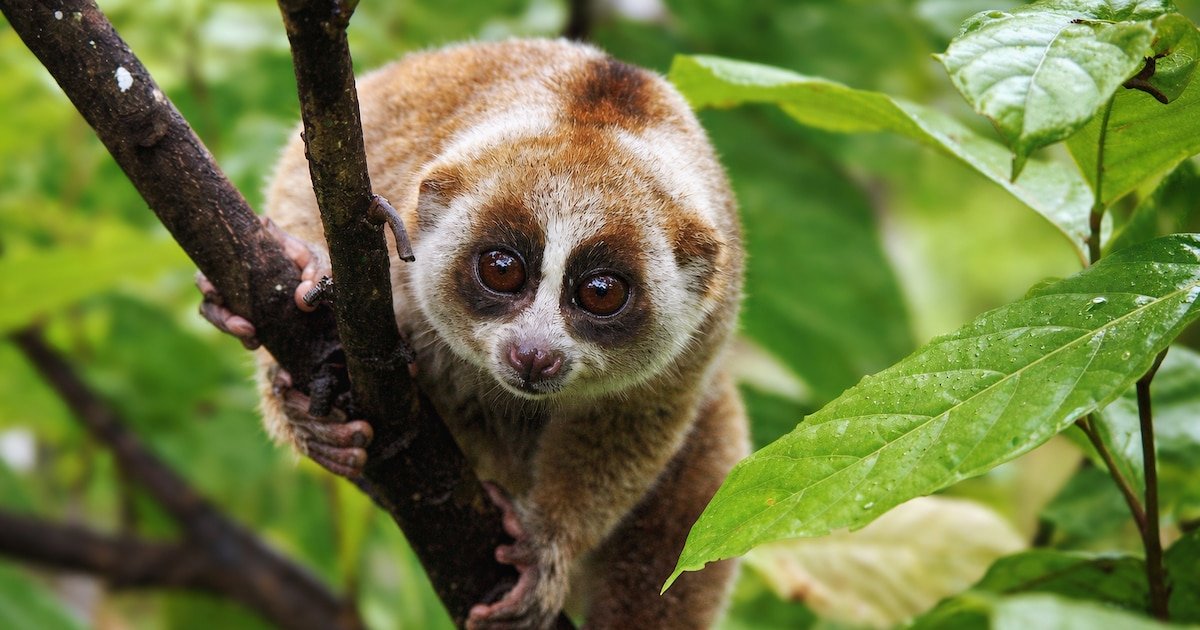
El loris perezoso se destaca como el único primate venenoso del mundo, habitante del sudeste asiático y actualmente considerado una especie vulnerable. Según National Geographic, su aspecto adorable y la viralización de videos en internet impulsaron su demanda como mascota exótica, aunque su mordedura puede ser letal para los humanos y el tráfico ilegal de ejemplares pone en riesgo su supervivencia.
Conocido científicamente como Nycticebus coucang, el loris perezoso pertenece a un reducido grupo de mamíferos venenosos, una rareza fuera de insectos, reptiles o peces. Otros ejemplos de mamíferos con veneno son el ornitorrinco, algunas musarañas y el topo europeo.
Este primate se caracteriza por su pequeño tamaño, pelaje denso y grandes ojos. Su dieta omnívora incluye savia, frutos, néctar y pequeños insectos. A diferencia de otros animales que usan veneno para cazar, el loris lo emplea con fines sociales y defensivos.

Presenta glándulas braquiales en sus extremidades anteriores, que secretan una toxina potente. Antes de atacar, lame la zona para mezclar la secreción con saliva y así preparar su mordida venenosa. Este proceso requiere tiempo y suele utilizarse en disputas territoriales o cuando el animal se siente amenazado. Un estudio citado por National Geographic en Current Biology indicó que 1 de cada 4 víctimas analizadas presentaba heridas graves por mordeduras entre loris.
El veneno no está destinado a la caza, sino a la autoprotección y a resolver conflictos entre congéneres. Este rasgo ha convertido al loris perezoso en objeto de investigaciones recientes, centradas en la composición de su toxina y los riesgos para la salud humana.
Respecto a su peligrosidad, se documentó casos médicos graves tras la mordedura de un loris. Según National Geographic, una investigación en BMJ Case Reports recogió el caso de un hombre de 30 años en Borneo que necesitó atención hospitalaria urgente tras sufrir asfixia e hipotensión debido a una reacción alérgica grave. En Japón, una mujer de 37 años sufrió daños neurológicos, necrosis y colapso orgánico tras ser mordida por un loris mascota, demostrando que una reacción intensa puede ser letal en minutos.

La percepción de que el loris perezoso es un animal dócil alimenta su demanda como mascota, pero esta imagen es engañosa. Anna Nekaris, experta en conservación, señaló a The New York Times que su comportamiento agresivo es notable: “Se trata de un comportamiento que puede considerarse raro o extraño por tratarse de uno de nuestros parientes más cercanos”.
Nekaris ejemplificó la contradicción entre su apariencia y temperamento: “Si los conejos asesinos de Monty Python fueran un animal real, serían loris perezosos y se estarían atacando entre ellos”.
El auge del mercado negro está potenciado por la viralidad en redes sociales, lo que impulsa la captura indiscriminada de ejemplares. Muchas personas desean tener uno como mascota, ignorando el peligro para ellas y para la especie. Los traficantes suelen extraerles los dientes para impedir mordeduras y la inyección de toxina, una práctica que provoca gran sufrimiento y reduce su esperanza de vida.

En cautiverio, los loris perezosos no pueden satisfacer sus necesidades naturales, lo que deteriora su salud y vulnera su condición de especie salvaje.
Actualmente, el loris perezoso está considerado especie vulnerable. La presión del tráfico ilegal, sumada a la pérdida de hábitat, agrava su situación. Además de su mecanismo defensivo, cumple un papel importante en los ecosistemas del sudeste asiático, por ejemplo, transportando polen y controlando poblaciones de insectos.
Expertos como Nekaris subrayan la urgencia de proteger a este primate, ya que su destino depende de la concienciación pública y de la aplicación estricta de la legislación, advierte National Geographic. Preservar al loris perezoso implica resguardar la diversidad biológica y el patrimonio evolutivo único de los bosques asiáticos, donde su presencia simboliza el delicado equilibrio de la vida silvestre.

INTERNACIONAL
Dad loses custody of autistic son after fighting sex change, gets support from Elon Musk

NEWYou can now listen to Fox News articles!
A devastated father in Iceland says he was stripped of his parental rights after speaking out against his 11-year-old autistic son’s sex change — a case that has drawn international attention, including from billionaire Elon Musk — as he accuses the courts of prioritizing progressive ideology over a parent’s right to protect their child.
Alexandre Rocha, a French national who has lived in Iceland for 25 years, lost custody to the child’s mother in December and told Fox News Digital he believes the judge ruled against him because he questioned the long-term impacts of puberty blockers and hormone therapies.
«It should be a crime,» Rocha said of the medical interventions. «You are molesting kids, castrating a boy, like in the case of my kid. This shouldn’t happen. This is an ideology that has no place for kids.»
He argued that his then-10-year-old — whose worldview is shaped by video games like Minecraft and Roblox — could not comprehend the permanent consequences of sex reassignment.
ESSAY EXPOSES CRUMBLING MEDICAL CONSENSUS ON YOUTH GENDER SURGERY
Alexandre Rocha is pictured in this undated photo holding his son. (Photo courtesy of Alexandre Rocha)
«Naturally, every kid [after a separation and autism diagnosis] will have a mental challenge,» Rocha said. «The transition is a happy place. They do feel validated, they like the attention… To me, the concern is the long-term. Will they still be happy in four years from now, or six years, from having blockers and having more hormones? Is it really fixing what is underlying — the mental challenge or difficulty, whatever they’re going through?»
Despite his child being diagnosed with autism spectrum disorder just eight months ago, Rocha said the court and medical professionals «slightly passed over» the diagnosis during the trial.
He noted that children on the autism spectrum often struggle with feeling «right in their skin» or «wanting to be something else,» adding that his child sometimes prefers to be a cat — wearing a tail or cat ears.
VIRGINIA MOM PRAISES TRUMP FOR SHINING ‘A LIGHT’ ON DAUGHTER’S SCHOOL TRANSITION CASE DURING SOTU
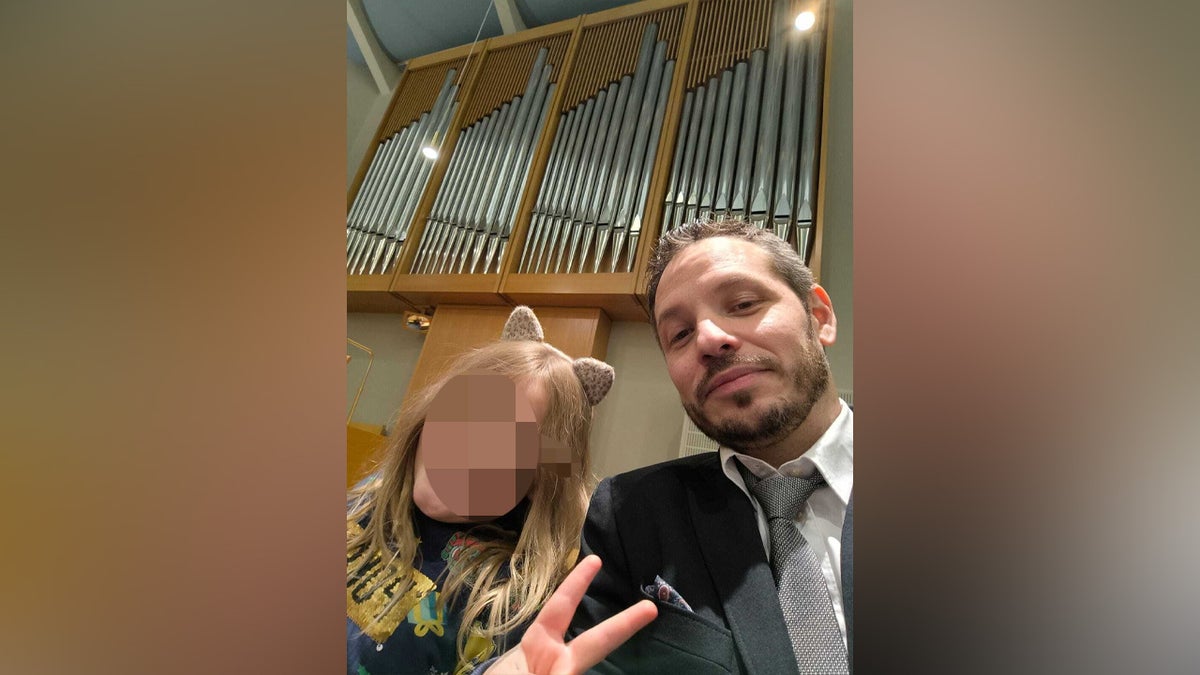
Alexandre Rocha is pictured in this undated photo with his son. (Photo courtesy of Alexandre Rocha)
However, when he raised those concerns in court, Rocha said an Icelandic endocrinologist «totally dismissed» him under oath, guaranteeing the hormone drugs posed «no problem» and refusing to examine underlying mental health factors.
Now cut out of the medical decision-making process, Rocha said he fears what treatment his son may be receiving without his knowledge.
«It could very well be that he is being treated with hormones and I don’t know anything about it,» he said.
Rocha added that the child’s mother is pushing a «stronger ideology than ever,» saying he had to use advanced artificial intelligence (AI) program ChatGPT to understand terms like «deadname,» which refers to a person’s birth name before a sex change.
DAVID MARCUS: SCOTUS GETS CASE ON TRANSING KIDS RIGHT, DESPITE THREE CLUELESS JUSTICES
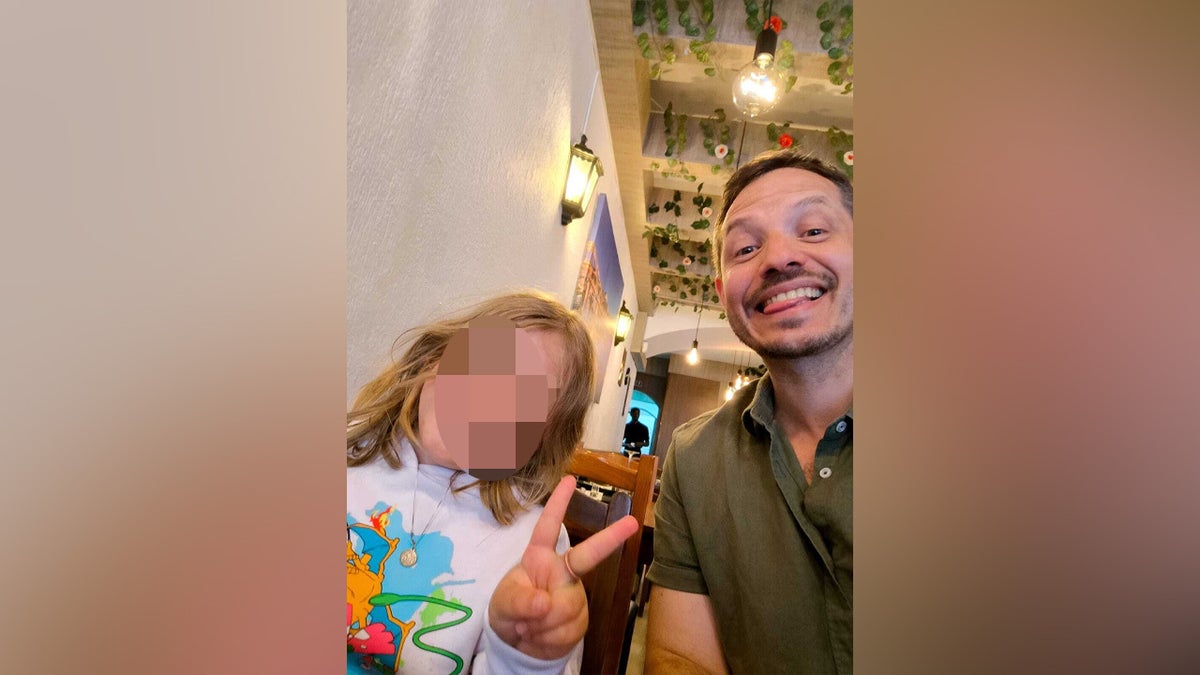
Alexandre Rocha is pictured in this undated photo with his son. (Photo courtesy of Alexandre Rocha)
«I can’t support this kind of speech. This, to me, is diabolical. It’s beyond love,» he said. «When you talk about a kid, you can’t talk about death. It just doesn’t make sense to me.»
Rocha said he was notified in February that the child’s mother formally changed his son’s name to a female name, «meaning his ID will now clearly state he is a girl.»
The father said he believes the court’s ruling was not about his child’s welfare, but rather a coordinated effort to silence dissent.
«It is to control parents. It is to control me,» he said. «It is to silence me. It is to give all power to this ideology.»
Rocha’s story has garnered international attention and recently caught Musk’s eye.
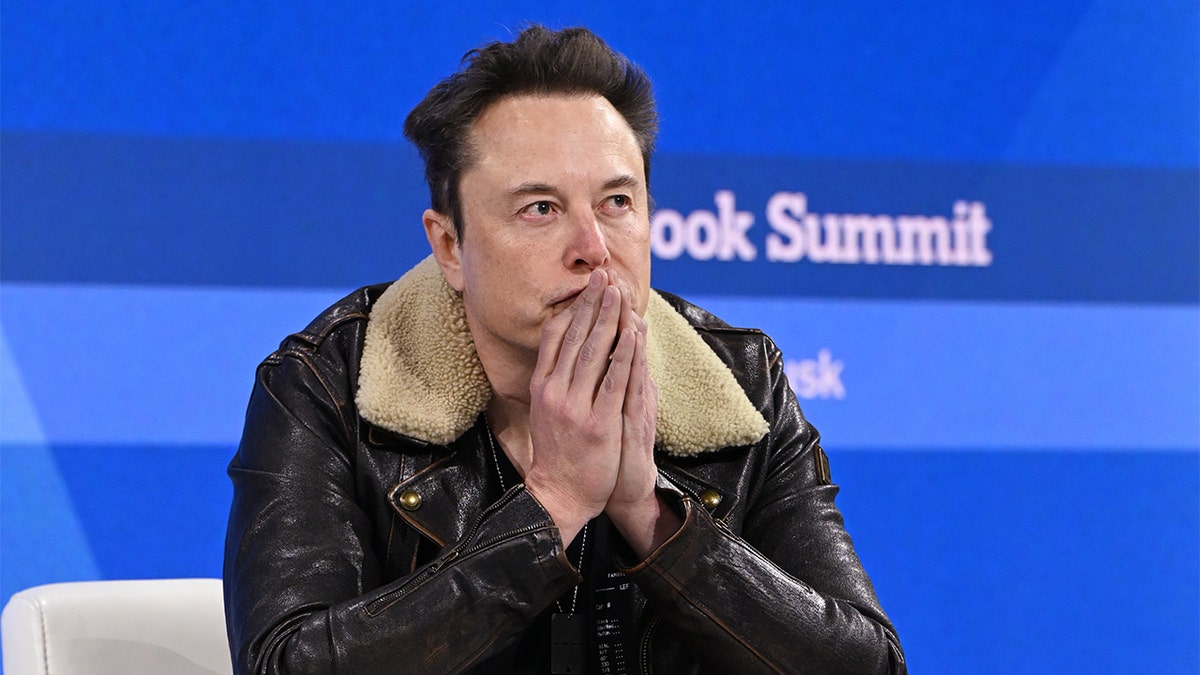
Rocha’s story recently caught the attention of Elon Musk. (Getty Images)
The Tesla CEO has been outspoken about transgender issues after revealing his son, Xavier, transitioned to a female and now goes by the name Vivian Jenna Wilson.
Musk said he was «essentially tricked» into giving consent for Wilson to go on puberty blockers, before he had «any understanding of what was going on.»
In response to a post about Rocha’s story on popular X account @libsoftiktok, Musk said, «The woke mind virus even affects Iceland.»
Rocha said he was «very surprised and honored» that Musk shared his story.
«I think we have a common fight going on,» he said. «Because at the end of the day, we’re all parents, no matter the borders or nationalities.»
Musk did not immediately respond to Fox News Digital’s request for comment.
CHLOE COLE ACT AIMED AT BLOCKING MINORS FROM UNDERGOING LIFE-ALTERING TRANSGENDER SURGERIES, GOP LAWMAKER SAYS
Beyond politics, Rocha said he misses everyday moments with his son, who he said he hasn’t seen since January.
«I miss story time at night and cooking together,» he said, noting how much he enjoyed sharing 1990s Steven Spielberg movies like «Jurassic Park» with his son.
Rocha recently requested daily fines against the child’s mother for obstructing his court-ordered visitation rights.
The mother denied intentionally blocking the visits, claiming the child refuses to attend because Rocha rejects his transgender identity and does not use his new name, according to court documents.
Rocha provided a witness affidavit alleging their last visitation went smoothly and that the child appeared happy and secure in his presence.
CHRISTIAN PARENTS LOSE FINAL APPEAL AFTER SWEDISH STATE TOOK DAUGHTERS FOLLOWING FALSE ABUSE CLAIM
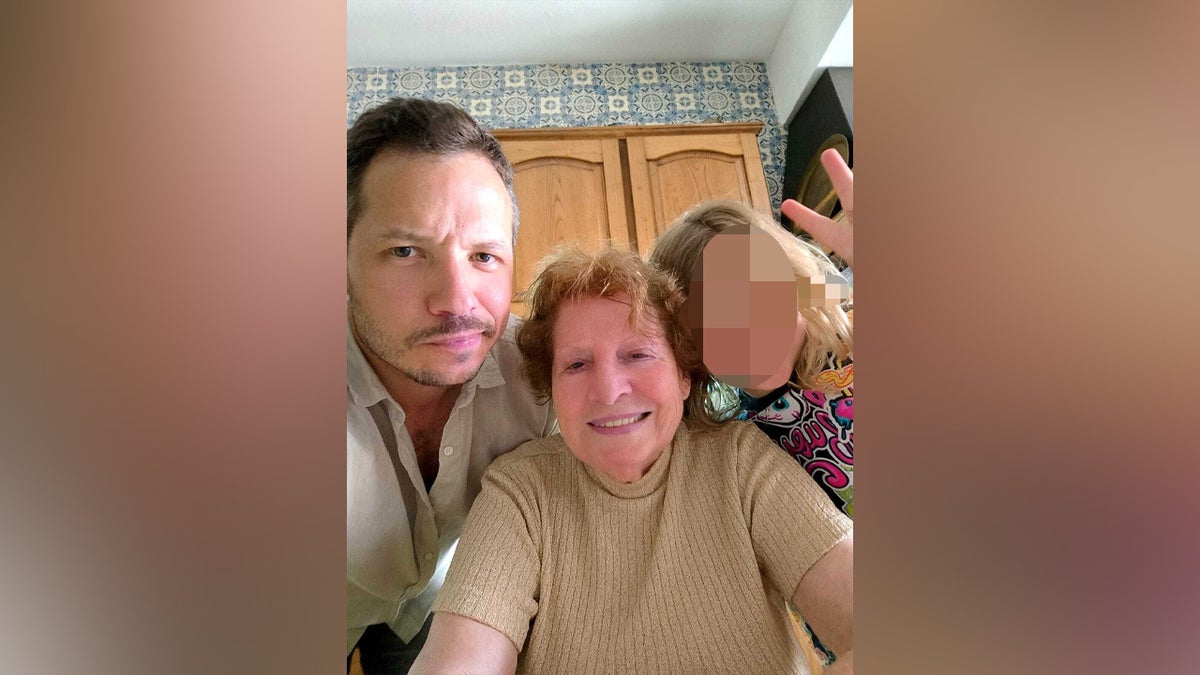
Alexandre Rocha is pictured in this undated photo with his grandmother and his son. (Photo courtesy of Alexandre Rocha)
He recalled a recent visit where his son said he «missed it, to be with grandma and my sister.»
«When you don’t know what’s happening on the other side, as a parent, you get really worried,» Rocha said. «We are slowly drifting apart, and that’s a very sad outcome of this.»
CLICK HERE TO DOWNLOAD THE FOX NEWS APP
Despite pressure to stay quiet, Rocha urged other parents to trust their «instincts,» speak up and seek professional guidance.
«I’m here for my kid and for his future,» he said. «That’s the only thing I care about. I am campaigning for him, for his future.»
The child’s mother could not immediately be reached by Fox News Digital for comment.
world,europe,childrens health,autism,parents,woke,elon musk
INTERNACIONAL
Pence: Trump upended ‘some aspects’ of GOP agenda but ‘hasn’t really changed the Republican Party’
NEWYou can now listen to Fox News articles!
EXCLUSIVE – Former Vice President Mike Pence says his fight to keep the Republican Party from drifting too far from its conservative roots and principles, amid a rise of populism in the GOP and big government creep in President Donald Trump’s second administration, is «the calling of my life right now.»
And Pence takes issue with the conventional wisdom that Trump, since he first won the White House a decade ago, has upended and completely transformed the Republican Party.
«I’m convinced that while President Trump has changed some aspects of the agenda of the Republican Party, he hasn’t really changed the Republican Party,» Pence argued in an exclusive interview this past week with Fox News Digital, a couple of months ahead of the release of a new book promoting the conservative agenda.
Sitting in his Washington, D.C., office at Advancing American Freedom, his policy and advocacy organization that has been expanding in recent months, the former vice president emphasized, «We intend to be a voice for what conservatives believe and have always believed, and that’s fiscal responsibility, traditional values, strong defense and American leadership.»
ONLY ON FOX NEWS: PENCE SAYS TRUMP ‘TURNED A DEAF EAR’ TO ISOLATIONISTS IN GOP
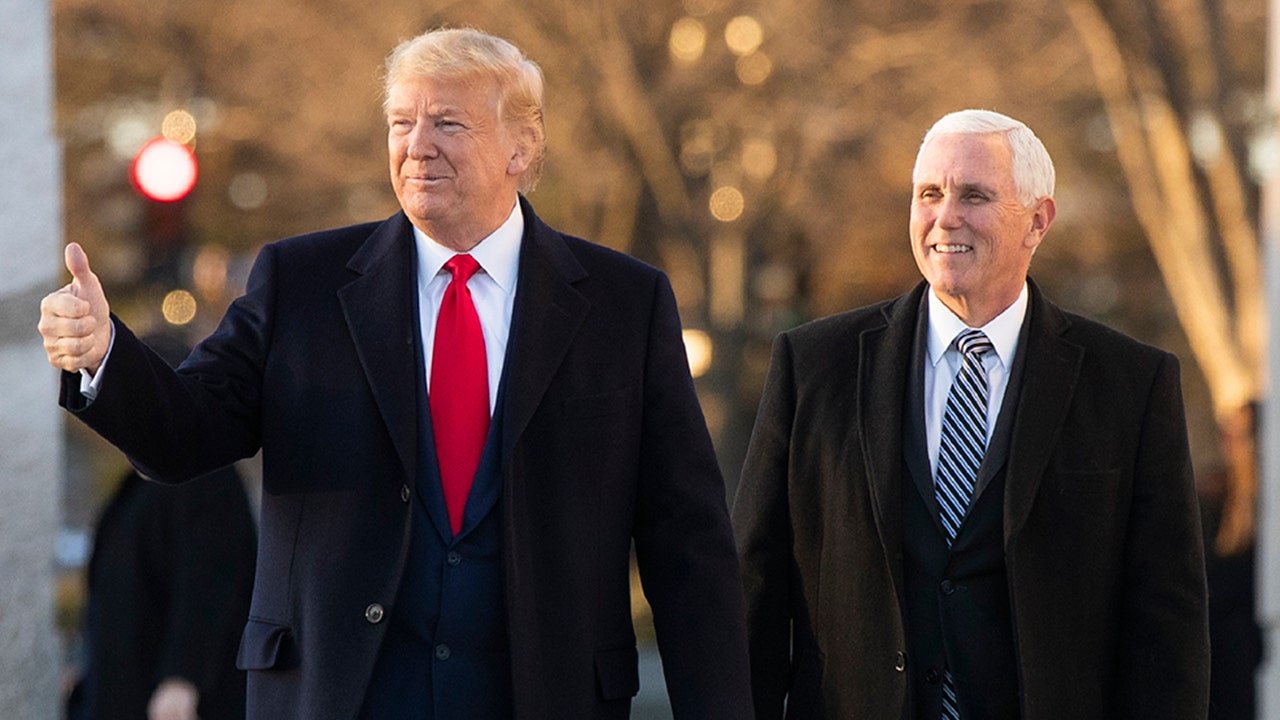
President Donald Trump arrives with then-Vice President Mike Pence attend a campaign rally in Traverse City, Michigan, on Nov. 2, 2020. (Brendan Smialowski /AFP via Getty Images)
Pence is a former congressman and Indiana governor who served as vice president during Trump’s first term in office before breaking with his boss amid the Jan. 6, 2021, attack on the U.S. Capitol as he oversaw congressional certification of the 2020 election results.
The former vice president gave a thumbs up to some of what Trump’s accomplished in his second term.
«I’ve been very proud of the fact of what this administration accomplished in securing our border. I was pleased that the administration turned aside from those that were talking about raising taxes on top marginal earners. They extended all the Trump Pence tax cuts,» he highlighted.
PENCE URGES SENATE TO ‘RESTORE PUBLIC CONFIDENCE’ WITH NATIONWIDE VOTER ID LAW
But Pence took issue with the second Trump administration for «embracing more big government programs and solutions, price controls on pharmaceuticals and credit companies, taking a position in private companies, the nationalization trend that has emerged, as well as marginalizing the right to life in so many ways and ignoring the scourge of mail order abortion pills around the country.»
«I am hopeful those advising the president are reminding him that it… was the conservative agenda that we governed on in our four years…that led to great prosperity for American families, for our economy and for strength in the world,» Pence said.
But the former vice president warned that «the Republican Party today is experiencing a scourge of some ‘-isms.’ We’ve seen protectionism show itself in unilateral tariffs that the Supreme Court of the United States recently turned back. We’ve seen some voices of isolationism that question our support for Israel, that would leave allies like Ukraine defend for themselves.»
And Pence added, «I think that the on the fringe and on the margins, voices of antisemitism in the party all need to be confronted, because none of those things represent what conservatives believe.»
But many Republicans would take issue with the former vice president’s argument that Trump hasn’t transformed the GOP.
«Donald Trump has tremendously altered the make-up of the Republican Party and the issues that it focuses on,» veteran GOP strategist and communicator Ryan Williams told Fox News Digital.
Williams emphasized that Trump «has altered the voter base of the Republican Party» and taken «the values and trajectory of this party in a different direction… It’s never going back to the way it was before.»
FOX NEWS EXCLUSIVE: PENCE CHARGES DEMOCRATS’ HOLDUP OF DHS FUNDING ‘UNCONSCIONABLE’
While not aiming to return the party to its pre-Trump image, Pence said his mission is to remind people that Republicans believe in a strong national defense of American leadership in the world. We believe in free market economics and limited fiscally responsible government. We believe in the right to life and traditional values.»
«It’s been those principles that have guided our party for more than a half a century and have been to the betterment of the American people,» he added.
Pence said his hope is that «we’ll see not only this administration hew back to our roots of conservatism, but that we’ll see candidates for the House and Senate and statehouse around the country come back to those core conservative principles.»
Republicans are battling stiff political headwinds as the party in power in the nation’s capital traditionally loses seats in the midterm elections, and a rough political climate fueled by economic concerns amid persistent inflation and Trump’s underwater approval ratings.
But Pence said that pushing a conservative platform is «not only a pathway toward American prosperity and the vitality of freedom, but it’s also a winning agenda.»
Likely boosting the former vice president’s push will be his new book, «What Conservatives Believe: Rediscovering the Conservative Conscience,» which is expected to release in June.
Pence ran on a traditional conservative platform, framing the future of the Republican Party against what he called the rise of «populism» in the party, as he bid for the 2024 GOP presidential nomination, as part of a large field that unsuccessfully challenged Trump.
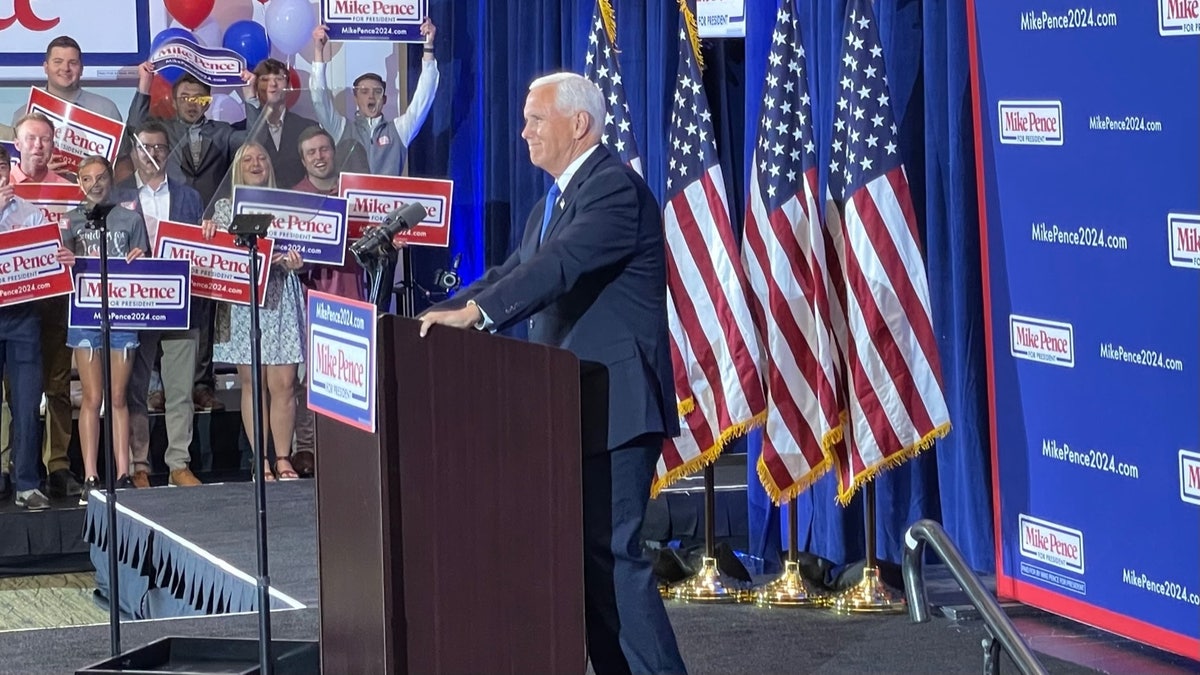
Pence formally announced his run for president in Ankeny, Iowa, on June 5, 2023. (Paul Steinhauser/Fox News)
While Pence, who became the first running mate in over 80 years to run against their former boss, regularly campaigned in the crucial early-voting states of Iowa, New Hampshire and South Carolina, his White House bid never took off.
Struggling in the polls and with fundraising, he suspended his campaign just four and a half months after launching it.
«It was clear to me that there’s a portion of the Republican Party today that’s being drawn aside by the siren song of populism unmoored to conservative principles. I spoke out against that as a candidate. Our foundation, Advancing American Freedom, has been championing that conservative agenda and will continue to,» Pence noted.

The offices Advancing American Freedom, the policy and advocacy organization founded by former Vice President Mike Pence, in Washington, D.C., on March 18, 2026. (Paul Steinhauser/Fox News)
Asked if there’s another White House run in his future, Pence didn’t rule anything out.
CLICK HERE TO DOWNLOAD THE FOX NEWS APP
«I will tell you, I’m not a long-term planner,» he answered. «We’ll let the future take care of itself.»
But he added, «For me, for my family, it really is all about the issues and values that first drew me to the Republican Party. Those are conservative values. And reminding our party and sharing with people across the country what conservatives believe and why it will make America stronger and more prosperous is really the calling of my time.»
donald trump,mike pence,republicans elections,midterm elections,presidential primaries,politics
El presidente de Estados Unidos, Donald Trump, advirtió que atacará las centrales eléctricas de Irán si la república islámica no abre “totalmente” el estratégico estrecho de Ormuz “en menos de 48 horas”, en un contexto de recrudecimiento de los bombardeos en Irán e Israel.
Al menos 175 personas resultaron heridas el sábado por la noche, once de ellas de gravedad, tras dos impactos de misiles iraníes, al sur de Israel, donde se encuentra la mayor instalación nuclear del país. Los ataques se produjeron en Dimona y Arad, después de que Teherán denunciara un ataque contra el complejo de enriquecimiento de uranio de Natanz.
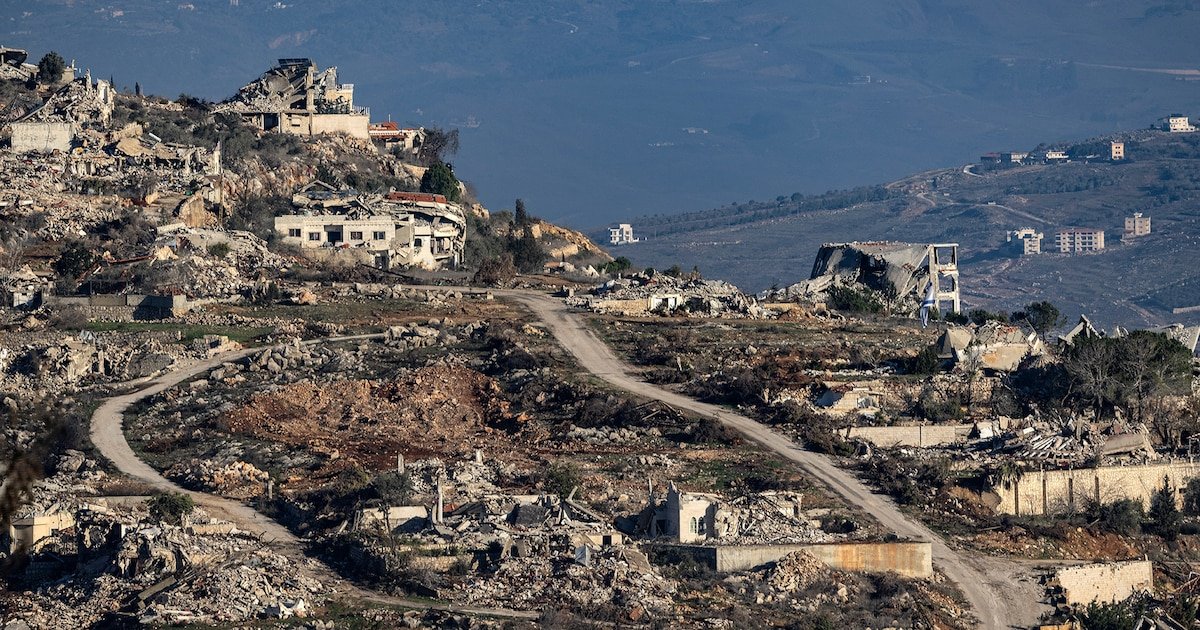
Las Fuerzas de Defensa de Israel (FDI) anunciaron en la madrugada del domingo una nueva ola de ataques sobre Teherán y dieron detalles de los últimos movimientos de las tropas terrestres en el sur del Líbano, en plena batalla contra el grupo terrorista de Hezbollah.
Por su parte, el Ministerio de Defensa de Arabia Saudita y la misma cartera de los Emiratos Árabes Unidos informaron la intercepción exitosa de drones y misiles balísticos que amenazaban su territorio.
A continuación, la cobertura minuto a minuto:
Seis personas murieron en un accidente de helicóptero en aguas qataríes
Al menos seis personas murieron en un accidente de helicóptero en aguas territoriales de Qatar mientras continúan las operaciones de búsqueda, para localizar a una persona desaparecida, informó el Ministerio del Interior del país.
El Ministerio de Defensa había señalado previamente que el helicóptero se estrelló tras sufrir un fallo técnico durante una “misión rutinaria”.
Japón descartó negociar en solitario con Irán para asegurar el tránsito por el estrecho de Ormuz
El Gobierno de Japón rechazó la posibilidad de mantener contactos bilaterales exclusivos con el régimen iraní para garantizar el paso de sus embarcaciones por el estrecho de Ormuz, a pesar de informaciones previas que señalaban la disposición de Teherán a facilitar la navegación japonesa en la zona.
El ministro de Asuntos Exteriores japonés, Toshimitsu Motegi, aseguró que esa opción no está en la agenda del Ejecutivo nipón. “No es algo que estemos considerando en este momento”, afirmó durante una entrevista para Fuji Television, citada por la agencia Bloomberg.
Al menos un muerto en el norte de Israel por un cohete lanzado desde Líbano

Una persona murió en el norte de Israel tras el impacto de un cohete lanzado desde Líbano, según informaron socorristas y el Ejército israelí. El ataque fue reivindicado por el movimiento proiraní Hezbollah.
“Hace poco se identificó un disparo (…) en dirección a una localidad situada a lo largo de la frontera. Hay daños y heridos que lamentar”, informaron las Fuerzas de Defensa de Israel vía X.
“Dos vehículos se incendiaron por completo tras un impacto directo en el kibutz Misgav Am. Los bomberos extrajeron a una víctima fallecida en el lugar”, precisó el cuerpo de bomberos.
Más tarde, Hezbollah afirmó haber atacado el domingo a soldados israelíes en Misgav Am. En un comunicado, el grupo terrorista indicó que lanzó “una salva de cohetes” contra una concentración de soldados israelíes en la zona, junto a otros ataques reivindicados en el norte de Israel y el sur del Líbano.
Esta muerte corresponde a la primera víctima civil en la frontera norte desde que Hezbollah lanzó un ataque contra Israel el 2 de marzo, en respuesta a la muerte del ayatolá Alí Khamenei en Irán. Israel respondió con una campaña de bombardeos en Líbano e incursiones terrestres en la zona fronteriza.
Un centro diplomático de EEUU en Irak fue atacado durante la noche

Ocho ataques nocturnos se dirigieron contra un centro diplomático y logístico estadounidense en el aeropuerto internacional de Bagdad, según informó un funcionario de seguridad iraquí a la agencia AFP.
“Ocho ataques distintos, llevados a cabo hasta el amanecer con cohetes y drones, tuvieron como objetivo el centro estadounidense”, señaló el funcionario, quien añadió que “algunos cohetes cayeron cerca de la base”.
Un segundo funcionario de seguridad indicó que se registraron seis ataques, mientras que una fuente policial informó sobre el hallazgo de un lanzacohetes en un distrito de Bagdad próximo al aeropuerto.
El G7 condenó los ataques “injustificables e imprudentes” del régimen de Irán contra los países del Golfo
Los ministros de Asuntos Exteriores del grupo internacional expresaron además su disposición a “tomar todas las medidas necesarias” para garantizar el suministro de petróleo en medio del bloqueo iraní


El G7 expresó su disposición a tomar todas las medidas necesarias para garantizar el suministro global de crudo, ante las dificultades en el tránsito por el estrecho de Ormuz bloqueado por el régimen de Irán desde el pasado 28 de febrero. A su vez, el sábado, más de 20 países dijeron estar “listos para contribuir” al desbloqueo de la zona marítima.
El régimen iraní dijo que el estrecho de Ormuz está abierto, salvo para EEUU e Israel
Irán afirmó que el estrecho de Ormuz permanece abierto a la navegación internacional, excepto para Israel y Estados Unidos, pese al ultimátum de 48 horas dado por el presidente estadounidense, Donald Trump, para la apertura total del paso marítimo.
“El estrecho de Ormuz está abierto para todos, excepto para los enemigos”, declaró el representante permanente de Irán ante la Organización Marítima Internacional (OMI) y embajador iraní en Londres, Ali Musavi, según la agencia Mehr.
Musavi agregó que el tránsito de embarcaciones por el estrecho es posible “con coordinación con las autoridades iraníes para las disposiciones de seguridad y protección”.
Irán atacó una base en Bagdad
La agencia oficial de noticias iraní IRNA informó el domingo que un ataque con drones tuvo como objetivo una base militar cerca del aeropuerto internacional de Bagdad.
La base militar, situada cerca del aeropuerto internacional de Bagdad, ha vuelto a ser blanco de ataques con drones, según informó la agencia IRNA, refiriéndose a un complejo que fue utilizado en el pasado por el ejército estadounidense.
Ascienden a 175 los heridos en los ataques iraníes contra ciudades del sur de Israel
El número de heridos tras los ataques iraníes contra las ciudades israelíes de Arad y Dimona ascendió a 175 personas, según informaron este domingo los servicios médicos de Israel, sin que hasta el momento se hayan reportado víctimas mortales.
El Centro Médico Soroka, donde fueron trasladados muchos de los afectados, comunicó que el ataque contra Arad dejó 115 heridos, de los cuales nueve se encuentran en estado grave. En total, 31 personas procedentes de Arad fueron hospitalizadas en Soroka, incluidos 18 niños, según recogió el diario ‘Times of Israel’.
Israel intensificó su operación contra Hezbollah en el sur de Líbano

Las Fuerzas de Defensa de Israel (FDI) informaron que la División 36 mantiene operaciones terrestres selectivas para destruir infraestructuras de Hezbollah en el sur del Líbano. Durante la operación, las fuerzas israelíes allanaron varias estructuras militares de la organización y localizaron numerosas armas.
Las fuerzas de la Brigada 7 eliminaron a más de diez integrantes de Hezbollah que representaban una amenaza inmediata para las tropas israelíes. Al mismo tiempo, el equipo de combate de la Brigada Golani localizó una estructura utilizada como punto de reunión por miembros de la organización. En la zona se hallaron cohetes, armas y municiones empleadas para ejecutar ataques contra las fuerzas israelíes y el Estado de Israel.
Las FDI afirmaron que continuarán actuando con firmeza contra Hezbollah, señalando que la organización opera bajo el auspicio del régimen iraní, y reiteraron que no permitirán daños a los ciudadanos de Israel.
Irán desafió a Donald Trump: el régimen dijo que atacará plantas energéticas y de desalinización en la región
Tras la advertencia del presidente estadounidense sobre la apertura del estrecho de Ormuz, Teherán aseguró que si su infraestructura es bombardeara actuará en consecuencia contra centrales de EEUU e Israel

El régimen de Irán advirtió el domingo sobre posibles ataques a la infraestructura energética y tecnológica de la región del Golfo tras una advertencia del presidente estadounidense Donald Trump, en la cual aseguró que EEUU “destruirá” las centrales eléctricas de Irán si sus autoridades no abren el estrecho de Ormuz en 48 horas.
Asia / Pacific

Dad loses custody of autistic son after fighting sex change, gets support from Elon Musk

Día Mundial del Agua: el desafío invisible que define nuestro futuro

El gol de Prestianni en Benfica antes de sumarse a la Selección

Círculo rojo: los múltiples frentes de un gobierno en problemas para volver a “inundar la zona”

El Chino Volpato relató cómo fue su lucha contra el cáncer para regresar a los escenarios: “Fue un baldazo de agua fría”

Pence: Trump upended ‘some aspects’ of GOP agenda but ‘hasn’t really changed the Republican Party’

Juicio por YPF: la Justicia de EEUU benefició a Argentina y suspendió todas las demandas hasta que se defina la cuestión de fondo

Senado: la oposición pidió explicaciones por $LIBRA y los vuelos de Adorni y Bullrich defendió al Gobierno

Kicillof desembarcó en CABA, lanzó su proyecto 2027 y empezará a ampliar su armado político en todo el país

¿DÓNDE ESTÁ ESMERALDA? El grito de una madre que sacude a la Argentina: «Me la arrebataron de la puerta»

 POLITICA2 días ago
Kicillof desembarcó en CABA, lanzó su proyecto 2027 y empezará a ampliar su armado político en todo el país
- POLITICA3 días ago
¿DÓNDE ESTÁ ESMERALDA? El grito de una madre que sacude a la Argentina: «Me la arrebataron de la puerta»
- POLITICA2 días ago
¿MACRI 2027? El «operativo retorno» que sacude al PRO y los nombres que suenan para la vicepresidencia