INTERNACIONAL
Aduanas de Panamá responde a Venezuela y niega apertura indebida de valija diplomática

La Autoridad Nacional de Aduanas de Panamá respondió a la denuncia del gobierno venezolano sobre la presunta apertura de una valija diplomática en el Aeropuerto Internacional de Tocumen, asegurando que todas las actuaciones se realizaron conforme a la normativa nacional y a los acuerdos internacionales vigentes, con el objetivo de proteger el territorio nacional y la seguridad de sus habitantes.
La institución indicó que la intervención se produjo en el marco de procedimientos regulares de control aeroportuario, destacando que no existió vulneración deliberada del régimen diplomático, sino la aplicación de protocolos de verificación ante imágenes consideradas irregulares en el escáner.
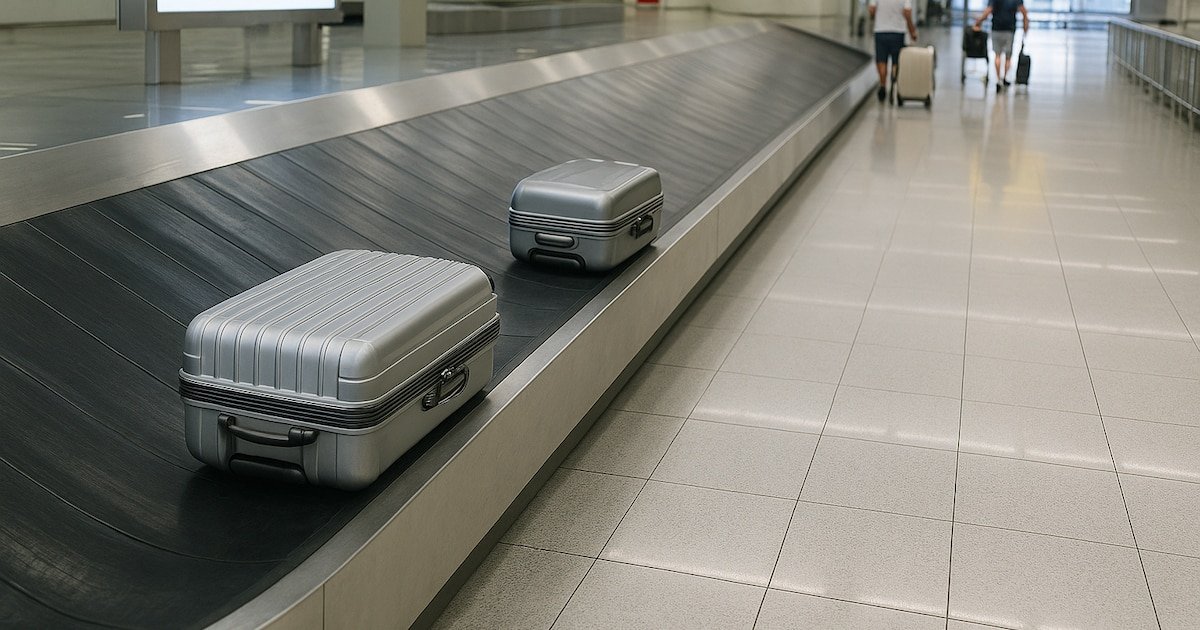
Según el comunicado oficial de Aduanas, el incidente ocurrió cuando una representante del gobierno venezolano presentó cuatro equipajes en los carriles de inspección, de los cuales dos mostraron imágenes irregulares que requerían verificación adicional.

La funcionaria notificó posteriormente que se trataba de valijas diplomáticas, lo que motivó la coordinación inmediata con el Ministerio de Relaciones Exteriores de Panamá, en cumplimiento de los procedimientos establecidos para este tipo de situaciones.
Las autoridades panameñas subrayaron que la revisión se enmarcó en un protocolo técnico y preventivo, orientado a descartar riesgos y garantizar la seguridad aeroportuaria.
Tras la revisión protocolar realizada por la Cancillería panameña, se determinó que las valijas no cumplían con los requisitos establecidos en el artículo 27 de la Convención de Viena de 1961, particularmente en lo relativo a la presencia de signos exteriores visibles, sellos y elementos que acrediten su inviolabilidad diplomática.
Aduanas señaló que este aspecto resultó determinante para proceder con la verificación, ya que la identificación externa es el elemento que activa el régimen de protección especial de estos envíos. En ese sentido, la institución enfatizó que la actuación se fundamentó en criterios técnicos y legales, no en consideraciones políticas.

La Autoridad Nacional de Aduanas reiteró en su pronunciamiento su compromiso con el respeto irrestricto de las normas internacionales, la diplomacia y el adecuado tratamiento de las misiones extranjeras acreditadas en Panamá, al tiempo que aseguró que las acciones se ejecutaron dentro del marco jurídico panameño y de los procedimientos operativos internacionales.
El organismo afirmó que su actuación busca garantizar la continuidad de las funciones esenciales del Estado, la protección del territorio nacional, la seguridad de sus habitantes y la facilitación eficiente del comercio y tránsito internacional.
El pronunciamiento panameño surge luego de que la Cancillería venezolana denunciara la supuesta apertura forzada de la valija diplomática y exigiera garantías de no repetición, argumentando que el hecho constituiría una violación del derecho internacional y un precedente que afectaría la seguridad jurídica de sus misiones en el exterior.

Caracas sostuvo que la inviolabilidad de las comunicaciones diplomáticas es un principio esencial de las relaciones entre Estados y recordó que la Convención de Viena establece que estos envíos no pueden ser abiertos ni retenidos bajo ninguna circunstancia.
El incidente se produce en un contexto de relaciones bilaterales sensibles pero en proceso de normalización, tras la reactivación de servicios consulares y vuelos entre ambos países durante 2025, lo que había sido interpretado como un paso hacia la distensión diplomática.
Sin embargo, la controversia reintroduce tensiones en el plano político y jurídico, al colocar en debate la interpretación del régimen de protección de la valija diplomática frente a los protocolos de seguridad aeroportuaria.
Especialistas en derecho internacional señalan que la controversia gira en torno a un punto clave: la identificación formal de la valija diplomática, requisito indispensable para que opere su inviolabilidad. En ausencia de dicha identificación, los Estados receptores conservan facultades de verificación bajo criterios de seguridad, lo que abre un espacio de interpretación jurídica que suele resolverse mediante canales diplomáticos y no judiciales.
En este escenario, la respuesta de Panamá busca reforzar la narrativa de cumplimiento normativo y respeto al derecho internacional, mientras Venezuela mantiene su postura de vulneración del régimen diplomático. El desarrollo del caso dependerá de eventuales gestiones diplomáticas y de la evaluación que ambas cancillerías realicen sobre la naturaleza del incidente y la documentación asociada a las valijas inspeccionadas.
en el aeropuerto internacional de miami en miami,facturación / revisión de equiaje / maletas – funcionarios de la administración de seguridad del transporte (tsa) revisan el equipaje utilizando el nuevo sistema automatizado de inspección de equipaje,florida – medidas de seguridad,gente,gesto,hombre,las mesas de inspección móviles (mit),mujer,trabajando











INTERNACIONAL
España: los documentos desclasificados sobre el intento de golpe de Estado de 1981 revelan por qué fracasó la asonada
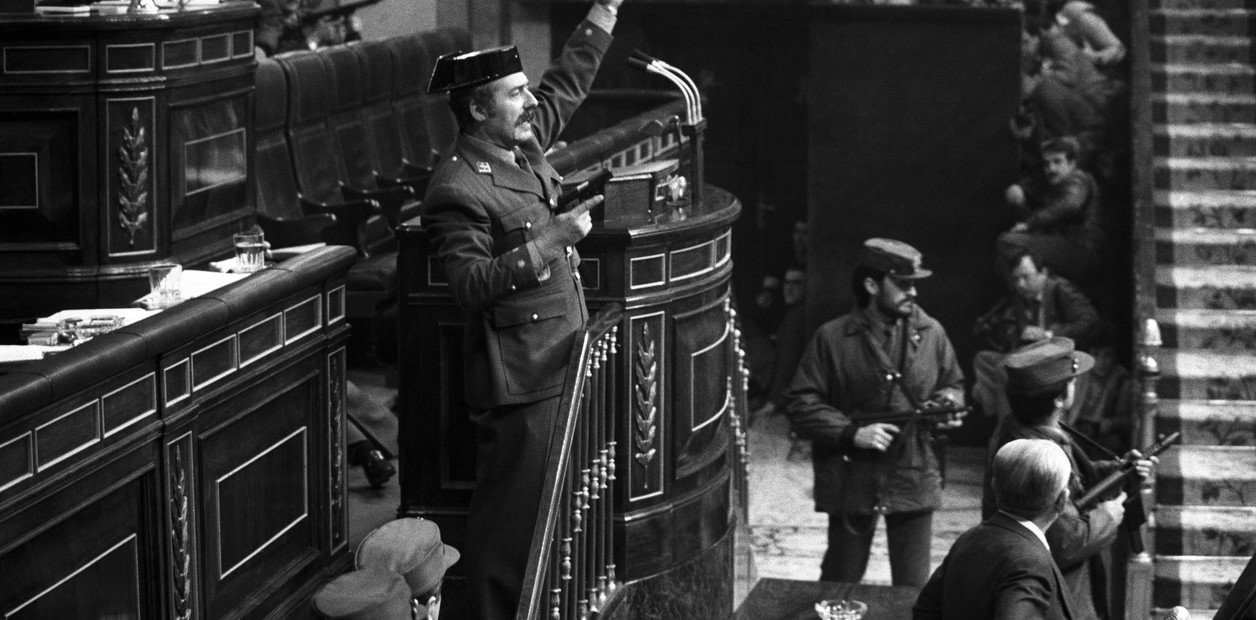
La asonada, paso a paso

El rey, “objetivo a batir y anular”

La versión de Juan Carlos en sus memorias
La opinión de Felipe González
INTERNACIONAL
Trump’s fraud czar nominee touts Minnesota blueprint to root out Obamacare fraud, senior scams
NEWYou can now listen to Fox News articles!
The crackdown on fraud in Minnesota will serve as a blueprint for a new Department of Justice office focused on protecting taxpayer funds from scams, President Donald Trump’s pick to serve as the nation’s «fraud czar» explained in his nomination hearing Wednesday.
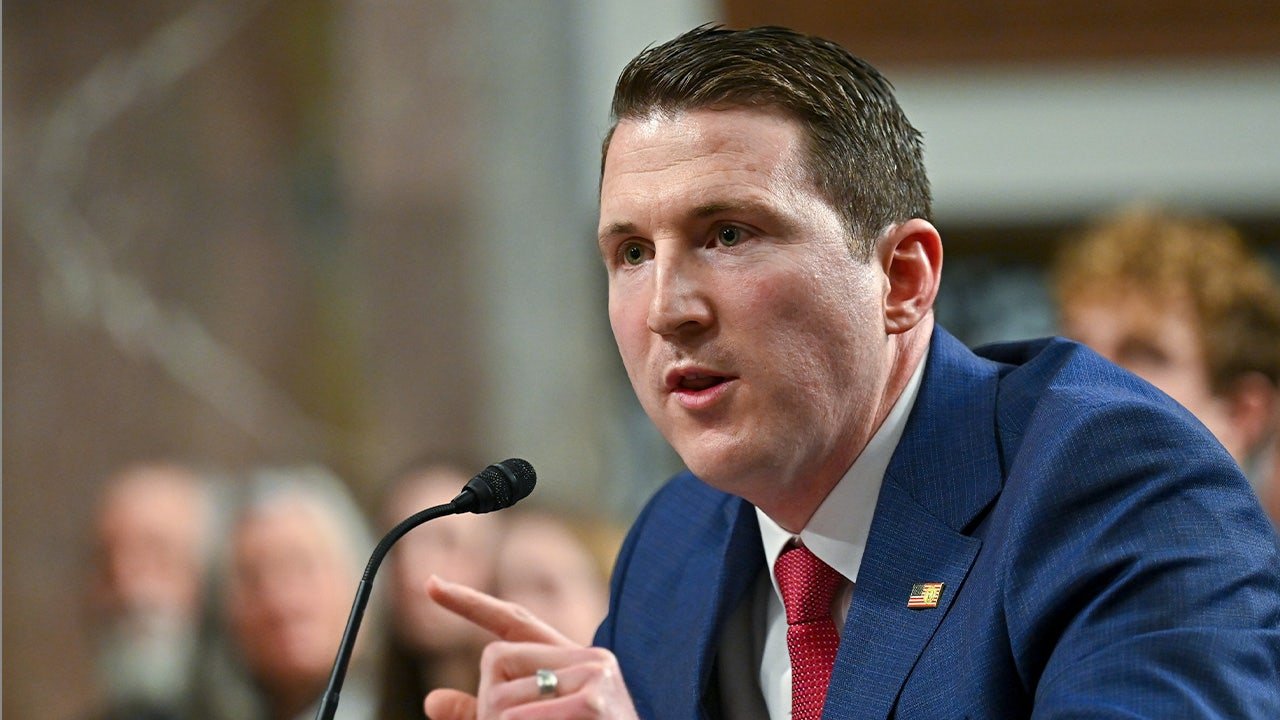
«The work in Minnesota has been pivotal. The work of the U.S. Attorney’s office there, and the personnel there, has been pivotal to highlighting the problems of fraud that permeate our taxpayer funded programs,» nominee to serve as assistant attorney general for a new Justice Department division tasked with rooting out fraud, Colin McDonald, said Wednesday.
«That sort of effort … is what the National Fraud Enforcement Division will be looking to do and scale to an extent that we’ve not seen before within the Department of Justice,» he continued.
Trump tapped McDonald as the nominee in January, just days after establishing the Department of Justice’s new division for national fraud enforcement that will «investigate, prosecute, and remedy fraud affecting the Federal government,» according to the White House. The new office follows a sweeping Minnesota fraud scandal, where hundreds of millions of dollars was allegedly swindled from taxpayers through welfare and social services programs.
Colin McDonald appeared before the Senate Judiciary Committee Wednesday morning, where lawmakers grilled the nominee about the new office, how it will operate and if it will operate independently of the White House. (Graeme Sloan/Getty Images)
«I will be working with the inspectors general community,» McDonald continued. «With our federal agencies and federal partners, with our state and local partners to ensure that we find the fraud where it’s occurring and that we have the resources to prosecute it, to investigate it and prosecute it, and ultimately ensure that the fraud that we’re seeing annually, perpetrated against these programs comes to an end.»
McDonald appeared before the Senate Judiciary Committee Wednesday morning, where lawmakers grilled the nominee about the new office, how it will operate and if it will operate independently of the White House.
Trump delivered his State of the Union address Tuesday evening and announced Vice President JD Vance will lead the administration’s «war on fraud.»
McDonald explained that his office will work to tackle all fraud bleeding taxpayers, citing Government Accountability Office data that estimates between $320 billion to $520 billion in taxpayer funds is lost to fraud on an annual basis.
«My commitment is to work tirelessly to build a division, a national fraud enforcement division, where no fraud is too big for the Department of Justice, and no fraud is too small for the Department of Justice,» he continued.
At the top of lawmakers’ minds were fraud concerns surrounding Obamacare and senior citizens.
Republican Texas Sen. John Cornyn cited that the Government Accountability Office could not reconcile over $21 billion in Obamacare marketplace subsidies in tax year 2023 during his questioning of McDonald.

Senator Chuck Grassley, a Republican from Iowa and chairman of the Senate Judiciary Committee, left, and Senator Dick Durbin, a Democrat from Illinois and ranking member of the Senate Judiciary Committee, during a confirmation hearing. (Graeme Sloan/Bloomberg via Getty Images)
HEAVILY-REDACTED AUDIT FINDS MINNESOTA MEDICAID HAD WIDESPREAD VULNERABILITIES
«I commit to working tirelessly to root out the sort of fraud that you’ve identified there, and to make sure that every single dollar that’s supposed to go to these programs actually goes to the programs, to the beneficiaries, the intended beneficiaries of these programs, and not to fraudsters. That is my commitment,» McDonald told Cornyn during the hearing regarding potential fraud surrounding Affordable Care Act subsidies.
Scams targeting the elderly also took the spotlight throughout the hearing. Judiciary Chair Chuck Grassley, R-Iowa, pressed McDonald on his efforts to protect seniors from scams, noting that America’s seniors lose $28 billion annually to financial schemes.
The fraud czar nominee pledged that the DOJ would work to protect seniors from the increasingly high-tech scams, which often include using artificial intelligence to confuse and swindle people, noting that the fraud affects entire families.
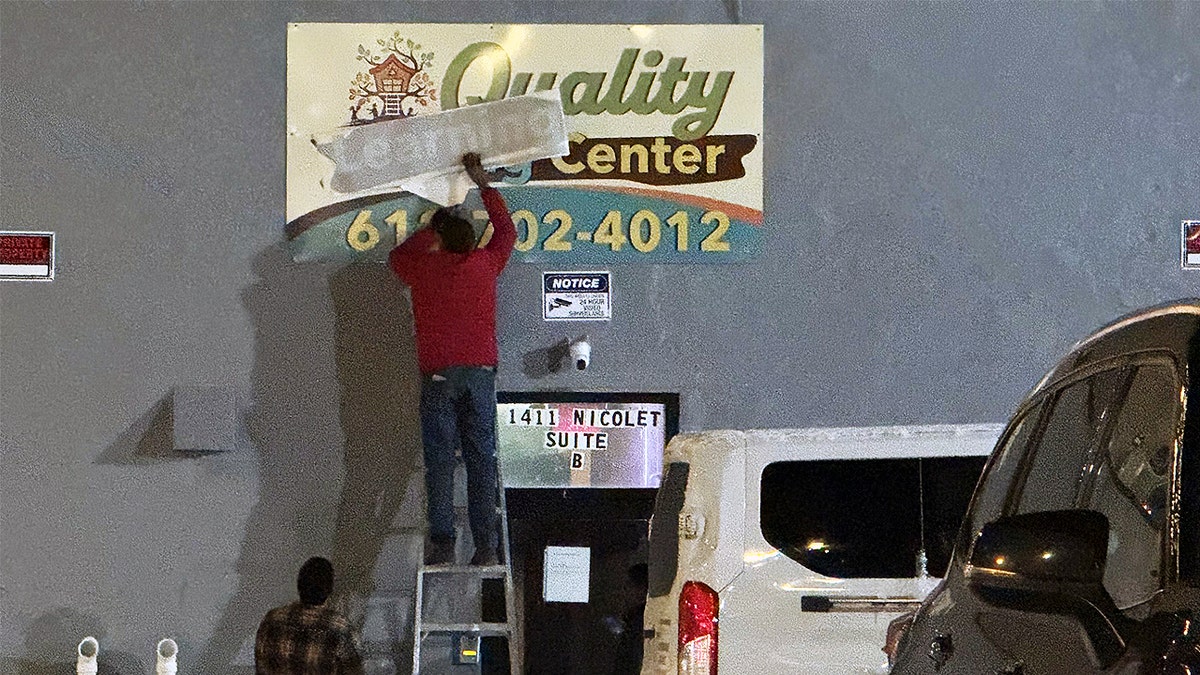
Quality Learning Center in Minnesota was found at the center of an alleged childcare fraud scandal in the state. (Madelin Fuerste/Fox News)
«It’s not just the grandmothers and the grandfathers, it’s also their family members who bear the weight of these scams and the fraud that’s perpetrated against them,» he said. «My grandmother, one of them, turns 89 years old in two days. And she has seen these … sorts of efforts toward her. And it’s a major issue that the Department of Justice is focused on, and we will be using all available tools to ensure that we combat that problem.»
The massive Minnesota fraud case has reverberated across the nation, with federal Republican lawmakers reinvigorating calls to tighten and monitor the release of taxpayer funds to various programs, most notably social and welfare offices.
DR OZ DETAILS ‘WEAPONIZATION OF FRAUD’ IN MINNESOTA, ESTIMATES TOTAL MEDICAID FRAUD TO BE $100 BILLION
Trump spotlighted the fraud in his State of the Union address Tuesday, claiming the scams are even worse in states such as California, Massachusetts, Maine.»
«When it comes to the corruption that is plundering — it really, it’s plundering America — there’s been no more stunning example than Minnesota, where members of the Somali community have pillaged an estimated $19 billion from the American taxpayer. Oh, we have all the information,» Trump said Tuesday.
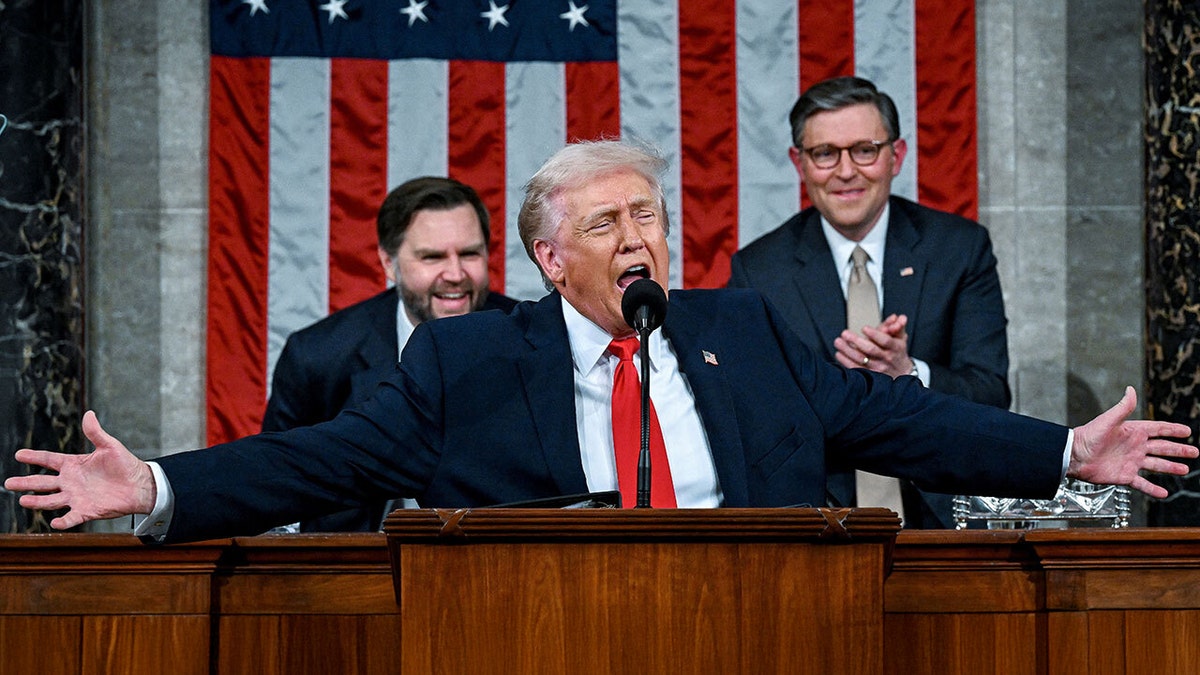
U.S. President Donald J. Trump delivers the first State of the Union address of his second term to a joint session of Congress in the House Chamber of the United States Capitol in Washington, D.C., on Tuesday, Feb. 24, 2026. Seated behind him are Vice President JD Vance and Speaker of the House Mike Johnson (R-LA). (Kenny Holston /Pool via Reuters)
«And in actuality, the number is much higher than that, and California, Massachusetts, Maine and many other states are even worse. This is the kind of corruption that shreds the fabric of a nation, and we are working on it like you wouldn’t believe,» he continued, before naming Vance as the administration leader taking on fraud.
The White House referred Fox Digital to Trump’s State of the Union comments and McDonald’s testimony when approached for additional comment on the federal fraud crackdown efforts.
FEDERAL WELFARE SPENDING IS A FRAUD MAGNET — AND TAXPAYERS ARE PAYING THE PRICE
Vance joined Fox News’ «America’s Newsroom» Wednesday, and said his efforts will include a «full, whole government approach» to investigating fraud concerns, and enlisting the Justice and Treasury Departments to lead probe on fiscal records.
CLICK HERE TO DOWNLOAD THE FOX NEWS APP
«There’s a whole host of tools that we have that have never been used, and the president and I talked about this a couple of months ago and said, ‘What if we just did everything that we could to stop the fraud that’s being committed against the American taxpayer?’ The president said, ‘Great idea, let’s do it,’ and we’re going to work on that very aggressively over the next year,» Vance said.
Related Article
justice department,minnesota fraud exposed,donald trump,politics
NEWYou can now listen to Fox News articles!
The Chagos Islands deal fell into disarray Wednesday amid conflicting U.K. government messages about whether ratification was paused for talks with the United States over the strategic Indian Ocean military base Diego Garcia.
Foreign Office Minister Hamish Falconer had told members of Parliament that ratification of the deal to cede the islands to Mauritius had been paused while discussions with Washington continued.
A U.K. government spokesperson later denied there was any formal suspension of the process, insisting no deadline had ever been set and reiterating that Britain would not move forward without American backing.
«We are continuing discussions with the U.S., and we have been clear we will not proceed without their support,» the spokesperson said, Reuters reported.
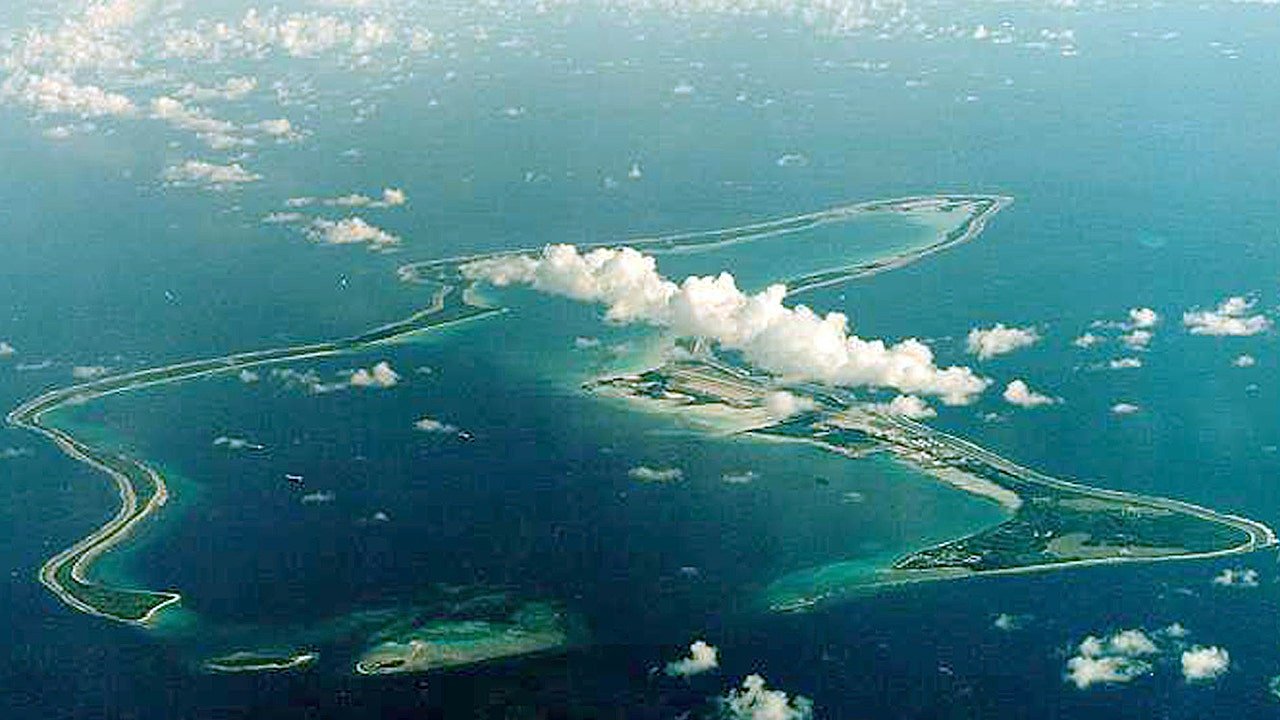
Diego Garcia in the Chagos Islands is a strategic Indian Ocean military base hosting 2,500 U.S. personnel. (Reuters)
The confusion saw critics claim the deal reveals weaknesses that could affect Western security amid heightened tensions.
«The U.S. saw this first-hand when the U.K. alerted Mauritius to an impending operation against Iran — an alert Mauritius then protested,» Robert Midgley, spokesperson for Friends of the British Overseas Territories, told Fox News Digital.
«This is what prompted President [Donald] Trump’s statement,» Midgley said, after Trump publicly criticized the deal despite having initially supported it.
Trump had reignited the controversy Feb. 18 in a post on Truth Social, urging Prime Minister Keir Starmer to abandon the agreement.
«DO NOT GIVE AWAY DIEGO GARCIA!» Trump wrote, calling the deal a «big mistake» and placing additional strain on transatlantic negotiations.
STARMER SENDS UK STRIKE GROUP TO ARCTIC, CITES RISING RUSSIA THREAT AS TRUMP PUSHES GREENLAND DEAL
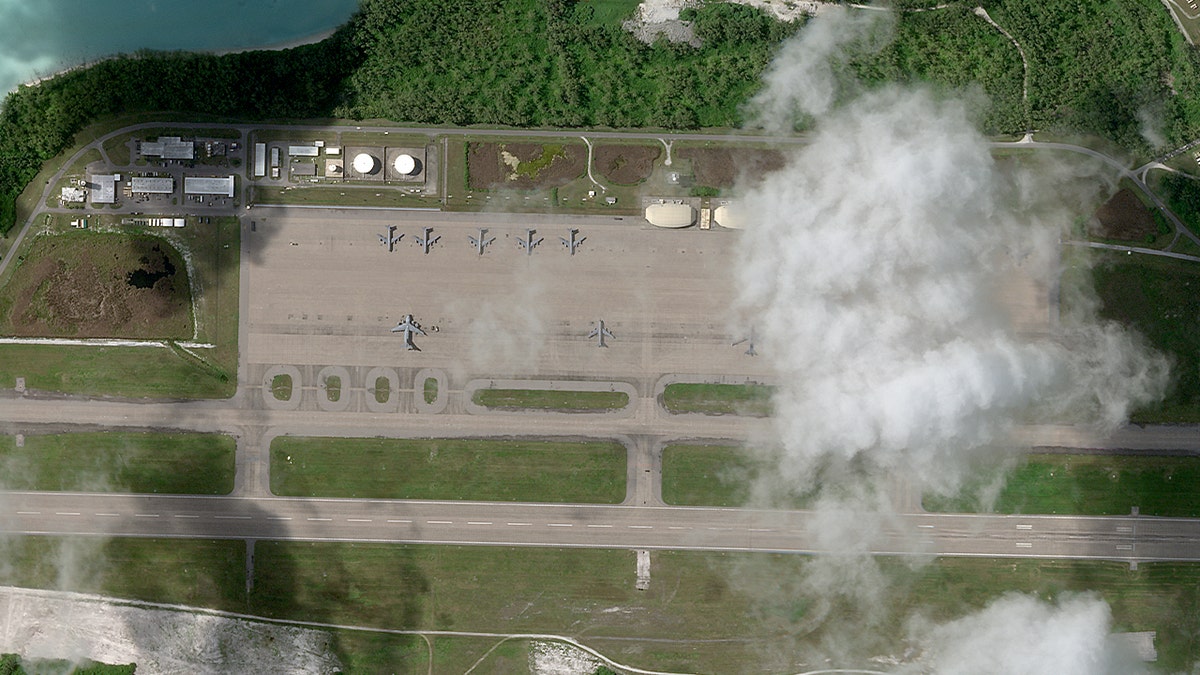
The agreement would see Britain cede sovereignty of the Indian Ocean archipelago to Mauritius while securing a 99-year lease over Diego Garcia, the strategically vital island that hosts a major joint U.S.-U.K. military base. (Planet Labs PBC)
Midgley argued the deal should be «withdrawn» in line with Trump’s wishes.
«The U.K. government should now go one step further and withdraw the bill from Parliament and find an alternative solution,» he said.
«Ministers have inadvertently exposed that the deal has no legal basis and risks creating a more insecure world in the face of states like China and Iran,» he added.
The agreement, struck last year, would see Britain cede sovereignty of the Indian Ocean archipelago to Mauritius while securing a 99-year lease over Diego Garcia, the strategically vital island that hosts a major joint U.S.-U.K. military base.
The base plays a central role in operations across the Middle East, Africa and the Indo-Pacific, meaning the proposal has faced mounting political pressure on both sides of the Atlantic.
TRUMP SIGNALS WILLINGNESS TO DEFEND DIEGO GARCIA MILITARY BASE IF FUTURE DEAL THREATENS US ACCESS

President Trump has urged the United Kingdom to not give away Diego Garcia. (Reuters Photos)
The legislation is currently before the House of Lords, where objections have been raised. No date has yet been set for a debate or vote, further adding to the uncertainty.
Midgley urged Washington to continue to resist the agreement and back Britain in retaining control of the territory.
CLICK HERE TO DOWNLOAD THE FOX NEWS APP
«The U.S. should stand firm, continue to reject the deal, and support the U.K. in asserting sovereignty to help preserve the future of Western security,» he warned.
Fox News Digital has reached out to the UK government for comment.
Related Article
uk politics,donald trump,geopolitics,military,us navy

Caputo arrasó en la licitación: hubo demanda masiva del nuevo bono en dólares y a una tasa baja

“Cada auto, todas las curvas”: los secretos del sistema basado en inteligencia artificial que se hizo vital para la Fórmula 1

España: los documentos desclasificados sobre el intento de golpe de Estado de 1981 revelan por qué fracasó la asonada

Trump’s fraud czar nominee touts Minnesota blueprint to root out Obamacare fraud, senior scams

US military base at Diego Garcia thrown back into uncertainty amid Chagos deal turmoil

Martín Menem cuestionó a Carignano por desenchufar los micrófonos en Diputados

Jorge Macri prepara su discurso para abrir el año legislativo: el deseo de reelección y el espejo en Bukele

Daiana Fernández Molero defendió la reforma laboral: “Va a haber mayor creación de empleo porque va a ser más fácil contratar en blanco”

Uno por uno, todos los famosos que saludaron a Mirtha Legrand por sus 99 años

“Nos hacemos cargo”: Patricia Bullrich admitió un error del Gobierno en la inclusión del artículo de las licencias médicas

 POLITICA19 horas ago
Jorge Macri prepara su discurso para abrir el año legislativo: el deseo de reelección y el espejo en Bukele
- POLITICA2 días ago
Daiana Fernández Molero defendió la reforma laboral: “Va a haber mayor creación de empleo porque va a ser más fácil contratar en blanco”
- CHIMENTOS2 días ago
Uno por uno, todos los famosos que saludaron a Mirtha Legrand por sus 99 años