INTERNACIONAL
Afirman que Nicolás Maduro no tiene el dinero para pagar su defensa en Estados Unidos

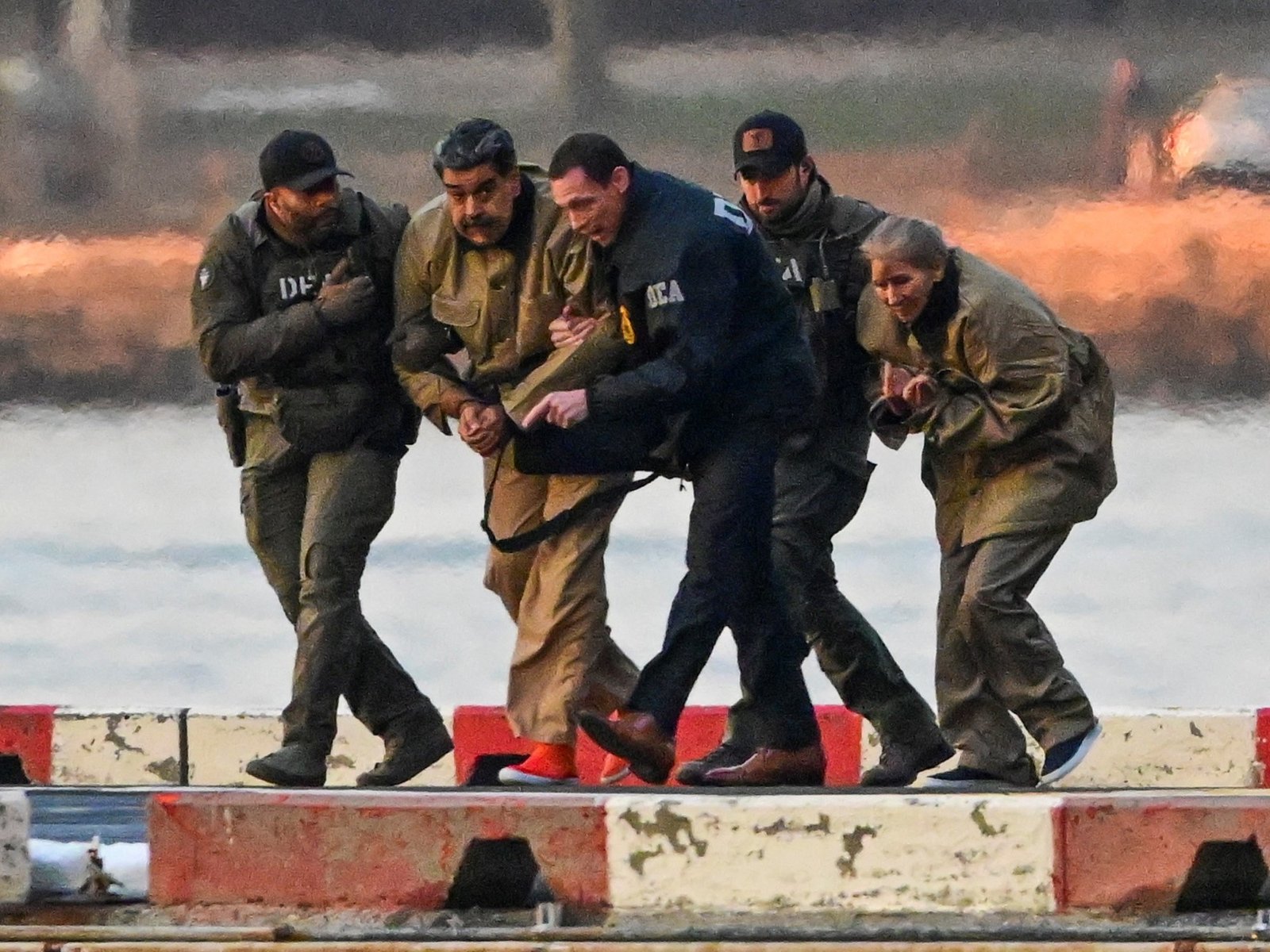
Washington le ha impedido al gobierno de Venezuela que pague el costo de la defensa del ex presidente Nicolás Maduro para enfrentar cargos de narcotráfico en Nueva York, una medida que podría interferir con su derecho constitucional a contar con un abogado, según afirma su equipo legal.
El abogado Barry Pollack le envió la semana pasada un correo electrónico a un juez federal de Manhattan para informar que el Departamento del Tesoro de Estados Unidos había bloqueado la autorización de honorarios legales que el gobierno de Venezuela está obligado a pagar para la defensa de Maduro y la primera dama Cilia Flores al amparo de sus leyes y costumbres. El mail se añadió al expediente público del tribunal el miércoles.
Maduro y su esposa han estado encarcelados en Nueva York sin derecho a fianza desde que fueron capturados en su residencia de Venezuela durante el operativo de las fuerzas armadas estadounidenses del pasado 3 de enero. Ambos se han declarado inocentes de los cargos de narcotráfico que se les imputan.
La impactante captura, luego de varios meses de acumulación militar estadounidense en el Caribe, ha allanado el camino para que el gobierno del presidente Donald Trump ejerza una enorme influencia sobre la sustituta de Maduro, su vicepresidenta y ahora mandataria interina Delcy Rodríguez.
Bajo presión de Estados Unidos, Rodríguez ha actuado con rapidez para abrir la industria petrolera de su país a la inversión estadounidense, liberar a presos políticos y restablecer comunicaciones directas con Washington, algo que no se veía desde que el primer gobierno de Trump ordenó el cierre de la embajada de Estados Unidos en Caracas en 2019.
Pollack señaló en su correo electrónico que la Oficina de Control de Activos Extranjeros del Departamento del Tesoro, responsable de administrar las sanciones contra Venezuela, había otorgado permiso al gobierno venezolano el 9 de enero para aprobar el pago de los honorarios legales.
Pero menos de tres horas después, el gobierno federal retiró la autorización “sin explicación”, aunque mantuvo vigente un permiso para que se pague a los abogados de Flores, señaló Pollack.
La disputa sobre los honorarios legales de Maduro está estrechamente vinculada a la política exterior de Estados Unidos. El primer gobierno de Trump rompió relaciones con Maduro en 2019 y reconoció al entonces líder opositor de la Asamblea Nacional, Juan Guaidó, como el mandatario legítimo de Venezuela. El sucesor de Trump, Joe Biden, se apegó de cerca a la misma política.
No obstante, permitir que el gobierno de Rodríguez cubra el costo de la defensa de Maduro podría complicar los esfuerzos de la fiscalía en el tribunal para contrarrestar el argumento del ex dictador venezolano de que su captura fue ilegal y de que, como jefe de un Estado extranjero, goza de inmunidad frente a un proceso penal conforme a las leyes de Estados Unidos y al derecho internacional.
Una acusación formal de 25 páginas en contra de Maduro lo señala a él y a otras personas de trabajar con cárteles del narcotráfico y miembros de las fuerzas armadas para facilitar el envío de miles de toneladas de cocaína hacia Estados Unidos. Él y su esposa enfrentan una posible cadena perpetua en caso de que sean declarados culpables.
Como parte de la supuesta conspiración, Maduro y su esposa presuntamente ordenaron secuestros, golpizas y asesinatos de personas que les debían dinero del narcotráfico, según la acusación formal. El documento señaló que eso incluyó el asesinato de un capo local en Caracas.
El Departamento del Tesoro, la Casa Blanca y el Departamento de Justicia no respondieron de momento a mensajes en busca de comentarios.
Pollack dijo que el 11 de febrero pidió a la Oficina de Control de Activos Extranjeros que restableciera el permiso original y despejara el camino para que Venezuela pueda cumplir con su obligación de cubrir los costos de la defensa de Maduro.
El abogado añadió que Maduro “no puede costear de otro modo un abogado” y solicitará ayuda al juez para pagar su defensa.
Pollack sostuvo que Estados Unidos estaba “interfiriendo con la capacidad del señor Maduro de contratar un abogado y, por lo tanto, con su derecho de la Sexta Enmienda, a un abogado de su elección”.

INTERNACIONAL
Pakistán advirtió que puede “aplastar” cualquier agresión tras declararle la guerra a Afganistán
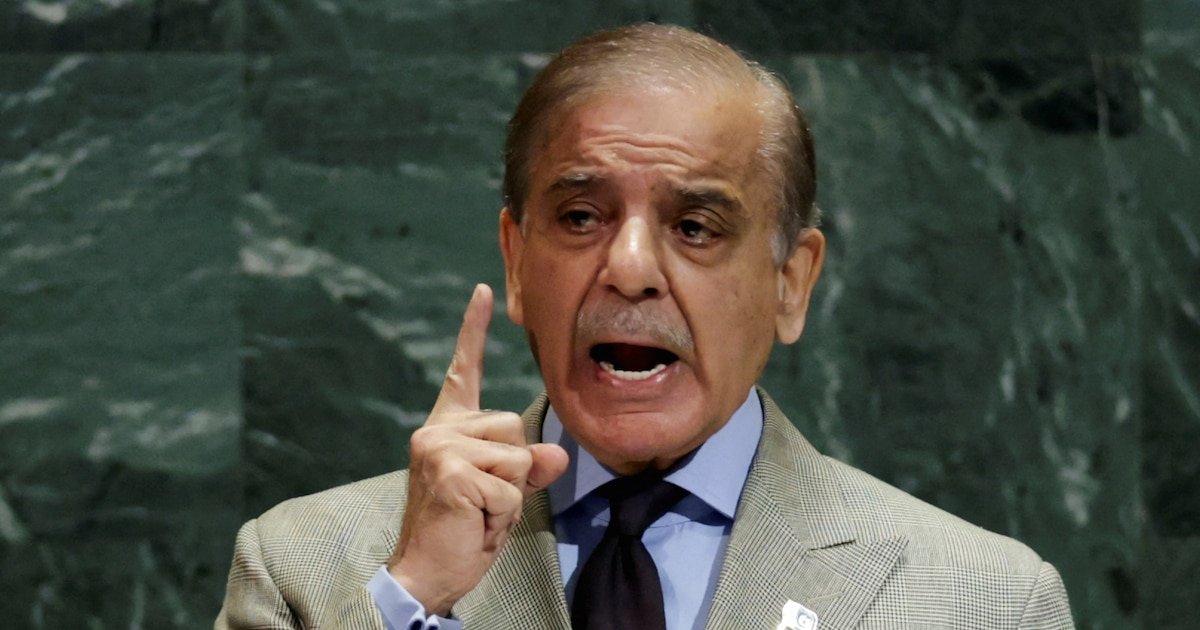
Shehbaz Sharif, primer ministro de Pakistán, aseguró el viernes que las fuerzas armadas de su país pueden “aplastar” cualquier intento de agresión, al referirse a los recientes ataques aéreos en Afganistán.
“Nuestras fuerzas tienen plena capacidad para aplastar cualquier ambición agresiva”, afirmó, según un mensaje publicado en la cuenta oficial del gobierno paquistaní en X. A su vez, remarcó que “toda la nación apoya hombro con hombro a las fuerzas armadas de Pakistán”.
El Gobierno paquistaní declaró este viernes una “guerra abierta” contra las autoridades talibanas de Afganistán y lanzó bombardeos sobre varias ciudades afganas, incluida Kabul, tras meses de ataques mortales entre ambos países en la zona fronteriza.
Las hostilidades se reanudaron el jueves por la noche y continuaron durante la madrugada del viernes, cuando fuerzas afganas atacaron tropas fronterizas paquistaníes en represalia por bombardeos previos.
Las relaciones entre Pakistán y Afganistán, que habían sido cercanas durante años, se volvieron tensas desde la toma de Kabul por los talibanes en 2021. Islamabad acusa a los talibanes afganos de proteger a militantes que atacan territorio paquiistaní, acusación que las autoridades afganas rechazan.
“Nuestra paciencia ha llegado al límite. A partir de ahora, es la guerra abierta entre nosotros y ustedes”, declaró el ministro de Defensa de Pakistán, Khawaja Asif, a través de X. Poco antes, periodistas en Kabul y Kandahar reportaron fuertes explosiones y vuelos de aviones sobre las ciudades.
El ministro del Interior, Mohsin Naqvi, calificó los ataques contra Afganistán como una “respuesta adecuada” a las acciones previas de su vecino. Por su parte, el portavoz talibán Zabihullah Mujahid anunció que Afganistán reanudará operaciones aéreas a gran escala contra posiciones paquistaníes.
El jueves, el ejército afgano atacó instalaciones militares fronterizas en Pakistán, al alegar que actuaba en represalia por bombardeos previos. Según Mujahid, más de 15 puestos paquistaníes cayeron en dos horas y “decenas de soldados han muerto”, aunque el gobierno de Pakistán negó la pérdida de posiciones y afirmó haber causado “graves pérdidas” a las fuerzas afganas.
El ministro de Información de Pakistán, Attaullah Tarar, confirmó ataques contra “objetivos de la defensa talibán afgana” en Kabul, Kandahar y la provincia de Paktia. Estos operativos sucedieron después de bombardeos paquistaníes el pasado fin de semana en Nangarhar y Paktika, tras atentados suicidas en territorio paquistaní.

Un residente en Kabul describió que los ataques produjeron hasta ocho explosiones, algunas tan cercanas que sacudieron las viviendas de la zona. “El primer par de explosiones ocurrió lejos de nuestra ubicación. Las últimas fueron mucho más próximas, sacudieron la casa y tras cada detonación se escuchaban aviones de combate”, relató el testigo, que pidió no revelar su identidad por razones de seguridad.
Las autoridades afganas aseguraron haber capturado varios puestos militares y soldados paquistaníes con vida durante los recientes enfrentamientos. Sin embargo, el portavoz del primer ministro Shehbaz Sharif, Mosharraf Ali Zaidi, desmintió estas afirmaciones: “Hasta este momento, no ha habido soldados paquistaníes capturados ni martirizados. Cualquier afirmación sobre daños en Pakistán es poco más que una fantasía de los representantes de la India en Afganistán”.
La Línea Durand, frontera de unos 2.600 kilómetros trazada por el Imperio Británico en el siglo XIX, separa Afganistán de Pakistán y sigue siendo un punto de tensión constante. El gobierno afgano nunca reconoció oficialmente esta demarcación, lo que ha originado disputas recurrentes sobre soberanía, seguridad y control territorial.

Las relaciones entre ambos países se han deteriorado aún más en los últimos meses, con pasos fronterizos cerrados desde los combates de octubre y más de 70 muertos en ambos bandos. A pesar de rondas de negociaciones tras un alto el fuego inicial facilitado por Qatar y Turquía, no se alcanzó un acuerdo duradero. Arabia Saudita intervino recientemente para lograr la liberación de tres soldados pakistaníes capturados en octubre.
Este viernes, el régimen iraní ofreció su disposición para “facilitar el diálogo” entre Afganistán y Pakistán, luego de que Islamabad atacara a los talibanes afganos y ejecutara ataques aéreos sobre Kabul tras meses de enfrentamientos en la frontera.
“La República Islámica de Irán está dispuesta a proporcionar toda la ayuda necesaria para facilitar el diálogo y mejorar el entendimiento y la cooperación entre los dos países”, afirmó el ministro de Relaciones Exteriores iraní, Abás Araqchi, vía X.
Por otra parte, el secretario general de la ONU, António Guterres, instó a Pakistán y Afganistán a solucionar sus disputas mediante el diálogo diplomático luego de los recientes enfrentamientos fronterizos que provocaron más de 50 muertes. A través de un comunicado difundido por su portavoz, Stéphane Dujarric, Guterres llamó a ambas partes a respetar sus obligaciones conforme al Derecho Internacional y a garantizar la protección de los civiles.
(Con información de AFP)
International,Relations,Asia / Pacific,Diplomacy / Foreign Policy
INTERNACIONAL
Trump pushes Congress to pass SAVE Act during State of the Union; no meddling with tariffs
NEWYou can now listen to Fox News articles!
State of the Union speeches are all about aspirations. It doesn’t matter if you’re Reagan. Clinton, Obama, the Bush tandem or Trump. Aspirations are the quintessence of State of the Union speeches. What presidents aspire to do. And what a president wants Congress to do.
All of this flows toward the ultimate of political aspirations: winning elections. Be it the next presidential election. Or, House and Senate seats during the midterms.
There were two big asks — and one admonition — from President Donald Trump this week. He wants Congress to approve the SAVE Act, requiring proof of citizenship for people to vote. He wants lawmakers to pass a stock trading ban, handcuffing Congress from dealing in stocks. And the President doesn’t want Congress to meddle in tariff policy.
President Trump touted his new tariffs, arguing that they will eventually replace the nation’s income tax. This commander-in-chief has wielded executive power more broadly than any other president. So he instructed lawmakers to trade in their tariff authority.
«Congressional action will not be necessary,» Trump said of his new tariffs.
The Constitution blesses Congress with the power to impose tariffs. The Supreme Court upheld that power last week. But President Trump went ahead and slapped another set of tariffs on all nations, leaning on a different law.
Sen. Rick Scott, R-Fla., speaks to reporters on the Safeguard American Voter Eligibility (SAVE) Act at the U.S. Capitol. The legislation would introduce more proof-of-citizenship requirements for Americans voting in federal elections. (Anna Rose Layden/Getty Images)
Like most presidents, Trump wants to control legislation. That includes precluding Congress from tampering with his tariffs. However, a number of Republicans have their own aspirations: getting re-elected. That’s why some House Republicans, who believe their districts are getting hammered by tariffs, would like to reclaim that power. Or, at the very least, be on the record opposing the president.
The House voted a few weeks ago to extinguish a special rule House Speaker Mike Johnson, R-La., and others put in place to block members from unwinding the tariffs for a year. Then the House adopted a plan to undo tariffs with Canada.
TRUMP’S PUSH TO ‘KNOCK OUT’ FILIBUSTER GAINS NEW GOP TRACTION AS FUNDING DEADLINE NEARS
But again, these are aspirations of some Republicans fed up with tariffs. The bulk of Republicans are okay with keeping them in place. And that’s exactly what Trump wants – regardless of what the Supreme Court decided.
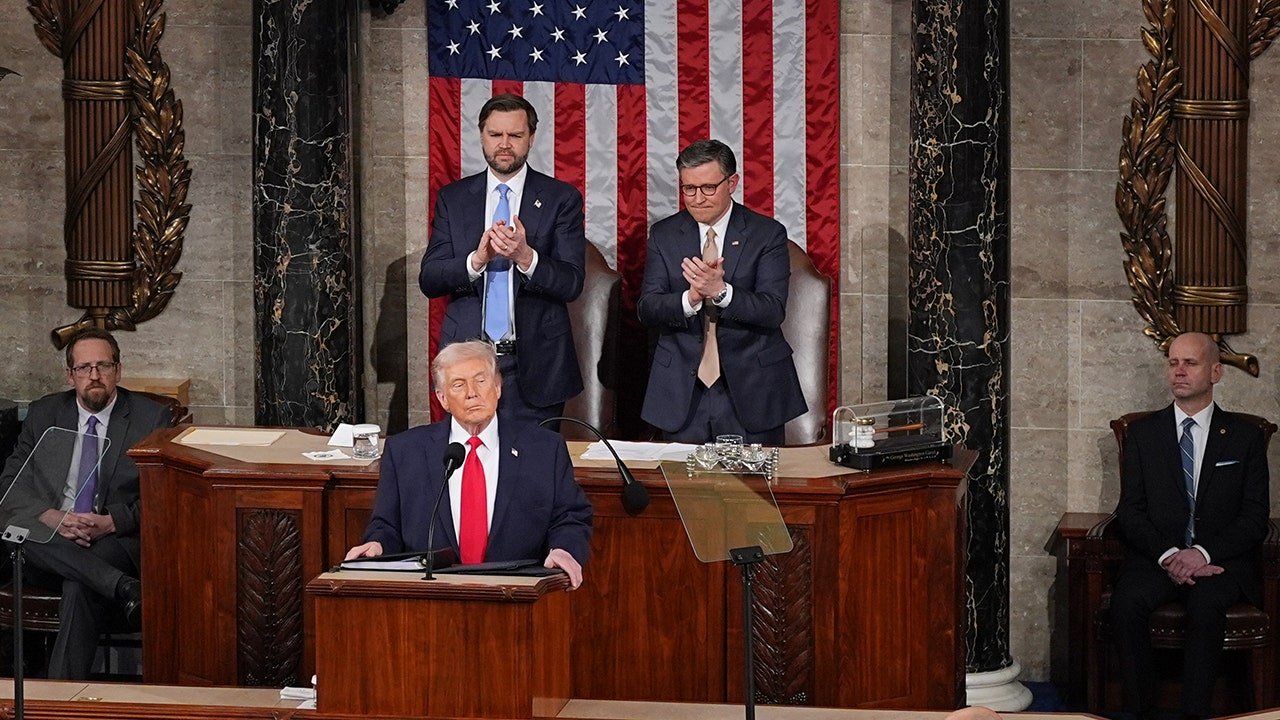
President Donald Trump leaves after delivering the State of the Union address in the House Chamber of the U.S. Capitol, Tuesday, in Washington, D.C. (Brendan Smialowski/AFP via Getty Images)
Let’s go back to Trump’s two major legislative asks in his speech. The SAVE Act is the one he really wants to be passed. This fits nicely with Trump’s narrative about illegal immigration, his claim that former President Joe Biden stole the 2020 election and voter fraud.
«They want to cheat. They have cheated. And their policy is so bad that the only way they can get elected is to cheat,» said the President of Democrats during his speech. «Cheating is rampant.»
TRUMP UNDERCUTS GOP PUSH TO ATTACH SAVE ACT TO SHUTDOWN BILL AS CONSERVATIVES THREATEN MUTINY
A study examining election fraud by the conservative Heritage Foundation, discovered that examples of election fraud are minuscule. For instance, Pennsylvania, a swing state, has only unearthed 39 instances of voting fraud over the past three decades.
The House already approved the SAVE Act. But the question is the Senate.
«The Senate is working. I think every Republican over there is obviously in favor of the SAVE America Act, and they’re trying to cobble together the votes. It’s a 70% Democrat issue. It’s over 90% in some polls,» said Johnson. «Hopefully, some Democrats will come to their senses. I don’t know how they can go home to their voters and say that they were opposing that when it’s such a popular issue. So we’ll see how it goes.»
See how it goes is right.
It was notable that in his plea for Congressional action on the SAVE Act, Trump did not demand that senators end the filibuster. Fifty GOP senators now support the SAVE Act. But the trick is whether those who endorse the legislation can hit the magic threshold of 60 yeas. That’s the number of votes required to break a filibuster.
Senate Majority leader John Thune, R-S.D., has repeatedly resisted altering the Senate’s filibuster customs and precedents to pass the SAVE Act. The bill will never become law unless the Senate changes things. And Thune reiterated his opposition to undoing the filibuster.
Sens. Mike Lee, R-Utah, Ted Cruz, R-Texas, and others have advocated a «talking filibuster.» That means senators must actually speak and hold the floor for hours on end. Otherwise, the Senate must vote. Talking filibuster proponents don’t want senators to silently object from the sidelines. That’s what compels the Senate to take procedural votes needing 60 yeas to overcome a filibuster.
LEAVITT DEMANDS SENATE GOP ‘GET OFF THEIR BUTTS’ AND ABOLISH FILIBUSTER RULE TO ADVANCE TRUMP’S AGENDA
«The talking filibuster issue is one on which there is not a unified Republican conference. And there would have to be (unity) if you go down that path,» said Thune.
He mentioned that the GOP must «keep 50 Republicans unified pretty much on every single vote,» adding that «there isn’t the support for doing that at this point.»
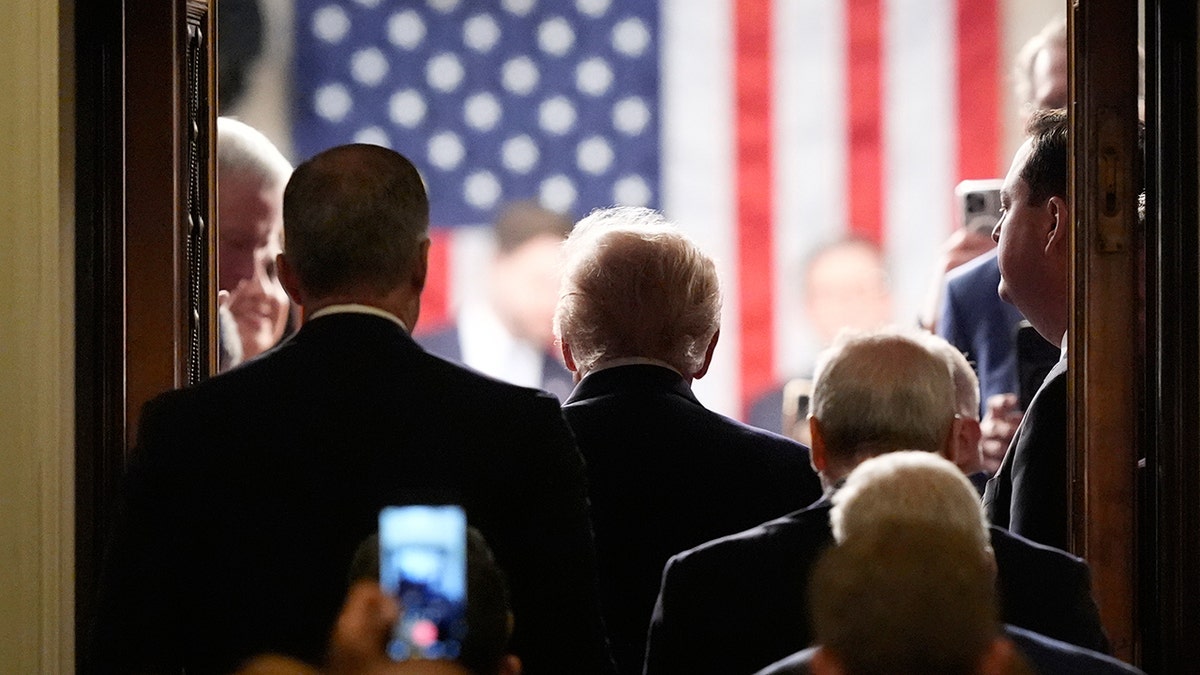
President Donald Trump arrives to deliver the State of the Union address to a joint session of Congress in the House chamber at the U.S. Capitol, Tuesday, in Washington, D.C. (Mark Schiefelbein/AP Photo)
Fox News is also told that there is some friction between House and Senate Republicans. Some Senate Republicans don’t appreciate the House amping up pressure to ditch the filibuster. The right to filibuster is a privilege to which senators of both parties cling tightly.
MARK HALPERIN: TRUMP STRATEGY SUPER SESSION PLOTS MIDTERM SURVIVAL AS HISTORY STALKS GOP
Moreover, subjecting the Senate to lengthy debate could tee up amendment votes which many vulnerable senators may find unsettling. Getting them on the record on a host of controversial issues wouldn’t help the GOP ahead of the election.
So, while it’s Trump’s aspiration to pass the SAVE Act, his aspirations regarding the filibuster are unclear at best.
Then, there’s the aspiration about prohibiting lawmakers from trading stocks. Even Sen. Elizabeth Warren, D-Mass., stood and applauded when Trump made that entreaty.
REPORTER’S NOTEBOOK: TRUMP’S STATE OF THE UNION BECOMES POLITICAL BOXING MATCH AS DEMOCRATS BOYCOTT
Johnson said that the House is trying to «move (the bill) as aggressively and as quickly as we can.» But says he’s got to have «the votes for it.»
That’s the reason the House hasn’t addressed the bill yet. It lacks the votes. For now, that is an aspiration. If the bill has the votes, Johnson will deposit the legislation on the floor.
CLICK HERE TO DOWNLOAD THE FOX NEWS APP
There’s an old expression that the president «proposes» and Congress «disposes.» It’s certainly possible that even a GOP Congress will do that this year with some of Trump’s legislative wishes.
But that doesn’t handicap presidential aspirations. After all, even presidents can dream.
Related Article
politics,us,house of representatives politics,donald trump,state of the union,mike johnson
NEWYou can now listen to Fox News articles!
Afghanistan and Pakistan exchanged significant cross-border fire Thursday in an escalation of hostilities along their shared border, according to multiple reports.
The clashes came after the Taliban said it launched retaliatory strikes on Pakistani military positions, while Islamabad said it was responding to unprovoked fire in the area.
Reuters reported that both forces clashed for more than two hours along their roughly 2,600-kilometer (1,615-mile) border, threatening a ceasefire that had been agreed to in 2025 after fighting.
Thursday’s flare-up came after Pakistani forces carried out airstrikes inside Afghanistan earlier this week, with Taliban officials saying the strikes killed at least 18 people, Reuters reported Feb. 24.
Afghan Taliban fighters patrol near the Afghanistan-Pakistan border in Spin Boldak, Kandahar Province, after exchanges of fire between Pakistani and Afghan forces. (Reuters/Stringer/File Photo)
Pakistan said it targeted militant hideouts and rejected claims that civilians were targeted.
The Taliban described an «extensive» military operation against Pakistani army positions in response to the strikes.
«In response to repeated provocations, extensive preemptive operations have been launched against Pakistani military positions along the Durand Line,» Taliban spokesperson Zabihullah Mujahid wrote on X.
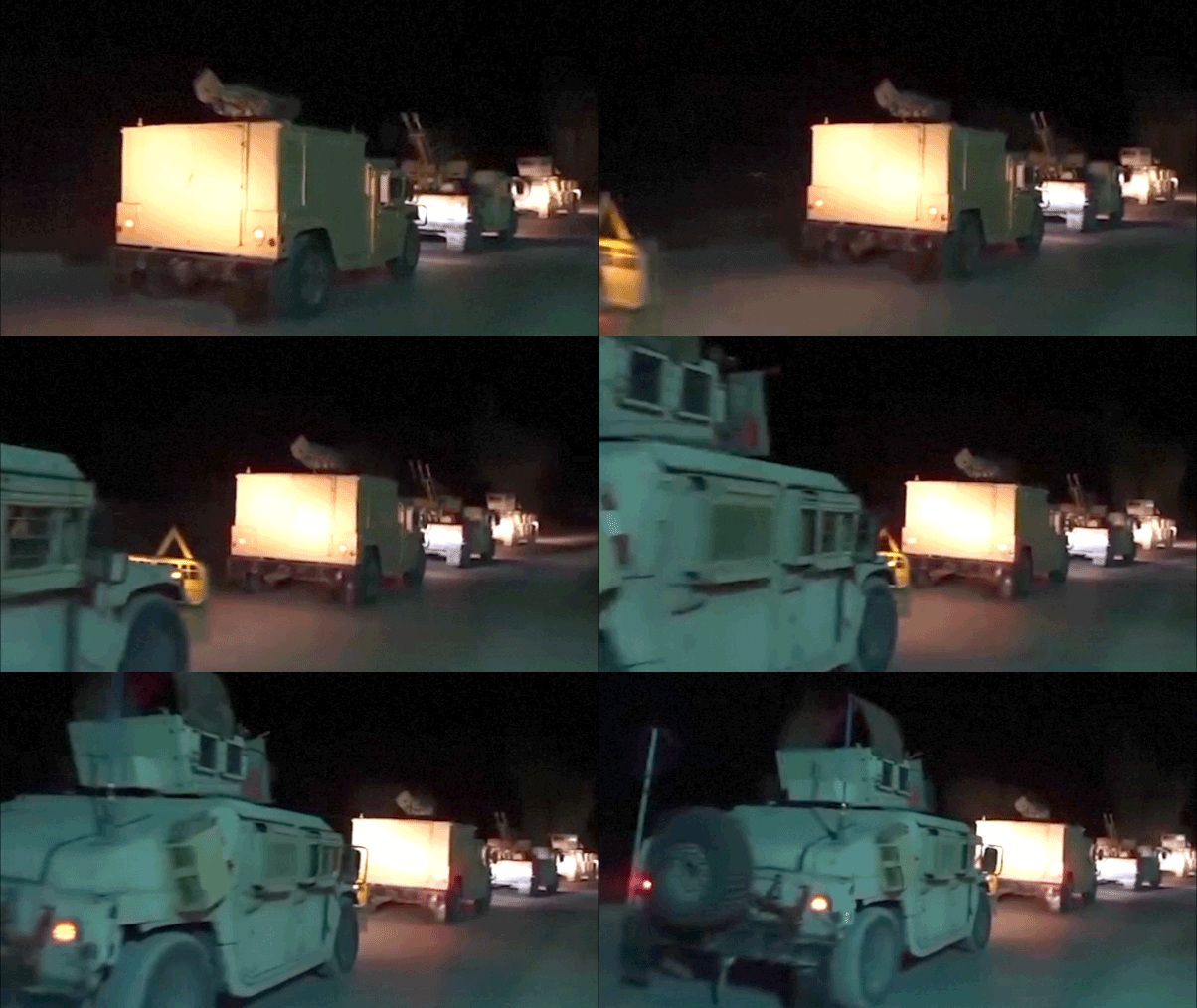
In a separate statement, he said «specialized laser units» were operating at night.
TALIBAN SENDS FIRST ENVOY TO INDIA IN DIPLOMATIC MILESTONE AS REGIONAL TENSIONS RESHAPE ALLIANCES
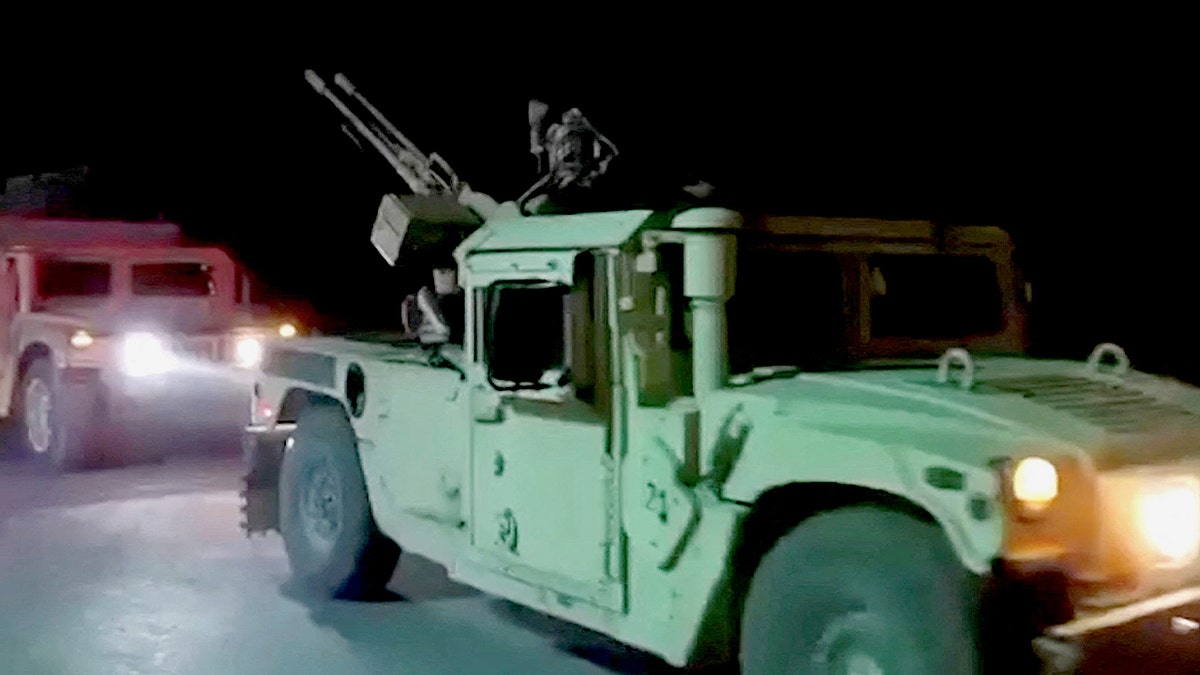
Pakistani and Afghan forces clash after days of hostilities. (Afghanistan’s Ministry of Defense/Handout via Reuters )
Taliban military spokesman Mawlawi Wahidullah Mohammadi also said in a video shared with Reuters that the «retaliatory operation» began Thursday evening.
Mujahid said «numerous» Pakistani soldiers had been killed and some were also captured. Reuters said it could not independently verify those claims.
In another post on X, Mujahid said, «The cowardly Pakistani army has bombed some places in Kabul, Kandahar, and Paktia. Praise be to God, no one was harmed.»
Pakistan has since rejected the Taliban’s account.
The Ministry of Information and Broadcasting said on X that the Afghanistan Taliban’s «unprovoked action along the Pakistan-Afghanistan border» was given an «immediate and effective response.»
The ministry said Taliban forces had «miscalculated and opened unprovoked fire on multiple locations» along the border in Khyber Pakhtunkhwa province.
The post said the fire was being met with an «immediate and effective response by Pakistan’s security forces.»
CAMBODIAN PM SAYS THAI FORCES OCCUPYING DISPUTED LAND DESPITE TRUMP-BROKERED CEASEFIRE
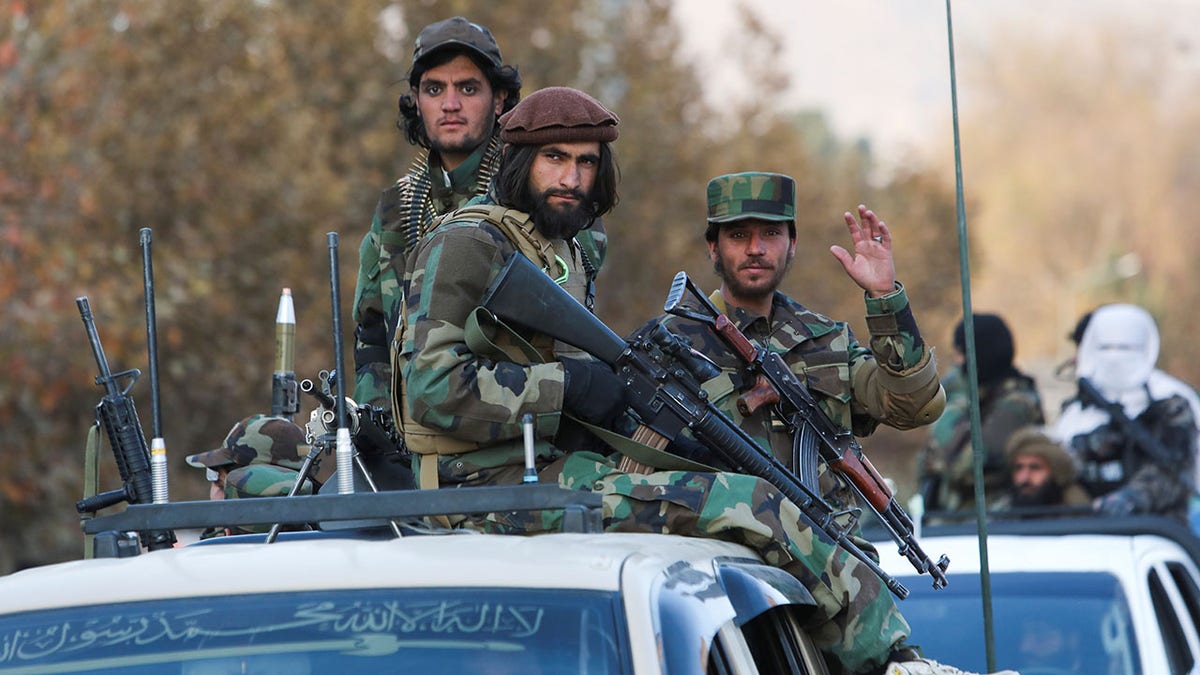
Members of the Taliban sit on a military vehicle during a Taliban military parade in Kabul, Afghanistan. (Reuters/Ali Khara)
«Early reports confirm heavy casualties on the Afghan side with multiple posts and equipment destroyed,» the ministry said.
«Pakistan will take all necessary measures to ensure its territorial integrity and the safety and security of its citizens.»
Pakistani security sources also told Reuters that 22 Taliban personnel had been killed, and several quadcopters were shot down.
CLICK HERE TO DOWNLOAD THE FOX NEWS APP
The fighting follows Pakistan’s accusations that the Taliban is sheltering TTP militants behind a surge in violence and suicide attacks.
The Afghan Taliban denies the claim. A day before February’s strikes, Pakistani officials said they had «irrefutable evidence» that militants were launching attacks from Afghan soil, Reuters reported.
Related Article

afghanistan,pakistan,wars

Pakistán advirtió que puede “aplastar” cualquier agresión tras declararle la guerra a Afganistán

Actualizaron los valores de las asignaciones familiares para marzo: cuáles son los nuevos montos

River Plate venció 3-1 a Banfield en lo que fue el último partido de Marcelo Gallardo como DT del Millonario

Tregua inesperada entre financistas; la llegada de Lijo y el silencio sobre los negocios del cepo

AFA: la jueza Ángela Ledesma reemplazará a Mahiques en la causa donde se debe decidir quién investigará la mansión de Pilar

Los signos del horóscopo Chino que cierran febrero con grandes noticias en el trabajo, según Ludovica Squirru: «Rata, Búfalo, Dragón, Cabra y Gallo»

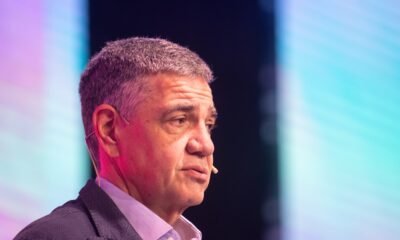
Jorge Macri prepara su discurso para abrir el año legislativo: el deseo de reelección y el espejo en Bukele

Daiana Fernández Molero defendió la reforma laboral: “Va a haber mayor creación de empleo porque va a ser más fácil contratar en blanco”

Crisis en la industria: otra multinacional se achica y cierra una planta en la Argentina

Uno por uno, todos los famosos que saludaron a Mirtha Legrand por sus 99 años

 POLITICA2 días ago
Jorge Macri prepara su discurso para abrir el año legislativo: el deseo de reelección y el espejo en Bukele
- ECONOMIA1 día ago
Crisis en la industria: otra multinacional se achica y cierra una planta en la Argentina
- CHIMENTOS3 días ago
Uno por uno, todos los famosos que saludaron a Mirtha Legrand por sus 99 años