INTERNACIONAL
Alerta en Israel: las Fuerzas de Defensa detectaron una nueva oleada de misiles balísticos lanzados desde Irán


Este lunes se cumplieron 11 días desde el inicio del enfrentamiento directo entre Irán e Israel, en una jornada marcada por nuevos ataques, amenazas de represalias y la consolidación del rol militar de Estados Unidos como parte activa del conflicto.
Tras los bombardeos estadounidenses del domingo contra los principales centros nucleares iraníes —Isfahán, Natanz y Fordow—, el régimen iraní advirtió que responderá con represalias militares directas. El jefe del Estado Mayor Conjunto estadounidense, Dan Caine, precisó que la operación implicó el despliegue de siete bombarderos B-2 y el uso de 14 bombas antibúnker GBU-57. Washington aclaró que no se atacaron ni tropas ni objetivos civiles.
El portavoz de las Fuerzas Armadas iraníes, Ebrahim Zolfaghari, denunció el ataque como una violación de la soberanía nacional y declaró que este “ampliará el alcance de los objetivos legítimos” de Irán, advirtiendo que se abrirá la vía a una extensión del conflicto en toda la región. Ali Akbar Velayati, asesor del líder supremo Alí Khamenei, señaló que cualquier base utilizada por Estados Unidos, “en la región o en otro lugar”, podría convertirse en blanco de ataque. El Departamento de Estado estadounidense emitió una alerta global para ciudadanos estadounidenses y personal diplomático, ante la posibilidad de una respuesta armada de Teherán.
En las primeras horas del lunes, se registraron nuevos ataques. Las sirenas sonaron en el norte y centro de Israel tras el lanzamiento de misiles balísticos desde Irán. La Fuerza Aérea israelí respondió con bombardeos sobre infraestructura militar en la ciudad iraní de Kermanshah.
A continuación, la cobertura en vivo del conflicto entre Israel e Irán:
Las sirenas antiaéreas se activaron en el norte de Israel tras el lanzamiento de misiles desde Irán
Las sirenas de alerta antiaérea se activaron este lunes en varias comunidades del norte de Israel, cerca de la frontera con Líbano, tras el lanzamiento de misiles balísticos desde territorio iraní, confirmó el Ejército israelí. Las autoridades ordenaron a la población buscar refugio inmediato y permanecer allí hasta nuevo aviso.
Minutos después, las Fuerzas de Defensa de Israel (FDI) informaron que detectaron una nueva andanada de misiles procedentes de Irán. Según las autoridades, se espera que las sirenas también se activen en las próximas horas en zonas del centro del país, incluida el área metropolitana de Tel Aviv.
El lanzamiento forma parte de la escalada militar que se mantiene activa entre Irán e Israel desde el 13 de junio. Las FDI continúan monitoreando el espacio aéreo y recomiendan a la población seguir las instrucciones de los servicios de emergencia. Hasta el momento no se ha informado de víctimas ni daños.
Irán amenazó a Trump tras los ataques a sus instalaciones nucleares: “Tú iniciaste la guerra, pero la acabaremos nosotros”
El portavoz de las Fuerzas Armadas iraníes, Ebrahim Zolfaghari, declaró que los bombardeos estadounidenses marcaron el inicio de un conflicto abierto con la República Islámica “y abrirá la vía a la extensión de la guerra en la región”

Irán advirtió este lunes a Estados Unidos sobre una posible respuesta militar tras los bombardeos dirigidos contra sus instalaciones nucleares. El portavoz de las Fuerzas Armadas iraníes, teniente coronel Ebrahim Zolfaghari, declaró que los ataques estadounidenses marcaron el inicio de un conflicto abierto con la República Islámica y afirmó que será Teherán quien “lo termine”. Las declaraciones se producen tras el ataque estadounidense contra los complejos nucleares de Fordow, Natanz e Isfahán, en el contexto de la creciente confrontación entre Irán e Israel.
El Ejército de Israel confirmó que uno de sus drones fue derribado en el oeste de Irán
Las Fuerzas de Defensa de Israel (FDI) confirmaron este lunes que una de sus aeronaves no tripuladas fue derribada en el oeste de Irán, en las cercanías de la ciudad de Khorramabad. La operación formaba parte de una misión en curso, según indicaron las FDI en un comunicado.
“Durante una actividad operativa, un vehículo aéreo no tripulado de la Fuerza Aérea fue derribado en territorio iraní. No existe riesgo de filtración de información”, señaló el ejército.
Medios iraníes informaron que se trató de un dron modelo Hermes, un tipo de UAV utilizado por Israel en operaciones de reconocimiento. La semana pasada, otro Hermes 900 fue derribado en el área de Isfahán.
Israel afirmó haber neutralizado 15 aviones y helicópteros vinculados al régimen iraní
El Ejército de Israel (FDI) confirmó este lunes que su Fuerza Aérea llevó a cabo ataques contra seis aeropuertos en distintos puntos de Irán. Según el comunicado militar, los bombardeos destruyeron 15 aeronaves, entre ellas cazas de combate y helicópteros, además de causar daños en infraestructuras clave como pistas de aterrizaje y búnkeres subterráneos.
Los ataques fueron ejecutados con drones durante la mañana, en medio de una nueva fase en el enfrentamiento directo entre ambos países. Las FDI indicaron que los objetivos formaban parte de la capacidad operativa aérea iraní. No se han reportado cifras oficiales de víctimas hasta el momento.
Israel bombardeó objetivos militares en el oeste de Irán en respuesta a nuevos intentos de agresión con misiles
El Ejército israelí confirmó los ataques contra depósitos de misiles y centros logísticos en Kermanshah, una región estratégica cercana a la frontera con Irak

El Ejército israelí bombardeó este lunes múltiples instalaciones militares en la ciudad iraní de Kermanshah, ubicada en el oeste del país, a unos 80 kilómetros de la frontera con Irak. Las Fuerzas de Defensa de Israel (FDI) informaron que más de 15 aviones de combate participaron en la operación, que fue dirigida por la información obtenida por la Dirección de Inteligencia de las FDI.
Japón respaldó la determinación de EEUU para evitar que Irán adquiera armas nucleares
El Ministerio de Exteriores de Japón afirmó este lunes que las recientes acciones militares de Estados Unidos en Irán reflejan su determinación para reducir las tensiones y, al mismo tiempo, impedir que Teherán obtenga armas nucleares. “Japón cree que lo más importante de todo es desescalar la situación lo antes posible”, señaló el canciller Takeshi Iwaya en un comunicado, subrayando que Washington está persiguiendo el diálogo “de forma seria”.
A pesar de que el primer ministro japonés, Shigeru Ishiba, evitó pronunciarse directamente sobre los bombardeos, el gobierno expresó su comprensión hacia la postura estadounidense. “Japón entiende que las acciones de Estados Unidos demuestran su determinación por desescalar la situación y evitar que Irán adquiera armas nucleares”, indicó Iwaya.
Ante el deterioro de la situación en la región, Japón comenzó a evacuar a sus ciudadanos y sus familiares desde Irán e Israel por medio de terceros países. Según datos oficiales, alrededor de 200 japoneses permanecen en Irán y unos 1.000 residen en Israel. Japón, altamente dependiente de los hidrocarburos del Medio Oriente, sigue con atención el impacto de la crisis sobre la estabilidad energética global.
Marco Rubio instó al régimen de China a presionar a Irán para evitar el cierre del Estrecho de Ormuz
El secretario de Estado de EEUU advirtió que cualquier intento de bloquear la ruta marítima afectaría a las principales economías del mundo y provocaría una escalada con consecuencias globales

El secretario de Estado de Estados Unidos, Marco Rubio, instó este domingo al régimen de China a intervenir ante la posibilidad de que Irán cierre el estrecho de Ormuz, en respuesta a los recientes bombardeos estadounidenses contra instalaciones nucleares iraníes. “Insto al gobierno chino en Beijing a que hable con ellos sobre este tema, ya que dependen en gran medida del estrecho de Ormuz para su suministro de petróleo”, declaró Rubio en una entrevista con la cadena Fox News.
Trump aseguró que los ataques de EEUU causaron “daños monumentales” a las centrales nucleares de Irán
El mandatario republicano describió la operación como un golpe directo a la capacidad del régimen de Teherán de continuar desarrollando tecnología atómica con fines militares

El presidente Donald Trump afirmó que los ataques lanzados por Estados Unidos contra Irán destruyeron por completo las instalaciones clave de su programa nuclear. El mandatario republicano describió la operación como un golpe directo a la capacidad del régimen iraní de continuar desarrollando tecnología nuclear con fines militares, y calificó el resultado como “daño monumental” e “impacto total en el blanco”.
Ecuador coordina la salida de sus nacionales desde Israel ante la escalada de tensiones con Irán
El Gobierno de Ecuador anunció este domingo que mantiene gestiones diplomáticas con varios países para facilitar la salida de ciudadanos ecuatorianos desde Israel, en medio del aumento de tensiones en la región tras el conflicto con Irán. Según informó la Cancillería, la prioridad es garantizar el pronto retorno de quienes han solicitado asistencia para abandonar el país.
Las autoridades ecuatorianas mantienen una coordinación permanente con naciones de América Latina, así como con gobiernos de Italia, España y el Reino Unido, con el objetivo de incluir a los ecuatorianos en los vuelos de evacuación que estos países podrían organizar. Hasta ahora, 24 ciudadanos ecuatorianos han salido de Israel con apoyo oficial.
Actualmente, 19 ecuatorianos continúan registrados en la sección consular de Ecuador en Tel Aviv a la espera de evacuación. La Embajada en Israel ha coordinado su inclusión en la plataforma del Ministerio de Turismo israelí para adquirir pasajes una vez que se reabra el espacio aéreo. La Cancillería aseguró que se mantiene en contacto constante con los ciudadanos para ofrecerles asistencia y orientación.
Middle East,Military Conflicts,TEL AVIV










NEWYou can now listen to Fox News articles!
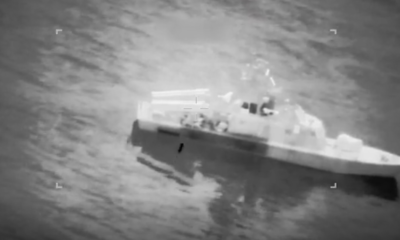
Iran is deploying explosive-laden drone boats disguised as wooden fishing vessels in the Strait of Hormuz, a defense expert has warned — a move that signals a new phase of hybrid maritime warfare in one of the world’s most critical shipping lanes.
Cameron Chell, CEO of drone technology firm Draganfly, spoke after the United Kingdom Maritime Trade Operations (UKMTO) confirmed that a Marshall Islands–flagged oil tanker was struck March 1 by an Iranian unmanned surface vehicle north of Muscat, Oman.
«UKMTO has received confirmation that the vessel was attacked by an uncrewed surface vehicle (USV), and that the crew has been evacuated to shore,» UKMTO said in a threat assessment.
Reports also indicated that two additional oil tankers were hit March 11 by remote-controlled explosive boats in the Gulf, as Iran intensified attacks on foreign vessels following the start of the U.S. Operation Epic Fury against the regime on Feb. 28.
FIRES RAGE AT IRAN’S BANDAR ABBAS NAVAL HEADQUARTERS, STRAIT OF HORMUZ TRAFFIC STALLED
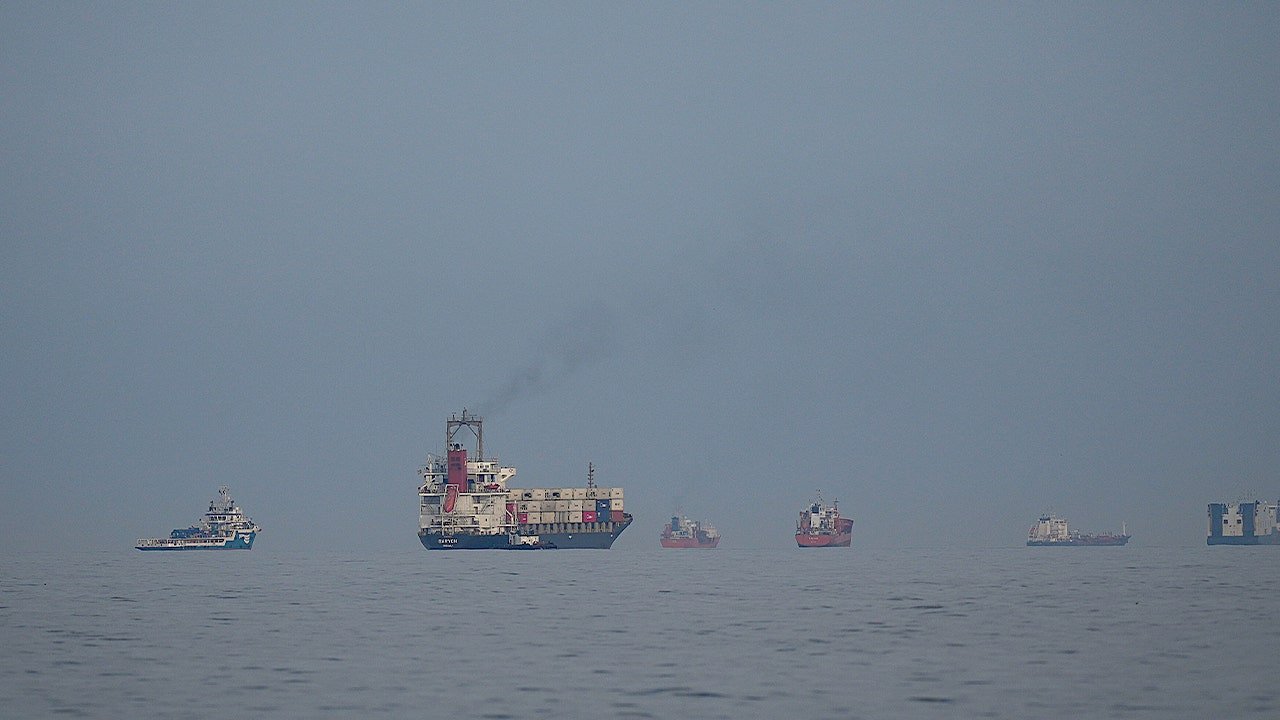
Persian Gulf shipping dips as Trump positions military against Iran. ( Morteza Nikoubazl/NurPhoto via Getty Images)
The use of so-called «suicide skiffs» represents a growing asymmetric threat in the narrow, 21-mile-wide Strait, Chell warned, while highlighting the technological capabilities behind these attacks.
«The Iranians probably have use of radio remote control, line of sight, frequency hopping, or encrypted radio communication between the skiffs and the Hormuz shoreline,» Chell told Fox News Digital.
«These can be jammed and tracked, but when there’s 50 of these boats, it’s hard to try to find them all along this shoreline or to find a 20-foot wooden fishing boat that is laden with explosives.
«They can have one person controlling a swarm of 10 boats,» he said before describing how there «could also be autonomous swarming where they might have 10 boats that can act with a large level of independence, because they’re pre-programmed.»
«The boats would be used to ram into targets and explode,» Chell clarified.
EX-NAVY SEAL WARNS WITHDRAWING FROM IRAN NOW WOULD HAND ‘VICTORY’ TO REGIME
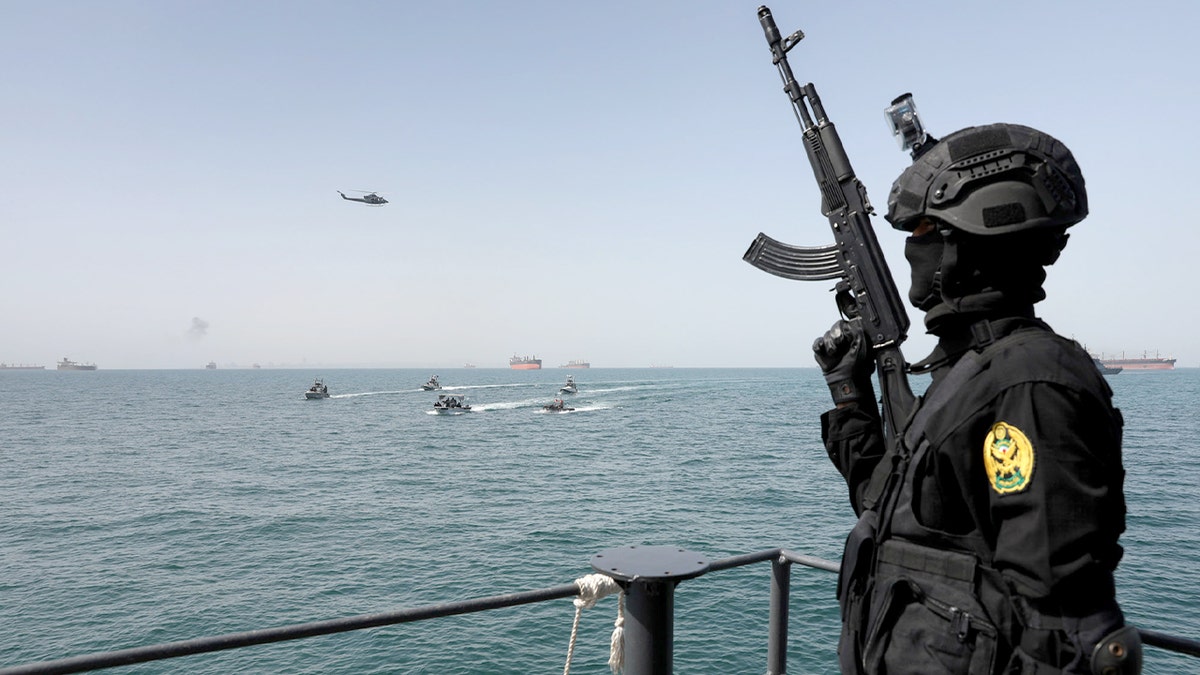
Naval units from Iran and Russia simulate the rescue of a hijacked vessel during joint drills at the Port of Bandar Abbas in Hormozgan, Iran, on Feb. 19, 2026. (Iranian Army/Handout/Anadolu via Getty Images)
Chell’s comments followed a March 12 Reuters report stating that six vessels had been attacked in the Gulf and Strait of Hormuz.
Sources said that Iran had also deployed about a dozen mines, complicating efforts to maintain any traffic through the critical waterway.
U.S. Treasury Secretary Scott Bessent told Sky News Thursday that the U.S. Navy, potentially alongside an international coalition, would escort ships when militarily feasible.
U.K. Defense Secretary John Healey also said discussions were underway with European counterparts stressing the global economic stakes tied to the strait. Chell, however, questioned current defensive readiness.
«The drone defense fleets that the U.S. Navy would not have been set up to take these suicide skiffs out,» Chell said.
«The U.S. would be using manned aircraft in order to take them out, which are fantastic at taking out a large target, but inefficient in taking out 50 boats at one time that are an average of 25 or 30 feet in size, laden with explosives.
IRAN’S DRONE SWARMS CHALLENGE US AIR DEFENSES AS TROOPS IN MIDDLE EAST FACE RISING THREATS
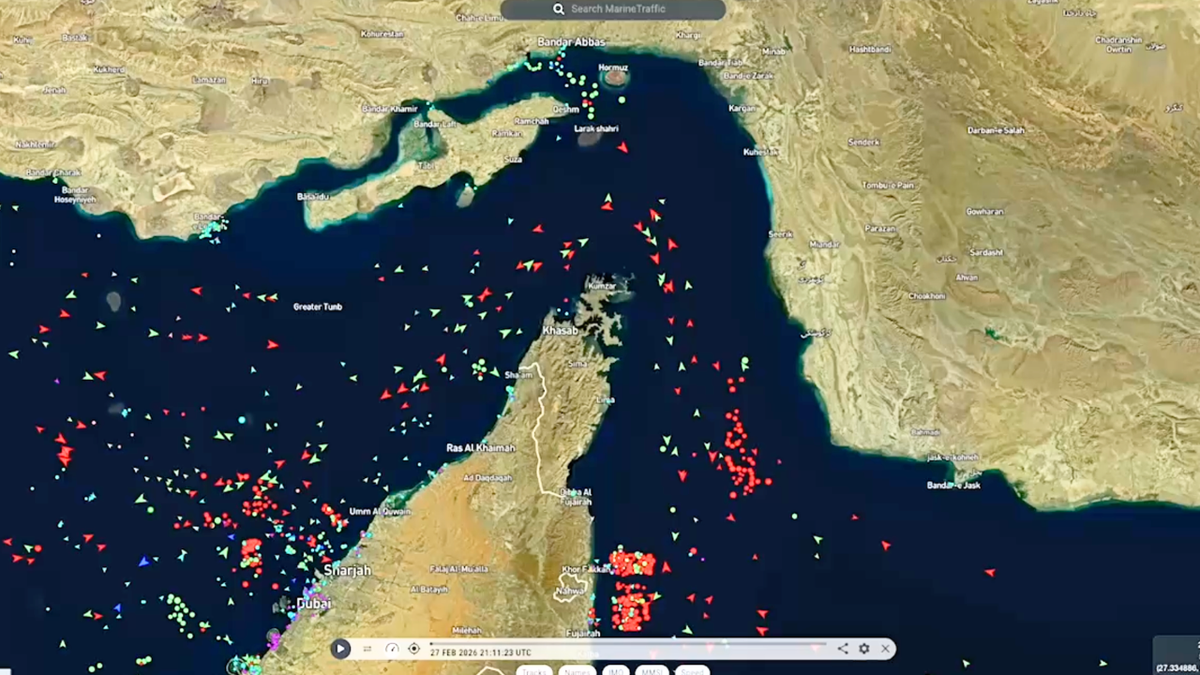
A screenshot of a marine traffic terminal showing vessels in the Strait of Hormuz on March 4, 2026. (Kpler/Marine Traffic)
«Given the Strait’s geography, it would require patrolling by many aircraft and would require pervasive surveillance over the area, a rapid response to any activity that’s happening,» he said.
As Supreme Leader Mojtaba Khamenei vowed to keep the Strait closed as leverage against the U.S. and Israel, oil prices continue to surge, with Chell also highlighting the geographic advantage Iran holds.
«The geographic layout of the Strait lends itself very well to relatively unsophisticated suicide skiffs, unmanned surface vehicles or USVs,» he warned before describing how the area «lends itself to this low-cost, automatic, asymmetric warfare.»
«The Iranians can disguise them as fishing boats and can be anywhere from 12 to 30 feet, and a boat could be of any description,» Chell said.
«These skiffs are equipped with basic remote control capabilities that may or may not be using GPS waypoints or manual remote control.»
CLICK HERE TO DOWNLOAD THE FOX NEWS APP
«The skiffs are not autonomous, because the distance across the Strait is so short, and it’s very flat across this waterway, the communication signal could be carried for quite some time via a line of sight,» he added.
«They could literally have hundreds out there at a time, because they’re also so inexpensive to defend against,» Chell said.
war with iran,iran,mojtaba khamenei,us navy,military,wars
NEWYou can now listen to Fox News articles!
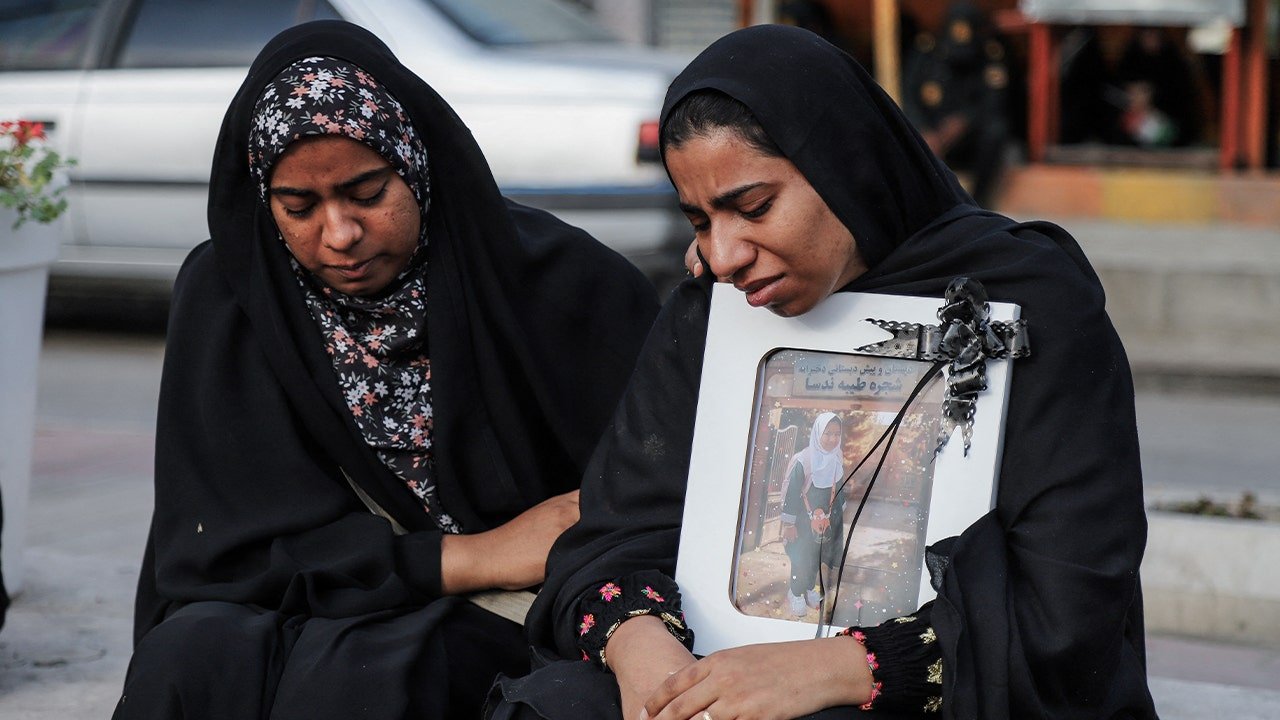
The Pentagon said Friday it has opened a formal command investigation into the Feb. 28 strike in Minab, Iran, where Iranian regime officials claim dozens of children were killed in a strike at a school beside a military compound.
Questions continue to mount about possible U.S. involvement in the strike, the intelligence used before it and whether Iran placed military assets near civilians to shield them or weaponize potential casualties.
War Secretary Pete Hegseth said at a Pentagon briefing that U.S. Central Command (CENTCOM) has appointed a senior officer from outside the command to lead the review.
«CENTCOM has designated an investigating officer to complete a command investigation,» Hegseth said, noting that the investigator is a general officer from outside the command. «The command investigation will take as long as necessary to address all the matters surrounding this incident.»
CENTCOM ISSUES SAFETY WARNING TO IRANIAN CIVILIANS AS REGIME USES ‘HEAVILY POPULATED’ AREAS FOR LAUNCHES
«There’s only one entity in this conflict, between us and Iran, that never targets civilians, literally never target civilians,» he said, defending U.S. targeting procedures while the investigation unfolds. «We will investigate. We’ll get to the truth and we’ll share it when we have it.»
The strike has drawn scrutiny as the investigation continues without answers.
If U.S. forces carried out the attack, it would raise questions about how American military planners assess civilian risk in densely populated areas and whether safeguards designed to prevent unintended casualties functioned as intended in the opening phase of a high-intensity conflict.
A view of debris at a school in Hormozgan province, Iran, on March 5, 2026. Local authorities reported casualties after strikes in the area from a girls primary school in the city of Minab. The building sustained significant structural damage following two reported air strikes approximately 40 minutes apart. The Pentagon is investigating the strike. (Stringer/Anadolu via Getty Image)
CENTCOM, the military department tasked with overseeing the U.S. operation in Iran and all Middle East operations, has declined to confirm whether American forces launched the missile, saying only that «it would be inappropriate to comment given the incident is under investigation.»
Iranian-American journalist Banafsheh Zand, who has been following the reporting in Iran, pointed to the school that has been there for more than a decade, reported affiliation with Iran’s military.
«The school itself was for the children of the (Islamic Revolutionary Guard Corps) Navy, and it speaks volumes to where the place was and how they use civilian shields,» she said.
The use of human shields is against international humanitarian law.
While the regime claims between 168 fatalities and 180 fatalities, mostly girls between the ages of 7 and 12, along with teachers and parents from the school, Zand told Fox News Digital that there has been no independent confirmation of the reported casualty figures.
«There is no confirmation on the number of people, from anyone other than regime sources,» she said. «Some people in the area said it was 65 boys. Sixty-five boys? What are 65 boys doing in a girls’ school at 10:30 on a Saturday morning?»

US Secretary of Defense Pete Hegseth looks on during a joint press conference with Admiral Charles Bradford «Brad» Cooper II, Commander of US Central Command, at US Central Command (CENTCOM) headquarters at MacDill Air Force Base in Tampa, Florida, on March 5, 2026. (Octavio JONES / AFP via Getty Images)
Addressing satellite images that appear to show newly dug graves, Zand added: «The number of graves are not in keeping with the number of people that they claim is dead. It doesn’t match up.»
The U.S. government has not confirmed the death toll.
Preliminary findings from U.S. officials suggest the strike was likely carried out by American forces, The New York Times reported Wednesday, though the investigation remains ongoing.
In response to the Times’ reporting, Central Command reiterated to Fox News Digital that the investigation is ongoing.
IRAN UNREST ESCALATES AS GUNFIRE, TEAR GAS HIT UNIVERSITIES AMID LOOMING US STRIKE
Retired Vice Adm. Kevin Donegan, who previously commanded U.S. Naval Forces Central Command and the U.S. 5th Fleet, cautioned against getting ahead of the full review and said U.S. targeting doctrine is designed to prevent civilian tragedies, including legal review and collateral damage assessments before a strike is approved.
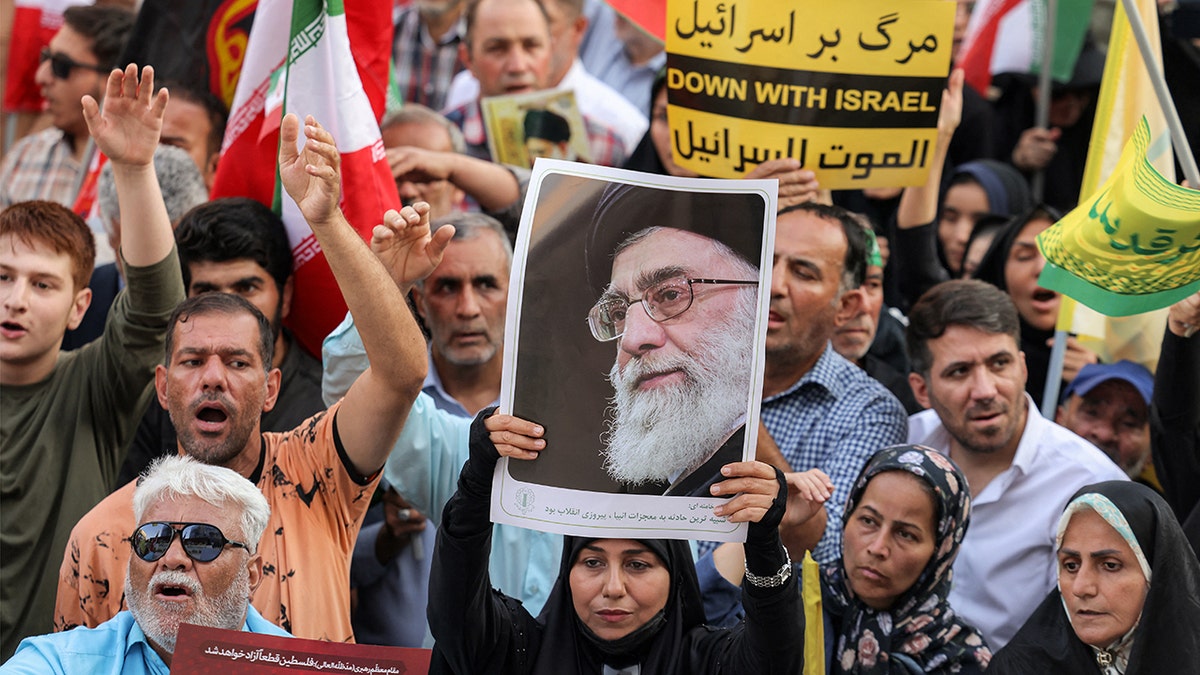
A demonstrator holds a picture of Iran’s Supreme Leader Ayatollah Ali Khamenei during a rally in Tehran in solidarity with the government against Israel’s attacks and to mark Eid al-Ghadir. (Atta Kenare/Getty Images) (Atta Kenare/Getty Images)
«We actually have judge advocates that sit there and help us through the process of targeting,» Donegan told Fox News Digital.
But even precision-guided weapons do not eliminate uncertainty.
«War isn’t precise,» Donegan said. «Mistakes can be made, and they can happen anywhere in the chain of events.»
Raytheon, the manufacturer of the Tomahawk missile, could not be reached for comment.
Wes Bryant, the Pentagon’s former chief of civilian harm assessments, said his office, the Civilian Protection Center of Excellence, was tasked with advising commanders on targeting and ways to mitigate civilian harm but had been severely curtailed over the past year.
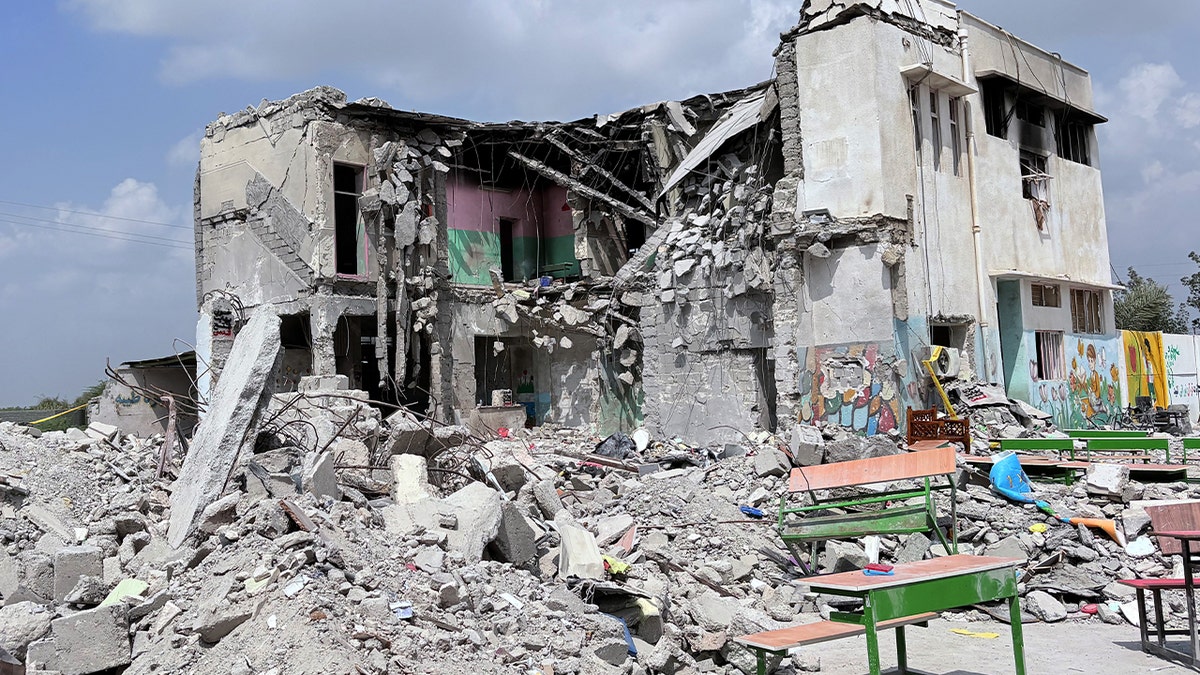
Image shows a girls’ school struck in Minab, Iran. (Stringer/Anadolu via Getty Images)
Bryant said that taken together, the available evidence strongly suggests U.S. involvement.
«All evidence, at this point, points to a U.S. strike,» Bryant told Fox News Digital.
If U.S. forces conducted the strike, Bryant said the more plausible explanation would involve a failure in target identification or civilian risk assessment.
«These munitions have a very small circular probable,» Bryant said. «If it missed, it would have been within a few meters.»
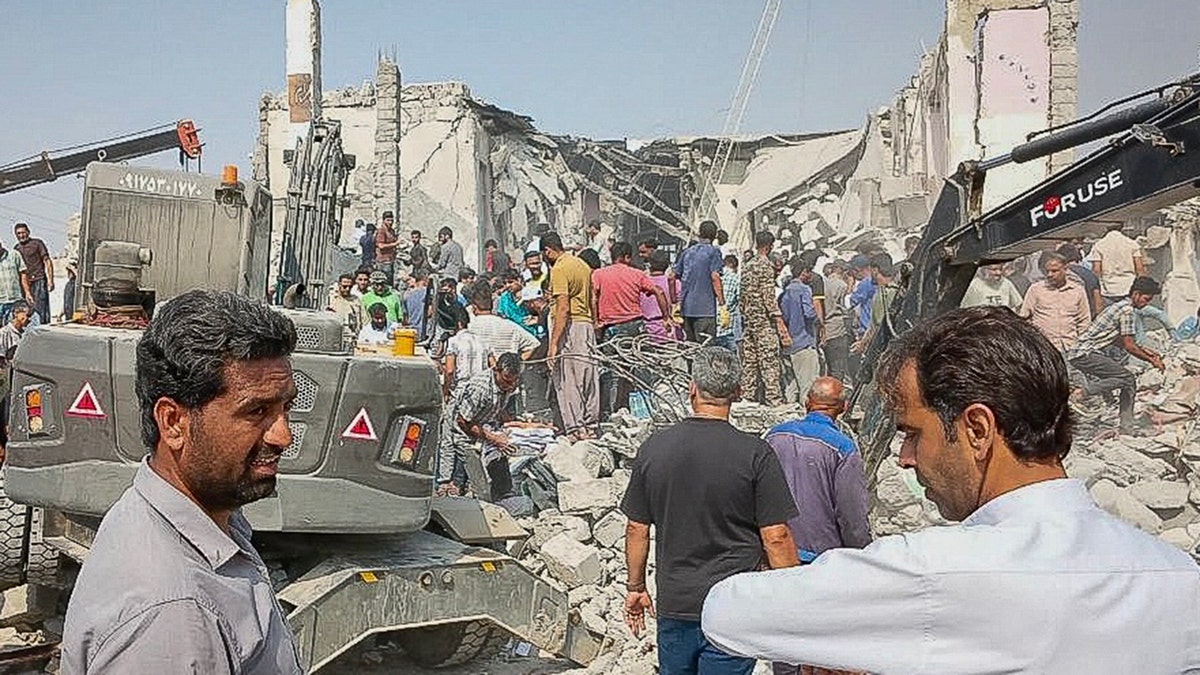
This picture obtained from Iran’s ISNA news agency shows the site of a strike on a girls’ school in Minab, in Iran’s southern Hormozgan province, on Feb. 28, 2026. (Ali Najafi/ISNA/AFP via Getty Images)
Satellite imagery and reporting from Iranian officials indicate the Shajareh Tayyebeh primary school sat roughly 600 meters from the adjacent Islamic Revolutionary Guard Corps naval facility in Minab, Iran, underscoring how closely civilian and military infrastructure were positioned.
«I’m leaning more toward that this is complete misidentification,» from the U.S., he said, arguing that the likely issue would be a failure to properly vet or update targeting information rather than a random malfunction.
White House spokesperson Anna Kelly told Fox News Digital, «This investigation is ongoing. As we have said, unlike the terrorist Iranian regime, the United States does not target civilians.»
IRAN LOCKS NATION INTO ‘DARKER’ DIGITAL BLACKOUT, VIEWING INTERNET AS AN ‘EXISTENTIAL THREAT’
Possible Tomahawk missile and strike location
Open-source video analysis and reported missile remnants have fueled speculation that the munition resembled a U.S. Tomahawk cruise missile — a weapon Iran does not operate.
The Tomahawk is fielded by the U.S. and a limited number of close allies, including the United Kingdom and Australia, neither of which have been firing missiles in the conflict.
The Tomahawk is a long-range, precision-guided cruise missile capable of striking targets hundreds of miles away and typically carrying a high-explosive warhead.
Independent open-source investigators, including Bellingcat, a Netherlands-based investigative journalism group specializing in open-source analysis, have examined video and satellite imagery from the area and reported that multiple strikes hit the compound within a short time window.
However, commentators on social media have their own theories.
«The wing-to-body ratio of the munition in question matches an Iranian Kh-55–derived Land Attack Cruise Missile,» said podcast host and veteran Matt Tardio on X. «So what could have caused this? Simply put, GPS jamming of an Iranian KH-55. The USA and Israel were, and continue to actively jam the Iranian airspace.»
IRAN WAR, 11 DAYS IN: US CONTROLS SKIES, OIL SURGES AND THE REGION BRACES FOR WHAT’S NEXT
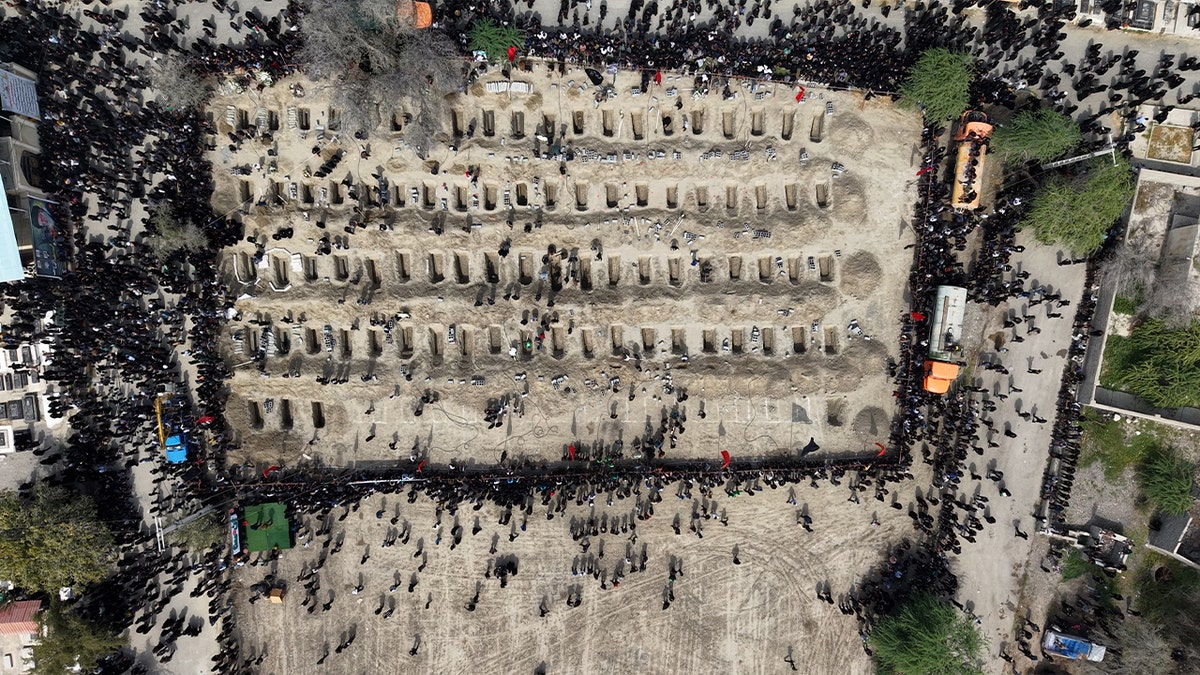
An aerial view shows funerals underway at a graveyard in Minab, Iran, March 3, 2026, for students and staff from a girls school who authorities said were killed in a Feb. 28 strike. (Handout/Getty Images)
Former National Security Council official Javed Ali, now a professor at the Gerald R. Ford School of Public Policy, told Fox News Digital the central question is the quality of intelligence that informed the strike decision.
«How solid was the intelligence picture on that facility?» Ali said. «How good was the intelligence that went into what’s called a target package?»
OPERATION EPIC FURY DESTROYS IRAN’S NAVY AND CUTS MISSILE ATTACKS BY 90% IN ONGOING CAMPAIGN
Ali, who previously worked on targeting analysis at the Defense Intelligence Agency, said military strikes are typically built from multiple streams of intelligence — human, technical, geospatial and open source — designed to provide high confidence that a structure is a legitimate military objective.
«Clearly something went wrong,» Ali said.
Civilian proximity raises targeting questions
Bryant said the Pentagon’s Civilian Protection Center of Excellence and broader civilian harm mitigation enterprise were scaled back in 2025, reducing the number of personnel available to conduct investigations into civilian harm.
The center was established by Congress to help the military minimize harm to civilians in conflict, but reporting shows its dedicated staff were folded into broader bureaucratic units or removed as part of a departmental reorganization.
Its teams were designed to work with commanders on target planning to make sure targets were active military sites and advise on the potential for civilian harm, according to Bryant.
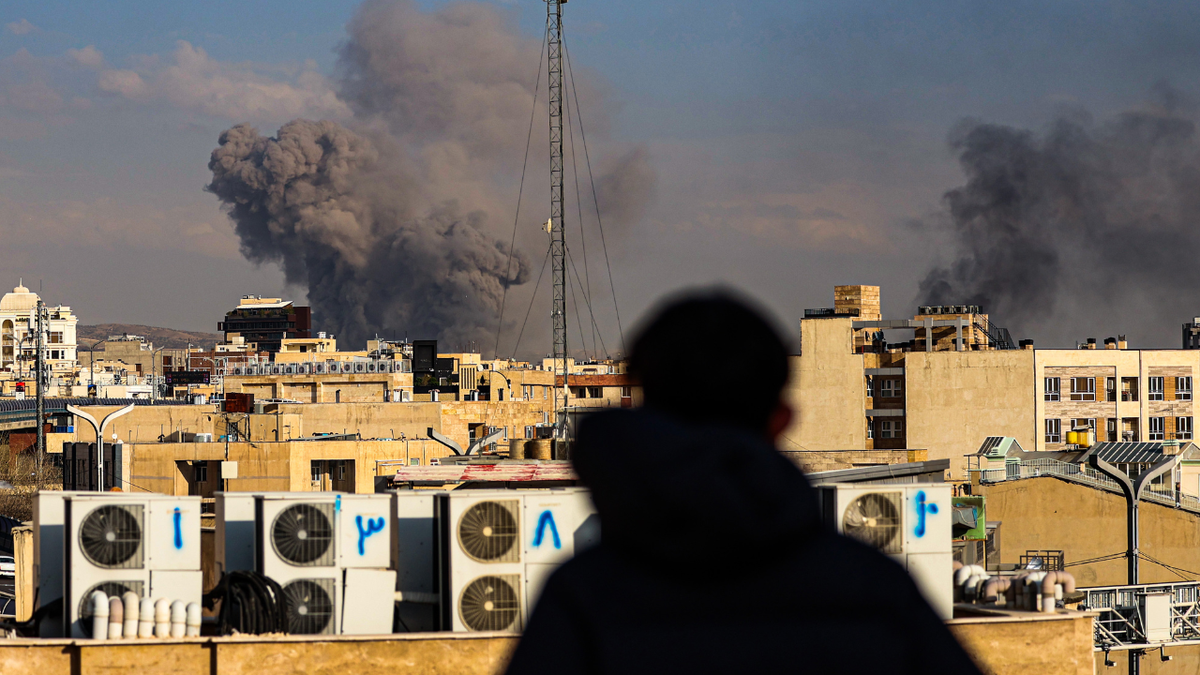
A general view of Tehran with smoke visible in the distance after explosions were reported in the city, on March 02, 2026 in Tehran, Iran. (Contributor/Getty Images)
The Pentagon has not publicly detailed the current status or staffing of the office, nor confirmed whether the office is involved in the ongoing Minab, Iran, school investigation.
IRAN OPERATING SECRET ‘BLACK BOX’ SITES HOLDING THOUSANDS IN DETENTION: REPORTS
An open source intelligence expert and former intel official, who requested anonymity, told Fox News Digital the structure resembles the other military buildings that were targeted in the strike, which could help explain how an intelligence misreading might occur and lead analysts to believe the site was another military facility within the compound.
Analysts say when civilian casualties occur during precision strikes, the explanations generally fall into three categories: intelligence failure, technical malfunction or human error.
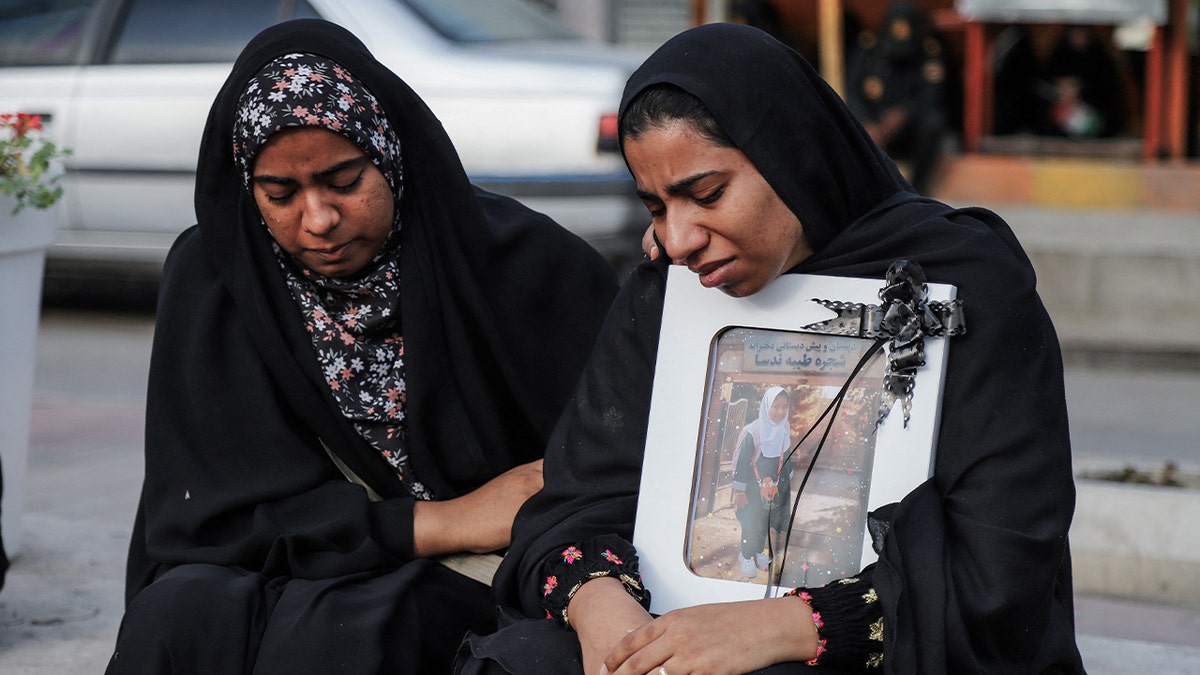
Mourners attend the funeral of children killed in a reported strike on a primary school in Minab, Hormozgan province, Iran, on March 3, 2026. (Amirhossein Khorgooei/ISNA/AFP via Getty Images)
Amos Yadlin, a former head of Israeli military intelligence, told Fox News Digital incorrect or outdated intelligence could lead to misidentification, while a GPS-guided munition could malfunction or be disrupted. Human error — such as incorrect coordinate entry — is another possibility.
If an investigation ultimately finds negligence or a breakdown in targeting procedures, the U.S. military has a precedent for imposing consequences.
Bryant pointed to the 2015 U.S. strike on a hospital in Kunduz, Afghanistan, that killed dozens of patients and medical staff at a facility operated by Doctors Without Borders, the international humanitarian medical charity which a U.S. army investigation later concluded was «a tragic and avoidable accident.»
CLICK HERE TO DOWNLOAD THE FOX NEWS APP
A U.S. military investigation later concluded that airstrike was «a tragic and avoidable accident» caused primarily by human error and procedural failures, with the medical facility mistakenly identified as a combat target.
«In that case, a couple of different commanders were removed,» Bryant said, noting that accountability can range from administrative measures to the revocation of certifications, depending on findings.
war with iran,iran,conflicts defense,pentagon,pete hegseth

Adorni vuelve al país y reunirá el martes a la mesa política tras el escándalo de los vuelos

Luis Caputo defendió al jefe de Gabinete en medio de la polémica por los viajes: “Lo banco a muerte a Adorni”

Horóscopo: los 4 signos que podrían recibir una sorpresa antes de que termine el mes

¿Dónde ver EN VIVO y ONLINE el duelo entre Real Madrid vs. Manchester City por Champions League?

Iran deploys explosive ‘suicide skiffs’ disguised as fishing boats in Strait of Hormuz

Hegseth announces Pentagon probe into deadly strike on Iranian school

Muni Seligmann respondió las críticas tras el accidente de su bebé y su viaje a Miami: “Hay que contarlo y naturalizarlo”

El ex novio de Luana de Gran Hermano reveló información sensible sobre su relación: “El bolso tenía plata”

Juan Carlos Schmid deja la conducción de Dragado y Balizamiento después de 33 años

Manuel Adorni explicó por qué viajó con su esposa en el avión presidencial a la gira del Gobierno en Nueva York

 CHIMENTOS3 días ago
Muni Seligmann respondió las críticas tras el accidente de su bebé y su viaje a Miami: “Hay que contarlo y naturalizarlo”
- CHIMENTOS1 día ago
El ex novio de Luana de Gran Hermano reveló información sensible sobre su relación: “El bolso tenía plata”
- POLITICA3 días ago
Manuel Adorni explicó por qué viajó con su esposa en el avión presidencial a la gira del Gobierno en Nueva York