INTERNACIONAL
‘Americas Counter Cartel Coalition’: Inside the US strategy to combat narco terror, confront China, other foes

NEWYou can now listen to Fox News articles!
FIRST ON FOX: The United States is advancing a sweeping hemispheric security strategy aimed at dismantling transnational criminal organizations and countering the growing footprint of geopolitical rivals across Latin America, according to Joseph M. Humire, acting assistant secretary of War for Homeland Defense and Americas Security Affairs.
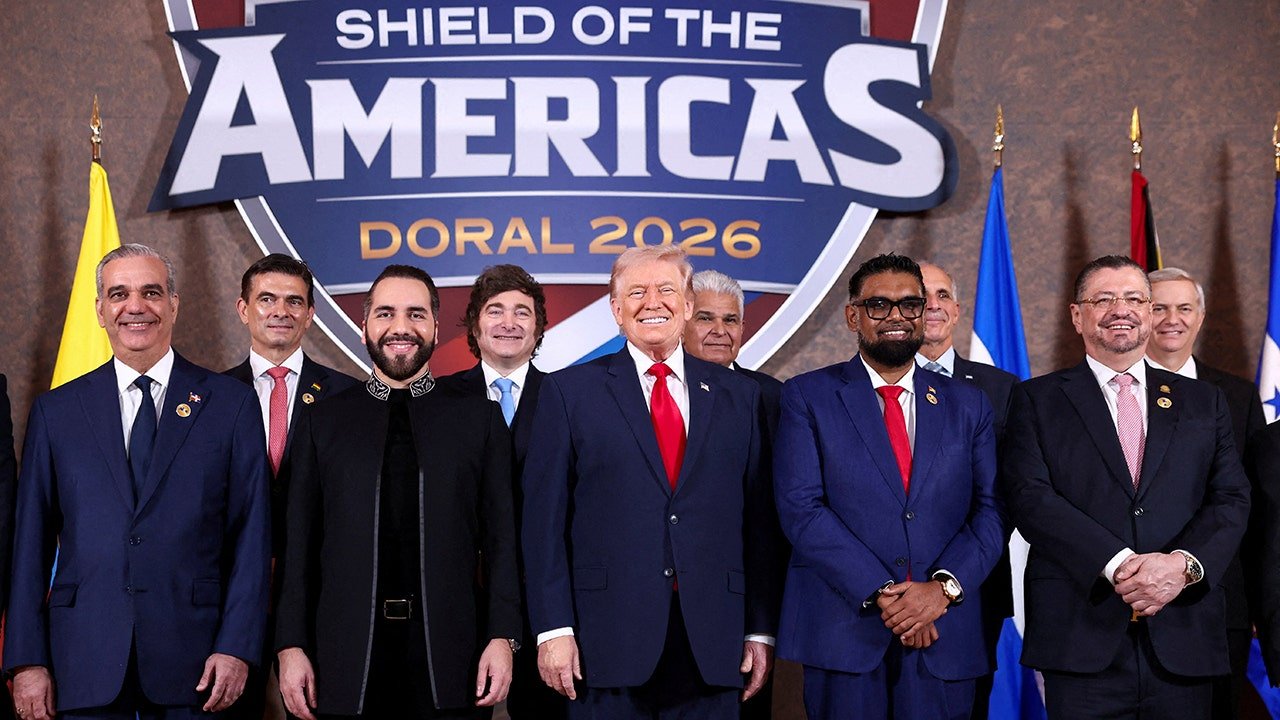
At the center of this effort is the «Shield of the Americas,» a multi-layered initiative designed to integrate military, intelligence, and law enforcement capabilities across partner nations in the Western Hemisphere.
«Shield of the Americas is a presidential framing to form an alliance in the Western Hemisphere. The Americas Counter Cartel Coalition fits within it, but it’s not exclusive to it. We now have 18 members in the coalition. And in the Shield, there are 13 countries,» Humire said.
CARTELS FEAR US RETALIATION AS TRUMP-ERA PRESSURE RESHAPES STRATEGY: ‘THEY FEAR THE UNITED STATES’
President Donald Trump speaks during the «Shield of the Americas» Summit at Trump National Doral in Miami, Florida, March 7, 2026. (SAUL LOEB / AFP via Getty Images)
«The proclamation that President Trump signed on March 7, was centered around the coalition, and the coalition is centered around having partner nations in Latin America start looking at partner-led, deterrence-focused operations against cartel infrastructure and targets inside their sovereign territory, both on land and in the maritime territory.»
Humire said, «In the past, we would provide training, capacity building and a bunch of different things to our partners so that they could go after the cartels. What is different in this administration is we are now accompanying our partners to go after the shared threats. In some cases, we’ve already gotten permission to do that, like in Ecuador, where we have permission from President Daniel Noboa to not just advise and assist his military as they engage in counter-narcotic terrorist operations, but also accompany his military forces when they engage in those operations.»

A soldier stands guard by a charred vehicle after it was set on fire in Cointzio, Michoacán state, Mexico, Sunday, Feb. 22, 2026, after the death of the leader of the Jalisco New Generation Cartel, Nemesio Rubén Oseguera Cervantes, known as «El Mencho.» (AP Photo/Armando Solis)
Humire says, «The second difference to previous administrations is that we are leaning in on deterrence-focused operations, which means we are encouraging our partners to use hard power to send a signal to the cartels to complement interdiction. We are still seizing narcotics. We’re still arresting major cartel members. We are also now destroying cartel infrastructure and, in some cases, taking out cartel members. That’s something that is new.»
Mexico
«Mexico is not a member of the coalition. We are encouraged by Mexico’s recent operation against El Mencho. That was an offensive operation against a high-value individual tied to a major cartel. We look forward to Mexico becoming a member in the future. Our relationship with Mexico is very strong military-wise. We have done a lot of training and capacity building with Mexico. But as of today, we still don’t have U.S. forces accompanying Mexico inside the sovereign territory of the country,» he said.
«Mexico, like many countries, saw what happened in Venezuela and now understand that there’s a partner of preference inside the Western Hemisphere and in the world, which is the United States, not China, Russia or Iran.»
Pentagon actions under this framework include the deployment of additional surveillance assets, enhanced maritime patrol operations, and the integration of cyber capabilities to track and disrupt illicit networks. It has also prioritized capacity-building efforts to strengthen partner nations’ ability to sustain long-term counter-cartel operations.
CRUZ WARNED MEXICO OFFICIALS ‘PRESIDENT TRUMP WAS GOING TO’ ACT IF THEY DIDN’T FIGHT CARTELS
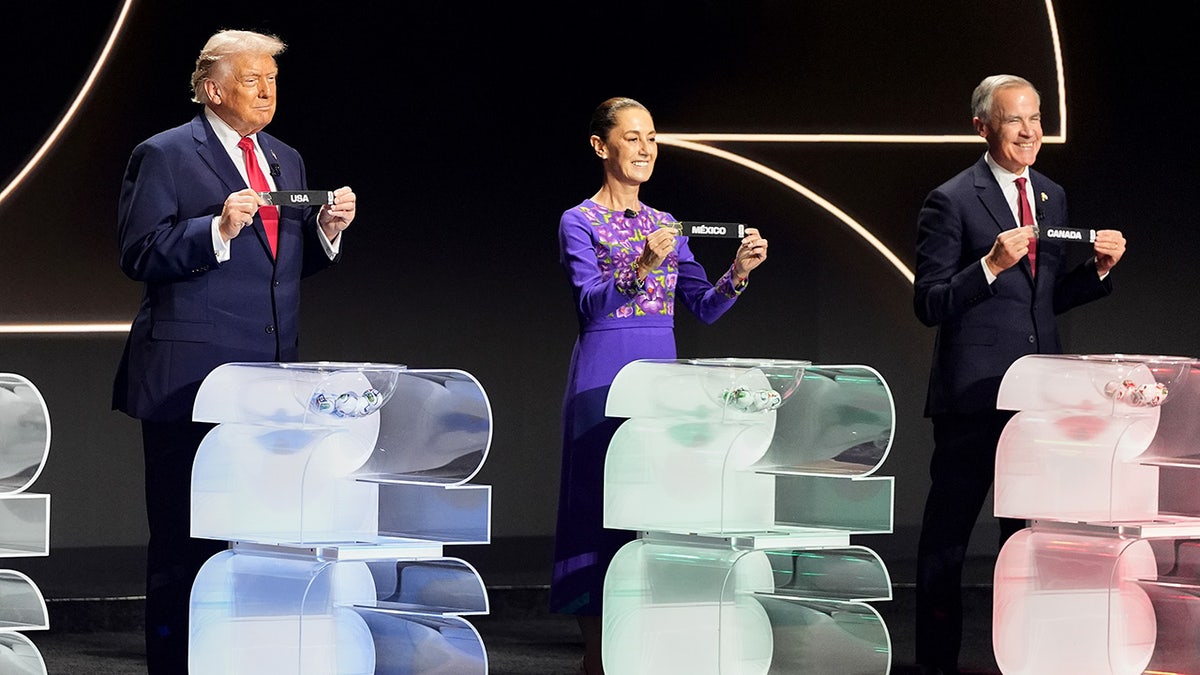
President Donald Trump, Mexican President Claudia Sheinbaum and Canadian Prime Minister Mark Carney hold their countries’ cards during the draw for the 2026 soccer World Cup at the Kennedy Center in Washington on Dec. 5, 2025. (Stephanie Scarbrough, Pool/AP Photo)
Humire continued, «This is a historic effort to put the Western Hemisphere as a top regional priority for U.S. national security in ways we have never done before. President Trump has made a monumental shift in U.S. foreign policy and national security.»
Beyond cartel activity, the initiative reflects growing concern over the influence of China, Russia and Iran in the region.
Expanding Chinese infrastructure investments with dual-use potential, Iranian-linked networks tied to illicit finance and proxy activities and Russian disinformation campaigns are key threats to regional stability.
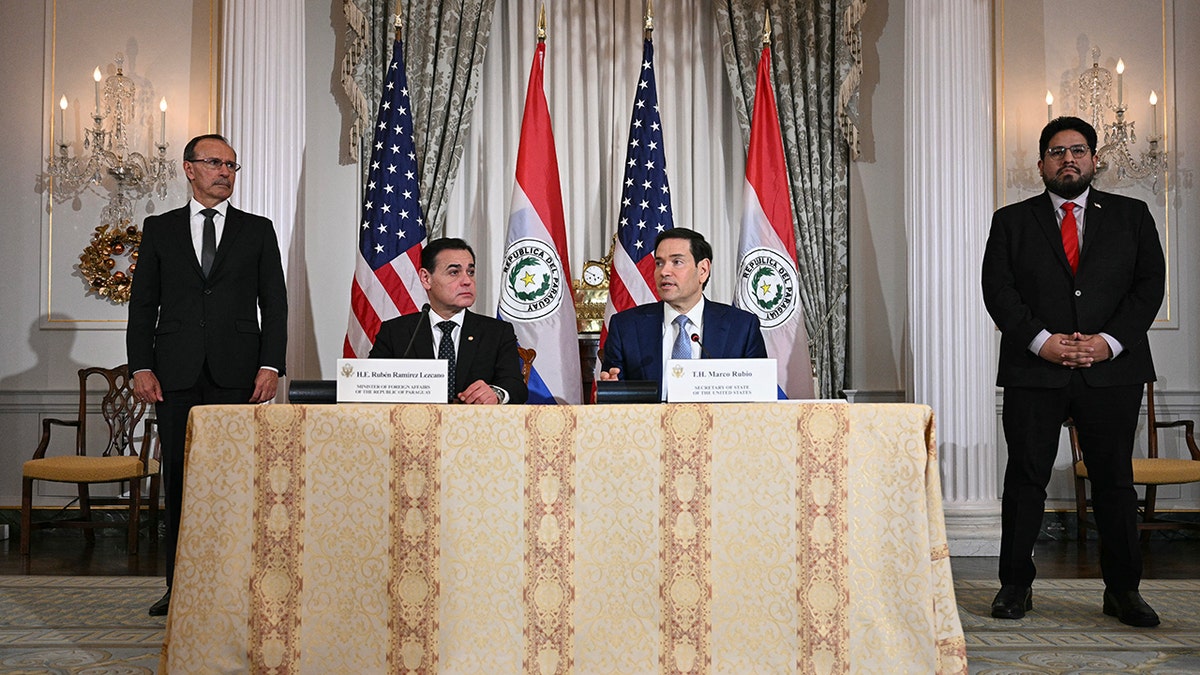
Secretary of State Marco Rubio (Center-R) meets with Paraguay’s Foreign Minister Ruben Ramirez Lezcano (Center-L) at the State Department in Washington, D.C., on Dec. 15, 2025 as Paraguay’s Minister of Defense General Óscar Luís González Cañete (L) and Deputy Assistant Secretary of Defense for Americas Security Affairs Joseph Humire (R) look on. (Jim Watson/ AFP via Getty Images)
To counter these efforts, the Pentagon has increased intelligence cooperation with allied governments, expanded joint cybersecurity initiatives, and supported efforts to secure critical infrastructure from foreign control or exploitation. Military-to-military engagements have also been scaled up to reinforce alignment with U.S. strategic priorities.
Panama
«Since Secretary Hegseth and Secretary Rubio went to Panama last year, China has had significantly less influence inside that country. They lost access to the ports and are no longer advancing their investments,» Humire said.
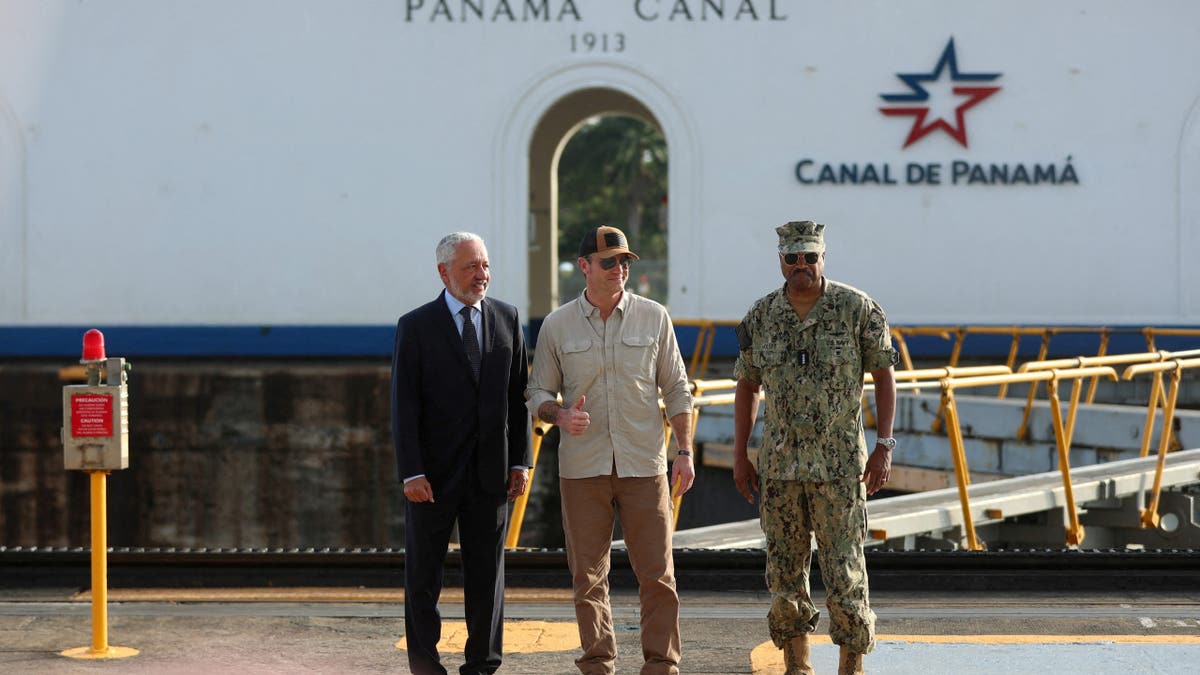
Secretary of War Pete Hegseth, Panama Canal Authority Administrator Ricaurte Vasquez and Commander of the U.S. Southern Command Adm. Alvin Holsey pose during a tour of the Miraflores Locks, in Panama City, Panama, April 8, 2025. (Aris Martinez/Reuters)
«China also had a lot of influence over the Panamanian government. That influence is no more. Panama has withdrawn from the Belt and Road Initiative, becoming the first country in Latin America to do so. From the Department of War, we have partnered with Panama to build up an enduring presence on the Panama Canal which includes a jungle operations school on the Atlantic side, and a joint security operation group on the Pacific side. This is all to advance security of the Panama Canal.»
KAROLINE LEAVITT WARNS CARTELS TO ‘NOT LAY A FINGER’ ON AMERICANS OR PAY ‘SEVERE CONSEQUENCES’
Venezuela
Humire continued, «The stabilization efforts in Venezuela are going well. Despite Maduro’s very close relationship with Iran, China and Russia, this was not enough to defend him. In the aftermath of Operation Absolute Resolve, we have seen tension among these different external actors, because while they had levels of cooperation, they don’t have the same exact interests.»
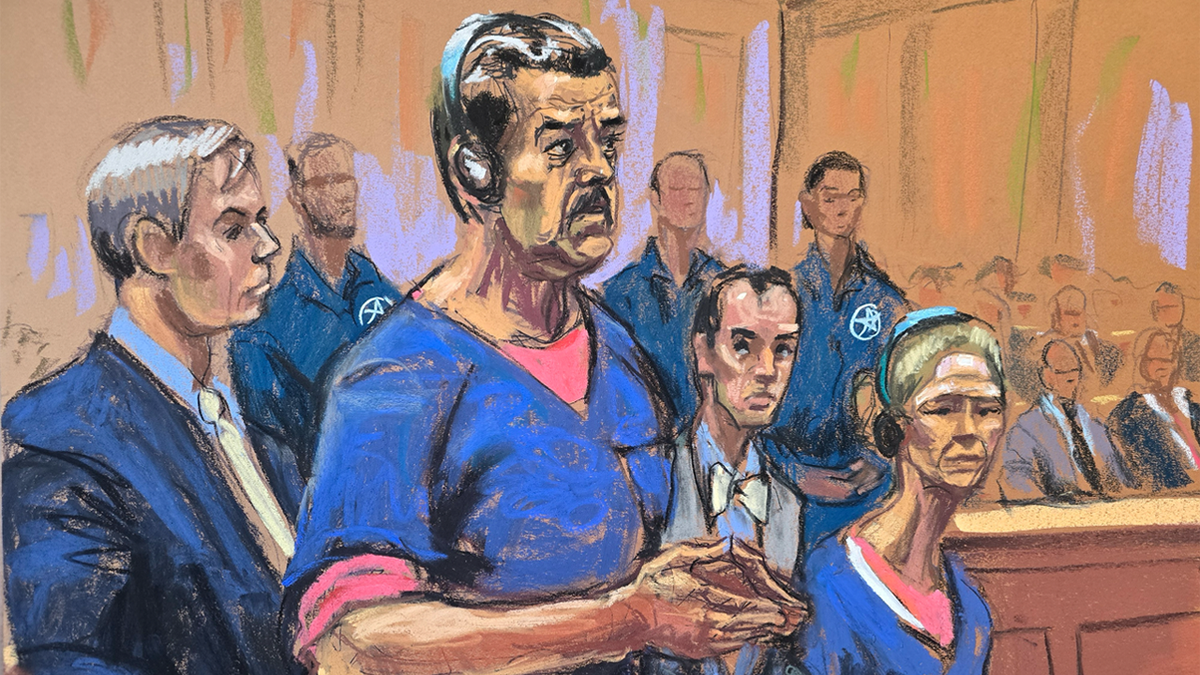
Captured Venezuelan leader Nicolás Maduro and his wife, Cilia Flores, appear with their attorneys Barry Pollack and Mark Donnelly at their arraignment in a federal court in New York City on Monday, Jan. 5, 2026. (Jane Rosenberg)
«This is evidenced by the fact that before, during and after Operation Absolute Resolve, neither Russia, China, or Iran, or even Cuba for that matter, were able to do anything to keep Nicolas Maduro in power. They might have sent some equipment and armament, but that didn’t defend Maduro from that operation, and the Cuban security that was with him wasn’t able to defend him. Russia, China, Iran or Cuba could not stop a very successful U.S. military action in support of U.S. law enforcement.»
«The message to all the countries in Latin America, and frankly the world, is that they need to think twice when they partner with Russia, China or Iran because that partnership does not produce results,» Humire said.
Cuba
As part of its broader hemispheric strategy, the administration is also recalibrating its policy toward Cuba, viewing the island as a persistent security concern due to its ties with U.S. adversaries.
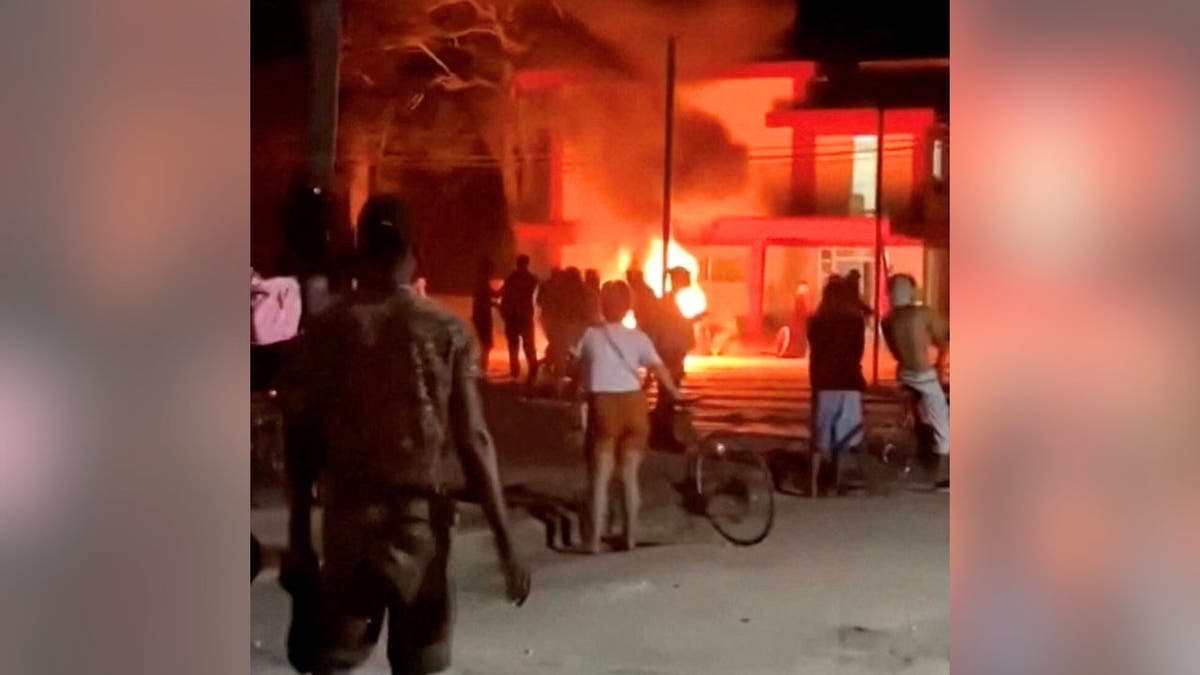
Protesters gather outside a Communist Party headquarters in Morón, Cuba, as a fire burns in the street during overnight unrest. Video obtained by Fox News Digital appeared to show demonstrators attempting to set fire to the building amid protests linked to widespread blackouts. (Reuters)
«The White House is leading conversations with Cuba in the aftermath of Venezuela. Cuba was reliant on subsidized oil from Venezuela, in exchange for security services. But those security services didn’t do much for Venezuela when it mattered, so I believe there is a bit of a friction between the Cuban and Venezuelan governments,» he said.
CLICK HERE TO DOWNLOAD THE FOX NEWS APP
«The Western Hemisphere is our neighborhood; it is intricately tied to U.S. homeland defense. Hemispheric defense is and always has been a key part of U.S. homeland defense. Acknowledging this is why the Western Hemisphere is now a top priority for the Trump administration and especially for the Department of War, as reflected by official policy in the 2025 National Security Strategy and 2026 National Defense Strategy,» Humire told Fox News Digital.
americas, donald trump, pentagon, cuba, venezuelan political crisis, location mexico, mexican cartel violence







INTERNACIONAL
El Salvador: el Club Deportivo Águila enfrenta ultimátum de la FESFUT por deuda salarial

El Club Deportivo Águila, una de las instituciones más emblemáticas del fútbol salvadoreño, atraviesa una crisis administrativa tras la denuncia formal de su plantel por la falta de pago de salarios.
El caso salió a la luz después de que los jugadores del Club Deportivo Hércules expusieran públicamente una situación similar, en la que no solo reportaron la ausencia de pagos, seguido posteriormente por otra denuncia por parte de los jugadores del Club Deportivo FAS.
A raíz de la visibilidad de estos casos, el plantel de Águila siguió el mismo procedimiento y presentó ante la FESFUT documentación que acredita una deuda pendiente de sus honorarios.
El Comité de Licencias de la federación, tras constatar los hechos, emitió un comunicado oficial en el que solicita a Águila la entrega, a más tardar el viernes 27 de marzo de a las 4:00 de la tarde, de las planillas originales de pago y comprobantes firmados por todos los jugadores, así como estados de cuenta bancarios si los pagos han sido realizados por transferencia.
El Comité advirtió que, de no cumplirse esta condición, el expediente será remitido al Comité de Competición para que actúe según la normativa vigente. La advertencia se produce en un contexto de creciente escrutinio sobre la gestión financiera de los clubes salvadoreños, que en los últimos años han enfrentado múltiples reclamos por parte de jugadores ante atrasos y deudas acumuladas.
El Club Deportivo Águila, fundado en 1926 en San Miguel, es el tercer equipo más laureado del país con 17 títulos de liga, solo superado por el Club Deportivo FAS y Alianza FC. Sin embargo, la actual situación económica pone en entredicho la estabilidad institucional de un club que históricamente ha contado con el respaldo de una de las aficiones más numerosas de El Salvador. La última gran conquista de Águila fue el título del Torneo Apertura 2023, pero desde entonces el equipo ha enfrentado dificultades tanto deportivas como administrativas. En el actual Torneo Clausura 2026, Águila registra dos victorias y dos derrotas en las primeras jornadas, lo que lo ubica en la mitad de la tabla, lejos de los primeros lugares.

La problemática no es exclusiva de Águila. El Club Deportivo FAS, máximo campeón del fútbol salvadoreño con 19 títulos, también ha enfrentado periodos de inestabilidad. Desde diciembre de 2024, la gestión administrativa está a cargo de la empresa estadounidense Ssports Inc, tras la adquisición total de los derechos del club.
Aunque FAS mantiene su histórico invicto de más de 100 temporadas en Primera División, la presión por resultados y el entorno financiero adverso han generado desafíos adicionales.
En el Clausura 2026, el equipo dirigido por Adrián Sánchez solo ha logrado una victoria en cuatro partidos, ubicándose por debajo de las expectativas de su exigente afición.
Los trabajos de remodelación en el estadio Óscar Alberto Quiteño buscan mejorar la experiencia del público, pero la prioridad institucional está puesta en el cumplimiento de los compromisos contractuales con jugadores y cuerpo técnico.
El contexto reciente evidencia una crisis estructural en la gestión de los clubes salvadoreños, donde la falta de liquidez y la irregularidad en los pagos han afectado el desempeño y la moral de los planteles.
La intervención de la FESFUT tanto en el caso de Hércules como en el de Águila refleja la preocupación institucional por evitar que las deudas salariales se conviertan en una práctica recurrente, afectando la reputación del fútbol local y vulnerando los derechos de los jugadores. La federación ha subrayado la importancia de establecer mecanismos de fiscalización más estrictos y ha advertido que no dudará en aplicar sanciones, incluida la suspensión de licencias y la exclusión de competencias, ante el incumplimiento de los clubes.
A medida que se acerca el plazo establecido por la FESFUT para la presentación de la documentación de pagos, la directiva de Águila enfrenta la presión de resolver la deuda para evitar sanciones que podrían afectar su participación en el torneo. La afición migueleña, una de las más fieles del país, permanece a la expectativa de una resolución favorable, mientras que el caso se convierte en un llamado de atención para el resto de los equipos de la liga. El desenlace de este episodio será clave para sentar un precedente sobre la responsabilidad financiera y la protección de los derechos laborales en el fútbol salvadoreño.
corresponsal:Desde San Salvador, El Salvador

NEWYou can now listen to Fox News articles!
Sen. Markwayne Mullin, R-Okla., was sworn in as the U.S.’ ninth secretary of Homeland Security on Tuesday, with President Donald Trump in attendance.
Mullin, 48, is a former mixed martial arts champion and plumbing business owner who will replace outgoing Secretary Kristi Noem, a South Dakota Republican recently picked to lead the Shield of the Americas security initiative announced by Trump earlier this month.
Mullin will take the reins of DHS at a time of increased turmoil and congressional scrutiny at the agency, where Democrats continue to withhold funding for TSA and other subagencies in hopes of forcing changes to immigration enforcement operations at ICE and CBP.
40+ HOUSE REPUBLICANS RALLY BEHIND MARKWAYNE MULLIN FOR DHS, CALL IT A ‘CRITICAL MOMENT’ FOR BORDER SECURITY
Sen. Markwayne Mullin, R-Okla., President Donald Trump’s pick for Homeland Security secretary, is sworn in before testifying during Senate Committee on Homeland Security and Governmental Affairs hearing, Wednesday, March 18, 2026 on Capitol Hill in Washington. (Manuel Balce Ceneta/AP)
He narrowly made it through the nomination process after clashing with Senate Homeland Security Committee Chairman Rand Paul, R-Ky., as the two continue to feud over Mullin’s response to an incident in which Paul’s neighbor blindsided him in his yard, fracturing his ribs.
Mullin needed a Democratic ally to get his nomination out of committee after Paul’s no vote. Sen. John Fetterman, D-Pa., who formerly exchanged endorsements with socialist Sen. Bernie Sanders, I-Vt., as Pennsylvania’s lieutenant governor, has become somewhat of a political maverick and provided the necessary vote to advance the nomination to the full Senate.
There, he garnered support from another Democrat, New Mexico Sen. Martin Heinrich, who said in a statement that he doesn’t believe Mullin will be «bullied» or allow himself to «take orders from Stephen Miller» at the White House.
«This is going to surprise some people, but I consider Markwayne Mullin a friend. We have a very honest and constructive working relationship. We have authored legislation together, such as the Tribal Buffalo Management Act, and we crafted the Legislative Branch Appropriations bill together this year,» Heinrich said.
«We often disagree and when we do, we work to find whatever common ground we share.»
In turn, Oklahoma Gov. Kevin Stitt was tasked with naming Mullin’s replacement, which was subject to a unique Sooner State law that requires the nominee to pledge not to run for a full term in the Senate come November.
WHITE HOUSE SAYS ‘NO ONE’ CHANGING TRUMP ENFORCEMENT AGENDA IN RESPONSE TO ANGEL MOM APPEAL TO MULLIN
Stitt named natgas magnate Alan Armstrong, chief executive of the Williams Companies, whose nomination was criticized by some on the right given the mogul’s past donations to then-Rep. Adam Kinzinger, R-Ill., a vocal Trump critic.
«He’s a strong business leader who understands the power of free markets and limited government. He spent his career fighting for Oklahoma’s energy industry and providing affordable, reliable energy to all of America,» Stitt said of Armstrong on Tuesday.
Mullin succeeds Noem, who herself succeeded controversial Secretary Alejandro Mayorkas, whom Trump blamed for the open border crisis.
CLICK HERE TO DOWNLOAD THE FOX NEWS APP
Other top names who have held the role include its inaugural secretary, former Pennsylvania Gov. Tom Ridge, nominated by President George W. Bush in the wake of 9/11. Ridge has since broken with the mainstream «MAGA» GOP in his support for Trump.
Former Arizona Gov. Janet Napolitano, former Air Force general counsel Jeh Johnson, Gen. John Kelly (Ret.), and former Deputy Trump White House chief of staff Kirstjen Nielsen also prominently served.
homeland security, national security, kristi noem, john thune, border security
INTERNACIONAL
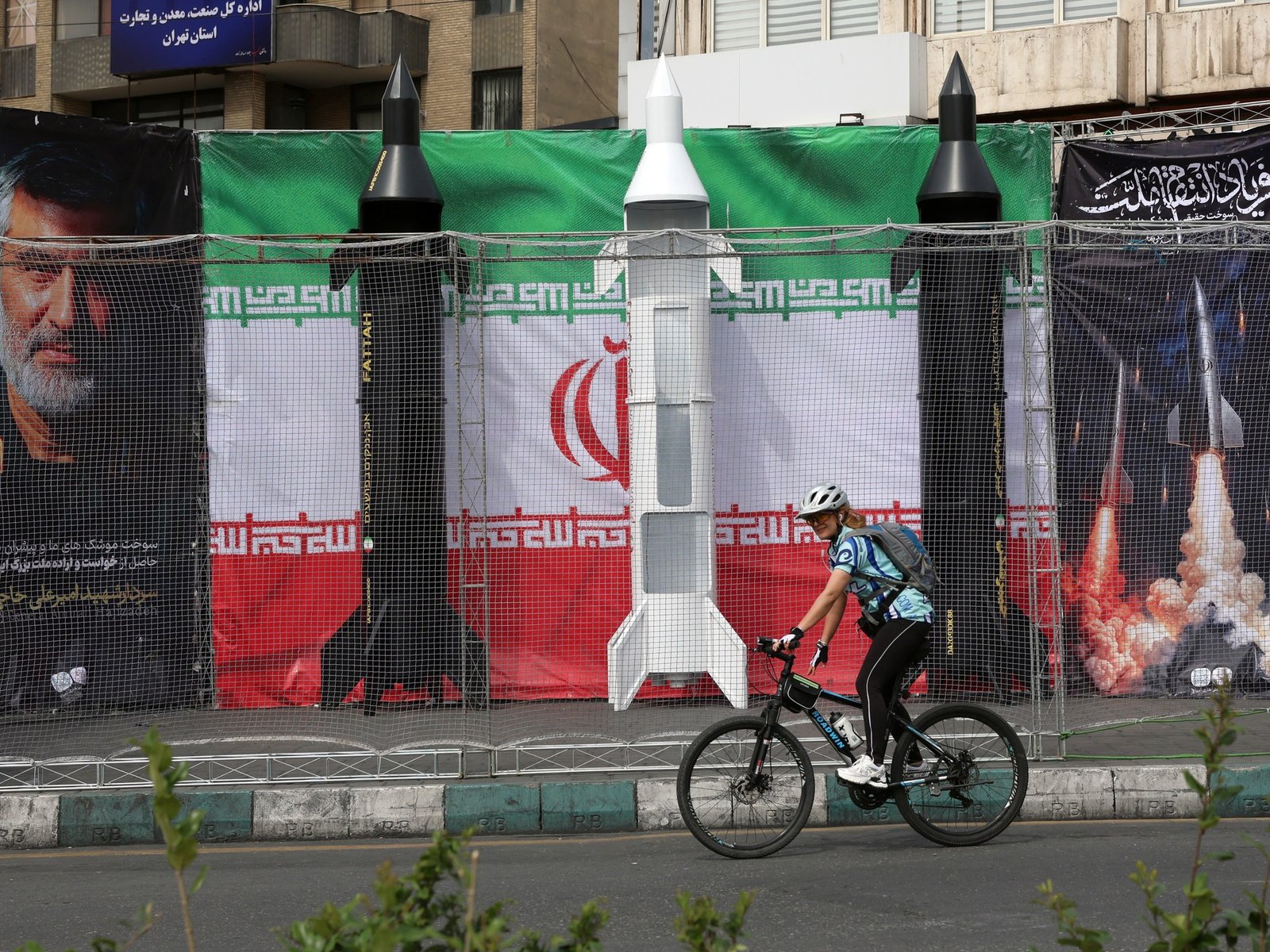
Pakistán emerge como mediador clave entre Donald Trump e Irán para frenar la escalada en el Estrecho de Ormuz
¿En Islamabad esta semana?
¿Quién negociará?
“Fake news” y la interna iraní
¿Trump frenará los ataques?
El Golfo con sus economías destruidas

Cómo la Justicia logró sentar en el banquillo a la Junta Militar y cuál es la situación actual de los represores

El Salvador: el Club Deportivo Águila enfrenta ultimátum de la FESFUT por deuda salarial

Tensión en la cadena de pagos de las pymes: crece el rechazo de cheques y la mora en los créditos

La repesca, vida o muerte para Italia: ‘He hablado con Gattuso más que con mi madre’

El live-action de One Piece quiere que haya Luffy para muchos años y confirma las sospechas en torno al manga

Mullin sworn in as DHS chief after GOP fracture forced Dem to save nomination

¿FIN DE CICLO? Escándalo por la mansión no declarada y viajes de lujo empujan a Manuel Adorni fuera del Gobierno: Su salida sería inminente

»¡VAN A FUNDIR A MEDIO PAÍS!»: El lapidario diagnóstico de Roberto Cachanosky sobre el plan de Milei

Apareció otra factura y complica más a Adorni: el vuelo de vuelta también lo pagó su amigo Grandio

ALERTA FINANCIERA: 4 de cada 10 argentinos ya no pueden pagar sus deudas. ¡Caputo debe actuar ya!

 POLITICA2 días ago
»¡VAN A FUNDIR A MEDIO PAÍS!»: El lapidario diagnóstico de Roberto Cachanosky sobre el plan de Milei
- ECONOMIA2 días ago
ALERTA FINANCIERA: 4 de cada 10 argentinos ya no pueden pagar sus deudas. ¡Caputo debe actuar ya!
- POLITICA21 horas ago
El mensaje de Milei sobre la “traición” que llamó la atención en el Gobierno y también en la oposición