INTERNACIONAL
Amtrak bilked out of $12M by at least 119 employees, doctors in fraud scheme; many still on the job: report

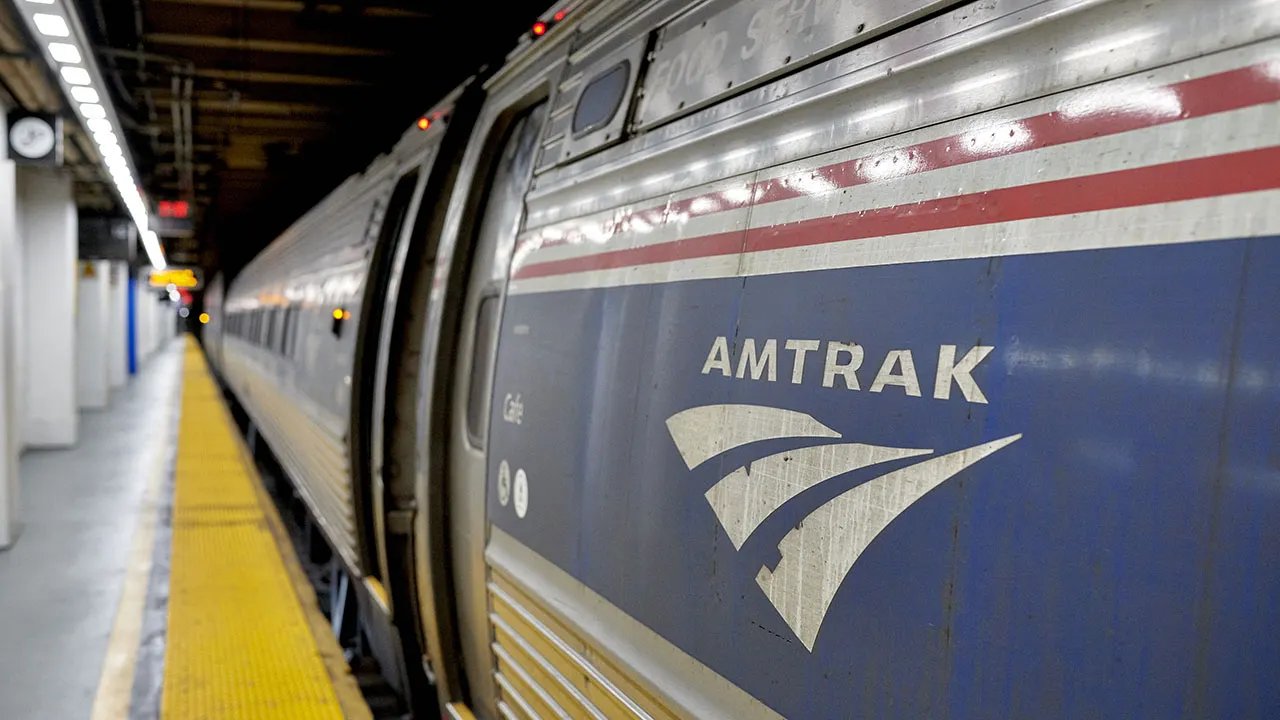
At least 119 Amtrak employees and doctors took the railroad company for a ride in a massive $12 million health fraud scheme, a watchdog found.
Amtrak’s Office of Inspector General (OIG) said employees based in Pennsylvania, Delaware, New Jersey, New York, Maryland, Connecticut and Washington, D.C., accepted cash kickbacks from three healthcare providers in exchange for the use of their insurance information and that of their dependents in a scheme from 2019 to 2022.
«The sheer volume of employees who cavalierly participated in this scheme to steal Amtrak’s funds suggests not only a serious lapse in basic ethics, but a troubling workforce culture, at least in the Northeast region, in which blatant criminal behavior was somehow normalized,» said Amtrak Inspector General Kevin H. Winters.
Fox News Digital has reached out to Amtrak.
AMTRAK APOLOGIZES AFTER STRANDING 110 PASSENGERS
Amtrak ran service between Chicago and Florida in the 1970s. (Amtrak)
The healthcare providers used that employee information to file fraudulent and questionable medical claims for services that were never provided or not medically necessary, the OIG said. Overall, the taxpayer-funded railroad carrier’s health plan was billed more than $16 million and was bilked out of $12 million.
Of the 119 employees implicated, 28 retired or resigned as a result of the OIG’s investigation, and 30 left the company for «other reasons.» Another dozen employees have been criminally charged, and seven have pleaded guilty and are awaiting sentencing.
Sixty-one are still on the job.
In a statement to Fox News Digital, Amtrak said it has taken «significant steps» to address medical insurance fraud.
AFTER TRUMP SPEECH, AOC TELLS DEMOCRATS TO ORGANIZE IN GOP DISTRICTS AGAINST MEDICAID CUTS
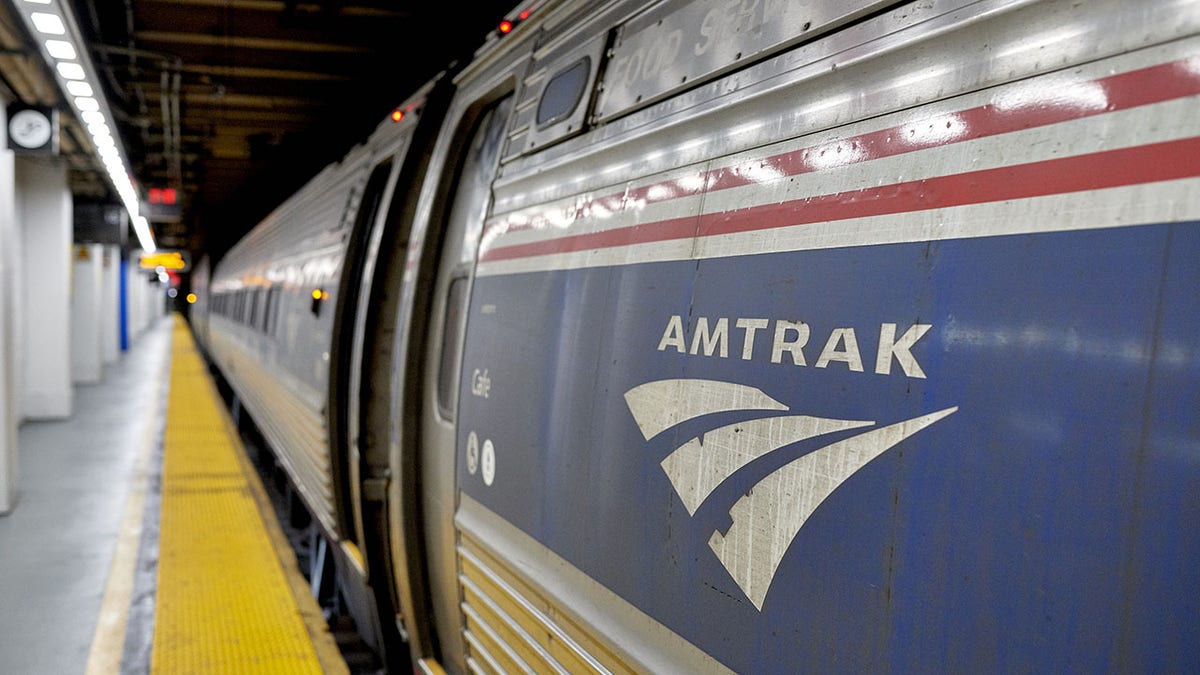
An Amtrak train at Penn Station in New York City. (Getty Images)
«Like many employers, Amtrak calls on medical benefit providers and insurers to do more to identify suspicious activity and stop medical insurance fraud,» the company said. «Amtrak strongly condemns this reprehensible act that occurred between 2019 and 2022 and is taking swift action with all active employees involved in the investigation.
«While we continue to work closely with the OIG to identify and stamp out fraud, we also continue to work on other initiatives to address this issue,» the statement added. «Amtrak has implemented various measures to enhance fraud prevention and empower employees to report suspected wrongdoing. These efforts include increasing oversight and strengthening efforts to eliminate fraudulent schemes.»
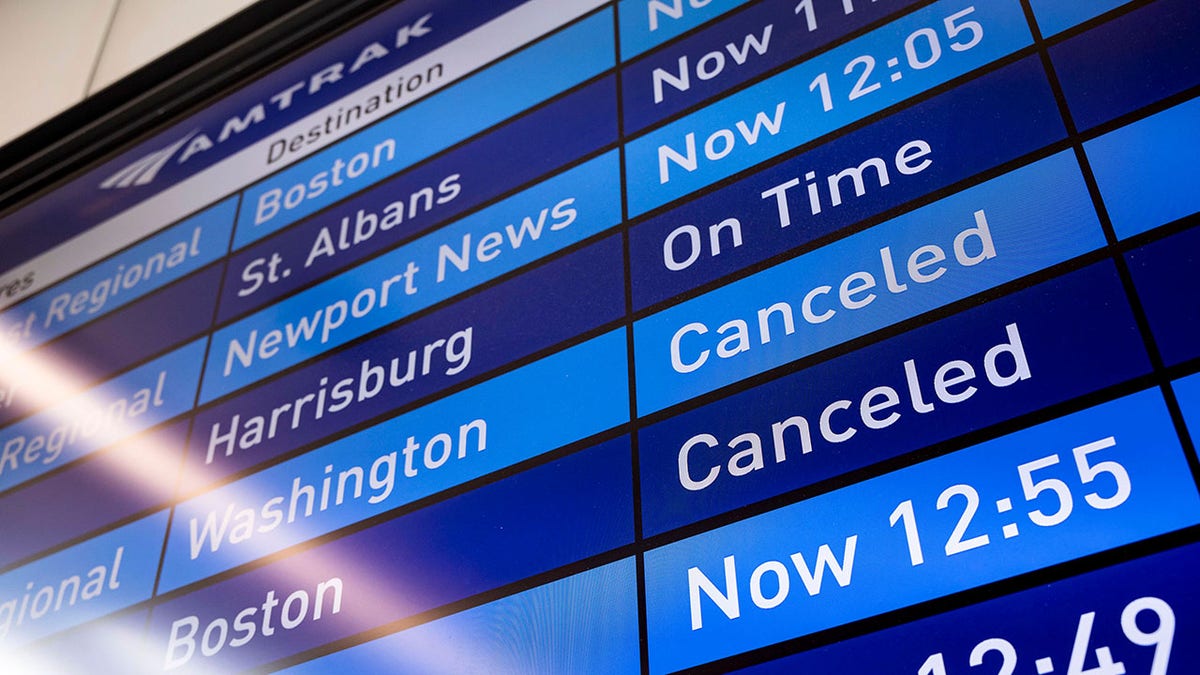
Canceled trains are displayed on an Amtrak departures board in Moynihan Train Hall at Penn Station in New York Dec. 23, 2024. (Yuki Iwamura/Bloomberg via Getty Images)
The OIG launched a probe when an agent noticed unusual billing patterns in reports by data analysts. Three New York healthcare providers with «questionable» billings who shared a high number of Amtrak employees as patients were identified by investigators.
An undercover agent posing as an Amtrak employee met with Punson Figueroa, aka «Susie,» an acupuncturist from Long Island City, New York, June 16, 2021. During the visit, Figueroa told the agent to sign his name 30 times for service without dating the signatures, the OIG said.
Figueroa then submitted alleged fraudulent claims to Amtrak’s healthcare plan, saying the agent had visited providers at least seven times in May 2021 for acupuncture and physical therapy. The agent visited Figueroa’s office again on July 29, 2021, where she allegedly handed him an envelope containing $1,000.
Figueroa continued to use the agent’s insurance information to submit dozens of fraudulent claims to Amtrak’s healthcare plan, investigators said.
Figueroa pleaded guilty to defrauding Amtrak’s healthcare plan, was sentenced to three years of supervised release and was ordered to pay restitution of $9.05 million. Two other healthcare providers and a medical biller have also pleaded guilty for their roles in the scheme.

Authorities in North Tonawanda said a Niagara-bound Amtrak train struck a passenger vehicle May 17, 2024. (WKBW Buffalo)
CLICK HERE TO GET THE FOX NEWS APP
Michael DeNicola, a podiatrist from New York, pleaded guilty June 29, 2022, to conspiracy to commit health care fraud, distribution of a controlled substance and unlawful possession of a gun. He has not yet been sentenced.
Regina Choi, a medical biller from Woodside, New York, who previously worked for Figueroa, pleaded guilty to conspiracy to commit health care fraud June 11, 2024, for submitting false and fraudulent claims to the Amtrak health care plan and paying cash kickbacks to Amtrak employees. Her sentence is also pending.
In 2018 and 2019, OIG auditors issued separate reports that said Amtrak could strengthen measures to identify fraudulent medical claims sooner. Both reports noted billing patterns indicative of potential fraud among hundreds of providers, the OIG said.

INTERNACIONAL
Santiago Peña designó a un nuevo viceministro de Seguridad y nombró a un nuevo comandante de la Policía Nacional en Paraguay
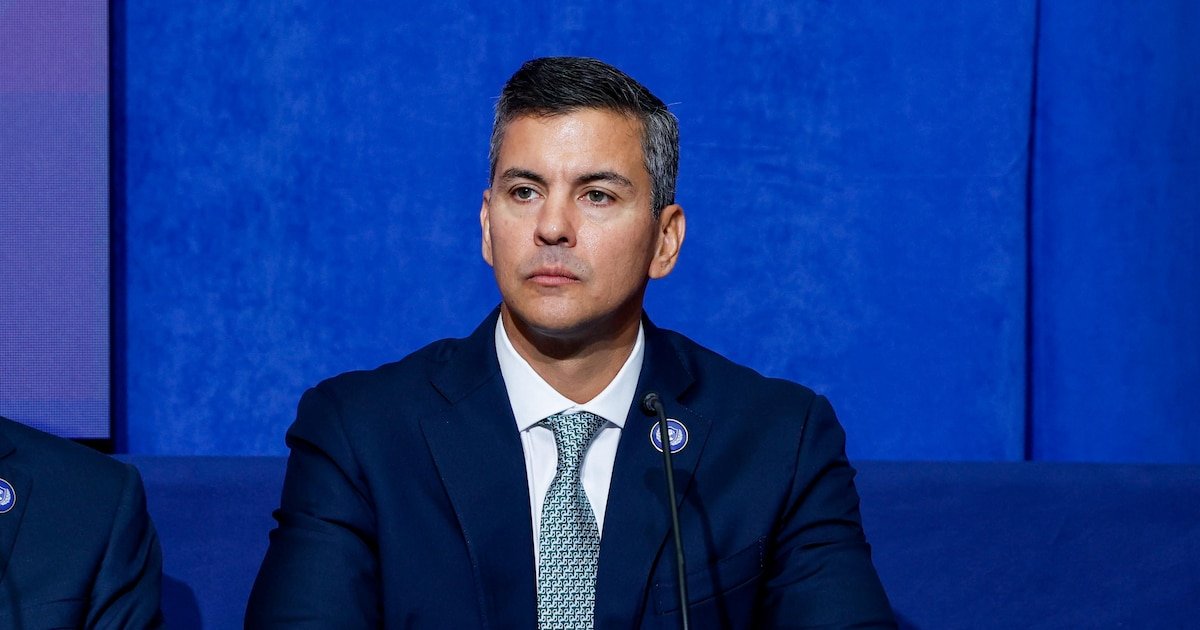
El presidente de Paraguay, Santiago Peña, designó este lunes a Carlos Benítez como viceministro de Seguridad Interna en reemplazo de Oscar Pereira y nombró a César Silguero como nuevo comandante de la Policía Nacional, en una reconfiguración del área que el Gobierno vincula con el fortalecimiento de la seguridad ciudadana.
El anuncio lo realizó el ministro del Interior, Enrique Riera, quien en una conferencia de prensa televisada afirmó que la medida apunta a “fortalecer” la seguridad ciudadana en el país. El cambio forma parte del proceso de ajustes impulsados por el Ejecutivo en la segunda mitad del mandato iniciado en agosto de 2023.
Durante la presentación de las nuevas autoridades, Riera destacó los antecedentes profesionales de los funcionarios. “Ellos están acá por sus currículos que, entre paréntesis, son impecables. Entonces, es muy agradable hacer un cambio, porque todos los cambios, hay que decirlo, renuevan esperanzas”, expresó.
El titular del Interior explicó que la salida de Pereira no responde a fallas en su desempeño. “No tiene nada que ver” con bajo rendimiento o errores de ejecución, sostuvo, y vinculó la decisión con la necesidad de profundizar las políticas en curso. Según indicó, el objetivo es avanzar en la “profundización del trabajo” dentro de la Policía Nacional.
Con su designación como viceministro, Benítez, de 55 años, pasó a retiro de la institución policial “de forma voluntaria”, según precisó Riera. El ministro también remarcó que el cambio se definió con antelación. “Era una decisión que estaba tomada antes de la Semana Santa, y lo manejamos con mucha cautela”, afirmó.

Benítez ocupó la comandancia de la Policía Nacional desde agosto de 2023. En ese contexto, había advertido de manera pública sobre la existencia de presuntos elementos dentro de la fuerza que actuaban “al margen de la ley”, en referencia a situaciones internas que requerían control institucional.
La designación de Silguero como jefe de la Policía Nacional completa el esquema de conducción en el área de seguridad. El funcionario se desempeñaba como segundo al mando y ahora asume la titularidad del cuerpo en una etapa que el Gobierno presenta como de consolidación de cambios.
En junio de 2024, Paraguay reformó la ley que rige a la Policía Nacional con el objetivo de elevar el nivel de profesionalismo y ratificar su carácter no deliberante, conforme a la Constitución de 1992. Este marco normativo define el funcionamiento de la institución y establece los lineamientos para su accionar.
En la conferencia de prensa, Benítez señaló que desde su nuevo cargo buscará consolidar el enfoque establecido tras esa reforma. El funcionario indicó que trabajará para afianzar el nuevo paradigma en el desempeño del cuerpo de seguridad.
Los cambios en el Ministerio del Interior se inscriben en una reorganización más amplia del gabinete en la segunda mitad del mandato presidencial. Según las autoridades, las modificaciones buscan reforzar áreas estratégicas de la administración.
Contexto económico y otros movimientos
Una semana antes de estos anuncios en el área de seguridad, el Gobierno dispuso cambios en el Ministerio de Economía y Finanzas. El jefe de Gabinete, Javier Giménez, informó que Peña removió al titular de la cartera, Carlos Fernández Valdovinos, y designó como interino a Juan José Galeano.

“El presidente de la República, Santiago Peña, ha dispuesto en la mañana de hoy cambios en el Ministerio de Economía y Finanzas”, declaró Giménez. El portavoz sostuvo que el funcionario saliente “hizo un trabajo extraordinario” y explicó que el “segundo tiempo” de la gestión requiere capacidades “muy específicas”.
Fernández Valdovinos había impulsado medidas de ajuste fiscal bajo un esquema que definió como “economía de guerra”, en respuesta a la caída de ingresos tributarios. Tras su salida, escribió en la red social X: “Misión Cumplida!!! Todo por mi querido Paraguay”.
Además, el Ejecutivo designó a César Riveros como director del Instituto Nacional de Tecnología, Normalización y Metrología tras la renuncia de Lira Giménez.
En el plano comercial, el presidente promulgó la ley que ratifica el acuerdo de libre comercio entre la Unión Europea y el Mercosur. “Asunción fue la cuna del Mercosur y hoy vuelve a ser protagonista”, escribió Peña tras la firma. El viceministro de Relaciones Exteriores, Miguel Ángel Aranda Daroczi, señaló que el acuerdo representa “una gran oportunidad de integrar el mercado y ofrecer lo que produce el Mercosur a todo el mercado europeo”.
Según datos oficiales, el tratado abarca un mercado de aproximadamente 720 millones de personas y prevé la eliminación de aranceles para más del 90 % del comercio entre ambas regiones.
(Con información de EFE)
ceremonia de apertura de la reunión contra el crimen organizado trasnacional en sudamérica,políticos
INTERNACIONAL
Mamdani unveils new ‘racial equity plan’ for more ‘equitable future’ that prompts quick DOJ pushback
NEWYou can now listen to Fox News articles!
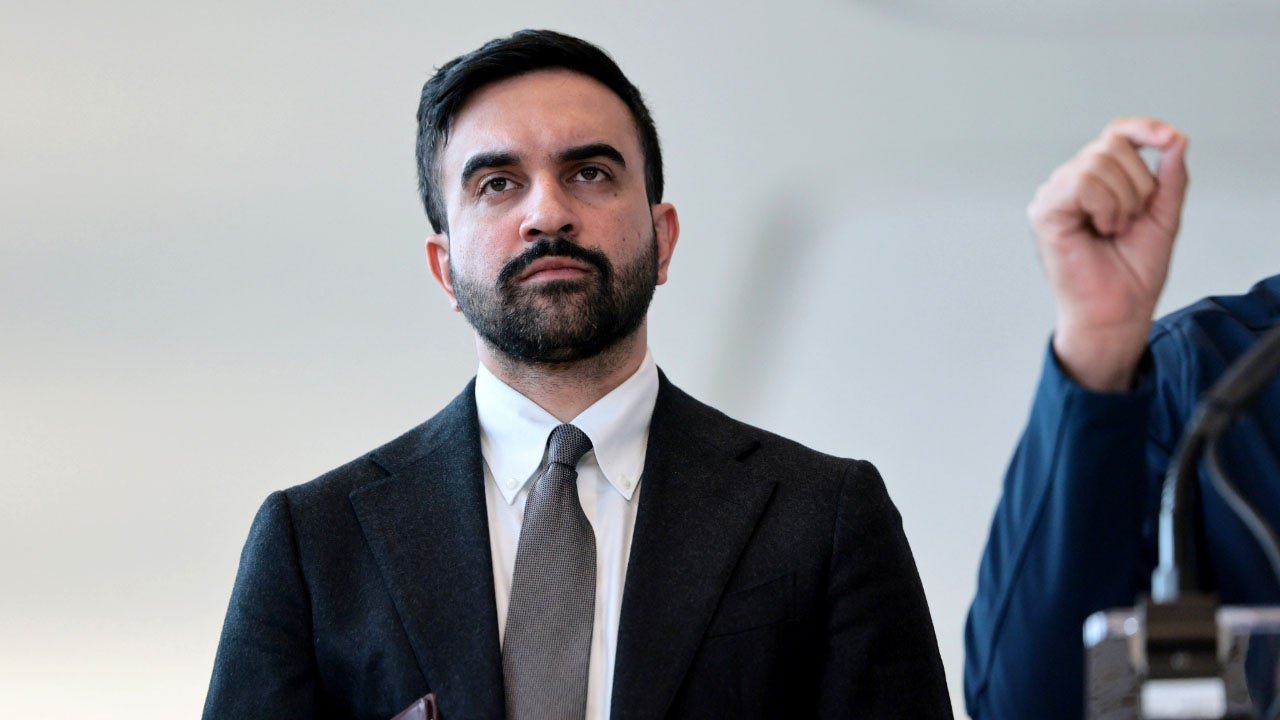
New York City Mayor Zohran Mamdani released his «Preliminary Citywide Racial Equity Plan» on Monday, which quickly prompted pushback from conservatives online and skepticism from President Donald Trump’s Justice Department, with one top official saying she will «review» the move.
Mamdani’s office explained in a press release that the preliminary report, which the mayor had promised to release within 100 days in office, shows racial disparities in areas like housing, education, and income, and the new plan aims to «establish a new framework for how New York City measures affordability, understands inequity and plans for a more equitable future.»
«The True Cost of Living Measure offers an honest account of what it actually costs to live in this city — and who is being left behind. It shows that this is not a crisis affecting a small minority of New Yorkers. It is a crisis touching the vast majority of our city, in every borough and every neighborhood,» Mamdani said in the press release.
«But we know this crisis is not felt equally. Black and Latino New Yorkers — who have been pushed out of this city for decades — are bearing the brunt. The Preliminary Racial Equity Plan is where we begin to reverse that pattern. These reports make one thing clear: we cannot tackle systemic racial inequity without confronting the affordability crisis head-on, and we cannot solve the cost-of-living crisis without dismantling systemic racial inequity.»
MAMDANI’S ‘GUN VIOLENCE’ COMMENTS AFTER KILLING OF 7-MONTH OLD BABY SPARK OUTRAGE: ‘ABSOLUTE DISGRACE’
New York Mayor Zohran Mamdani stands silently during a press conference on the Air Canada Express crash at Terminal B in LaGuardia Airport on March 23, 2026. (Michael M. Santiago/Getty Images)
Mamdani’s announcement quickly sparked pushback from conservatives, as well as from the Trump administration, expressing concerns about race-based initiatives and spending which the administration has been working to undo since taking power last year.
«Sounds fishy/illegal,» DOJ Assistant Attorney General for Civil Rights Harmeet Dhillon posted on X. «Will review!»
«Straight-up racism against White people,» conservative influencer account Libs of TikTok posted on X.
«The reality is Mamdani is implementing blatantly racist policies that reward and punish people based on their skin color,» conservative commentator Paul A. Szypula posted on X.
The city billed the racial equity plan as the «first time any New York City administration has required major city agencies to examine their work through a racial equity lens and identify and eliminate disparities» and said the plan sets goals across seven domains that include: «Children, Youth, Older Adults and Families; Economy; Housing and Preservation; Infrastructure and Environment; Health and Wellbeing; Community Safety, Rights and Accountability; and Good Governance and Inclusive Decision-Making.»
The report cites a sizable gap in the median net worth of white households compared to Black households while reporting that Black New Yorkers also have a lower life expectancy and suggests the way to address those gaps is an expansive framework featuring more than 200 agency-level goals, over 800 proposed strategies, and roughly 600 performance indicators intended to track progress over time.
«Inequity has been embedded in the foundation of our city and nation since their inception; dismantling it requires a collective effort,» NYC Chief Equity Officer and NYC Mayor’s Office of Equity & Racial Justice Commissioner Afua Atta-Mensah said in Monday’s press release.
NYC LANDLORDS FIRE BACK AT ‘RACIST’ MAMDANI AIDE’S CLAIM THAT TIES HOMEOWNERSHIP TO ‘WHITE SUPREMACY’
«The NYC Preliminary Citywide Racial Equity Plan reflects the city’s commitment to systemic transformation—turning our values into actions. From housing and healthcare to education and infrastructure, every agency plays a pivotal role in reshaping how government serves New Yorkers. This plan outlines measurable goals and actionable strategies to advance racial equity, promote justice and create lasting change.»
Fox News Digital reached out to Mamdani’s office and the DOJ for comment.
Dating back to his mayoral campaign, Mamdani has faced intense criticism for his focus on race and «equity, including a policy proposal, «Stop the Squeeze on NYC Homeowners,» that outlined his plans to «shift the tax burden from overtaxed homeowners in the outer boroughs to more expensive homes in richer and Whiter neighborhoods.»
CLICK HERE TO DOWNLOAD THE FOX NEWS APP
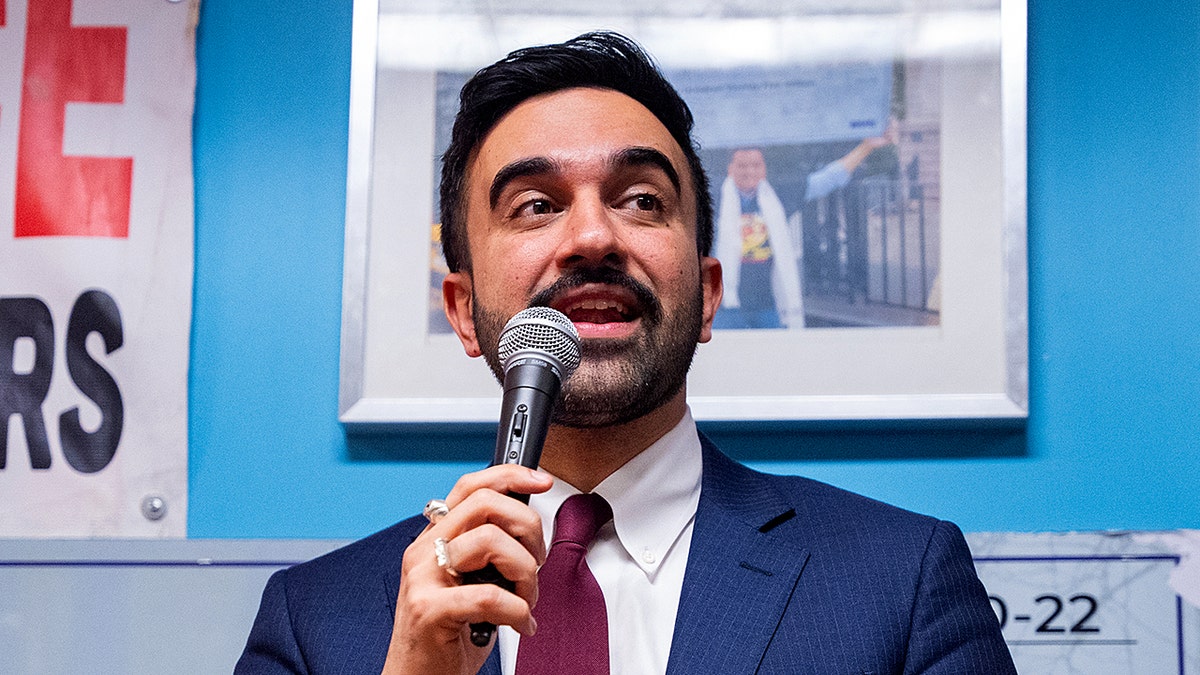
New York City Mayor Zohran Mamdani speaks at a Ramadan Iftar hosted by his team at the New York Taxi Workers Association, Wednesday, March 18, 2026, in New York. (Angelina Katsanis/AP)
In February, Mamdani faced criticism over his budget plan that stated the Office of Racial Equity would receive $5.6 million annually, while the Commission on Racial Equity would be allocated $4.6 million, a combined total of $10.2 million. The new figure represents roughly a $3 million increase — or about a 42% jump — from the approximately $7.2 million allocated last year.
Fox News Digital’s Amanda Macias contributed to this report.
zohran mamdani, politics, new york city
INTERNACIONAL
El FMI advirtió que la guerra en Medio Oriente impulsará la inflación y frenará el crecimiento mundial
El Fondo Monetario Internacional (FMI) advirtió que la guerra en Medio Oriente acelerará la inflación y ralentizará el crecimiento mundial, en un contexto de creciente incertidumbre económica y antes de la publicación de nuevas previsiones globales la próxima semana.
La directora gerente del organismo, Kristalina Georgieva, señaló en declaraciones a Reuters que, sin el conflicto, el FMI habría proyectado una mejora en la actividad económica global. Según indicó, las estimaciones previas situaban el crecimiento en el 3,3% para 2026 y en el 3,2% para 2027.
“Si no hubiéramos tenido esta guerra, habríamos visto una ligera revisión al alza de nuestras previsiones de crecimiento. En cambio, ahora todo apunta a un aumento de los precios y a un crecimiento más lento”, dijo el lunes.
Georgieva explicó que el impacto del conflicto ya se refleja en las perspectivas de inflación y de crecimiento. Incluso en un escenario de resolución rápida, el efecto negativo persistirá sobre las proyecciones.
“Incluso un pronto fin de las hostilidades y una recuperación bastante rápida darían lugar a una revisión a la baja ‘relativamente pequeña’ de la previsión de crecimiento y a una revisión al alza de su previsión de inflación”, sostuvo.

La titular del FMI advirtió que una prolongación de la guerra agravará el impacto sobre la economía mundial. “Si la guerra se prolongara, el efecto sobre los precios y la actividad económica sería mayor”, afirmó.
En paralelo, indicó que el organismo recibió solicitudes de ayuda financiera de algunos países afectados por el contexto internacional, aunque no detalló cuáles. También señaló que el FMI evalúa mecanismos para responder a estas necesidades.
“El FMI podría ampliar algunos programas de préstamo existentes para satisfacer las necesidades de los países”, agregó.
Días antes, en un documento elaborado por el economista jefe del Fondo y varios departamentos internos, la institución definió la situación como “un nuevo shock global” que interrumpe la recuperación de economías que comenzaban a estabilizarse tras crisis recientes. El informe advirtió que los países directamente involucrados sufren daños de largo alcance en infraestructura y sectores productivos.
El principal canal de transmisión del impacto económico es el encarecimiento de la energía. Según la Agencia Internacional de Energía, el cierre parcial del estrecho de Ormuz y los daños a la infraestructura regional alteraron el mercado internacional del petróleo. El FMI señaló que, para los países importadores, este aumento de precios funciona como un impuesto sobre los ingresos nacionales.

Cerca del 30% de la producción mundial de petróleo y el 20% del gas natural licuado transitan por el estrecho de Ormuz, lo que expone a economías de África y Asia. En Asia y Europa, los principales importadores concentran el mayor impacto por el aumento de los costos energéticos.
El alza de la energía también repercute en Medio Oriente, África, Asia-Pacífico y América Latina. En estas regiones, el encarecimiento se combina con subas en alimentos y fertilizantes y con condiciones financieras más restrictivas. El FMI advirtió que los países de bajos ingresos enfrentan mayores riesgos de inseguridad alimentaria.
“Los habitantes de los países de ingreso bajo son quienes corren el mayor riesgo cuando suben los precios”, indicó el organismo.
Las cadenas de suministro globales registran disrupciones. Las rutas marítimas se desvían, lo que eleva los costos de transporte y seguros y provoca demoras en las entregas. El tráfico aéreo en centros del Golfo también sufre interrupciones, con impacto en el turismo y el comercio internacional.
El conflicto afecta además el comercio de fertilizantes, ya que cerca de un tercio del suministro global transita por el estrecho de Ormuz. Esta situación coincide con la temporada de siembra en el hemisferio norte y presiona los precios de los alimentos.

En el plano financiero, el FMI señaló un aumento de la volatilidad. Las bolsas globales registraron caídas, los rendimientos de los bonos subieron y las condiciones financieras se volvieron más restrictivas, aunque sin una liquidación masiva como en crisis anteriores.
El organismo destacó que el impacto resulta desigual entre países. Algunos exportadores de materias primas fortalecen sus cuentas fiscales y externas, mientras otros enfrentan mayores presiones sobre sus balanzas de pagos y el costo de vida.
(Con información de REUTERS)
North America

La leyenda del Liverpool y Ajax que volverá a jugar a los 55 años en un club de Estonia

El horóscopo de hoy: martes 7 de abril

Mahiques nombró a un nuevo funcionario en un área clave
Las familias Estée Lauder y Puig debatirán los términos de fusión esta semana, según informe Por Investing.com

Santiago Peña designó a un nuevo viceministro de Seguridad y nombró a un nuevo comandante de la Policía Nacional en Paraguay

Comienzan las Copas Libertadores y Sudamericana: los grupos, formatos, cómo ver los partidos y el premio para los campeones

La nueva advertencia de Donald Trump a Irán: «El tiempo se acaba, quedan 48 horas antes del infierno»

Círculo rojo: intrigas en el gabinete, desgaste por el caso Adorni y movimientos inquietantes en el Poder Judicial

Caputo habló sobre los créditos del Banco Nación que tomaron sus funcionarios: “No hay nada ilegal ni inmoral”

Créditos del Banco Nación: el Gobierno reveló que Pettovello echó a Massaccesi porque “mintió”

 INTERNACIONAL2 días ago
La nueva advertencia de Donald Trump a Irán: «El tiempo se acaba, quedan 48 horas antes del infierno»
- POLITICA2 días ago
Círculo rojo: intrigas en el gabinete, desgaste por el caso Adorni y movimientos inquietantes en el Poder Judicial
- ECONOMIA20 horas ago
Caputo habló sobre los créditos del Banco Nación que tomaron sus funcionarios: “No hay nada ilegal ni inmoral”