INTERNACIONAL
Aprueban discutir proyecto que crea registro nacional de pacientes diabéticos en Panamá

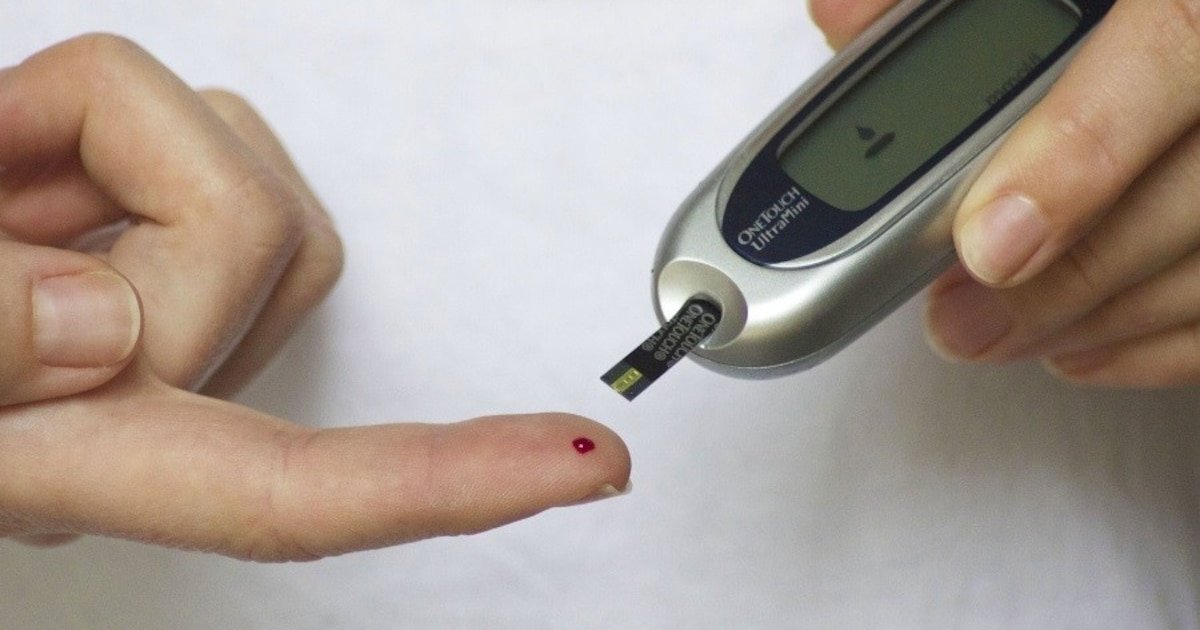
La Comisión de Trabajo, Salud y Desarrollo Social de la Asamblea Nacional prohijó el anteproyecto de ley que crea el Consejo Nacional de Diabetes, instituye un Registro Nacional de Personas con Diabetes, modifica normas vigentes y establece nuevas obligaciones en materia de educación nutricional y financiamiento.
En términos legislativos, el prohijamiento implica que la comisión acoge formalmente la iniciativa y la convierte en proyecto de ley para iniciar su discusión en primer debate.
A partir de ahora, corresponde abrir el periodo de consultas, recibir opiniones de instituciones, gremios médicos y organizaciones de pacientes, introducir posibles modificaciones y, de ser aprobado en comisión, enviarlo al pleno para segundo y tercer debate.
La propuesta, presentada por el diputado Eduardo Gaitán y respaldada por varios copatrocinadores, parte de un diagnóstico claro: Panamá enfrenta una alta carga de diabetes y carece de una estructura permanente de evaluación y seguimiento de las políticas públicas en esta materia.
En su exposición de motivos se advierte que la enfermedad afecta a aproximadamente el 14% de la población adulta del país, lo que equivale a unas 200 mil personas, y subraya las dificultades de acceso a glucómetros, medicamentos y tecnologías diagnósticas.

El eje central del proyecto es la creación del Consejo Nacional de Diabetes como órgano asesor adscrito al Ministerio de Salud. Según el articulado, este Consejo tendría funciones de coordinación interinstitucional, recomendación técnica y evaluación de políticas públicas orientadas a la prevención, tratamiento y control de la enfermedad.
Estaría integrado por representantes del Ministerio de Salud, la Caja de Seguro Social, el Instituto Conmemorativo Gorgas, la Universidad de Panamá, el Ministerio de Educación, asociaciones de pacientes y gremios médicos especializados, con un sistema de rotación en el caso de organizaciones civiles.
El proyecto también instituye el Registro Nacional de Personas con Diabetes como base de datos obligatoria, interoperable y administrada por el Ministerio de Salud, con el fin de garantizar seguimiento clínico, trazabilidad y planificación sanitaria.
El sistema deberá ser interoperable, seguro y ajustado a la normativa de protección de datos personales, permitiendo dar seguimiento a la evolución de la enfermedad, medir niveles de control metabólico, identificar comorbilidades y registrar complicaciones como retinopatías, enfermedad renal crónica o amputaciones.

Con esta información, el Estado debiera mejorar la distribución de medicamentos e insumos, anticipar la demanda de servicios especializados y diseñar políticas basadas en datos reales y actualizados, no en estimaciones fragmentadas.
En paralelo, la iniciativa modifica la Ley 136 de 2020 para reforzar la obligación estatal de fomentar el autoanálisis de glucosa, actualizar protocolos conforme a guías internacionales y garantizar el suministro continuo de medicamentos y tecnologías como infusores subcutáneos de insulina. Además, incorpora la capacitación obligatoria y continua del personal de salud en el manejo integral y psicosocial de la diabetes.
Uno de los apartados más sensibles es el relativo a la educación nutricional y la restricción de bebidas azucaradas. El texto prohíbe la venta, distribución o promoción de estas bebidas en centros educativos públicos y privados e incorpora de forma obligatoria la educación nutricional y física en el currículo nacional desde la primaria como estrategia preventiva de enfermedades no transmisibles.
También refuerza los mecanismos de transparencia y rendición de cuentas sobre el uso del impuesto a bebidas azucaradas, incluyendo informes públicos anuales y audiencias de rendición de cuentas.

El proyecto va más allá al establecer que el Presupuesto General del Estado deberá destinar anualmente un monto no menor al 1% del Producto Interno Bruto para la ejecución de la ley y el cumplimiento de las normas relacionadas. Esta disposición abre un debate fiscal relevante, dado el impacto que una asignación de esa magnitud tendría sobre las finanzas públicas.
El contexto sanitario respalda la preocupación. Según estimaciones recientes de la Organización Mundial de la Salud, más de 830 millones de personas viven con diabetes en el mundo y la enfermedad es responsable de millones de muertes anuales por complicaciones asociadas.
En la Región de las Américas, la Organización Panamericana de la Salud ha advertido que la prevalencia continúa en aumento, impulsada por el envejecimiento poblacional, el sobrepeso, la obesidad y el sedentarismo. La diabetes tipo 2 representa la gran mayoría de los casos y concentra buena parte del gasto sanitario por sus complicaciones crónicas.

En Panamá, la diabetes figura entre las principales causas de morbilidad y mortalidad asociadas a enfermedades no transmisibles, junto con hipertensión y enfermedades cardiovasculares. Las autoridades sanitarias han señalado que el control metabólico deficiente incrementa la carga sobre hospitales y programas de hemodiálisis, así como el costo de medicamentos de alto impacto presupuestario.
Tras el prohijamiento, el proyecto deberá superar el primer debate en comisión, donde podrían introducirse ajustes técnicos o presupuestarios. Si obtiene dictamen favorable, pasará al pleno para segundo debate —etapa de discusión artículo por artículo— y luego a tercer debate para su aprobación final.
Posteriormente, corresponderá al Órgano Ejecutivo sancionarlo o vetarlo. El alcance del texto, especialmente en materia presupuestaria y tributaria, anticipa un debate intenso en el hemiciclo.
corresponsal:Desde Panamá










INTERNACIONAL
Inauguró la Librería Feltrinelli en Montevideo: cómo pensar la cultura en tiempos de cambio

La librería Feltrinelli abrió sus puertas en Montevideo, marcando la llegada de la mayor cadena italiana de librerías a Sudamérica y el debut de la marca fuera de Europa.
El espacio, ubicado en el histórico edificio Pablo Ferrando sobre la peatonal Sarandí, ofrece más de 60.000 títulos distribuidos en dos plantas y 650 metros cuadrados, junto a una cafetería y una agenda de eventos culturales permanentes.
La inauguración oficial se realizó el sábado 28 de febrero con la presencia de autores locales, figuras de la comunidad literaria, representantes de la colectividad italiana y autoridades tanto uruguayas como italianas.

Entre los asistentes se encontraron Carlo Feltrinelli, presidente del grupo editorial, y la poeta uruguaya Ida Vitale, de 102 años, quien fue especialmente homenajeada durante la velada.
Se sumaron también funcionarios del gobierno uruguayo y delegaciones diplomáticas, en un acto que celebró la apertura con música en vivo y discursos que resaltaron el carácter cultural del proyecto.

La apuesta por Montevideo responde, según declaró Eva Congil, consejera delegada del grupo en España, a la combinación de una fuerte tradición lectora, la existencia de socios locales experimentados y la oportunidad de restaurar un edificio emblemático.
Caras y Caretas recogió sus palabras: “Una librería hoy tiene sentido si es algo más que un lugar donde comprar. Son espacios de comunidad”. La propuesta, alineada con el modelo italiano, ofrece una cafetería, actividades culturales y una selección de títulos en español, inglés e italiano, así como vinilos y artículos culturales.

El edificio Pablo Ferrando fue sometido a un proceso de restauración que preservó elementos originales como la escalera de mármol, los vitrales y el reloj de la fachada. Se trata de una construcción patrimonial de grado cuatro y cuenta con el ascensor en funcionamiento más antiguo de Uruguay.
El espacio funcionó durante quince años como la librería Puro Verso y ahora alberga la primera sede latinoamericana de Feltrinelli, tras una alianza con los libreros Alejandro Lagazeta, Juan Castillo y Pablo Braun.

En cuanto a la oferta, la Feltrinelli de Montevideo cuenta con secciones de narrativa, ensayo, poesía, literatura infantil y una propuesta internacional que incluye un área específica para libros en lengua italiana.
Se implementó un sistema de mesas temáticas que se renuevan cada dos semanas, con foco inicial en ecología, género, feminismos y literatura uruguaya. La agenda cultural prevé presentaciones de libros, mesas redondas y música en vivo, consolidando el lugar como un nodo cultural y de encuentro para la ciudad.
La historia de Feltrinelli se extiende por más de setenta años. Fundada en 1954 por Giangiacomo Feltrinelli, la editorial fue pionera en la publicación de autores latinoamericanos en Europa y editó títulos de referencia como Cien años de soledad de Gabriel García Márquez y el Diario del Che en Bolivia de Ernesto Che Guevara.
Actualmente, el grupo gestiona más de 120 librerías en Italia y mantiene una política de fuerte compromiso cultural, a la que ahora incorpora su presencia en América Latina.

El desembarco en Montevideo se plantea como un “primer experimento” en la región, según palabras de Carlo Feltrinelli a El Observador. La apuesta se sustenta en el dinamismo del ecosistema editorial uruguayo, la cercanía cultural entre Italia y Uruguay y la convicción de que, incluso en la era digital, los libros pueden seguir generando comunidad.
La librería, explicaron sus impulsores a Infobae Cultura, busca ser un espacio abierto a la diversidad, el debate y la participación, con el objetivo de renovar el vínculo entre lectores y libros en un contexto de transformación tecnológica y de consumo cultural.
Librería Feltrinelli,Montevideo,Libreria,Libros,Cultura

NEWYou can now listen to Fox News articles!
A Russian man convicted of assaulting a woman in London in an attack witnessed by Barron Trump, President Donald Trump’s youngest son, on a video call was sentenced to four years in prison by a London court on Friday.
Matvei Rumiantsev, 23, an MMA fighter, was convicted by a jury on Jan. 28 of assault with bodily harm but was acquitted of rape and choking charges. He was also convicted of perverting the course of justice stemming from a letter he sent the woman a letter from jail asking her to retract her allegations.
After the assault, Rumiantsev admitted he was jealous of his girlfriend’s friendship with the 19-year-old son of President Donald Trump.
BARRON TRUMP REPORTEDLY SAVED WOMAN’S LIFE AFTER WITNESSING VIOLENT ASSAULT ON FACETIME CALL
Barron Trump attends inauguration ceremonies in the U.S. Capitol Rotunda on Jan. 20, 2025, in Washington, D.C. (Kevin Lamarque/Pool/Getty Images)
«Your lack of insight and empathy was apparent at trial,» Justice Joel Bennathan said. «You continue to try to blame the complainant for everything that has happened.»
Trump told investigators he had placed a late-night FaceTime call to the woman, whom he had met on social media, and had been startled when the call had been briefly answered by a shirtless man on Jan. 18, 2025.
«That view lasted maybe one second and I was racing with adrenaline,» Barron Trump said. «The camera was then flipped to the victim getting hit while crying, stating something in Russian.»
BARRON TRUMP SPOTTED ON NYU CAMPUS FOR FIRST TIME SINCE INAUGURATION

Barron Trump looks on ahead of the Presidential Inauguration of Donald Trump at the Rotunda of the U.S. Capitol in Washington, D.C. on Jan. 20, 2025. (KEVIN LAMARQUE/POOL/AFP via Getty Images)
Barron Trump called the police in London.
«It’s really an emergency … I’m calling from the U.S., uh, I just got a call from a girl, you know, she’s getting beat up,» he told an operator.
Police responded to the address and arrested Rumiantsev, a London-based receptionist.
At his trial at Snaresbrook Crown Court, Rumiantsev was acquitted of rape and choking related to the attack, as well as a separate rape and assault allegation from November 2024.
His attorney, Sasha Wass, said that Trump wasn’t aware the woman had a boyfriend and questioned how much he could have seen in just a few seconds of video.

Barron Trump watches as his father, President Donald Trump attends an indoor Presidential Inauguration parade event at Capital One Arena, in Washington, Jan. 20, 2025. (AP Photo/Evan Vucci, File)
CLICK HERE TO DOWNLOAD THE FOX NEWS APP
Trump never testified in the case. However, the judge praised him for his quick-thinking actions.
«Mr, Trump properly and responsibly, despite being in the United States, made sure the emergency services here were called, and he told them what he had seen,» he said.
The Associated Press contributed to this report.
crime world, russia, united kingdom

Las exigencias por Ormuz

Irán va a atacar los hoteles militares en el Golfo

La presión sobre Gran Bretaña

La voz de la experiencia
«Trump quiere retirarse de la guerra”

Inauguró la Librería Feltrinelli en Montevideo: cómo pensar la cultura en tiempos de cambio

Kicillof le respondió a Milei tras el fallo por YPF: “Me parece lamentable, él defendía a los buitres”

Juicio por YPF: las frases más destacadas de Milei tras el fallo histórico que salvó a la Argentina

Marruecos multiplica por seis la ‘táctica Brahim’… y ya mira a Pitarch

Quién es María Irigaray, la novia de Darío Lopilato que representa a La Plata en el concurso Miss Universo Argentina

Acciones de YPF escalan en la City tras el fallo de Nueva York, ¿momento de comprar?

¡VERGÜENZA NACIONAL! Humillan a la Policía Federal mandándolos a un merendero antes de darles un aumento de sueldo digno

24 DE MARZO: La historia completa que el relato omitió sobre el golpe de 1976 y el Juicio a las Juntas

El mensaje de Milei sobre la “traición” que llamó la atención en el Gobierno y también en la oposición

El Presidente y Karina Milei volvieron a respaldar a Manuel Adorni tras la polémica por sus vuelos

 POLITICA2 días ago
¡VERGÜENZA NACIONAL! Humillan a la Policía Federal mandándolos a un merendero antes de darles un aumento de sueldo digno
- POLITICA2 días ago
El Presidente y Karina Milei volvieron a respaldar a Manuel Adorni tras la polémica por sus vuelos
- POLITICA2 días ago
Manuel Adorni: “Mi patrimonio lo construí antes de entrar al Gobierno, no tengo nada que esconder”