INTERNACIONAL
Army secretary reveals how Rangers bypass Pentagon red tape to counter exploding drone threat

NEWYou can now listen to Fox News articles!
EXCLUSIVE: Army Secretary Dan Driscoll said U.S. soldiers are improvising with government credit cards to buy and test battlefield gear as they adapt to the exploding drone threat — as the Army shifts its long-term posture toward countering China in the Indo-Pacific.
In an interview with Fox News Digital, Driscoll described how elite units like the 75th Ranger Regiment are bypassing the Pentagon’s cumbersome procurement system to test new drones, sensors and weapons in real time. At the same time, he said the Army is aligning with the Pentagon’s assessment of China as the nation’s «pacing threat,» building a force optimized for the Indo-Pacific but still capable of deploying worldwide at a moment’s notice.
After a visit with the regiment at Hunter Army Airfield in Savannah, Georgia, on Tuesday, Driscoll said Rangers «basically just use their corporate credit card to go online and purchase things to test, and they will find what works.»
«They’ll do a lot of that outside the traditional procurement process. That flexibility lets them innovate and test at a speed that’s just really hard to do in the conventional force,» he added.
‘THRILLED TO BE HERE’: ARMY SECRETARY SAYS GUARD TROOPS EAGER FOR DC CRIME FIGHT
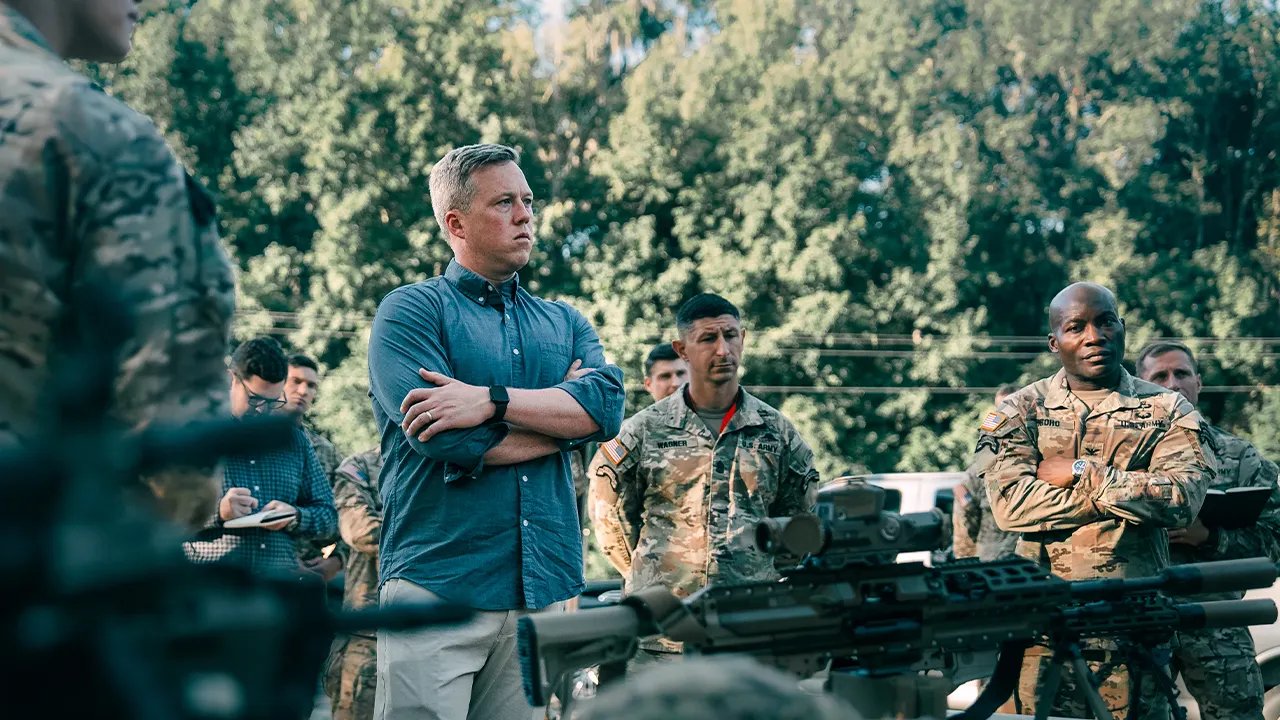
Army Secretary Dan Driscoll tours Hunter Army Airfield in Savannah, Ga. (Spc. Luke Sullivan/75th Ranger Regiment )
Driscoll described the 75th Ranger Regiment as «live G.I. Joe dolls.» Watching them train in close-quarters battle, he said, you can’t help but notice their sheer size and physicality as they wedge themselves through doorways during room-clearing drills. That raw power, he added, is a reminder of why the U.S. invests so heavily in maintaining elite infantry forces.
But even America’s premier ground fighters are being forced to rethink how they operate. Driscoll said the age of slipping silently onto an objective under cover of night — fast-roping from a Black Hawk, breaching doors, and overwhelming defenders — is vanishing.
The spread of cheap battlefield technology, from drones to acoustic sensors to loitering munitions, has made stealth insertions far more difficult. «We don’t really own the night like we used to,» he said, noting that night-vision gear and detection tools that were once expensive and rare are now accessible to adversaries at scale.
That shift, he argued, has turned special operators into improvisers. Rangers and other elite units are now experimenting with disposable drones, commercial quadcopters and custom-built weapons to stay ahead.
Unlike conventional forces bound by long acquisition cycles, these units have the flexibility to innovate quickly.
The idea is for Rangers to test rapidly, see what works, and then pass those lessons along to the rest of the Army.
The problem, he acknowledged, is what comes next. While small-unit experimentation is thriving, scaling those solutions across the broader force runs headlong into bureaucratic red tape.
HEGSETH TEARS UP RED TAPE, ORDERS PENTAGON TO BEGIN DRONE SURGE AT TRUMP’S COMMAND

Army Secretary Dan Driscoll meeting with Rangers at Hunter Airfield. (Spc. Luke Sullivan/75th Ranger Regiment)
Driscoll pointed out that Congress once gave the Army a dozen broad funding categories it could move money between — say, vehicles in one bucket, drones in another. Today, he said, there are more than 1,400 narrowly drawn «buckets,» some tied to specific makes and models, making it nearly impossible to pivot quickly. That rigidity might not matter for tanks or trucks, but with drone technology evolving every few weeks in Ukraine, he said, the Army risks falling behind.
Driscoll visited the airfield just weeks after a shooting on base at Fort Stewart, where Hunter is located. He met with students of the criminal investigation division (CID), which is currently leading the probe into the shooting. Five soldiers were injured after a sergeant allegedly opened fire with a personal handgun he brought on base.
While he praised the CID’s «speed and professionalism» with the investigation, Driscoll added, «The Army wants zero of these incidents, and so we are looking at everything we can to try to ensure it never happens again.»
Driscoll spoke with Fox News Digital ahead of an expected global force posture review set for late summer or early fall. That review may lead to sizable shifts in the number of troops deployed at bases throughout Europe, the Middle East or the Indo-Pacific.
Driscoll said the Army is aligning itself with the Pentagon’s assessment of China as the nation’s «pacing threat.»
He emphasized that the service is designing its force to be effective in the Indo-Pacific — particularly in providing the logistics, sustainment and long-term presence needed to deter or fight a peer competitor.
At the same time, Driscoll cautioned against focusing too narrowly on one theater. «Human history has been pretty difficult to predict where the next conflict may unfold,» he said, stressing that the Army must remain capable of deploying anywhere the president and defense secretary direct. That flexibility, he argued, is a defining feature of land power.
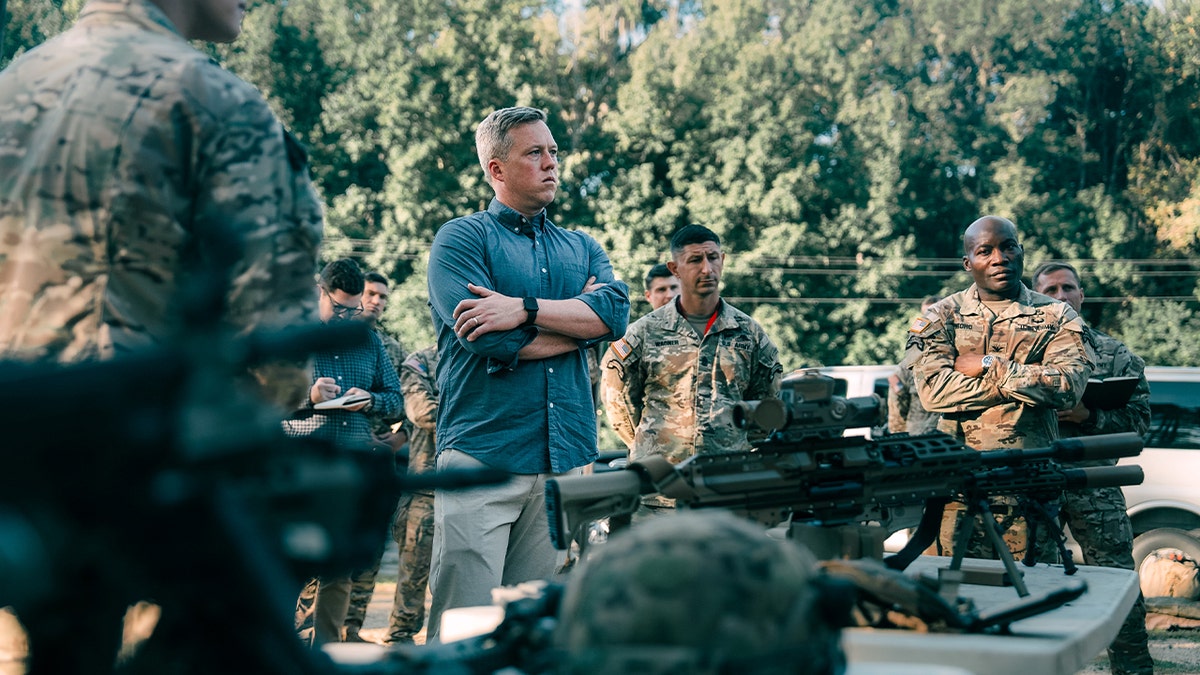
Army Sec. Dan Driscoll observes Ranger training at Hunter Army Airfield. (Spc. Luke Sullivan/75th Ranger Regiment)
Driscoll declined to outline his full recommendations for the upcoming review but made clear one priority: counter-drone measures. «With the Secretary of Defense’s support, we are putting together plans to make a pretty aggressive investment in how to counter the threat from drones across the world and here at home,» he told Fox News Digital.
In his tenure, Driscoll has kicked off the Army Transformation Initiative, a top-to-bottom modernization drive he says is essential for the Army to remain decisive against peer adversaries like China.
CLICK HERE TO GET THE FOX NEWS APP
«If you look at what the Army was like in the late 1990s as it went into the counterinsurgency operations of the early 2000s, we really haven’t changed all that much,» he said.
Now, «the Army is running as fast as it possibly can to try to reinvent itself, to be ready for modern warfare.»
us army,army,defense,drones,politics











INTERNACIONAL
Santiago Peña designó a un nuevo viceministro de Seguridad y nombró a un nuevo comandante de la Policía Nacional en Paraguay
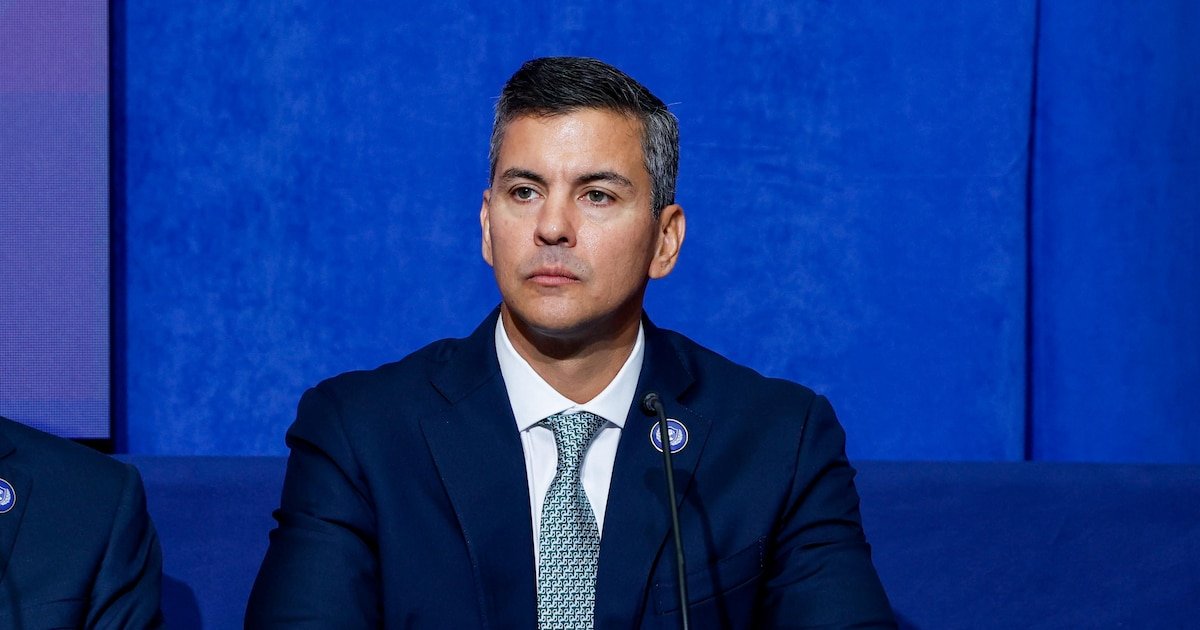
El presidente de Paraguay, Santiago Peña, designó este lunes a Carlos Benítez como viceministro de Seguridad Interna en reemplazo de Oscar Pereira y nombró a César Silguero como nuevo comandante de la Policía Nacional, en una reconfiguración del área que el Gobierno vincula con el fortalecimiento de la seguridad ciudadana.
El anuncio lo realizó el ministro del Interior, Enrique Riera, quien en una conferencia de prensa televisada afirmó que la medida apunta a “fortalecer” la seguridad ciudadana en el país. El cambio forma parte del proceso de ajustes impulsados por el Ejecutivo en la segunda mitad del mandato iniciado en agosto de 2023.
Durante la presentación de las nuevas autoridades, Riera destacó los antecedentes profesionales de los funcionarios. “Ellos están acá por sus currículos que, entre paréntesis, son impecables. Entonces, es muy agradable hacer un cambio, porque todos los cambios, hay que decirlo, renuevan esperanzas”, expresó.
El titular del Interior explicó que la salida de Pereira no responde a fallas en su desempeño. “No tiene nada que ver” con bajo rendimiento o errores de ejecución, sostuvo, y vinculó la decisión con la necesidad de profundizar las políticas en curso. Según indicó, el objetivo es avanzar en la “profundización del trabajo” dentro de la Policía Nacional.
Con su designación como viceministro, Benítez, de 55 años, pasó a retiro de la institución policial “de forma voluntaria”, según precisó Riera. El ministro también remarcó que el cambio se definió con antelación. “Era una decisión que estaba tomada antes de la Semana Santa, y lo manejamos con mucha cautela”, afirmó.

Benítez ocupó la comandancia de la Policía Nacional desde agosto de 2023. En ese contexto, había advertido de manera pública sobre la existencia de presuntos elementos dentro de la fuerza que actuaban “al margen de la ley”, en referencia a situaciones internas que requerían control institucional.
La designación de Silguero como jefe de la Policía Nacional completa el esquema de conducción en el área de seguridad. El funcionario se desempeñaba como segundo al mando y ahora asume la titularidad del cuerpo en una etapa que el Gobierno presenta como de consolidación de cambios.
En junio de 2024, Paraguay reformó la ley que rige a la Policía Nacional con el objetivo de elevar el nivel de profesionalismo y ratificar su carácter no deliberante, conforme a la Constitución de 1992. Este marco normativo define el funcionamiento de la institución y establece los lineamientos para su accionar.
En la conferencia de prensa, Benítez señaló que desde su nuevo cargo buscará consolidar el enfoque establecido tras esa reforma. El funcionario indicó que trabajará para afianzar el nuevo paradigma en el desempeño del cuerpo de seguridad.
Los cambios en el Ministerio del Interior se inscriben en una reorganización más amplia del gabinete en la segunda mitad del mandato presidencial. Según las autoridades, las modificaciones buscan reforzar áreas estratégicas de la administración.
Contexto económico y otros movimientos
Una semana antes de estos anuncios en el área de seguridad, el Gobierno dispuso cambios en el Ministerio de Economía y Finanzas. El jefe de Gabinete, Javier Giménez, informó que Peña removió al titular de la cartera, Carlos Fernández Valdovinos, y designó como interino a Juan José Galeano.

“El presidente de la República, Santiago Peña, ha dispuesto en la mañana de hoy cambios en el Ministerio de Economía y Finanzas”, declaró Giménez. El portavoz sostuvo que el funcionario saliente “hizo un trabajo extraordinario” y explicó que el “segundo tiempo” de la gestión requiere capacidades “muy específicas”.
Fernández Valdovinos había impulsado medidas de ajuste fiscal bajo un esquema que definió como “economía de guerra”, en respuesta a la caída de ingresos tributarios. Tras su salida, escribió en la red social X: “Misión Cumplida!!! Todo por mi querido Paraguay”.
Además, el Ejecutivo designó a César Riveros como director del Instituto Nacional de Tecnología, Normalización y Metrología tras la renuncia de Lira Giménez.
En el plano comercial, el presidente promulgó la ley que ratifica el acuerdo de libre comercio entre la Unión Europea y el Mercosur. “Asunción fue la cuna del Mercosur y hoy vuelve a ser protagonista”, escribió Peña tras la firma. El viceministro de Relaciones Exteriores, Miguel Ángel Aranda Daroczi, señaló que el acuerdo representa “una gran oportunidad de integrar el mercado y ofrecer lo que produce el Mercosur a todo el mercado europeo”.
Según datos oficiales, el tratado abarca un mercado de aproximadamente 720 millones de personas y prevé la eliminación de aranceles para más del 90 % del comercio entre ambas regiones.
(Con información de EFE)
ceremonia de apertura de la reunión contra el crimen organizado trasnacional en sudamérica,políticos
INTERNACIONAL
Mamdani unveils new ‘racial equity plan’ for more ‘equitable future’ that prompts quick DOJ pushback
NEWYou can now listen to Fox News articles!
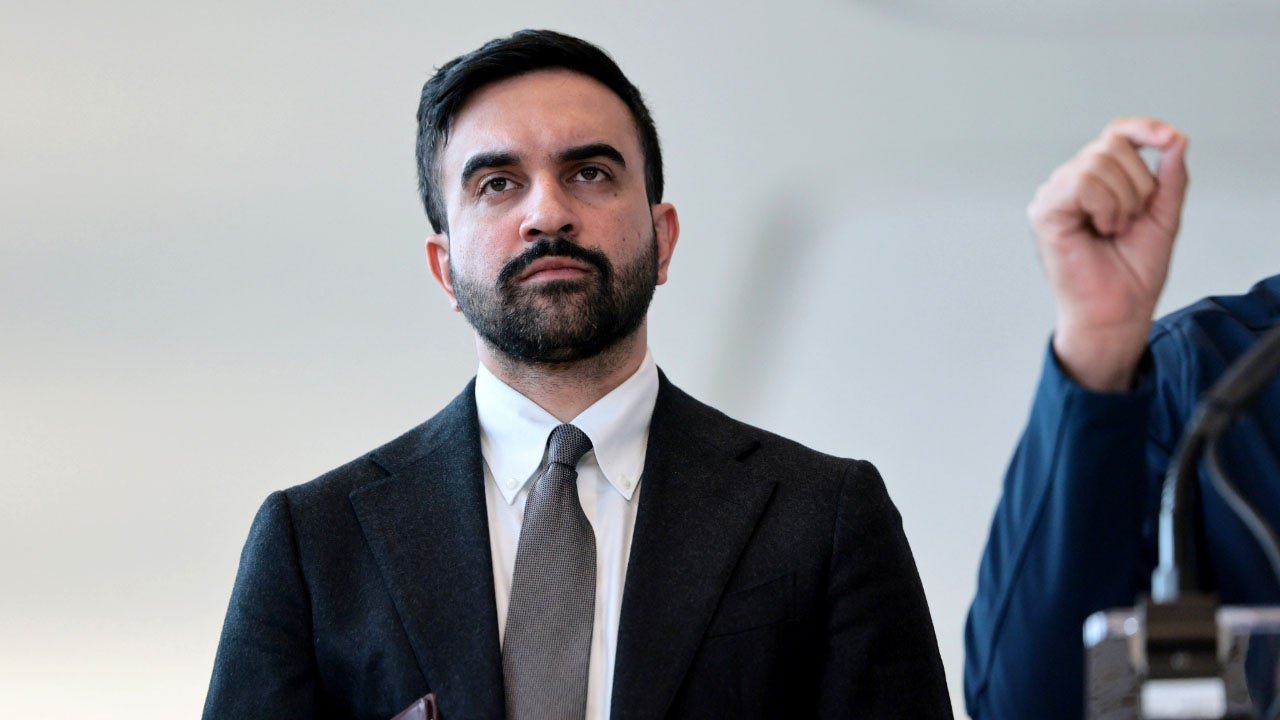
New York City Mayor Zohran Mamdani released his «Preliminary Citywide Racial Equity Plan» on Monday, which quickly prompted pushback from conservatives online and skepticism from President Donald Trump’s Justice Department, with one top official saying she will «review» the move.
Mamdani’s office explained in a press release that the preliminary report, which the mayor had promised to release within 100 days in office, shows racial disparities in areas like housing, education, and income, and the new plan aims to «establish a new framework for how New York City measures affordability, understands inequity and plans for a more equitable future.»
«The True Cost of Living Measure offers an honest account of what it actually costs to live in this city — and who is being left behind. It shows that this is not a crisis affecting a small minority of New Yorkers. It is a crisis touching the vast majority of our city, in every borough and every neighborhood,» Mamdani said in the press release.
«But we know this crisis is not felt equally. Black and Latino New Yorkers — who have been pushed out of this city for decades — are bearing the brunt. The Preliminary Racial Equity Plan is where we begin to reverse that pattern. These reports make one thing clear: we cannot tackle systemic racial inequity without confronting the affordability crisis head-on, and we cannot solve the cost-of-living crisis without dismantling systemic racial inequity.»
MAMDANI’S ‘GUN VIOLENCE’ COMMENTS AFTER KILLING OF 7-MONTH OLD BABY SPARK OUTRAGE: ‘ABSOLUTE DISGRACE’
New York Mayor Zohran Mamdani stands silently during a press conference on the Air Canada Express crash at Terminal B in LaGuardia Airport on March 23, 2026. (Michael M. Santiago/Getty Images)
Mamdani’s announcement quickly sparked pushback from conservatives, as well as from the Trump administration, expressing concerns about race-based initiatives and spending which the administration has been working to undo since taking power last year.
«Sounds fishy/illegal,» DOJ Assistant Attorney General for Civil Rights Harmeet Dhillon posted on X. «Will review!»
«Straight-up racism against White people,» conservative influencer account Libs of TikTok posted on X.
«The reality is Mamdani is implementing blatantly racist policies that reward and punish people based on their skin color,» conservative commentator Paul A. Szypula posted on X.
The city billed the racial equity plan as the «first time any New York City administration has required major city agencies to examine their work through a racial equity lens and identify and eliminate disparities» and said the plan sets goals across seven domains that include: «Children, Youth, Older Adults and Families; Economy; Housing and Preservation; Infrastructure and Environment; Health and Wellbeing; Community Safety, Rights and Accountability; and Good Governance and Inclusive Decision-Making.»
The report cites a sizable gap in the median net worth of white households compared to Black households while reporting that Black New Yorkers also have a lower life expectancy and suggests the way to address those gaps is an expansive framework featuring more than 200 agency-level goals, over 800 proposed strategies, and roughly 600 performance indicators intended to track progress over time.
«Inequity has been embedded in the foundation of our city and nation since their inception; dismantling it requires a collective effort,» NYC Chief Equity Officer and NYC Mayor’s Office of Equity & Racial Justice Commissioner Afua Atta-Mensah said in Monday’s press release.
NYC LANDLORDS FIRE BACK AT ‘RACIST’ MAMDANI AIDE’S CLAIM THAT TIES HOMEOWNERSHIP TO ‘WHITE SUPREMACY’
«The NYC Preliminary Citywide Racial Equity Plan reflects the city’s commitment to systemic transformation—turning our values into actions. From housing and healthcare to education and infrastructure, every agency plays a pivotal role in reshaping how government serves New Yorkers. This plan outlines measurable goals and actionable strategies to advance racial equity, promote justice and create lasting change.»
Fox News Digital reached out to Mamdani’s office and the DOJ for comment.
Dating back to his mayoral campaign, Mamdani has faced intense criticism for his focus on race and «equity, including a policy proposal, «Stop the Squeeze on NYC Homeowners,» that outlined his plans to «shift the tax burden from overtaxed homeowners in the outer boroughs to more expensive homes in richer and Whiter neighborhoods.»
CLICK HERE TO DOWNLOAD THE FOX NEWS APP
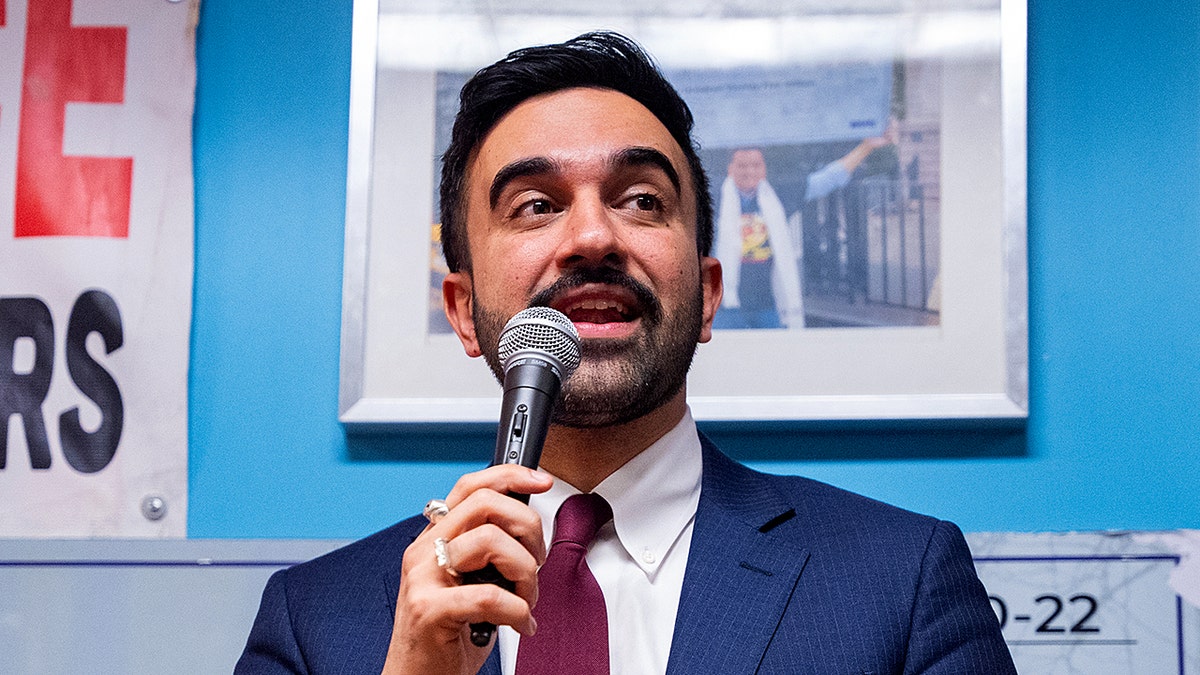
New York City Mayor Zohran Mamdani speaks at a Ramadan Iftar hosted by his team at the New York Taxi Workers Association, Wednesday, March 18, 2026, in New York. (Angelina Katsanis/AP)
In February, Mamdani faced criticism over his budget plan that stated the Office of Racial Equity would receive $5.6 million annually, while the Commission on Racial Equity would be allocated $4.6 million, a combined total of $10.2 million. The new figure represents roughly a $3 million increase — or about a 42% jump — from the approximately $7.2 million allocated last year.
Fox News Digital’s Amanda Macias contributed to this report.
zohran mamdani, politics, new york city
INTERNACIONAL
El FMI advirtió que la guerra en Medio Oriente impulsará la inflación y frenará el crecimiento mundial
El Fondo Monetario Internacional (FMI) advirtió que la guerra en Medio Oriente acelerará la inflación y ralentizará el crecimiento mundial, en un contexto de creciente incertidumbre económica y antes de la publicación de nuevas previsiones globales la próxima semana.
La directora gerente del organismo, Kristalina Georgieva, señaló en declaraciones a Reuters que, sin el conflicto, el FMI habría proyectado una mejora en la actividad económica global. Según indicó, las estimaciones previas situaban el crecimiento en el 3,3% para 2026 y en el 3,2% para 2027.
“Si no hubiéramos tenido esta guerra, habríamos visto una ligera revisión al alza de nuestras previsiones de crecimiento. En cambio, ahora todo apunta a un aumento de los precios y a un crecimiento más lento”, dijo el lunes.
Georgieva explicó que el impacto del conflicto ya se refleja en las perspectivas de inflación y de crecimiento. Incluso en un escenario de resolución rápida, el efecto negativo persistirá sobre las proyecciones.
“Incluso un pronto fin de las hostilidades y una recuperación bastante rápida darían lugar a una revisión a la baja ‘relativamente pequeña’ de la previsión de crecimiento y a una revisión al alza de su previsión de inflación”, sostuvo.

La titular del FMI advirtió que una prolongación de la guerra agravará el impacto sobre la economía mundial. “Si la guerra se prolongara, el efecto sobre los precios y la actividad económica sería mayor”, afirmó.
En paralelo, indicó que el organismo recibió solicitudes de ayuda financiera de algunos países afectados por el contexto internacional, aunque no detalló cuáles. También señaló que el FMI evalúa mecanismos para responder a estas necesidades.
“El FMI podría ampliar algunos programas de préstamo existentes para satisfacer las necesidades de los países”, agregó.
Días antes, en un documento elaborado por el economista jefe del Fondo y varios departamentos internos, la institución definió la situación como “un nuevo shock global” que interrumpe la recuperación de economías que comenzaban a estabilizarse tras crisis recientes. El informe advirtió que los países directamente involucrados sufren daños de largo alcance en infraestructura y sectores productivos.
El principal canal de transmisión del impacto económico es el encarecimiento de la energía. Según la Agencia Internacional de Energía, el cierre parcial del estrecho de Ormuz y los daños a la infraestructura regional alteraron el mercado internacional del petróleo. El FMI señaló que, para los países importadores, este aumento de precios funciona como un impuesto sobre los ingresos nacionales.

Cerca del 30% de la producción mundial de petróleo y el 20% del gas natural licuado transitan por el estrecho de Ormuz, lo que expone a economías de África y Asia. En Asia y Europa, los principales importadores concentran el mayor impacto por el aumento de los costos energéticos.
El alza de la energía también repercute en Medio Oriente, África, Asia-Pacífico y América Latina. En estas regiones, el encarecimiento se combina con subas en alimentos y fertilizantes y con condiciones financieras más restrictivas. El FMI advirtió que los países de bajos ingresos enfrentan mayores riesgos de inseguridad alimentaria.
“Los habitantes de los países de ingreso bajo son quienes corren el mayor riesgo cuando suben los precios”, indicó el organismo.
Las cadenas de suministro globales registran disrupciones. Las rutas marítimas se desvían, lo que eleva los costos de transporte y seguros y provoca demoras en las entregas. El tráfico aéreo en centros del Golfo también sufre interrupciones, con impacto en el turismo y el comercio internacional.
El conflicto afecta además el comercio de fertilizantes, ya que cerca de un tercio del suministro global transita por el estrecho de Ormuz. Esta situación coincide con la temporada de siembra en el hemisferio norte y presiona los precios de los alimentos.

En el plano financiero, el FMI señaló un aumento de la volatilidad. Las bolsas globales registraron caídas, los rendimientos de los bonos subieron y las condiciones financieras se volvieron más restrictivas, aunque sin una liquidación masiva como en crisis anteriores.
El organismo destacó que el impacto resulta desigual entre países. Algunos exportadores de materias primas fortalecen sus cuentas fiscales y externas, mientras otros enfrentan mayores presiones sobre sus balanzas de pagos y el costo de vida.
(Con información de REUTERS)
North America

Santiago Peña designó a un nuevo viceministro de Seguridad y nombró a un nuevo comandante de la Policía Nacional en Paraguay

Comienzan las Copas Libertadores y Sudamericana: los grupos, formatos, cómo ver los partidos y el premio para los campeones

El Gobierno oficializó la recompensa de $20 millones por datos sobre el exguerrillero chileno prófugo de la Justicia

Bajó la desigualdad, pero el 10% con mayores ingresos gana 13 veces más que los sectores de menores recursos

El ténder tiene las horas contadas: el invento que seca hasta 15 kg de ropa más rápido en los días de lluvia

El divertido encuentro de Evelyn Botto con Laurita Fernández en el programa de Pergolini: “Es espléndida”

La nueva advertencia de Donald Trump a Irán: «El tiempo se acaba, quedan 48 horas antes del infierno»

Círculo rojo: intrigas en el gabinete, desgaste por el caso Adorni y movimientos inquietantes en el Poder Judicial

Caputo habló sobre los créditos del Banco Nación que tomaron sus funcionarios: “No hay nada ilegal ni inmoral”

Créditos del Banco Nación: el Gobierno reveló que Pettovello echó a Massaccesi porque “mintió”

 INTERNACIONAL2 días ago
La nueva advertencia de Donald Trump a Irán: «El tiempo se acaba, quedan 48 horas antes del infierno»
- POLITICA2 días ago
Círculo rojo: intrigas en el gabinete, desgaste por el caso Adorni y movimientos inquietantes en el Poder Judicial
- ECONOMIA19 horas ago
Caputo habló sobre los créditos del Banco Nación que tomaron sus funcionarios: “No hay nada ilegal ni inmoral”