INTERNACIONAL
Blocking ICE cooperation fueled Minnesota unrest, officials warn as Virginia reverses course

NEWYou can now listen to Fox News articles!
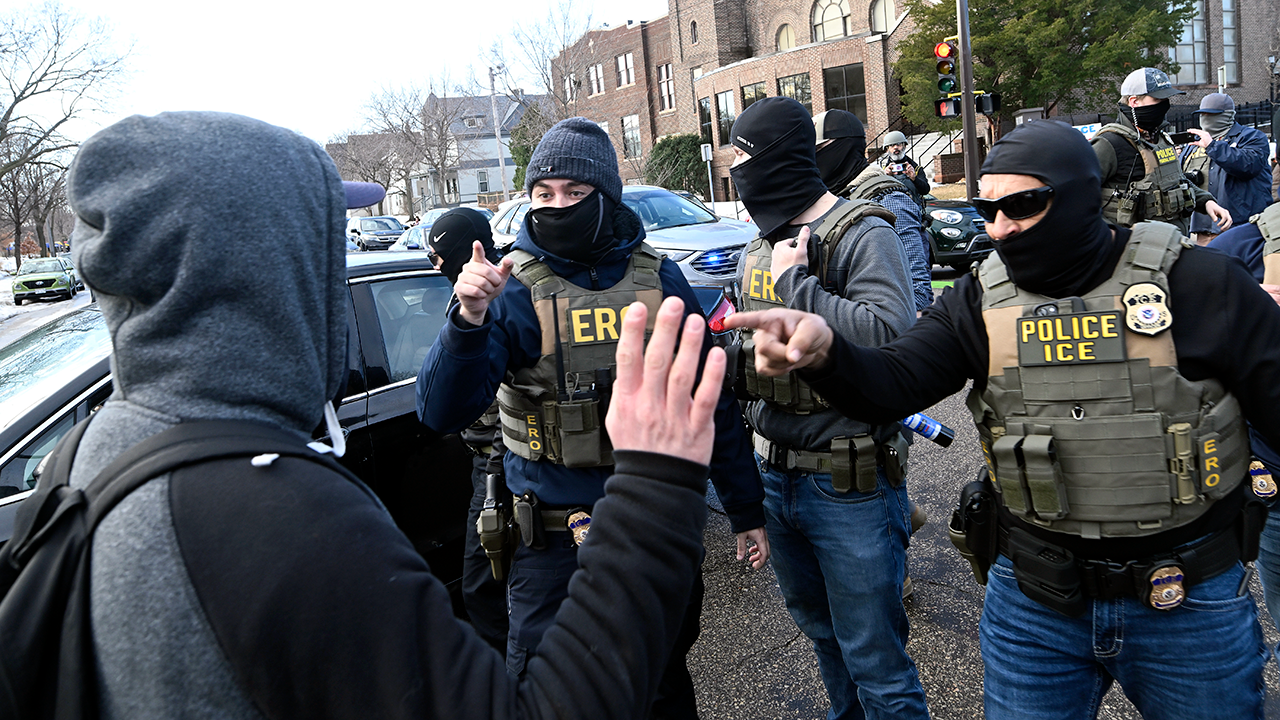
States that refuse to cooperate with federal immigration enforcement push ICE onto the streets to search for subjects, fueling avoidable agitator unrest that is absent in places where local authorities have a working relationship with DHS, several states’ officials told Fox News Digital.
Their comments follow a New York Times analysis showing that «at-large» ICE arrests — operations conducted in communities rather than jails — have surged most sharply in states that bar local authorities from honoring immigration detainers or working with federal agents.
The analysis pointed to California, Illinois and New York as the most common sites for at-large arrests, citing laws there blocking local authorities from cooperating or handing over prisoners to federal immigration enforcement.
The states with a 90%-or-more share of at-large arrests included Illinois, New York, Washington, Oregon, Pennsylvania, Connecticut, Massachusetts, Vermont and Alaska, according to the paper.
TOM EMMER BLASTS MINNESOTA DEMOCRATS AFTER ‘TOTALLY UNACCEPTABLE’ CHURCH DISRUPTION
Left, protesters gather outside the Minnesota State Capitol in St. Paul during a demonstration against Immigration and Customs Enforcement operations. Right, an ICE agent is pictured. (Abbie Parr/AP; Victor Blue/Getty Images)
«If Dems would just honor the detainers, ICE would pick up illegal aliens from jail, where they’re already in custody,» Republican strategist Tim Murtaugh remarked on the findings.
«But because they don’t, ICE has to find the illegal aliens in the community after they’re released,» he said. «ICE didn’t bring the chaos. The chaos is what brought ICE.»
Prosecutors and lawmakers in states not mentioned in the analysis agreed; there is no smoke in their jurisdictions because there is no fire.
DHS BRASS BLASTS CHICAGO MAYOR FOR BLAMING ICE CHIEF AS CRIME RISES AFTER ‘SAFEST SUMMER’ CLAIM
«Law enforcement works best when it works together, focusing on the mission and not limited by what it says on our badges,» Kentucky Attorney General Russell Coleman told Fox News Digital.
«As threats grow, zealous collaboration amongst federal, state and local law enforcement is necessary to keep American families safe.»
Coleman said cooperation with ICE in Kentucky is helping keep the peace, and avoid the kinds of violent scenes seen in Minneapolis and elsewhere.
MINNESOTA POLICE CHIEFS ALLEGE SOME ICE AGENTS RACIALLY PROFILED US CITIZENS, INCLUDING OFF-DUTY OFFICERS
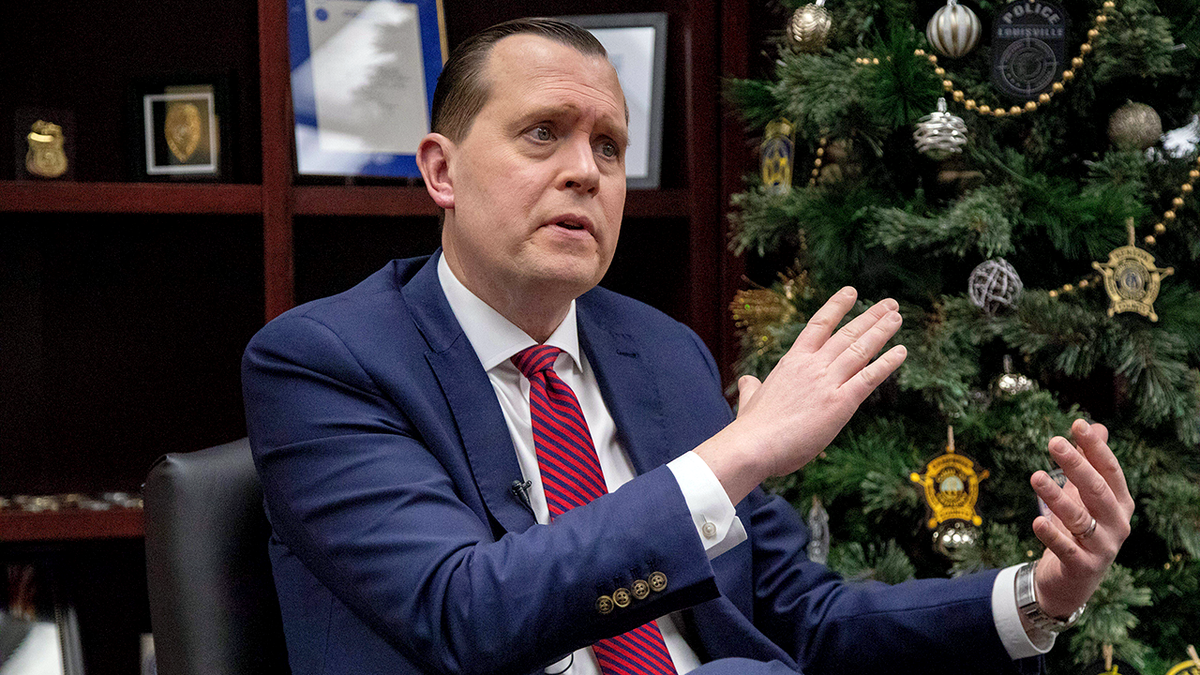
Kentucky AG Russell Coleman. (Marcus Dorsey/Getty Images)
The dynamic, he said, «could work in other states too.»
And it has, according to Alabama Attorney General Steve Marshall, who said the Yellowhammer State proudly «stands united with ICE and all federal law enforcement partners.»
«[We share a] mission to remove dangerous criminal aliens, child predators, and human traffickers from our streets,» Marshall said, contrasting the lack of such unrest in Montgomery and Mobile versus Minneapolis.
BORDER PATROL CHIEF URGES ILLINOIS TO FOLLOW LOUISIANA BLUEPRINT AS THREATS AGAINST AGENTS SURGE
«You have to be truly sick and deranged to call yourself a leader while actively welcoming such predators into your cities and states. That will never happen in Alabama.»
Virginia, however, may become the test case for what happens after a tidal shift in such policy, current and former officials there said.
Former Gov. Glenn Youngkin entered Virginia into a 287(g) agreement, which authorizes cooperation between state law enforcement and ICE to identify and transfer criminal illegal immigrants from custody. He was backed by GOP state officials, including former Attorney General Jason Miyares, who welcomed ICE into the Old Dominion and collaborated as often as possible.
Miyares said in a statement that Virginia’s «streets have become less safe with the stroke of a pen,» after Democratic Gov. Abigail Spanberger reversed Youngkin’s action this month after taking office.
«This is a disaster for the public safety of the Commonwealth. Mark my words, there will be Virginians who will be robbed, raped and murdered as a result of this anti-public safety executive order. No one should be surprised.»
Virginia House Minority Leader Terry Kilgore agreed, telling Fox News Digital he can «absolutely» envision scenes of unrest at home in the future, now that DHS is no longer welcome.
DHS DEMANDS MN LEADERS HONOR ICE DETAINERS, ALLEGES HUNDREDS OF CRIMINAL ALIENS HAVE BEEN RELEASED UNDER WALZ

Alabama Attorney General Steve Marshall testifies during Supreme Court Justice Ketanji Brown Jackson’s confirmation hearing on Capitol Hill in Washington. (Al Drago/Getty Images)
«With local law enforcement [cooperation], DHS can identify and just send a small team in,» Kilgore said, adding that dynamic happened a lot under Youngkin when ICE was allowed to surgically pursue MS-13 gangsters due to cooperation from Richmond.
«I would encourage [Spanberger] to rethink this because it’s making Virginians less safe – period.»
Fox News Digital reached out to Spanberger for comment. Previously, she said that «state and local law enforcement should not be required to divert their limited resources to enforce federal civil immigration laws.»
Leaders in states where chaos has erupted have defended their stance, with Minnesota Attorney General Keith Ellison citing a «federal invasion of the Twin Cities and Minnesota [that] must stop.»
CLICK HERE TO DOWNLOAD THE FOX NEWS APP
California Attorney General Rob Bonta called ICE-involved unrest in Los Angeles part of a pattern of attacks on immigrant communities by President Donald Trump and said the immigration enforcement operations are «not about safety and justice» but «quotas» for DHS.
Illinois Attorney General Kwame Raoul previously referred to federal agents as «occupiers» who «often violently question residents» without warrants or probable cause.
immigration,virginia,kentucky,alabama,minnesota fraud exposed,crime world,politics










INTERNACIONAL
Trump admin unlawfully terminated legal status of migrants who used Biden-era app, judge rules

NEWYou can now listen to Fox News articles!
A federal judge ruled on Tuesday that the Trump administration unlawfully terminated the legal status of thousands of migrants who had been allowed to temporarily live in the U.S. after using an app expanded by the Biden administration to schedule appointments with immigration officials.
U.S. District Judge Allison Burroughs in Boston ordered the administration to reverse its move last year to revoke the legal status of migrants who used the CBP One app.
The app was used under former President Joe Biden starting in 2023 to address the crisis at the border by allowing some migrants to make appointments to seek asylum, with many paroled into the country for up to two years, but President Donald Trump moved to shut down the app when he returned to the White House last year.
Burroughs found that the U.S. Department of Homeland Security acted unlawfully in April of last year when it sent mass emails to many of the roughly 900,000 people who entered the country using the app, informing them that it was «time for you to leave the United States.»
VENEZUELAN MIGRANTS, PROGRESSIVE GROUP SUE TRUMP AFTER NOEM NIXES BIDEN-ERA ‘PROTECTED STATUS’
U.S. District Judge Allison Burroughs ordered the Trump administration to reverse its move last year to revoke the legal status of migrants who used the CBP One app. (AP Photo/Mark Schiefelbein)
«The regulations do not give the agency unfettered discretion to terminate parole,» Burroughs wrote.
«When Defendants terminated the impacted noncitizens’ parole without observing the process mandated by statute and by their own regulations, they took action that was ‘not in accordance with law,’» the judge added.
The Venezuelan Association of Massachusetts, one of the plaintiffs in the case, celebrated the ruling, saying it «brings long-awaited relief after months of fear and uncertainty.»
Democracy Forward, another group that helped bring the legal challenge, also praised the judge’s decision.
FEDERAL JUDGE UPHOLDS TEMPORARY PROTECTED STATUS FOR HAITIAN IMMIGRANTS
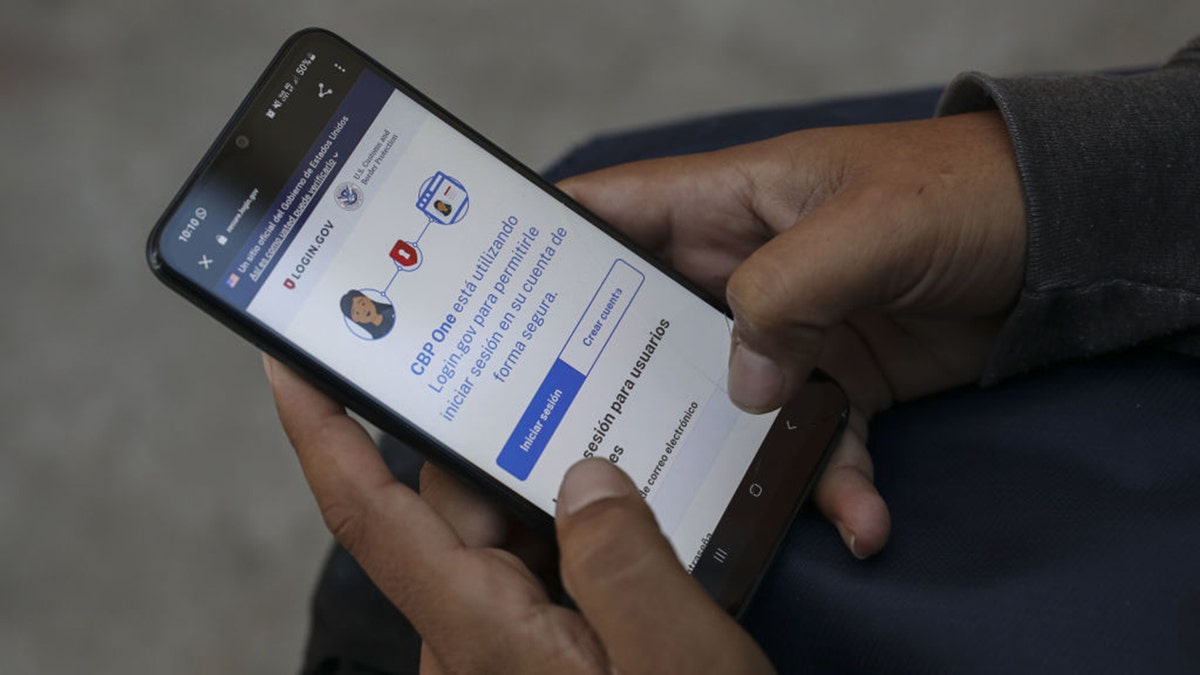
The app was used under former President Joe Biden to address the crisis at the border by allowing some migrants to make an appointment to seek asylum, with many paroled into the country for up to two years. (Sandy Huffaker/Bloomberg via Getty Images)
«Today’s ruling is a clear rejection of an administration that has tried to erase lawful status for hundreds of thousands of people with the click of a button,» the group’s president, Skye Perryman, said in a statement.
«Our clients followed the law: they waited, registered, were inspected, and were granted parole under the law. The Trump-Vance administration’s effort to tear that status away overnight was unlawful and cruel — and today, the court rejected that harmful and destabilizing policy,» the statement added.
A DHS spokesperson said the ruling was an example of «blatant judicial activism» that interfered with Trump’s authority to determine who remains in the country.
«Canceling these paroles is a promise kept to the American people to secure our borders and protect our national security,» the spokesperson said in a statement.
The judge found that DHS acted unlawfully in April of last year when it sent mass emails alerting many of the roughly 900,000 people who entered the country using the app that it was «time for you to leave the United States.» (AP Photo/Eric Gay, File)
CLICK HERE TO DOWNLOAD THE FOX NEWS APP
The ruling came after a class-action lawsuit filed in August by three individuals from Venezuela, Cuba and Haiti who argued the Trump administration’s effort to remove them from the country represented an abrupt, unlawful move to pull parole status and work authorization from migrants.
The Trump administration had argued that Biden overstepped parole authority by broadly awarding the status instead of granting it on a case-by-case basis.
Burroughs said when DHS sent out termination notices to migrants, it failed to comply with requirements to provide a record showing an official had determined that the purposes of parole had been served.
«Accordingly, the parole terminations exceeded the agency’s statutory authority and contradicted the procedures set forth in its own regulations,» the judge wrote.
Reuters contributed to this report.
immigration, illegal immigrants, donald trump, politics, joe biden, homeland security, judiciary
INTERNACIONAL
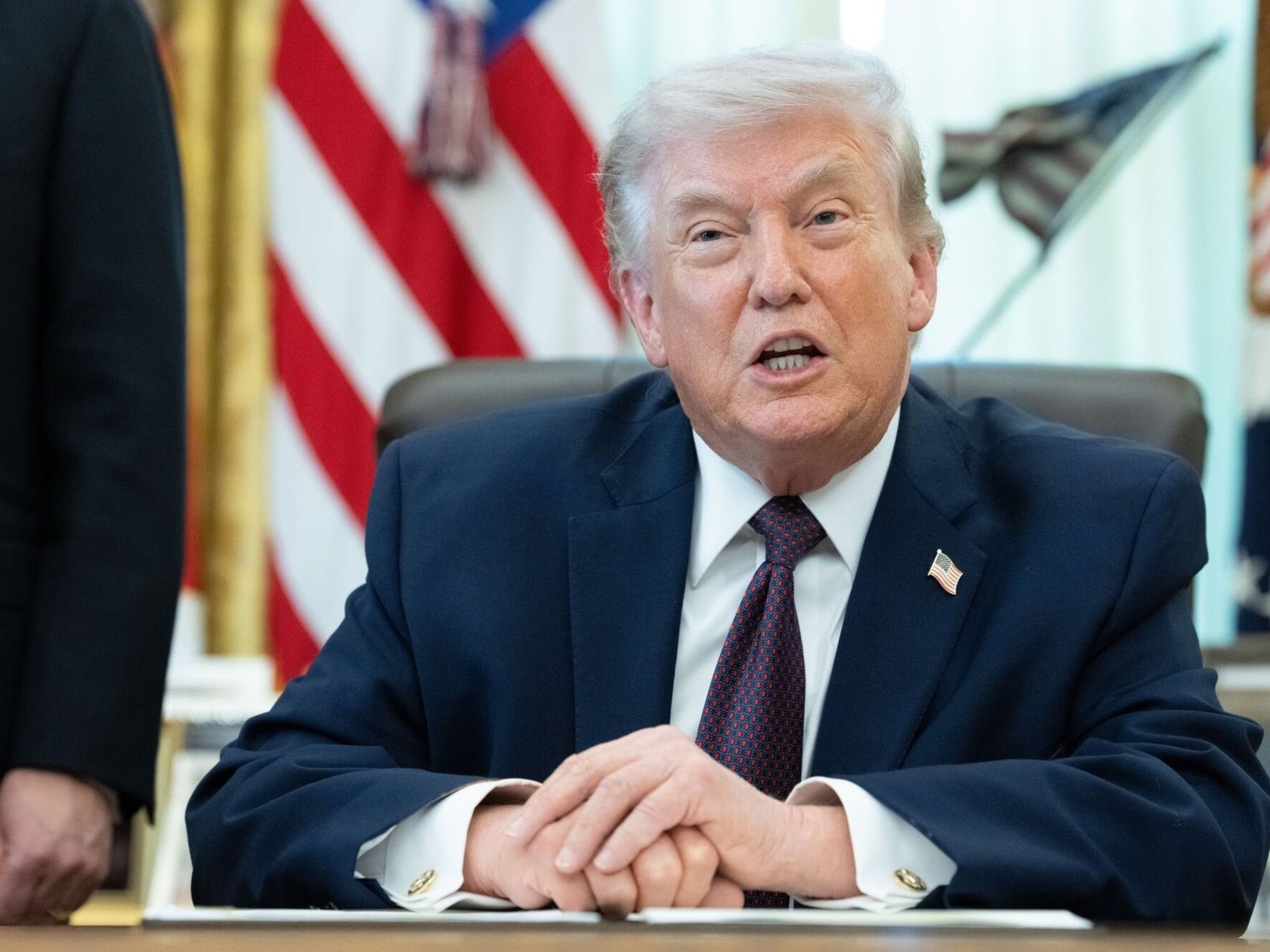
Trump arremetió contra los aliados de EE.UU.: «Proteger el estrecho de Ormuz no es asunto nuestro»
INTERNACIONAL
EN VIVO: El Ejéricto de Israel llevó a cabo una “oleada de ataques a gran escala” en Teherán

La Casa Blanca anunció que el presidente de Estados Unidos, Donald Trump, dará este miércoles a las 21:00 (hora de Washington) una “importante actualización” sobre la guerra en Irán, en un mensaje institucional que se difundirá por los canales oficiales.
Trump declaró el martes desde la Oficina Oval que el retiro de las fuerzas estadounidenses de Irán se concretará “muy pronto, en dos o tres semanas”, en el marco de la ofensiva conjunta con Israel. “Estamos terminando el trabajo”, sostuvo. En paralelo, el primer ministro israelí, Benjamin Netanyahu, aseguró que la operación militar continuará hasta desmantelar la estructura de poder de la república islámica. “La campaña no ha terminado. Seguiremos aplastando al régimen del terror”, afirmó.
Por su parte, el Jefe de Estado iraní, Masud Pezeshkian, señaló que su país tiene la “voluntad” de poner fin a la guerra con Estados Unidos e Israel, aunque exigió garantías para evitar una reanudación del conflicto en caso de un acuerdo de paz. En contraste con esa postura, Teherán lanzó ataques contra el aeropuerto de Kuwait, Arabia Saudita, una embarcación frente a las costas de Qatar, Emiratos Árabes Unidos y Bahréin durante la madrugada.
A continuación, la cobertura minuto a minuto:
Un niño israelí de 11 años resultó herido tras los ataques de Irán a Israel
El servicio de emergencias médicas de Israel reportó que una niña de 11 años se encuentra en estado grave tras un ataque con misiles que el ejército atribuyó a Irán.
Las alertas por misiles se activaron en el centro y norte de Israel luego de que las fuerzas de defensa emitieran advertencias sobre el fuego entrante. Los rescatistas informaron, además, de al menos 12 heridos más como resultado del ataque.
Otras dos personas sufrieron heridas moderadas, entre ellas un niño de 13 años y una mujer de 36, según el servicio de emergencias médicas Magen David Adom.


Un ciudadano bangladeshí muere por metralla de dron en Emiratos Árabes Unidos
Un bangladeshí murió en Emiratos Árabes Unidos tras la caída de metralla resultante de la interceptación de un dron, informó este miércoles la agencia oficial de noticias WAM.
El incidente ocurrió en Fujairah, cerca del estrecho de Ormuz. “La caída de metralla tras la interceptación de un dron… provocó la muerte de una persona de nacionalidad bangladesí”, publicó WAM en X.
Fuerte explosión y humo en los suburbios del sur de Beirut
Israel llevó a cabo una “oleada de ataques a gran escala” en Teherán

“Recientemente, las FDI completaron una extensa serie de ataques contra la infraestructura del régimen terrorista iraní en Teherán; próximamente se darán a conocer más detalles“, informó el Ejército israelí vía X.
Marco Rubio afirmó que Washington “va a tener que reexaminar” su relación con la OTAN una vez concluida la guerra contra Irán
“Cuando necesitamos que nos permitan usar sus bases militares, ¿su respuesta es ‘no’? Entonces, ¿para qué estamos en la OTAN? Hay que plantearse esa pregunta”, afirmó el secretario de Estado estadounidense en una entrevista con Fox News

El secretario de Estado de Estados Unidos, Marco Rubio, afirmó el martes que Washington “va a tener que reexaminar” su relación con la OTAN una vez concluida la guerra contra Irán, en medio de restricciones europeas al uso de bases militares por parte de fuerzas estadounidenses.
Las defensas de Israel respondieron a un misil procedente de Yemen

El Ejército israelí informó que sus defensas aéreas respondieron la madrugada del miércoles al lanzamiento de un misil desde Yemen, donde los hutíes, aliados de Irán, han reivindicado ataques contra Israel en los últimos días.
Un comunicado castrense señaló que las fuerzas israelíes “identificaron el lanzamiento de un misil desde Yemen hacia territorio israelí; los sistemas de defensa aérea están operativos para interceptar la amenaza”.
Posteriormente, el ejército anunció que se “permitía a los residentes abandonar las zonas protegidas en todas las áreas del país”.
Las Fuerzas de Defensa de Israel reportaron más de 10.000 operaciones en Irán
Israel lanzó más de 16.000 municiones en territorio iraní desde el inicio de la guerra, en más de 800 oleadas de ataques, según fuentes militares.
Las Fuerzas de Defensa de Israel (FDI) informaron que se realizaron más de 10.000 ataques distintos contra 4.000 objetivos, entre los que figuran sistemas de defensa aérea, lanzadores de misiles balísticos, centros de producción de armas, instalaciones nucleares, cuarteles generales y comandantes y líderes militares.
Trump afirmó que Estados Unidos dejará de asumir responsabilidades directas sobre la seguridad del estrecho de Ormuz
“Lo que pasa en el estrecho no será asunto nuestro. Francia, China y otras naciones podrán abastecer sus barcos y gestionar por sí mismos su seguridad”, afirmó el mandatario, en referencia a los países que dependen del flujo energético que atraviesa ese paso clave

El presidente de Estados Unidos, Donald Trump, anunció el martes que su país dejará de asumir responsabilidades directas sobre la seguridad del estrecho de Ormuz y que avanzará con la retirada de sus fuerzas de Irán en un plazo de dos o tres semanas, al considerar cumplidos sus objetivos en la región.
war

Punto para Milei: la pobreza bajó al 28,2%, el menor nivel en siete años y medio

Trump admin unlawfully terminated legal status of migrants who used Biden-era app, judge rules

Trump arremetió contra los aliados de EE.UU.: «Proteger el estrecho de Ormuz no es asunto nuestro»

Manuel Adorni suspendió su conferencia de prensa y bajará el perfil público

Trincão y João Félix calientan para el Mundial

El Gobierno postergó hasta mayo el aumento del impuesto a los combustibles por las subas del petróleo a nivel mundial

Máximo Kirchner salió al cruce de Milei y Macri tras el fallo por YPF a favor de la Argentina

La secretaria del piloto denunció que el amigo de Adorni la hostiga y la justicia dispuso medidas

El Gobierno cambia su propuesta de reforma: endurece penas para delitos comunes, pero no para los casos de corrupción

Nuevas críticas de Marcela Pagano contra los Milei: “Karina es la que gobierna”, aseguró

 POLITICA2 días ago
Nuevas críticas de Marcela Pagano contra los Milei: “Karina es la que gobierna”, aseguró
- POLITICA23 horas ago
Dos jubiladas que le habrían prestado dinero a Manuel Adorni negaron conocerlo
- CHIMENTOS3 días ago
El incómodo momento que Wanda Nara y Martín Migueles le habrían hecho pasar a los japoneses en el tren bala: la foto