INTERNACIONAL
Boasberg orders Trump to bring back CECOT migrant class deported in March

NEWYou can now listen to Fox News articles!
A federal judge on Monday ordered the Trump administration to provide due process to a class of Venezuelan migrants deported to El Salvador in March, and gave it two weeks to detail how it will do so – setting up another high-stakes clash between the White House and the federal courts.
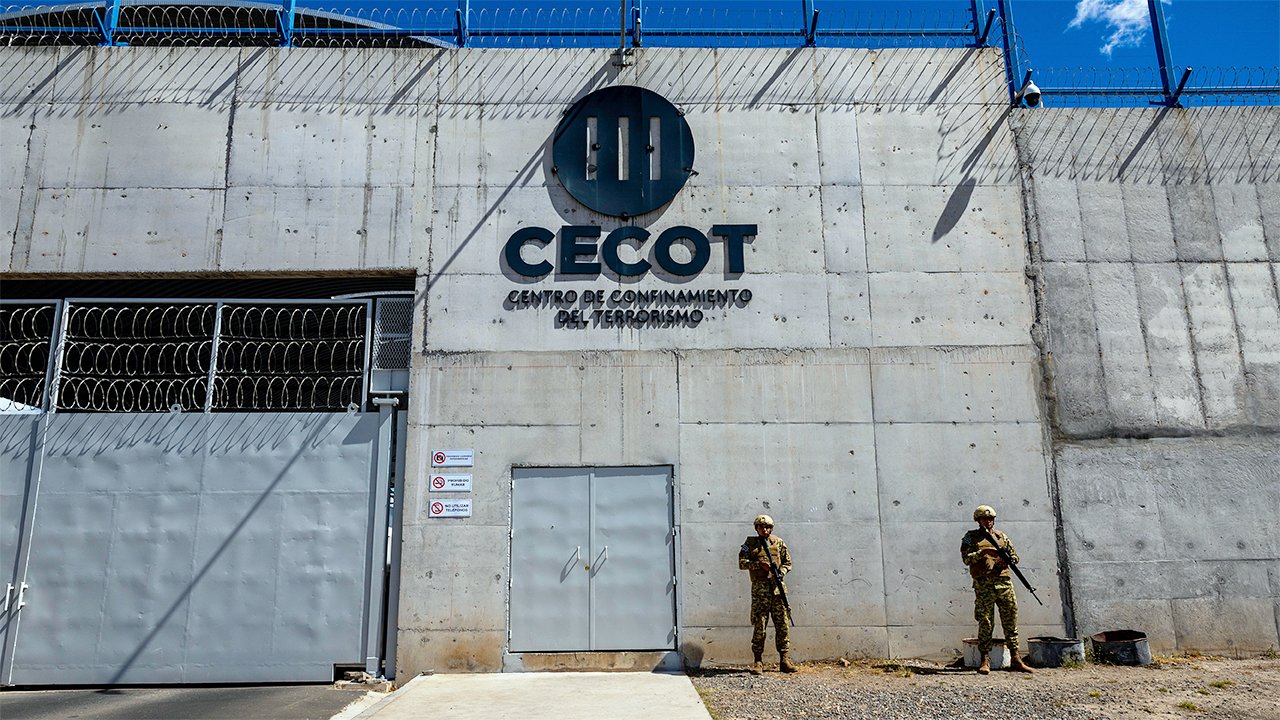
In March, U.S. District Judge James Boasberg ordered the Trump administration to halt its plans to immediately use the 1798 Alien Enemies Act wartime immigration law to quickly deport hundreds of Venezuelan migrants to CECOT, a Salvadoran maximum-security prison. That did not happen, and the planes landed in El Salvador hours later.
Boasberg concluded that the Trump administration’s actions were illegal, conducted in defiance of the court, and deprived the migrants in the CECOT class of their due process protections – including prior notice of removal, a «meaningful opportunity» to contest their removal from the U.S., and the ability to dispute their designation as a member of the Tren de Aragua gang.
He ordered the Trump administration to submit to the court by Jan. 5 its plan to provide due process protections to the CECOT class – which he said the administration could do by either returning the migrants to the U.S. to have their cases heard in person, or to otherwise facilitate hearings abroad with members of the class that «satisfy the requirements of due process.»
«On the merits, the Court concludes that this class was denied their due-process rights and will thus require the Government to facilitate their ability to obtain such hearing,» Boasberg said Monday. «Our law requires no less.»
APPEALS COURT BLOCKS TRUMP ADMIN’S DEPORTATION FLIGHTS IN ALIEN ENEMIES ACT IMMIGRATION SUIT
Judge James E. Boasberg stands for a portrait at E. Barrett Prettyman Federal Courthouse. (Carolyn Van Houten/The Washington Post via Getty Images))
The Justice Department is almost certain to appeal the order.
Monday’s ruling adds new clarity to a complex immigration case that began 10 months prior, and which sparked a flurry of appeals, contempt inquiries and open questions as to the status of the CECOT plaintiffs and the ability the U.S. has to order their return.
Boasberg said Monday that the U.S. appeared to be operating with the knowledge that it had some level of constructive custody over the migrants detained at CECOT, citing the terms of an agreement made between the U.S. and El Salvador to house the migrants for at least a one-year period.
He also cited multiple public remarks from Homeland Security Secretary Kristi Noem and other senior DHS officials, which appear to cast CECOT as an «extension» of U.S. detention facilities.
«These statements strongly undermine the Government’s contention that El Salvador retains complete discretion over what to do with individuals» removed from the U.S., he noted.
JUDGES V TRUMP: HERE ARE THE KEY COURT BATTLES HALTING THE WHITE HOUSE AGENDA
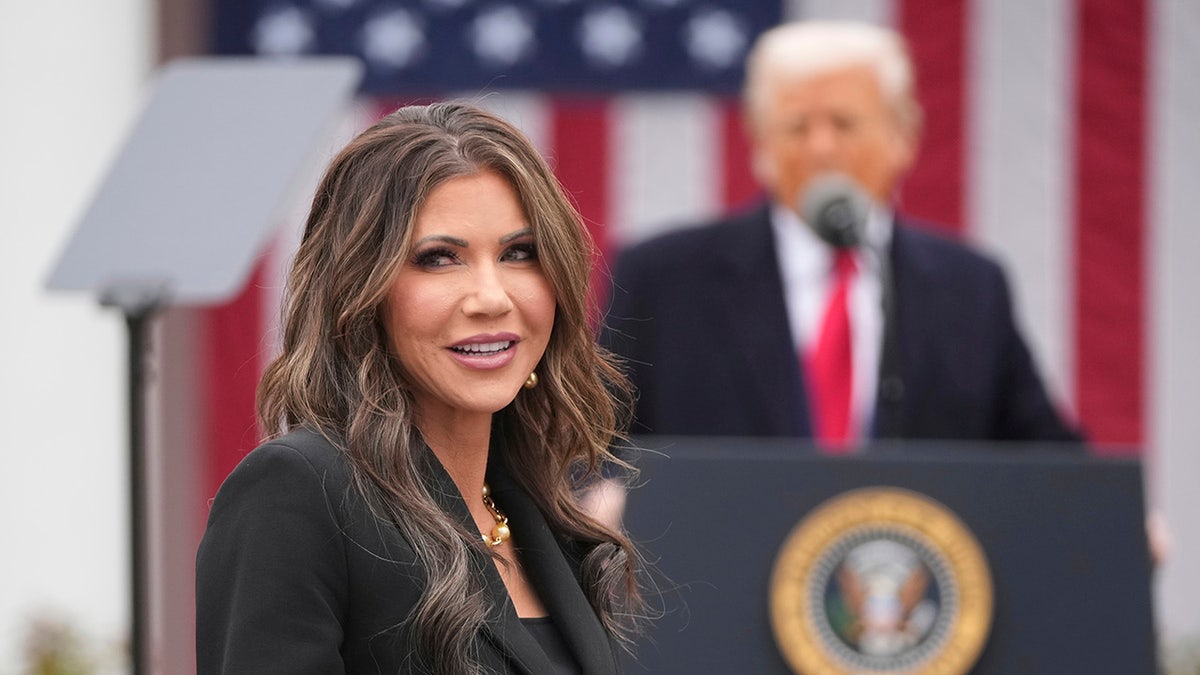
Homeland Security Secretary Kristi Noem is recognized as President Donald Trump speaks during an event in the Rose Garden at the White House. (AP/Mark Schiefelbein)
If «secretly spiriting individuals to another country were enough to neuter the Great Writ, then the Government could ‘snatch anyone off the street, turn him over to a foreign country, and then effectively foreclose any corrective course of action,’» Boasberg concluded.
The update comes after the court’s inquiry had been stalled for months, both by appeals court rulings, efforts to shield certain information from the court for national security purposes, and a separate, but related, contempt inquiry.
The CECOT migrants were again moved in July from the Salvadoran prison to Venezuela as part of a broader prisoner exchange that involved the return of at least 10 Americans detained in Venezuela. That step further complicated efforts to ascertain the status of the migrants, some of whom had fled Venezuela and were in hiding.
That made it difficult to contact the migrants from the CECOT class and determine how many of them still wished to proceed with their due process cases, as ACLU attorney Lee Gelernt, the lawyer representing the plaintiffs, told Boasberg in court last month.
The ACLU said this month that, of the 252 Venezuelan migrants deported to CECOT in March, 137 of them still wished to move forward with the due process cases.
US JUDGE VOWS TO RULE ‘SOON’ ON ABREGO GARCIA’S FATE AFTER MARATHON HEARING
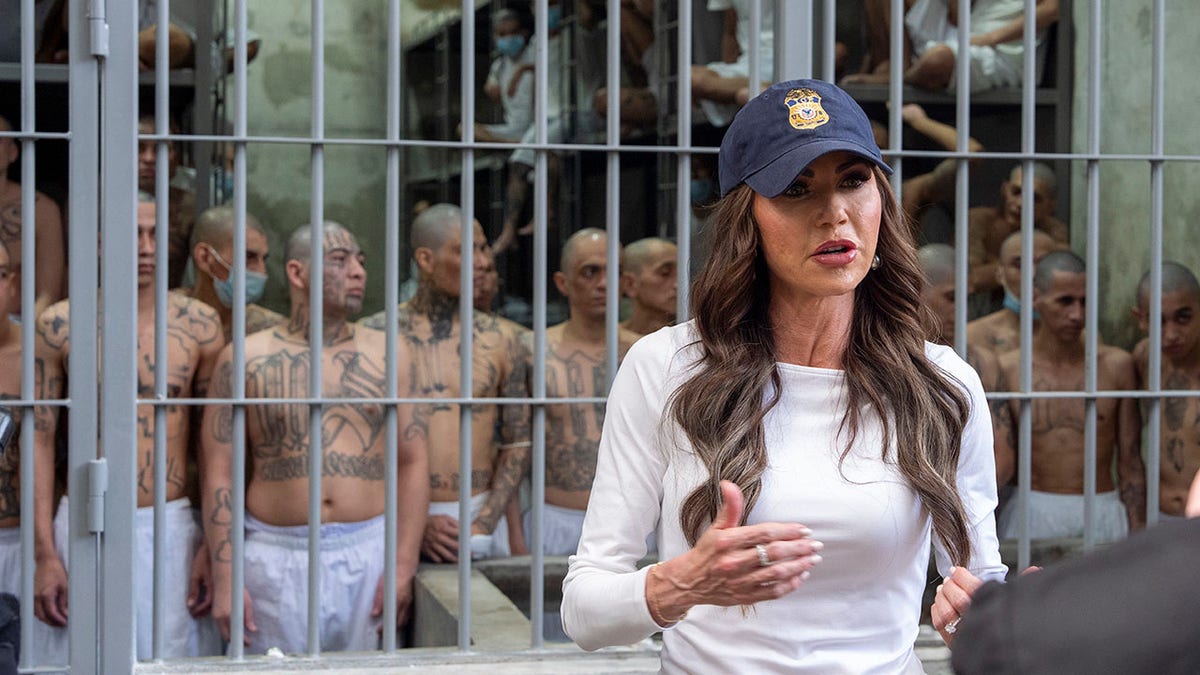
Homeland Security Secretary Kristi Noem speaks during a tour of the Terrorist Confinement Center (CECOT) on March 26, 2025. (Alex Brandon-Pool/Getty Images)
Still, the new ruling is almost certain to face fierce opposition from Trump officials, who have assailed Boasberg and other judges who have blocked or paused the president’s flurry of executive orders as «rogue, activist» judges, whom they argue are overstepping their authority.
They argue that lower court judges should not have the power to prevent the president from executing what administration officials say is a lawful agenda – though the judges in question have disagreed that the president’s actions all follow the law.
Boasberg, the chief judge for the U.S. District Court, has appeared unfazed by the new level of scrutiny.
CLICK HERE TO GET THE FOX NEWS APP
He told the Justice Department in November that he «certainly intends to determine what happened» on the day the government either intentionally or unintentionally violated his emergency order intended to halt the Alien Enemies Act removals.
The government, he said, «can assist me to whatever degree it wishes.»
federal courts,politics,donald trump,immigration,judiciary,national security,supreme court











INTERNACIONAL
Obama Center takes heat as critics cry foul over ID rules for free entry — while Dems blast voter ID laws
NEWYou can now listen to Fox News articles!
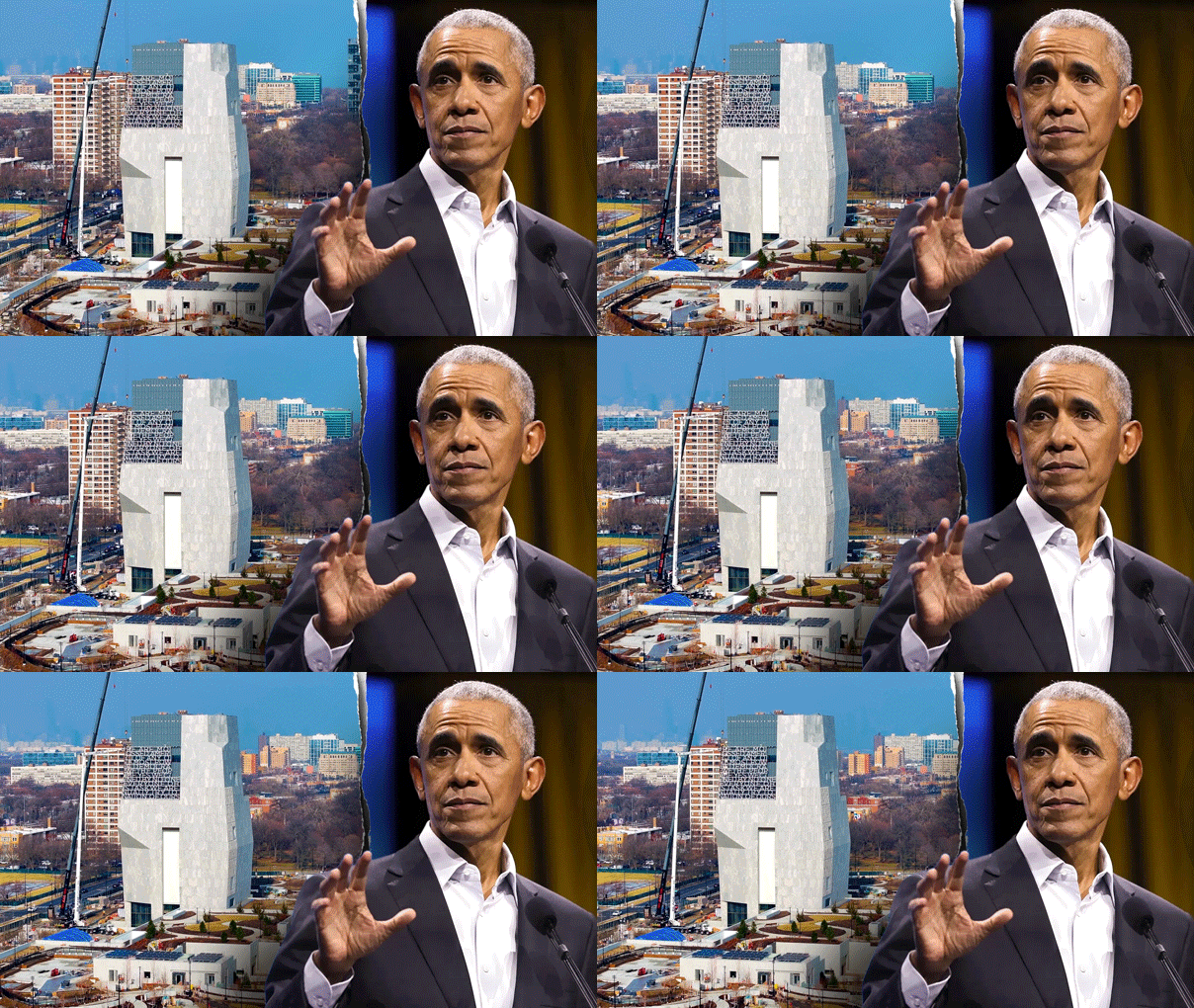
The Obama Presidential Center is facing a wave of backlash ahead of its opening, with critics blasting its admission policies and raising broader concerns about the project’s cost and management.
Conservative commentators on social media are taking aim at the center’s requirement that Illinois residents show valid identification to receive free admission on certain days, arguing it contrasts with Democratic opposition to voter ID laws.
«They’re making you show ID… to visit the Obama Library… in Chicago. You can’t make this stuff up!» one social media user wrote.
«The Obama Presidential Library is making people show an ID for proof of Illinois residency to get in for free,» another posted. «So residents have to prove who they are for this, but not to vote?»
VALERIE JARRETT REVEALS THAT PRESIDENT TRUMP ISN’T INVITED TO OBAMA PRESIDENTIAL CENTER OPENING CEREMONY
The text of former President Obama’s speech marking the 50th anniversary of «Bloody Sunday» in Selma, Alabama, is wrapped around the side of the upcoming presidential center in Chicago. (E. Jason Wambsgans/Chicago Tribune/Tribune News Service)
Others echoed the sentiment more bluntly, with one account writing: «It turns out Democrats support requiring ID… but only for free admission into Obama’s library.»
Obama’s website clearly states that Illinois residents «must be able to provide proof of residency. Be prepared to show proof of residency at the Museum with a valid photo ID, Illinois driver’s license, state ID, or city-issued ID.»
Critics have also pointed to reported restrictions tied to early ticket giveaways, including claims that some promotions are limited to U.S. citizens or lawful permanent residents.
The latest controversy builds on a string of prior criticisms surrounding the $850 million project.
OBAMA PRESIDENTIAL CENTER SLAMMED FOR PROMOTING ‘FAR-LEFT’ AGENDA ON PUBLIC LAND
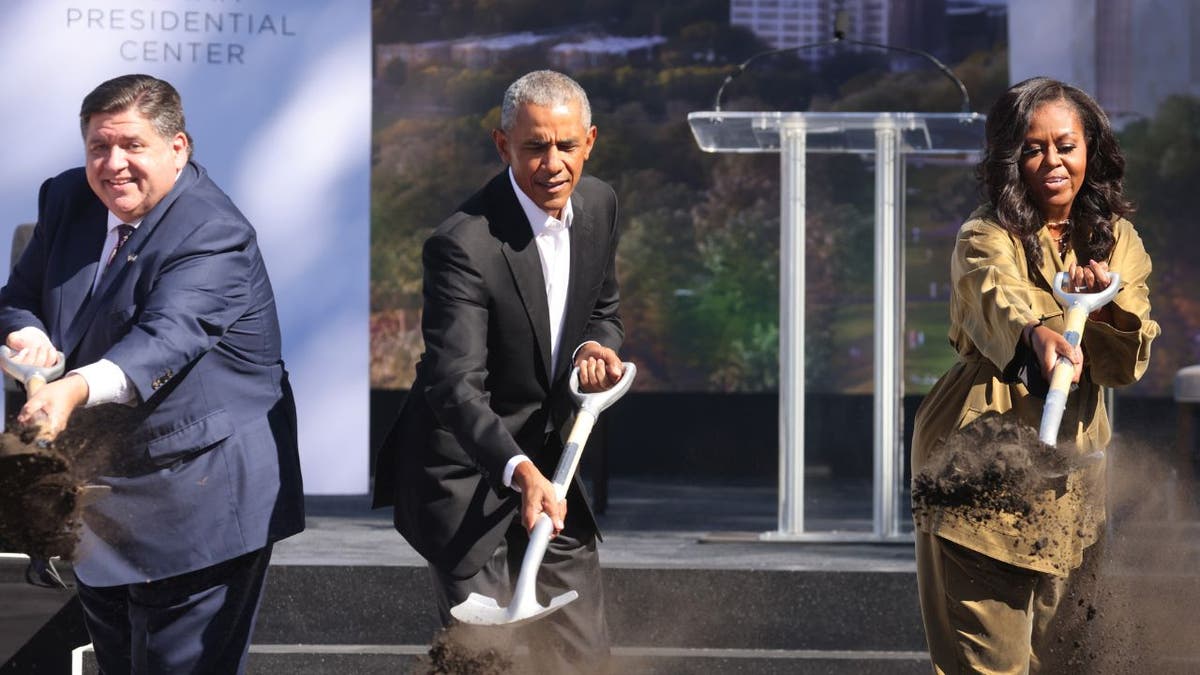
Illinois Governor J.B. Pritzker (L) joins former President Barack Obama and former first lady Michelle Obama in a ceremonial groundbreaking at the Obama Presidential Center in Jackson Park on September 28, 2021, in Chicago. (Scott Olson/Getty Images)
Earlier this year, the Obama Foundation drew backlash after seeking 75 to 100 unpaid volunteers, dubbed «ambassadors,» to help operate the center, even as top executives collect substantial salaries. Federal filings show CEO Valerie Jarrett has earned roughly $740,000 annually in recent years, while overall compensation at the foundation has climbed significantly.
The project has also faced mounting scrutiny over its financial impact on taxpayers.
Former President Barack Obama once described the center as a «gift» to Chicago, emphasizing it would be privately funded. While construction of the 19.3-acre campus is being financed through private donations, the surrounding infrastructure needed to support the site, including road redesigns, utility relocations and drainage systems, is being paid for with public funds.
Early estimates put those infrastructure costs at roughly $350 million, split between the city and state. But more recent figures show Illinois alone has committed approximately $229 million, while Chicago has allocated more than $200 million in related improvements — though officials have not provided a clear, consolidated total of taxpayer spending tied to the project.
GOT A TIP?
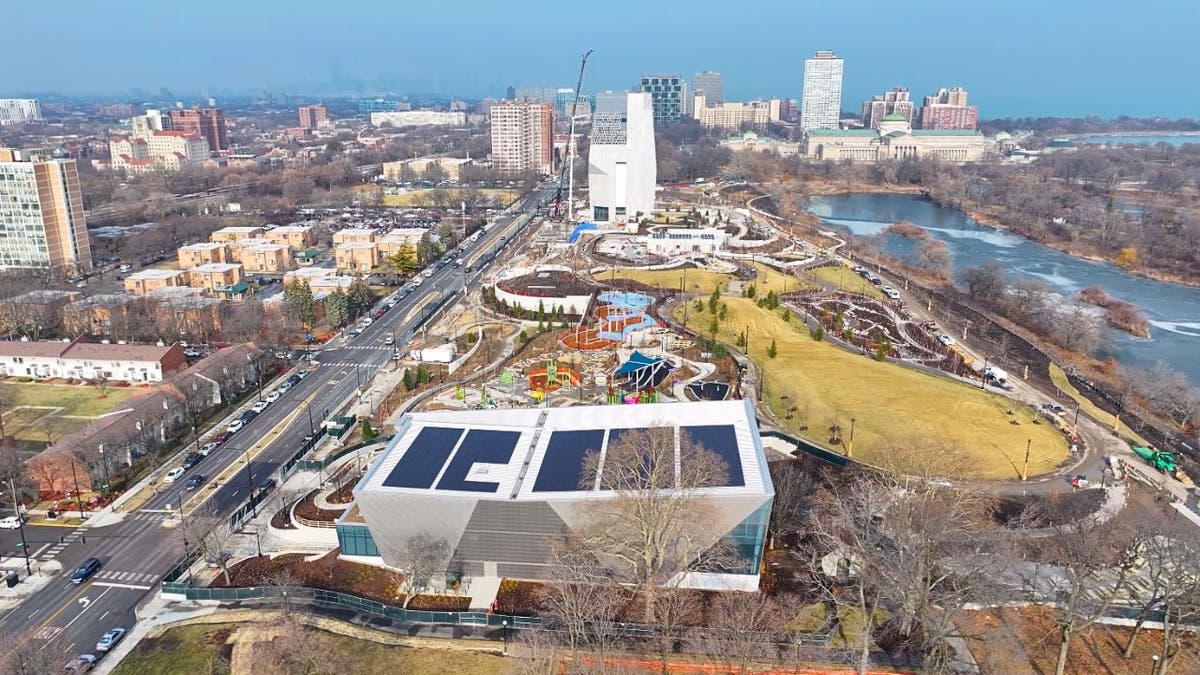
Exterior view of the Obama Presidential Center tower under construction in Chicago. (Fox 32 Chicago)
«No single agency appears to oversee the full scope» of the infrastructure work, and critics say the lack of transparency has made it difficult to determine the true public cost.
Illinois Republican Party Chair Kathy Salvi criticized the project, saying taxpayers are being left «on the hook for hundreds of millions of dollars» while accusing state leaders of mismanagement.
FOLLOW US ON X
The controversy is further fueled by the nature of the site itself. The center sits on nearly 20 acres of historic Jackson Park land transferred under a long-term agreement, with significant roadway changes, including the removal of a major thoroughfare, and utility overhauls required to accommodate the campus.
Foundation officials have defended the project, saying the center is funded by $850 million in private investment and will serve as an economic catalyst for Chicago’s South Side, generating jobs, community programs and public amenities.
GET BREAKING NEWS BY EMAIL
Despite the backlash, the center is pressing ahead with its long-awaited debut.
Tickets for the museum will go on sale April 21 for «Founding Members,» with general public sales beginning May 6. Visitors can reserve timed-entry tickets for dates between June 19 and November 30.
CLICK HERE FOR MORE US NEWS
Admission is set at $30 for adults and $23 for children ages 3 to 11, with discounted rates available for Illinois residents who provide proof of residency. Children 2 and under can enter for free, and Illinois residents will be eligible for free admission on Tuesdays.
All entries will be timed, with officials urging guests to arrive within 10 minutes of their scheduled slot. The museum will feature four levels of exhibits, including a replica Oval Office and the Sky Room.
CLICK HERE TO DOWNLOAD THE FOX NEWS APP
Much of the surrounding campus, including gardens, walking trails, a playground, a Chicago Public Library branch and dozens of newly commissioned artworks, will be free and open to the public.
Fox News Digital reached out to the Obama Foundation and the Barack Obama Presidential Library for comment.
Fox News Digital’s Michael Dorgan contributed to this report.
infrastructure across america, museums exhibits, chicago, barack obama, illinois
INTERNACIONAL
La nueva guerra contra las drogas: cómo Internet se convirtió en libro de recetas para el narcotráfico

Una frontera sintética
El surgimiento de los nitazenos

«¿Por qué esperamos?”
El círculo se estrecha
Enfrentando el pasado
INTERNACIONAL
Arizona Republicans force probe of county’s anti-ICE policies, putting Democrat AG on the clock
NEWYou can now listen to Fox News articles!
EXCLUSIVE: An Arizona border county considering multiple ordinances targeting ICE will be investigated after State Senate leaders forced the Democratic attorney general to conduct a review, the top Republican in Phoenix told Fox News Digital.
Officials in Pima County, which encompasses Tucson, have directed county authorities to deny immigration enforcement agents access to county property unless they have judicial warrants. Arizona Senate President Warren Petersen, R-Gilbert, told Fox News Digital that the chamber’s resolution, SB 1487, will start a 30-day clock for Mayes to respond and ultimately determine whether Pima County has violated state law or the U.S. Constitution.
Petersen, who was joined in the move by Senate President Pro-Tempore TJ Shope of Coolidge and Senate Majority Leader John Kavanagh of Fountain Hills, told Fox News Digital that Democrats in places like Pima are putting «radical political agendas ahead of public safety.»
«Instead of supporting law enforcement and protecting their citizens from crime, they’re creating barriers that make it harder to enforce the law and easier for criminals to stay in our communities,» he said.
STATE TOP COP MOVES TO CRUSH ALLEGED DHS RECORDS RESTRICTION AS COUNTY DENIES ICE-OUT
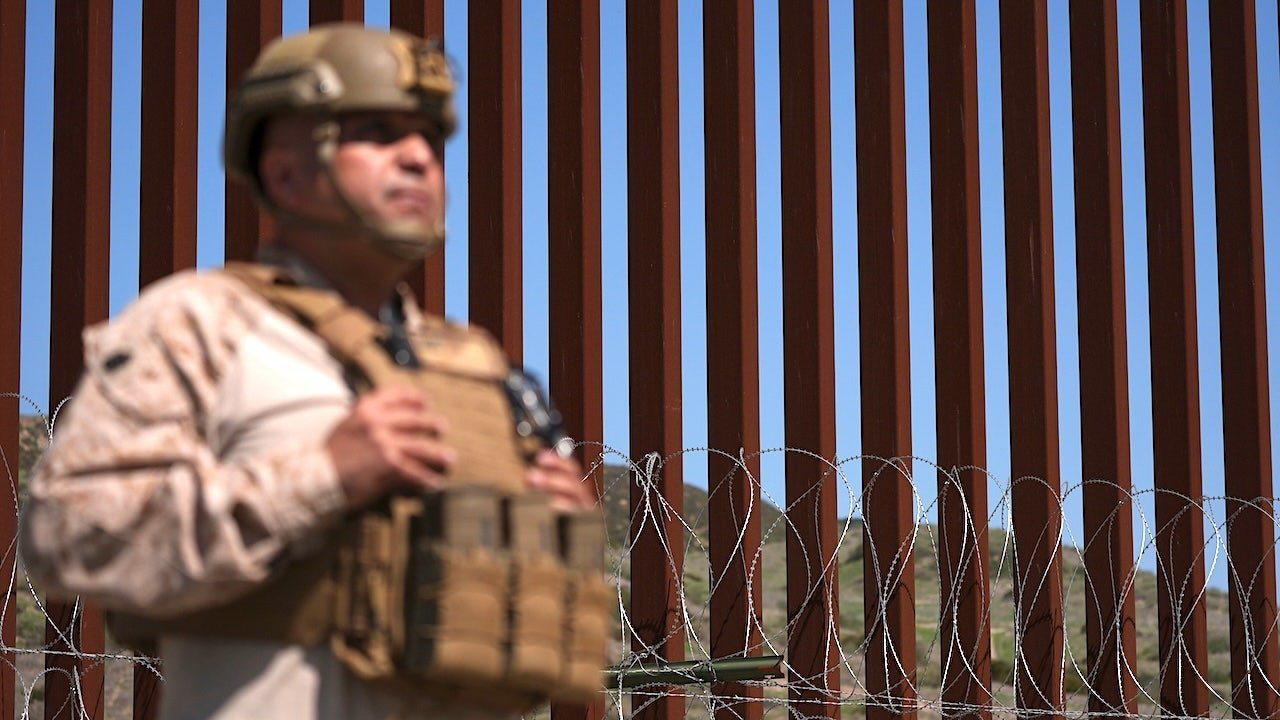
The Trump administration made securing the border and deportation criminal illegal aliens a priority in its first months of 2025. (Gregory Bull/Associated Press)
Depending on Mayes’ findings, the county may be required to change the policy, face a loss of state-shared revenue, or the case could be referred to the Arizona Supreme Court, Senate leadership told Fox News Digital.
«This is about making sure our laws are applied consistently across Arizona,» Shope said. «When one county decides to go rogue, it creates gaps that undermine enforcement statewide. Arizonans expect coordination between all levels of government, not policies that tie the hands of law enforcement.»
Kavanagh also faulted Mayes for taking a similarly confrontational tack with DHS and ICE, saying that she doesn’t get to ignore laws she disagrees with.
«Given her record and her public opposition to immigration enforcement, there is a serious question about whether she can review this case objectively. This is not a policy debate. The law is clear, and it must be applied,» Kavanagh said.
Mayes made waves in recent months with some of her rhetoric, including conjecture that ICE operations could run afoul of stand-your-ground laws, according to FOX’s Phoenix affiliate.
MONTANA GOVERNOR LAUNCHES SANCTUARY CRACKDOWN, PROBES CAPITAL CITY OVER ICE LIMITS
«I will not be deterred from speaking out or criticizing the Trump administration for its ongoing abuses of power and its trashing of our sacred Constitution,» Mayes said in response in January.
She also released a statement after the DHS-involved shooting deaths of agitators in Minnesota, saying that «right-wing media» has mischaracterized her previous comments, including those regarding the «danger to public safety» posed by ICE.
Asked about such criticisms on Monday by Fox News Digital, a Mayes spokesman said, «President Trump promised to go after drug cartels, but in reality, his administration is pulling federal agents off drug cases by the thousands to target immigrant workers.»
«Attorney General Mayes will continue to go after the actual threats to public safety: the drug traffickers flooding Arizona communities with fentanyl and other illicit drugs.»
When reached for comment on the criticisms, a Pima County official provided text of the resolution to Fox News Digital, which read in part:
«Recent arbitrary and unfocused civil immigration activities conducted by the Department of Homeland Security and ICE have trampled on civil and constitutional rights, recklessly endangered citizens and non-citizens alike, and culminated in the deaths of detainees and peaceful protesters.»
JONATHAN TURLEY: DEMOCRAT POLITICIANS ARE RISKING LIVES WITH RECKLESS ANTI-ICE RHETORIC
Pima County Supervisor Jennifer Allen followed up, telling Fox News Digital, «What is there to criticize? The county’s action is in response to the egregious and abusive behavior of federal immigration agents in Minneapolis, Los Angeles and elsewhere in the country over the past year.»
«Americans protesting this outrageous behavior were killed while peacefully exercising their First Amendment rights. Pima County has no interest in allowing property intended for the benefit of the people of Pima County to be used in support of such lawless actions by the federal government,» Allen said.
CLICK HERE TO DOWNLOAD THE FOX NEWS APP
She said that criticism, if any, should be directed at DHS and not at counties trying to prevent alleged abuses.
Allen added that any law enforcement with proper warrants can still access Pima property.
The county also passed a resolution seeking to prevent immigration enforcement agents from wearing face coverings, but details, including an enforcement mechanism, have yet to be ironed out, according to a county official.
homeland security, immigration, arizona, sanctuary cities, senate elections

Obama Center takes heat as critics cry foul over ID rules for free entry — while Dems blast voter ID laws

Federico Sturzenegger irá este miércoles al Senado a defender el proyecto de ley sobre propiedad privada

Murió Alejandro Farrell, representante de importantes actores argentinos: las sentidas palabras de Nico Vázquez

El dólar se mantuvo estable y amplió a casi 20% la distancia con el techo de la banda cambiaria

Santilli reinició los encuentros con gobernadores aliados y busca sintonizar la agenda legislativa

Minnesota United negó que James Rodríguez sufra de rabdomiólisis

La nueva advertencia de Donald Trump a Irán: «El tiempo se acaba, quedan 48 horas antes del infierno»

Círculo rojo: intrigas en el gabinete, desgaste por el caso Adorni y movimientos inquietantes en el Poder Judicial

Créditos del Banco Nación: el Gobierno reveló que Pettovello echó a Massaccesi porque “mintió”

Caputo habló sobre los créditos del Banco Nación que tomaron sus funcionarios: “No hay nada ilegal ni inmoral”

 INTERNACIONAL2 días ago
La nueva advertencia de Donald Trump a Irán: «El tiempo se acaba, quedan 48 horas antes del infierno»
- POLITICA2 días ago
Círculo rojo: intrigas en el gabinete, desgaste por el caso Adorni y movimientos inquietantes en el Poder Judicial
- POLITICA2 días ago
Créditos del Banco Nación: el Gobierno reveló que Pettovello echó a Massaccesi porque “mintió”