INTERNACIONAL
Bulgaria rocked by protests as country draws close to Eurozone membership


NEWYou can now listen to Fox News articles!
Bulgaria’s government withdrew an unpopular 2026 draft budget after tens of thousands of angry people took to the streets in the capital, Sofia, and other cities across the country.
The protests have been led mostly by young Bulgarians who claim the government is concealing widespread corruption. Business groups and members of the opposition also say the draft budget would harm Bulgaria’s economy just before it’s set to join the Eurozone in early 2026.
«Gen Z took to the streets because they want to stay in Bulgaria, but they want a renewed, different, corruption-free Bulgaria,» Daniel Lorer, member of Bulgaria’s parliament, told Fox News Digital.
BULGARIA’S SUPPORT FOR UKRAINE’S NATO MEMBERSHIP GROWS STRONGER DURING ZELENSKYY’S VISIT
A protester holds a placard bearing the logo of the popular Japanese manga One Piece, a symbol adopted by Gen Z protest movements worldwide, during an anti-government protest in Sofia on Dec. 1, 2025. Tens of thousands of people held anti-government protests in Bulgaria on Monday, widening an anti-corruption movement sweeping the European Union’s poorest country as it prepares to adopt the euro. (Nikolay Doychinov / AFP via Getty Images)
«They want reforms. The government refused to listen. The budget it proposed simply extended all its previous policies, funded through higher taxes, social security contributions and more debt,» Lorer added.
As the protests continued, Bulgaria’s government, led by Prime Minister Rosen Zhelyazkov, eventually backed down, vowing to drop the most divisive elements of the budget, including tax and social security increases.
The prime minister said a new budget will be proposed at a later date.
«The government saw what the citizens who protesters had to say…I support these people who protest for more rights, more democracy, more justice. We believe that the protest is not so much political, but more of a social, human side, in search of more dialogue, more tolerance, and more harmony in social relations,» Prime Minister Zhelyazkov said at a press conference.
«This is a visible protest of young people, young people who are looking for their place in the future of Bulgaria, which we are obliged to hear, and we are obliged to do what is necessary to be secured with the funds that the country has,» Zhelyazkov added.
The protests were mostly peaceful. However, some masked protesters clashed with police after attacking offices of the ruling party in Sofia.
BULGARIA IMPOSES EU ENTRY BAN ON 2 SUSPECTED RUSSIAN SPIES
Political stability in an EU country, one with a longstanding history with neighboring Russia, is ripe for Moscow’s usual tricks of intervening in the domestic affairs of its former communist bloc allies.
«Russia is always glad to stir unrest. Anything that upsets the democratic process in any EU country is welcome, and even more so in Eastern Europe, their former sphere of influence,» Lorer said.
Bulgarian President Rumen Radev, who holds a largely ceremonial position, sided with the opposition and opposed the budget, calling for the resignation of the government and early elections.
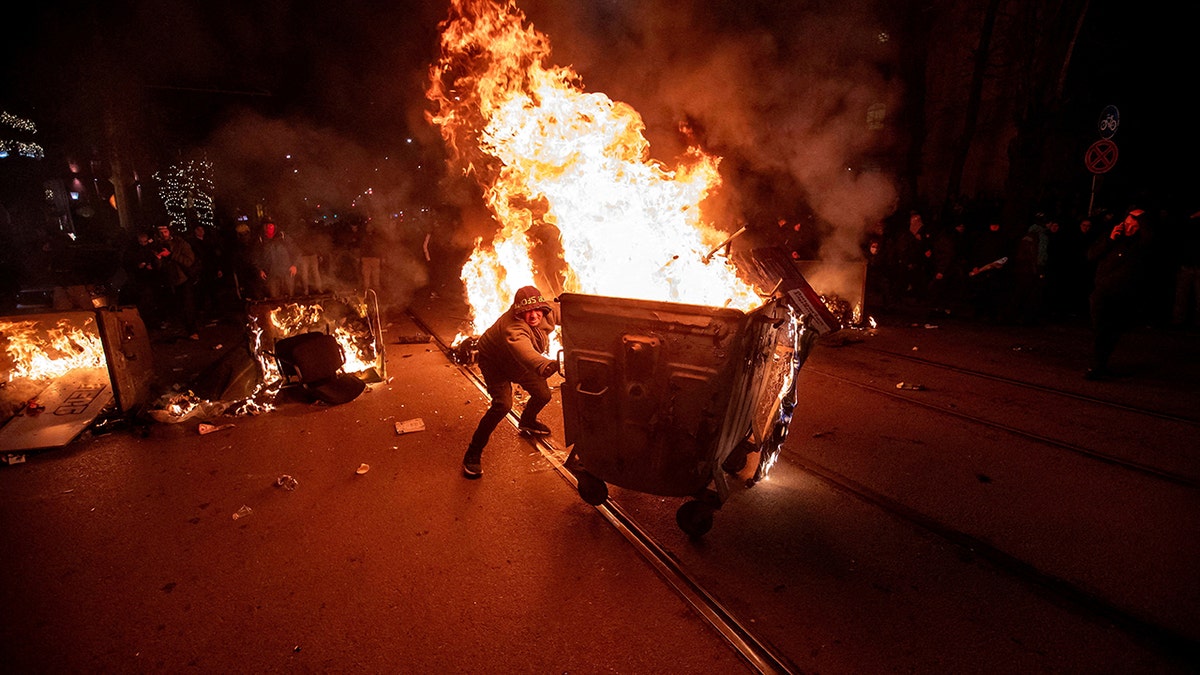
A protester pushes a burning garbage bin during scuffles with police at a demonstration organized by Bulgaria’s opposition PP-DB coalition against the proposed financial framework of the country’s budget, Sofia, Bulgaria, Dec. 1, 2025. (Dimitar Kyosemarliev/Reuters/File Photo)
The move could risk political gridlock and weaken Bulgaria’s alliance with NATO allies and the EU, Ruslan Stefanov, director for the Center for the Study of Democracy in Sofia, told Fox News Digital.
«Radev, who echoes Kremlin talking points and opposes the Euro, could still sabotage the process despite it being legally irreversible. This is a volatile mix that threatens stability and could invite more unwelcome Russian meddling,» Stefanov said.
Bulgaria, along with Romania, is set to join the Eurozone in January 2026. While joining the Eurozone is seen as a major step in Bulgaria’s political and economic development, the adoption of the currency is unpopular in large segments of society, as fears of inflation and the cost of living hamper the livelihoods of everyday Bulgarians.
FARMERS FLOOD BULGARIA’S CAPITAL PROTESTING EU REGULATIONS, HIGH ENERGY COSTS
Bulgaria, one of the poorest nations in the European Union, joined the EU in 2007 and formally began the process of joining the Eurozone in 2018. The Lev, Bulgaria’s currency, was included in the European Exchange Rate Mechanism in July 2020.
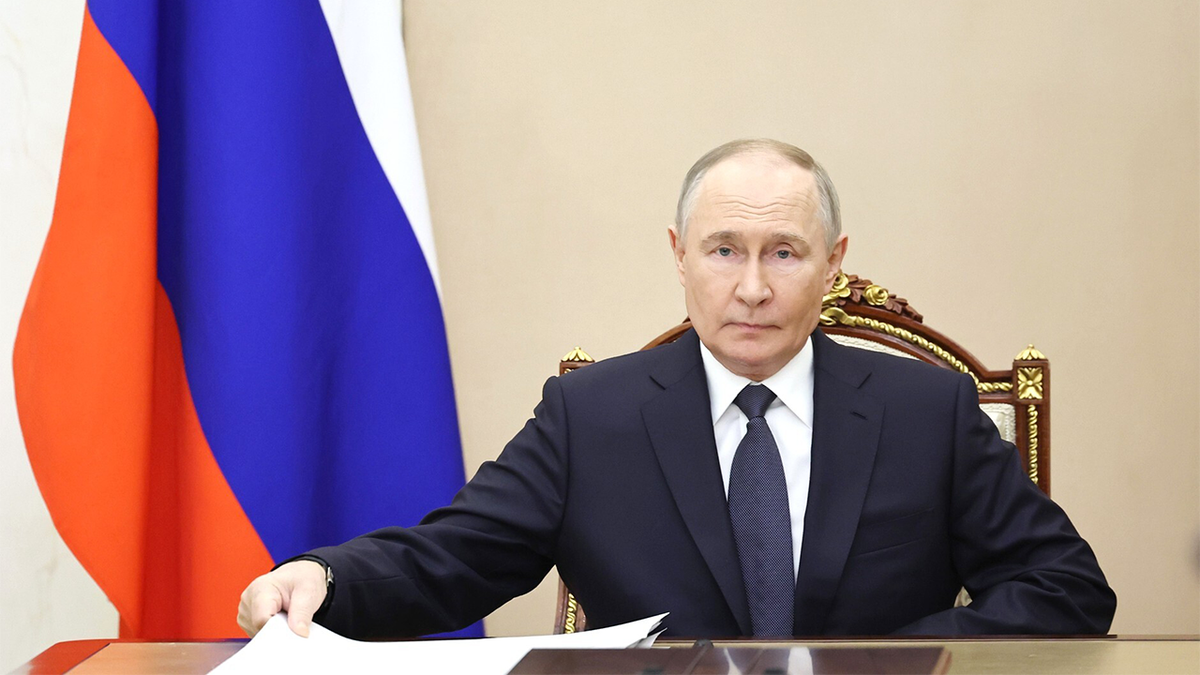
Russian President Vladimir Putin meets Russian delegation and some officials ahead of the Istanbul talks, on May 14, 2025 in Moscow, Russia. (Kremlin Press Office / Handout/Anadolu via Getty Images)
Since announcing that the country will join the monetary union, skepticism has abounded, and many Bulgarians are not convinced that their economic prospects will improve once they are part of the union.
CLICK HERE TO GET THE FOX NEWS APP
Many experts and observers have concluded that Russia has been behind a persistent social media campaign to stoke opposition and sow doubt and confusion as Bulgaria’s accession date draws near.
the balkans,world protests,europe,vladimir putin,russia









INTERNACIONAL
El gobierno de Ecuador denunció a más de 21 jueces y fiscales por presuntamente favorecer la liberación de detenidos
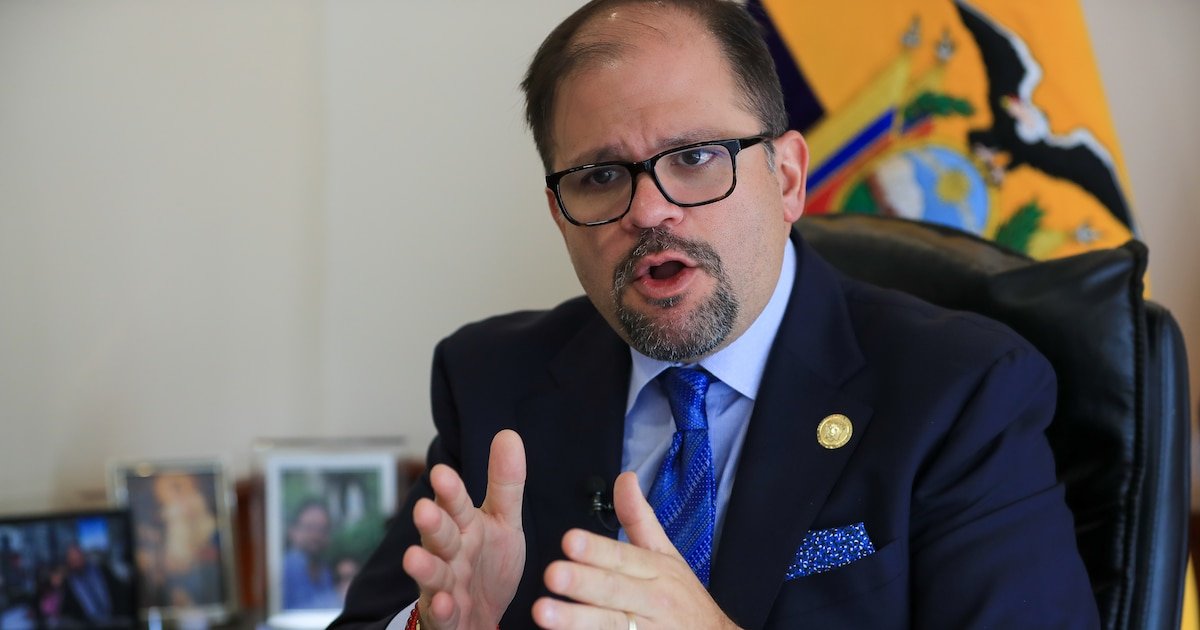
El ministro del Interior, John Reimberg, afirmó que su cartera de Estado ha presentado más de 21 denuncias contra jueces y fiscales que, según el Gobierno, habrían favorecido la liberación de personas detenidas en operativos contra el crimen organizado, en un contexto marcado por la intensificación de la política de seguridad impulsada por el Ejecutivo.
En una entrevista concedida a El Universo, el funcionario sostuvo que estas acciones forman parte de una estrategia más amplia orientada a reforzar la lucha contra las estructuras delictivas, no solo a través de operativos policiales y militares, sino también mediante el control institucional del sistema judicial. Según indicó, el objetivo es evitar que los esfuerzos de las fuerzas del orden se vean debilitados por decisiones judiciales que permitan la excarcelación de detenidos vinculados a delitos graves.
Reimberg señaló que existe una preocupación dentro del Gobierno respecto al funcionamiento de ciertos operadores de justicia, a quienes acusó de no actuar conforme a las demandas de seguridad de la ciudadanía. En ese sentido, aseguró que se han iniciado investigaciones en coordinación con la Fiscalía y que incluso ya se ha producido la detención de un juez por presuntamente favorecer a organizaciones criminales.

El ministro evitó precisar el número total de jueces investigados, argumentando que revelar esa información podría afectar las indagaciones en curso. No obstante, enfatizó que el mensaje del Ejecutivo es claro: cualquier funcionario judicial que incurra en prácticas irregulares enfrentará consecuencias penales. En sus declaraciones, insistió en que no se permitirá que la justicia “haga lo que hizo el año anterior”, en referencia a decisiones que, según el Gobierno, facilitaron la liberación de detenidos.
Estas afirmaciones se producen en el marco de un balance sobre las medidas de seguridad implementadas en varias provincias del país, particularmente los toques de queda aplicados en Guayas, Los Ríos, Santo Domingo de los Tsáchilas y El Oro. De acuerdo con Reimberg, estas acciones permitieron ejecutar operativos dirigidos a desarticular economías criminales, incluyendo actividades como el narcotráfico, la minería ilegal y el tráfico de armas.
El funcionario explicó que el uso del toque de queda respondió a la necesidad de minimizar riesgos durante intervenciones de alto impacto, en las que se requirió el uso de fuerza y el control de territorios considerados estratégicos para las organizaciones delictivas. También dejó abierta la posibilidad de aplicar medidas similares en otras provincias, dependiendo de la evolución de las operaciones y de los objetivos identificados por las autoridades.
En términos de resultados, Reimberg indicó que durante marzo se registró una reducción del 28% en ciertos indicadores de criminalidad que no incluyen homicidios, y detalló que se realizaron más de 2.200 allanamientos y se detuvo a unas 4.300 personas. Además, mencionó la captura de objetivos de alto e intermedio valor, así como la identificación de financistas de estructuras criminales.

Sin embargo, reconoció que la disminución de la criminalidad no es absoluta y que continúan registrándose hechos violentos, incluso en zonas donde se aplicaron restricciones de movilidad. Según explicó, esto se debe a que las operaciones contra grupos delictivos se mantienen activas y no dependen exclusivamente de medidas como el toque de queda.
El ministro también abordó la relación entre el Ejecutivo y el sistema judicial, subrayando que la lucha contra la delincuencia requiere una articulación efectiva entre ambas funciones del Estado. En ese contexto, insistió en que las denuncias presentadas buscan corregir lo que considera desviaciones en el actuar de jueces y fiscales, sin que ello implique una intromisión en sus competencias.
En paralelo, Reimberg destacó la cooperación internacional, especialmente con Estados Unidos, en materia de inteligencia y estrategias para atacar las estructuras económicas del crimen organizado. Este apoyo, según explicó, se enfoca en debilitar las fuentes de financiamiento de las organizaciones delictivas, consideradas un eje central en la política de seguridad del Gobierno.
Crime,Domestic Politics,International Relations,Law Enforcement,Crime,Diplomacy / Foreign Policy,South America / Central America,Government / Politics
NEWYou can now listen to Fox News articles!
Florida and Mississippi voters will soon face new citizenship verification rules after governors signed the measures into law Wednesday, triggering at least two lawsuits in the Sunshine State.
The measures, signed by Florida Gov. Ron DeSantis and Mississippi Gov. Tate Reeves, are aimed at upholding election integrity as similar legislation by President Donald Trump remains stalled in Congress.
Mississippi’s measure is expected to take effect on July 1, with Florida’s law following on Jan. 1, 2027.
Under both laws, voters will be required to provide citizenship documents — such as birth certificates, passports, or naturalization certificates — if local officials challenge their eligibility after cross-referencing databases for voter registration applications. If individuals fail to provide the required proof of citizenship after being flagged, both states are required to remove them from its voter registration rolls.
THE HITCHHIKER’S GUIDE TO THE ‘TALKING FILIBUSTER’ AND THE SAVE ACT
Florida Gov. Ron DeSantis speaks at the Republican National Convention at the Fiserv Forum on July 16, 2024, in Milwaukee, Wisconsin. (Chip Somodevilla/Getty Images)
DeSantis said the Florida SAVE Act will improve the security and transparency of the state’s election system.
«Safeguarding the electoral process to improve oversight and prevent unlawful influence has been a top priority for my administration since my first days in office,» he said in a social media post. «This legislation strengthens the security, transparency, and reliability of Florida’s election system.»
Lawsuits challenging the bill quickly followed, with one civil rights group arguing that some voters may not have the required documents and could face difficulties obtaining them.
«Many eligible voters do not have these documents and cannot obtain them for a variety of reasons—including because they were born without a birth certificate in the segregated South, because their documents were destroyed in a hurricane, or because they cannot afford the hundreds of dollars it costs to replace them,» the lawsuit filed in federal court in South Florida by the League of Women Voters of Florida stated.
Under the law, student IDs and retirement community identifications can no longer be used as polling identifications. New driver’s licenses must also reflect citizenship status starting July 2027.
GOP TRIGGERS MARATHON SENATE FIGHT TO EXPOSE DEMS’ OPPOSITION TO TRUMP-BACKED VOTER ID BILL
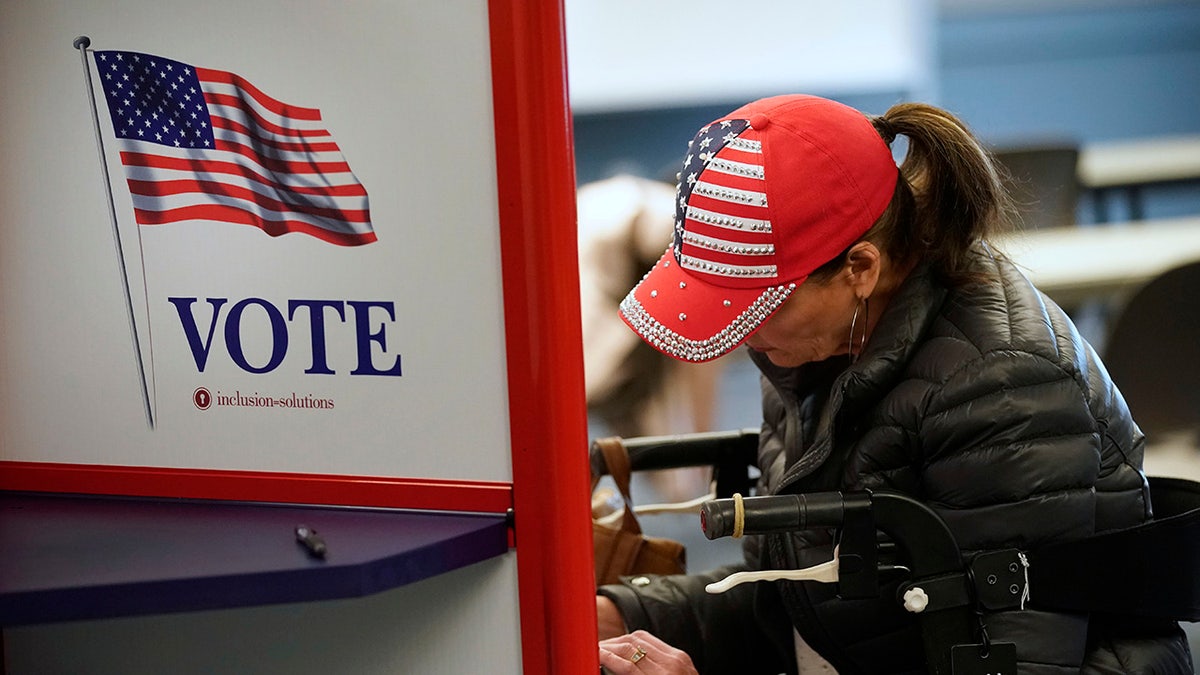
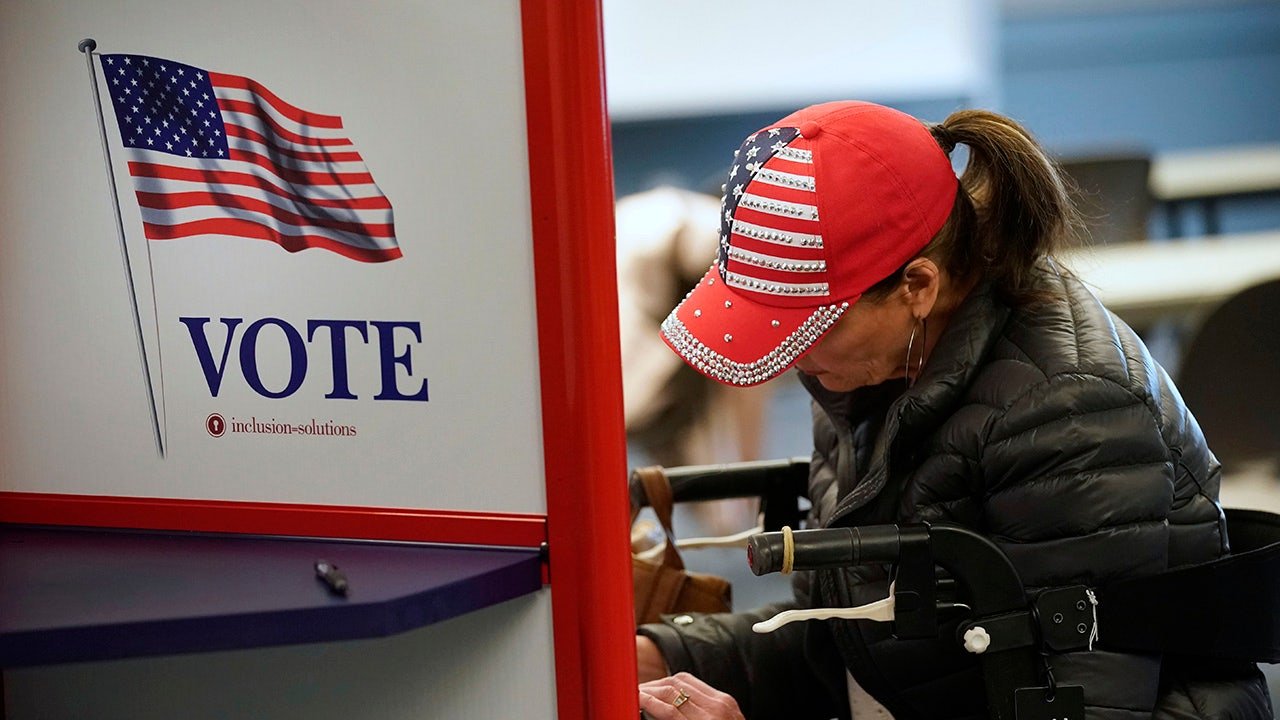
Voters cast their ballots on November 8, 2022, during midterm elections. (George Frey/Getty Images)
Separately, the Mississippi SHIELD Act does not mandate driver’s licenses to reflect citizenship.
However, it does require local officials registering voters to run additional citizenship checks if applicants do not provide a driver’s license number on their voter application.
Mississippi officials must also perform an annual statewide check against the federal database before a federal election to flag potential noncitizens.
«While states like California and New York flood their voter rolls with illegal aliens, Mississippi will do the opposite and defend Americans’ right to determine the outcome of elections,» Reeves said in a social media post. «We will continue to do everything in our power to make it infinitely harder – with a goal to make it impossible – to cheat in our elections!»
Civil rights group Southern Poverty Law Center noted that the measure could disenfranchise Mississippi residents who lack the proper paperwork, including women whose last names changed upon marriage.
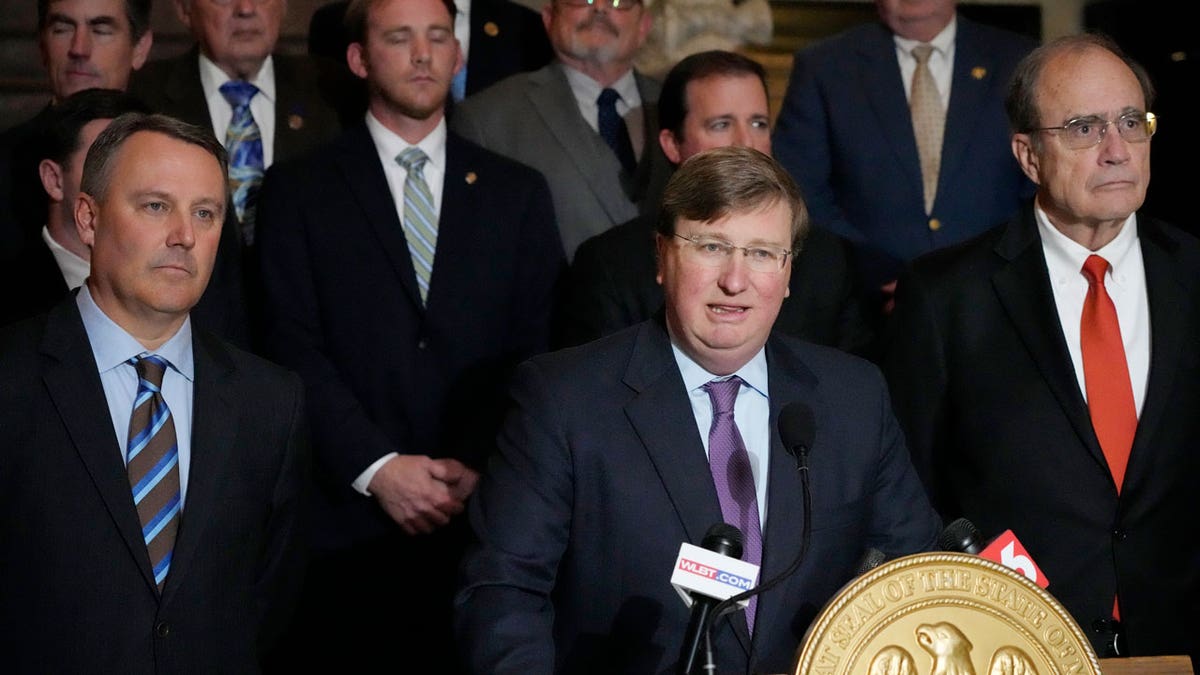
Mississippi Gov. Reeves, center, speaks during an event on Jan. 18, 2024, at the Mississippi Capitol in Jackson, Miss. (Rogelio V. Solis/AP)
CLICK HERE TO DOWNLOAD THE FOX NEWS APP
The new laws follow similar measures signed in late March by South Dakota and Utah to strengthen proof-of-citizenship requirements for voters.
Meanwhile, Trump’s own voting legislation — the Republican‑backed SAVE America Act, which would require proof of citizenship and photo ID for federal elections — has been approved by the U.S. House but remains stalled in the Senate amid insufficient support to overcome the Democratic-led filibuster.
voter fraud concerns, ron desantis, florida, mississippi, governors
INTERNACIONAL
En plena guerra en Medio Oriente, el Gobierno de Donald Trump echó al jefe del Ejército de Estados Unidos
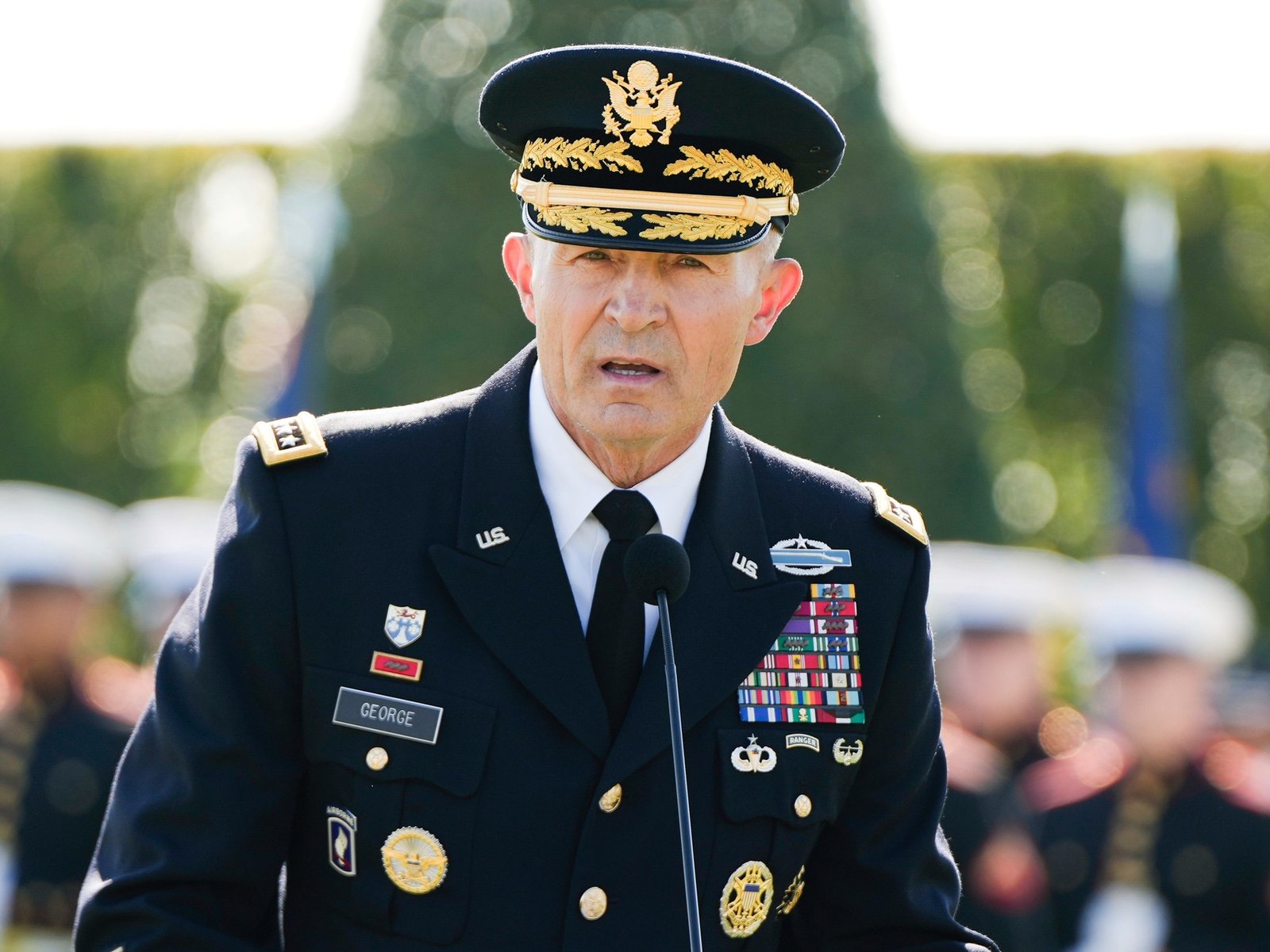
El secretario de Defensa, Pete Hegseth, pidió este jueves al máximo jefe del Ejército de Estados Unidos que renuncie y se retire, una medida extraordinaria en medio de la guerra con Irán y cuando el presidente Donald Trump había anunciado una posible intensificación del conflicto en las próximas dos o tres semanas.
La salida del general Randy George, que pensaba ocupar el cargo del Jefe de Estado Mayor del Ejercito hasta 2027, es el último de una serie de enfrentamientos entre el jefe del Pentágono y la alta dirección militar, donde hubo una serie de despidos.
“El Departamento de Guerra está agradecido por las décadas de servicio del general George a nuestra nación», publicó en X un portavoz del Pentágono.
Un alto funcionario de la cartera declaró a CBS News: «Estamos agradecidos por su servicio, pero ya era hora de un cambio de liderazgo en el Ejército». Otra fuente afirma que Hegseth quiere a alguien en el cargo que implemente para el Ejército la visión del presidente Trump y la del propio Secretario de Guerra.
El retiro forzado de George es una nueva señal de tensión dentro de las fuerzas militares y del gobierno de la estrategia sobre la guerra en Irán, que ya lleva más de un mes y EE.UU. aún no ha logrado resolver.
No se sabe aún cuál era la visión del despedido George sobre la guerra, pero es posible que no estuviera de acuerdo con los futuros planes de Hegseth y Trump sobre el terreno.
El presidente Trump dijo en un discurso el miércoles que había “diezmado” el poderío iraní con su ofensiva que comenzó el 28 de febrero junto con Israel y que los objetivos estaban cerca de cumplirse. Aseguró que seguían negociando con Teherán, pero amenazó con “atacarlos con muchísima fuerza en las próximas dos o tres semanas. Los haremos retroceder a la Edad de Piedra, que es el lugar al que pertenecen”.
Agregó que “si no se llegara a un acuerdo, tenemos la mira puesta en objetivos claves. Si no hay acuerdo, golpearemos con gran contundencia todas y cada una de sus centrales de generación eléctrica”. Trump busca una salida rápida de la guerra porque quiere frenar el alza del combustible en EE.UU y porque el conflicto es cada vez más impopular entre los estadounidenses.
Pero quiere retirarse victorioso o al menos con una narrativa de victoria. Analiza una ofensiva terrestre que podría incluir la invasión de la isla de Kharg y otras en el estrecho clave de Ormuz, donde pasa el 20% del petróleo mundial. Ya hay 50.000 tropas estadounidenses en el terreno, incluidos marines y paracaidistas y la fuerza especial de la 82va Brigada de despliegue rápido.
La duda ahora de Trump es acelerar con la invasión terrestre o buscar una salida diplomática que por ahora Irán no parece aceptar. Varios expertos consultados por Clarín señalaron que una ofensiva en el terreno implicaría una escalada con consecuencias más graves.
Hegseth, un ex militar que fue presentador de la cadena Fox, ha sido señalado varias veces como un “halcón” que lo convenció a Trump de que atacar Irán no sería demasiado complicado.
Además, George había sido asesor militar principal del secretario de Defensa Lloyd Austin durante el gobierno de Joe Biden. Aunque ese puesto suele considerarse apolítico y un papel asignado a los mejores oficiales militares, la proximidad de George a Austin ha sido considerada una mancha en su contra para Hegseth y su círculo.
No quedó claro de inmediato quién sustituirá a George, un oficial de infantería de carrera que sirvió en múltiples despliegues en Irak y Afganistán. Una posibilidad parece ser el general Christopher LaNeve, que se convirtió en vicejefe del Estado Mayor del Ejército en febrero tras el nombramiento de Hegseth para el cargo y su confirmación por el Senado.
El año pasado, LaNeve fue asistente militar principal de Hegseth en el Pentágono, después de que Hegseth despidiera abruptamente a otra oficial, la teniente general de la Fuerza Aérea Jennifer Short, que había ocupado el cargo. Hegseth entonces obligó a la salida anticipada del vicejefe de Estado Mayor del Ejército, el general James Mingus, para poner a LaNeve en ese cargo.
El portavoz jefe del Pentágono, Sean Parnell, ha dicho previamente que LaNeve es «un líder experimentado en batalla con décadas de experiencia operativa y en la que el secretario Hegseth confía plenamente para llevar a cabo la visión de esta administración sin fallos.»
Hegseth ha destituido a más de una docena de altos oficiales militares, incluyendo al presidente del Estado Mayor Conjunto, el general CQBrown, al jefe de operaciones navales almirante Lisa Francetti, al vicejefe de Estado Mayor de la Fuerza Aérea, el general James Slife y al jefe de la Agencia de Inteligencia de Defensa, el teniente general Jeffrey Kruse.

Presti dijo que la recuperación de Malvinas es “un objetivo inclaudicable”: “Cada día que avanza es un día menos para volver”

Sueldos versus inflación: qué gremios vienen ganando y perdiendo con las paritarias

El gobierno de Trump celebró la decisión de Argentina de declarar organización terrorista a la Guardia Revolucionaria iraní

El gobierno de Ecuador denunció a más de 21 jueces y fiscales por presuntamente favorecer la liberación de detenidos

El exresponsable de PlayStation PC ha revelado cuánto ganó Sony llevando sus exclusivos a Steam en 3 años. Ahora se entiende mejor su cambio de estrategia

Un documento confirma que la casa en el country de Exaltación de la Cruz está a nombre de la esposa de Adorni

Dos jubiladas que le habrían prestado dinero a Manuel Adorni negaron conocerlo

Quiénes son las dos acreedoras del préstamo con el que Adorni compró su departamento en Caballito

El Gobierno reevalúa la estrategia de comunicación por el caso Adorni y mide el impacto en la imagen de Milei

Milei se pone al frente de la defensa de Adorni y lo suma a un acto por Malvinas en una nueva muestra de respaldo

 POLITICA3 días ago
Dos jubiladas que le habrían prestado dinero a Manuel Adorni negaron conocerlo
- POLITICA2 días ago
El Gobierno reevalúa la estrategia de comunicación por el caso Adorni y mide el impacto en la imagen de Milei
- POLITICA15 horas ago
Milei se pone al frente de la defensa de Adorni y lo suma a un acto por Malvinas en una nueva muestra de respaldo