INTERNACIONAL
By Dawn’s Early Light: Battles Trump’s ‘big, beautiful bill’ will face in the Senate

«This is one big ugly bill that House Republicans are trying to jam down the throats of the American people under the cover of darkness,» argued House Minority Leader Hakeem Jeffries, D-N.Y. at 6:09 a.m. Thursday morning on the House floor.
Nothing could be further from the truth. The sun was rising.
«Why are we here at 3 a.m., fast-tracking this bill?» asked Rep. Becca Balint, D-Vt., during House debate on the measure at 3:15 a.m. ET Thursday.
GOP HOLDOUTS SOUND ALARM ON $36T DEBT CRISIS AS TRUMP’S ‘BIG, BEAUTIFUL BILL’ PASSES HOUSE VOTE
The U.S. Capitol is lit by the morning sun. (Bill Clark/CQ-Roll Call, Inc)
The House debated the package well past the witching hour Thursday, but lawmakers approved the bill just before the break of dawn.
House Republicans squeezed out a victory, 215-214 with Freedom Caucus Chairman Rep. Andy Harris, R-Md., voting present.
There haven’t been many all-night sessions in Congress lately. Especially when moving a piece of legislation of his magnitude during off-hours – coated with high drama and towering political stakes. But it’s not surprising that the House had to burn the midnight oil – on three different occasions – just to finish the package in recent days. That’s typical for massive legislation with exponential consequences. It doesn’t matter what party or what the issue is. COVID-19 money. Obamacare. The infrastructure law. The Inflation Reduction Act. You name it. Congress works around the clock when they’re on the precipice of doing something big.
HOUSE GOP LEADERSHIP TAKES VICTORY LAP AFTER PASSING TRUMP’S ‘ONE BIG, BEAUTIFUL BILL’

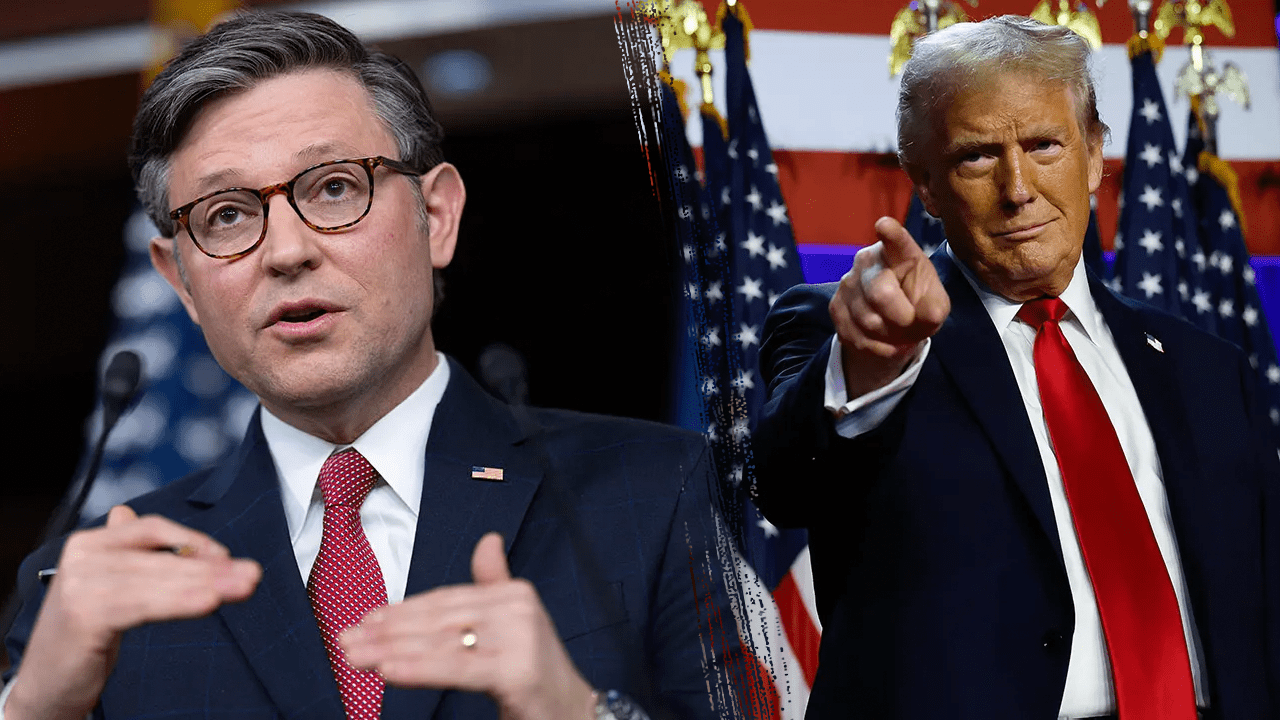
House Speaker Mike Johnson, left, delivered the «big, beautiful bill» through the House by a narrow margin, but it faces a Senate fight before it could finally end up on President Donald Trump’s desk. (AP/Getty)
Whether it’s good is another question.
The week started with a Sunday night meeting of the House Budget Committee at 10:26 p.m. The House Rules Committee did the Budget Committee one better, meeting at 1 a.m. Wednesday. That session ran nearly 22 hours, ending late Wednesday night. The House then began floor action on the bill in the early hours of Thursday. House Speaker Mike Johnson, R-La., gaveled the vote closed on the bill just before 7 a.m.
Talking about Congress is usually enough to put people to sleep, but with hours like these, if you snooze, you lose.
Rip Van Winkle, er, Rep. Andrew Garbarino, R-N.Y., accidentally caught a few zzz’s early Thursday at precisely the wrong time. Johnson said Garbarino «fell asleep in the back» of the House chamber during the vote on the «big, beautiful bill.»
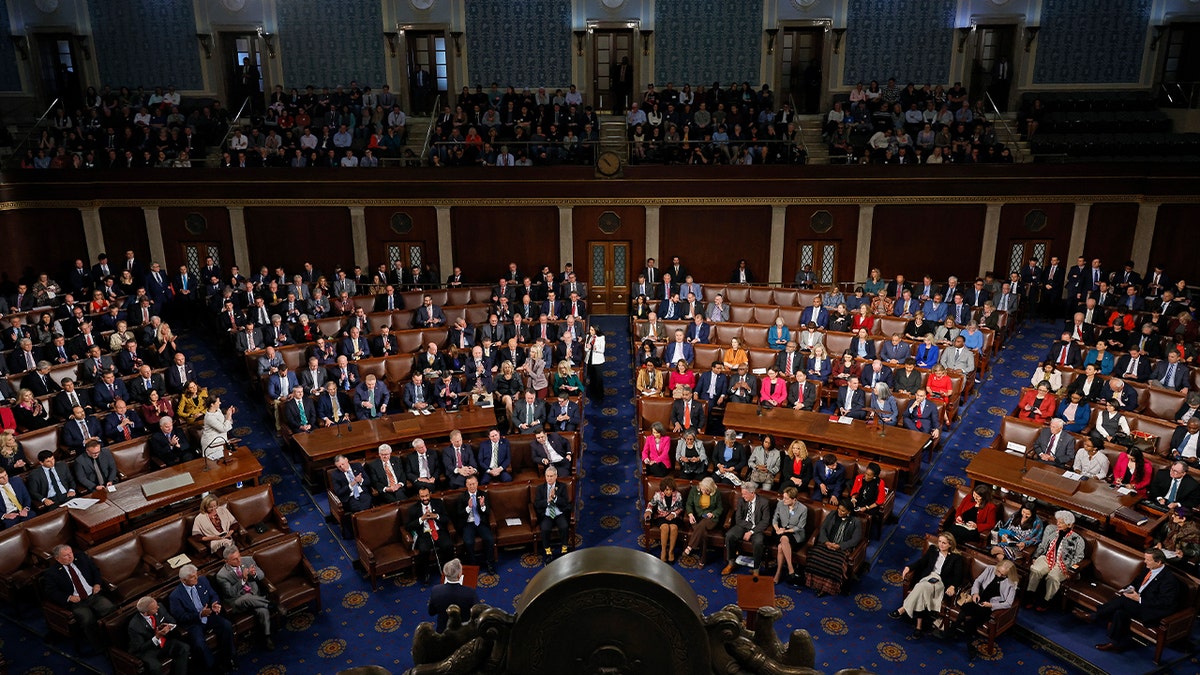
House of Representatives. (Chip Somodevilla)
Garbarino and other Empire State Republicans lost sleep for weeks as they fought for a deal on SALT. They wanted a higher deduction for state and local taxes in exchange for their support of the bill. A sleeper issue, this wasn’t. A new pact was paramount to passing the bill. Still, Garbarino was less than satisfied with the compromise.
Perhaps it gets changed in the Senate.
Garbarino can only dream.
If you heard a creaky noise on the north side of the U.S. Capitol Thursday, that was the Senate awakening from its legislative slumber. The Senate has focused for most of President Donald Trump’s term on confirming his cabinet. Legislation hasn’t dominated Senate floor traffic this year, but that will change soon.
«Our team is suiting up for discussions with the Senate side of Capitol Hill,» said White House press secretary Karoline Leavitt.
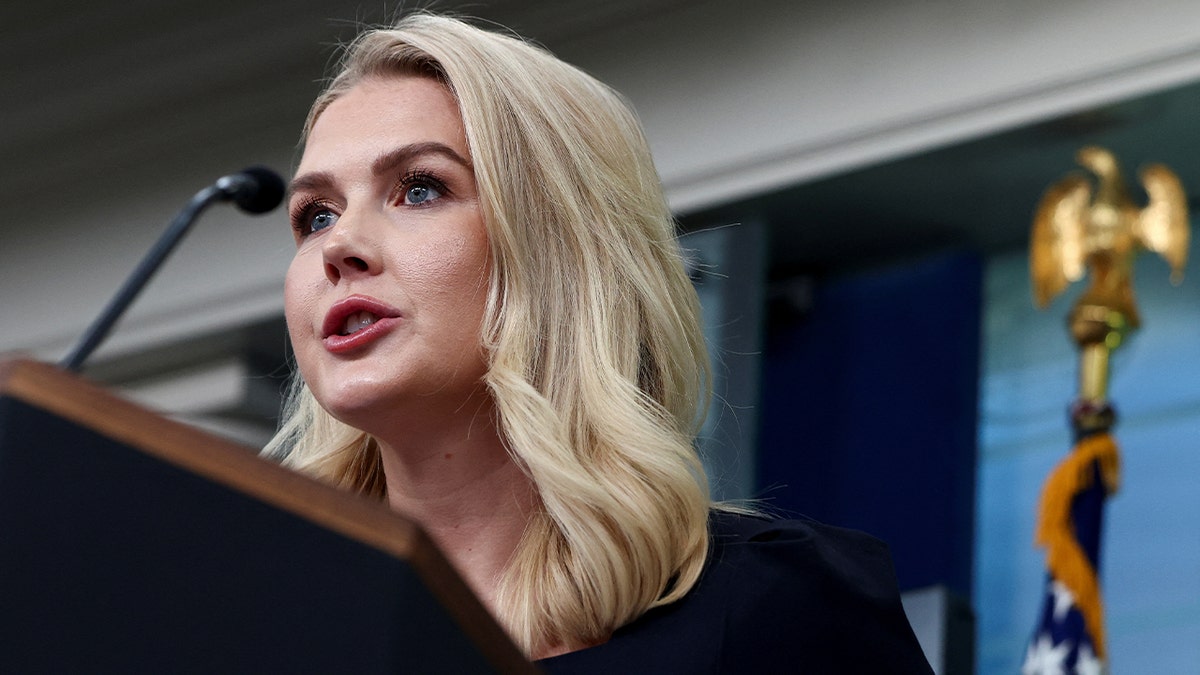
White House press secretary Karoline Leavitt holds a press briefing at the White House in Washington, D.C., on April 15, 2025. (REUTERS/Evelyn Hockstein)
But divisions are already emerging.
Sen. Ron Johnson, R-Wis., abhors the House package.
«I have already said that in its current state it’s completely unacceptable to me,» said Johnson. «I would vote no.»
President Trump wants the Senate to finish the measure and deposit it on his desk by July 4, but the Wisconsin Republican quibbled with Mr. Trump’s timetable and demand for this version of the bill.
«I couldn’t care less if he’s upset,» said Johnson.
WHITE HOUSE: DEMS HAVE ‘NEVER BEEN MORE RADICAL, OUT OF TOUCH’ AFTER VOTING AGAINST ‘BIG, BEAUTIFUL BILL’
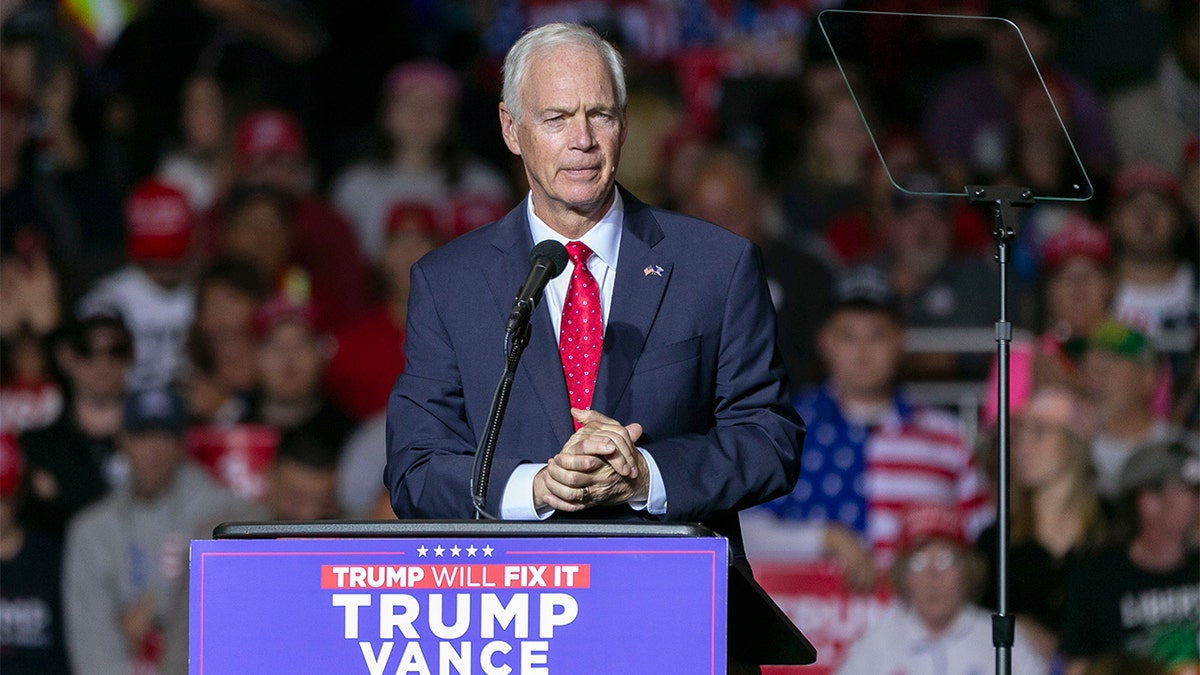
Sen. Ron Johnson, a Republican from Wisconsin, campaigned heavily for and supports President Donald Trump but is highly critical of the president’s «big, beautiful bill» headed to the Senate. (Jim Vondruska/Bloomberg via Getty Images)
Other Republican senators were willing to grant some deference to President Trump.
But only to a point.
«He’s the leader of the band and he’s a heck of a good leader,» said Sen. Jim Justice, R-W.Va. «But with all that said, I would tell you we don’t want to get in a hurry just to meet a deadline date and everything. We want to get it right.»
Sen. Thom Tillis, R-N.C., thought that July 4 was an «optimistic» deadline.
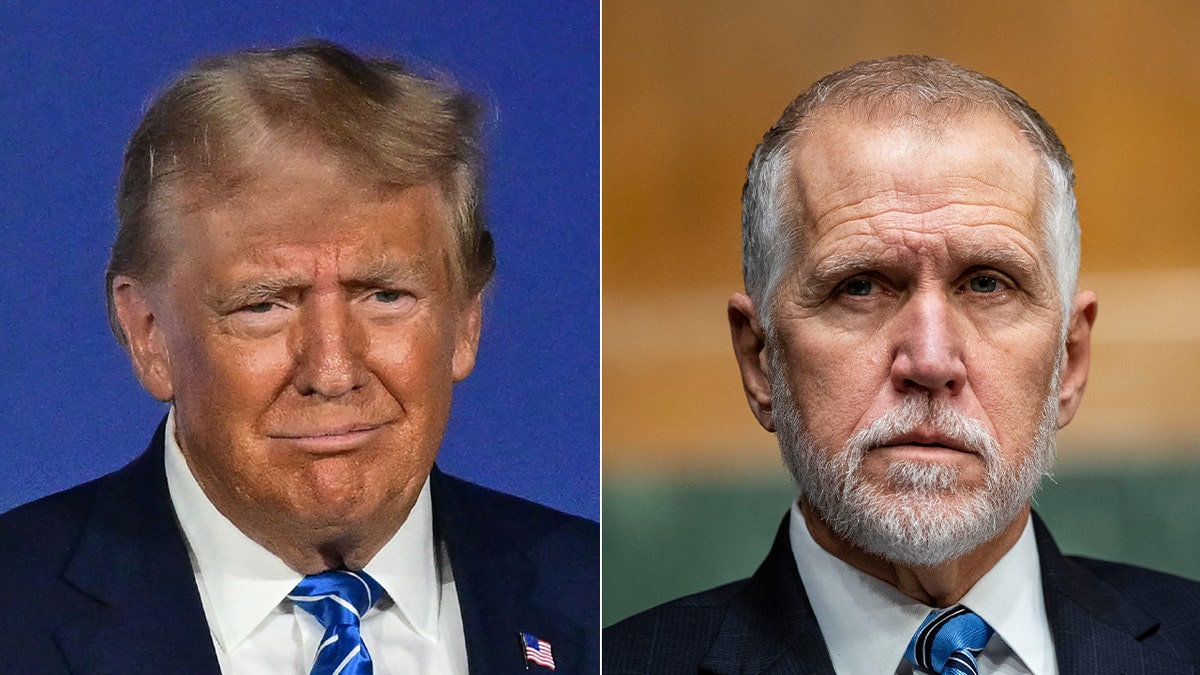
Sen. Thom Tillis, right, has been critical of some Trump nominees and policy proposals in President Donald Trump’s second term. (Getty Images)
«Look at how long it’s taken the House to get to this point,» said Tillis. «There’s still a lot of decisions to be made. So I think we’re talking about weeks or months.»
And the Senate will inevitably change the measure.
«The Senate’s going to want to put its own stamp on this. We’ll write our own version of the bill,» said Sen. Josh Hawley, R-Mo.
Senators are already making their demands.
«I’m not voting to raise the debt ceiling $5 trillion, because that’s not fiscally responsible and that’s not conservative,» said Sen. Rand Paul, R-Ky.
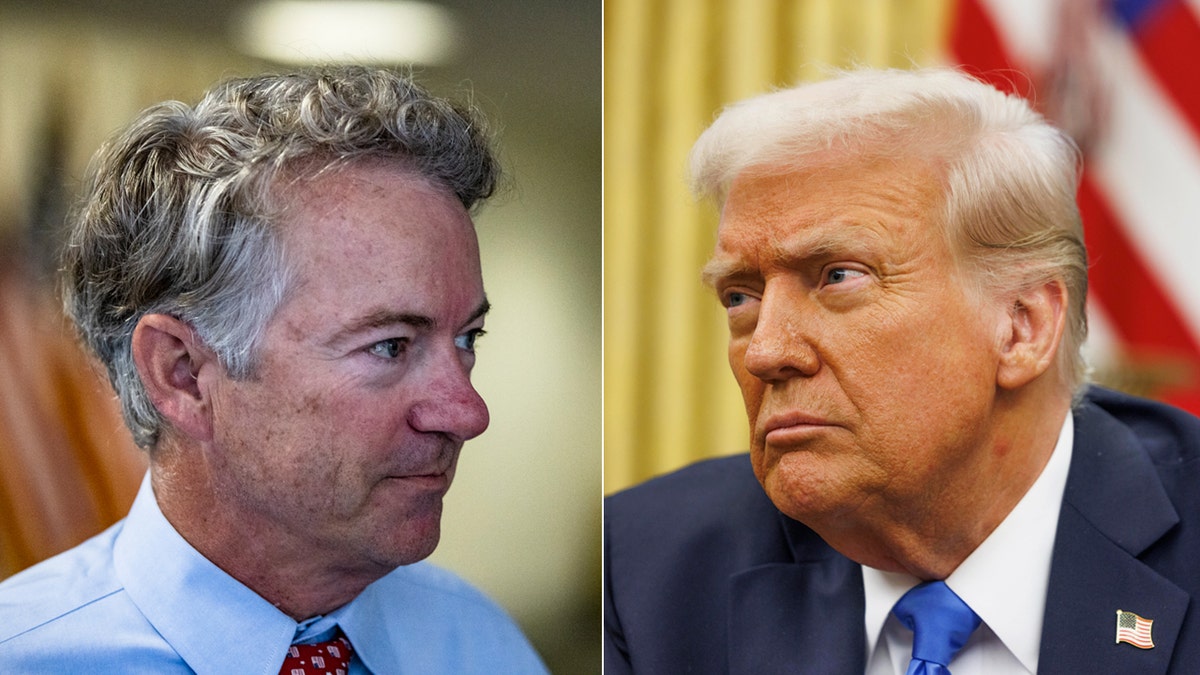
Libertarian-leaning Sen. Rand Paul, R-Ky., left, is largely supportive of President Donald Trump but has staked out some areas of disagreement, including on spending. (Left: Samuel Corum/Getty Images; Right: Aaron Schwartz/CNP/Bloomberg via Getty Images)
Trimming deficits worried other senators.
«Don’t get high on our horse here that we’ve somehow made some major advancement of reducing spending because we didn’t,» said Senate Budget Committee Chairman Lindsey Graham, R-S.C.
What winds up in the bill hinges on a solitary factor.
«We’ve got to get to 51 votes,» said Tillis.
Senate Democrats are also thinking about the number 51, but in the context of 2026. Democrats believe this bill might help them get 51 Senate seats in the midterms.
«Based on what the House has passed our, chances of taking back the Senate have just increased,» said Senate Minority Leader Chuck Schumer, D-N.Y.
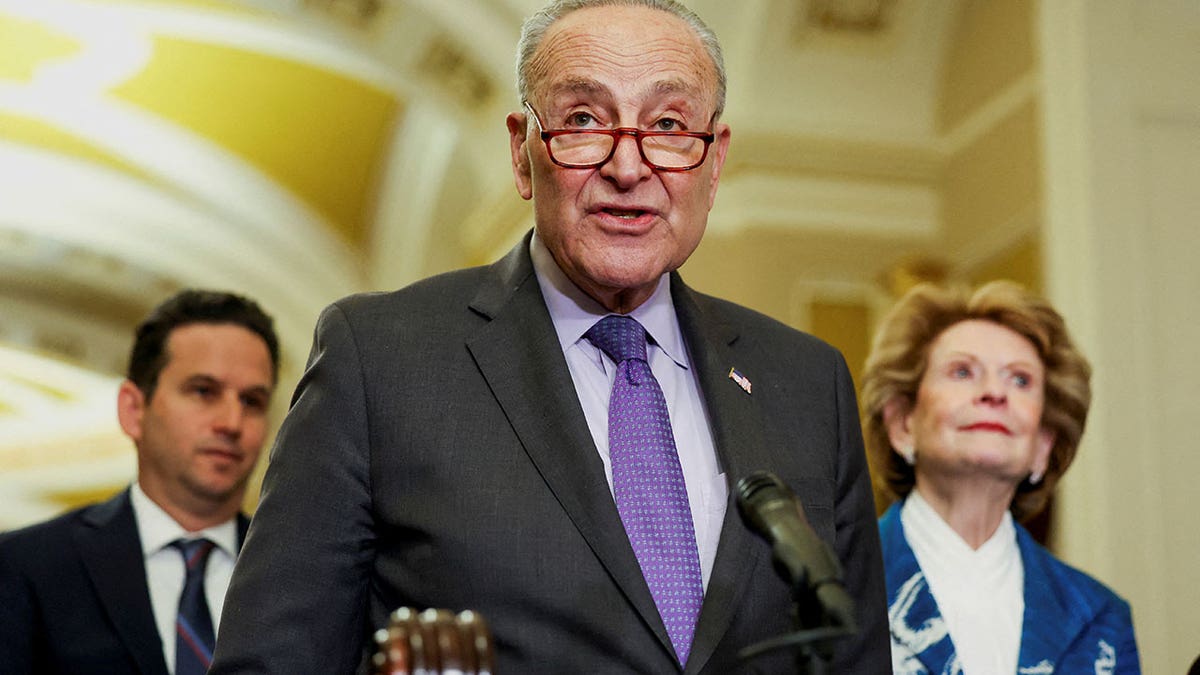
Sen. Chuck Schumer, the Democrats’ leader in the Senate, sees the «big, beautiful bill» as a key rallying point to turn 2026 midterm voters against Republicans. (REUTERS/Amanda Andrade-Rhoades/File Photo)
House Democrats believe the early morning roll call vote in House will be the seminal ballot cast in this session of Congress.
«This day may very well turn out to be the day that House Republicans lost control of the United States House of Representatives,» said Jeffries.
That’s not a newsflash. Both parties customarily focus on a handful of votes each body takes over the course of a two-year Congress. They deploy the results of those votes against their opponents. Take a look at the tiny script on the lower portion of the TV screen when ads for the midterms begin running in September and October next year. You can bet Democrats will document the vote which closed at dawn Thursday.
Moreover, Republicans are stashing all of their political eggs in one basket. The bulk of President Trump’s agenda is tucked into this singular measure – for better or worse. Lawmakers must fund the government later this year. And next year, too. But after that, it’s unclear if Republicans have any other legislation which would compete with the breadth of this bill.
CLICK HERE TO GET THE FOX NEWS APP
Jeffries alleged that Republicans tried to advance the bill «under the cover of darkness.» That isn’t accurate. Democrats – and Republicans – will work to make sure voters know all about this bill. The political consequences of this legislation are too significant.
Beauty is in the eye of the beholder. And voters will decide just how «beautiful» this big bill is.
House Of Representatives,Senate,Donald Trump,Chuck Schumer,Congress











NEWYou can now listen to Fox News articles!
«Think of Mojtaba Khamenei as his father on steroids.»
That is how Kasra Aarabi, director of Islamic Revolutionary Guard Corps research at the advocacy group United Against Nuclear Iran, described Iran’s new supreme leader in comments to Fox News Digital following reports that the son of Ayatollah Ali Khamenei has been selected to lead the Islamic Republic.
«Mojtaba was already operating as a ‘mini supreme leader’ in the Bayt-e Rahbari — his father’s office and the core nucleus of power in the regime,» Aarabi said.
IF KHAMENEI FALLS, WHO TAKES IRAN? STRIKES WILL EXPOSE POWER VACUUM — AND THE IRGC’S GRIP
File photo shows Mojtaba Khamenei, son of Iran’s late Supreme Leader Ayatollah Ali Khamenei, attending a demonstration to mark Jerusalem day in Tehran. (Morteza Nikoubazl/NurPhoto via Getty Images)
«His father had created the Bayt’s extensive apparatus as a hidden power structure to ensure continuity should he be eliminated — and through Mojtaba’s appointment, this is exactly what we will get,» Aarabi said.
President Donald Trump also reacted to Mojtaba Khamenei’s rise. In an interview with the New York Post, Trump said he was «not happy with» the younger Khamenei replacing his father as leader of Iran’s theocratic system but declined to elaborate on how the United States might respond. «Not going to tell you,» Trump said when asked about his plans regarding the new supreme leader. «Not going to tell you. I’m not happy with him.»
An Iranian source with knowledge of the leadership transition told Fox News Digital that earlier speculation Mojtaba might pursue reforms now appears unlikely given the circumstances surrounding his appointment.
«Previously there were whispers suggesting that if Mojtaba were to become the leader, he might introduce reforms that would both open up the domestic political space and bring a more interactive approach to foreign policy,» the source said.
«However, now this possibility seems very weak.»
Mojtaba was chosen «amid disputes, controversies, and pressure from the IRGC,» according to the source, meaning he «owes his appointment to their support and therefore cannot act against their wishes.»
TRUMP SAYS IRAN’S SUCCESSION BENCH WIPED OUT AS ISRAELI STRIKE HITS LEADERSHIP DELIBERATIONS
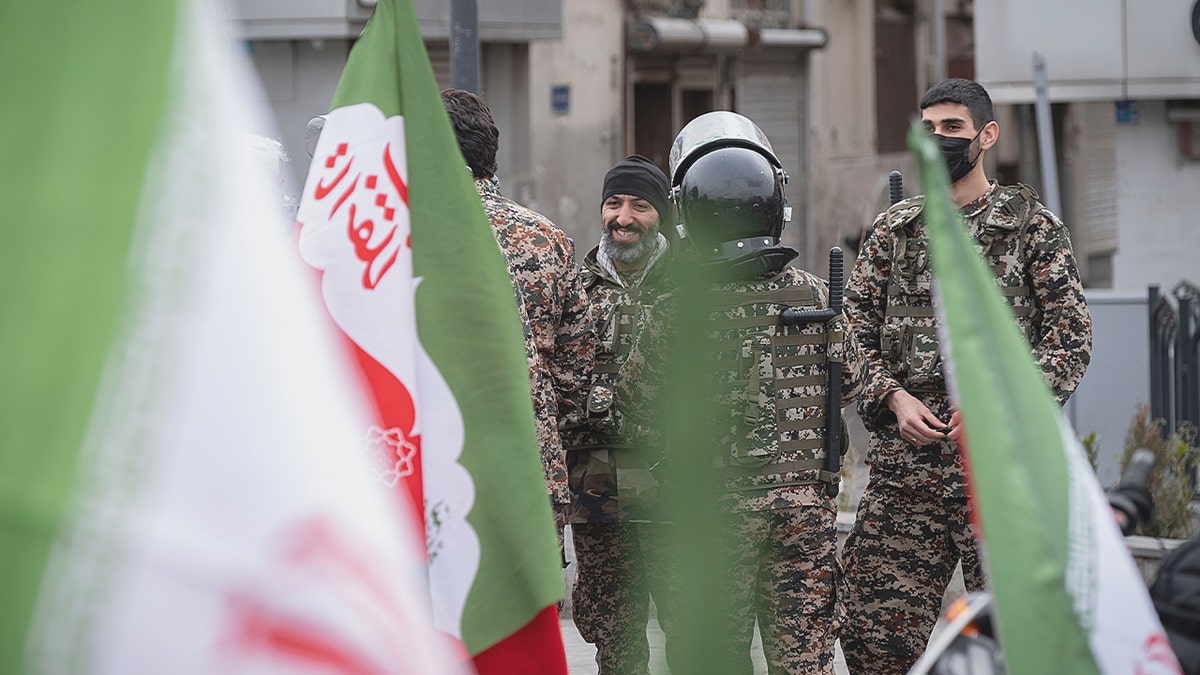
Military members of the Islamic Revolutionary Guard Corps (IRGC) in western Tehran, Iran (Morteza Nikoubazl/NurPhoto via Getty Images)
Built inside Iran’s security state
Mojtaba Khamenei, 56, has spent decades building influence inside the power structures surrounding Iran’s supreme leader.
Born in 1969 in Mashhad, he pursued clerical studies in Tehran, Iran, after the 1979 Islamic Revolution that brought his father to prominence. Over time, however, analysts say his influence developed less through traditional clerical authority and more through Iran’s security institutions.
In 2019, the United States sanctioned Mojtaba under Executive Order 13867. The U.S. Treasury Department said he had been «representing the supreme leader in an official capacity despite never being elected or appointed to a government position aside from work in the office of his father.»
Behnam Ben Taleblu, senior director of the Foundation for Defense of Democracies’ Iran Program, said Mojtaba’s background reflects a broader shift inside the Islamic Republic.
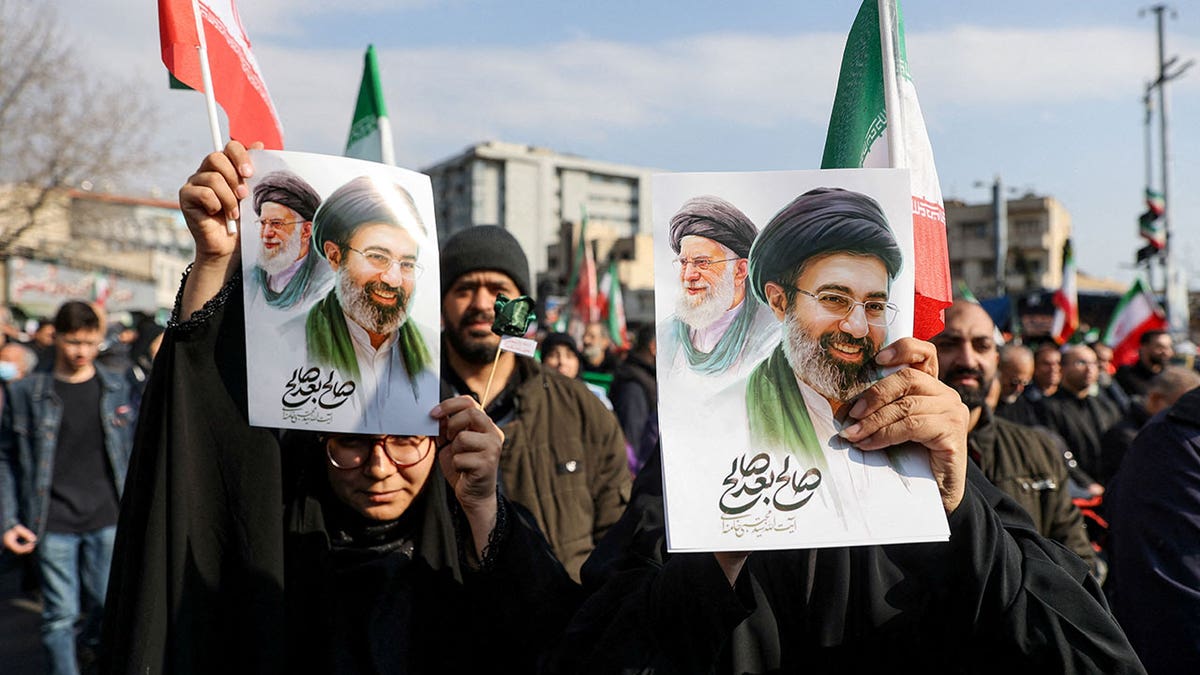
People hold placards with an image of Iran’s new supreme leader Mojtaba Khamenei with late Iranian Supreme Leader Ayatollah Ali Khamenei, during a gathering to support Mojtaba Khamenei, amid the U.S.-Israeli conflict with Iran, in Tehran, Iran, March 9, 2026. (Majid Asgaripour/WANA (West Asia News Agency) Via Reuters)
«Despite donning a turban, Mojtaba is the product of the regime’s national security deep state,» Ben Taleblu told Fox News Digital. «Expect him to work with and through the IRGC to keep his hold on power.»
Aarabi said Mojtaba has spent years consolidating influence behind the scenes.
«His past tells us he enjoys micromanaging every aspect of authority to satisfy his thirst for power,» Aarabi said, describing how Mojtaba allegedly relocated IRGC command centers to his office during protests, engineered election outcomes and installed loyalists across state institutions.
Since 2019, Aarabi added, Mojtaba has also been implementing what he described as his father’s effort to «purify» the regime by promoting ideological loyalists across the political system.
«Mojtaba is a deeply antisemitic, anti-American, and anti-Western ideologue,» Aarabi said. «He has personally been involved in repression in Iran and terror plots abroad.»
IRAN’S SENIOR CLERICS ‘EXPOSED’ AFTER BUILDING STRIKE IN QOM, SUCCESSION CHOICE LOOMS
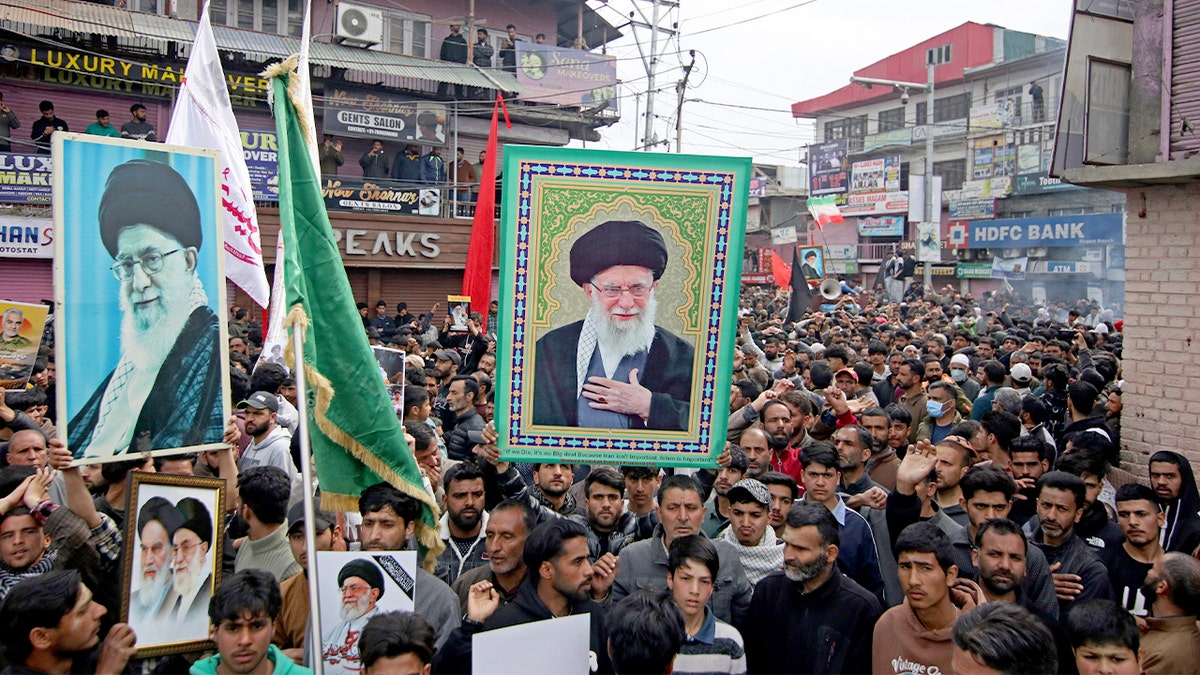
Kashmiri Shiite Muslims carry pictures of Iran’s Supreme Leader Ayatollah Ali Khamenei as they march in a protest rally on the fourth day of mourning in Magam, Jammu and Kashmir, on March 4, 2026. (Faisal Khan/Anadolu/Getty Images)
Analysts see harder line ahead
Analysts say Mojtaba’s rise may further strengthen the role of Iran’s security institutions.
«The rise of the younger Khamenei expedites trendlines seen in Iranian politics and national security for years,» Ben Taleblu said. «From one Khamenei to another, things in Iran can be expected to go from bad to worse if this regime survives.»
«And like the elder Khamenei, corruption runs in the family,» he added.
Ben Taleblu warned that the regime may also escalate tensions externally as a survival strategy.
«The regime knows it is weak, but believes it can extract a price and widen a crisis in order to survive,» he said.
For opposition groups inside Iran, the leadership transition signals continuity rather than reform.
«He’s the son of Khamenei and they have same ideology and they same strategy and they try to continue the same policy,» said Khalid Azizi, spokesperson for the Kurdistan Democratic Party of Iran.
«So far it’s very difficult to say what he will be done and is he going to have a different policy? I don’t expect this.»
The Iranian source who spoke with Fox News Digital said that while engagement with the United States and the West is theoretically possible in the future, the chances remain slim.
CLICK HERE TO DOWNLOAD THE FOX NEWS APP

On March 1, 2026, in Sana’a, Yemen. pro-Iran protesters brandish billboards depicting the Iranian Supreme Leader Ali Hosseini Khamenei, flags of Yemen and Iran, weapons, and chant slogans at a rally held to condemn the U.S.-Israel aerial attacks on Iran and the killing of Khamenei and several military officials. (Mohammed Hamoud/Getty Images)
«As I mentioned,» the source said, «this possibility is very weak.»
«In short,» Aarabi said, «Mojtaba is his father on steroids. He’s certainly no MBS.»
ali khamenei,war with iran,iran,terrorism
INTERNACIONAL
Hegseth once warned against endless wars. Now he’s leading Trump’s strike-first doctrine

NEWYou can now listen to Fox News articles!
In a little over a year, the United States has carried out dozens of airstrikes on vessels in the Caribbean tied to alleged narco-trafficking networks, launched sustained operations against Houthi forces in the Red Sea, captured Venezuelan President Nicolás Maduro, struck Iranian nuclear facilities and now embarked on an extended military campaign aimed at degrading Tehran’s missile, drone and command infrastructure.
The tempo marks one of the most assertive stretches of American force projection in recent years, spanning Latin America, the Middle East and critical maritime corridors.
For War Secretary Pete Hegseth, it also represents a striking turn.
HEGSETH BLASTS BRITS, SAYS IRAN’S CHAOTIC RETALIATION HAS DRIVEN ITS OWN ALLIES ‘INTO THE AMERICAN ORBIT’
Just before the 2024 presidential election, he described himself as a «recovering neocon,» expressing regret over his support for Iraq-era interventionism and warning against open-ended wars.
Several analysts say the defining feature of the administration’s approach may be less about ideological evolution and more about alignment and execution.
«Unlike in Trump one, everyone in Trump’s cabinet now — Hegseth, Rubio, etc. — understands that the president is the boss,» said Matthew Kroenig, a defense strategist at the Atlantic Council. «In Trump 1.0 you had some Cabinet officials who thought their job was to save the Republic from Trump, the so-called adults in the room. And so I think it’s pretty clear the president wanted to go in this direction, and I think Hegseth sees himself as supporting the president’s vision.»
‘Validation of … leadership’
That cohesion has coincided with a pattern of risk-taking.
Several of the administration’s most consequential military moves, from Venezuela to the Houthis to the current Iran campaign, carried the potential for escalation.
«Unlike in Trump one, everyone in Trump’s cabinet now — Hegseth, Rubio, etc. — understands that the President is the boss,» said Matthew Kroenig, a defense strategist at the Atlantic Council. (The White House/Handout via Reuters)
Some strategists say the relative absence of early blowback from those interventions may have reinforced the administration’s willingness to escalate into the Iranian theater.
PENTAGON POLICY CHIEF GRILLED AS DEM CLAIMS TRUMP BROKE PROMISE ABOUT GOING TO WAR WITH IRAN
«I’m not sure I would have advised this,» Kroenig said of the Iran operation. «It is pretty risky, but it’s going well so far.»
Iranian missile launches have declined in volume. Regional allies have not broken ranks. Whether that constitutes strategic success, however, depends on the metric.
Justin Fulcher, a former Pentagon adviser to Hegseth, argued the early phases of the campaign reflect what he described as a «return to strategic clarity.»
«Deterrence is only credible when our allies actually believe that if President Trump says something, we will back it up,» Fulcher said. «This is a validation of Secretary Hegseth and President Trump’s leadership.»

«Deterrence is only credible when our allies actually believe that if President Trump says something, we will back it up,» former Pentagon advisor Justin Fulcher said. «This is a validation of Secretary Hegseth and President Trump’s leadership.» (Kevin Wolf, File/The Associated Press )
TRUMP SAYS IRAN’S SUCCESSION BENCH WIPED OUT AS ISRAELI STRIKE HITS LEADERSHIP DELIBERATIONS
Hegseth, a former Army officer who served in both Iraq and Afghanistan, has argued that the current campaign bears little resemblance to those conflicts.
«This is not Iraq. This is not endless. I was there for both,» Hegseth said at a press conference in early March. «Our generation knows better and so does this president.»
In a separate interview, he added, «This is not a remaking of Iranian society from an American perspective. We tried that. The American people have rejected that.»
Danielle Pletka, a senior fellow at the right-leaning American Enterprise Institute think tank, said the campaign has unfolded largely as expected.
«I think things have gone reasonably well,» Pletka said, pointing to degraded air defenses and what she described as repeated miscalculations by Iran. «All they’ve really done is made everybody quite mad, and that was a really bad calculation on their part.»
At the same time, she cautioned against interpreting the administration’s actions as part of a fixed doctrine.
«I don’t think that it is doctrinal,» Pletka said. «I think this is ad hoc.»
Some longtime Trump supporters have said the current conflict is not what they expected from Trump, who campaigned on ending wars and «America First.»
«It feels like the worst betrayal this time because it comes from the very man and the admin who we all believed was different and said no more,» Rep. Marjorie Taylor Greene, R-Ga., wrote on X. «Instead, we get a war with Iran on behalf of Israel that will succeed in regime in Iran. Another foreign war for foreign people for foreign regime change. For what?»
In Pletka’s view, the president has shown a pattern of attempting diplomacy first and shifting to force only when he concludes negotiations are unserious. She argues that posture distinguishes the current moment from past interventions.
She also emphasized that much of the operational credit belongs to the professional military.
«The planning behind this is credit to the U.S. military and to the CENTCOM commander and to the Chairman of the Joint Chiefs,» she said.
That distinction complicates efforts to attribute the current posture solely to Hegseth’s personal worldview. While the defense secretary has become a public face of the administration’s deterrence messaging, the execution of high-tempo campaigns rests heavily with career military leadership.
Some critics argue the administration has yet to clearly articulate an end state for the Iran campaign.
«Pete Hegseth needs to check with his boss on what the objective is,» former national security advisor John Bolton recently said on CNN. «How does Hegseth explain that we’ve already changed the regime, which wasn’t our objective? I think the Pentagon top leadership, civilian top leadership, needs some attitude adjustment. I think the military’s doing fine, but I wonder about the civilian leadership.»
The White House pushed back forcefully on criticism of the campaign.
Anna Kelly, a White House spokesperson, said Monday that Hegseth «is doing an incredible job leading the Department of War,» pointing to what she described as the «ongoing success of Operation Epic Fury» and other missions.
Kelly said Iranian retaliatory attacks «have declined by 90 percent because the Department of War is destroying Iran’s ballistic missile capabilities,» and added that Hegseth works «in lockstep with President Trump every day» to ensure the U.S. military «continues to be the greatest, most powerful fighting force in the world.»
The Pentagon echoed that assessment.
«Operation Epic Fury continues to advance with overwhelming success and precision,» Chief Pentagon Spokesman Sean Parnell said, describing a «resolute, full-spectrum campaign» aimed at the «total dismantlement of Iran’s terrorist network or its unconditional surrender.»
Others see the moment in broader historical terms.
Peter Doran, a foreign policy analyst, described the campaign as a potential attempt to «end a 47-year war» waged by the Islamic Republic against the United States, but on Washington’s terms.

U.S. Central Command released footage showing strikes on Iranian mobile missile launchers. (@CENTCOM via X)
«This is a clear effort to end a 47-year war that Iran has been waging against the United States,» Doran said.
He argued that visible American military performance could reverberate beyond the Middle East, particularly in Beijing.
«They look good,» Doran said of U.S. forces. «That will serve, I hope, as a disincentive for adventurism.»
If the operation ultimately succeeds in significantly degrading Iran’s military infrastructure, Doran argued, it could reshape the Middle East and expand diplomatic opportunities such as broader Arab-Israeli normalization.
«It changes everything in the Middle East,» he said.
CLICK HERE TO DOWNLOAD THE FOX NEWS APP
Yet even supporters acknowledge that long-term effects remain uncertain. In Venezuela, Maduro’s removal marked a dramatic shift in U.S. policy, but the governing apparatus he built remains largely intact. Degrading missile stockpiles and drone infrastructure in Iran may buy time, but whether it produces durable deterrence or simply postpones reconstitution remains to be seen.
For now, the administration’s willingness to take calculated risks and its ability to avoid immediate escalation have reinforced the perception of restored American assertiveness. Whether that assertiveness translates into lasting strategic gains will likely define Hegseth’s tenure far more than the rhetoric that preceded it.
Hegseth and the Pentagon did not respond to requests for comment.
war with iran,donald trump,pete hegseth,iran,pentagon
INTERNACIONAL
Una sola sesión de ejercicio de 20 minutos impulsa la actividad cerebral relacionada con el aprendizaje

La ciencia suma una nueva evidencia sobre la conexión que hay entre el ejercicio físico y el funcionamiento cerebral.
Un estudio encabezado por científicos de la Universidad de Iowa en los Estados Unidos con colegas de Canadá y Austria comprobó que una sola sesión de ejercicio físico puede desencadenar un aumento en la actividad neuronal de las redes cerebrales relacionadas con el aprendizaje y la memoria.
Los resultados fueron publicados en la revista especializada Brain Communications de Oxford Academic.
El equipo, liderado por Michelle Voss, profesora y fellow de la Facultad de Psicología y Ciencias del Cerebro de la Universidad de Iowa, trabajó con 14 pacientes de entre 17 y 50 años tratados en el centro médico universitario por epilepsia.

El hallazgo aporta evidencia concreta sobre cómo el movimiento físico puede tener efectos inmediatos sobre el cerebro humano.
Hasta ahora, la mayoría de los estudios sobre este vínculo se habían hecho en animales o con métodos indirectos en personas, pero no se había logrado observar de manera directa la actividad cerebral tras el ejercicio.

La investigación midió la actividad cerebral antes y después de que los participantes usaran una bicicleta fija durante 20 minutos, a una intensidad que pudieran sostener.
Para registrar los cambios, se utilizó electroencefalografía intracraneal (iEEG), con electrodos implantados en el cerebro.
Los científicos observaron que después del ejercicio aumentó la frecuencia de las ondas cerebrales de alta frecuencia conocidas como “ripples”.
Estas oscilaciones eléctricas, que se detectan en la actividad cerebral y suelen encontrarse entre los 80 y 500 Hz, surgen en el hipocampo y se conectan con áreas corticales relacionadas con el aprendizaje y la memoria.

“Durante años se sabía que el ejercicio físico suele ser beneficioso para funciones cognitivas como la memoria, y ese beneficio se asocia a cambios en la salud cerebral, principalmente a partir de estudios conductuales e imágenes cerebrales no invasivas”, explicó Voss.
Añadió: “Al registrar directamente la actividad cerebral, nuestro estudio demuestra, por primera vez en humanos, que incluso una sola sesión de ejercicio puede modificar rápidamente los ritmos neuronales y las redes cerebrales implicadas en la memoria y la función cognitiva”.

Las ondas “ripples” ya habían sido documentadas en animales como ratones y ratas, pero hasta este trabajo no se había comprobado su vínculo con la memoria en humanos, ya que su registro requiere electrodos implantados.
Anteriormente, la hipótesis sobre el papel de estas ondas en personas se basaba en estudios que analizaban los cambios en el flujo sanguíneo cerebral tras el ejercicio. El uso de iEEG permitió a los investigadores ver por primera vez la actividad neuronal directamente después de la actividad física.
La investigación incluyó a pacientes con epilepsia porque ya contaban con los electrodos implantados por motivos clínicos.
Sin embargo, Voss remarcó que los resultados “coinciden con lo que se ha observado en adultos sanos usando imágenes cerebrales no invasivas, como la resonancia magnética funcional (fMRI)”.
Para la investigadora, “esa convergencia entre métodos tan diferentes es una de las mayores pruebas de que los efectos no son exclusivos de la epilepsia, sino que reflejan una respuesta general del cerebro humano al ejercicio”.

El trabajo contó con la colaboración de Araceli Cárdenas, del Hospital de Toronto Oeste, y Juan Ramírez-Villegas, del Instituto de Ciencia y Tecnología de Austria.
También participaron científicos de la la Universidad Estatal de Ohio y la Universidad de Wisconsin-Madison, en EE.UU.
Los investigadores buscan consolidar la relación entre ejercicio y memoria en el cerebro al realizar pruebas de memoria después de la sesión de ejercicio, mientras se registra en directo la actividad cerebral. El financiamiento del estudio provino de la Universidad de Iowa.
El equipo espera que sus hallazgos amplíen el conocimiento sobre cómo la actividad física impacta la salud cerebral y sirvan para nuevas estrategias en la prevención y tratamiento de trastornos de la memoria.
running,atletas,deporte,costa,océano,amanecer,ejercicio,fitness,vida activa

Así es el hotel “fantasma” de Toviggino en las afueras de Santiago del Estero

Luciano Castro rompió el silencio tras su internación de urgencia: “Estuve muy deprimido y….”

Javier Milei volvió a cruzar al kirchnerismo: “Le di una domada a los kukas en el Congreso”

Movilización en el Congreso por el 8M

INDEC revela la inflación de febrero: el dato que anticipa la City

La tremenda factura a Crespo de un ex jugador de San Pablo

Javier Milei habló de la crisis con la vicepresidenta: “No quiero la renuncia de Victoria Villarruel”

Ian Lucas se hartó de las mentiras de Evangelina Anderson y confirmó que fueron novios: “Ella me da vergüenza”

Wanda Nara involucrada en la separación de su hijo Valentino: su ex nuera contó toda la verdad

La cruda confesión de Amalia Granata por el trastorno que sufre su hijo Roque: “Le hicimos estudios y salió que tiene TDAH, dislexia y disgrafia”

 CHIMENTOS3 días ago
Wanda Nara involucrada en la separación de su hijo Valentino: su ex nuera contó toda la verdad
- CHIMENTOS1 día ago
La cruda confesión de Amalia Granata por el trastorno que sufre su hijo Roque: “Le hicimos estudios y salió que tiene TDAH, dislexia y disgrafia”
- ECONOMIA3 días ago
«Crisis industrial masiva»: alarmante informe de la UBA se mete en la pelea de Milei con la UIA