INTERNACIONAL
California legislature passes bill prohibiting law enforcement from wearing face masks to shield identities


Supreme Court lifts limits on LA ICE raids
Acting U.S. Attorney for the Central District of California Bill Essayli discusses the Supreme Court’s decision to lift restrictions on I.C.E. raids in Los Angeles on ‘America Reports.’
NEWYou can now listen to Fox News articles!
California lawmakers passed a measure that would ban most law enforcement officers from covering their faces while on the job in response to recent immigration raids in the Los Angeles area where some federal agents covered their faces and hid their identities.
The bill, approved on Thursday, now heads to Democrat Gov. Gavin Newsom’s desk. Though if he signs it into law, it is unclear whether the state could enforce the ban on federal agents who have been carrying out raids and arrests at local businesses under President Donald Trump’s mass deportation plan.
The bill is the first of its kind to pass through a state legislature, although similar legislation has been introduced in several states, including Tennessee, Michigan, Illinois, New York, Massachusetts, and Pennsylvania. Democrats on Capitol Hill have also proposed a mask ban for law enforcement officers.
Under the bill, local and federal officers, including immigration enforcement agents, would be banned from wearing neck gators, ski masks and other facial coverings while carrying out official business.
LOS ANGELES COUNTY PUSHES TO PROHIBIT LAW ENFORCEMENT FROM HIDING THEIR IDENTITIES WHILE ON THE JOB
California lawmakers passed a bill banning face masks for law enforcement officers while on duty. (AP Photo/Eric Thayer)
Exceptions would be permitted for undercover agents, medical masks like N95 respirators or tactical gear.
Newsom has about a month to sign the legislation into law. While he has criticized federal agents’ use of masks during arrests, he has also raised questions over the summer about the state’s authority over federal agents.
Federal agents have conducted immigration raids in Southern California since June, sparking protests and the subsequent federal deployment of the National Guard and Marines.
Proponents of the bill said the proposal is needed following a Supreme Court ruling earlier this week allowing the federal government to resume sweeping immigration raids in Los Angeles, which also permits agents to target migrants based on things like race or ethnicity, speaking in Spanish or presence at specific locations.
Assemblymember Juan Carrillo, a Democrat, said the SCOTUS ruling is «effectively allowing federal agents to stop suspects based solely on their race, language, or job.»
MASSACHUSETTS BILL WOULD FORCE ICE AGENTS TO UNMASK
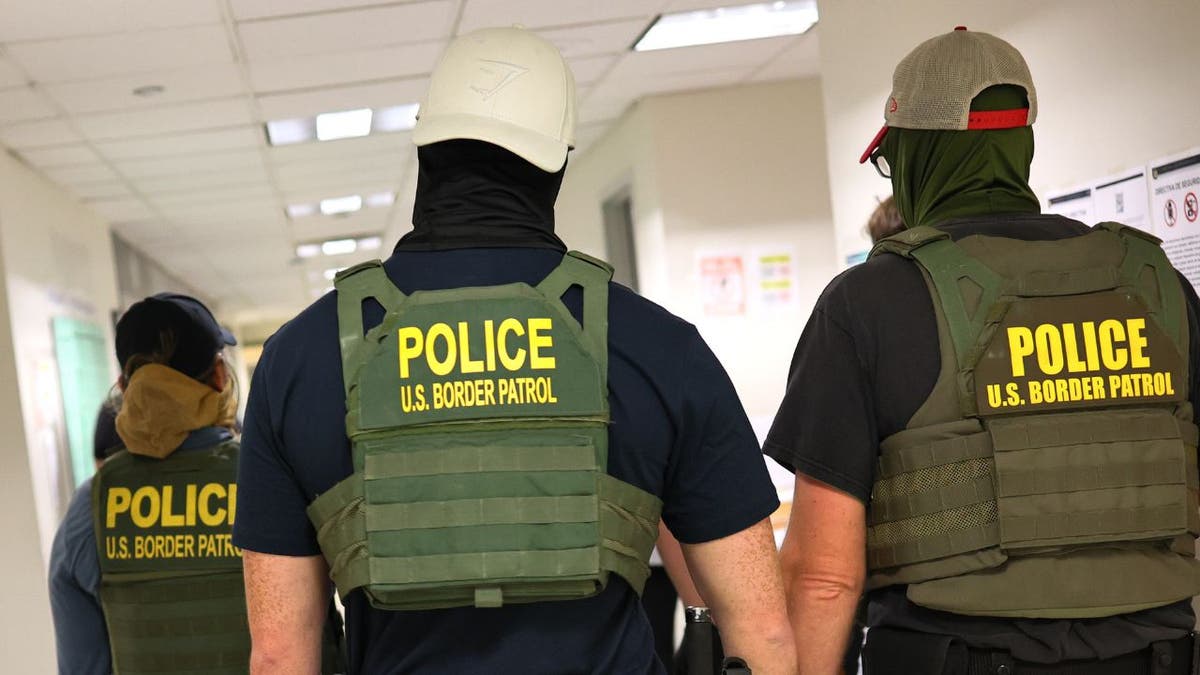
Exceptions to mask ban would be permitted for undercover agents, medical masks such as N95 respirators or tactical gear. (Michael M. Santiago/Getty Images)
«How is anyone supposed to reasonably believe that they are law enforcement officers and not masked individuals trying to kidnap you?» he said ahead of the vote. «Imagine the absolute fear of being pulled over at gunpoint by a group of masked individuals.»
Bill supporters also cited an opinion from constitutional law expert Erwin Chemerinsky at the University of California, Berkeley. He wrote in an opinion piece published in the Sacramento Bee that a state cannot directly regulate the federal government, but that does not mean federal employees can ignore state rules «unless doing so would significantly interfere with the performance of their duties.»
«ICE agents have never before worn masks when apprehending people, and that never has posed a problem. Nor have other officers of local, state and federal law enforcement faced dangers from the public because they don’t wear masks in the streets,» he wrote.
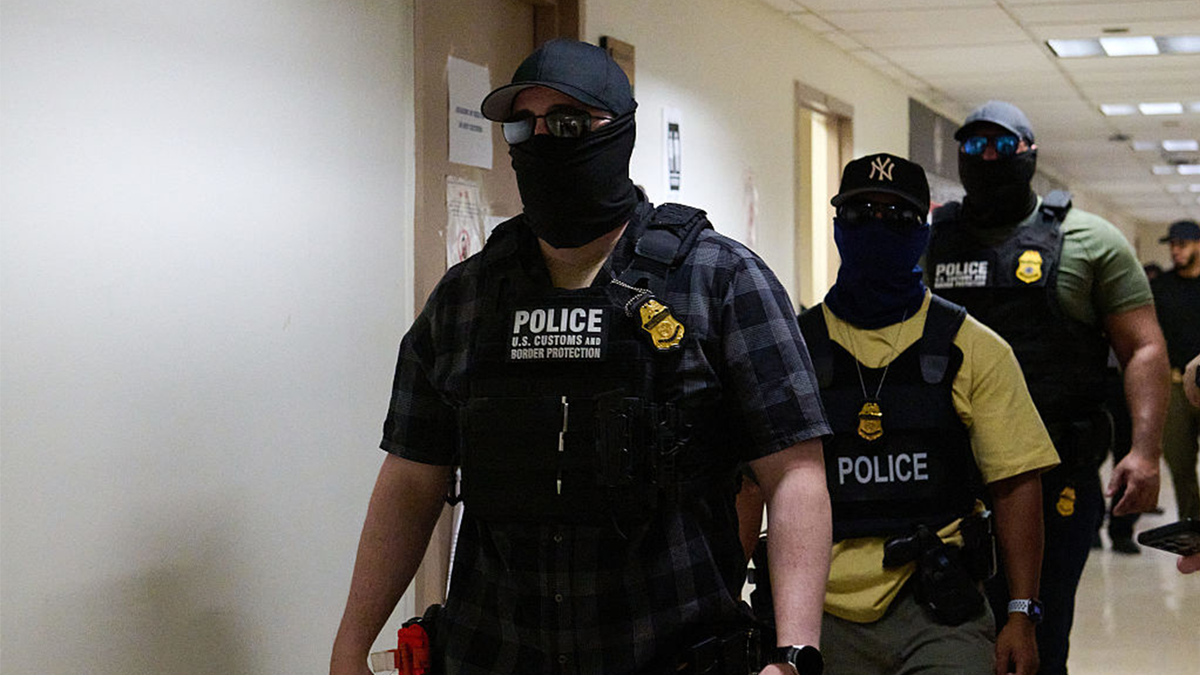
Republican lawmakers and law enforcement agencies contended that the legislation would only make the job more dangerous for officers. (Getty Images)
CLICK HERE TO GET THE FOX NEWS APP
Republican lawmakers and law enforcement agencies argue that the legislation would only make the job more dangerous for officers.
«Bad guys wear masks because they don’t want to get caught. Good guys wear masks because they don’t want to get killed,» GOP state Sen. Kelly Seyarto said.
Trump administration officials have attempted to defend the practice of face coverings by stating that federal immigration agents have faced an increase in harassment in public and online.
But others, including several state attorneys general, argued that the use of face masks generates fear among the public and must be stopped.
The Associated Press contributed to this report.
california,us,politics,immigration,illegal immigrants,police and law enforcement,crime world,donald trump,gavin newsom,deportation










INTERNACIONAL
Fuerzas especiales en el territorio y apoyo de la CIA: así fue el peligroso operativo para rescatar a un piloto estadounidense de Irán
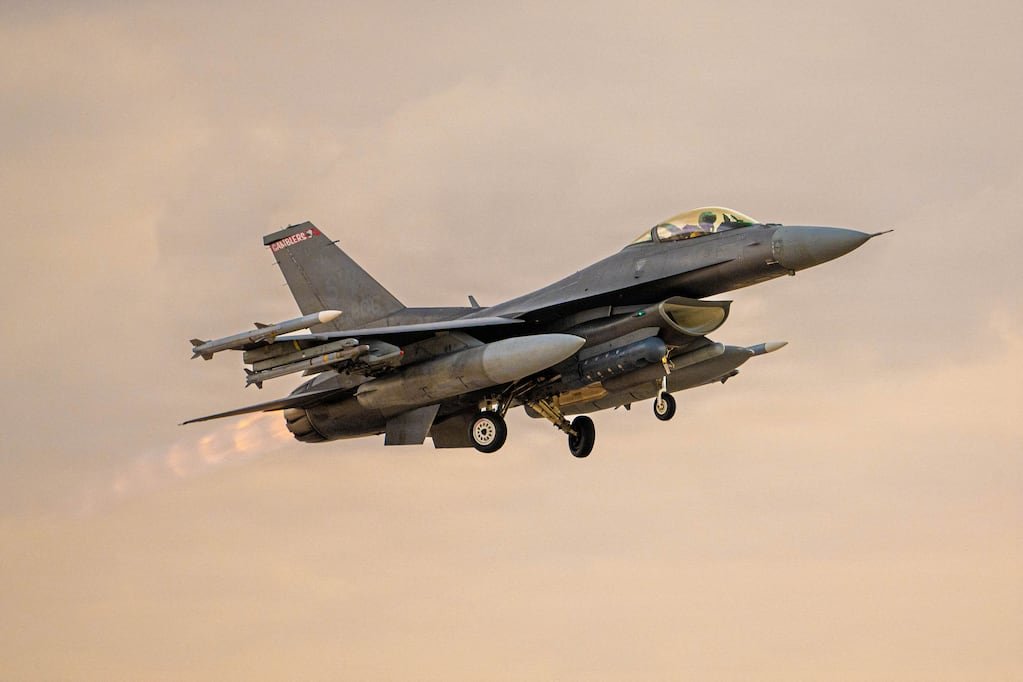
Comandos estadounidenses se desplegaron en lo profundo del territorio iraní para rescatar a un piloto de un caza F-15 derribado, en un operativo que incluyó operaciones de inteligencia de la CIA y la ayuda de Israel. Lo informaron este domingo medios estadounidenses e israelíes.
El presidente Donald Trump anunció que el militar fue recuperado con vida, aunque admitió que se encuentra “gravemente herido”.
Teherán dijo esta semana que había derribado un caza F-15, el primer avión de combate estadounidense abatido en Irán desde el inicio de la guerra. Washington no confirmó los detalles del hecho.
Uno de los dos tripulantes del caza fue rescatado poco después del incidente, pero el otro seguía desaparecido, lo que llevó a Trump a ordenar una operación de búsqueda y rescate en combate (CSAR).
“Uno de los rescates más audaces de la historia”
Trump declaró a primera hora del domingo que el ejército había “llevado a cabo una de las operaciones de búsqueda y rescate más audaces de la historia de Estados Unidos, en favor de uno de nuestros increíbles oficiales de la tripulación, quien, además, resulta ser un coronel sumamente respetado, y de quien me entusiasma comunicarles que ya se encuentra SANO y SALVO”.
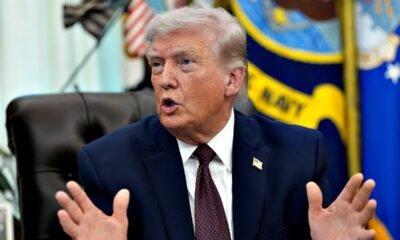
En un mensaje posterior describió la misión de rescate como “una muestra increíble de valentía y talento por parte de todos”. El presidente Donald Trump en una exposición sobre la guerra con Irán, desde el Salón de la Cruz de la Casa Blanca. (Foto AP – Alex Brandon – Pool)
Cómo fue el rescate
Los comandos del Equipo 6 de los Navy SEAL (la principal fuerza de operaciones especiales de la Armada estadounidense) recibieron la misión de extraer al aviador, mientras que aviones de ataque lanzaban bombas y abrían fuego contra convoyes iraníes para mantenerlos a distancia, informó una fuente citada por The New York Times.
Aunque resultó herido, el aviador, un oficial de sistemas de armas, podía caminar y logró evadir la captura en las montañas durante más de un día, según el medio de noticias Axios, que citó a un funcionario estadounidense.
Leé también: León XIV celebró su primera misa de Pascua como papa y lanzó una advertencia sobre la guerra en Medio Oriente
El piloto no identificado estaba equipado con una pistola, una baliza y un dispositivo de comunicaciones seguras para coordinarse con los rescatistas, señaló The New York Times.
Según explicó un funcionario del Gobierno a The Washington Post, el militar permaneció escondido en una grieta de una montaña para evitar a las fuerzas iraníes que se acercaban para capturarle.
Sufrió algunas lesiones, pero según informó la BBC, pudo escapar por sus propios medios.
Los comandos estadounidenses que convergían hacia el oficial dispararon sus armas para mantener a las fuerzas iraníes alejadas del lugar del rescate, agregó. Según Teherán, cinco personas murieron en el ataque.
“Tras el ataque estadounidense-sionista de anoche contra las alturas de Kuh-e Siah, en Kohgiluyeh, cinco personas murieron y siete resultaron heridas”, anunció el gobierno de la provincia de Kohgiluyeh y Boyer Ahmad, informó la agencia Tasnim, vinculada a la Guardia Revolucionaria iraní.
En tanto, Trump aclaró que el piloto “sufrió heridas, pero estará perfectamente bien”. Sin embargo, su segunda publicación afirmó que el aviador había resultado “gravemente herido”, sin ofrecer más detalles. Un caza F15similar al derribado por Irán (Foto: REUTERS/Athit Perawongmetha)
Una operación compleja
La carrera por ver quién llegaba primero al militar desaparecido recrudeció después de que la televisión iraní ofreció una recompensa a quien lo encontrara, mientras que sus fuerzas salían en su búsqueda.
Además, dos de los aviones estadounidenses destinados a trasladar al aviador y a sus rescatistas a un lugar seguro quedaron inmovilizados en una base remota en Irán y tuvieron que ser destruidos para evitar que cayeran en manos iraníes, informaron The New York Times y CBS.
Las fuerzas estadounidenses utilizaron entonces otros tres aviones de transporte para sacar al aviador y a sus rescatistas de Irán.
El ejército iraní afirmó el domingo que la operación estadounidense para rescatar al aviador había utilizado un aeropuerto abandonado en la provincia meridional de Isfahán.
Ebrahim Zolfaghari, portavoz del mando central de las fuerzas armadas iraníes, declaró que dos aviones de transporte militar estadounidenses C-130 y dos helicópteros Black Hawk fueron destruidos.
Leé también: Zanjas, drones e inspecciones laborales: cómo es el “Plan Escudo Fronterizo” que lanzó Kast en Chile
Campaña de engaños
Según informes, la CIA difundió una campaña de engaños dentro de Irán con versiones de que las fuerzas estadounidenses estaban sacando al aviador del país por vía terrestre.
Fue la CIA quien localizó al piloto y compartió su ubicación con la Casa Blanca para que Trump ordenara la misión de rescate, dijo EFE. La prensa israelí dijo que la inteligencia de su país también contribuyó en la acción.
Las labores de búsqueda estuvieron marcadas por fuego cruzado entre los helicópteros estadounidenses desplazados y los iraníes que se encontraban en tierra.
El Pentágono desplegó aviones C-130, helicópteros de rescate y decenas de aeronaves que volaban con perfil bajo y lento, a muy baja cota para evitar radares y bajo la amenaza de ser derribados.
Irán aseguró hoy que durante esta operación derribó cuatro aeronaves estadounidenses.
(Con información de AFP y EFE)
Irán, Estados Unidos, Donald Trump
INTERNACIONAL
GOP races to pass ICE, Border Patrol funding bill as priorities pile up, divisions emerge
John Thune blasts Democrats’ DHS shutdown demands
Senate Majority Leader John Thune accuses Democrats of playing politics with the DHS shutdown, explaining how the Senate passed a bill to fund most agencies. He also addresses President Donald Trump’s remarks on rising gas prices.
NEWYou can now listen to Fox News articles!
A party-line tactic to ram legislation through Congress and bypass the Senate filibuster has become a dumping ground for Republicans’ legislative priorities throughout the year.
Now, as Democrats refuse to fund immigration operations, Republicans are once again readying a budget reconciliation package. The hard part will be getting enough of the GOP on the same page to craft a bill that can pass and survive the strict rules underpinning the process.
Republicans used the same process to pass President Donald Trump’s «big, beautiful bill» last year. It’s a time-consuming, labor-intensive legislative maneuver that nearly blew up and could fail unless both the Senate and House align on what exactly they want to include.
SENATE PASSES BILL TO FUND MOST OF DHS AFTER HOUSE GOP CAVES
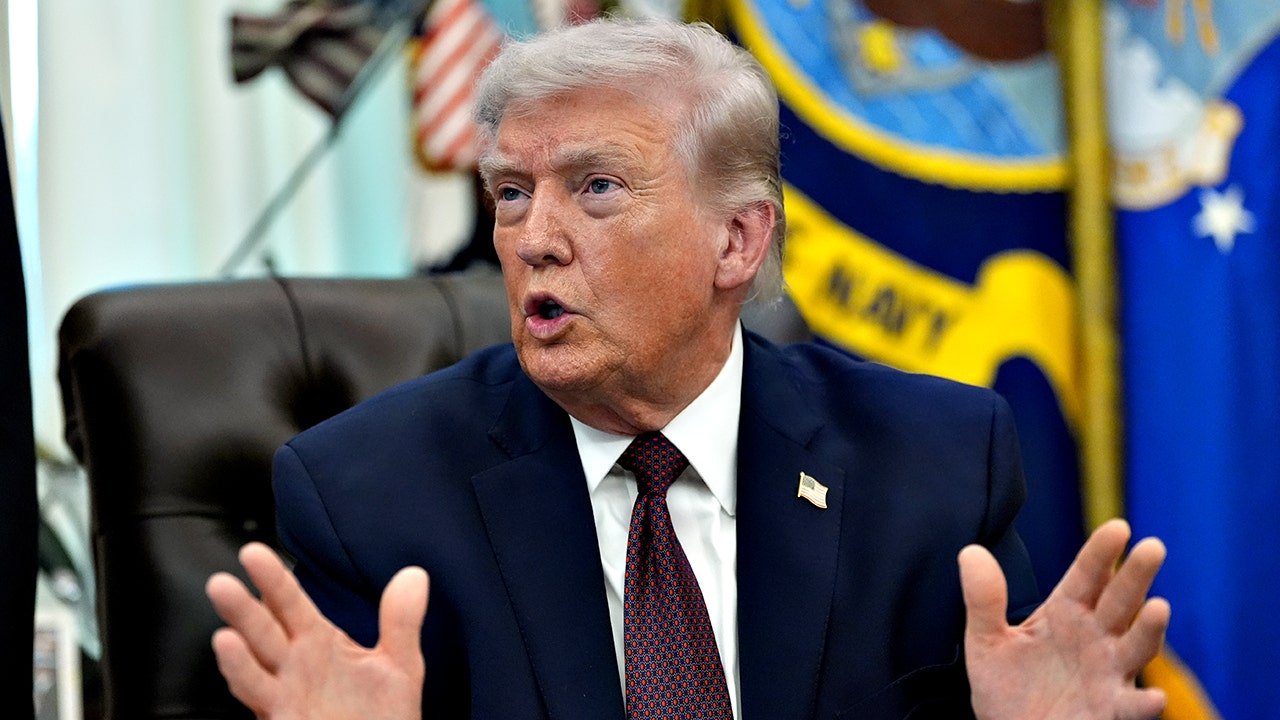
President Donald Trump answers questions from reporters after signing an executive order in the Oval Office of the White House Tuesday, March 31, 2026, in Washington. (Alex Brandon/AP Photo)
Trump officially backed using reconciliation again this week as a way to skirt Democrats’ refusal to fund Immigration and Customs Enforcement (ICE) and Customs and Border Protection (CBP), as Congress inches closer to ending the ongoing Department of Homeland Security (DHS) shutdown.
Trump demanded that Republicans get the bill on his desk by June 1.
«We are going to work as fast and as focused as possible to replenish funding for our Border and ICE agents, and the Radical Left Democrats won’t be able to stop us,» Trump said on Truth Social.
Still, Republicans have viewed reconciliation as a vehicle to tackle fraud, affordability, Trump’s tariff authorities, additional tax provisions, healthcare, funding for the Iran war, supplemental agriculture spending and election integrity measures in the months since passing the «big, beautiful bill.»
DHS SHUTDOWN BREAKTHROUGH COMES AT COST FOR REPUBLICANS AS FUNDING FIGHTS NEARS END
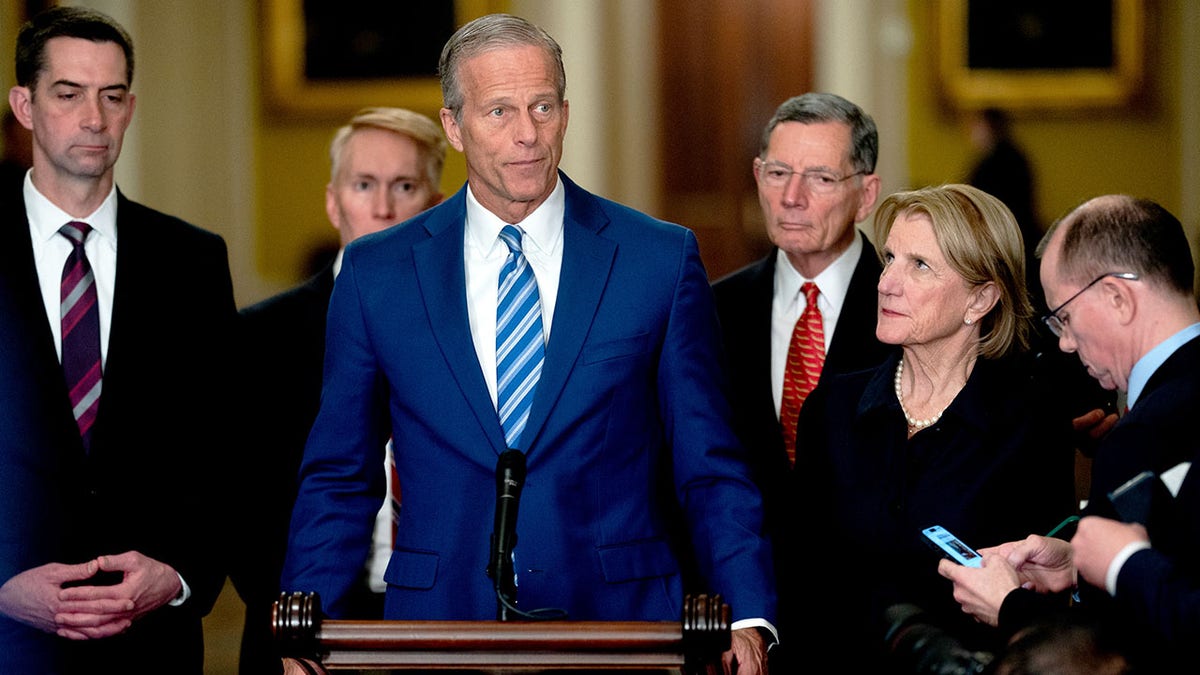
Senate Majority Leader John Thune, R-S.D., said Republicans need to «keep our expectations realistic.» (Stefani Reynolds/Bloomberg via Getty Images)
Senate Majority Leader John Thune, R-S.D., has warned that if reconciliation is going to work — especially given the limited timeframe lawmakers have to start and finish the process — Republicans need to «keep our expectations realistic.»
«Our theory of the case behind all this was to keep that thing as narrow and focused as possible, and that maximizes the speed at which we can do it and the support for it,» Thune said.
«There will probably be some attempts to add things,» he continued. «There are things out there that, obviously, many of us are interested in. But on a reconciliation vehicle like this — which we need to move with haste, as the president has pointed out — it’s probably not a likely magnet for all these other issues.»
Senate Budget Committee Chair Lindsey Graham, R-S.C., told voters at an event this week in South Carolina that he is eyeing two new reconciliation packages, which could ease concerns about cramming all the GOP’s priorities into one massive bill.
GOP RAILS AGAINST ‘S— SANDWICH’ DEAL AS ALL EYES TURN TO HOUSE TO END DHS SHUTDOWN
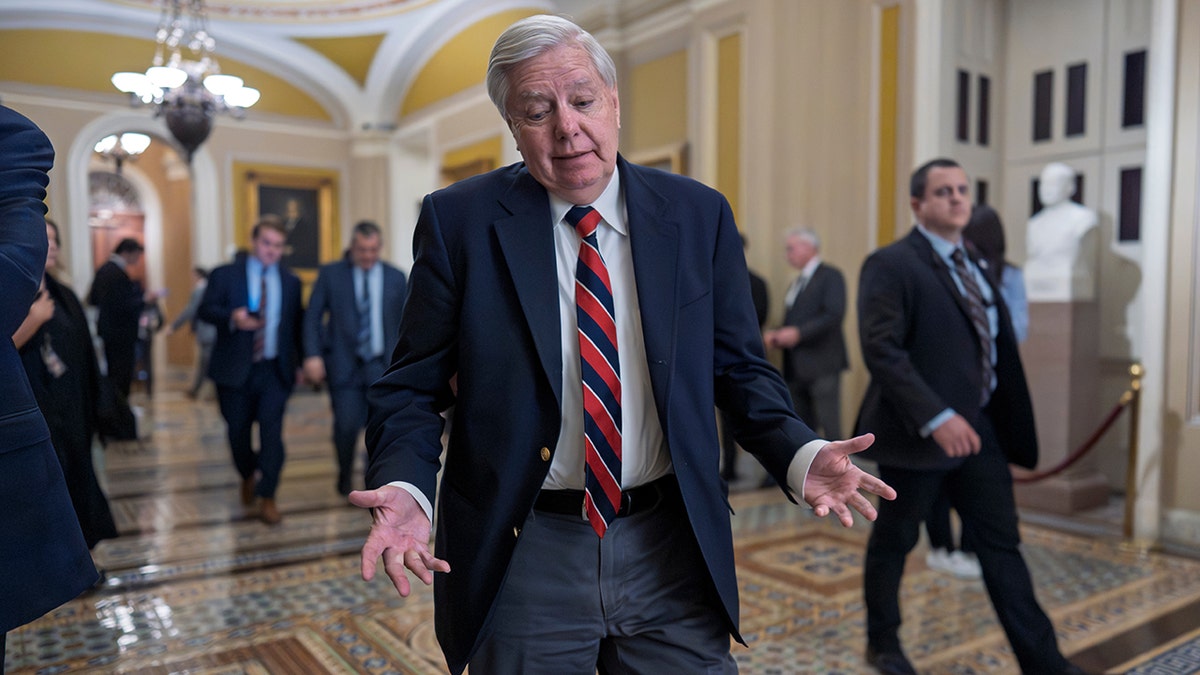
Sen. Lindsey Graham, R-S.C., walks to the Senate chamber for votes after meeting behind closed doors with fellow Republicans on the Homeland Security budget stalemate, at the Capitol in Washington, March 26, 2026. (J. Scott Applewhite/AP Photo)
«We want to do it quick — ICE, Border Patrol — fund it as much as you can, multi-year,» Graham said. «Then there’s another one coming. I just made news. There’s another one coming in the fall, and that’s going to be about going after fraud.»
House Republicans spent their recent policy retreat earlier this year pushing a so-called «reconciliation 2.0,» gearing up to load the package with several provisions that could drain time and struggle to earn support in the Senate — where strict guidelines could kill proposals entirely if they don’t comply with the rules.
The Republican Study Committee (RSC), which has long called for a second reconciliation bill, also wants to add proposals addressing affordability concerns.
«We support pursuing funding for military readiness and Homeland Security through this legislative process, while simultaneously codifying the president’s agenda to deliver lower costs for working families,» the RSC Steering Committee said in a statement to Fox News Digital.
Some Republicans are also pushing to include the latest policy fight: the Safeguarding American Voter Eligibility (SAVE) Act. The voter ID and citizenship verification legislation has no chance of passing the Senate given unified Democratic opposition.
CLICK HERE TO DOWNLOAD THE FOX NEWS APP
It’s also unlikely to survive the Senate’s reconciliation rules, which allow only provisions that directly impact spending.
«I think we have to set our sights a little bit lower on this reconciliation bill,» Sen. Roger Marshall, R-Kan., told Fox News Digital. «It’s got to be targeted to fund ICE for 10 years — I think that’s the number one thing for us. If we can nibble at the edges of the SAVE Act, that would be great, but the parliamentarian is not going to let us do the SAVE Act. That’s just an impossibility.»
Some of the loudest proponents of the bill in the House GOP acknowledge that adding the SAVE Act to reconciliation would be a challenge — largely because they would prefer to keep the bill intact and push it through the Senate.
«Look, it’s time for them to do a walk-and-talk and filibuster, and let’s make this thing happen,» Rep. Ralph Norman, R-S.C., said. «The American people are watching — piecing it together just to try to get a piece.»
politics, senate, house of representatives politics, donald trump, homeland security
INTERNACIONAL
Un medicamento para la diabetes podría ayudar a controlar el peso en hombres con cáncer de próstata

La metformina es un medicamento utilizado principalmente para tratar la diabetes tipo 2 que ayuda a controlar los niveles de glucosa en sangre.
Científicos de los Estados Unidos identificaron que se le podría dar otro uso al medicamento también. En hombres con cáncer de próstata, el fármaco podría producir un efecto similar al que genera el ejercicio intenso en el cuerpo.
Es porque la metformina eleva los niveles de una molécula clave para el equilibrio energético y el peso, aun cuando los pacientes no realizan actividad física.
El trabajo fue realizado por investigadores del Sylvester Comprehensive Cancer Center, en Miami, un centro especializado en cáncer. Lo publicaron en la revista científica EMBO Molecular Medicine.
Qué motivó a hacer el estudio

Muchos de los pacientes con cáncer de próstata sienten fatiga, dolores o presentan limitaciones físicas que hacen difícil mantener una rutina de ejercicios.
La terapia hormonal, utilizada para combatir el cáncer de próstata, puede alterar el metabolismo y provocar aumento de peso, resistencia a la insulina y riesgo cardiovascular.
Por eso, los científicos buscaron alternativas para ayudar a quienes no pueden moverse con facilidad durante el tratamiento.

El medicamento logró aumentar los niveles de N-lactoil-fenilalanina (Lac-Phe), una molécula que el cuerpo fabrica cuando necesita más energía.
Lac-Phe aparece cuando el lactato, que se produce al hacer esfuerzo, se une a la fenilalanina, un aminoácido que forma parte de las proteínas.
Estudios previos en animales y humanos ya habían relacionado altos niveles de Lac-Phe con menor apetito y mejor control del peso.
Señales del cuerpo, caminos de la medicina
Los investigadores observaron que la metformina elevó Lac-Phe en pacientes sin actividad física, y que los valores alcanzados eran parecidos a los que se ven luego de una sesión exigente de ejercicios.

Este dato llamó la atención porque muestra que ciertas rutas metabólicas pueden activarse incluso cuando no hay movimiento.
El estudio aclara que tomar metformina no reemplaza los beneficios del ejercicio físico, pero ayuda a entender cómo funcionan los mecanismos internos del metabolismo.
El objetivo es explorar si existen formas de proteger la salud metabólica en pacientes que no pueden hacer ejercicio debido a los tratamientos o a otros problemas.
La investigación también comprobó que los niveles de Lac-Phe elevados por la metformina no se vincularon con cambios en el antígeno prostático específico (PSA), el análisis de sangre que se usa para seguir la evolución del cáncer de próstata.
Esto significa que, aunque la molécula se relaciona con el metabolismo y el peso, no afecta directamente al tumor.
Metformina, una aliada inesperada

Además de Lac-Phe, la metformina elevó otra sustancia llamada GDF-15, aunque la relación de esta molécula con los cambios de peso fue menos clara.
El equipo dirigido por Marijo Bilusic, oncólogo y profesor en la Universidad de Miami, señaló que la combinación del trabajo de laboratorio y estudios clínicos permitió unir los resultados moleculares con datos de pacientes reales.
La doctora Priyamvada Rai, experta en biología tumoral, explicó que mantener la salud metabólica puede ser clave para que los pacientes toleren mejor los tratamientos y se sientan mejor en su vida diaria.
En tanto, el profesor David Lombard, del área de epigenética, agregó que estudiar el metabolismo celular ayuda a comprender el impacto de la metformina en personas con cáncer de próstata.

Los resultados se confirmaron en distintos contextos clínicos y también en pacientes tratados con otras terapias metabólicas.
Esto sugiere que Lac-Phe podría reflejar un ajuste más amplio del metabolismo, no solo un efecto exclusivo de la metformina.
La potencial utilidad de la metformina en pacientes con cáncer de próstata abre una nueva línea de investigación sobre cómo los medicamentos pueden apoyar el metabolismo cuando la actividad física no es posible o resulta muy difícil.
soledad,tercera edad,aislamiento,reflexión,vejez,salud mental,personas mayores,sociedad
Milei recibió a Kast: sintonía ideológica e inversiones, con la fuga de Apablaza como trago amargo

Mercados: bajan las acciones argentinas en una rueda signada por el conflicto en Medio Oriente

Fuerzas especiales en el territorio y apoyo de la CIA: así fue el peligroso operativo para rescatar a un piloto estadounidense de Irán

Javier Milei rechazó la eutanasia: “La vida es un regalo que debemos honrar”

Guillermo Duró, un entrenador con roce internacional: su historial en Libertadores y Sudamericana antes del debut con Riestra

Javier Milei y sus medidas, en vivo: recibe a su par chileno, José Antonio Kast, y vuelve a reunirse con el gabinete

Oriana Sabatini sorprendió al elegir a una famosa como madrina de Gia, su hija con Paulo Dybala

La Armada sorteará 30 lugares en el buque que escoltará la salida de la Fragata Libertad: cómo anotarse

La nueva advertencia de Donald Trump a Irán: «El tiempo se acaba, quedan 48 horas antes del infierno»

Círculo rojo: intrigas en el gabinete, desgaste por el caso Adorni y movimientos inquietantes en el Poder Judicial

 INTERNACIONAL2 días ago
La nueva advertencia de Donald Trump a Irán: «El tiempo se acaba, quedan 48 horas antes del infierno»
- POLITICA1 día ago
Círculo rojo: intrigas en el gabinete, desgaste por el caso Adorni y movimientos inquietantes en el Poder Judicial
- POLITICA2 días ago
Créditos del Banco Nación: el Gobierno reveló que Pettovello echó a Massaccesi porque “mintió”