INTERNACIONAL
Campaña presidencial en Brasil: Lula da Silva apunta ahora a su eventual rival en 2026

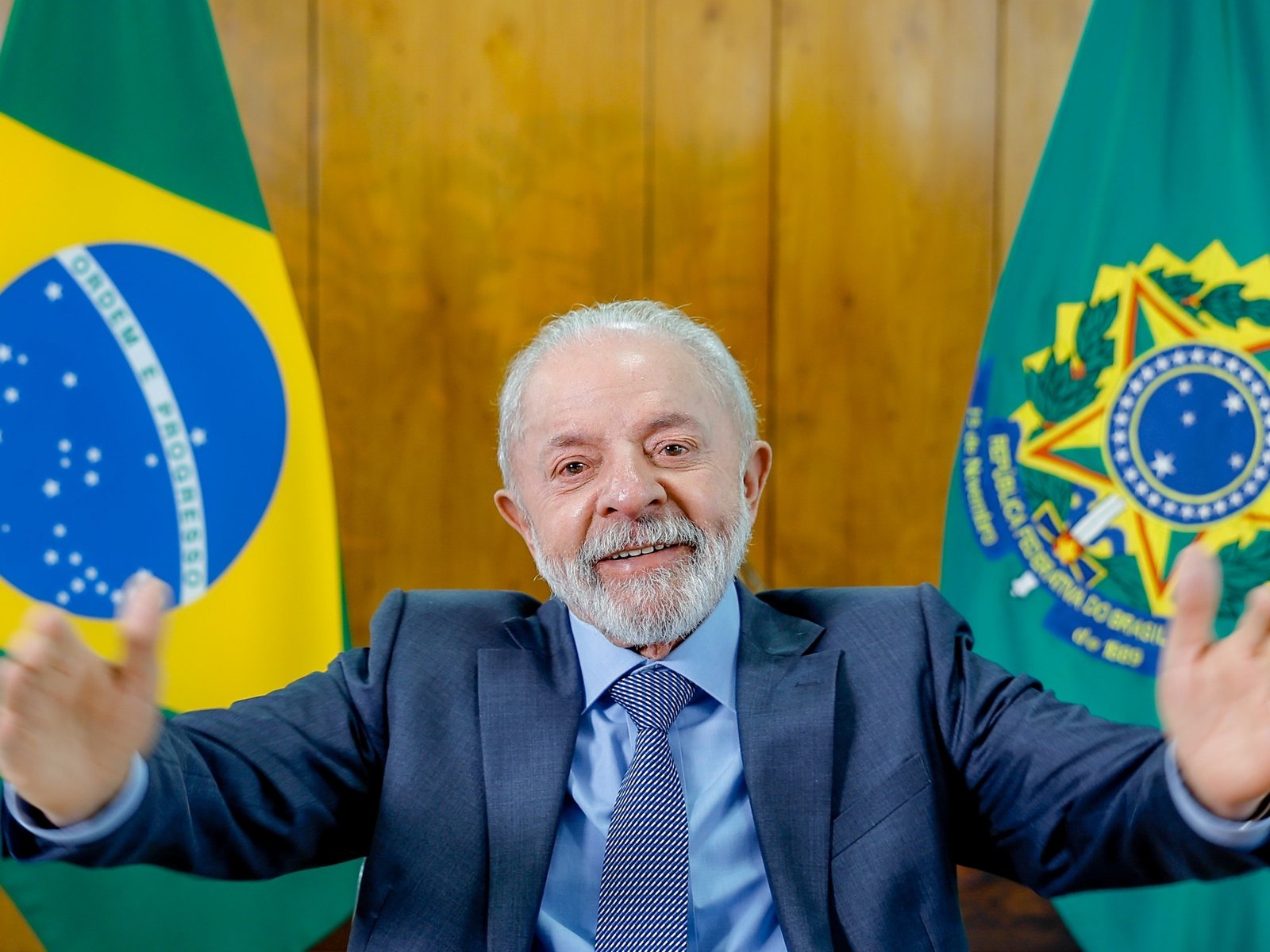
En lo que parecería un anticipado inicio de la campaña electoral en Brasil, el presidente Luiz Inacio Lula da Silva planteó la estrategia de relegar el caso de Jair Bolsonaro, ahora que ya se fijo sentencia por golpismo, y enfocarse en el rival que supone que lo enfrentará en las presidenciales del año entrante. Se trata del gobernador de San Pablo, Tarcísio de Freitas, un derechista amigo del ex presidente y que está radicalizando su discurso para intentar representar a ese enorme electorado opositor.
Recordemos que Lula derrota a Bolsonaro en las elecciones de octubre de 2022 por 1,8% de los votos. El ex presidente perdió con una masa de votos sin precedentes para un postulante derrotado. Ahí miran sus aliados. Bolsonaro está inhibido de participar en política y acaba de ser condenado a 27 años y 3 meses de cárcel por el intento de golpe contra Lula.
El líder del PT, entre tanto, aún no ha indicado si buscará la reelección, pero su imagen ha crecido de manera notoria como consecuencia del ataque arancelario del gobierno de Donald Trump, que presionó con gravámenes de 50% para que se anule el juicio a Bolsonaro. De modo que la alternativa electoral la descuentan los analistas.
De Freitas tampoco ha anunciado su postulación, pero también aparece en todos los radares, con Bolsonaro anulado.
El diario Folha de Sao Paulo señaló en su portal, que el gobierno prefiere pasar la cuestión Bolsonaro a un segundo plano “concentrándose en los programas gubernamentales y los ataques al gobernador de São Paulo”.
El Partido de los Trabajadores priorizará “la popularidad de Lula ya demostrada por las encuestas”, y hacer blanco en Tarcísio de Freitas, considerado el nuevo exponente de la derecha y casi seguro oponente en 2026.
Esta orientación provino del propio Lula y se sugirió que la acompañen sus ministros, los legisladores y el resto del liderazgo partidario. La orden es anunciar con bombos y platillos los programas sociales que se lanzarán, especialmente la exención del impuesto sobre la renta, y el nivel récord de empleo. En cuanto a Tarcísio, un video publicado por el PT atacándolo es solo un anticipo, dice el prestigioso diario paulista. Se está preparando una nueva tanda.
Hay otros competidores en esta disputa cuando restan más de 390 días para la primera vuelta electoral. Uno, importante, también desde la derecha, es el gobernador de Minas Gerais, Romeu Zema, un dirigente liberal quien anunció recientemente su candidatura y ya está haciendo campaña.
Tampoco es claro qué sucederá con otra fuerza del centro derecha y con fuertes vínculos con Lula, el Partido Social Democrático, fundado por el ex alcalde de San Pablo, Gilbert Kassab
La presidente del PT Gleisi Hoffman, una dirigente de fuerte línea de lo que sería la izquierda partidaria, que en gran medida el gobierno abandonó, describe a esa organización como “la derecha responsable”, para diferenciarla del bolsonarismo. Lo cierto es que el PSD tuvo un extraordinario rendimiento en las pasadas elecciones municipales de Brasil. Ganó por enorme diferencia, y con apoyo público de Lula, nada menos que la alcaldía de Río de Janeiro al candidato de Bolsonaro, en la ciudad donde ha hecho su carrera política.
Lula y su gente se animan más al futuro atento a datos, como la encuesta de Datafolha, realizada en 113 ciudades del país, que determinó que el índice de aprobación del presidente sube al 33%, el más alto del año, y se acerca a la desaprobación, con un 38%. Otro 28% considera que el gobierno es regular, pero no lo baja a malo. La encuestadora preguntó a los eventuales votantes sobre su aprobación o no del desempeño de Lula. La opinión se mantuvo estable: el 48% lo aprueba, en comparación con el 46% de julio, mientras que el porcentaje de quienes opinan lo contrario bajó del 50% al 48%.
Importa esta información porque el tercer gobierno de este dirigente socialdemócrata enfrentó importantes dificultades, especialmente del lado económico y arrancó este año acosado por una crisis política y cuestiones sociales ligadas al costo de vida. El ataque arancelario norteamericano no agravo esos problemas, debido a que la mayoría de las exportaciones brasileñas a EE.UU. son commodities que pueden ser redirigidas a otros mercados, de modo que el efecto es menos de uno por ciento del producto.
Si tuvo un efecto político por la decisión del gobierno de evitar réplicas, para no preocupar a los inversionistas, demandar diálogo y lograr acuerdos para quitar de la nómina de sanciones a rubros tan importantes como la fábrica de aviones Embraer.
Un punto que miran los bolsonarista es que el ex presidente, tiene un índice de aprobación del 22% y de desaprobación superior al 50%.
Brasil,Lula Da Silva,Jair Bolsonaro,Donald Trump










NEWYou can now listen to Fox News articles!
China’s top legislature on Thursday passed an «Ethnic Unity and Progress Promotion Law,» formalizing Beijing’s long-running push to strengthen national identity and ethnic integration.
The legislation was approved at the closing meeting of the fourth session of the 14th National People’s Congress during its annual parliamentary gathering in Beijing.
State-affiliated media Xinhua previously reported that the law would seek to codify «fostering a strong sense of community for the Chinese nation» into state policy.
It would also bolster high-quality development in areas with large ethnic minority populations and promote what officials describe as common prosperity among China’s 56 ethnic groups.
CHINESE UNDERGROUND CHURCH PASTOR, FATHER OF US CITIZENS, DETAINED BY AUTHORITIES, FAMILY SAYS
Ethnic minority delegates arrive for the opening session of the Chinese People’s Political Consultative Conference at the Great Hall of the People in Beijing, March 4, 2026. (Vincent Thian/AP)
Li Hongzhong, vice chairman of the NPC Standing Committee, said the measure was aimed at advancing the governance of ethnic affairs under the rule of law.
«The people of each ethnic group, all organizations and groups of the country, armed forces, every Party and social organization, every company, must forge a common consciousness of the Chinese nation according to law and the constitution, and take the responsibility of building this consciousness,» the proposed law reads, according to a translation from The Associated Press.
Academics and outside observers say the provision could undermine the cultural identity of ethnic minorities by requiring the use of Mandarin in compulsory education and establishing a legal basis to pursue individuals or organizations outside China whose actions are deemed to undermine «ethnic unity,» the AP reported.
TRUMP SAYS IT’S AN ‘HONOR’ TO KEEP STRAIT OF HORMUZ OPEN FOR CHINA AND OTHER COUNTRIES
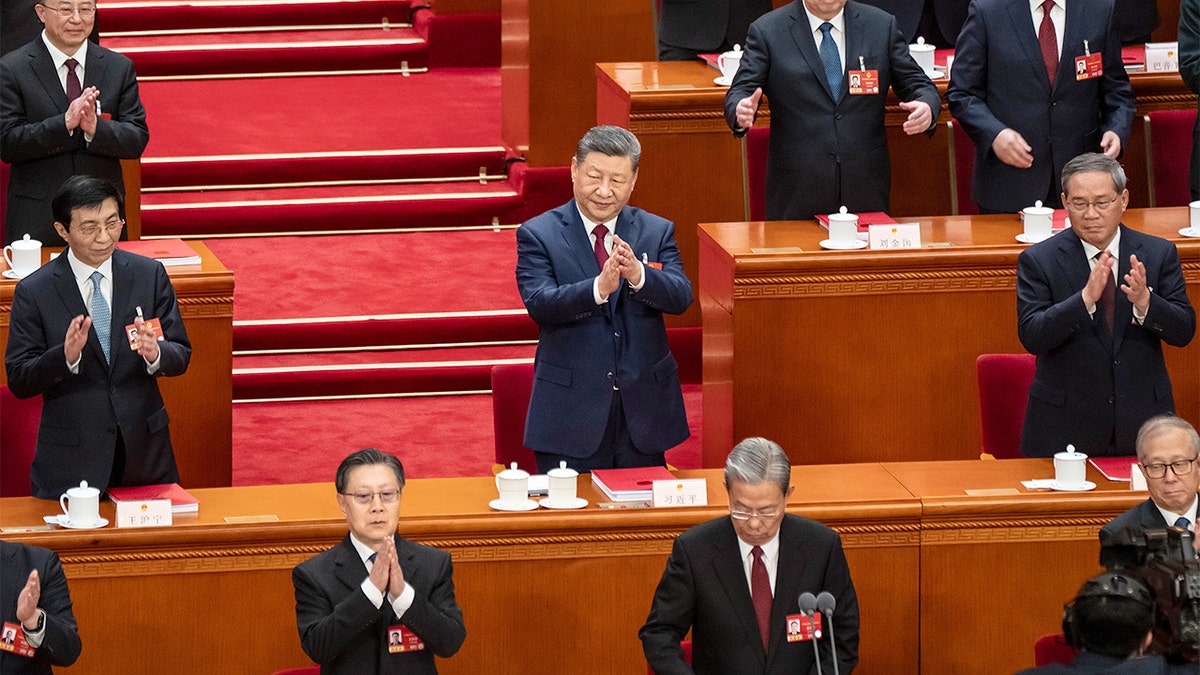
Xi Jinping, China’s president, center, applauds during the closing session of the National People’s Congress at the Great Hall of the People in Beijing, March 12, 2026. (Qilai Shen/Bloomberg via Getty Images)
China’s population stands at 1.44 billion as of November 2020, according to the Seventh National Population Census released in 2021 by the National Bureau of Statistics.
Of that total, 91.11% were Han Chinese and 8.89% belonged to ethnic minority groups.
CRUZ LEADS SENATE PUSH TO HOLD CHINA ACCOUNTABLE FOR BEIJING CHURCH CRACKDOWN
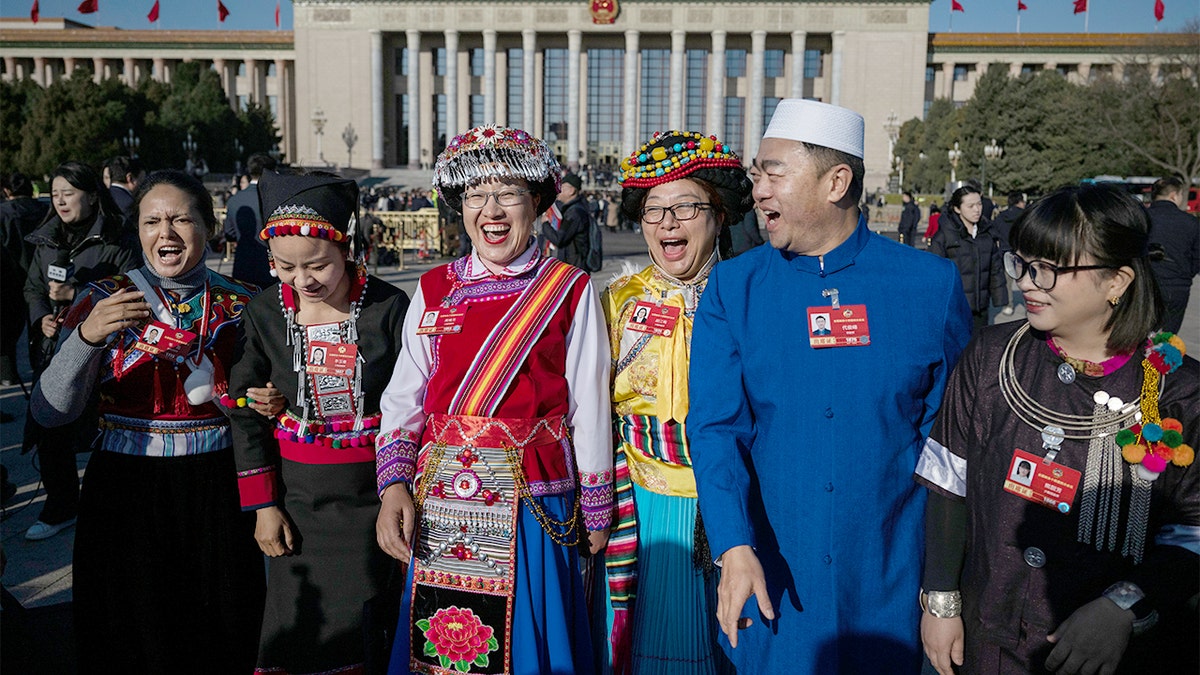
Delegates wearing traditional clothing react at the closing session of the Chinese People’s Political Consultative Conference in Beijing, March 11, 2026. (Kevin Frayer/Getty)
CLICK HERE TO DOWNLOAD THE FOX NEWS APP
James Leibold, a professor at Australia’s La Trobe University, told the AP the new measure «puts a death nail in the party’s original promise of meaningful autonomy.»
Rayhan Asat, a legal scholar at Harvard University, also criticized the law, saying it «serves as a strategic tool and gives the pretext to government to commit all sorts of human rights violations.»
china,world,human rights
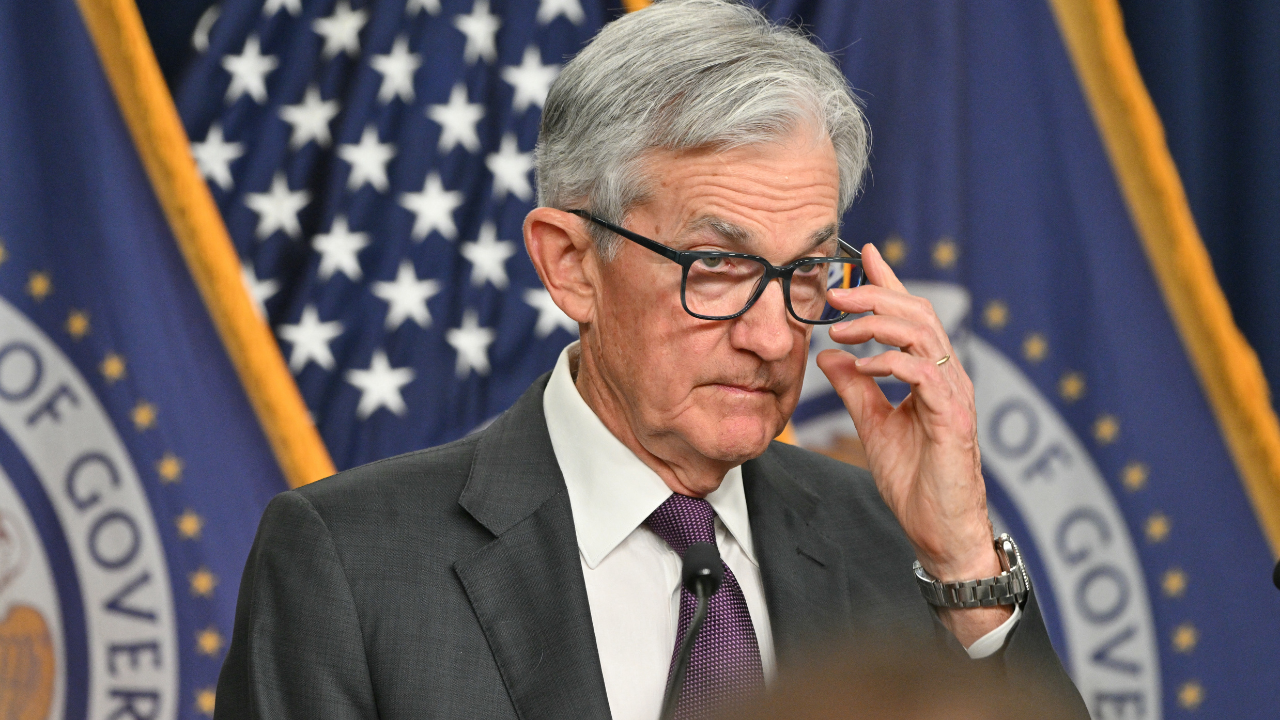
Fed Chair Powell addresses DOJ criminal investigation
Federal Reserve Chairman Jerome Powell confirmed the central bank had been served by the Justice Department in connection with allegations related to congressional testimony on the renovation of the bank’s headquarters. (Credit: Federal Reserve)
NEWYou can now listen to Fox News articles!
Federal Reserve Chair Jerome Powell moved quickly behind the scenes after the Justice Department opened a criminal probe into his statements to Congress, with his calendar showing a burst of outreach to U.S. lawmakers.
The entries don’t reveal what was discussed, but they show Powell made 13 calls to senators and House members shortly after he accused the DOJ of using subpoenas as a «pretext» to ramp up pressure on the central bank to cut rates. The rapid-fire calls ranged from 10 to 15 minutes each.
The Fed releases Powell’s monthly schedule with about a two-month lag, which is why the scope of that outreach is only now coming into view.
TRUMP’S PICK TO LEAD THE FEDERAL RESERVE MEETS GOP SENATOR HOLDING UP HIS CONFIRMATION
Federal Reserve Chairman Jerome Powell’s calendar showing some of his phone calls with members of Congress. (Federal Reserve/Amanda Macias/Fox News Digital)
Powell’s calendar lists calls with Sens. Lisa Murkowski, R-Alaska; Shelley Moore Capito, R-W. Va.; Mark Warner, D-Va.; Bill Cassidy, R-La.; John Kennedy, R-La.; Mitch McConnell, R-Ky.; Mike Crapo, R-Idaho; James Lankford, R-Okla.; and Tim Scott, R-S.C., as well as Reps. Joyce Beatty, D-Ohio; Maxine Waters, D-Calif.; Steny Hoyer, D-Md.; and House Minority Leader Hakeem Jeffries, D-N.Y.
Powell’s schedule also lists a breakfast meeting with Treasury Secretary Scott Bessent on Jan. 15, four days after the investigation was disclosed.
Working Capitol Hill has long been central to Powell’s playbook, with the Fed chair regularly logging more one-on-one time with lawmakers than any modern predecessor.
DOJ’S CRIMINAL PROBE OF FED CHAIR POWELL SPARKS RARE GOP REVOLT ON CAPITOL HILL
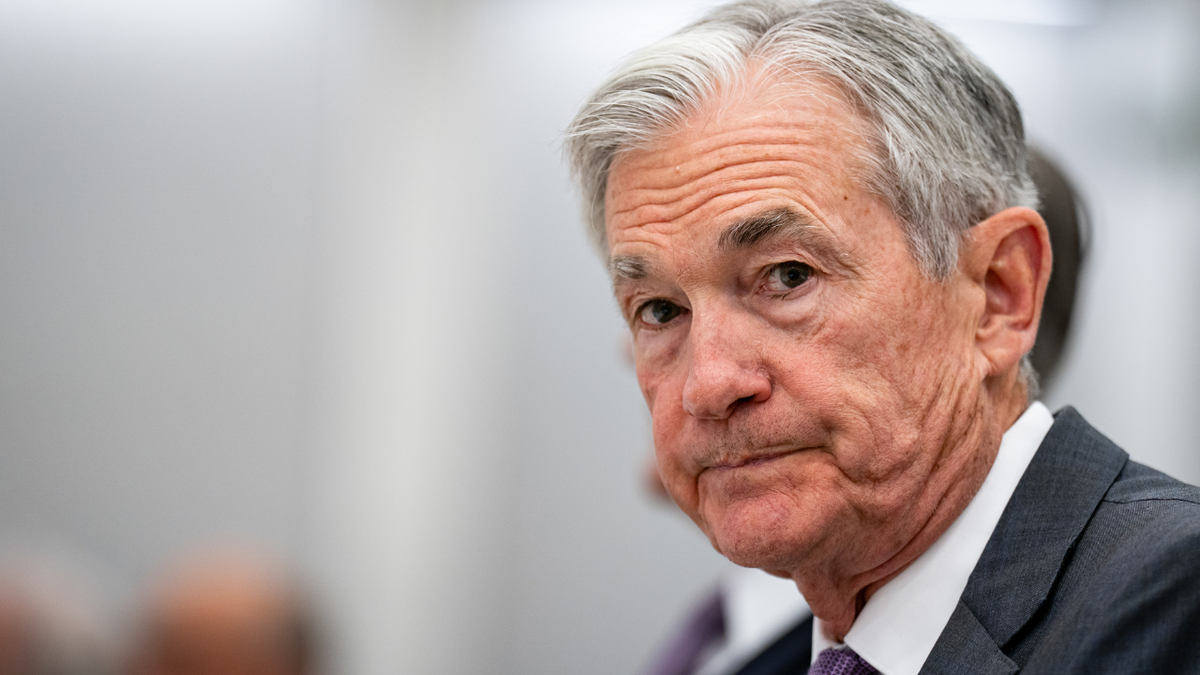
Federal Reserve Chair Jerome Powell held phone calls with lawmakers in the days after the Justice Department announced its probe. (Al Drago/Bloomberg via Getty Images)
Still, the week of Jan. 11 stood out even for Powell. The last time he reached more lawmakers in a single week was February 2025, ahead of his semiannual testimony, when he typically schedules a run of prehearing calls with key members.
This burst was different, though it followed Powell’s Jan. 11 disclosure that the Justice Department had opened a criminal investigation tied to his congressional testimony on the Federal Reserve’s two historic main buildings on the National Mall.
Powell, in a rare video statement, called the probe «unprecedented» and described it as another salvo in what he described as President Donald Trump’s pressure campaign on the central bank to cut rates. The unusually public response followed days of private consultations with advisors and stood out for a Fed chair known for a measured approach.
The investigation centers on Powell’s June 2025 testimony to lawmakers, an unusual development for a sitting Fed chair.
TRUMP VS THE FEDERAL RESERVE: HOW THE CLASH REACHED UNCHARTED TERRITORY
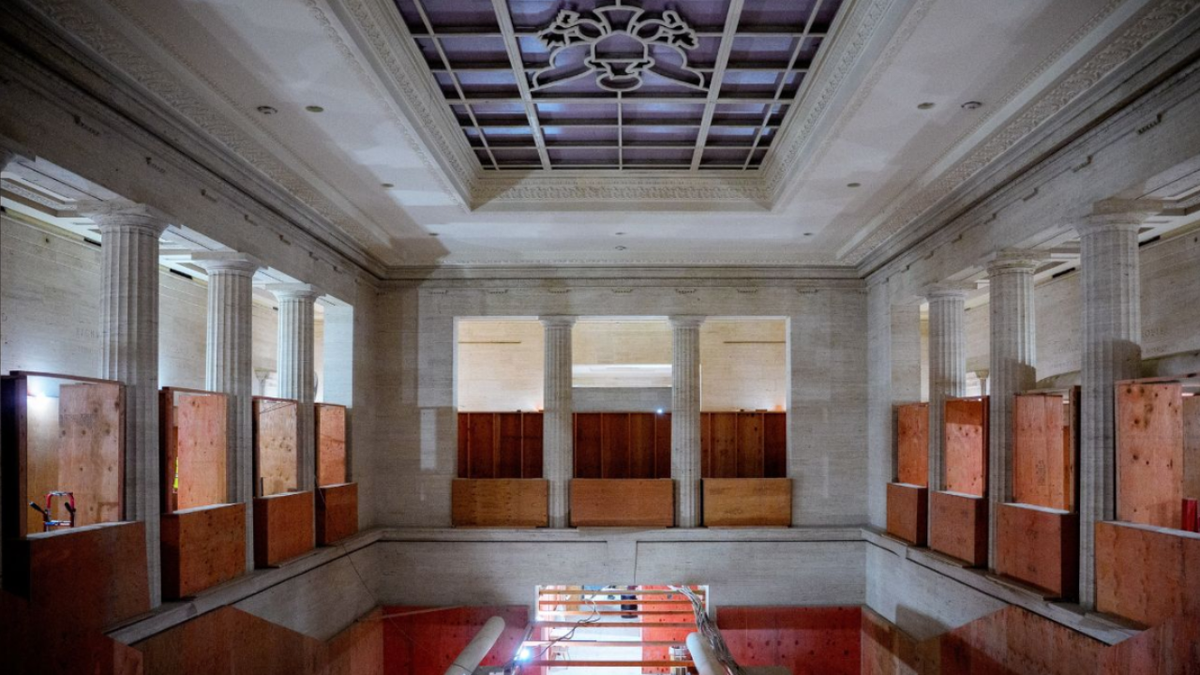
The grand atrium of the Marriner S. Eccles Federal Reserve building is under construction on July 24, 2025. (Andrew Harnik/Getty Images)
Testifying before the Senate Banking Committee, Powell said: «There’s no new marble. There are no special elevators. They’re old elevators that have been there. There are no new water features. There are no beehives, and there’s no roof garden terraces.»
Powell added that no one «wants to do a major renovation of a historic building during their term in office,» and said cost overruns were driven in part by unexpected construction challenges and inflation.
The renovation is estimated to cost $2.5 billion and is being funded by the central bank itself, not by taxpayers.
The Fed is self-financing and does not rely on congressional appropriations to cover its operating expenses, which include employee salaries, facilities maintenance and the current renovation. Its primary income comes from interest earned on government securities and fees charged to financial institutions.
CLICK HERE TO DOWNLOAD THE FOX NEWS APP
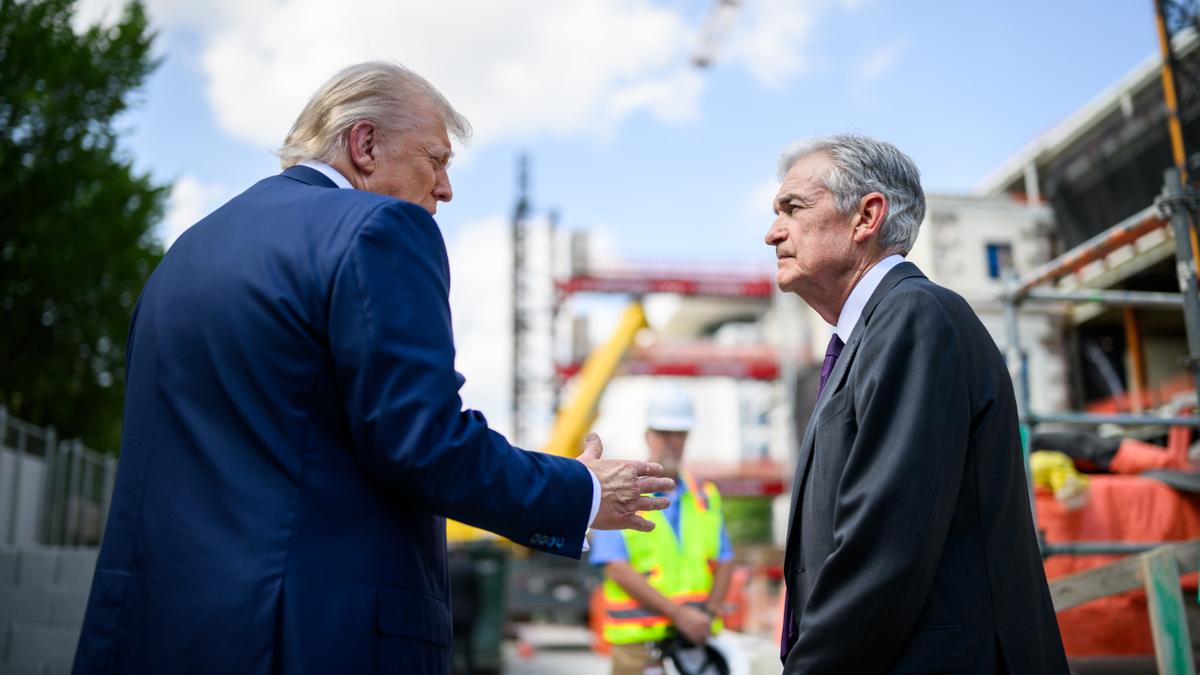
President Donald Trump nominated Powell to lead the Federal Reserve in 2017. (Official White House Photo by Daniel Torok)
Trump has repeatedly targeted the project, threatening legal action and mocking the renovation’s cost and design.
«They’re building a basement into the Potomac River. I could have told them. That’s very tough to do, and it doesn’t work, and it’s very expensive,» Trump said. «But they’re up to $4 billion, headed by this clown,» he added in November, referring to Powell.
Powell, a Trump nominee first tapped to lead the Fed in 2017, is expected to finish his term at the end of May. Trump has picked former Fed governor Kevin Warsh to replace Powell, but the nomination is effectively stuck after Sen. Thom Tillis vowed to block any Fed nominees while the DOJ probe remains open.
The Federal Reserve declined to comment on Powell’s calendar.
federal reserve,economy,scott bessent,donald trump,congress,politics

Las insólitas justificaciones y furcios del amigo de Adorni: “Lo pagó él con plata del Estado, me lo pagó a mí y tengo el recibo del recibo”

Efecto cascada: cómo el fin del impuesto al lujo ya genera baja de precios en modelos que no lo pagaban y cuáles son

El verano se resiste: cuándo será el último día con 30°C en Buenos Aires para aprovechar al aire libre

Cómo es la tecnología con la que entrena la Fuerza Aérea para operar los F-16 que llegarán a la Argentina

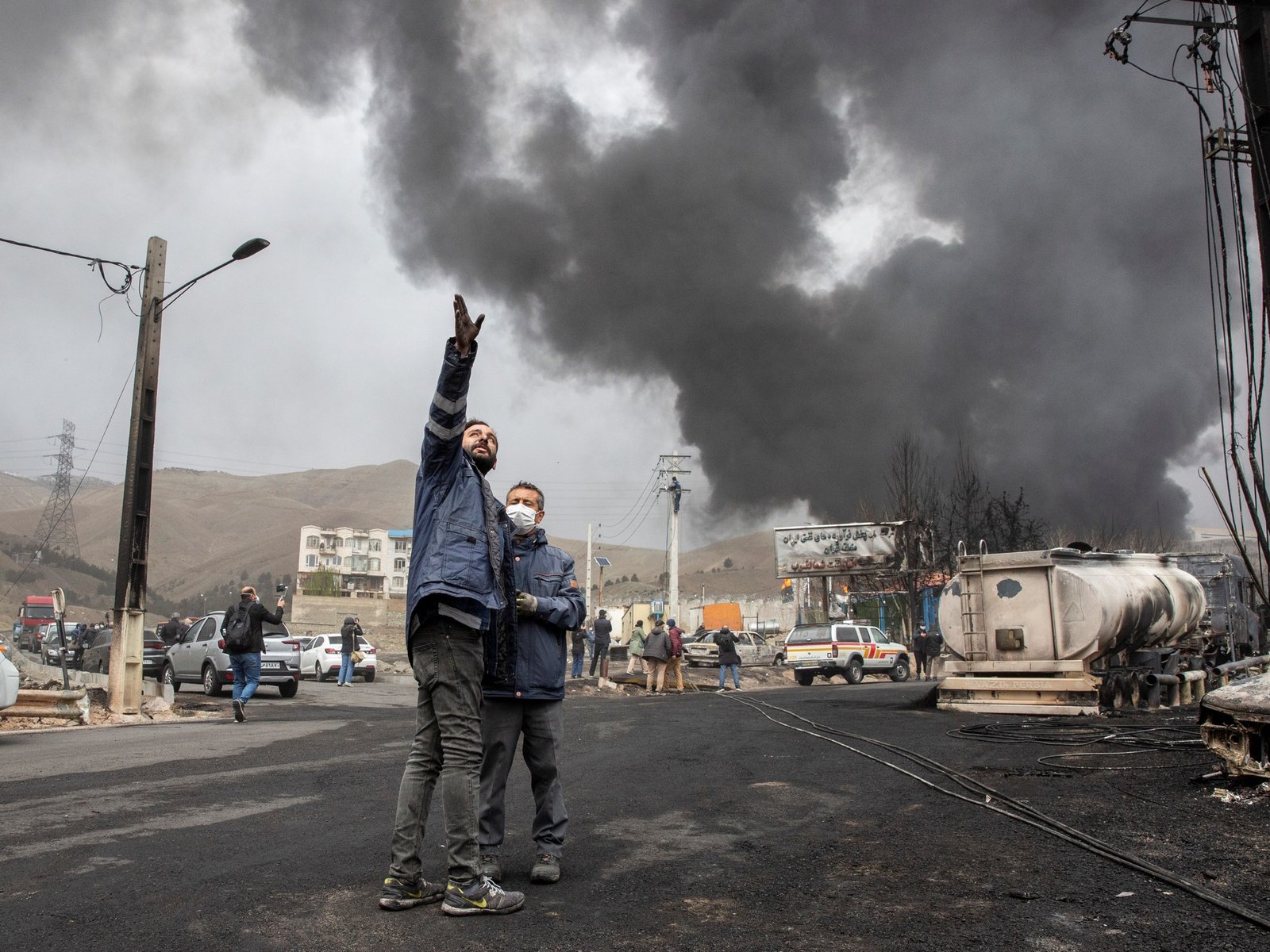
Cómo la guerra de Trump contra Irán cambió el mundo en una semana

China passes ‘ethnic unity’ law in push for assimilation

La cruda confesión de Amalia Granata por el trastorno que sufre su hijo Roque: “Le hicimos estudios y salió que tiene TDAH, dislexia y disgrafia”

Jenny Mavinga angustiada tras una quemadura en Gran Hermano 2026: “¡Ay, me quemó!

El mercado le está corriendo el arco a Caputo y el riesgo país no baja: en la City palpitan medidas

Muni Seligmann respondió las críticas tras el accidente de su bebé y su viaje a Miami: “Hay que contarlo y naturalizarlo”

 CHIMENTOS2 días ago
Muni Seligmann respondió las críticas tras el accidente de su bebé y su viaje a Miami: “Hay que contarlo y naturalizarlo”
- POLITICA2 días ago
Juan Carlos Schmid deja la conducción de Dragado y Balizamiento después de 33 años
- DEPORTE3 días ago
Hilario Navarro estira su extensa carrera: a los 45 años tiene nuevo club