INTERNACIONAL
China moves into Venezuela as Maduro regime gets Beijing lifeline amid US tensions

Venezuela’s Maduro accuses US of starting ‘eternal war’
Manhattan Institute fellow Daniel Di Martino, who faces losing his Venezuelan citizenship, discusses Nicolás Maduro’s plan to target opposition activists and President Donald Trump’s denial that he is considering strikes within the country.
NEWYou can now listen to Fox News articles!
As President Donald Trump warns of «zero tolerance» for narco-states in America’s backyard, China is tightening its grip on Venezuela — a high-risk economic and political bet that could soon collide with U.S. power.
U.S. defense officials confirmed to Reuters last month that a U.S. aircraft carrier strike group had entered the Southern Command region, which covers the Caribbean and the northern coast of South America, to monitor narcotrafficking routes linked to Venezuela’s military leadership.
The Pentagon said the arrival of USS Gerald R. Ford, carrying more than 4,000 sailors and dozens of tactical aircraft, would «bolster US capacity to detect, monitor, and disrupt illicit actors and activities.» It added that the mission aims to «degrade and dismantle transnational criminal organizations.»
CHINA CONDEMNS US MILITARY BUILDUP OFF VENEZUELA COAST AS FOREIGN INTERFERENCE IN REGIONAL AFFAIRS
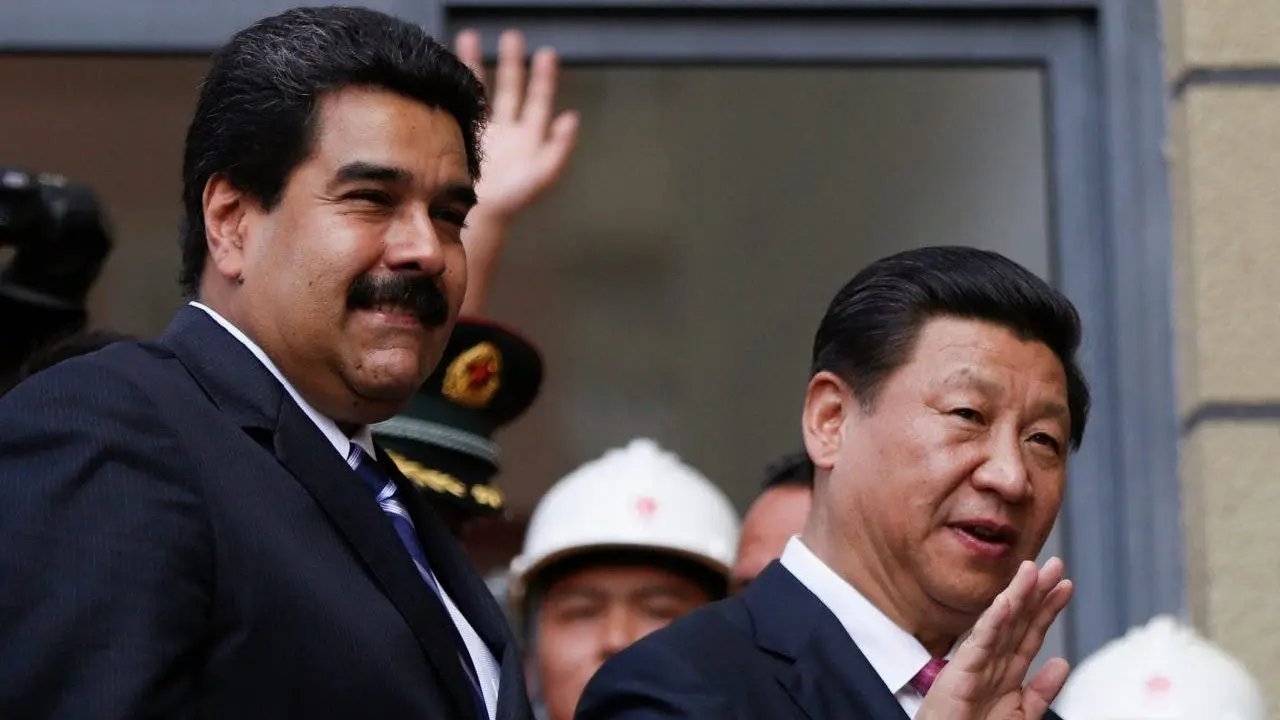
China’s President Xi Jinping (R) waves next to Venezuela’s President Nicolas Maduro during a visit to a housing development in Caracas July 21, 2014. China will provide Venezuela with a $4 billion credit line under an agreement signed on Monday, with the money to be repaid by oil shipments from OPEC member Venezuela. The deal was inked during a 24-hour visit to Venezuela by Xi, who is on a tour of Latin America. (Carlos Garcia Rawlins/ Reuters)
Within weeks, Venezuelan officers were reportedly training for guerrilla-style defense against a possible U.S. strike — an acknowledgment, according to Reuters, of «rising anxiety inside Caracas.»
Into this standoff, Beijing unveiled a «zero-tariff» trade agreement with Caracas at the Shanghai Expo 2025, announced by Deputy Minister for Foreign Trade Coromoto Godoy. Venezuelan officials said the accord covers roughly 400 tariff categories, removing duties on Chinese and Venezuelan goods.
While final implementation details remain pending verification, the goal is clear: Beijing is moving fast into a sanctioned economy that Washington has sought to isolate.
«This really looks like China is going to completely take over the Venezuelan economy,» said Gordon Chang, an expert on China’s global trade strategy. «It’s going to decimate Venezuela’s local industry.»
«Venezuela basically sells petroleum to China and very little else,» he said. «China, of course, is a manufacturer of many, many items. Venezuelan manufacturing is not going to experience a renaissance anytime soon — it’s going the opposite direction.»
VENEZUELA MOBILIZES TROOPS, WEAPONS IN RESPONSE TO US WARSHIP BUILDUP IN CARIBBEAN
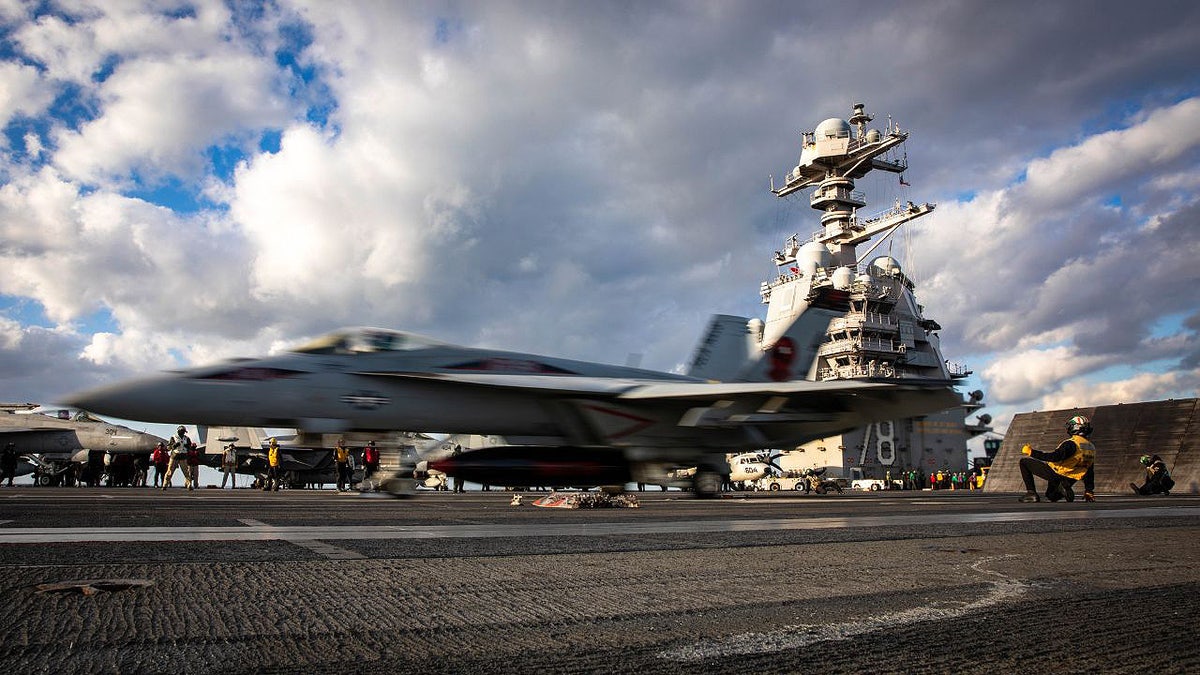
Sailors aboard the world’s largest aircraft carrier, USS Gerald R. Ford (CVN 78), launch a Carrier Air Wing 8 F/A-18E Super Hornet attached to Strike Fighter Squadron 31 from the flight deck, Sept. 26, 2025. (Mariano Lopez)
Chang added that Maduro’s sudden embrace of Beijing stems from fear of Trump’s next move.
«Maduro probably doesn’t have a choice,» he said. «He realizes he’s got a problem in the form of Donald J. Trump. There’s a U.S. aircraft carrier not far from his shores, and a lot of military assets bearing down on him. He needs a friend, and he’s desperate.»
«For Maduro, the zero-tariff pact may offer temporary relief — but it only deepens dependence,» Chang added. «I don’t see this trade deal as strengthening Venezuela. I see it strengthening China’s stranglehold over Venezuela.»
US MILITARY BUILDUP IN CARIBBEAN SEES BOMBERS, MARINES AND WARSHIPS CONVERGE NEAR VENEZUELA
From Beijing’s perspective, the tariff-free pact opens a commercial and strategic doorway into the Western Hemisphere just as Washington doubles down on sanctions.
The Council on Foreign Relations estimates that China has extended around $60 billion in loans to Venezuela over the past two decades, much of it repaid through oil shipments — a figure still cited by both Chinese and Venezuelan officials in 2025.
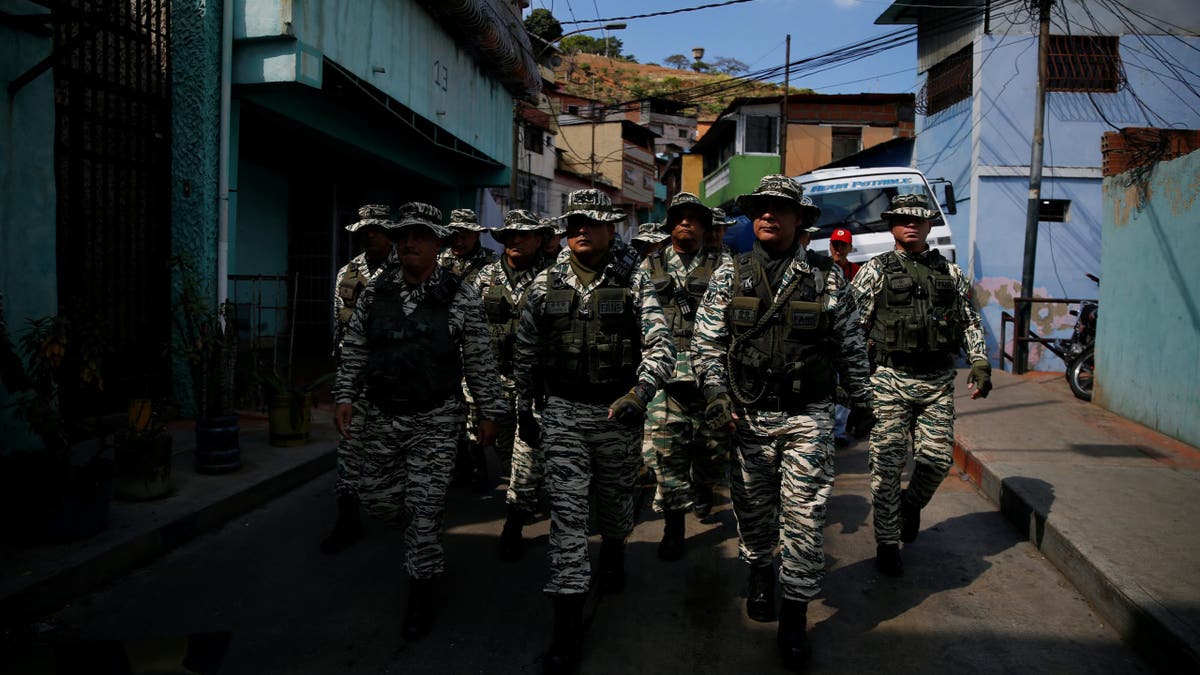
Members of the Bolivarian National Militia patrol on a street in the 23 de Enero neighborhood during a military exercise, in Caracas, Venezuela, January 23, 2025. (Leonardo Fernandez Viloria/Reuters)
«China has leveraged multibillion-dollar loans and the establishment of satellite positioning and surveillance facilities to secure strategic control over Venezuela’s natural resources and critical infrastructure,» said Isaias Medina III, an Edward Mason Fellow at Harvard University and a former Venezuelan diplomat to the U.N. Security Council.
Medina was referring to the El Sombrero satellite ground station in Venezuela’s Guárico province — a joint China-Venezuela project that Western analysts, including a recent Associated Press report, describe as part of a wider space cooperation network giving Beijing an intelligence foothold in Latin America.
US BOLSTERS MILITARY PRESENCE IN CARIBBEAN NEAR VENEZUELA AMID TRUMP’S EFFORTS TO HALT DRUG TRAFFICKING
Medina said the new pact must be understood as one layer in a wider anti-Western alignment.
«Under the banner of so-called ‘21st Century Socialism,’ initiated by Hugo Chávez and expanded by Nicolás Maduro, the nation has evolved into a forward operating base for regimes openly hostile to the United States and its allies,» he said.
«Iran, Russia, China, and Cuba have entrenched themselves across Venezuelan territory, using the country as a platform for asymmetric warfare, intelligence operations, and ideological expansion throughout Latin America.»
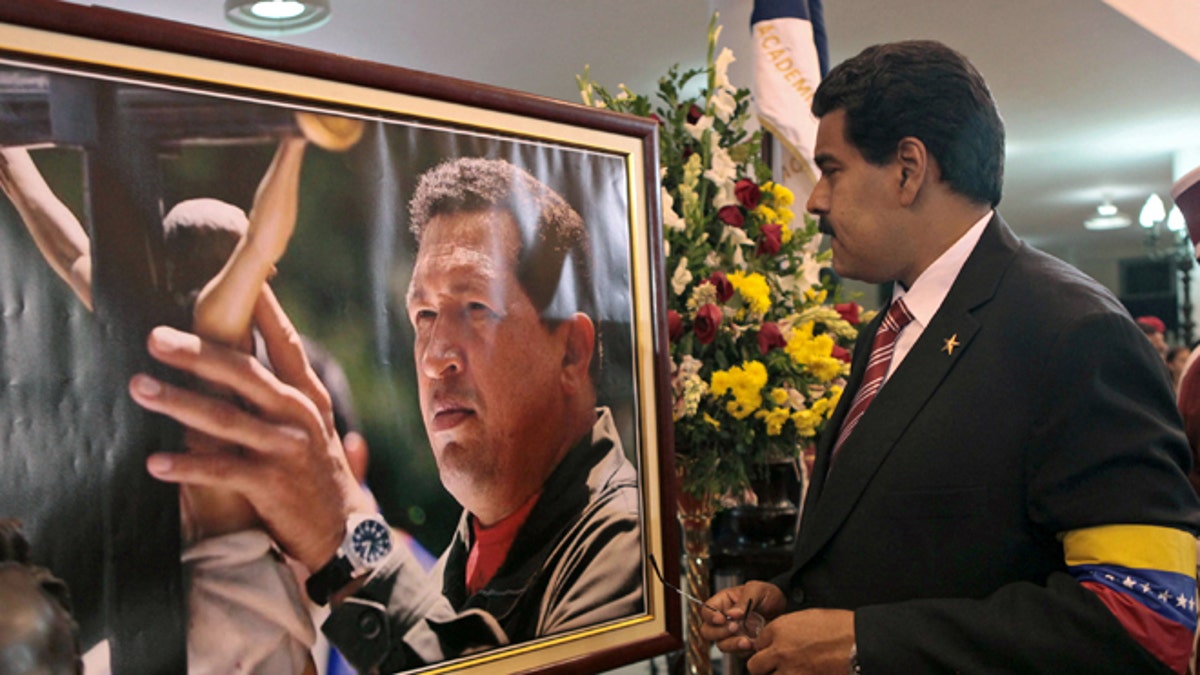
President Nicolas Maduro stands in front of a portrait of Venezuela’s late President Hugo Chavez. (AP Photo/Miraflores Press Office, File)
He noted that «Russia’s military footprint includes more than $12 billion in arms sales and ongoing defense cooperation and Wagner Group presence in military exercises,» while Cuban military advisers remain embedded inside Venezuelan security institutions.
«Iran has exploited this environment to embed terrorist proxies such as Hezbollah and Hamas, using Venezuela as both a financial hub and a logistical corridor. These activities extend to former training camps in Syria, where Venezuelan operatives and mercenaries have been indoctrinated in hybrid warfare tactics,» he added. «Iranian interest includes potential drone manufacturing and uranium mining.»
«The Maduro government, shielded by the absence of the rule of law or legitimate governance, has replaced statecraft with criminal enterprise,» Medina said. «Grand corruption is not the exception; it is the system.»
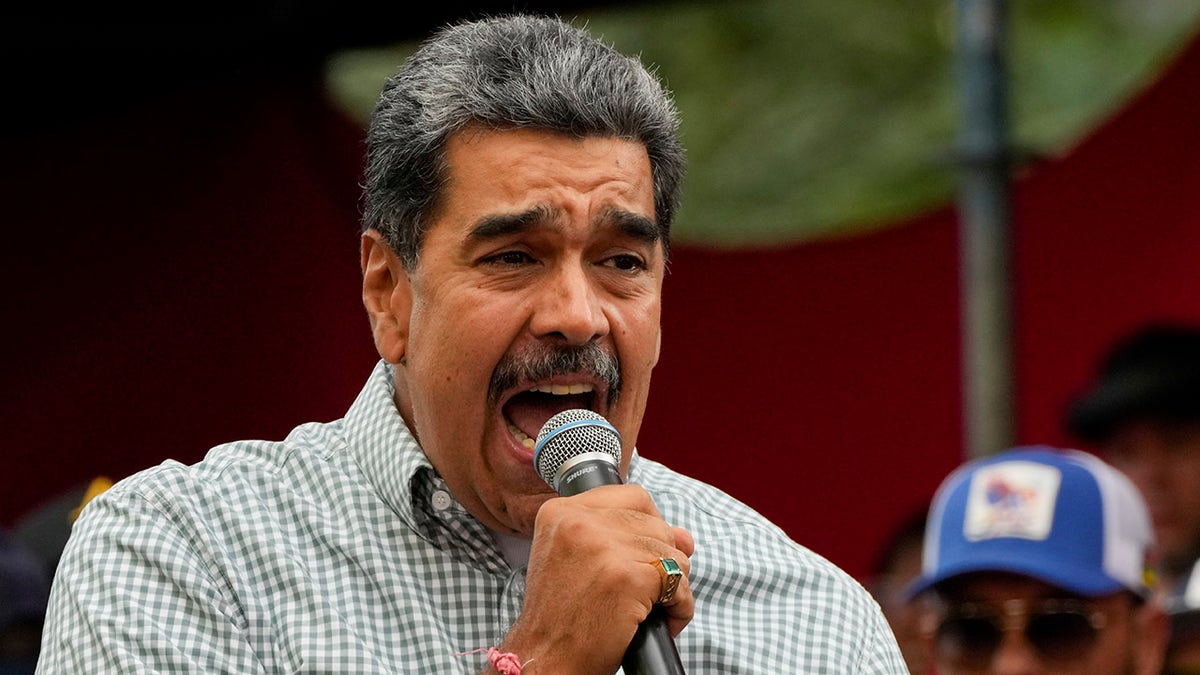
Venezuela’s President Nicolas Maduro has yet to publicly comment on the strike. (Ariana Cubillos/AP Photo)
«The humanitarian toll is catastrophic,» he added. «Over 30% of Venezuela’s population has been forcibly displaced. Starvation has been weaponized as a tool of social control, amounting to a war crime under international law. Despite the enormity of these crimes, many United Nations member states continue to recognize and engage with this illegitimate regime, thereby perpetuating its impunity. The failure to confront this crisis decisively enables a coalition of adversaries, state and non-state actors alike, to project power dangerously close to U.S. territory.»
For now, Washington’s sanctions campaign still constrains Venezuela’s oil lifelines. In March 2025, Reuters reported that U.S. threats to impose tariffs on nations buying Venezuelan crude caused a temporary disruption in shipments to China. Beijing dismissed the measures as «illegal extraterritorial actions» and vowed to continue cooperation — but has not disclosed how it will enforce the new tariff-free pact.
CLICK HERE TO DOWNLOAD THE FOX NEWS APP
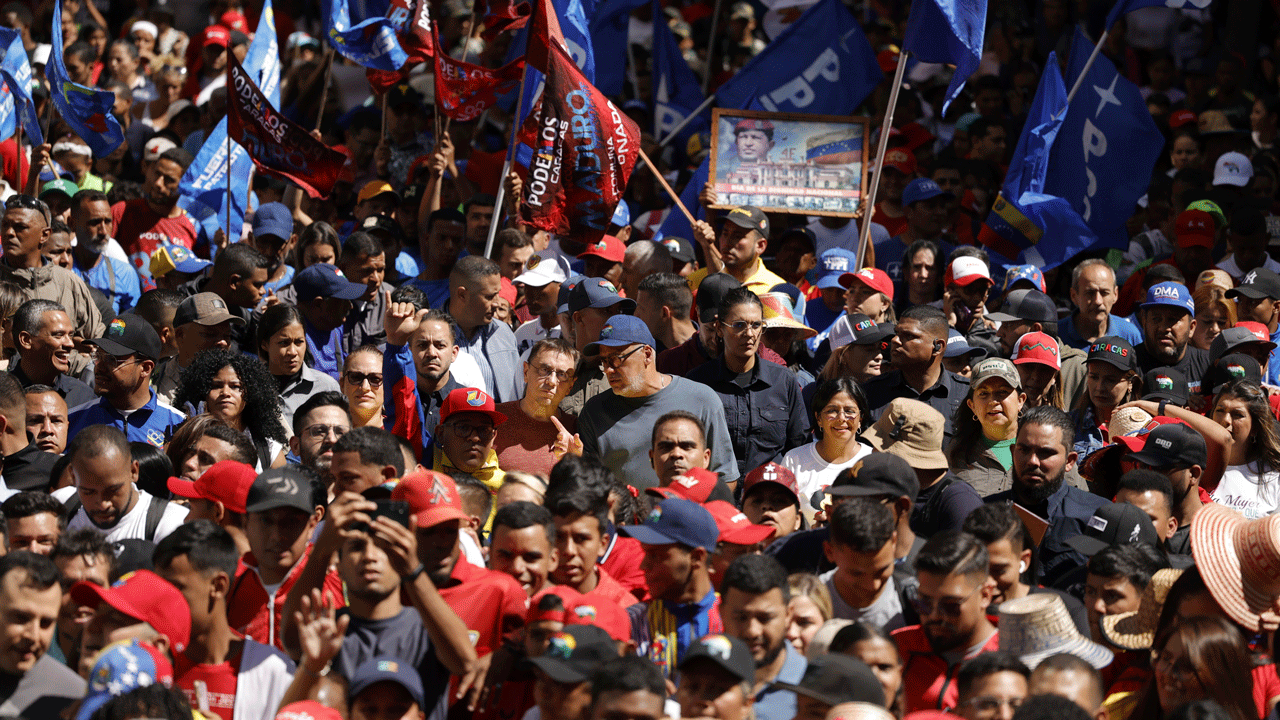
The Maduro administration is seeking to rally government supporters amidst a sagging economy and refugee crisis. (Jesus Vargas/AP Photo)
Chang said the underlying reality hasn’t changed: China can’t protect Caracas from U.S. hard power.
«It can certainly launch a propaganda blitz,» he said, «but it can’t project military force in the region. It’s really up to what President Trump does. China does not have the military strength to oppose American intervention if that’s what Trump decides.»
Medina agreed that the stakes reach beyond economics. «Just three hours from U.S. shores, this narco-terrorist regime has become the operational convergence of organized crime, drug trafficking, money laundering, and human rights atrocities,» he said, urging a Western response combining «diplomatic isolation, targeted sanctions, and, when necessary, defensive deployments.»
venezuelan political crisis,china,donald trump,americas,cuba,russia





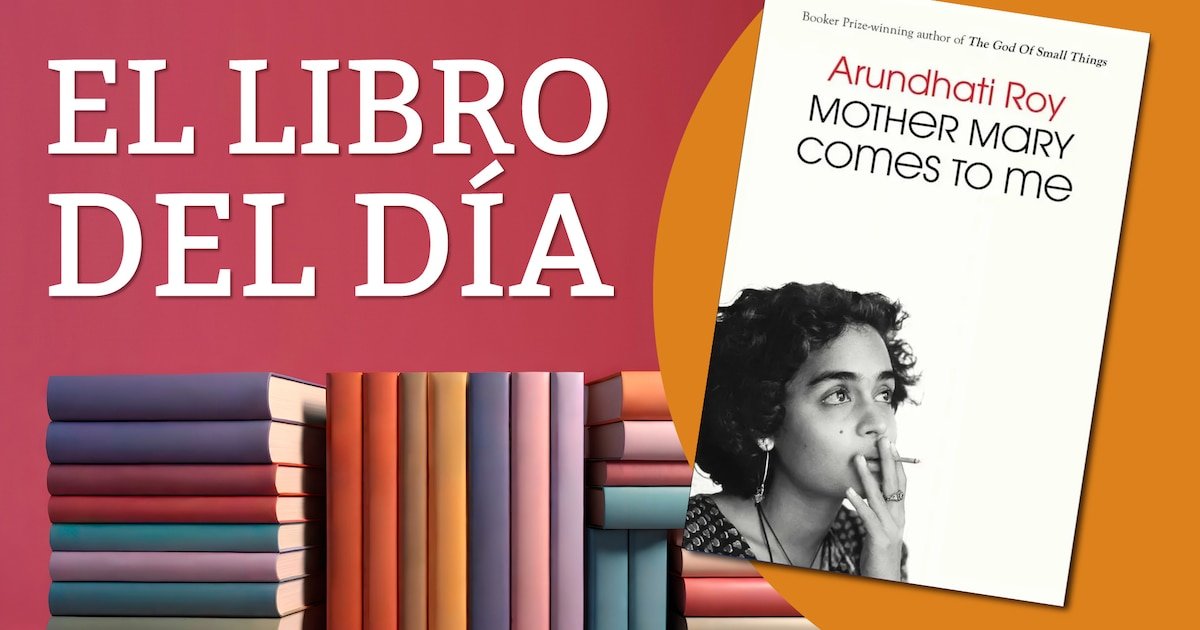
A la larga y sonora lista de madres difíciles de la literatura —la Sra. Bennet; Joan Crawford; Rose Hovick; ¡vaya, Medea!—, ahora añadamos a Mary Roy. A la Sra. Roy, a ustedes. Y, lo más revelador, a su propia hija.
Esa hija es Arundhati Roy: la autora y activista india que irrumpió en la lista de los más vendidos en 1997 y ganó un Premio Booker a los 36 años por su primera novela, El Dios de las Pequeñas Cosas, la brillante historia de una familia atribulada. Su segunda novela, de mayor tinte político, El Ministerio de la Máxima Felicidad, se publicó 20 años después, tras numerosos libros de no ficción.
Esperemos que las nuevas memorias de Roy, Mother Mary Comes to Me, no sean la piedra angular de esta carrera poco convencional (estudió arquitectura y también escribió y actuó en películas), pero ciertamente es una piedra angular: sólida y pulida en su descripción de una monstruosidad fundacional.
Aunque carecía de riquezas materiales, la majestuosa Mary Roy emerge de estas páginas como una madre imperiosa y volátil, una “gánster” similar al famoso Roy de la televisión, Logan, de Succession: lanzando vajilla, profiriendo insultos y golpeando a su hijo, Lalith, por unas calificaciones mediocres, con una regla de madera hasta romperla. Él creció y prosperó como un extrovertido magnate de la pescadería, pero hasta el día de hoy su hermana, alabada por sus excelentes calificaciones, encuentra un poco incómoda la fama.

“Cuando me brindan o me aplauden, siempre siento que alguien más, alguien tranquilo, está siendo golpeado en la otra habitación”, escribe, y —asintiendo con la cabeza hacia su bien establecida conciencia social— “si te detienes a pensarlo, es cierto, alguien lo está siendo”.
La Sra. Roy falleció en 2022 a los 88 años. Aquejada de un asma terrible, en sus últimos años siempre la seguía un “súbdito asustado que llevaba su inhalador para el asma, como si fuera una corona o un cetro”. No solo prohibió las perchas de alambre; le contó a Arundhati (de soltera Susanna) que había intentado abortarla con una. Y como eso no funcionó, deseó haber abandonado a su hijo, “una piedra de molino al cuello”, en un orfanato.
“¡Fuera!” era un edicto frecuente, desde casa o en el coche. “¡Perra!”, exclamó Mary después de que Susanna, de 9 años, colgara accidentalmente su nuevo teléfono de baquelita durante una conversación.
Cuatro años después, la niña regresó a casa de un internado militar y encontró a su amada pastora alsaciana, Dido, llamada así por la reina de Cartago en la obra de Christopher Marlowe, muerta a tiros. El delito: aparearse con un perro callejero.
Veamos los puntos fuertes de este personaje complejo. Su Waystar Royco fue Pallikoodam, la renombrada escuela que fundó en un antiguo Rotary Club de Kottayam en 1967. Colaboró con un misionero cristiano, quien se marchó rápidamente tras la llegada de profesores de Bharatanatyam, una forma de danza clásica india (“pagano, anticristiano e inaceptable”, resopló el misionero). El intelecto de Mary era amplio y generoso: le contaba a su hija sobre los conflictos mundiales, leía a Rudyard Kipling y cantaba Ol’ Man River.
Tras reconstruir las nuevas instalaciones de la escuela en un terreno de tres acres, finalmente persuadió a la Corte Suprema de su país para que anulara una sentencia contra los estudiantes que interpretaban la ópera rock de Andrew Lloyd Webber y Tim Rice, Jesucristo Superstar. Ya había presentado una demanda con éxito contra una ley que negaba a las hijas los derechos sobre la propiedad de su padre.

El patriarcado le falló a María. Su propio padre, un elegante entomólogo del gobierno imperial, también había sido violento; en una ocasión, le partió el cuero cabelludo a su esposa, una violinista consumada, con un jarrón de latón y le destrozó el instrumento. El hermano de María, G. Isaac, fue becario Rhodes y fundó una fábrica de encurtidos; su gusto por las mujeres jóvenes inspiró a María a llamarlo Humbert Humbert.
Se casó con el primer hombre que pudo para huir de su familia de origen, y resultó ser un alcohólico ausente, así que se divorció de él, pero conservó el apellido. Micky Roy era hijo de un boxeador, cuyo encanto irresponsable, cuando aparece, tiene un toque de Johnny Nolan, el camarero cantante de Un árbol crece en Brooklyn.
Estos familiares y sus dinámicas se describen con extraordinaria precisión, hasta llegar a las grotescas historias rabelesianas del cuidado de ancianos, con su madre usando un timbre de llamada junto con sus gafas de sol Christian Dior. También lo es la inevitable despedida de Arundhati, quien se reinventa con la ayuda de Janis Joplin y los Beatles (nótese el título del libro), mientras “literalmente vive del aire”.
La inspiración significa respirar, algo que para Mary Roy siempre fue un esfuerzo. Su hija compara el proceso de escribir El Dios de las Pequeñas Cosas, que contenía algunos elementos autobiográficos, con “esculpir humo”. Pero sus descripciones de la defensa pública —contra las pruebas nucleares, las presas, las violaciones en grupo— llegan aquí más como tormentas de polvo: acontecimientos urgentes e impresionantes que perturban el microclima de este libro.
El dinero y su moralidad son consideraciones constantes en Mother Mary Comes to Me. Tras una infancia de abusos y privaciones materiales, Roy nada en dinero y crea una fundación benéfica para lidiar con los excesos: “mis locas regalías”.
Ingresando a su padre en un centro de rehabilitación: “¡Gracias a Dios por las regalías!”. Su hermoso apartamento en Delhi: “Mi casa de la realeza, comprada íntegramente con las ganancias de la literatura. Un lugar peligroso para mí … Uno del que nadie puede obligarme a salir. De vez en cuando beso las paredes y levanto una copa y un dedo medio a mis críticos, que parecen pensar que para escribir y decir lo que digo debo vivir una vida de pobreza falsa y autoinfligida”.
Puedes ver a Mary en ese dedo medio, pero ella también puso el Roy en “realeza”.
Fuente: The New York Times
INTERNACIONAL
Fragancias antiguas, tarjetas sensoriales y el aroma del más allá: cómo la arqueología biomolecular transforma los museos de Europa
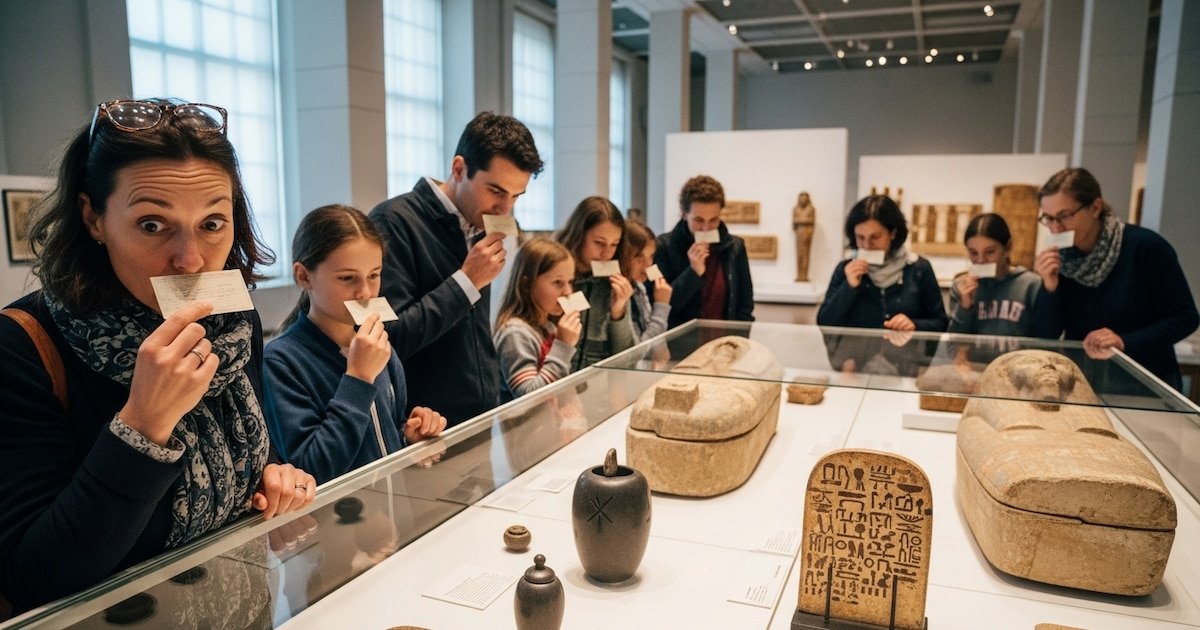
La arqueología biomolecular revolucionó la manera en que los museos de Europa propusieron a sus visitantes descubrir la historia. Gracias a esta disciplina, se identificaron compuestos aromáticos conservados en objetos antiguos, lo que permitió reconstruir fragancias que acompañaron prácticas rituales, medicinales o cotidianas de civilizaciones como el Antiguo Egipto.
El equipo interdisciplinario liderado por Barbara Huber, del Max Planck Institute of Geoanthropology y la Universidad de Tubinga, desarrolló un método para traducir datos biomoleculares en experiencias sensoriales accesibles para el público, según informó la Max Planck Society.
Los avances en el análisis de compuestos orgánicos volátiles y metabolitos olorosos permitieron detectar y caracterizar aromas que, hasta hace poco, se creían perdidos en el tiempo. Técnicas como la cromatografía de gases y la olfatometría científica revelaron las huellas de perfumes, resinas y ungüentos en artefactos arqueológicos, lo que abrió nuevas vías para comprender rituales, comercio de especias, recetas de embalsamamiento y hábitos de higiene y cosmética de sociedades pasadas.
La arqueología biomolecular no solo aportó una dimensión inédita al estudio del patrimonio, sino que también impulsó la llamada museología olfativa. Esta práctica, aún joven, exploró cómo el sentido del olfato enriqueció la interpretación del patrimonio y favoreció la inclusión, la accesibilidad y la participación de públicos diversos.

El equipo de Huber, que integraron la consultora en relatos olfativos Sofia Collette Ehrich y la perfumista Carole Calvez, tradujo hallazgos de laboratorio en fragancias históricas, afrontando el desafío de equilibrar el rigor científico y la creatividad perfumista.
“El verdadero reto está en imaginar el aroma como un todo”, explicó Calvez, quien subrayó que, aunque los datos biomoleculares aportaron pistas fundamentales, correspondió al perfumista crear una experiencia olfativa integral.
La materialización de estos descubrimientos tomó forma en dos recursos principales: la tarjeta aromática portátil y la estación olfativa fija. La primera incorporó la fragancia al papel mediante impresión aromática, lo que permitió a los visitantes interactuar directamente con el olor asociado a un objeto o proceso histórico y llevarse la experiencia fuera del museo, propiciando la reflexión en nuevos entornos.
La segunda integró el aroma en la escenografía expositiva, permitió la participación simultánea de varios asistentes y favoreció una vivencia colectiva. Ambas soluciones requirieron una cuidadosa colaboración entre curadores y perfumistas para garantizar la seguridad, la estabilidad y la eficacia de la experiencia sensorial durante toda la exposición.

Un caso emblemático fue el “Aroma del Más Allá”, una reproducción olfativa basada en el análisis biomolecular de un ungüento de momificación egipcio de hace 3.500 años. La fórmula se inspiró en los restos hallados en vasijas canópicas pertenecientes a la Dama Senetnay, conservadas en el Museo August Kestner de Hannover.
La tarjeta aromática con este aroma se distribuyó en visitas guiadas, talleres, clases universitarias y seminarios, mientras que una estación olfativa fija se incorporó a la exposición Ancient Egypt–Obsessed with Life en el Moesgaard Museum de Aarhus, Dinamarca. Los curadores Christian E. Loeben y Ulrike Dubiel señalaron que “el aroma ofrece una nueva visión sobre la momificación, dejando atrás los clichés de terror para comprender las verdaderas motivaciones de la época”.
El impacto de estas innovaciones resultó notable: encuestas entre visitantes del Museo August Kestner revelaron que la integración del olfato generó una conexión más íntima e inmersiva con el pasado. La mayoría de los visitantes indicó que nunca experimentó el uso de aromas en un museo y que esta dimensión sensorial propició una mayor reflexión y diálogo.
La perfumista diseñó una fragancia con un tono hedónico moderadamente agradable, en concordancia con la realidad histórica de los materiales aromáticos empleados en el embalsamamiento, y para asegurar la accesibilidad del público general.

En el ámbito museístico, la colaboración interdisciplinaria aportó nuevas competencias y exigió un replanteamiento del diseño expositivo. La integración del olfato amplió los criterios de accesibilidad, benefició especialmente a personas neurodiversas y con discapacidades.
Además, la circulación internacional de las tarjetas aromáticas demostró que el aroma funcionó como un medio eficaz de transferencia de conocimiento, alcanzando instituciones, estudiantes, periodistas y artistas fuera del entorno museístico tradicional.
El proyecto, financiado por la Max Planck Society y la Joachim Herz Foundation, también puso de relieve la importancia de la documentación rigurosa y la reflexión ética en la reconstrucción de aromas históricos. Las decisiones sobre autenticidad, seguridad y sostenibilidad se tomaron considerando tanto las limitaciones científicas como las sensibilidades culturales y ambientales.
Asimismo, los materiales empleados cumplieron con las normas internacionales para el uso público, ya que muchos ingredientes originales hoy son endémicos, tóxicos o no pueden obtenerse de manera responsable.
De cara al futuro, los investigadores consideraron que la integración de recursos sensoriales como el olfato permitirá a los visitantes aproximarse de manera más personal y multisensorial a los entornos y costumbres de las civilizaciones antiguas.
La arqueología biomolecular, combinada con un diseño museológico cuidadoso, ofreció la posibilidad de experimentar la historia a través de todos los sentidos y de fomentar una comprensión más rica y participativa del patrimonio cultural.
El sentido del olfato emergió como herramienta decisiva para transformar la vivencia museística, abrió caminos hacia una arqueología verdaderamente multisensorial y accesible para públicos diversos.
Museo,Egipto antiguo,Exposición,Visitantes,Aromas,Tarjetas aromáticas,Sarcófago,Estela,Artefactos egipcios,Cultura
INTERNACIONAL
La Justicia de Hong Kong condenó al magnate de medios Jimmy Lai a 20 años de prisión por delitos contra la seguridad nacional
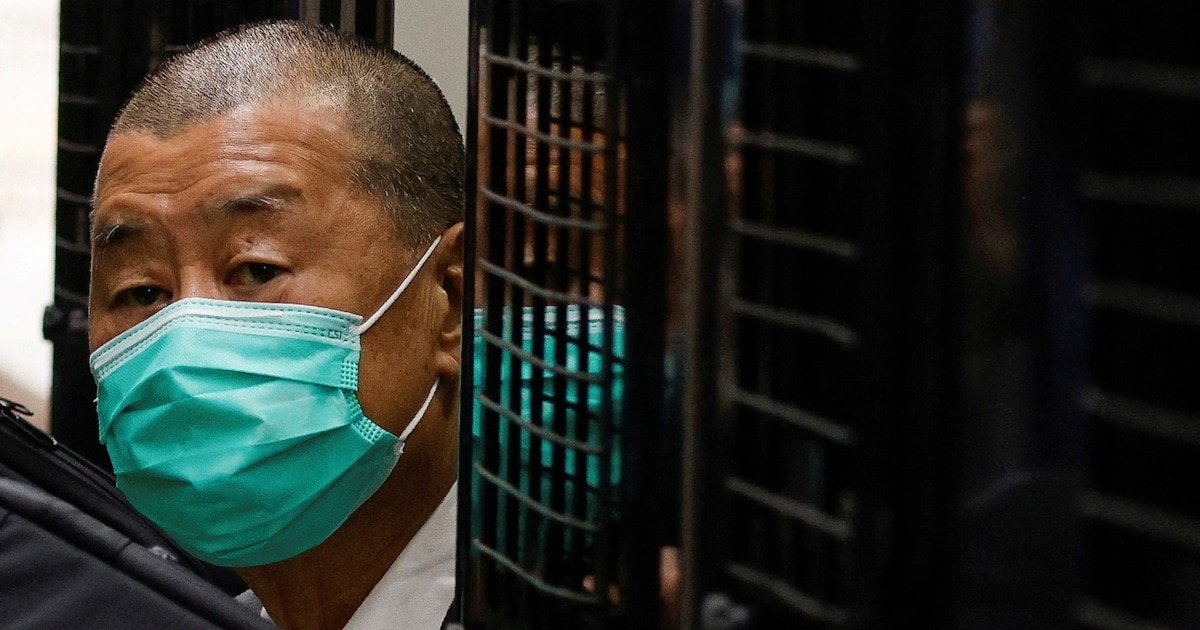
Un tribunal de Hong Kong condenó el lunes al magnate de los medios pro democracia Jimmy Lai a 20 años de prisión por delitos contra la seguridad nacional, en la pena más severa dictada bajo la legislación impuesta por Beijing. Grupos de derechos humanos calificaron el castigo como “efectivamente una sentencia de muerte” y lo señalaron como un símbolo del deterioro de la libertad de prensa en la ciudad.
El fundador de 78 años del desaparecido periódico Apple Daily fue declarado culpable en diciembre de dos cargos de colusión extranjera en virtud de la ley de seguridad nacional, así como de un cargo de publicación sediciosa. La sentencia supera el récord previo de 10 años de prisión impuesto al jurista Benny Tai en 2024.
En un documento resumido, los jueces explicaron que decidieron imponer una pena de 20 años de prisión “después de considerar la conducta criminal seria y grave de Lai”. Dos de esos años se superponen con la condena actual del empresario, lo que implica que cumplirá 18 años adicionales, según escribieron los magistrados.
Lai, encarcelado desde 2020, permaneció impasible en el banquillo de los acusados durante la lectura del fallo, según comprobó un periodista de la AFP presente en la sala. Cuando los agentes lo retiraron del tribunal, saludó solemnemente a las personas en la galería pública, entre ellas su esposa Teresa, el ex obispo de Hong Kong, el cardenal Joseph Zen, y antiguos periodistas de Apple Daily.
Su abogado defensor, Robert Pang, se negó a comentar si presentará una apelación, un recurso que puede interponerse dentro de los próximos 28 días. Consultado sobre si la sentencia coincidía con lo previsto, Pang respondió a la AFP: “En estos tiempos no sé qué esperar”.

Teresa Lai mantuvo un gesto sombrío durante la audiencia y no hizo comentarios al salir del tribunal. La familia expresó su rechazo en un comunicado. “Condenar a mi padre a esta draconiana pena de prisión es devastador para nuestra familia y pone en peligro la vida de mi padre”, afirmó el hijo del magnate, Sébastien. Su hija Claire calificó el castigo como una “sentencia desgarradoramente cruel” debido al deterioro de su salud en prisión y advirtió que, si se cumple, “morirá como un mártir tras las rejas”.
Organizaciones de derechos humanos también criticaron la decisión. Elaine Pearson, directora para Asia de Human Rights Watch, declaró en un comunicado: “La dura sentencia de 20 años contra Jimmy Lai, de 78 años, es en realidad una sentencia de muerte. Una sentencia de esta magnitud es cruel y profundamente injusta”.
Amnistía Internacional describió el caso como “otro hito sombrío en la transformación de Hong Kong de una ciudad gobernada por el estado de derecho a una ciudad gobernada por el miedo”. Jodie Ginsberg, directora ejecutiva del Comité para la Protección de los Periodistas, sostuvo que “la atroz decisión de hoy es el último clavo en el ataúd de la libertad de prensa en Hong Kong”.
El primer ministro británico, Keir Starmer, planteó con anterioridad el caso de Lai, ciudadano británico, durante una reunión con el líder del régimen chino Xi Jinping en Beijing el mes pasado. El presidente estadounidense, Donald Trump, también pidió su liberación.
Beijing rechazó las críticas por considerar que difaman el sistema judicial de Hong Kong. Las autoridades locales sostienen que el caso de Lai “no tiene nada que ver con la libertad de expresión y de prensa”.

Decenas de ex empleados de Apple Daily y otras personas hicieron cola durante la noche frente al tribunal de West Kowloon para conseguir un lugar en la audiencia. Periodistas se concentraron en los alrededores del edificio. La policía desplegó decenas de agentes, un vehículo blindado y un camión de desactivación de bombas en la zona.
“Creo que esto equivale a condenar a Lai a cadena perpetua”, declaró a la AFP Lam Ying-kit, un ex profesor de historia de unos 50 años que asistió al tribunal.
Los partidarios del empresario, sus hijos, sus abogados y organizaciones de derechos humanos expresaron preocupación por el deterioro de su salud en prisión. Los fiscales señalaron que Lai solicitó el régimen de aislamiento para evitar el acoso, mientras que las autoridades sostienen que recibe atención “adecuada”.
Lai fue procesado bajo la ley de seguridad nacional impuesta por China en 2020 tras las masivas protestas a favor de la democracia en el centro financiero asiático. Apple Daily cerró en 2021 después de redadas policiales contra la redacción.
(Con información de AFP)
Asia / Pacific

Fue promesa, jugó una final de Champions y ahora pierde 25 mil libras por noche en el casino

Ella fue la que enfureció, aterrorizó y moldeó a Arundhati Roy

Las lágrimas de Thelma Fardin por la construcción de su casa con Nico Riera: “Tiene puertitas”

Cómo participar en las subastas online del Banco Ciudad: inscripción, caución y calendario

El PSG presenta a Dro con un mensaje al Barça… ¡y debuta!

La Casa Rosada prepara un nuevo viaje de Javier Milei a Europa y ajusta la agenda internacional de febrero

¿La revancha de Don Chatarrín?: acuerdo Trump-Milei puede favorecer a Rocca ante el avance asiático

Desconcertada y sin la China Suárez: así reaccionó Magnolia tras el maltrato de un guardaespaldas

Natalie Weber contó toda la verdad del coqueteo de Sabrina Rojas a Mauro Icardi en un boliche: “Yo sé lo que pasó esa noche y te puedo decir que Sabrina no fue”

Top fiery moments as Democrats clash with Treasury Secretary Bessent in chaotic Hill hearings

 CHIMENTOS2 días ago
Natalie Weber contó toda la verdad del coqueteo de Sabrina Rojas a Mauro Icardi en un boliche: “Yo sé lo que pasó esa noche y te puedo decir que Sabrina no fue”
- INTERNACIONAL3 días ago
Top fiery moments as Democrats clash with Treasury Secretary Bessent in chaotic Hill hearings
- CHIMENTOS3 días ago
Cande Tinelli tiene nuevo novio y casi se matan a piñas con su ex pareja