INTERNACIONAL
China’s top general ousted, placed under investigation in latest military purge

NEWYou can now listen to Fox News articles!
China’s top general has been removed and placed under investigation for misconduct in Chinese President Xi Jinping’s latest purge of leading military commanders.
Gen. Zhang Youxia is being investigated for allegedly committing severe violations of party discipline and state laws, China’s Defense Ministry announced Sunday. The general served as vice-chairman on China’s Central Military Commission and was second only to Xi in military authority.
Another member of the commission, Liu Zhenli, has also been placed under investigation by China’s ruling Communist Party. Liu is the chief of staff of the commission’s Joint Staff Department.
Their removal is the latest military purge since October, when the Communist Party ousted one of the commission’s previous vice chairs, He Weidong. He was replaced by Zhang Shengmin, a Xi loyalist who survived the latest round of removals.
IRAN STRIKES COULD SIGNAL LIMITS OF BEIJING, MOSCOW’S POWER AS US FLEXES STRENGTH
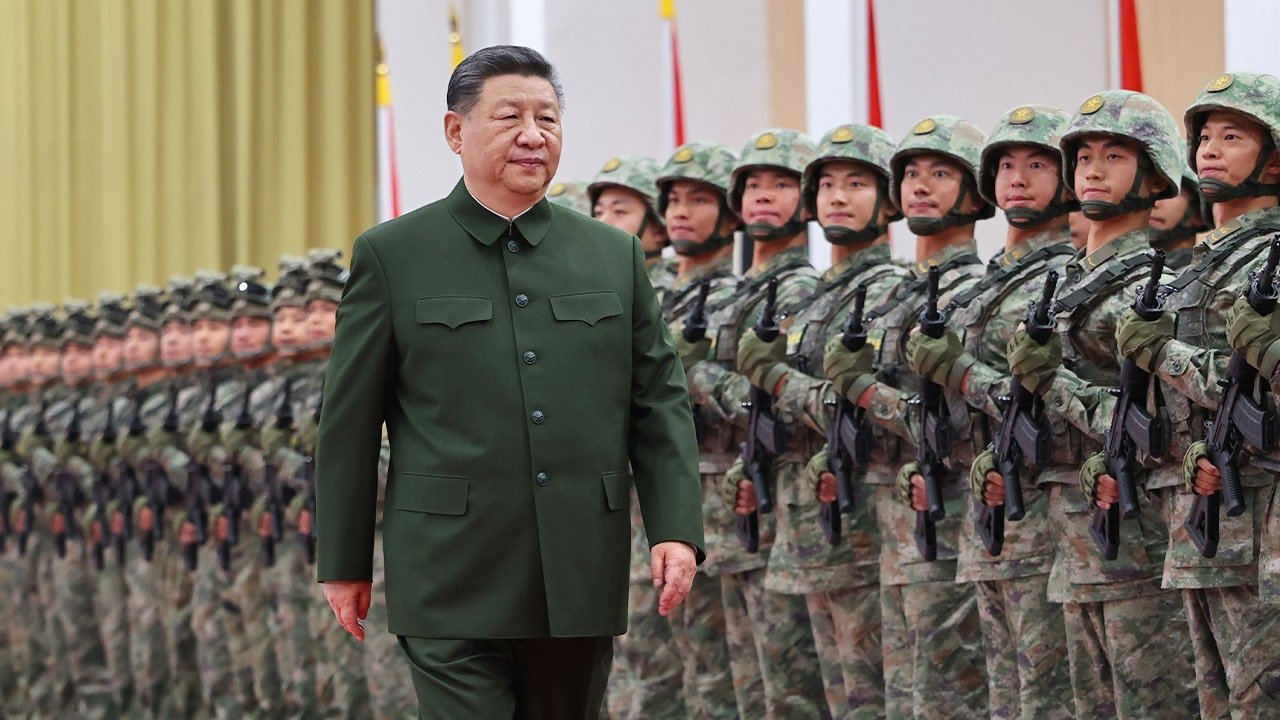
Chinese President Xi Jinping, also general secretary of the Communist Party of China Central Committee and chairman of the Central Military Commission, reviews the troops during his inspection of the Chinese People’s Liberation Army. (Li Gang/Xinhua via Getty Images)
The staff changes come after President Donald Trump’s administration released a new National Defense Strategy on Friday. The document shifts U.S. focus toward dominance in the Western Hemisphere rather than a longtime goal of countering China.
US TRADE REP SHRUGS OFF WORLD LEADERS’ SWIPES AT TRUMP AMID DAVOS BACKLASH
«This does not require regime change or some other existential struggle,» the document reads. «Rather, a decent peace, on terms favorable to Americans but that China can also accept and live under, is possible.»

President Donald Trump’s administration released a new National Defense Strategy. (Evan Vucci/AP Photo)
The document also reflects Trump’s ongoing frustration with U.S. allies for failing to adequately contribute to their own defense. It says the U.S. will increasingly expect allied nations to handle their own security.
CANADIAN PM CARNEY FIRES BACK AT TRUMP OVER CLAIM THAT ‘CANADA LIVES BECAUSE OF THE UNITED STATES’
CLICK HERE TO DOWNLOAD THE FOX NEWS APP
«We will engage in good faith with our neighbors, from Canada to our partners in Central and South America, but we will ensure that they respect and do their part to defend our shared interests,» the strategy says. «And where they do not, we will stand ready to take focused, decisive action that concretely advances U.S. interests.»
The Associated Press contributed to this report.
china,xi jinping,donald trump,world







INTERNACIONAL
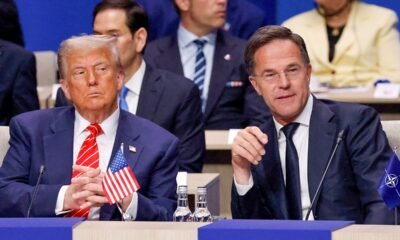
León XIV, entre la preocupación por el pueblo ucraniano y los planes para viajar a la Argentina
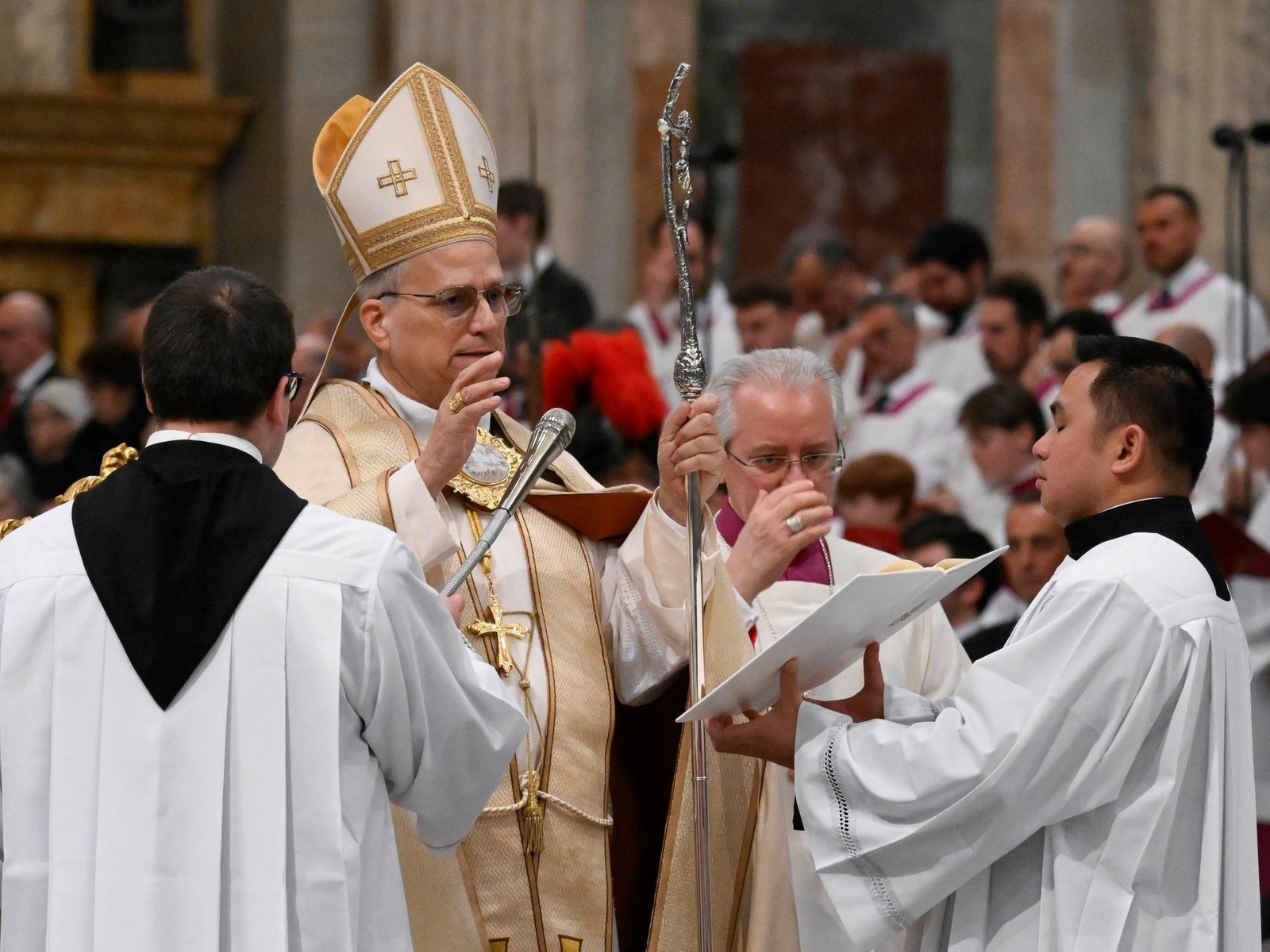
Por iniciativa del Papa, nuevos grupos de camiones están siendo alistados en Roma para partir hacia el este con ayuda de primera necesidad para Ucrania, cuya población está sufriendo duros ataques por parte de Rusia. Por otro lado, en el Vaticano se consolida la impresión de que el Papa viajará en el segundo semestre del año a Sudamérica, agregando al Perú como última etapa de una gira por Argentina y Uruguay.
Se informó que la ayuda consiste esta vez en ropa térmica, mantas y barras de alimentos concentrados en la Basílica de Santa Sofía, la iglesia ucraniana en Roma.
Desde el inicio de la guerra, 260 camiones y ambulancias guiados por conductores valientes, como los llamó el cardenal limosnero del Papa, el polaco Konrad Krajewski, han llevado asistencia. El cardenal había lanzado un pedido de nueva ayuda extraordinaria difundida por los medios católicos y elogió a los que guían camiones, ambulancias y otros vehículos hacia Ucrania.
El presidente ucraniano Volodimir Zelenski condecoró al cardenal Krajewski, quien dijo que la medalla no es para el Limosnero sino para las personas de buena voluntad, como las que desde Roma donan ropa y alimentos, o aportan dinero para comprar ecógrafos, generadores y ocho ambulancias que han sido llevadas a Ucrania.
Todo se hace de acuerdo con la lógica del Evangelio, dijo el cardenal. La ayuda es más imprescindible hoy no solo por los tremendos daños que están sufriendo los ucranianos, sino por el intenso frío.
El Papa hizo un nuevo llamado cuando la guerra parece no tener fin y sufren millones de ucranianos. En el Ángelus, el pontífice denunció que incluso en estos días, Ucrania está siendo objeto de ataques continuos que dejan a poblaciones enteras expuestas al frío del invierno. Sigo con dolor lo que ocurre, estoy cerca y rezo por quienes sufren.
La prolongación de las hostilidades, con consecuencias cada vez más graves para los civiles, amplía la fractura entre los pueblos y aleja una paz justa y duradera, señaló León XIV. El pontífice pidió a los habitantes de todo el mundo orar por la paz en Ucrania, en Medio Oriente y en cada región donde, lamentablemente, se lucha por intereses que no son los de los pueblos. La paz se construye en el respeto de los pueblos.
En otra intervención, el Papa elogió los esfuerzos diplomáticos que se realizan para lograr un alto el fuego. Gracias a Dios están trabajando, gracias a Dios parece que nos vamos acercando. En el diálogo hay diversos problemas, pero quiero invitar a todos a un cese del fuego, porque aún tantos están muriendo. El Papa insistió en mantener el diálogo para buscar una solución.
El Papa León XIV cree que debe llevar sus mensajes por el mundo para lograr, en primer lugar, una conciencia colectiva contra las guerras que se siguen difundiendo. En el Vaticano aumentan los preparativos para el viaje que, en el primer semestre de 2026, el Papa proyecta realizar a países africanos.
En cuanto al viaje que nunca se concreta a Sudamérica, el cardenal arzobispo de Montevideo, Daniel Fernando Sturla, dijo que el Papa se despidió de él, tras el reciente Consistorio al que asistieron los cardenales de todo el mundo en el Vaticano, con un: «Nos veremos en Montevideo».
Esta vez, varias versiones coinciden en que el Papa quiere hacer el viaje y que se concretaría en el segundo semestre de 2026. Serían tres los países elegidos: Argentina, Uruguay y Perú.
El Papa Robert Francis Prevost vivió muchos años como misionero en Perú y fue obispo de Chiclayo, elegido para aquel cargo en su momento por el Papa argentino Jorge Bergoglio. En principio, la gira concluiría en Perú tras las etapas en nuestro país y Uruguay.
Como este viaje ha sufrido varias postergaciones desde que el Papa Francisco dijo que proyectaba hacerlo, tras 12 años sin volver a su patria, las versiones sobre la visita del actual Pontífice a Argentina sufren idas y vueltas. Pero esta vez parece que la inclusión de Perú en la gira fortalece la versión de que el periplo sudamericano se concretará en el segundo semestre de este año.
NEWYou can now listen to Fox News articles!
Speaking to global leaders in Davos, Ukrainian President Volodymyr Zelenskyy delivered a blunt warning to Europe. «Europe needs to know how to defend itself,» he said, arguing that the continent still isn’t ready to stand on its own without U.S. backing.
Zelensky’s remarks reflected a growing anxiety across Europe — that decades of reliance on American protection left the continent ill-prepared for a more dangerous era. While European countries have contributed troops, weapons and money to conflicts from Afghanistan to Ukraine, the ultimate backstop for NATO’s security has remained Washington.
President Donald Trump has openly challenged that assumption, repeatedly warning NATO allies that U.S. protection should not be taken for granted, and insisting the U.S. needed to take Greenland from Denmark
Before he ruled out the use of force to wrest control of the island, European officials had worried about a military dust-up between Western powers would mean the end of NATO.
«Maybe we should have put NATO to the test: Invoked Article 5, and forced NATO to come here and protect our Southern Border from further Invasions of Illegal Immigrants, thus freeing up large numbers of Border Patrol Agents for other tasks,» Trump mused on Truth Social Thursday.
«Europe needs to know how to defend itself,» Ukrainian President Volodymyr Zelenskyy told European allies. (Danylo Antoniuk/AP)
Trump’s suggestion that the U.S. may not defend allies that fail to invest in their own security rattled the alliance and pushed European governments to pledge sharp increases in defense spending.
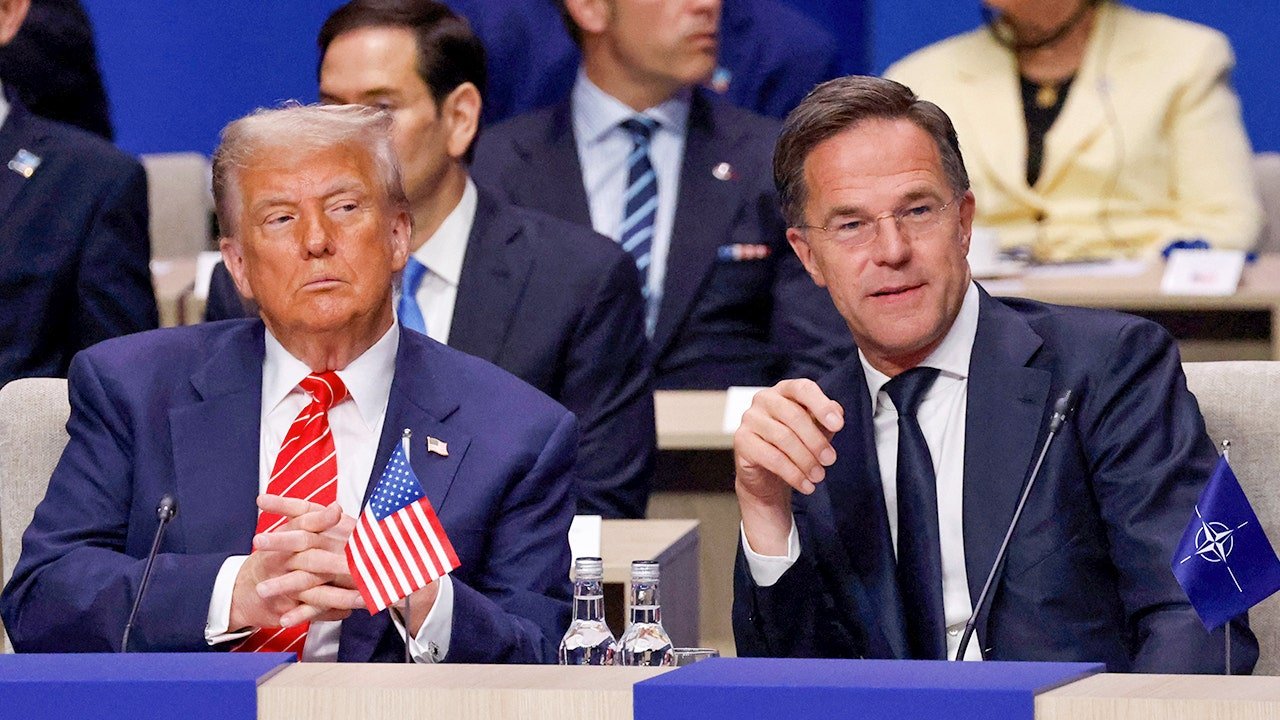
Even so, European leaders continue to acknowledge how central U.S. power remains to NATO’s defense. NATO Secretary General Mark Rutte has pointed to the American nuclear umbrella as the alliance’s «ultimate guarantor,» alongside a strong U.S. conventional presence in Europe.
«We are still having a strong, conventional U.S. presence in Europe,» Rutte said, «and, of course, the nuclear umbrella as our ultimate guarantor.»
TRUMP: EUROPE WILL ‘TAKE A LOT OF THE BURDEN’ IN PROVIDING SECURITY GUARANTEES FOR UKRAINE
Security analysts say that long-standing guarantee shaped Europe’s choices over time.
«For much of the post–Cold War period, it is fair to say that Europeans underinvested in defense, partly because threats were low, and partly because a series of U.S. presidents did everything they could to convince Europeans that we would stay there forever,» Barry Posen, a professor of political science at MIT, told Fox News Digital.
«Trump was right to argue that Europeans have been slow to fix up their forces as the situation changed — as Russia pulled itself back together and became more demanding and threatening, and as China also grew its power,» Posen said.
But Posen warned that driving a wedge inside NATO carries risks. «The problem Trump faces is that ‘conditional commitments’ make challenges more likely,» he said. «And then we would still have to decide what to do. As a great power, in the event of an actual challenge, we might not wish to look weak.»
Over time, those choices carried political consequences. With American power serving as the backstop, defense spending was easier to restrain than politically popular domestic subsidies such as healthcare, pensions and education, which became entrenched in European politics.
As defense demands rise, governments are running into those constraints. In Italy, officials have warned that boosting military spending to meet NATO commitments would strain an already tight budget, where pensions and social benefits account for a large share of public spending.
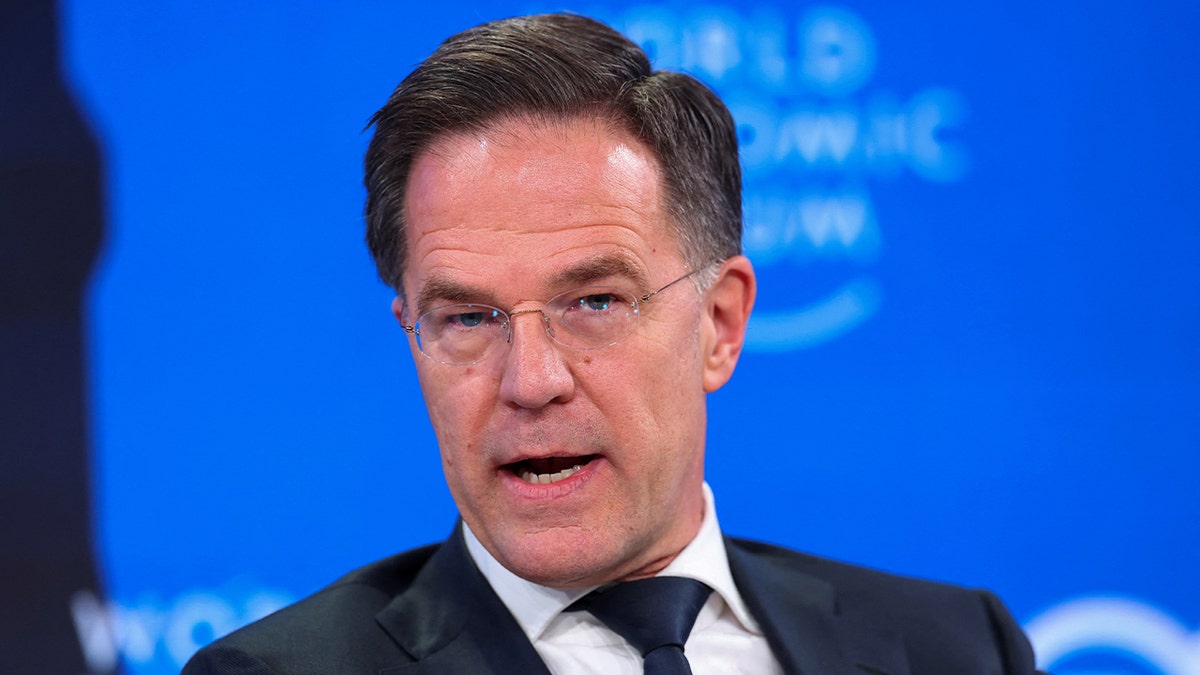
«We are still having a strong, conventional U.S. presence in Europe,» NATO chief Mark Rutte said, «and, of course, the nuclear umbrella as our ultimate guarantor.» (Denis Balibouse/Reuters)
ZELENSKYY BLASTS GLOBAL INACTION ON IRAN, CLAIMS EUROPE STUCK IN ‘GREENLAND MODE’
Germany found a way to buy time. After Russia’s invasion of Ukraine, Berlin created a €100 billion special defense fund — financed through new borrowing and kept outside the regular budget — to rebuild its military without immediately cutting other spending. The move jump-started rearmament while shielding popular social programs from near-term cuts. But the fund is temporary. Once it runs out, sustaining higher defense spending will require permanent budget decisions inside a system built around strict fiscal rules and expansive social commitments.
John Byrne of Concerned Veterans for America said Europe’s dependence on the United States runs deeper than defense budgets. Even as European governments pledge more spending, Byrne said they still lack the senior-level experience needed to run NATO operations without U.S. leadership.
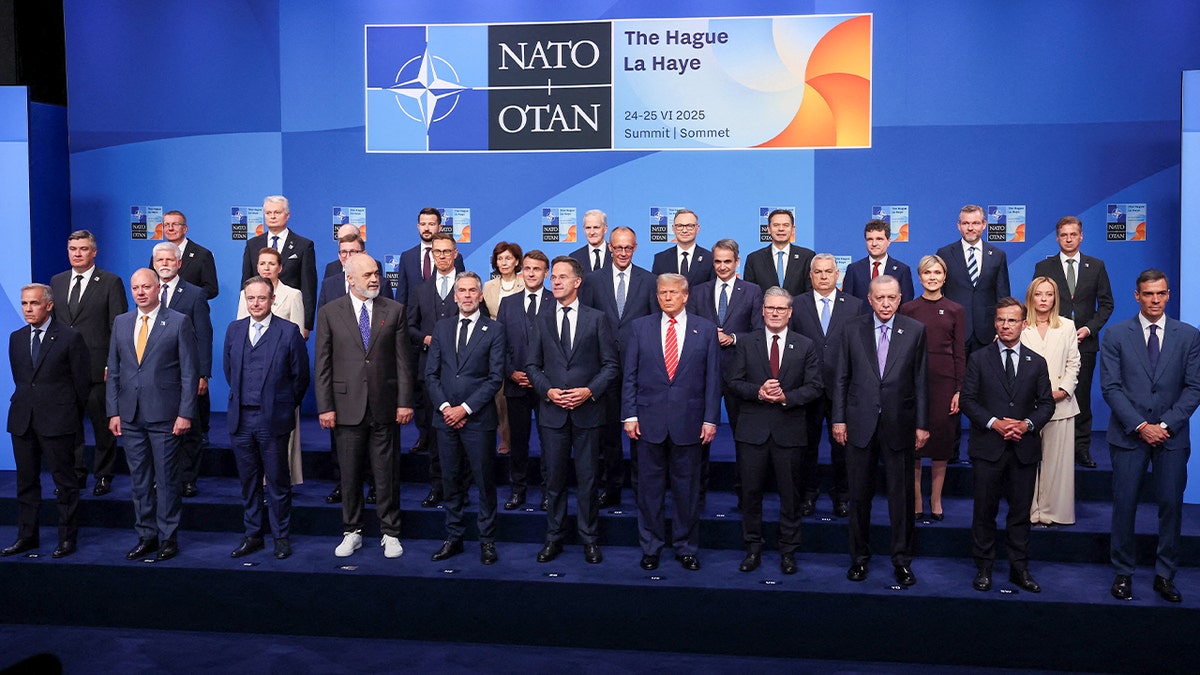
John Byrne said they still lack the senior-level experience needed to run NATO operations without U.S. leadership. (REUTERS/Claudia Greco)
«They don’t have the experience,» Byrne said, pointing to the fact that large, multinational military commands have overwhelmingly been led by American generals for decades. «That institutional knowledge still sits almost entirely with the United States.»
Byrne said that gap matters in a crisis. Running complex, coalition military operations requires years of practice at the highest levels, he said — something that cannot be fixed quickly, even with higher spending.
«You can buy equipment,» Byrne said. «You can’t instantly buy command experience.»
During his address at Davos on Thursday, Zelenskyy questioned whether Europe has the power or the will to act independently if assumptions about U.S. protection change.
CLICK HERE TO DOWNLOAD THE FOX NEWS APP
«Europe still feels more like geography, history, tradition, not a real political force, not a great power,» Zelenskyy said.
He warned that European leaders continue to plan around expectations that may no longer hold. «To believe that the United States will act, that it will not stand aside and will help,» Zelenskyy said. «But what if it doesn’t? This question is everywhere in the minds of European leaders.»
nato,volodymyr zelenskyy,donald trump,conflicts defense
NEWYou can now listen to Fox News articles!
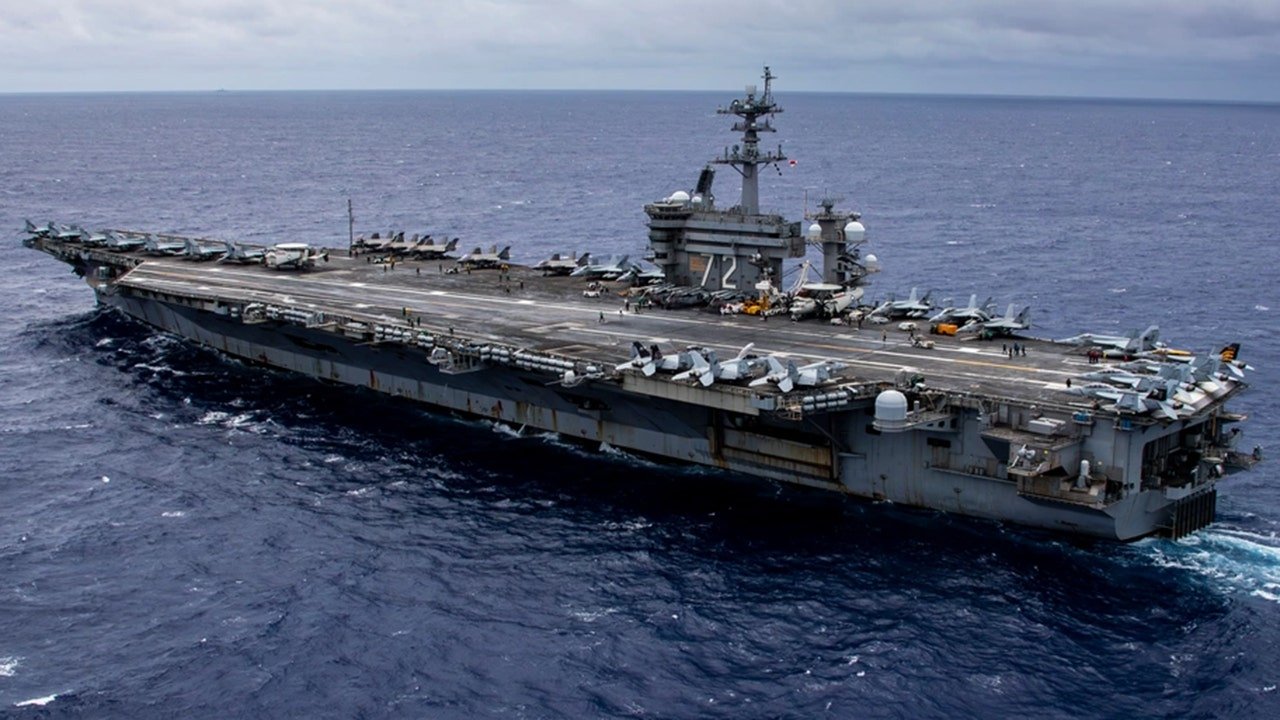
The USS Abraham Lincoln aircraft carrier has entered CENTCOM waters in the Indian Ocean amid increasing threats from Iran, a senior U.S. official told Fox News on Monday.
Reports say Iran’s Ayatollah Ali Khamenei has gone underground, suggesting the country may be preparing for military action. A leading U.S. drone expert told Fox on Sunday that Iran’s drone swarms would pose a credible and serious threat to the Lincoln and its strike group.
The top U.S. official said the Lincoln was not yet ready for any possible future strikes against Iran.
Cameron Chell, CEO and co-founder of Draganfly, told Fox that Iran has created «an effective asymmetric threat against highly sophisticated military systems» with its fleet of unmanned drones, pairing «low-cost warheads with inexpensive delivery platforms.»
IRAN’S LEADER THREATENS ‘EVEN BIGGER BLOW’ AGAINST US, TRUMP SAYS HE’S IN ‘NO RUSH’ TO TALK
USS Abraham Lincoln sails in the Pacific Ocean. (U.S. Navy photo by Mass Communication Specialist Seaman Apprentice Daniel Kimmelman)
Chell said Iran can launch large numbers of relatively unsophisticated drones directly at naval vessels, creating saturation attacks that could overwhelm traditional defenses.
«If hundreds are launched in a short period of time, some are almost certain to get through,» Chell said.
«Modern defense systems were not originally designed to counter that kind of saturation attack. For U.S. surface vessels operating near Iran, warships are prime targets,» he added.
IRAN REVOLUTIONARY GUARD COMMANDER SAYS REGIME HAS ‘FINGER ON THE TRIGGER’ AS US WARSHIPS HEAD TO MIDDLE EAST

Reports say Iranian Supreme Leader Ayatollah Ali Khamenei has gone underground. (Majid Saeedi/Getty Images)
U.S. officials say Washington is reinforcing its military posture in response to growing instability inside Iran, boosting its presence by air, land and sea, while closely monitoring developments in Syria.
A squadron of F-15 fighter jets has deployed to the region, and C-17 aircraft carrying heavy equipment have arrived.
Chell noted that U.S. and allied militaries are rapidly developing defenses but uncertainty over new capabilities on the USS Abraham Lincoln carrier groups for managing multiple Iranian drones flying in formation remains. He emphasized that Iran’s drone fleet is a concern.
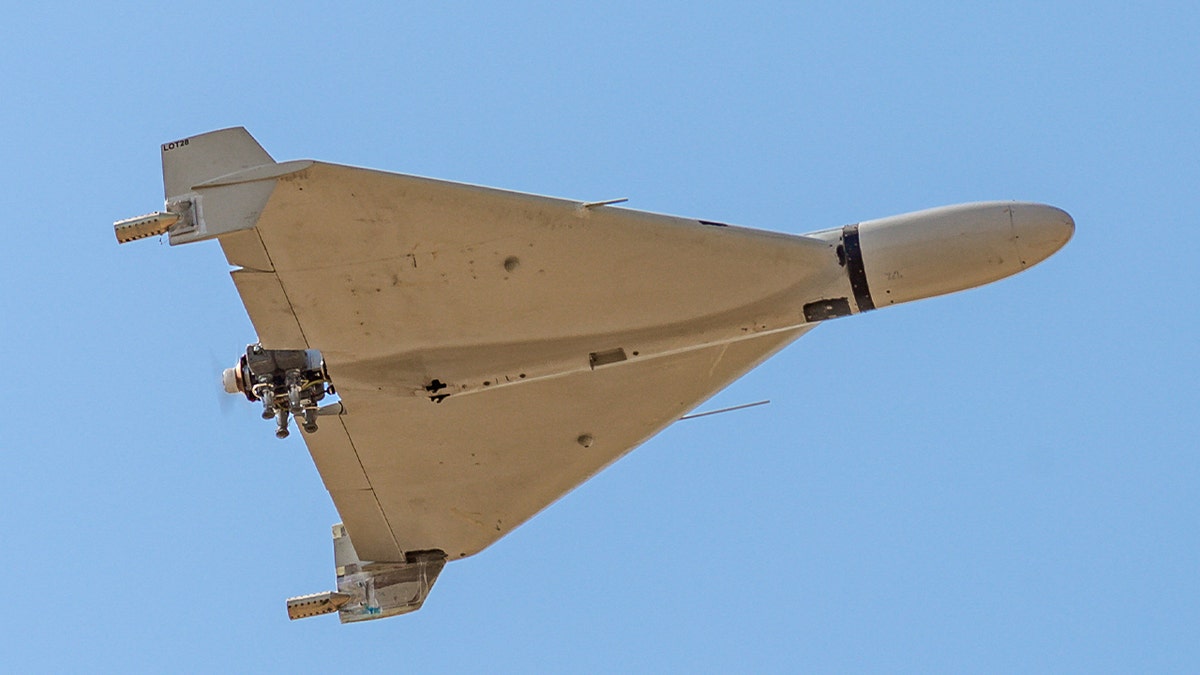
Iranian drone swarms could pose a threat to the U.S. (Getty Images )
«These drones give Iran a very credible way to threaten surface vessels,» he said. «U.S. assets in the region are large, slow-moving and easily identifiable on radar, which makes them targetable.»
CLICK HERE TO DOWNLOAD THE FOX NEWS APP
«Iran’s strength lies instead in these low-cost, high-volume drone systems — particularly one-way strike drones designed to fly into a target and detonate,» he said.
Fox News’ Jennifer Griffin and Emma Bussey contributed to this report.
iran,military,us,world

Calor extremo en Buenos Aires: qué recaudos tomar y cómo evitar un golpe de calor

El Gobierno formalizó la renuncia de Paul Starc y de otros funcionarios del Gobierno

La jueza Guichandut tuvo dos denuncias por mal desempeño en el Consejo de la Magistratura

¿Viene un cisne negro? Japón prepara una inyección letal de dólares y bancos «top» entran en pánico

El Gobierno incluye el proyecto de ley Penal Juvenil en las sesiones extraordinarias

León XIV, entre la preocupación por el pueblo ucraniano y los planes para viajar a la Argentina

Carlos Pagni habló sobre las preocupaciones de Cristina Kirchner: “Tiene miedo porque sabe que se viene algo malo”

Mientras Quilmes arde, Mayra Mendoza viaja a Bogotá para defender a Cristina Kirchner

Juan Grabois contó que le pidieron plata para ir a un programa de C5N

YPF consiguió USD 550 millones con la ampliación de una de sus emisiones de deuda: qué tasa obtuvo

 POLITICA3 días ago
Carlos Pagni habló sobre las preocupaciones de Cristina Kirchner: “Tiene miedo porque sabe que se viene algo malo”
- POLITICA2 días ago
Mientras Quilmes arde, Mayra Mendoza viaja a Bogotá para defender a Cristina Kirchner
- POLITICA19 horas ago
Juan Grabois contó que le pidieron plata para ir a un programa de C5N