INTERNACIONAL
Chinese satellites complete groundbreaking mission 22,000 miles above Earth

NEWYou can now listen to Fox News articles!
China’s space program took a major stride this past week as two of its satellites seemingly docked together in what could have been the country’s first high-altitude attempt at refueling a satellite while in orbit.
The Shijian-21 and Shijian-25 satellites appeared to dock with one another last week more than 20,000 miles above the planet in geosynchronous orbit, in which a satellite’s orbital period matches the pace of the Earth’s rotation, according to news outlet Ars Technica.
US WARFIGHTERS ARE LOSING A MASSIVE FORCE MULTIPLIER ADVANTAGE AS CHINA ADVANCES IN SPACE
While Chinese officials have not recently released any updates about the two satellites, civilian satellite trackers showed Shijian-21 and Shijian-25 moving closer together before becoming indistinguishable from one another, Ars Technica reported.
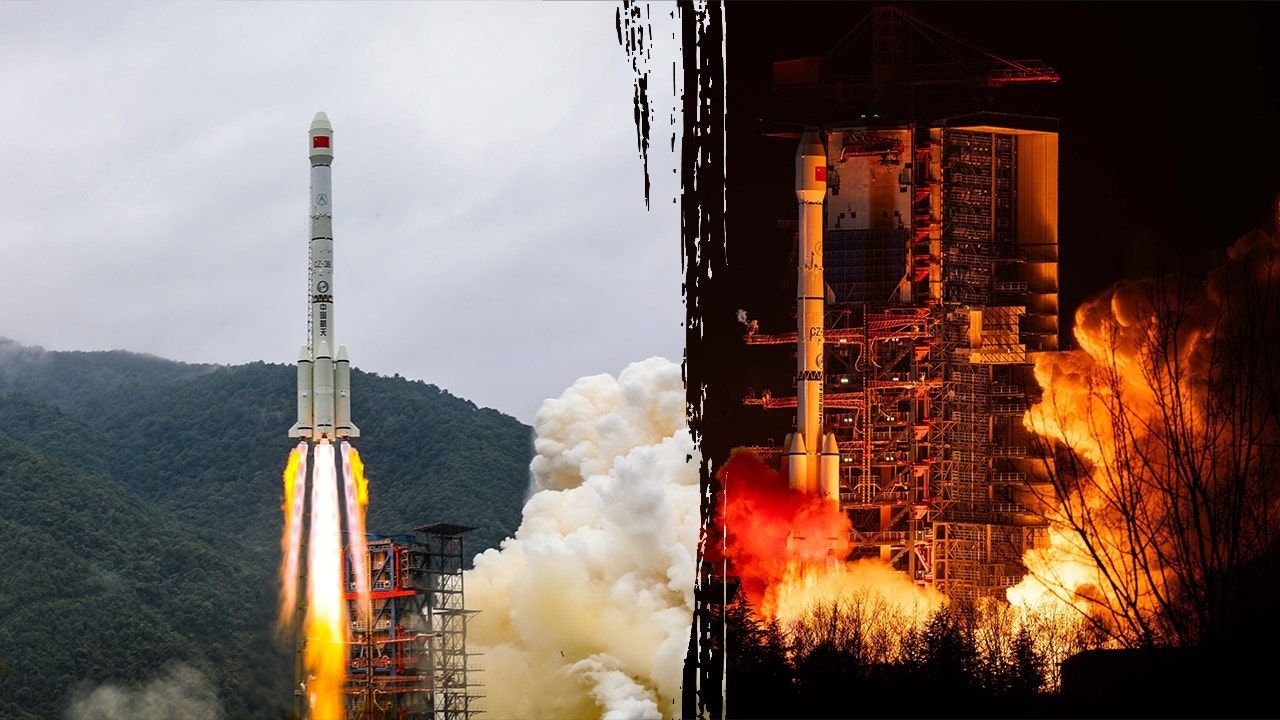
A Long March-3B carrier rocket carrying Shijian-21 satellite blasts off from the Xichang Satellite Launch Center on Oct. 24, 2021 in Liangshan Yi Autonomous Prefecture, Sichuan Province of China. (Li Jieyi/VCG via Getty Images)
These two satellites docking in geosynchronous orbit could indicate that China has the potential to disable another country’s satellite in space, Ars Technica reported.
CHINA LAUNCHES TIANWEN-2 SPACE PROBE TO COLLECT SAMPLES FROM ASTEROID NEAR MARS
However, the U.S. Space Force has similarly been interested in orbital refueling as military satellites often have limited fuel supplies. The military branch is slated to perform its first-ever refueling of a U.S. military asset in orbit as early as next summer.
American officials may have taken note of the apparent docking by China last week, as two of the Space Force’s inspector satellites appeared to move closer to Shijian-21 and Shijian-25 following the maneuver, Ars Technica reported.
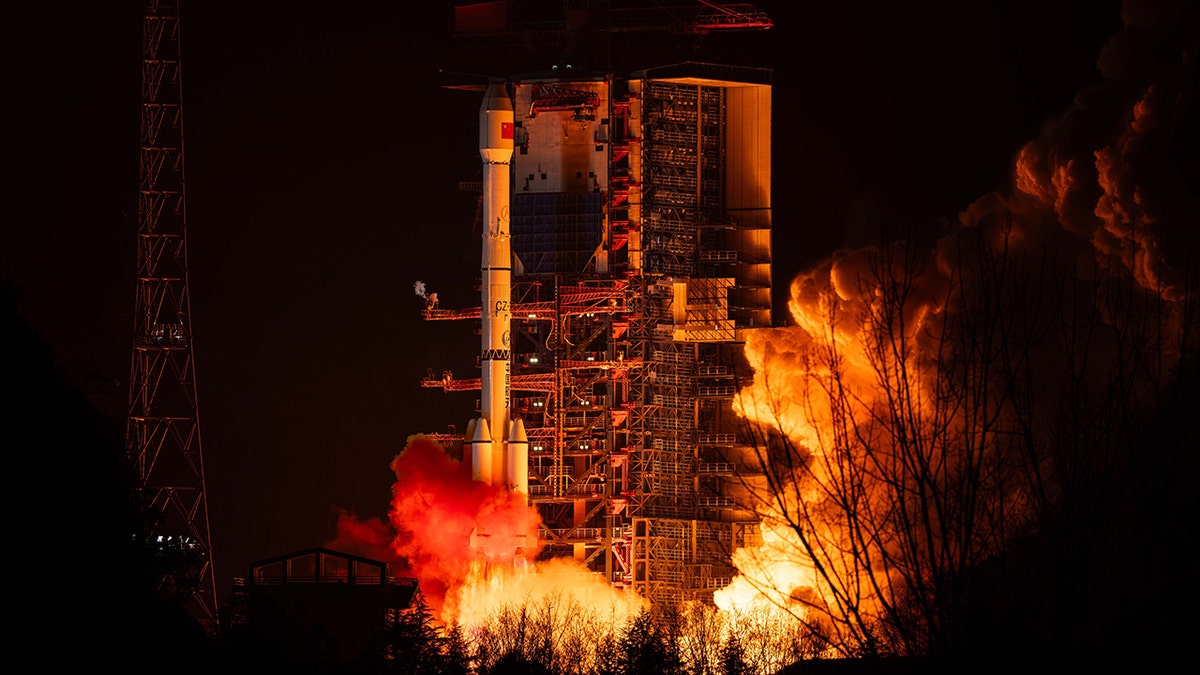
A Long March-3B rocket carrying a test satellite, Shijian-25, blasts off from the Xichang Satellite Launch Center in southwest China’s Sichuan Province, Jan. 7, 2025. (Du Xinxin/Xinhua via Getty Images)
Geosynchronous orbit, which is situated at an altitude of around 22,236 miles, is popular among military and commercial satellites as it means they have a fixed view of the planet and can provide military forces with information like early warnings of missile attacks, according to Ars Technica.
CHINA ACCUSES US OF ‘TURNING SPACE INTO A WARZONE’ WITH TRUMP’S GOLDEN DOME MISSILE DEFENSE PROJECT
In April, Space Force Gen. Chance Saltzman described China’s explosive advances in space as «mind-boggling» and warned the U.S. is on a path to losing its dominance in orbit.

A photo illustration of a satellite is pictured here. (iStock)
Testifying before the bipartisan U.S.-China Commission, Saltzman said China is «heavily investing» in both ground-based and space-based weapons designed to disable enemy satellites, including kinetic strikes, radio-frequency jamming and directed energy weapons.
CLICK HERE TO GET THE FOX NEWS APP
China also increased its military spending by 7% this year, stockpiling anti-satellite missiles and claiming to possess directed energy weapons that use concentrated energy beams to jam satellite signals.
The U.S. Space Force and NASA did not immediately respond to Fox News Digital’s request for comment.

INTERNACIONAL
Israelis keep suitcases packed and ready as Trump weighs potential Iran strike decision
NEWYou can now listen to Fox News articles!
For more than a month, Michal Weits has kept suitcases packed by the front door of her house in Tel Aviv.
«We have our bags ready for weeks,» she said. «Three weeks ago, there were rumors that it was the night the U.S. would attack Iran. At midnight, we pulled the kids out of their beds and drove to the north, where it is supposed to be safer.»
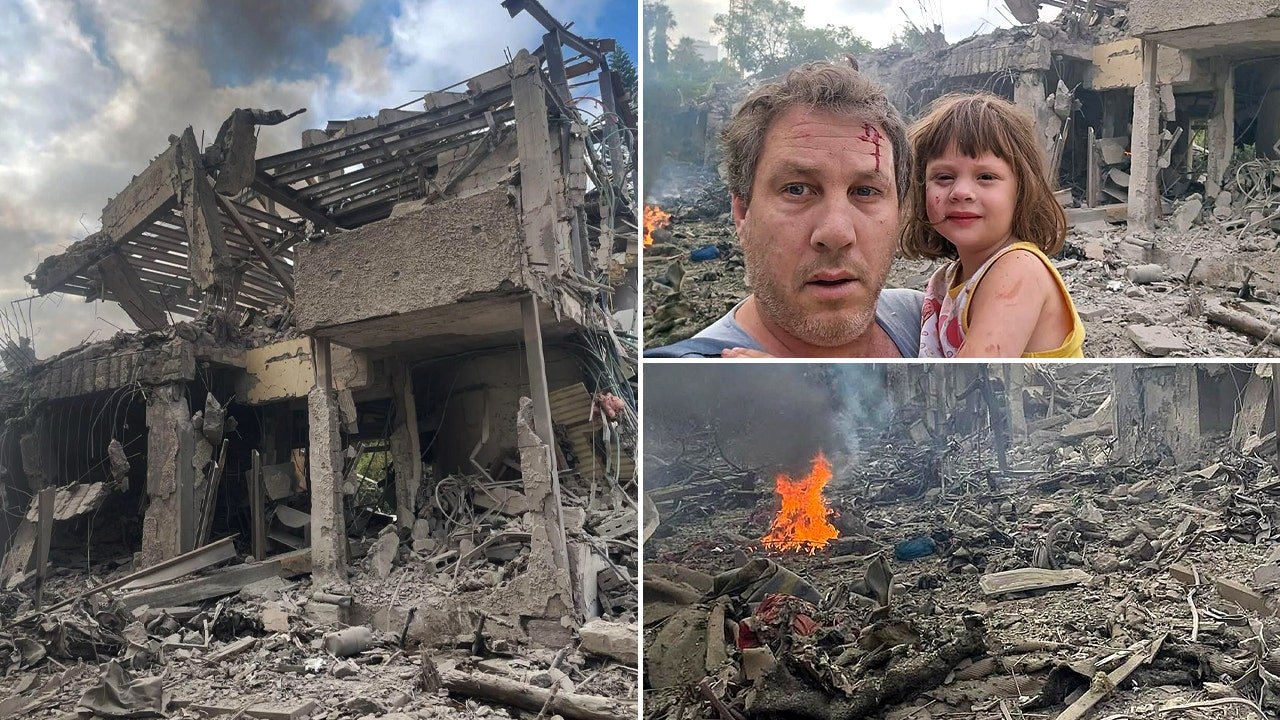
Weits, the artistic director of the international documentary film festival Docaviv, is speaking from her own traumatic experience. During the 12-day war, an Iranian missile struck her Tel Aviv home. She, her husband, and their two young children were inside the safe room when it collapsed on her.
TRUMP MEETS NETANYAHU, SAYS HE WANTS IRAN DEAL BUT REMINDS TEHRAN OF ‘MIDNIGHT HAMMER’ OPERATION
Eyal, husband of Michal Weits, holds their daughter in front of the rubble of their Tel Aviv home after it was struck by an Iranian missile during the 12-day war. (Michal Weits)
«After an Iranian missile hit our home and we lost everything we had, we also lost the feeling of ‘it won’t happen to me,’» she said. «We are prepared, as much as it’s really possible.»
Weits remembers the surreal contrast of those days. Four days after being injured in the missile strike, while still in the hospital, she was told she had won an Emmy Award for the documentary she produced about the Nova massacre on Oct. 7.
«Four days earlier an 800-kilogram explosive missile fell on our home and I was injured, and four days later I woke up on my birthday to news that I had won an Emmy,» she said. «It can’t be more surreal than this. That is the experience of being Israeli, from zero to one hundred.»

Michal Weits after being injured in an Iranian missile strike that hit her Tel Aviv home during the 12-day war. (Michal Weits)
She says Israelis have learned to live inside that swing. «Inside all of this, life continues,» she said. «Kids go to school, you go to the supermarket, Purim arrives and you prepare, and you don’t know if any of it will actually happen. We didn’t make plans for this weekend because we don’t know what will happen.»
That gap — between visible routine and private fear — defines this moment. The fear she describes is now part of the national atmosphere.
MORNING GLORY: WHAT WILL PRESIDENT DONALD TRUMP DECIDE TO DO WITH IRAN?
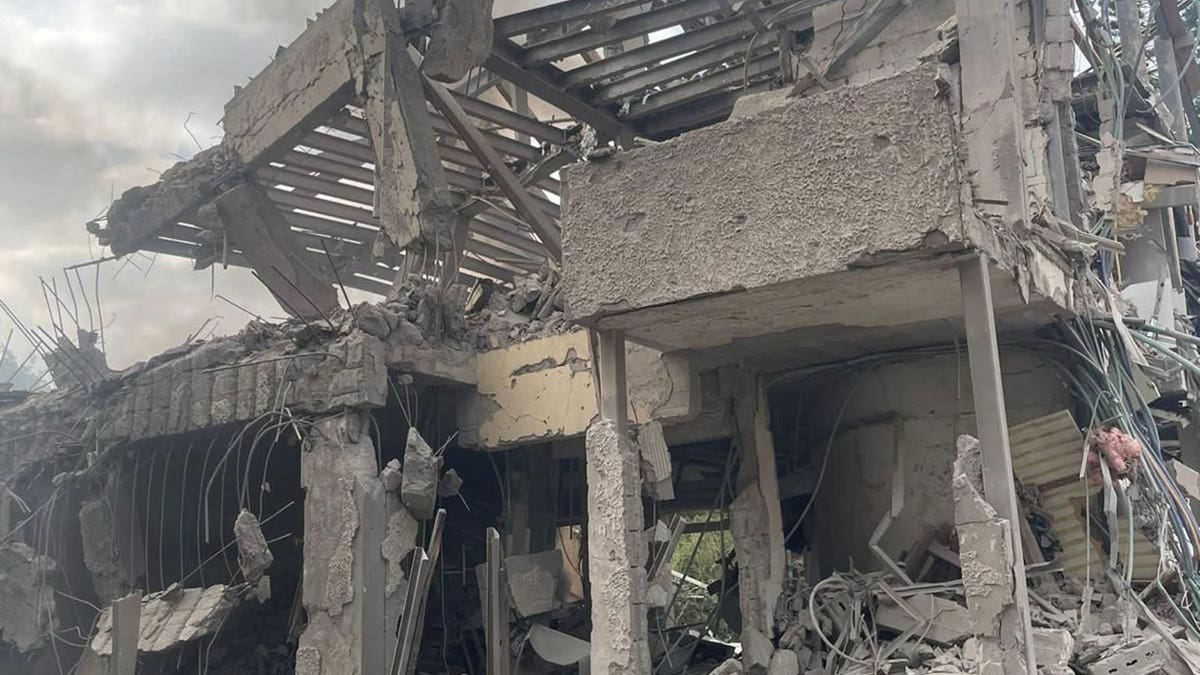
The Weits family home in Tel Aviv after it was destroyed by a direct Iranian missile strike during the 12-day war. (Michal Weits)
On the surface, Israel looks normal. The beaches are crowded in the warm weather. Cafés are full. The Tel Aviv Stock Exchange has risen in recent days. Children go to school as Israelis prepare for the Jewish holiday of Purim and costumes are being prepared.
But inside homes and across local news broadcasts, one question dominates: when will it happen? When will President Donald Trump decide whether to strike Iran — and what will that mean for Israel?
Prime Minister Benjamin Netanyahu has instructed the Home Front Command and emergency services to prepare for possible escalation, with Israeli media reporting a state of «maximum alert» across security bodies.
Speaking at an officer graduation ceremony this week, Netanyahu warned Tehran: «If the ayatollahs make a mistake and attack us, they will face a response they cannot even imagine.» He added that Israel is «prepared for any scenario.»
The military message was echoed by the IDF. «We are monitoring regional developments and are aware of the public discourse regarding Iran,» IDF Spokesperson Brig. Gen. Effie Defrin said. «The IDF remains vigilant in defense, our eyes are open in every direction and our readiness in response to any change in the operational reality is greater than ever.»
TRUMP VOWS TO ‘KNOCK THE HELL OUT OF’ IRAN IF NUCLEAR PROGRAM IS REBUILT AGAIN AFTER HIGH-STAKES MEETING

Four days after being injured in an Iranian missile strike, Michal Weits received an Emmy Award for the documentary «We Will Dance Again» about the Nova festival massacre on Oct. 7. (Michal Weits)
Yet the psychological shift inside Israel goes deeper than official statements.
For years, Israelis lived with rockets from Hamas. The Iranian strikes felt different.
«The level of destruction from Iran was something Israelis had not experienced before,» said Israeli Iran expert Benny Sabti. «People are used to rockets from Gaza. This was a different scale of damage. It created real anxiety.»
Iron Dome, long seen as nearly impenetrable, was less effective against heavier Iranian missiles. Buildings collapsed. Entire neighborhoods were damaged.
«People are still traumatized,» Sabti said. «They are living on the edge for a long time now.»
At the same time, he stressed that the country is better prepared today.
«There are feelings, and there are facts,» Sabti said. «The facts are that Israel is better prepared now. The military level is doing serious preparation. They learned from the last round.»
The earlier wave of protests inside Iran had sparked hope in Israel that internal pressure might weaken or topple the regime. Weits told Fox News Digital, «I am angry at the Iranian government, not the Iranian people. I will be the first to travel there when it’s possible. I hope they will be able to be free — that all of us will be able to be free.»
CLICK HERE TO DOWNLOAD THE FOX NEWS APP
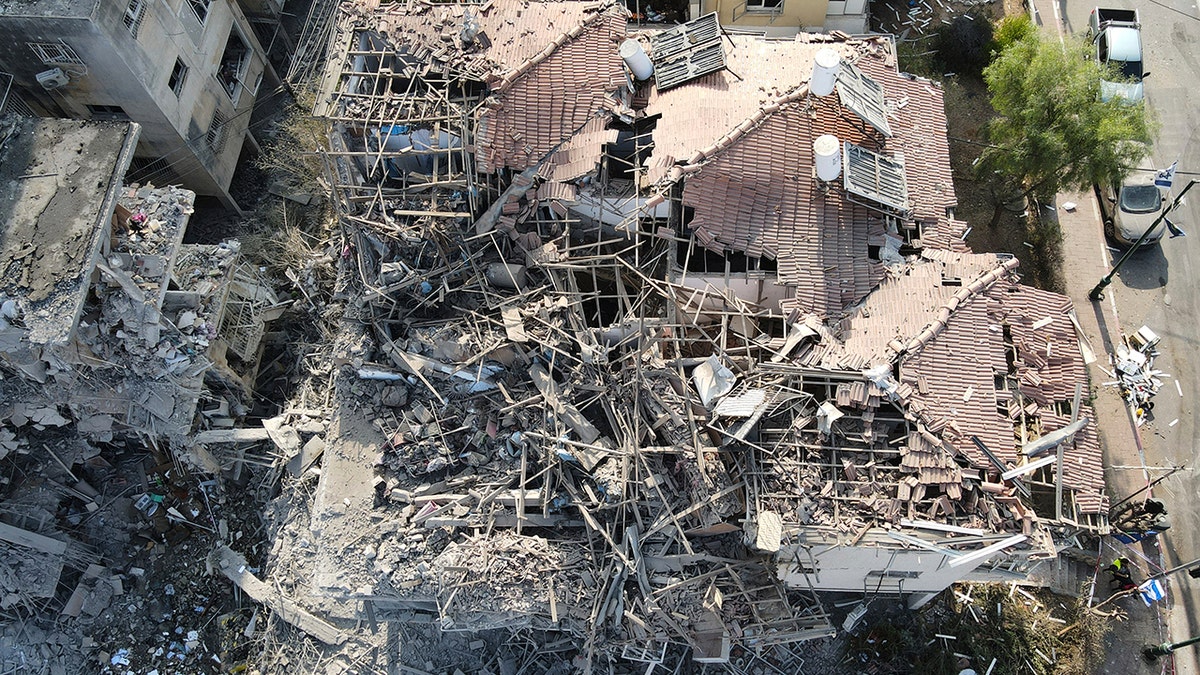
Destroyed residential buildings that were hit by a missile fired from Iran is seen in Ramat Gan, near Tel Aviv, Israel on Saturday, June 14, 2025. (AP Photo/Ariel Schalit)
Despite losing her home and suffering hearing damage from the blast, she says the greater loss was psychological. «There is no more complacency,» she said. «The ‘it won’t happen to me’ feeling is gone.»
Across Israel, that sentiment resonates.
israel,iran,donald trump,wars,middle east
INTERNACIONAL
Colombia: un fallo electoral divide a la izquierda y debilita la candidatura del “delfín” de Gustavo Petro
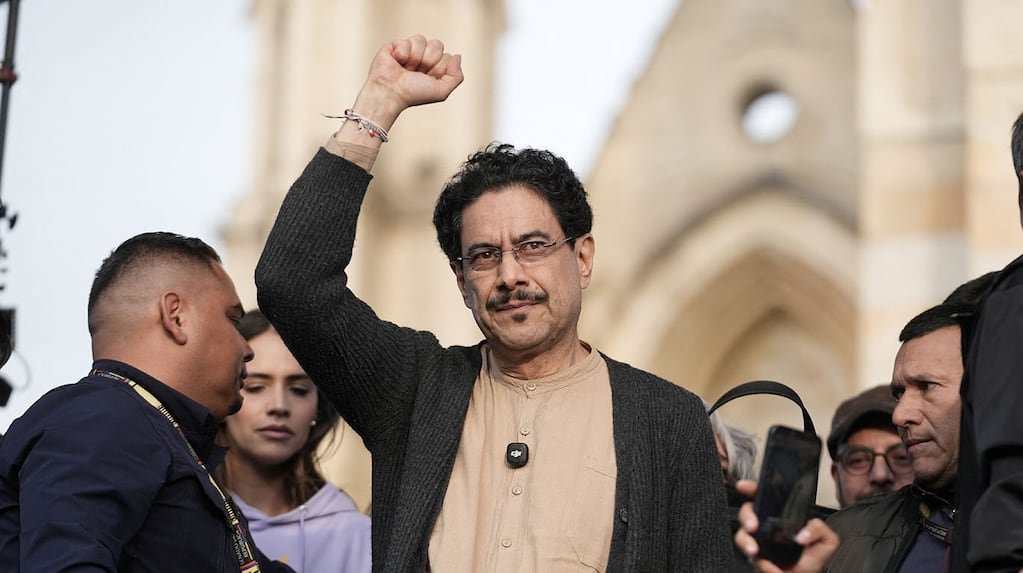
A poco más de tres meses de las elecciones presidenciales, la izquierda colombiana corre riesgo de una inesperada división que debilite sus posibilidades de seguir en el poder otros cuatro años ante el avance de los conservadores y la derecha radical.
No se trata de una pelea interna entre facciones rivales o la negativa a conformar una coalición fuerte que busque la reelección del proyecto encarnado por el presidente Gustavo Petro, que no puede aspirar a su reelección inmediata, prohibida por la Constitución. La izquierda simplemente fue sacudida por una decisión del Congreso Nacional Electoral (CNE).
En una polémica decisión, el CNE le impidió al senador Iván Cepeda, el candidato presidencial elegido por Petro, participar en la consulta del 8 de marzo en la que las distintas fuerzas o coaliciones elegirán a sus postulantes.
Leé también: Homofóbico y sexista: un polémico general rompe con Giorgia Meloni y funda su propio partido de ultraderecha
¿El motivo? Cepeda ya participó y ganó la interna de la coalición conocida como Pacto Histórico de Petro en octubre. Por eso quedó excluido de presentarse en los comicios en que una amplia coalición de partidos progresistas y de izquierda elegirá a su candidato presidencial.
En síntesis, Cepeda puede ser candidato presidencial en las elecciones del 31 de mayo por el Pacto Histórico, pero no por el Frente de Izquierda nacional.
¿Qué va a pasar ahora con la izquierda colombiana?
En la consulta izquierdista de marzo, en la que también se renovará el Congreso, ya anunciaron su participación el exsenador Roy Barreras y el exministro del Interior, Juan Fernando Cristo. Pero Cepeda, de 65 años y figura histórica de los organismos de derechos humanos, es mucho más popular que ambos, según los últimos sondeos.
“Cepeda sale como candidato de la consulta del Pacto Histórico en octubre pasado, con algo más de millón y medio de votos por su candidatura. El Consejo Nacional Electoral considera que fue una consulta entre partidos, y no de un solo partido, que sería la consideración para que el ganador pudiera ir ahora el 8 de marzo a una consulta interpartidista para elegir el candidato del Frente de Izquierda. Así que lo sacaron de esta próxima consulta”, resumió a TN el consultor político argentino Ángel Beccassino, que reside desde hace más de 30 años en Colombia.
El presidente colombiano Gustavo Petro. (Foto: José Luis Magana/AP)
Según afirmó, “el grupo de izquierda dura que respalda a Cepeda quiso que no se hiciera esta consulta, y que los que iban a participar en ella, en particular Roy Barreras, se bajaran y adhirieran a la candidatura suya directo a primera vuelta”.
“Pero esto no pasó. Petro ha dado muchas señales de respaldar la candidatura de Cepeda, e incluso dijo que él no iba a votar por la consulta del Frente de Izquierda el 8 de marzo, sino directamente en primera vuelta”, indicó.
Beccassino aseguró que esta situación pone a la izquiera bajo el peligro de una escisión.
“Es el riesgo. La apuesta es a que si Roy Barreras saca el 8 de marzo más de 3 millones de votos, lo cual es probable, Petro va a modificar su posición y ahí es probable que Cepeda decline alegando su situación de salud”, sostuvo.
Leé también: Cocinan de madrugada y a leña: así sobrevive una familia de Cuba en medio del apagón interminable
Cepeda, hijo del asesinado dirigente Manuel Cepeda Vargas, fue sometido a una intervención quirúrgica por un cáncer de hígado hace unos años.
El candidato de Petro, una figura histórica de la izquierda colombiana, ha sido facilitador del proceso de paz con la guerrilla de las FARC y copresidente de la Comisión de Paz del Senado. “Es un exmilitante del Partido Comunista, con formación en Bulgaria durante la época del bloque soviético, con alguna cercanía en su momento con las FARC”, dijo Beccassino.
La izquierda tendrá como principal rival a un candidato que rompe al molde de la política tradicional, el ultraderechista Abelardo de la Espriella, “el Javier Milei colombiano”, que ya anunció que se presentará solo a las elecciones y no participará en la consulta de los tradicionales conservadores colombianos.
Cepeda y De la Espriella lideran los últimos sondeos de cara a las elecciones del 31 de mayo. Un eventual balotaje entre ambos se realizaría el 21 de junio.
Colombia, Gustavo Petro, Sumario
INTERNACIONAL
India y Brasil firmaron un memorándum sobre minerales críticos y tierras raras en Nueva Delhi
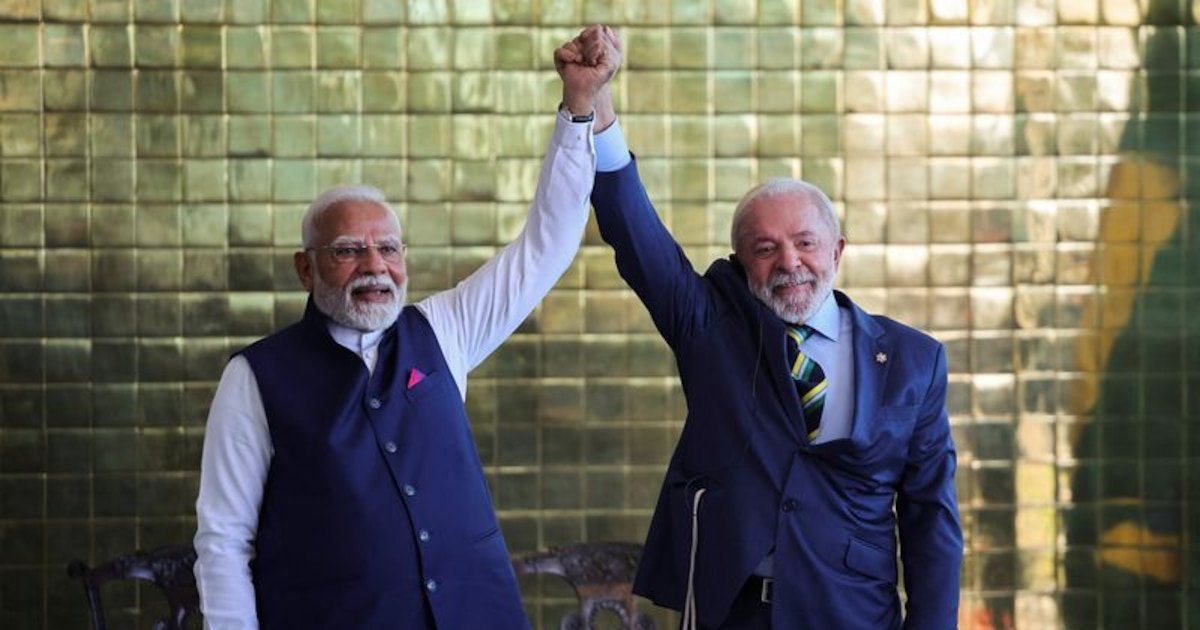
India y Brasil firmaron este sábado un acuerdo sobre minerales críticos y tierras raras, según anunció el primer ministro indio, Narendra Modi, tras mantener conversaciones en Nueva Delhi con el presidente brasileño, Luiz Inácio Lula da Silva.
Modi calificó el acuerdo como “un paso importante hacia la construcción de cadenas de suministro resilientes”. Ambos mandatarios mantuvieron conversaciones en busca de un fortalecimiento en la cooperación del sector estratégico.
Brasil posee la segunda mayor reserva mundial de estos elementos, esenciales en industrias que van desde vehículos eléctricos y paneles solares hasta teléfonos inteligentes, motores a reacción y misiles guiados.
India busca reducir su dependencia de China, principal exportador global de tierras raras, por lo que impulsó la producción interna, el reciclaje y la búsqueda de nuevos proveedores. En este contexto, la alianza con Brasil adquiere especial relevancia.
Lula llegó a Nueva Delhi acompañado por una delegación de ministros y líderes empresariales para participar en una cumbre mundial. El sábado recibió una bienvenida ceremonial y rindió homenaje a Mahatma Gandhi antes de reunirse con Modi. Los funcionarios confirmaron que ambos líderes firmaron un memorando sobre minerales críticos y analizaron iniciativas para incrementar los lazos comerciales.

India ya figura como el décimo mayor mercado para las exportaciones brasileñas, con un comercio bilateral que superará los USD 15.000 millones en 2025. Ambos países se han fijado como objetivo alcanzar los USD 20.000 millones en 2030.
Ante el dominio de China en la producción de tierras raras, varias naciones buscan diversificar sus fuentes. Rishabh Jain, del Consejo de Energía, Medio Ambiente y Agua de Delhi, señaló que la cooperación de India con Brasil en minerales críticos complementa acuerdos recientes con Estados Unidos, Francia y la Unión Europea.
Si bien estas alianzas otorgan acceso a tecnología avanzada y capacidades de procesamiento, “las alianzas del Sur Global son fundamentales para asegurar un acceso diversificado a recursos locales y dar forma a las reglas emergentes del comercio global”, afirmó Jain.
Se esperaba que el primer ministro indio y el presidente brasileño también abordaran en sus conversaciones los obstáculos económicos mundiales y las tensiones en los sistemas comerciales multilaterales, especialmente tras verse ambos países afectados por los aranceles estadounidenses en 2025, lo que llevó a los dos líderes a pedir una cooperación más estrecha.
Desde entonces, Washington se ha comprometido a reducir los gravámenes sobre productos indios en virtud de un acuerdo comercial anunciado a principios de este mes.
“Lula y Modi tendrán ocasión de intercambiar puntos de vista sobre la situación mundial y, en particular, sobre los desafíos que atraviesa el multilateralismo y el comercio internacional”, afirmó Susan Kleebank, secretaria para Asia y el Pacífico de la Cancillería brasileña.

Brasil es el mayor socio de India en América Latina. Entre las principales exportaciones brasileñas hacia India destacan el azúcar, el petróleo, los aceites vegetales, el algodón y el mineral de hierro, cuya demanda se ha incrementado debido al rápido desarrollo de las infraestructuras y el crecimiento industrial de India, que podría convertirse en la cuarta economía mundial.
Empresas brasileñas también se están expandiendo en India. En enero, el grupo Adani y Embraer firmaron un acuerdo para la fabricación de helicópteros.
Durante la cumbre sobre inteligencia artificial AI Impact en Nueva Delhi, Lula reclamó la creación de un programa de gobernanza mundial multilateral e inclusivo para la IA. Tras su visita a India, el presidente brasileño viajará a Corea del Sur, donde se reunirá con el presidente Lee Jae-myung y participará en un foro de negocios Brasil-Corea del Sur.
(Con información de AFP)

El Senado tratará la semana que viene la reforma laboral, la baja de la edad de imputabilidad y una ley clave para los gobernadores del norte

Beto Casella tras su regreso a la tele con BTV: “Hay relaciones inquebrantables, que no dependen del canal o del programa”

Israelis keep suitcases packed and ready as Trump weighs potential Iran strike decision

Colombia: un fallo electoral divide a la izquierda y debilita la candidatura del “delfín” de Gustavo Petro

Semana financiera: las acciones repuntaron y el dólar profundizó su caída, con el trasfondo del debate por la reforma laboral

Uruguay será testeo del primer rival argentino en el Mundial

Reforma laboral bomba: menos indemnización, más horas y despidos más fáciles — el cambio que puede sacudir el empleo en Argentina

Ayuda Escolar Anual: a cuánto asciende, donde se tramita y quien puede cobrarla

Escándalo en MasterChef: una famosa abandonó a los gritos y acusando que está todo arreglado

Del himno peronista de Kelly Olmos al exabrupto de Agustina Propato: las perlitas del debate por la reforma laboral

 ECONOMIA3 días ago
Ayuda Escolar Anual: a cuánto asciende, donde se tramita y quien puede cobrarla
- CHIMENTOS1 día ago
Escándalo en MasterChef: una famosa abandonó a los gritos y acusando que está todo arreglado
- POLITICA1 día ago
Del himno peronista de Kelly Olmos al exabrupto de Agustina Propato: las perlitas del debate por la reforma laboral