INTERNACIONAL
Clarence Thomas presses Dem operative Marc Elias in high-stakes Supreme Court clash


NEWYou can now listen to Fox News articles!
Supreme Court Justice Clarence Thomas grilled prominent left-leaning lawyer Marc Elias this week about a campaign finance law, joining several other conservative justices in voicing skepticism about the law’s restrictions on certain types of political donations.
Thomas’ questions centered on a Federal Election Campaign Act provision that limits how much money state and national political parties can spend when coordinating with specific candidates.
Republicans who brought the lawsuit argued that the coordinated political spending is protected speech and should not be limited by Congress, while Elias, a prolific election lawyer, argued to the high court that Congress has a right to cap those expenses.
SCOTUS TAKES UP TRUMP’S BID TO FIRE FTC COMMISSIONER AT WILL — A SHOWDOWN THAT COULD TOPPLE 90-YEAR PRECEDENT
Supreme Court Justice Clarence Thomas before swearing in Pam Bondi as U.S. attorney general in the Oval Office at the White House on Feb. 5, 2025. (Andrew Harnik/Getty Images)
Thomas and Elias appeared at odds during oral arguments, as Thomas questioned why coordinated political spending between parties and candidates should face limits — particularly when it covers routine campaign expenses like hotels or food.
«Just so I’m clear, is there any First Amendment interest in coordinated expenditures?» Thomas asked.
Elias replied «yes,» but said a party paying an individual campaign’s bills was «symbolic speech» that is not fully protected and should be subject to standard contribution limits.
«I still don’t understand what you’re saying,» Thomas told Elias. «If the party coordinates with the candidate and pays the bill, does that have a First Amendment protection or is it simply, as you say, a bill-paying exercise?»
«It is speech,» Elias said, but he said court precedent says the bill payment «is treated as a contribution, and, therefore, though it is speech, it is subject to limit by Congress in how much can be spent on engaging in that speech.»
Congress currently limits individual donations that can be made to a political candidate, and the Supreme Court has in past cases balanced allowing First Amendment-protected political donations while also allowing caps as a safeguard against outsize influence and corruption in elections.
DEMS MOVE TO SET LIMITS ON TRUMP’S DONOR-FUNDED WHITE HOUSE BALLROOM, CLAIMING ‘BRIBERY IN PLAIN SIGHT’
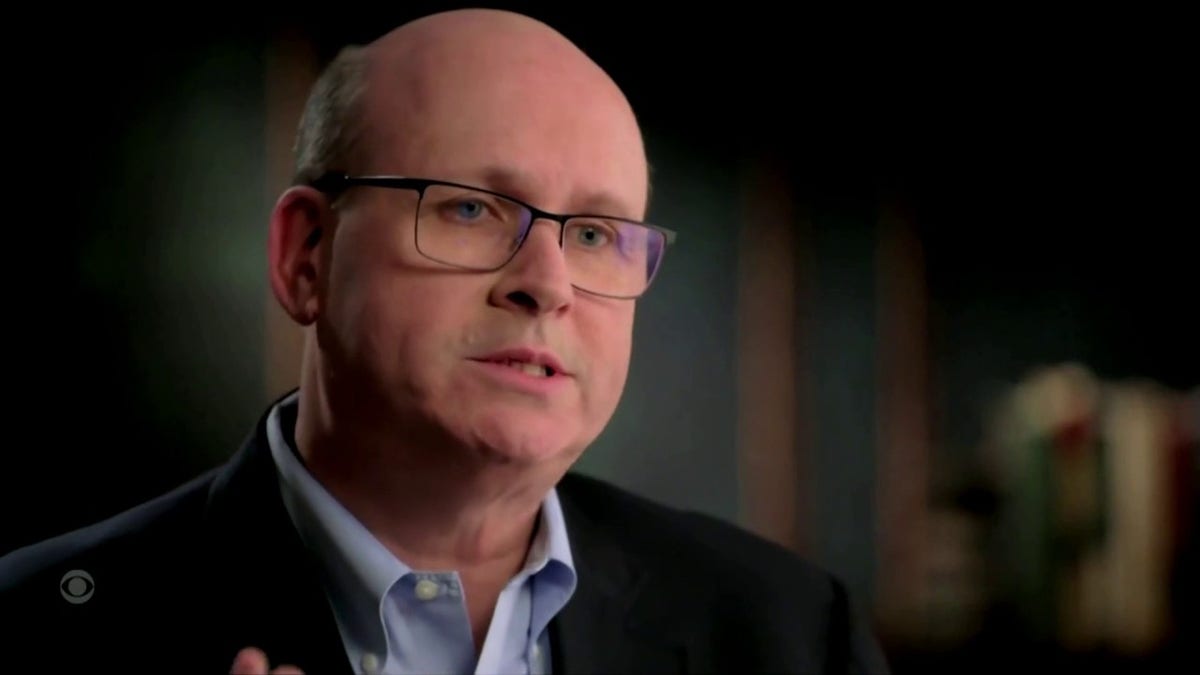
Democratic lawyer Marc Elias attacked Trump’s executive orders on «60 Minutes.» (Screenshot/CBS)
But the high court is now being asked to potentially allow millionaires and billionaires to make unlimited individual contributions to a state or national political party, with the expectation that the money would be redirected and spent in coordination with a particular candidate. The decision could upend the current political spending landscape ahead of the 2026 midterm elections by allowing rich donors to flood state or national political parties with more money.
Justice Brett Kavanaugh, another skeptic of Elias’ argument, pointed out that outside groups can accept limitless funds and influence elections and that state and national parties appear disadvantaged because of it.
«I am concerned that a combination of campaign finance laws and this court’s decisions over the years have together reduced the power of political parties, as compared with outside groups, with negative effects on our constitutional democracy,» Kavanaugh said.
«That’s the real source of the disadvantage. You can give huge money to the outside group, but you can’t give huge money to the party, so the parties are very much weakened,» he said.
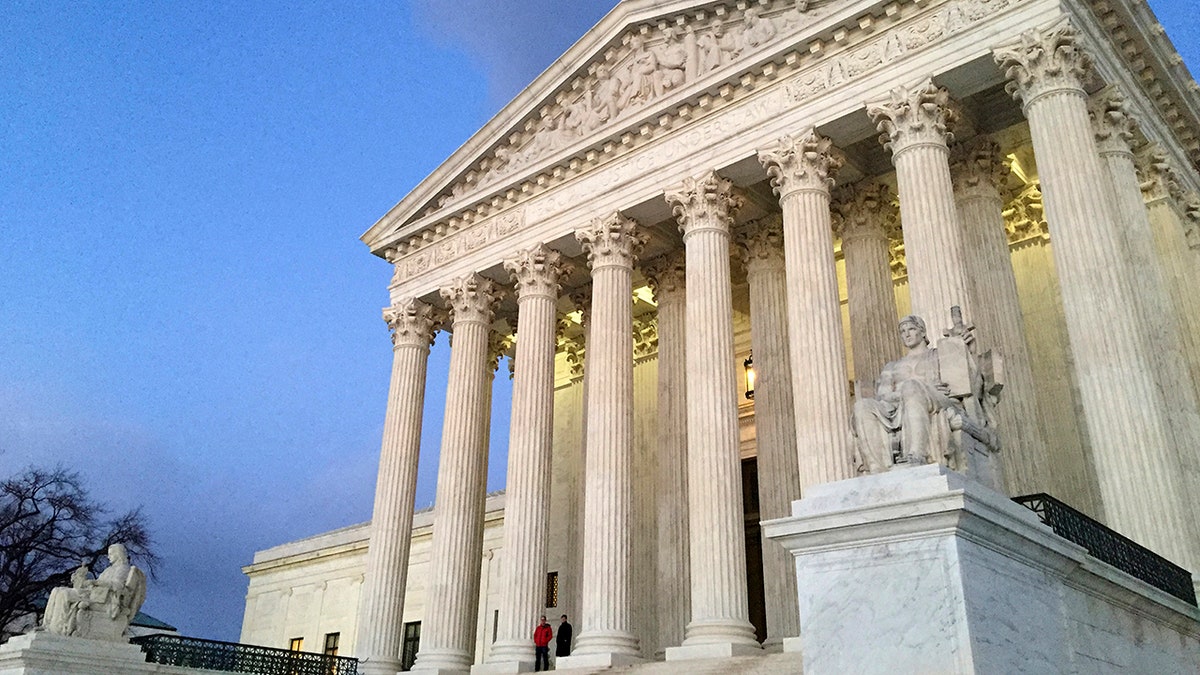
The Supreme Court building in Washington, D.C. (AP/Jon Elswick)
The case was brought to the high court by the National Republican Senatorial Committee, the National Republican Congressional Committee, and two former Ohio Republican candidates: now–Vice President JD Vance and former Rep. Steve Chabot.
CLICK HERE TO GET THE FOX NEWS APP
The liberal justices leaned toward wanting to avoid further undoing campaign spending limits, which have eroded over time under Chief Justice John Roberts.
«Every time we interfere with the congressional design, we make matters worse… our tinkering causes more harm than good,» said Justice Sonia Sotomayor. «Once we take off these coordinated expenditure limits, then what’s left? What’s left is nothing. No control whatsoever.»
supreme court,campaigning,elections












INTERNACIONAL
El Parlamento de Venezuela avanzó en la aprobación de una ley minera que favorece a Estados Unidos
El Parlamento de Venezuela aprobó este lunes el proyecto de una ley de minas que busca aumentar las garantías jurídicas para generar confianza y atraer inversión nacional e internacional.
El proyecto es iniciativa de la presidenta Delcy Rodríguez, que asumió el poder tras la captura de Maduro en una operación militar estadounidense el 3 de enero.
Rodríguez, que gobierna bajo presión del presidente estadounidense Donald Trump, a quien entregó control del petróleo, también impulsó una reforma a la ley de Hidrocarburos, base de este proyecto de minería.
La ley deberá discutirse por segunda vez para ser definitivamente sancionada, luego de que EE.UU. emitiera una licencia que autoriza determinadas actividades relacionadas con la explotación de oro venezolano a cargo de empresas estadounidenses.
El proyecto de ley, que consta de 19 capítulos y 126 artículos, está conformado por «criterios técnicos» con una estructura acorde a «nuevas necesidades«, según dijo el diputado Orlando Camacho del Movimiento Somos Venezuela, quien presentó el proyecto de forma genérica ante la plenaria.
Asimismo, prosiguió, se busca que esta ley «pueda ayudar a aumentar todas las garantías jurídicas» para generar confianza y atraer inversión nacional e internacional.
La norma permitirá que se acuda «a mecanismos de mediación y arbitraje independientes para la resolución de controversias», siempre que se agoten «todas las instancias jurídicas nacionales», subrayó Camacho.
Además, busca fortalecer el rol el Ministerio Minero, cuyas funciones, dijo el diputado, se precisan en la ley para «regular, dirigir y organizar» toda la actividad del sector, que consiste en la «exploración, explotación, producción, arranque y acarreo de todos los minerales».
La propuesta se discutirá artículo por artículo en un segundo debate, después de ser sometida a consulta pública con sectores de la sociedad civil.
La norma establece la creación de un fondo social minero que establece «ingresos y funciones» para que se pueda «desarrollar y proteger la seguridad social» de los trabajadores de minería.
También fija la creación de la «superintendencia nacional de actividad minera» para fiscalizar y buscar beneficios que favorezcan la inversión nacional y extranjera.
Durante la sesión, transmitida por el canal del Parlamento en YouTube, el diputado opositor Luis Florido se quejó de la entrega del proyecto «a minutos de comenzar una sesión» y reclamó que las leyes se «presenten con tiempo».
Por su parte, el diputado Carlos Dickson Barbera, del partido opositor Un Nuevo Tiempo, decidió salvar el voto para «poder consultar a los asesores pertinentes» y hacer un «análisis respectivo» de la ley.
El viernes, el Departamento del Tesoro emitió una licencia que autoriza determinadas actividades relacionadas con la explotación y comercialización de oro venezolano por parte de empresas estadounidenses, un sector que hasta ahora estaba sujeto a sanciones.
La licencia general 51 permite a empresas estadounidenses comprar, transportar y revender oro de origen venezolano, incluso en operaciones que involucren al Gobierno de Venezuela o a la Compañía General de Minería de Venezuela (Minerven).
La autorización también abarca servicios logísticos, seguros y transporte vinculados al comercio de ese metal.
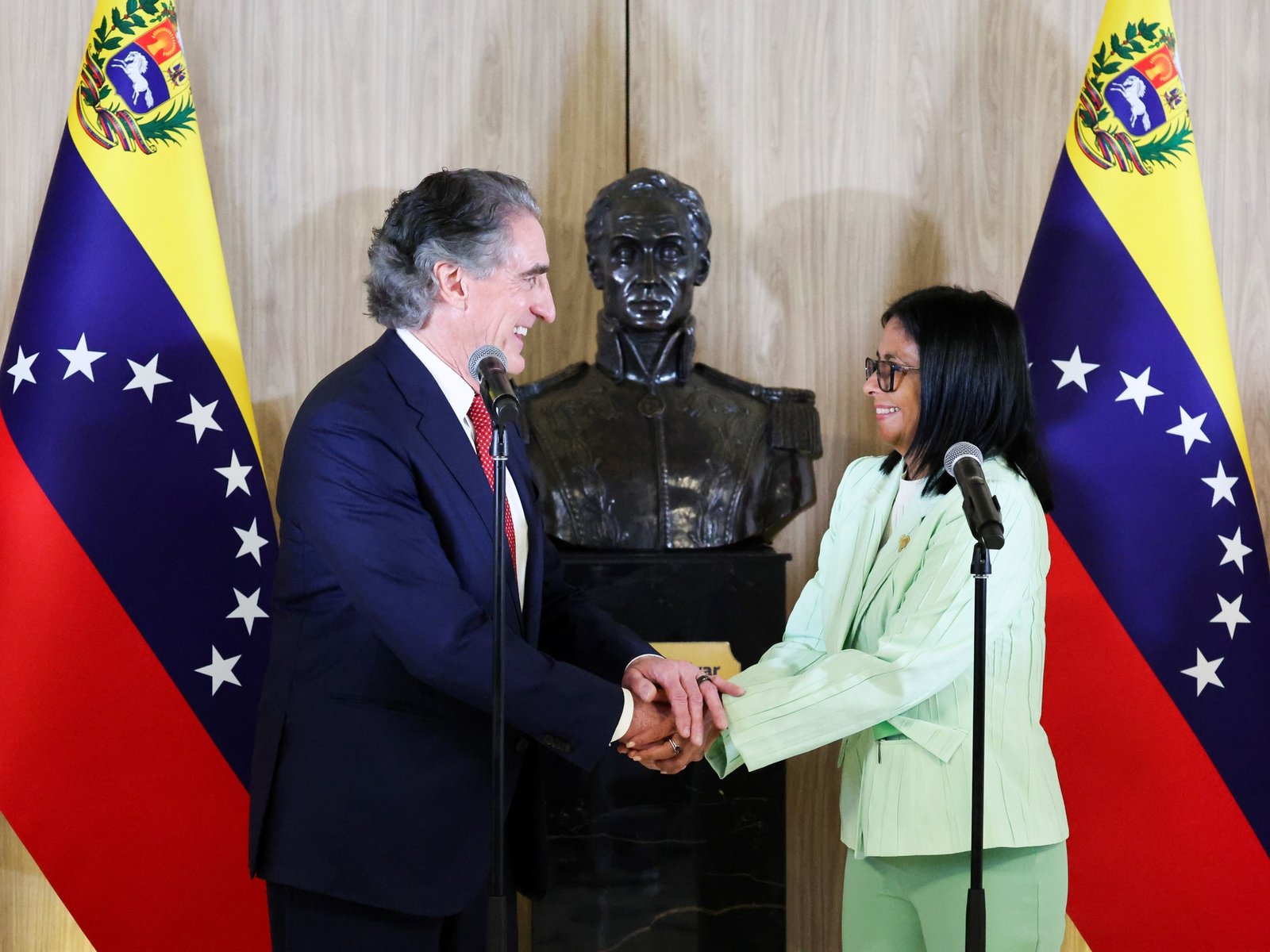
La emisión de esta licencia se dio días después de la reunión en Caracas entre la presidenta encargada de Venezuela, Delcy Rodríguez, y el secretario de Interior de Estados Unidos, Doug Burgum.
Durante ese encuentro, Rodríguez pidió dar celeridad a una reforma de la Ley de Minas, con el objetivo de ampliar el marco legal para desarrollar el sector con inversión nacional y extranjera.
A finales de enero pasado, el Parlamento aprobó por unanimidad la reforma de la Ley Orgánica de Hidrocarburos impulsada por Delcy Rodríguez para incentivar la inversión privada y extranjera en el sector petrolero.
Con información de la agencia EFE
INTERNACIONAL
El fuerte descargo de la abogada argentina acusada de racismo en Brasil: “Me sexualizaron y se burlaron de mí”
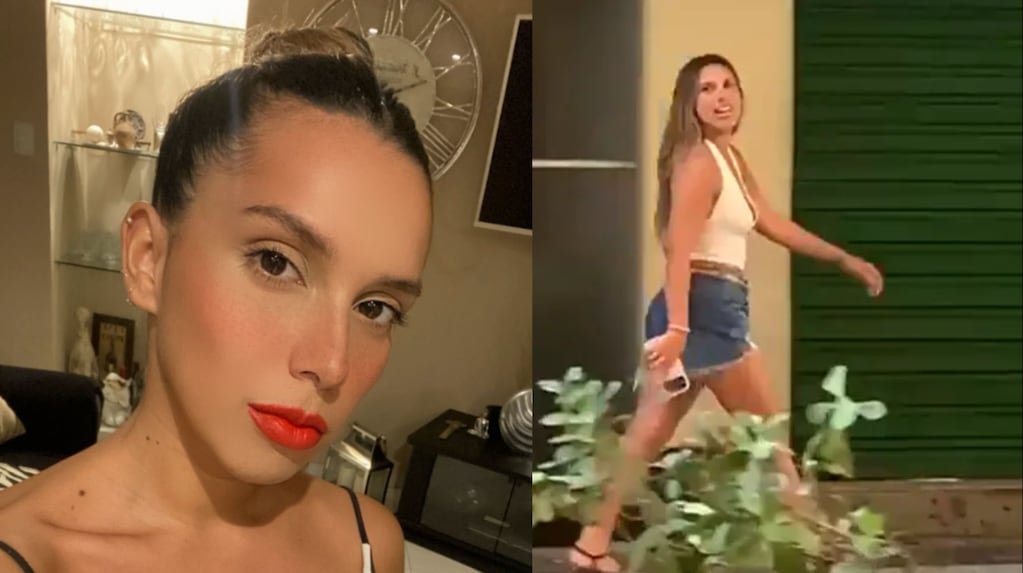
Mientras aguarda la resolución de la Justicia brasileña, Agostina Páez, la abogada argentina detenida por racismo, hizo un fuerte descargo con motivo del Día de la Mujer y cuestionó las críticas que recibió.
“En estos meses conocí una cara muy dura del mundo. Viví y sigo viviendo situaciones profundamente violentas. Desde el segundo uno de todo lo que pasó sufrí violencia. Muchos hablan, pero apenas conocen el 1% de la historia. Sin embargo, mi cara y mi nombre se mostraron una y otra vez por el mundo, mientras nunca se vio de la misma forma a quienes me trataron mal, me sexualizaron y se burlaron de mí”, comenzó el extenso comunicado que compartió en sus redes.
Leé también: Se complica la situación de la abogada argentina detenida en Brasil acusada de haber hecho gestos racistas
En el mismo posteo aseguró sufrir violencia en el proceso judicial. “Quienes deberían actuar con imparcialidad ni siquiera tienen en cuenta el contexto de violencia que sufrí como mujer extranjera, ignoran pruebas y todo se limita a lo que unos cuantos cuentan”, resaltó.
También mencionó que a los cuatro días de haber sido acusada, la policía lanzó una campaña antirracismo “sin tener contexto, ni estar condenada, llevándose de unos segundos de video”. “Y no, no soy racista”, aseguró.
El descargo de Agostina Páez en el Día de la Mujer. (Foto: Instagram agostinapaez)
A la par, denunció que recibió “mensajes llenos de odio” y hasta amenazas de muerte, violación y maltrato. Sin embargo, dentro de la grave situación que está atravesando, aseguró, rescató una enseñanza. “También aprendí algo: la fuerza de una mujer. Porque a pesar de que intentan quebrarme, humillarme, atacarme y silenciarme, sigo aquí. Hay días en los que siento que no puedo más, que no aguanto más, que me quiero morir. Pero junto fuerzas y decido seguir de pie, afrontar lo que me toca”.
“Hay muchas batallas que atravesamos en silencio. Pero no dejemos que nos quiten la fuerza, ni la valentía de seguir de pie. Confío en Dios que es testigo y que pondrá las cosas en su lugar”, insistió la joven abogada y añadió: “El Día de la Mujer no se celebra, se conmemora porque nace de la lucha de mujeres que enfrentaron violencia, desigualdad y silencio”.
Leé también: La abogada argentina detenida por racismo en Brasil denunció que la amenazan por redes: “Vas a morir”
Además, Páez hizo especial foco en la acusación de racismo. “Ser racista es discriminar, despreciar, excluir o tratar a una persona como menos por el color de su piel. Una reacción emocional, con un gesto en medio de una discusión y frente a agravios no me convierte en racista, porque nunca hubo esa intención”, afirmó.
Asimismo, criticó que nunca se tomó en cuenta la agresión que ella sufrió por parte del empleado del bar. “Entiendo que era más llamativo un titular que dice: ‘abogada argentina realiza gestos racistas a un trabajador de un bar’, pero ese recorte omite el contexto de ‘luego de que él realizara gestos sexuales mientras le gritaba cosas’”.

La abogada argentina cuestionó a quienes criticaron su accionar y lo relacionaron con su profesión. (Foto: Instagram agostinapaez)
“Por eso, cuando una mujer es agredida, insultada o humillada, muchas veces la reacción emocional también nace desde ese lugar de defensa frente a una situación de sentirse acorralada frente a un posible abusador. Mucho más en un contexto de estar en otro país, sintiéndome perseguida por hombres. Eso no significa justificar nada ni negar que el racismo exista o que sea grave”, reconoció.
En su descargo, Agostina también se disculpó con las personas que “sinceramente se hayan sentido ofendidas por el video o por la imagen que se instaló” sobre ella. “Ese nunca fue mi propósito”, remarcó y aclaró: “Pedir perdón no significa asumir una intención racista, porque no la hubo”.
Sobre el final del comunicado, la abogada santiagueña también cuestionó a quienes pusieron foco en su profesión: “¿Desde cuando yo tengo que ser un modelo universal de moral, con una conducta ideal, para el resto de la sociedad? ¿Por qué por tener un título se me quiere colocar en un estándar más alto que el resto y con la responsabilidad de ‘ser ejemplo’?“.
“¿Se olvidan que detrás de un título hay una persona? ¿Por qué tengo que cumplir expectativas morales? Ninguna profesión convierte a una persona en una referente moral obligatoria. La responsabilidad profesional se limita al ejercicio de la función que tienes que cumplir, en mi caso, defender derechos. No soy un manual de conducta, es mi vida, y no tengo por qué, ni quiero, ser ejemplo de conducta ideal de nadie. Soy humana y es mi vida, me puedo equivocar y aprender miles de millones de veces», concluyó.
Brasil, Racismo, Detenida
INTERNACIONAL
Virginia Dems send Spanberger bill that could let some repeat offenders out without secured bond, expert warns
NEWYou can now listen to Fox News articles!
A top national figure in the bail industry warned of the dangers behind a Virginia bill heading to Gov. Abigail Spanberger’s desk that would remove bond requirements for previously convicted felons.
Virginia state Del. Katrina Callsen, D-Charlottesville, drafted HB 357, which critics say makes it easier for criminals to get out of jail on an unsecured bond. The bill passed both chambers in Richmond along party lines.
In comments to Fox News Digital on Monday, National Association of Bail Agents President Michelle Esquenazi said she was familiar with the Virginia legislation and that it will only serve to erode public safety.
«We believe any time recidivist offenders are released due to unsecured bail policies, it puts communities in direct danger,» Esquenazi said. «Many are unaware of how secured bonds insulate public safety throughout the United States of America.»
ICE NABS IRANIAN NATIONAL WITH RAPE, SODOMY CONVICTIONS AFTER VIRGINIA DEMOCRATS MOVE TO CURB COOPERATION
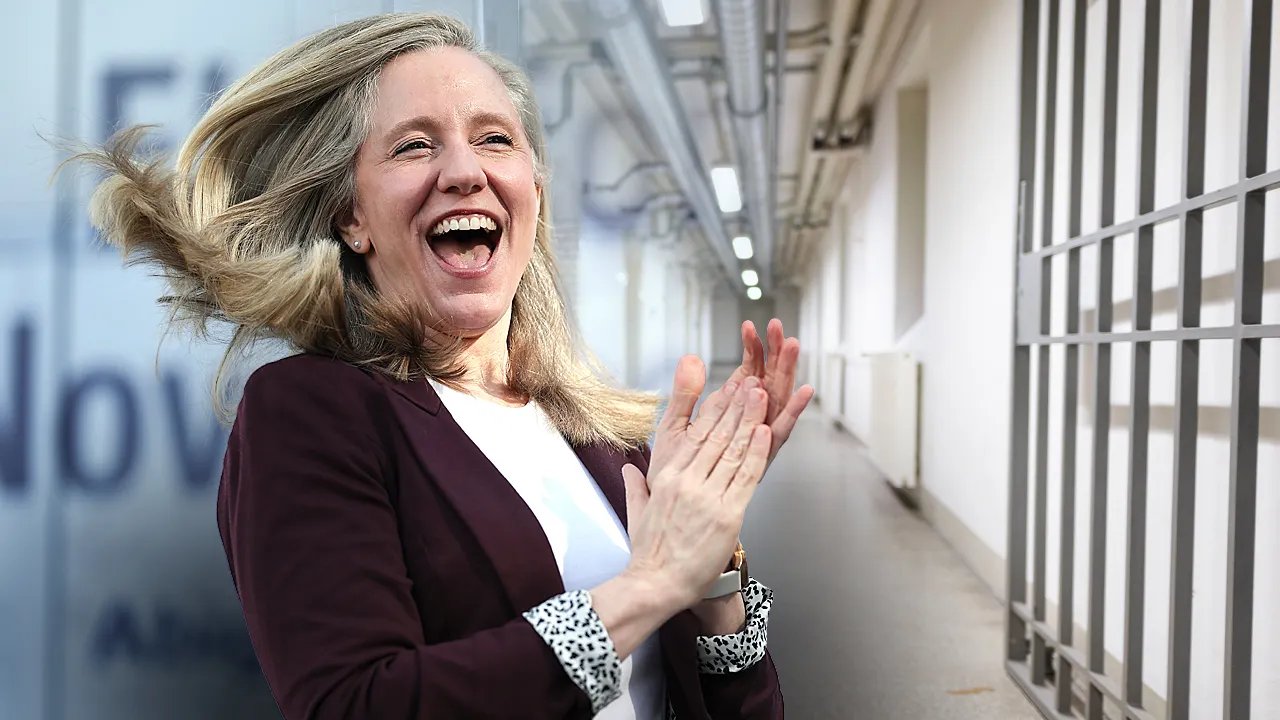
Virginia Democratic gubernatorial candidate and former Rep. Abigail Spanberger arrives at a canvass launch event in Lake Ridge, Virginia, on Nov. 2, 2025. The image also shows an empty jail cell in a composite photo. (Win McNamee/Getty Images; Michael Matthey/picture alliance via Getty Images)
«This bill is in direct contrast to the needs of all communities in Virginia, whether they are Republican, Democrat, or Independent.»
Esquenazi said criminals don’t choose victims based on political ideology and that policymakers have failed to understand that bringing criminals to justice should be nonpartisan.
While Callsen did not respond to requests for comment, similar legislation in recent years has often come about as a wish for offenders to receive «second chances» — a dynamic Fox News Digital asked Esquenazi about.
«The secured bail industry is an industry of second chances,» she said.
«However, if you’re going to continue to commit crime, policymakers have to understand and take into account that committing crime is not a mandate. It’s a career choice.»
VIRGINIA GOV SPANBERGER CUTS TIES WITH ICE IN FEDERAL IMMIGRATION ENFORCEMENT COOPERATION
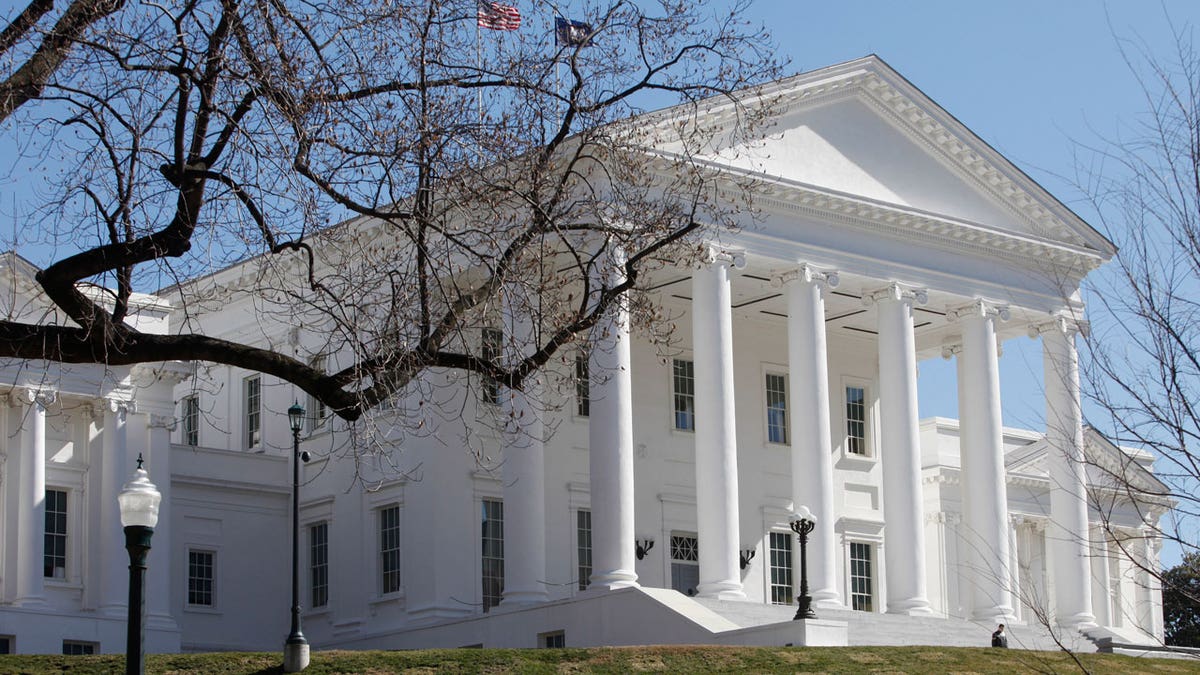
The Virginia Capitol in Richmond, Va., is shown on March 4, 2010. Virginia lawmakers handled hundreds of bills on Feb. 13, 2024, as a key legislative deadline neared. (Steve Helber/AP)
Policies like HB 357 serve to give recidivists more than just second but third and subsequent chances because a second chance is «only a title,» which the policies themselves far exceed, she said.
Justice Forward Virginia, a progressive criminal justice reform group focused on advancing related legislation, listed the bill in its section of 2026 priorities. The group did not respond to a request for comment.
Callsen’s bill removes language from Code of Virginia § 19.2-123 governing «Release of accused on unsecured bail or promise to appear» that currently states any person arrested for a felony or who is on bond for an unrelated arrest or on parole may only be released upon securing a secured bond.
Instead, it retains only language providing preestablished conditions of release for that offender.
Other critics took to X, including Club For Growth’s Andrew Follett, who posted a passage from Soviet dissident Alexander Solzhenitsyn about a civilian being punished more for being caught with a concealed knife than a felon for whom it would be «mere misbehavior; tradition» — and commented that «Democrats have a crush on criminals — it isn’t more complicated than that.»
«Under leftist ideology, society is responsible for crime, not individuals,» Follett said.
«Or, [Virginia House] Speaker Don Scott is preparing for his next arrest,» quipped another X user.
CLICK HERE TO DOWNLOAD THE FOX NEWS APP
Scott, D-Portsmouth, served more than 7 years of a 10-year 1994 sentence for federal crack cocaine-related charges — and was one of thousands of convicts who had their rights to vote and serve in office restored by GOP Gov. Robert F. McDonnell in 2013.
After former President Biden pardoned him in 2025, Scott said that his «journey from being arrested as a law student to standing here today as the first Black Speaker of the House of Delegates in Virginia’s 405-year history is a testament to the resilience of the human spirit and transformative power of second chances,» according to Hampton Roads’ ABC affiliate.
bail outs,abigail spanberger,virginia,bills,crime world
El puntapié inicial de la “Argentina Week”: entusiasmo, elogios y salones llenos en la noche de Nueva York

El verdadero motivo por el cuál Eva de Dominici pasó por el quirófano y terminó en silla de ruedas

Milei abre la “Argentina Week” en Nueva York con gobernadores aliados y el foco en atraer inversiones

Autos 0 km: uno por uno, cuáles son los 10 SUV más vendidos del mercado en lo que va de 2026

¿Cuál es el límite de Vitor Roque?

El Parlamento de Venezuela avanzó en la aprobación de una ley minera que favorece a Estados Unidos

La cruda confesión de Amalia Granata por el trastorno que sufre su hijo Roque: “Le hicimos estudios y salió que tiene TDAH, dislexia y disgrafia”

Wanda Nara involucrada en la separación de su hijo Valentino: su ex nuera contó toda la verdad

El Gobierno promulgó la reforma laboral: desde cuándo rige y las claves

«Crisis industrial masiva»: alarmante informe de la UBA se mete en la pelea de Milei con la UIA

 CHIMENTOS2 días ago
La cruda confesión de Amalia Granata por el trastorno que sufre su hijo Roque: “Le hicimos estudios y salió que tiene TDAH, dislexia y disgrafia”
- POLITICA3 días ago
Trump anunciará la creación del Escudo de las Américas, una alianza regional que integrará Milei para enfrentar al narcoterrorismo y a China
- ECONOMIA1 día ago
El mercado le está corriendo el arco a Caputo y el riesgo país no baja: en la City palpitan medidas