INTERNACIONAL
Clinton camp demands DOJ drop remaining Epstein files, accuses Trump admin of ‘protection’

NEWYou can now listen to Fox News articles!
Former President Bill Clinton’s spokesman is calling on the Department of Justice to release any remaining documents related to the former president and Jeffrey Epstein following the DOJ’s document release Friday.
«We call on President Trump to direct Attorney General Bondi to immediately release any remaining materials referring to, mentioning, or containing a photograph of Bill Clinton,» a statement from Clinton spokesman Angel Ureña on Monday reads.
«This includes, without limitation, any records that may exist and are subject to disclosure under the Act (Public Law 119–38 enacted Nov. 19, 2025), including grand jury transcripts, interview notes, photographs, and findings by the United States Attorney for the Southern District of New York (as referenced under oath to Congress by President Trump’s first-term Attorney General),» it continued.
Clinton’s office said that the DOJ’s partial release of Epstein-related documents Friday allegedly shows «someone or something is being protected.» President Donald Trump signed a bipartisan law in November that required the Department of Justice to release all «unclassified records, documents, communications and investigative materials» within 30 days of Trump’s signature.
SCHUMER ACCUSES DOJ OF BREAKING THE LAW OVER REDACTED EPSTEIN FILES
Former President Bill Clinton was seen pictured in a hot tub in the newly released Epstein files. (Department of Justice)
«The Epstein Files Transparency Act imposes a clear legal duty on the U.S. Department of Justice to produce the full and complete record the public demands and deserves,» Ureña continued.
«However, what the Department of Justice has released so far, and the manner in which it did so, makes one thing clear: someone or something is being protected. We do not know whom, what or why. But we do know this: We need no such protection.»
Fox News Digital reached out to the DOJ Monday afternoon regarding the new statement from Ureña.
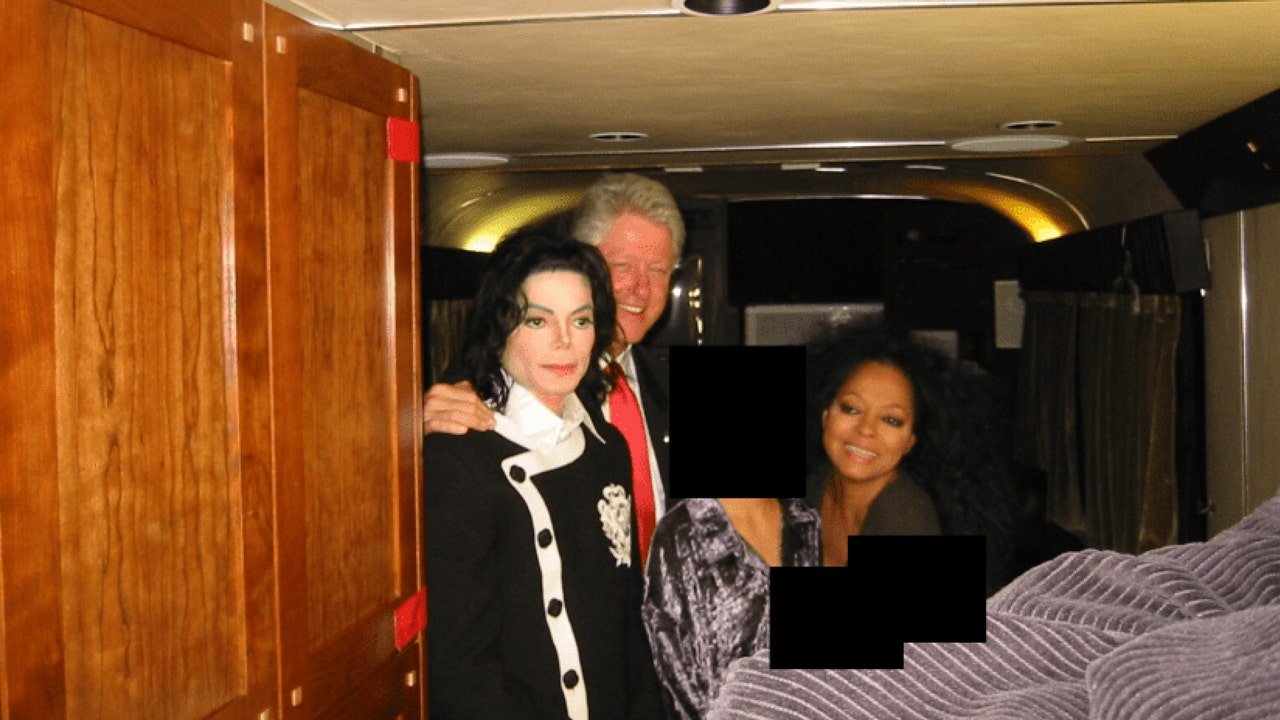
The Friday Epstein drop included a handful of photos of Clinton, including him swimming shirtless, posing with music icons such as Michael Jackson, and other redacted photos showing the former president with unidentifiable individuals.
When asked about the photos when they initially dropped, Ureña directed Fox Digital to a statement he posted to X.
«The White House hasn’t been hiding these files for months only to dump them late on a Friday to protect Bill Clinton,» he wrote Friday. «This is about shielding themselves from what comes next, or from what they’ll try and hide forever. So they can release as many grainy 20-plus-year-old photos as they want, but this isn’t about Bill Clinton. Never has, never will be. Even Susie Wiles said Donald Trump was wrong about Bill Clinton.»
Ureña said there are «two types of people» involved in the Epstein scandal: those who did not know of Epstein’s crimes and cut him out of their lives upon his conviction and a second group of people who «continued relationships with him after» his crimes came to light.
«We’re in the first. No amount of stalling by people in the second group will change that,» the Clinton spokesman continued. «Everyone, especially MAGA, expects answers, not scapegoats.»
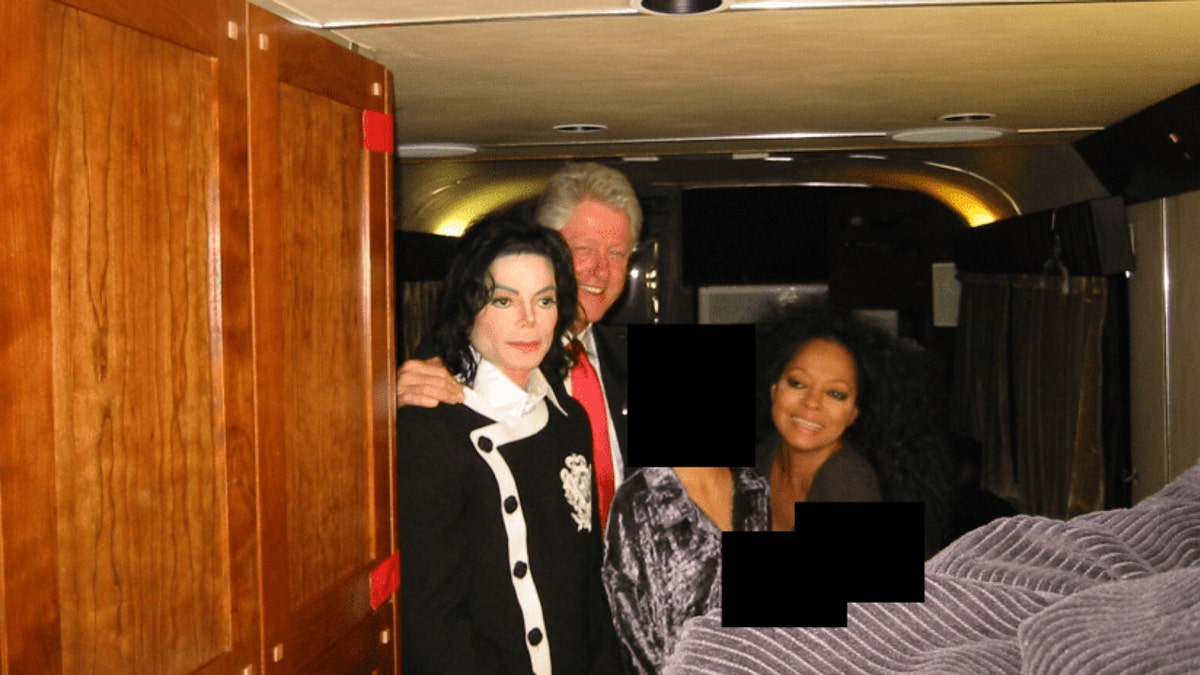
Bill Clinton, Michael Jackson and Diana Ross in a photo, in the newly released Epstein files on Friday, Dec. 19. (Credit: Department of Justice) (Department of Justice)
Files that included victims’ names, child sex abuse materials, classified materials or other materials that could threaten an active investigation were allowed to be withheld or redacted by the DOJ, per the transparency law.
DOJ RESTORES TRUMP PHOTO TO EPSTEIN FILES AFTER DETERMINING NO VICTIMS DEPICTED
The Trump DOJ released thousands of files related to the Epstein investigations throughout the years, with the department expected to release additional documents in the coming days. Democrats have slammed the DOJ and Trump over the slow release of the documents following the president signing the Epstein Files Transparency Act into law.
«The law Congress passed is crystal clear: release the Epstein files in full so Americans can see the truth,» Senate Minority Leader Chuck Schummer said in a press release Monday, teeing up litigation against the administration over the release. «Instead, the Trump Department of Justice dumped redactions and withheld the evidence — that breaks the law. Today, I am introducing a resolution to force the Senate to take legal action and compel this administration to comply.»
Epstein was a well-connected financier with a lengthy Rolodex of billionaires and celebrities who floated in and out of his orbit across the years. He was convicted of sex trafficking minors in 2008 and served just more than one year of incarceration, which also included a controversial work-release arrangement under a plea agreement.
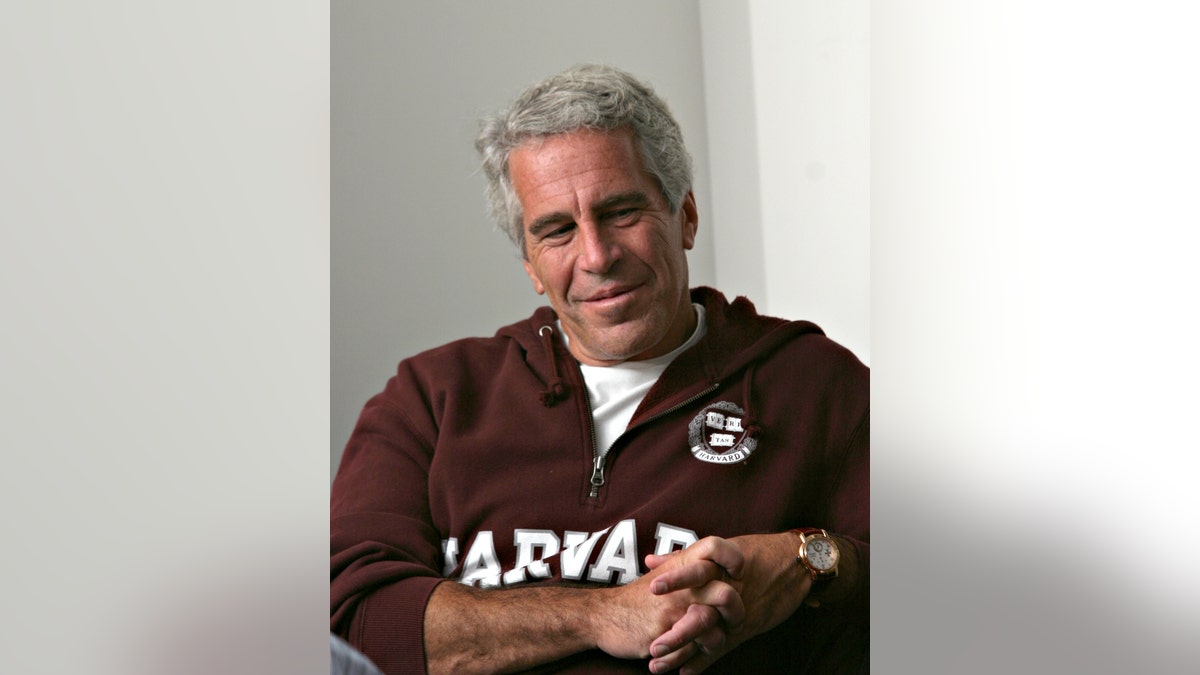
Billionaire Jeffrey Epstein in Cambridge, Massachusetts, in 2004. (Rick Friedman Photography/Corbis via Getty Images)
He was arrested again in 2019 on charges of sex trafficking before he was found dead in his Manhattan jail cell by suicide.
WOMAN WHO FILED A COMPLAINT AGAINST EPSTEIN TO CLINTON FBI VINDICATED AFTER DOJ RELEASE OF FILES
MAGA supporters have claimed that Epstein kept an alleged «client list» of high-profile names that he used to blackmail individuals in a web of sex trafficking and crimes. The Department of Justice announced over the summer, however, that there was «no incriminating ‘client list’» of prominent individuals involved in an alleged sex trafficking scheme, nor that Epstein blackmailed anyone on such list.
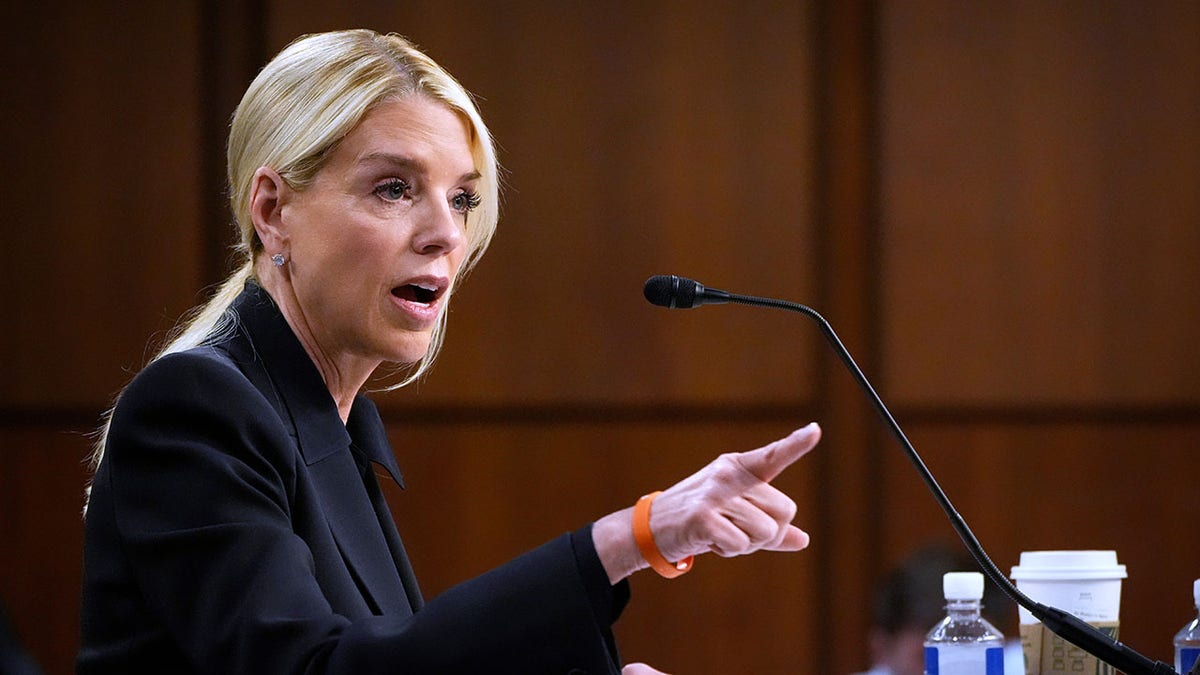
Attorney General Pam Bondi celebrated a «historic deal» with Northwestern University on Nov. 28. (Mark Schiefelbein/The Associated Press )
The DOJ previously reported that the evidence shows Epstein did in fact commit suicide, which contradicted speculation on social media that Epstein was murdered in his jail cell in 2019, which set of criticisms among Trump supporters to release further documents on the case, with Democrats joining those calls while invoking questions about Trump’s relationship with Epstein.
CLICK HERE TO GET THE FOX NEWS APP
Trump has slammed the calls as part of a «Democrat hoax» while defending that he «threw him out» of Mar-a-Lago after he «stole» employees from the private club, the president previously told the media of his falling out with Epstein in the 2000s.
Fox News Digital reached out the Department of Justice Monday afternoon regarding Urena’s latest statement, but did not immediately receive a reply.
bill clinton,jeffrey epstein,donald trump,justice department










INTERNACIONAL
Inside Iran’s ruling ideology: How a ‘holy mission’ and messianic doctrine fuel regime extremism
NEWYou can now listen to Fox News articles!
For Mehdi Ghadimi, the ideology behind Iran’s ruling system is not theoretical. It was something he was taught from childhood.
«You were told you are a part a small group chosen by God… to revive God’s religion and fight to defend it,» the Iranian journalist told Fox News Digital, describing the message repeated in schools, mosques and state media.
That early indoctrination, he said, framed the world in stark terms: a divine struggle between good and evil, with Iran’s leadership positioned at the center of a religious mission.
Iran’s ruling system is often described in political terms, but critics and former insiders say its core is far more radical — a belief structure rooted in religious absolutism, messianic expectation and a worldview that leaves little room for compromise.
IRAN’S SUPREME LEADER MOJTABA KHAMENEI ‘MISFUNCTIONING,’ NOT CONTROLLING REGIME: SOURCES
A banner featuring Iran’s new supreme leader, Mojtaba Khamenei, and senior commanders of the Islamic Revolutionary Guard Corps (IRGC) is displayed in Tehran, March 14, 2026. (Fatemeh Bahrami/Anadolu)
As a new generation of commanders rises within the Islamic Revolutionary Guard Corps following recent military blows under Operation Epic Fury, analysts warn that this ideology may become even more entrenched.
Figures such as Mohammad Bagher Ghalibaf and Ahmad Vahidi are often cited as part of a cohort shaped by years of conflict in Iraq and across the region — one that sees religion, security and survival as inseparable.
A belief system, not just a government
At the center of that worldview is the belief in the Mahdi — a messianic figure in Shiite Islam whose return is expected to usher in a final era of justice after chaos.
Twelver Shiism is the dominant belief for Shias, the Mahdi, identified as the 12th Imam, is alive but hidden and will one day return. Iran’s political system positions the supreme leader as his caretaker.
Critics say that framework gives political authority a religious dimension that can make it difficult to challenge.

Primary school girls in traditional headscarves sit in a classroom, Tehran, Iran, Oct. 1, 1997. (Kaveh Kazemi/Getty Images)
«For the mullahs in Iran, the Mahdi idea is less about personal faith and more about power,» said Lisa Daftari, foreign policy analyst and editor-in-chief at The Foreign Desk. «They use it to suggest that the supreme leader’s views are not just political opinions, but carry a kind of divine weight.»
«The system is set up so that disagreeing with the leader can be portrayed as questioning the Hidden Imam himself,» she said.
«That turns ordinary policy debates into something almost untouchable… you’re no longer arguing with a politician, you’re seen as pushing back against a sacred figure.»
IRAN’S CEASEFIRE PUSH MAY BE A ‘CYCLE OF DECEPTION,’ ANALYSTS WARN AS SHADOWY FIGURE GAINS POWER
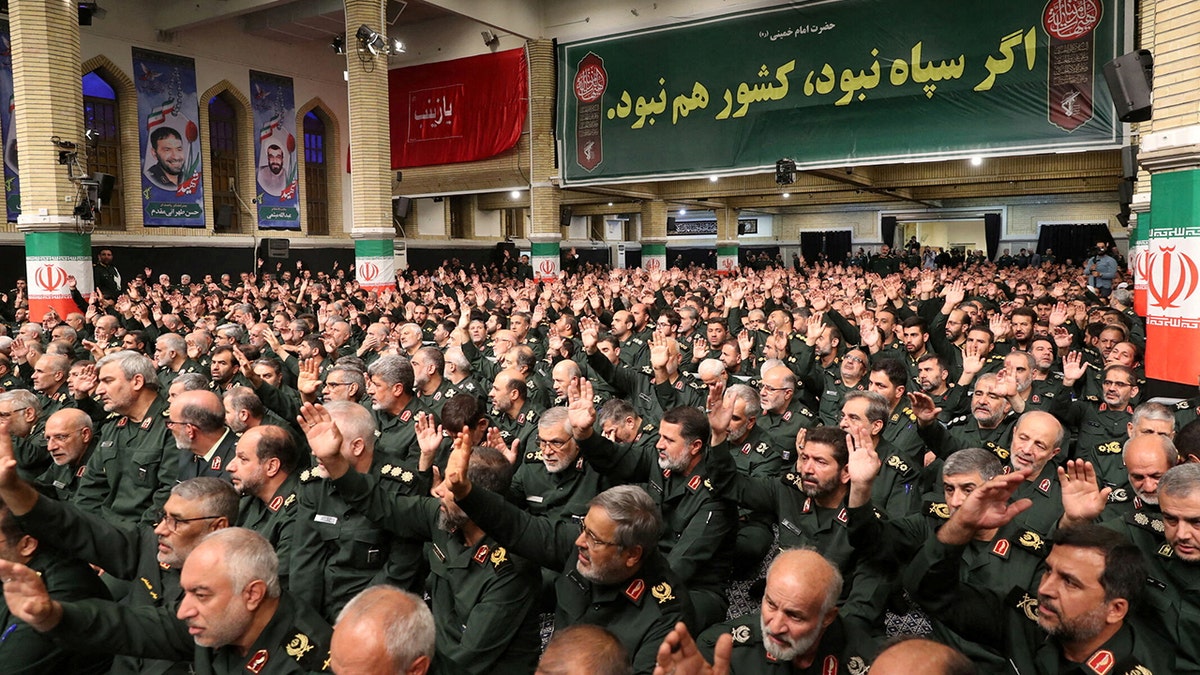
Commanders and members of the Islamic Revolutionary Guard Corps meet with Iran’s Supreme Leader Ayatollah Ali Khamenei in Tehran on Aug. 17, 2023. (Office of the Iranian Supreme Leader/WANA/Reuters)
No real moderates
Ghadimi argues that this structure leaves little room for genuine political diversity.
«Groups labeled as ‘moderate,’ ‘reformist,’ or ‘pro-Western’ are created so that the West can negotiate with them,» he said.
«No one within the structure of the Islamic Republic thinks about anything other than defeating the Western world and establishing Islamic dominance globally.»
From belief to action
For Iran expert Daftari, the Mahdi doctrine also provides a flexible justification for policy.
«A lot of insiders know perfectly well that this language is being used strategically,» she said. «The Mahdi story gives the leadership a way to claim moral and religious cover for decisions that are often about preserving the regime or expanding its reach.»
«When they talk about ‘preparing the ground’ for the Mahdi, that phrase can be stretched to cover almost anything — crushing protests, backing militias abroad or asking people to accept more economic pain.»
«This religious framing makes compromise much harder,» she added. «If you convince your base that you are carrying out a holy mission… backing down can be painted as a betrayal of God’s plan.»
MEET IRAN’S HARDLINE SPEAKER WHO THREATENED TO BURN US FORCES — REPORTEDLY TEHRAN’S POINT MAN FOR TALKS
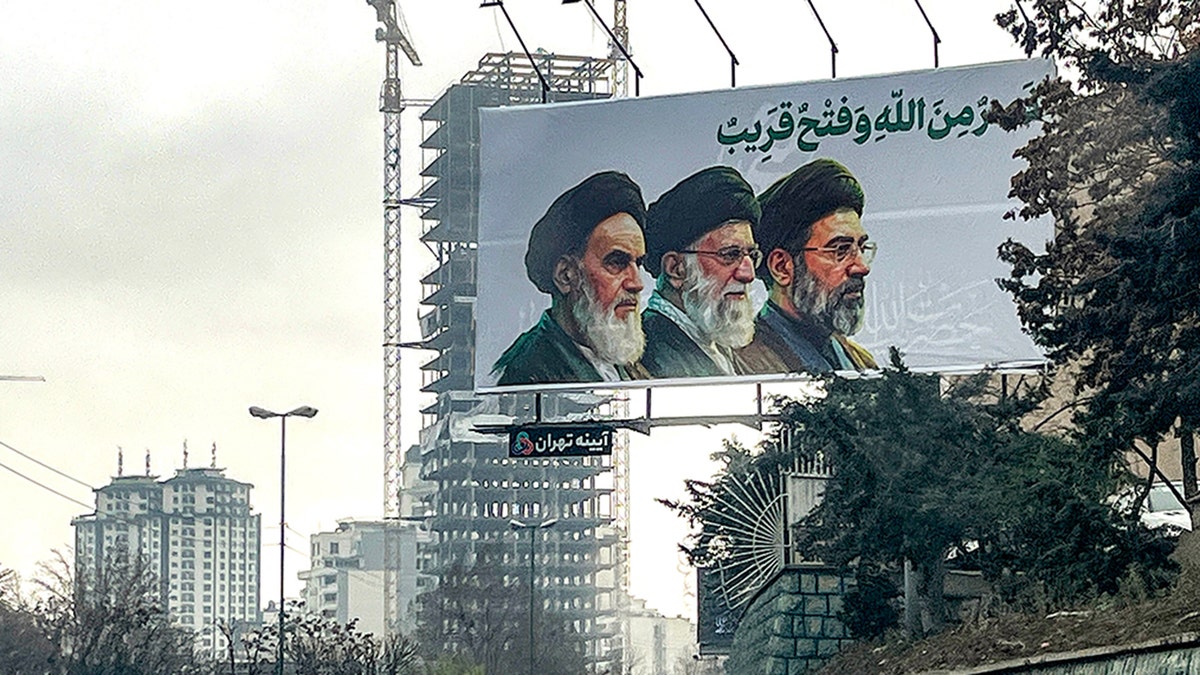
A billboard depicting Iran’s supreme leaders since 1979 is displayed above a highway in Tehran on March 10, 2026. (AFP/Via Getty Images)
A worldview shaped early
Ghadimi said that message is reinforced from childhood, shaping how generations understand their role in society.
In schools, media and mosques, he said, ideology was embedded into everyday life, leaving little space for alternative narratives.
That framing, analysts say, helps explain how the system sustains itself even under pressure.
It also contributes to a worldview in which conflict is not temporary, but part of a larger, ongoing struggle.
«The Islamic government, based on its own interpretation of the Quran, considers itself obligated to enforce Islamic law across the entire world,» Ghadimi told Fox News Digital, adding that the regime «sees itself as the leader of this belief globally.»
«They harbor hatred toward Iranians and Jews, whom they regard as enemies of Islam since its very beginning, and they consider killing them—such as on Oct. 7 and in the recent killings in Iran — to be divinely rewarded acts, much like the beliefs once held by Abu Bakr al-Baghdadi,» he said.
«No one within the structure of the Islamic Republic thinks about anything other than defeating the Western world and establishing Islamic dominance globally,» Ghadimi said.
In that framework, critics say, Iran is not simply pursuing national interests but acting within what it sees as a broader religious mandate.
INSIDE IRAN’S MILITARY: MISSILES, MILITIAS AND A FORCE BUILT FOR SURVIVAL
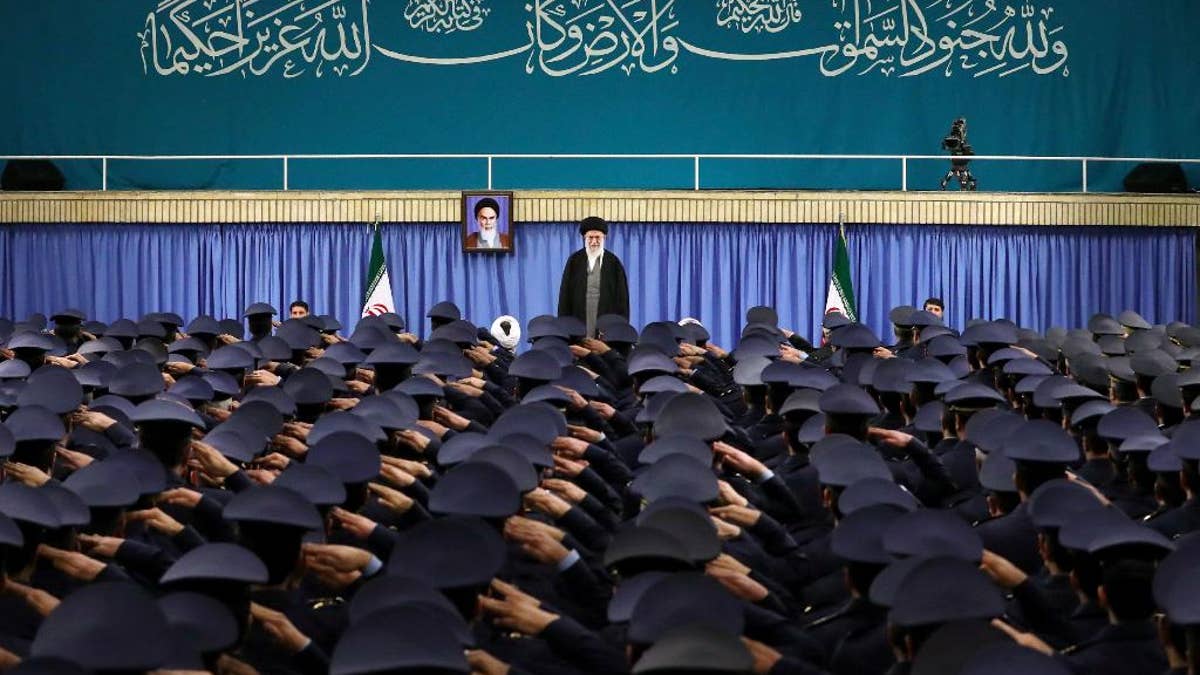
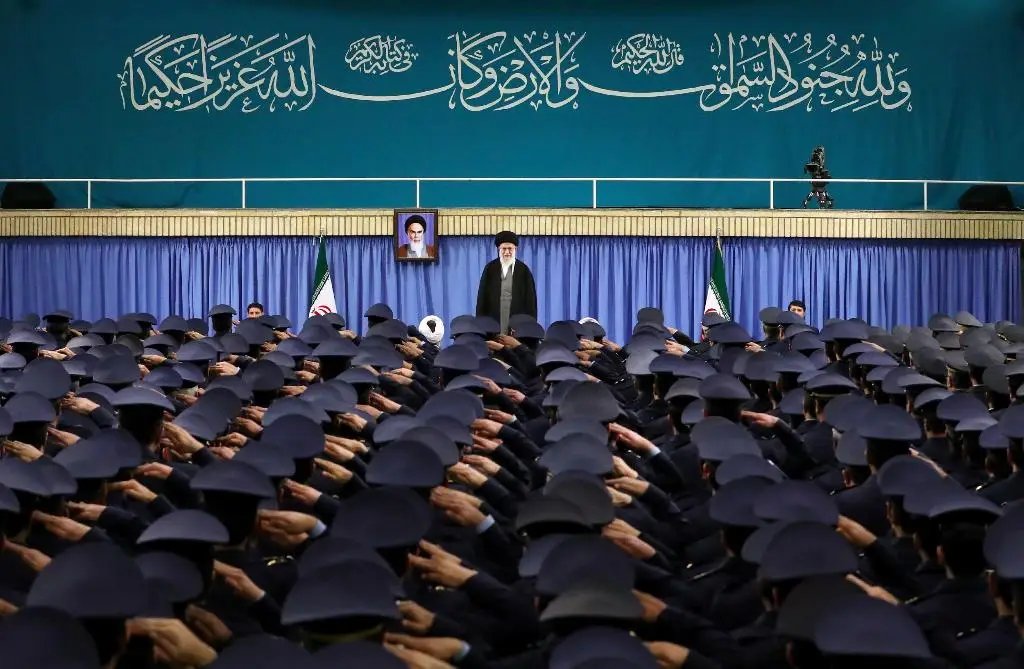
In this picture released by an official website of the office of the Iranian supreme leader, Ayatollah Ali Khamenei stands as air force commanders salute during their meeting in Tehran, Feb. 7, 2017. (Office of the Iranian Supreme Leader/AP)
Violence and belief
Some critics argue that within this framework, violence can take on religious meaning.
«They consider killing them… to be divinely rewarded acts,» Ghadimi said.
Still, analysts say the combination of messianic belief and absolutist ideology creates a system in which confrontation is not only expected, but justified.
A cycle with no easy exit
An Iranian official rejected those characterizations and warned that economic collapse and destruction caused by war could drive long-term resentment.
«If a country is turned into ruins, poverty spreads. Out of such poverty comes hatred, resentment and a desire for revenge, and this cycle of hostility can continue for years. It is not correct to think that everything will simply end the day after a ceasefire. Even if there were no hostile government left in place, people within society who have lost everything may still be driven to seek retribution.»
For Ghadimi, the issue is not just how Iran behaves, but how it understands itself.
CLICK HERE TO DOWNLOAD THE FOX NEWS APP
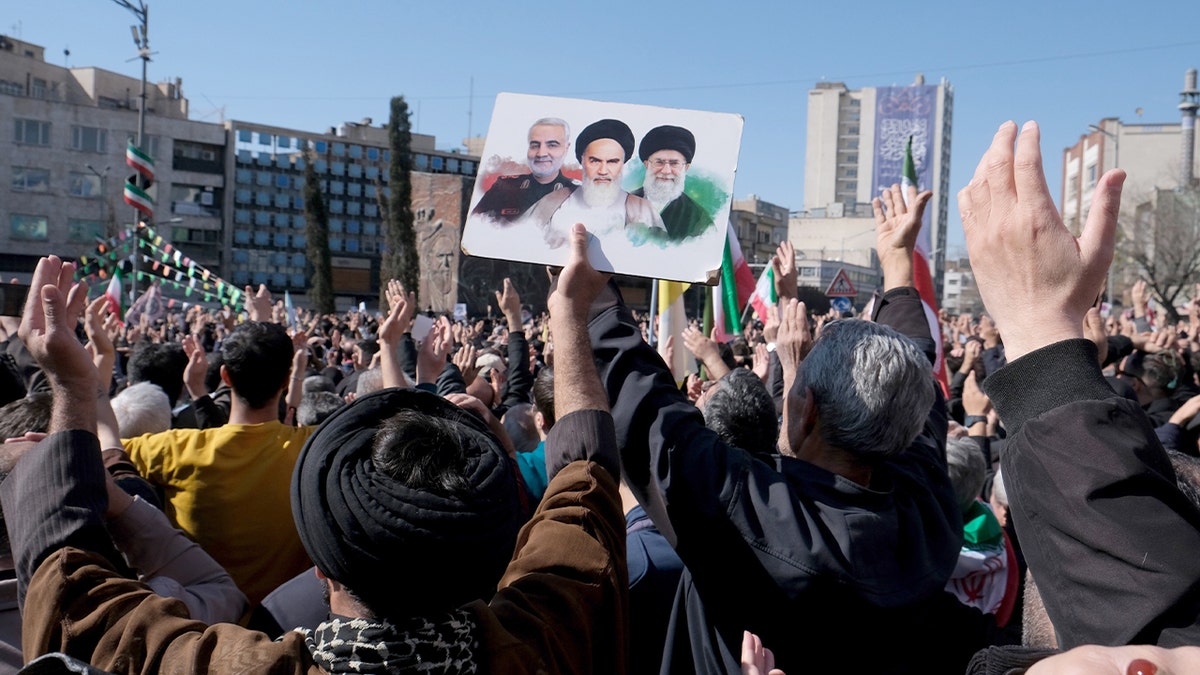
People gather in Revolution Square to mourn Ayatollah Ali Khamenei, who was killed Feb. 28 in a joint Israel-U.S. operation, in Tehran, Iran, on March 1, 2026. (Kaveh Kazemi/Getty Images)
If the system is rooted in a belief that blends religion, power and mission, critics say, then policies like repression at home and confrontation abroad may not be temporary tactics but structural features.
And if moderation within that system is limited, as some argue, then the challenge for policymakers is not simply negotiation, but understanding the ideology that drives it.
war with iran, ali khamenei, middle east, national security, iran, islam
INTERNACIONAL
Exponen los cuadernos inéditos de la internación “por una crisis mental” de Leonora Carrington
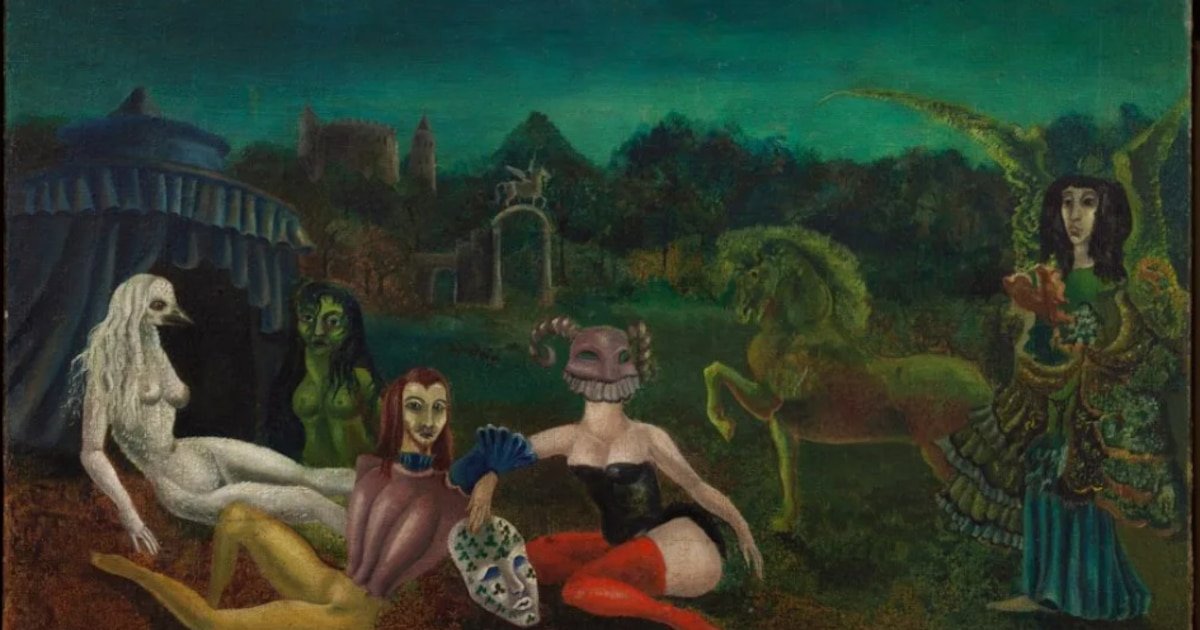
Las poco conocidas ilustraciones realizadas por Leonora Carrington durante su internación en un hospital psiquiátrico han sido reunidas y expuestas en la capital británica. El reencuentro de estos materiales en el Freud Museum de Londres, antigua residencia de Sigmund Freud, marca la primera exposición institucional en esa ciudad dedicada a la artista desde 1991 y subraya el vínculo entre su experiencia personal, la historia del arte y la psiquiatría.
La muestra incluye varias obras y cartas de Carrington pertenecientes al período de 1940, cuando fue tratada por una crisis mental en un sanatorio de Santander, en España. Según la curadora Vanessa Boni, consultada por el medio Artnet News, los dibujos contienen dos bocetos preparatorios para su pintura Down Below y exhiben la génesis de las criaturas híbridas que poblarían esa obra. El reingreso al circuito público de estos materiales se produce más de veinte años después de que los cuadernos fueran subastados y dispersados entre colecciones privadas en 2004.
Durante su internación, Leonora Carrington fue sometida a terapias de choque con Cardiazol bajo la supervisión del doctor Luis Morales, quien también la animó a dibujar compulsivamente. Esos cuadernos, con frecuentes apariciones de caballos en formas “inestables y cambiantes”, según Boni, nutrieron tanto su obra como el relato autobiográfico que la artista publicó en 1972. Para el surrealismo de Carrington, la iconografía surgía del ocultismo, la mitología y el tarot, lo que le permitió elaborar simbólicamente la experiencia traumática que describió como “muy parecida a haber estado muerta.”

En estos cuadernos, Carrington transformó la imagen del hospital en un “inframundo” habitado por bestias extrañas, fusionando su vivencia psiquiátrica con símbolos personales. Este enfoque conecta con el interés del surrealismo por los sueños y los deseos reprimidos, influido por la teoría psicoanalítica de Freud, aunque, como señala Boni en Artnet News, la artista también “resiste este tipo de lectura al convertir su conflicto interno en una mitología simbólica propia.”
La pertinencia del Freud Museum se acentúa al considerar que el propio Sigmund Freud, de origen judío, debió abandonar Viena tras el avance nazi en 1938. Su último año de vida transcurrió en la casa londinense que hoy alberga la muestra, hecho que, según Boni, otorga un significado adicional: “Ese contexto compartido de desplazamiento hace que el museo sea un escenario particularmente relevante para contemplar este trabajo.”
En la exhibición, los dibujos de Carrington dialogan con objetos de la colección de Freud, entre ellos una estatua egipcia de Anubis —deidad con cabeza de chacal, guardián del inframundo— y varias figuras de caballos, una referencia al interés del psicoanalista por los objetos que revelan aspectos profundos de la mente humana.

Al salir del sanatorio, Carrington viajó brevemente a Nueva York antes de establecerse en México, país donde residió la mayor parte de su vida adulta. Durante su paso por Estados Unidos, entregó los cuadernos de Santander al coleccionista Julien Levy, quien los custodió durante 60 años antes de su dispersión en subasta en 2004. El reagrupamiento de la mayor parte de estos materiales en el Freud Museum representa “la primera vez en más de dos décadas que este conjunto se exhibe reunido”, según Artnet News.
El corpus hospitalario de Carrington incluye piezas como Chambre D’enfants a Minuit (Nursery at Midnight) y More Frontiers of Space (ambas de 1941). Estos dibujos, realizados con trazos ligeros sobre papel, constituyen una ventana al proceso creativo y al impacto que el trauma ejerció sobre la artista. La presencia recurrente del caballo se interpreta como reflejo de inestabilidad y transformación psíquica, temas centrales tanto en sus obras de esta etapa como en su trayectoria ulterior.
La muestra “Leonora Carrington: The Symptomatic Surreal” reúne estos fragmentos de una de las etapas más complejas de la vida de la artista y redefine la relación entre arte, mente y memoria al situar las piezas junto a reliquias personales del propio Freud.

NEWYou can now listen to Fox News articles!
Tax season is stressful enough, but avoidable mistakes can turn a routine filing into an expensive headache.
With Tax Day just 10 days away, even small errors can mean the difference between a smooth refund and frustrating delays. In some cases, they can even trigger IRS notices or unexpected penalties.
Here are five common filing missteps to watch out for and how to avoid them:
1. Choosing the wrong filing status
Tax scams have evolved from unemployment fraud to social media «tax hacks,» with the IRS warning of new threats for the 2026 filing season. (Michael Bocchieri/Getty Images)
Your filing status is one of the most important choices on your tax return because it helps determine your tax rate, your standard deduction and which credits you may be eligible to claim. Pick the wrong one, and you could end up paying more than you owe, getting a smaller refund or triggering delays if the IRS flags the return for review.
For many taxpayers, the confusion comes from life changes that happened during the year, like getting married or divorced, having a child, moving in with a partner, supporting an aging parent or sharing custody. Even if your situation feels straightforward, the IRS rules can be less intuitive, especially for taxpayers who aren’t sure whether they qualify as «head of household» or whether they can still file as «qualifying surviving spouse» after a spouse has died.
RETIRED? HERE’S WHEN THE IRS MIGHT TAKE A CLOSER LOOK AT YOUR FINANCES
Head of household, in particular, can be costly to get wrong. It typically comes with a larger standard deduction and more favorable tax brackets than filing as single – but it has strict requirements tied to paying more than half the cost of keeping up a home and having a qualifying dependent. If you don’t meet the rules and claim it anyway, you may have to pay back tax benefits later, plus penalties and interest.
When in doubt, the IRS has an online filing-status tool, and many tax software programs will walk you through the questions to help you choose the right category.
2. Leaving credits on the table

A woman preparing her taxes. (Kurt «CyberGuy» Knutsson)
One of the biggest and most expensive tax-season mistakes is failing to claim every credit or deduction you qualify for. That can mean a smaller refund or a higher bill.
«I think the top mistake people make is not fully understanding or taking the time to really research what are all the different deductions and the ways that you can put a little bit of extra money in your pocket that are available to you,» said Bill Sweeney, senior vice president of government affairs at AARP.
AVERAGE TAX REFUND TOPS $3,700 MIDWAY THROUGH FILING SEASON, TREASURY SAYS
Sweeney also warned taxpayers not to rely on last year’s return as a blueprint for filing because of recent changes to the tax code from the One Big Beautiful Bill Act.
«This would be a good year given that there are these changes to the tax code, to make sure not to assume that what you did last year will convey over to this year. Really take a fresh look at your tax situation and see if there’s money that you’re leaving on the table,» he said.
3. Missing key deadlines

A couple is seen going over tax paperwork. (iStock)
An extension can buy you time to file your paperwork, but it doesn’t give you extra time to pay. For most taxpayers, the IRS deadline to pay what you owe is April 15, 2026 – even if you request an extension to file later.
«Remember that even if you claim an extension, the money is owed on April 15,» said Mike Faulkender, co-chair of American Prosperity at the America First Policy Institute.
WHAT TRUMP’S NEXT PICK TO LEAD THE FEDERAL RESERVE MEANS FOR YOUR WALLET
Faulkender, a former Treasury official and IRS commissioner, said taxpayers who need more time should still estimate their bill and pay by the filing deadline to help avoid added costs.
«You have to actually send in a check or have the payment deducted from your account by the filing deadline,» he said.
If you can’t pay in full by April 15, pay what you can to help limit penalties and interest on top of your tax bill.
4. Entering bank account details incorrectly
If you choose direct deposit for your refund, the IRS relies on the routing and account numbers you provide. One wrong digit can lead to delays.
If you pay what you owe by direct debit, incorrect banking details can also lead to a rejected payment and potentially result in penalties and interest.
5. Filing before all your tax forms arrive
Timing matters when it comes to filing your taxes. Submitting your return before you’ve received all your key paperwork, like W-2s or 1099s, can lead to errors, missing income or a return you have to amend later.
Faulkender said there’s a simple way to double-check what’s been reported under your name before you file.
CLICK HERE TO DOWNLOAD THE FOX NEWS APP
«One of the things that I learned last year when I was IRS commissioner, was that if you create an account on irs.gov, you can see everything that’s been filed under your tax ID,» he said.
«We’re supposed to receive all of our W-2s and our 1099 forms in the mail in January and February. But if you’re missing one, or you misplaced it rather than requesting it again, you can actually go and see what was filed under your taxpayer identification number if you create an account on IRS.gov.»
Filing late can also cost you extra money, especially if you owe. The goal is to wait until you have what you need, then file as soon as you’re ready.
taxes, donald trump, politics, economy

Encontraron muertos a un hombre y una mujer que quedaron atrapados en su auto durante el temporal en Tucumán

El regreso ideal: Lautaro tardó menos de un minuto en volver al gol y clavó un doblete contra la Roma

El caso Adorni: Pro evita confrontar con LLA y rechaza los pedidos de interpelación al jefe de Gabinete

Inside Iran’s ruling ideology: How a ‘holy mission’ and messianic doctrine fuel regime extremism

Calendario de ANSES confirmado para jubilados, AUH y asignaciones abril 2026

Exponen los cuadernos inéditos de la internación “por una crisis mental” de Leonora Carrington

Milei se pone al frente de la defensa de Adorni y lo suma a un acto por Malvinas en una nueva muestra de respaldo

Oriana Sabatini sorprendió al elegir a una famosa como madrina de Gia, su hija con Paulo Dybala

Banco lanza un plazo fijo inédito: sigue a la inflación y permite retirar intereses todos los meses

La Armada sorteará 30 lugares en el buque que escoltará la salida de la Fragata Libertad: cómo anotarse

 POLITICA3 días ago
La Armada sorteará 30 lugares en el buque que escoltará la salida de la Fragata Libertad: cómo anotarse
- INTERNACIONAL1 día ago
La nueva advertencia de Donald Trump a Irán: «El tiempo se acaba, quedan 48 horas antes del infierno»
- POLITICA3 días ago
Jimena de la Torre respaldó la reforma de la Corte para la selección de jueces: “No estamos garantizando que lleguen los más idóneos”