INTERNACIONAL
Colombia: un fallo electoral divide a la izquierda y debilita la candidatura del “delfín” de Gustavo Petro

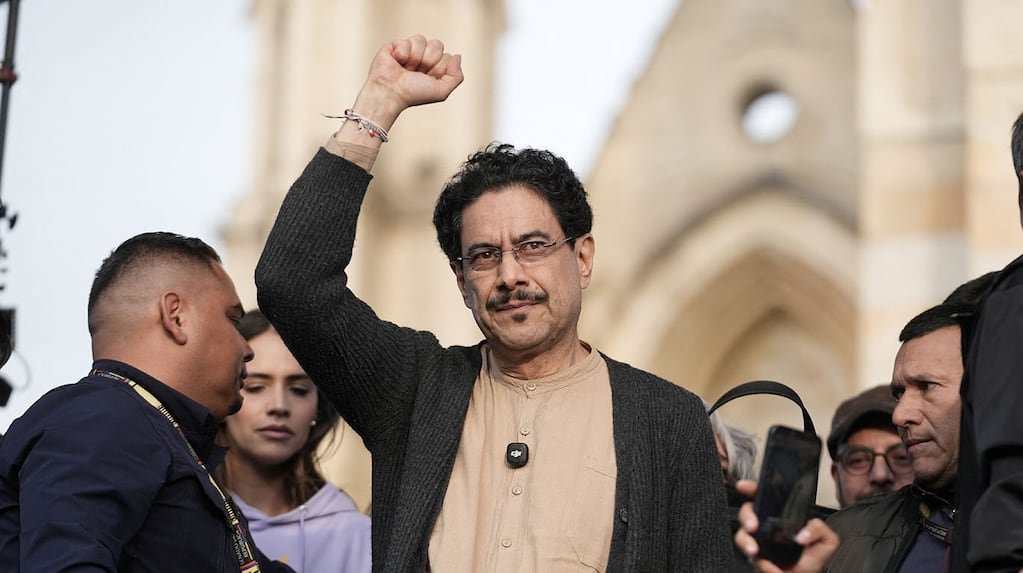
A poco más de tres meses de las elecciones presidenciales, la izquierda colombiana corre riesgo de una inesperada división que debilite sus posibilidades de seguir en el poder otros cuatro años ante el avance de los conservadores y la derecha radical.
No se trata de una pelea interna entre facciones rivales o la negativa a conformar una coalición fuerte que busque la reelección del proyecto encarnado por el presidente Gustavo Petro, que no puede aspirar a su reelección inmediata, prohibida por la Constitución. La izquierda simplemente fue sacudida por una decisión del Congreso Nacional Electoral (CNE).
En una polémica decisión, el CNE le impidió al senador Iván Cepeda, el candidato presidencial elegido por Petro, participar en la consulta del 8 de marzo en la que las distintas fuerzas o coaliciones elegirán a sus postulantes.
Leé también: Homofóbico y sexista: un polémico general rompe con Giorgia Meloni y funda su propio partido de ultraderecha
¿El motivo? Cepeda ya participó y ganó la interna de la coalición conocida como Pacto Histórico de Petro en octubre. Por eso quedó excluido de presentarse en los comicios en que una amplia coalición de partidos progresistas y de izquierda elegirá a su candidato presidencial.
En síntesis, Cepeda puede ser candidato presidencial en las elecciones del 31 de mayo por el Pacto Histórico, pero no por el Frente de Izquierda nacional.
¿Qué va a pasar ahora con la izquierda colombiana?
En la consulta izquierdista de marzo, en la que también se renovará el Congreso, ya anunciaron su participación el exsenador Roy Barreras y el exministro del Interior, Juan Fernando Cristo. Pero Cepeda, de 65 años y figura histórica de los organismos de derechos humanos, es mucho más popular que ambos, según los últimos sondeos.
“Cepeda sale como candidato de la consulta del Pacto Histórico en octubre pasado, con algo más de millón y medio de votos por su candidatura. El Consejo Nacional Electoral considera que fue una consulta entre partidos, y no de un solo partido, que sería la consideración para que el ganador pudiera ir ahora el 8 de marzo a una consulta interpartidista para elegir el candidato del Frente de Izquierda. Así que lo sacaron de esta próxima consulta”, resumió a TN el consultor político argentino Ángel Beccassino, que reside desde hace más de 30 años en Colombia.
El presidente colombiano Gustavo Petro. (Foto: José Luis Magana/AP)
Según afirmó, “el grupo de izquierda dura que respalda a Cepeda quiso que no se hiciera esta consulta, y que los que iban a participar en ella, en particular Roy Barreras, se bajaran y adhirieran a la candidatura suya directo a primera vuelta”.
“Pero esto no pasó. Petro ha dado muchas señales de respaldar la candidatura de Cepeda, e incluso dijo que él no iba a votar por la consulta del Frente de Izquierda el 8 de marzo, sino directamente en primera vuelta”, indicó.
Beccassino aseguró que esta situación pone a la izquiera bajo el peligro de una escisión.
“Es el riesgo. La apuesta es a que si Roy Barreras saca el 8 de marzo más de 3 millones de votos, lo cual es probable, Petro va a modificar su posición y ahí es probable que Cepeda decline alegando su situación de salud”, sostuvo.
Leé también: Cocinan de madrugada y a leña: así sobrevive una familia de Cuba en medio del apagón interminable
Cepeda, hijo del asesinado dirigente Manuel Cepeda Vargas, fue sometido a una intervención quirúrgica por un cáncer de hígado hace unos años.
El candidato de Petro, una figura histórica de la izquierda colombiana, ha sido facilitador del proceso de paz con la guerrilla de las FARC y copresidente de la Comisión de Paz del Senado. “Es un exmilitante del Partido Comunista, con formación en Bulgaria durante la época del bloque soviético, con alguna cercanía en su momento con las FARC”, dijo Beccassino.
La izquierda tendrá como principal rival a un candidato que rompe al molde de la política tradicional, el ultraderechista Abelardo de la Espriella, “el Javier Milei colombiano”, que ya anunció que se presentará solo a las elecciones y no participará en la consulta de los tradicionales conservadores colombianos.
Cepeda y De la Espriella lideran los últimos sondeos de cara a las elecciones del 31 de mayo. Un eventual balotaje entre ambos se realizaría el 21 de junio.
Colombia, Gustavo Petro, Sumario










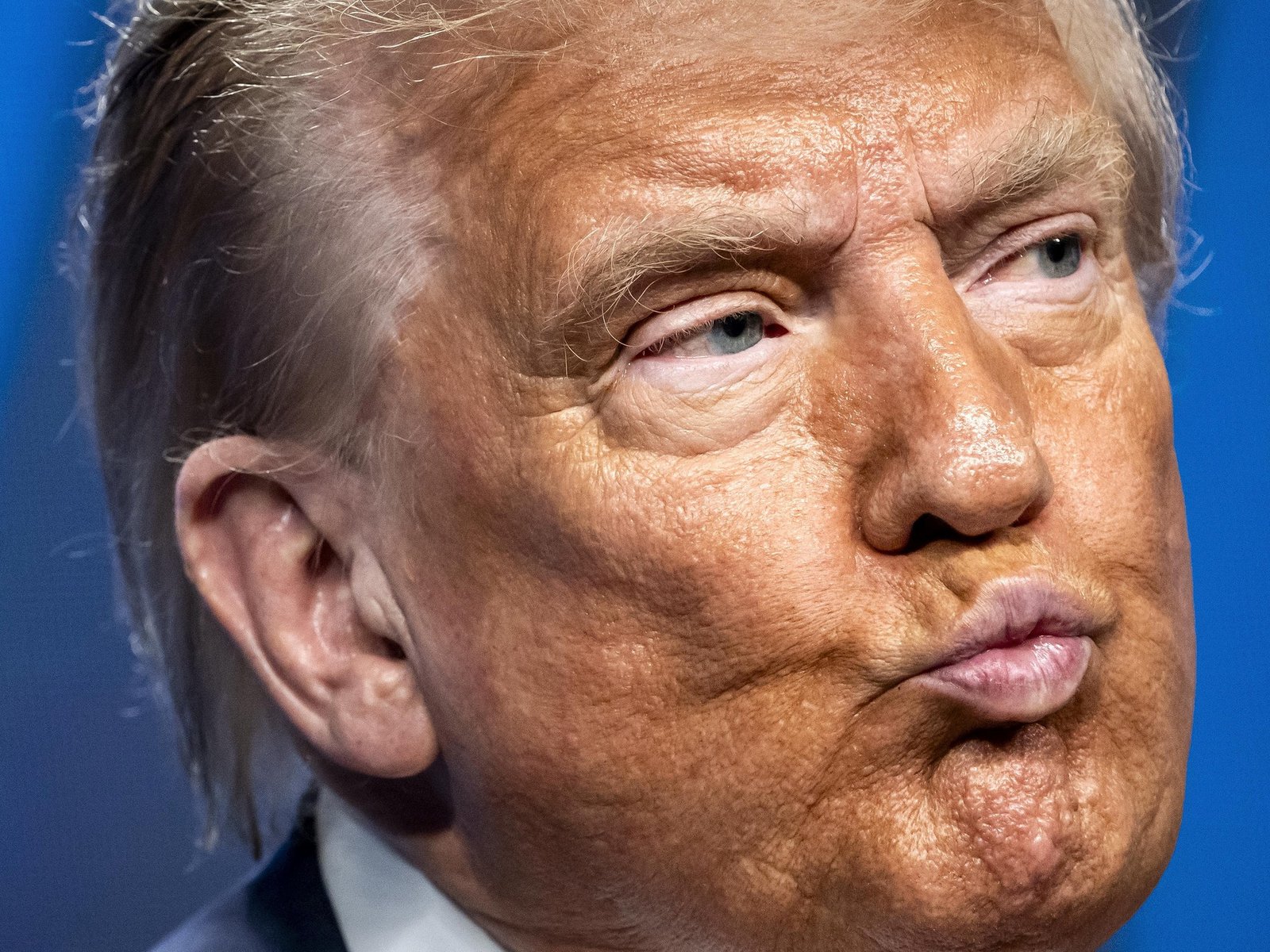
El dato principal de este fallo es que el establishment, que es eso lo que representa en sus máximas alturas la Corte Suprema norteamericana, comienza a poner límites definitivos a Donald Trump. Esa acción puede traducirse en diferentes niveles, pero en concreto sale a discutir el populismo proteccionista del magnate. Si bien no totalmente, voltea el sistema arancelario que definía esta presidencia y que ha sido el arma principal de Trump para intentar disciplinar el mundo violando el derecho constitucional del Congreso a fijar impuestos.
Pero aún peor. Cuando el mandatario se alza contra el fallo del Tribunal, insulta a los jueces y sugiera que hará lo que le venga en gana, edifica lo que la Corte precisamente pretendería neutralizar: la consolidación de una autocracia.
El presidente a su llegada impuso una dudosa emergencia nacional y desde entonces gobierna por decreto puenteando al legislativo. Es eso lo que se ha fracturado ahora, lo que promete una extraordinaria turbulencia en los mercados porque deja al gobierno notoriamente debilitado y erosiona el liderazgo y la personalidad del presidente.
Este golpe se produce desde un poder que ha sido muy cercano a las aventuras políticas del mandatario republicano. Esa alianza parece fracturarse. El liberalismo clásico estadounidense antimonárquico –vale señalarlo- reaparece con este gesto, que era previsible y que además puede disparar un efecto dominó en el oficialismo parlamentario, donde un amplio sector masculla desde hace tiempo en silencio su oposición a los modos y las medidas extremas de la Casa Blanca que arriesgan una derrota en las elecciones de medio término de noviembre.
El fallo aparece además en un momento de viento en contra para el mandatario. El crecimiento de la economía se desaceleró más de lo esperado en los últimos meses de 2025. Se expandió a una tasa anual del 1,4% en el trimestre de octubre a diciembre, un 2,2 % para el año completo, por debajo del ritmo calculado por los analistas. Trump escapó culpando a los demócratas, pero es una narrativa solo para su tribuna. Lo más interesante es la balanza comercial. Esta semana se informó que el saldo comercial de la potencia solo mejoró un 0,2% durante 2025. Las importaciones de bienes y servicios procedentes de otros países alcanzaron un nuevo máximo durante todo el año inaugural de Trump pese a su agresiva política comercial.
Recordemos que los aranceles que fijó Trump a las importaciones, con el argumento de que los déficit comercial implican abusos y estafas, son en la práctica impuestos internos que pagan los consumidores y las empresas que traen los productos o insumos. No los pagan los exportadores. En esa línea dejaron de constituir una herramienta puramente comercial para convertirse en una fuente masiva de ingresos fiscales. Ahí hay una explicación sobre el aumento de la inflación en diciembre, cuando registró 2,9% en tasa anualizada. El agravante de esta novedad es que el dinero recaudado deberá ser devuelto por el gobierno federal. Son más de 134 mil millones de dólares el año pasado y se esperaba una cifra similar aunque superior para este 2026.
Pero la mayoría de la Corte que firmó este dictamen, posiblemente no solo este analizando esos números. Lo que revela este fallo es la potencia de las dudas detrás del nacionalismo trumpista sobre si sus políticas garantizan la rueda de acumulación, un básico del sistema capitalista. El presidente y gran parte de su gabinete son lo que en EE.UU. se denomina i-liberales, no liberales, con asesores como Peter Navarro que cuestionan el libre comercio que ha sido una bandera histórica del partido republicano.
Son estos halcones lo que han quebrado las alianzas del país con socios clave como los europeos asombrando al mundo, han reivindicado a Rusia por encima de Ucrania y creado un culto personalista del mandatario con ribetes soviéticos.
Trump tiene a mano algunas alternativas, pero no será ya lo mismo. Según informes del Financial Times, el gobierno pude utilizar capítulos de la Ley de Comercio de 1974 que permite imponer aranceles de solo 15% pero por 150 días. Es lo que acaba de anunciar Trump. Existe otra ley de 1930 que permite al gobierno fijar gravámenes de hasta 50% a un país que discrimine contra el comercio estadounidense.
Sin embargo, señala ese diario, aunque la Casa Blanca podría reconstruir un muro arancelario, las vías legales alternativas limitarían las capacidades de Trump para subir y bajar rápidamente los aranceles, como herramienta de presión.
“Con otras leyes, el gobierno tendrá que justificar el uso de aranceles. Será menos del estilo, ‘me desperté y decidí que estoy molesto con este aviso de la tele canadiense asique voy a subir los aranceles’”, dijo al Financial Lori Walach, del grupo Rethink Trade. Recordaba un hecho real de un castigo por una publicidad en Ontario, un estilo autoritario que tiene como antecedente en la región el 50% aplicado a Brasil porque se disgustó con el proceso por golpismo contra Jair Bolsonaro o los gravámenes contra Suiza porque no le gustó como le habló la entones presidente de ese país.
INTERNACIONAL
Bureaucrats hide true price of Obama Presidential Center as taxpayers hit with infrastructure bill
NEWYou can now listen to Fox News articles!
FIRST ON FOX: Former President Barack Obama once declared that his presidential center would be a «gift» to Chicago, but taxpayers are on the hook for hundreds of millions of dollars in hidden costs related to the beleaguered project.
A Fox News Digital investigation shows taxpayers are now stuck footing the bill for surging public infrastructure costs required to support the project — and no government agency can provide an accounting of the total public cost, despite months of queries and FOIA requests.
«Illinois Republicans saw this coming a mile away. Now, right on cue, Illinois Democrats are leaving taxpayers high and dry and putting them on the hook for hundreds of millions of dollars to support the ugliest building in Chicago,» Illinois GOP Chair Kathy Salvi told Fox News Digital. «Illinois’ culture of corruption is humming along with pay-to-play deals to their allies and friends while lying to Illinois voters.»
When the project was approved in 2018, Obama pledged to privately fund construction of the expansive 19.3-acre campus in historic Jackson Park through donations to the Obama Foundation – a commitment that remains in place as the center’s construction continues to be privately financed.
But the extensive infrastructure required to make the campus operationally viable — including redesigned roads, stormwater systems, and relocated utilities — is publicly financed, and without those changes, the center could not function.
At the time, projections placed public infrastructure costs at roughly $350 million, split between the state of Illinois and the city of Chicago.
OBAMA PRESIDENTIAL CENTER DEPOSITS JUST $1M INTO $470M RESERVE FUND AIMED TO PROTECT TAXPAYERS
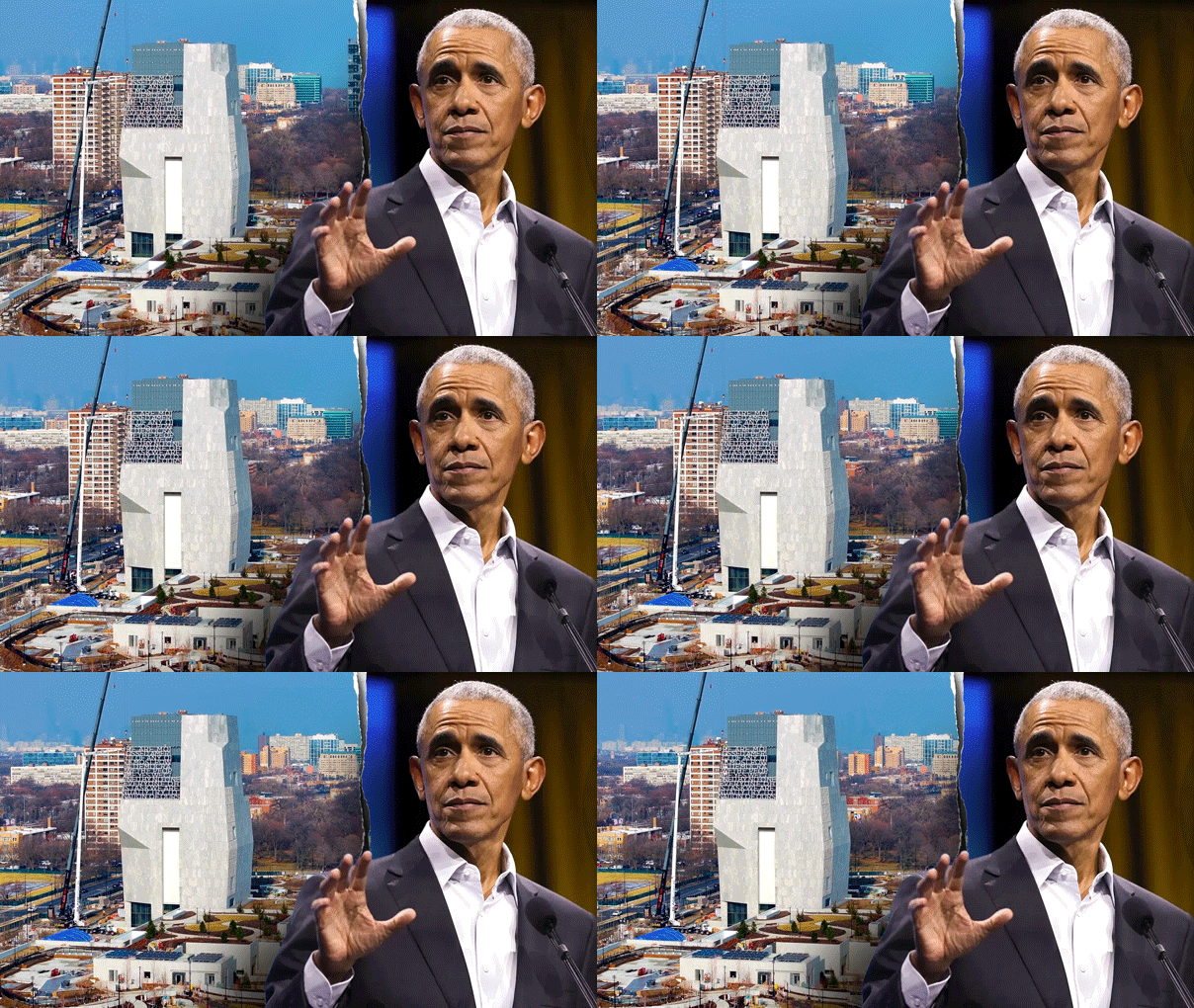
Former President Barack Obama once professed that his presidential center would be a «gift» to Chicago. Animated GIF showing the Obama Presidential Center under construction alongside a static image of former President Barack Obama. (Fox Flight Team; Getty)
Eight years later, the Illinois Department of Transportation (IDOT) told Fox News Digital that approximately $229 million in infrastructure spending was tied to the site, up from its earlier estimate of roughly $174 million.
The $229 million figure reflects state-managed spending, which may include federal transportation funds routed through IDOT.
Meanwhile, Chicago officials have failed to produce a reconciled total showing how much city taxpayers have committed or how current spending compares to the roughly $175 million discussed when the project was approved.
A paper trail without a total
Fox News Digital submitted records requests and press inquiries to every agency involved in the infrastructure work, including the Illinois Department of Transportation (IDOT), Chicago’s Department of Transportation (CDOT), the Office of Budget and Management (OBM), the Mayor’s Office and Gov. J.B. Pritzker’s administration.
Not a single office provided a unified, up-to-date accounting of total public infrastructure spending tied to the project. The investigation involved months of FOIA requests, partial disclosures and repeated follow-ups.
No single agency appears to oversee the full scope of the infrastructure work, and neither the state nor the city has assembled a reconciled accounting — a fragmentation that has made the overall public cost difficult to determine.
Instead, agencies provided partial figures, declined to clarify whether city and state totals overlap or insisted that no consolidated total exists.
The Illinois Attorney General’s Public Access Counselor (PAC) is reviewing whether multiple agencies complied with state transparency laws following Fox News Digital FOIA requests.
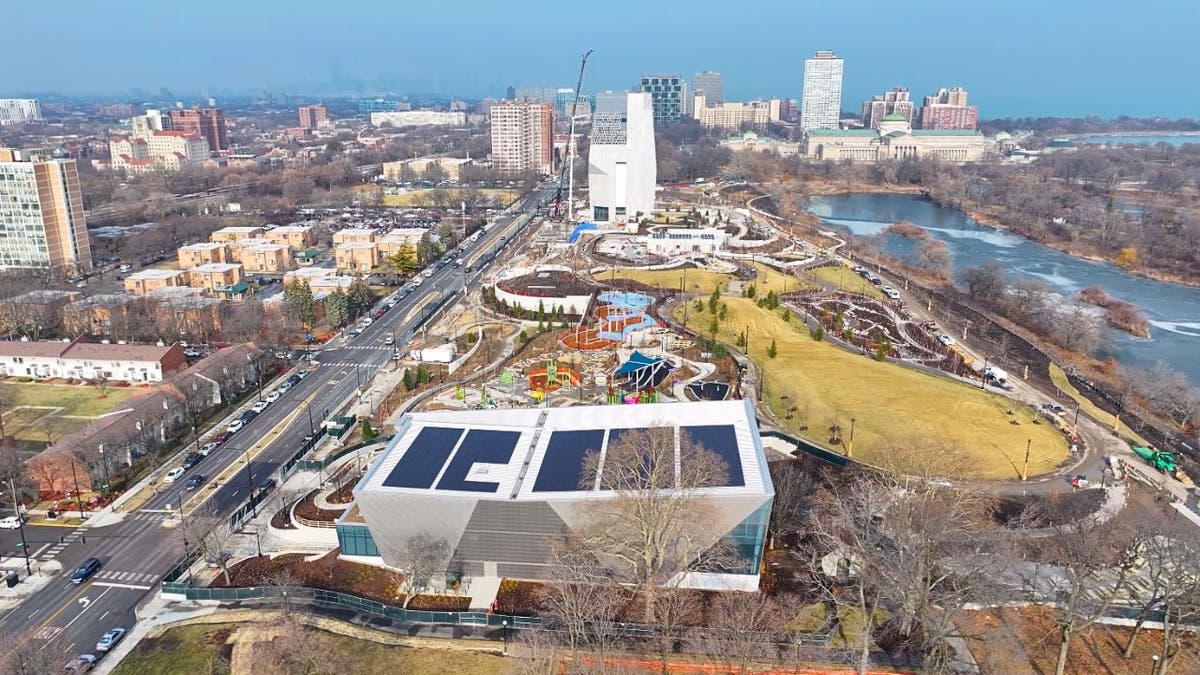
Exterior view of the Obama Presidential Center tower under construction in Chicago. (Fox 32 Chicago)
Construction costs soar
The center sits on 19 acres of historic public parkland carved out in a controversial transfer for just $10 under a 99-year agreement, making the question of public infrastructure spending particularly sensitive. Legal challenges to the land transfer, including lawsuits arguing the arrangement was not in the public interest, were ultimately dismissed, although the merits of the arguments were not adjudicated on.
The center — though commonly referred to as a presidential «library» — will not function as a traditional facility operated by the National Archives and Records Administration (NARA), and former President Obama’s official records will be maintained by NARA at a federal site in Maryland.
While the Obama Presidential Center in Chicago is expected to provide digital access to archival materials, it will not serve as a federally operated records repository.
Instead, the Chicago complex will be operated privately, without rent payments, by the Obama Foundation, the former president’s nonprofit organization, which oversees leadership programs and civic initiatives aligned with his values and policy priorities.
Construction costs for the facility itself have ballooned from early estimates of roughly $330 million to at least $850 million, according to the foundation’s 2024 tax filings, although these expenses are being borne by private donors.
Meanwhile, a $470 million reserve fund — known as an endowment — that the foundation promised to fill to protect taxpayers should the project go belly-up, has received only $1 million in deposits, Fox News Digital previously reported.
OBAMA LIBRARY, BEGUN WITH LOFTY DEI GOALS, NOW PLAGUED BY $40M RACIALLY CHARGED SUIT, BALLOONING COSTS

A before-and-after aerial graphic shows the footprint of the Obama Presidential Center in Jackson Park, including the removal of Cornell Drive and construction along Stony Island Avenue. (Fox News)
Roads removed, routes rebuilt
Taxpayers often fund routine improvements near major civic projects — such as turn lanes, utility hookups or upgraded traffic signals — but the scale of the work surrounding the Obama Presidential Center is far more extensive.
By comparison, other modern presidential libraries required only limited public infrastructure upgrades and did not involve the removal of a major roadway or the wholesale redesign of a historic park’s traffic pattern.
Much of the publicly financed work reshaped the roads and utilities that once ran through Jackson Park.
Cornell Drive — a four-lane roadway that bordered the center’s east side by the park’s lagoon — was permanently removed under the center’s site plan and enveloped by the campus. Traffic that once ran alongside the lagoon has been rerouted farther west, reducing the number of public roads directly adjacent to the complex and creating a more unified campus footprint around the center.
Crews also tore down trees, relocated water mains, sewer lines, and electrical infrastructure and installed new drainage systems tied to the facility’s structural needs as part of the public infrastructure project.
City and state officials say the changes were necessary to manage traffic and visitor demand. Critics argued the redesign altered long-standing park infrastructure to accommodate the foundation’s preferred layout.
What’s clear is that without those road closures, reroutes and utility relocations, the project would not function as designed.
The Obama Foundation, which is funding the center’s construction, defended the project in a statement to Fox News Digital.
«The Obama Foundation is investing $850 million in private funding to build the Obama Presidential Center and give back to the community that made the Obamas’ story possible,» said Emily Bittner, a spokesperson for the foundation.
«After decades of underinvestment on the South Side of Chicago, the OPC is catalyzing investment, from both public and private sources, to build economic opportunity for residents through jobs, housing, and public spaces and amenities.»
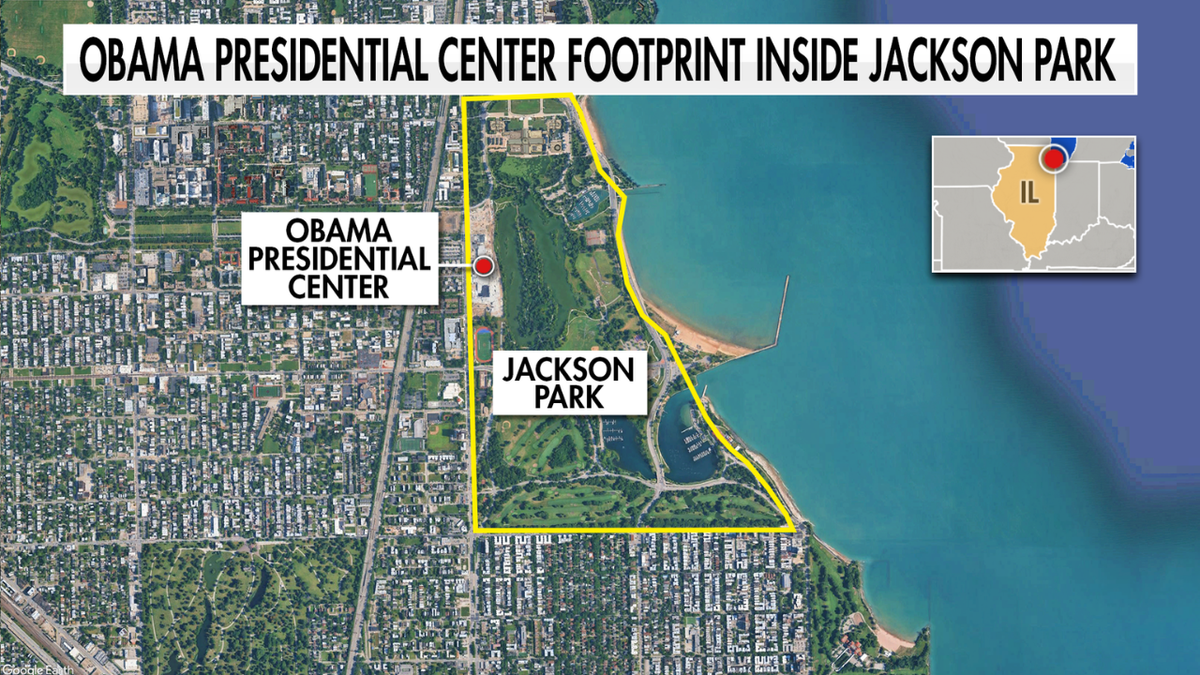
A map graphic shows the footprint of the Obama Presidential Center inside Jackson Park on Chicago’s South Side along Lake Michigan. (Fox News)
The number no one will state
IDOT, which controls the state’s funding for the corridor and signs off on major transportation contracts tied to the project, acknowledged approximately $229 million in state-managed infrastructure spending but did not produce a consolidated accounting reconciling that total across all project phases.
«With all the main parts of this aspect of the overall project awarded, to date the state via IDOT has contributed approximately $229 million,» an IDOT spokesperson told Fox News Digital in July in its latest release. «Approximate breakdown of these funds: $19 million in preliminary engineering; $24 million for construction engineering and $186 million for construction activities.»
The spokesperson said that the initial $174 million figure was from a «2017 was a preliminary cost estimate.»
CDOT, which carried out the roadway closures, traffic rerouting and utility relocation work inside Jackson Park, acknowledged Fox News Digital’s Oct. 7, 2025, FOIA request and took a statutory extension but never issued a final determination or produced the requested records. The department also did not provide a unified city total or clarify how Chicago’s capital allocations overlap with the state’s spending.
OBM, which oversees the city’s capital allocations, did not say whether the city’s $175 million estimate remains current and directed Fox News Digital to the Capital Improvement Plan. Chicago’s most recent 2024–2028 Capital Improvement Plan — the city’s multi-year infrastructure budget — lists more than $206 million allocated to roadway and utility work surrounding the project. However, much of that funding is labeled «state,» and neither state nor city officials could clarify how those allocations overlap with IDOT’s reported total.
In a FOIA response, OBM said it «does not have responsive records» showing any cost overruns, reallocations or a breakdown of spending across major components of the Obama Center infrastructure work.
The agency also could not explain how Chicago’s $206 million budget line relates to IDOT’s $229 million figure or how much of the city’s amount is actually paid by Chicago rather than the state.
CLICK HERE TO GET THE FOX NEWS APP
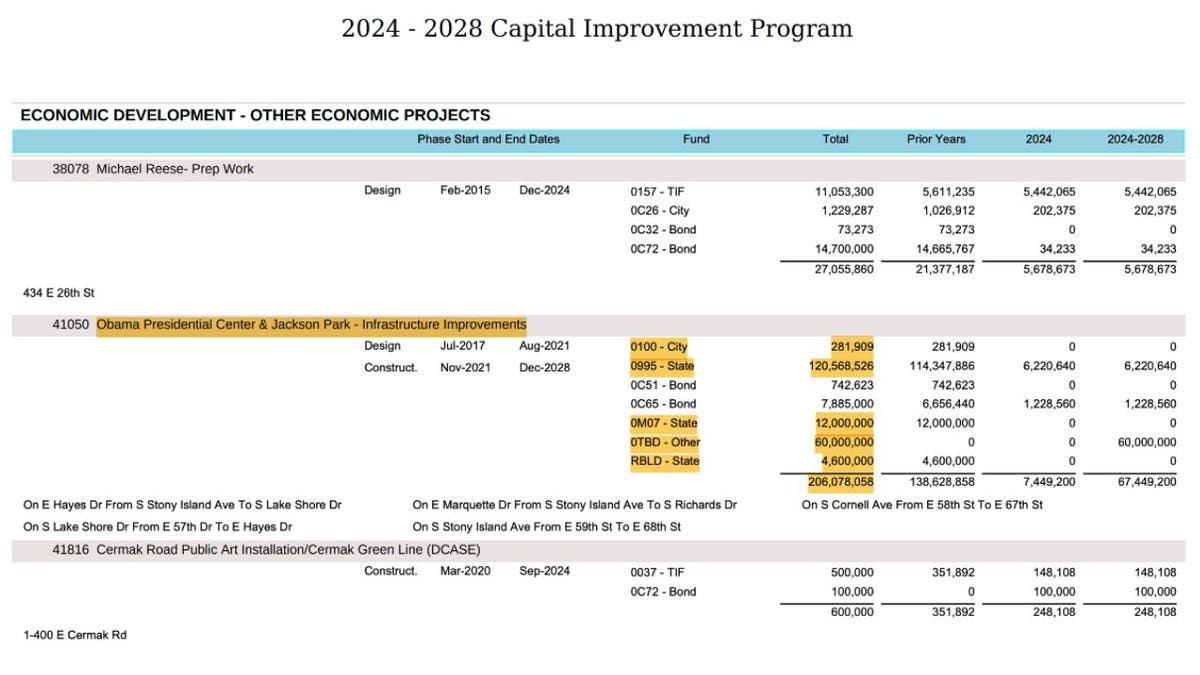
Chicago’s 2024–2028 Capital Improvement Program lists $206,078,058 for «Obama Presidential Center & Jackson Park – Infrastructure Improvements,» with most funding labeled as state sources. (City of Chicago Capital Improvement Program)
Pritzker’s office gave conflicting responses and ultimately produced no records showing the state’s total infrastructure spending.
Meanwhile, Mayor Brandon Johnson’s office did not respond to repeated requests for the city’s total infrastructure spending tied to the project or for how much more Chicago expects to commit.
Without updated reconciliations from both levels of government, taxpayers still have no clear accounting of the financial obligations associated with the center.
What is clear is that Obama’s «gift» to Chicago comes with a hefty public price tag that has grown more complex — and without updated cost projections, the true total cost remains unknown.
politics,barack obama,taxes,illinois,chicago,fox news investigates,parks,presidential
INTERNACIONAL
Israelis keep suitcases packed and ready as Trump weighs potential Iran strike decision
NEWYou can now listen to Fox News articles!
For more than a month, Michal Weits has kept suitcases packed by the front door of her house in Tel Aviv.
«We have our bags ready for weeks,» she said. «Three weeks ago, there were rumors that it was the night the U.S. would attack Iran. At midnight, we pulled the kids out of their beds and drove to the north, where it is supposed to be safer.»
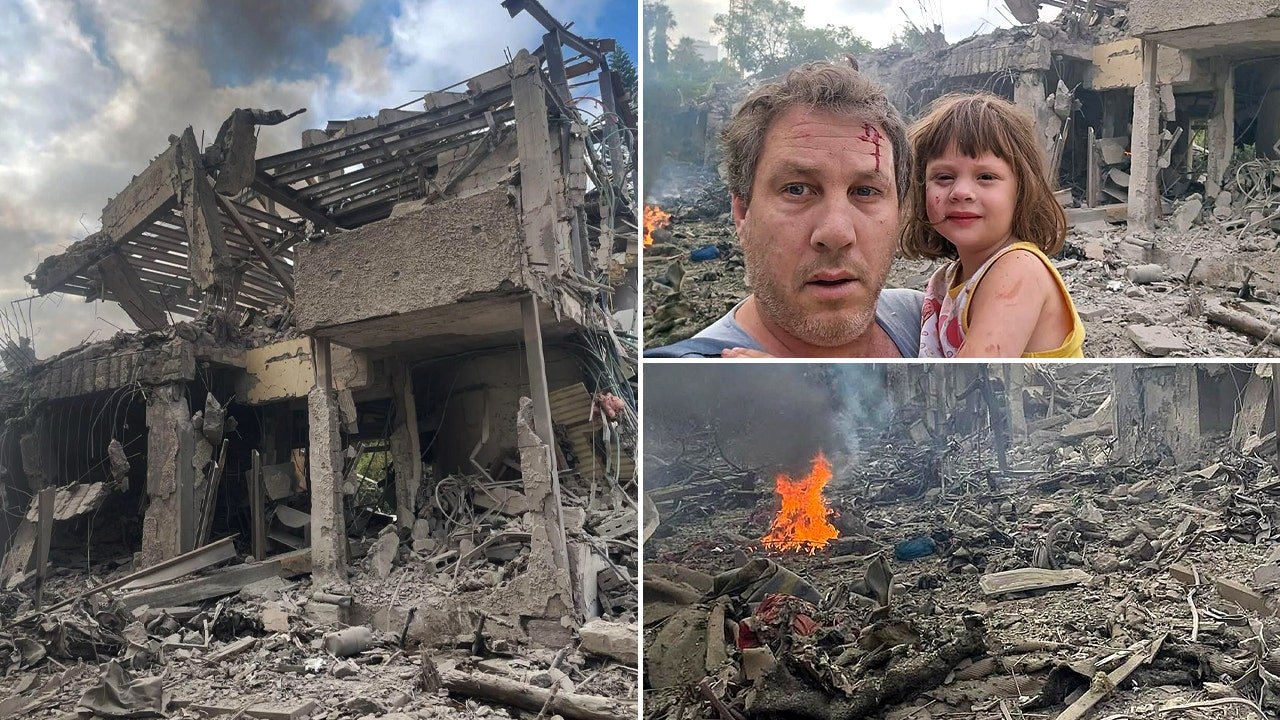
Weits, the artistic director of the international documentary film festival Docaviv, is speaking from her own traumatic experience. During the 12-day war, an Iranian missile struck her Tel Aviv home. She, her husband, and their two young children were inside the safe room when it collapsed on her.
TRUMP MEETS NETANYAHU, SAYS HE WANTS IRAN DEAL BUT REMINDS TEHRAN OF ‘MIDNIGHT HAMMER’ OPERATION
Eyal, husband of Michal Weits, holds their daughter in front of the rubble of their Tel Aviv home after it was struck by an Iranian missile during the 12-day war. (Michal Weits)
«After an Iranian missile hit our home and we lost everything we had, we also lost the feeling of ‘it won’t happen to me,’» she said. «We are prepared, as much as it’s really possible.»
Weits remembers the surreal contrast of those days. Four days after being injured in the missile strike, while still in the hospital, she was told she had won an Emmy Award for the documentary she produced about the Nova massacre on Oct. 7.
«Four days earlier an 800-kilogram explosive missile fell on our home and I was injured, and four days later I woke up on my birthday to news that I had won an Emmy,» she said. «It can’t be more surreal than this. That is the experience of being Israeli, from zero to one hundred.»

Michal Weits after being injured in an Iranian missile strike that hit her Tel Aviv home during the 12-day war. (Michal Weits)
She says Israelis have learned to live inside that swing. «Inside all of this, life continues,» she said. «Kids go to school, you go to the supermarket, Purim arrives and you prepare, and you don’t know if any of it will actually happen. We didn’t make plans for this weekend because we don’t know what will happen.»
That gap — between visible routine and private fear — defines this moment. The fear she describes is now part of the national atmosphere.
MORNING GLORY: WHAT WILL PRESIDENT DONALD TRUMP DECIDE TO DO WITH IRAN?
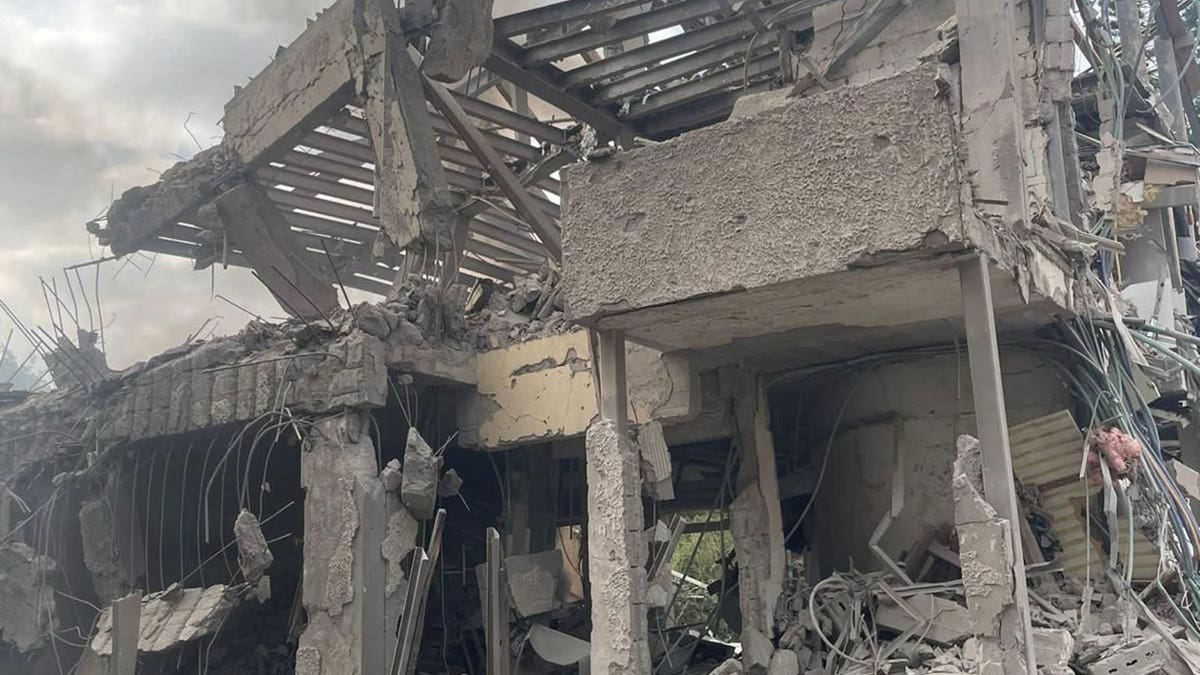
The Weits family home in Tel Aviv after it was destroyed by a direct Iranian missile strike during the 12-day war. (Michal Weits)
On the surface, Israel looks normal. The beaches are crowded in the warm weather. Cafés are full. The Tel Aviv Stock Exchange has risen in recent days. Children go to school as Israelis prepare for the Jewish holiday of Purim and costumes are being prepared.
But inside homes and across local news broadcasts, one question dominates: when will it happen? When will President Donald Trump decide whether to strike Iran — and what will that mean for Israel?
Prime Minister Benjamin Netanyahu has instructed the Home Front Command and emergency services to prepare for possible escalation, with Israeli media reporting a state of «maximum alert» across security bodies.
Speaking at an officer graduation ceremony this week, Netanyahu warned Tehran: «If the ayatollahs make a mistake and attack us, they will face a response they cannot even imagine.» He added that Israel is «prepared for any scenario.»
The military message was echoed by the IDF. «We are monitoring regional developments and are aware of the public discourse regarding Iran,» IDF Spokesperson Brig. Gen. Effie Defrin said. «The IDF remains vigilant in defense, our eyes are open in every direction and our readiness in response to any change in the operational reality is greater than ever.»
TRUMP VOWS TO ‘KNOCK THE HELL OUT OF’ IRAN IF NUCLEAR PROGRAM IS REBUILT AGAIN AFTER HIGH-STAKES MEETING

Four days after being injured in an Iranian missile strike, Michal Weits received an Emmy Award for the documentary «We Will Dance Again» about the Nova festival massacre on Oct. 7. (Michal Weits)
Yet the psychological shift inside Israel goes deeper than official statements.
For years, Israelis lived with rockets from Hamas. The Iranian strikes felt different.
«The level of destruction from Iran was something Israelis had not experienced before,» said Israeli Iran expert Benny Sabti. «People are used to rockets from Gaza. This was a different scale of damage. It created real anxiety.»
Iron Dome, long seen as nearly impenetrable, was less effective against heavier Iranian missiles. Buildings collapsed. Entire neighborhoods were damaged.
«People are still traumatized,» Sabti said. «They are living on the edge for a long time now.»
At the same time, he stressed that the country is better prepared today.
«There are feelings, and there are facts,» Sabti said. «The facts are that Israel is better prepared now. The military level is doing serious preparation. They learned from the last round.»
The earlier wave of protests inside Iran had sparked hope in Israel that internal pressure might weaken or topple the regime. Weits told Fox News Digital, «I am angry at the Iranian government, not the Iranian people. I will be the first to travel there when it’s possible. I hope they will be able to be free — that all of us will be able to be free.»
CLICK HERE TO DOWNLOAD THE FOX NEWS APP
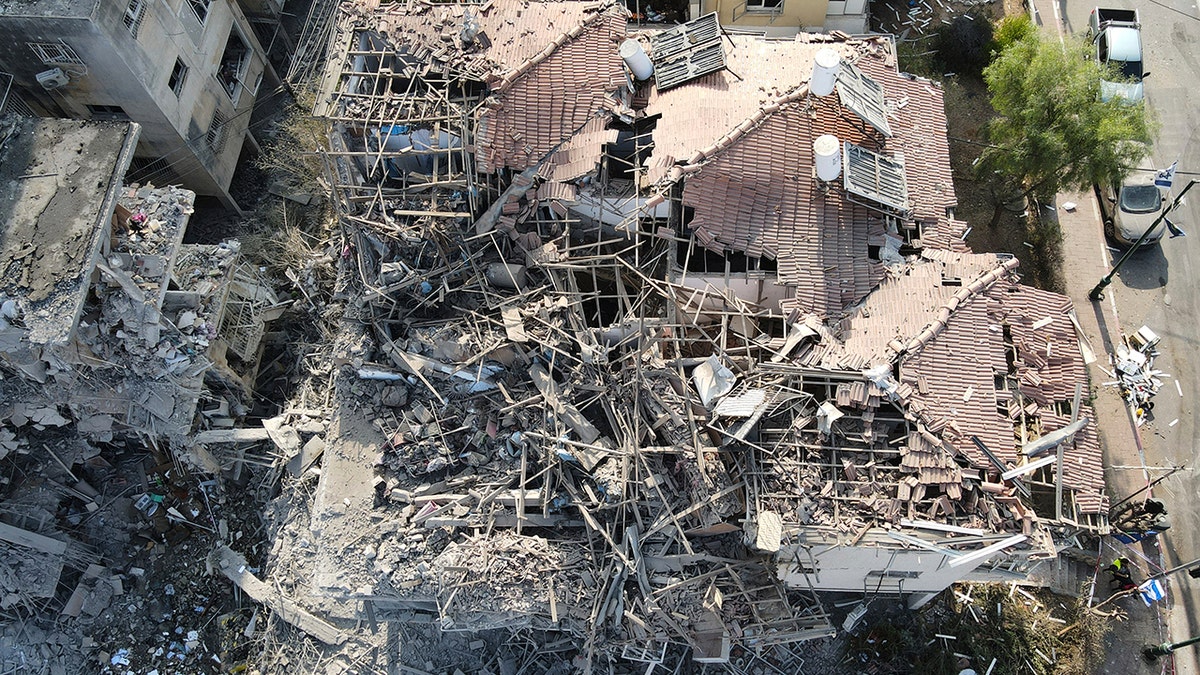
Destroyed residential buildings that were hit by a missile fired from Iran is seen in Ramat Gan, near Tel Aviv, Israel on Saturday, June 14, 2025. (AP Photo/Ariel Schalit)
Despite losing her home and suffering hearing damage from the blast, she says the greater loss was psychological. «There is no more complacency,» she said. «The ‘it won’t happen to me’ feeling is gone.»
Across Israel, that sentiment resonates.
israel,iran,donald trump,wars,middle east

Tras la polémica por las licencias médicas, el Gobierno busca cerrar filas y aprobar la reforma laboral en el Senado

La Corte contra los aranceles de Trump: El establishment comienza a poner límites

Javier Milei y sus medidas, EN VIVO: la mesa política del Gobierno volverá a reunirse el lunes en la previa de otra semana intensa en el Congreso

Aumento del colectivo: cuáles son las diez ciudades con los boletos más caros y más baratos del país

Se despejan las dudas con Ansu

Escándalo en el final de MasterChef Celebrity: un participante se fue a los gritos y denunció que “está todo arreglado”

Reforma laboral bomba: menos indemnización, más horas y despidos más fáciles — el cambio que puede sacudir el empleo en Argentina

Ayuda Escolar Anual: a cuánto asciende, donde se tramita y quien puede cobrarla

Escándalo en MasterChef: una famosa abandonó a los gritos y acusando que está todo arreglado

Del himno peronista de Kelly Olmos al exabrupto de Agustina Propato: las perlitas del debate por la reforma laboral

 ECONOMIA3 días ago
Ayuda Escolar Anual: a cuánto asciende, donde se tramita y quien puede cobrarla
- CHIMENTOS1 día ago
Escándalo en MasterChef: una famosa abandonó a los gritos y acusando que está todo arreglado
- POLITICA1 día ago
Del himno peronista de Kelly Olmos al exabrupto de Agustina Propato: las perlitas del debate por la reforma laboral