INTERNACIONAL
Cómo la Escuela Quiteña revolucionó el arte barroco en América entre los siglos XVII y XVIII

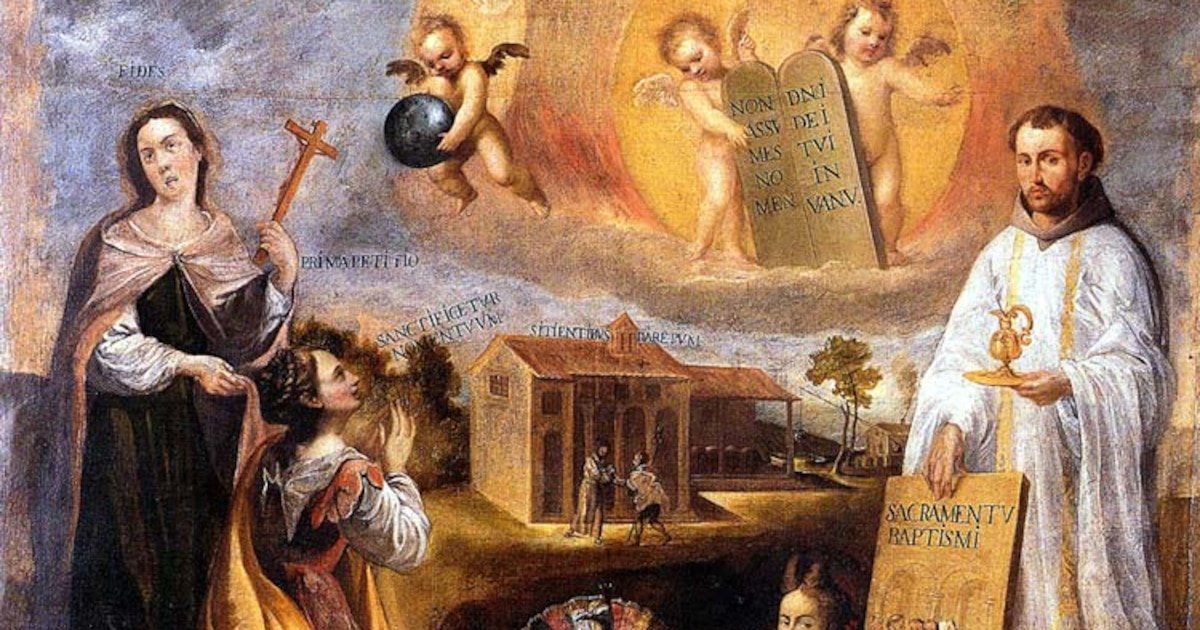
En los talleres coloniales de Quito, entre pinceles, pigmentos de cochinilla y madera tallada con devoción, nació un movimiento artístico que sorprendió al mundo. La Escuela Quiteña de arte, florecida entre los siglos XVII y XVIII, no solo fue la expresión más refinada del barroco americano: también se adelantó en técnicas, dramatismo y colorido a corrientes que siglos después conmoverían a Europa.
Mientras Vincent van Gogh exploraba el poder del color en el siglo XIX, en los Andes ya se habían ensayado tonalidades intensas y efectos de luz que anticipaban esa expresividad. Y antes de que Goya inmortalizara la crudeza de la emoción humana, escultores como Caspicara habían dado forma a Cristos desgarradores en los altares quiteños.
El origen de esta tradición se remonta a 1551, cuando los franciscanos fundaron en Quito una escuela de artes y oficios para formar a indígenas y mestizos. Allí comenzó un proceso de aculturación en el que los símbolos católicos europeos se fusionaron con elementos locales: montañas, flores, animales y costumbres andinas aparecieron en lienzos y tallas religiosas. El resultado fue un barroco singular, profundamente espiritual pero con una identidad mestiza.

Los estudios históricos sostienen que la Escuela Quiteña alcanzó renombre en la corte española y en ciudades virreinales gracias a la calidad de sus obras y a un virtuosismo técnico difícil de igualar. No era un arte secundario ni subsidiario de los talleres europeos, sino una propuesta capaz de dialogar de igual a igual con la tradición occidental.
El pintor Miguel de Santiago, nacido hacia 1620, es considerado el maestro indiscutible de la pintura quiteña. Su obra se distingue por un fuerte claroscuro que lo acerca al tenebrismo de Caravaggio, con escenas cargadas de dramatismo espiritual. El predominio de tonos grises y sombríos en sus lienzos transmitía recogimiento, pero al mismo tiempo la composición revelaba una intensidad emocional inusual en la América colonial.
Su precisión anatómica lo convirtió en un artista adelantado a su tiempo. Los ancianos retratados en sus series religiosas muestran piel flácida, arrugas y huesos que se marcan con un realismo naturalista comparable al de Rembrandt. En lugar de idealizar a los personajes, los dotaba de humanidad, subrayando la fragilidad de la carne en contraste con la eternidad del alma.

Sin embargo, Miguel de Santiago fue más allá de la imitación del barroco europeo. En varias de sus pinturas ensayó recursos que siglos después serían identificados como impresionistas. Pinceladas rápidas, manchas de color que insinuaban formas y no las describían con exactitud, detalles fundidos en el fondo para resaltar los rostros o la luz. Ese atrevimiento formal, poco habitual en el contexto colonial, lo convirtió en un pionero. Al igual que Van Gogh doscientos años después, buscó transmitir sensaciones antes que reproducir fielmente la realidad. En la Quito del siglo XVII, Santiago ya estaba abriendo un camino que la historia del arte tardaría siglos en reconocer.
Mientras la pintura avanzaba hacia nuevas búsquedas de luz y color, la escultura quiteña alcanzaba niveles de virtuosismo técnico capaces de asombrar a la misma Europa. Manuel Chili, conocido como Caspicara, nacido en 1723, se especializó en tallas de madera policromada que aún hoy sorprenden por su realismo. Sus Cristos crucificados, con la piel desgarrada y los músculos tensos, parecen sufrir ante la mirada del espectador.

El efecto se lograba mediante la técnica del encarnado, un procedimiento desarrollado en Quito que consistía en aplicar varias capas de pintura y barniz sobre el yeso para imitar con exactitud la textura de la piel humana. En ocasiones se utilizaban materiales poco convencionales, como vejigas de cordero, para conseguir brillos especiales. El resultado era sobrecogedor: esculturas que parecían vivas, concebidas para conmover y catequizar.

Bernardo de Legarda, otro de los grandes escultores de la Escuela Quiteña, es recordado por su célebre Virgen del Apocalipsis, tallada en 1734. Esta figura femenina, alada, con un movimiento ondulante y expresivo, se aparta de la rigidez clásica para mostrar dinamismo barroco. Sus ropajes parecen agitarse en el aire y su rostro transmite serenidad dentro de la tensión dramática de la composición.
En su época, cronistas aseguraban que las esculturas quiteñas podían competir sin desventaja con las europeas, y no faltaron quienes afirmaron que los maestros de Quito estaban a la altura de Miguel Ángel. La leyenda cuenta que el rey Carlos III de España llegó a pronunciar que si en Italia tenían a Miguel Ángel, en sus colonias americanas tenía a Caspicara.
La Escuela Quiteña también innovó en el uso del color. Los talleres empleaban pigmentos locales: rojos intensos de cochinilla, amarillos y naranjas del achiote, verdes de minerales y huesos calcinados. Estos tonos, brillantes y saturados, daban a las obras un efecto expresivo inusual en la época. Siglos después, Van Gogh revolucionaría la pintura con sus amarillos y azules vibrantes, convencido de que el color podía transmitir estados anímicos.

El diálogo entre Quito y Europa se establece de manera natural. El dramatismo de Miguel de Santiago recuerda a Caravaggio, su realismo a Rembrandt, la crudeza de las imágenes de Caspicara se conecta con el universo expresivo de Goya, y el cromatismo de los talleres quiteños anticipa la intensidad de Van Gogh.
Aunque surgidos en contextos distintos, todos compartieron la búsqueda de conmover al espectador a través de la emoción y la ruptura con las normas. Esa coincidencia no significa copia ni dependencia, sino una simultaneidad de búsquedas humanas que revela el carácter universal de la Escuela Quiteña.
El legado de este movimiento sigue vivo. Las iglesias coloniales de Quito, Patrimonio de la Humanidad, conservan retablos, esculturas y lienzos que aún hoy deslumbran a visitantes y especialistas. Son testimonio de un mestizaje cultural que no solo produjo devoción religiosa, sino que también adelantó innovaciones plásticas.
corresponsal:Desde Quito




NEWYou can now listen to Fox News articles!
FIRST ON FOX: President Donald Trump’s fiscal year 2027 budget proposal focuses on combating violent crime while boosting immigration enforcement, including funding for more agents, alongside additional resources for expanded detention capacity and removal operations, according to information provided exclusively to Fox News Digital by the Office of Management and Budget (OMB) led by Director Russ Vought.
The plan calls for more than $19 billion in federal law enforcement funding — a 15% increase over current levels — which the administration says would go toward targeting violent criminals, drug traffickers and illegal immigrants.
«The President’s FY 2027 Budget fully funds a strong border, the removal of violent criminal aliens from our streets, and stops the endless stream of benefits to illegal aliens given preference over American citizens,» an OMB spokesperson said in materials shared with Fox News Digital.
OMB said the administration is building on what it described as «great success in reducing crime under President Trump’s leadership.»
GOP, DEMOCRATS CLASH ON CAPITOL HILL AS REPUBLICANS TARGET CARTELS AND DEMS PUSH TO CURB ICE PARTNERSHIPS
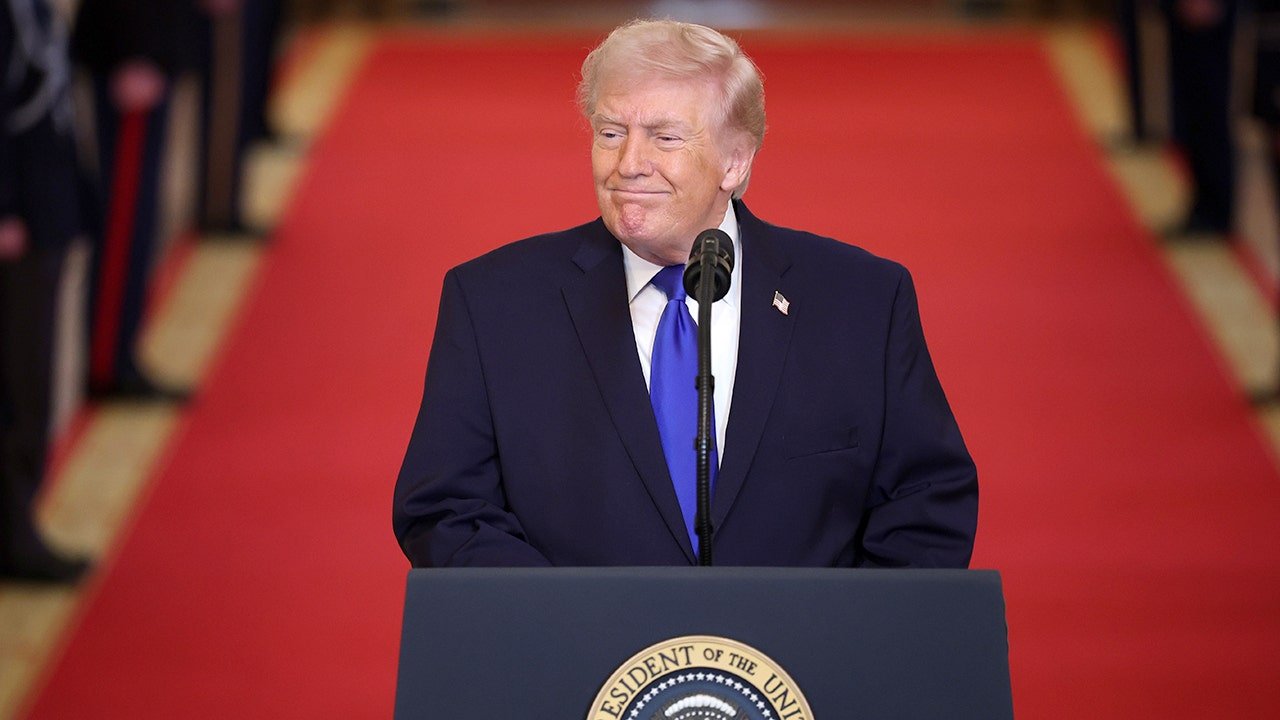
President Donald Trump’s fiscal year 2027 budget proposal focuses on combating violent crime while increasing immigration enforcement. (Win McNamee/Getty Images)
«[We] will continue undeterred in removing the criminal illegal aliens terrorizing innocent Americans and arresting the criminals who bring drugs, crime, and chaos to our streets,» the office said.
The proposal would fund more federal agents «working to capture illegal aliens,» expand task forces targeting transnational criminal groups like Tren de Aragua and MS-13 as well as drug cartels, and increase the number of prosecutors handling violent crime cases, according to OMB.
The budget also relies heavily on funding from the Working Families Tax Cut Act (WFTC), which OMB said provides more than $190 billion for homeland security efforts over multiple years, including at least $31.4 billion in 2027.
TRUMP DEFENDS MINNEAPOLIS FEDERAL ENFORCEMENT, SAYS CRIME PLUNGED AFTER ‘THOUSANDS OF CRIMINALS’ REMOVED
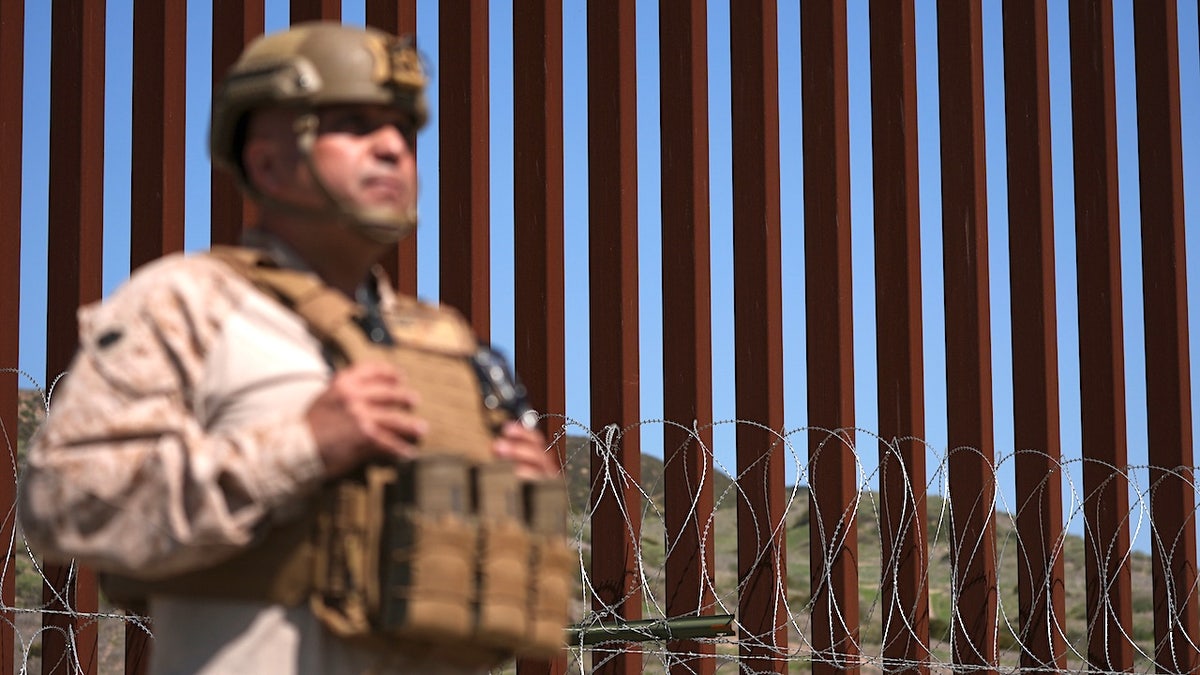
The Trump administration has made securing the border and deporting criminal illegal aliens a priority. (Gregory Bull/Associated Press)
That funding would be used to finish construction of the southern border wall, deploy new border security technology and support large-scale immigration enforcement operations, according to OMB.
A major focus is expanding detention and deportation capacity.
OMB said WFTC provides $75 billion for Immigration and Customs Enforcement (ICE), including funding to expand detention space to as many as 100,000 single-adult beds and 30,000 family-unit beds. It also includes $15.4 billion for transportation to increase removals and allows for a 67% increase in ICE staffing through 2029.
TRUMP UNLEASHES ‘TOUGHEST FENTANYL CRACKDOWN IN HISTORY’ AS GOP VOWS ‘CONSEQUENCES’ FOR CHINESE PRODUCERS
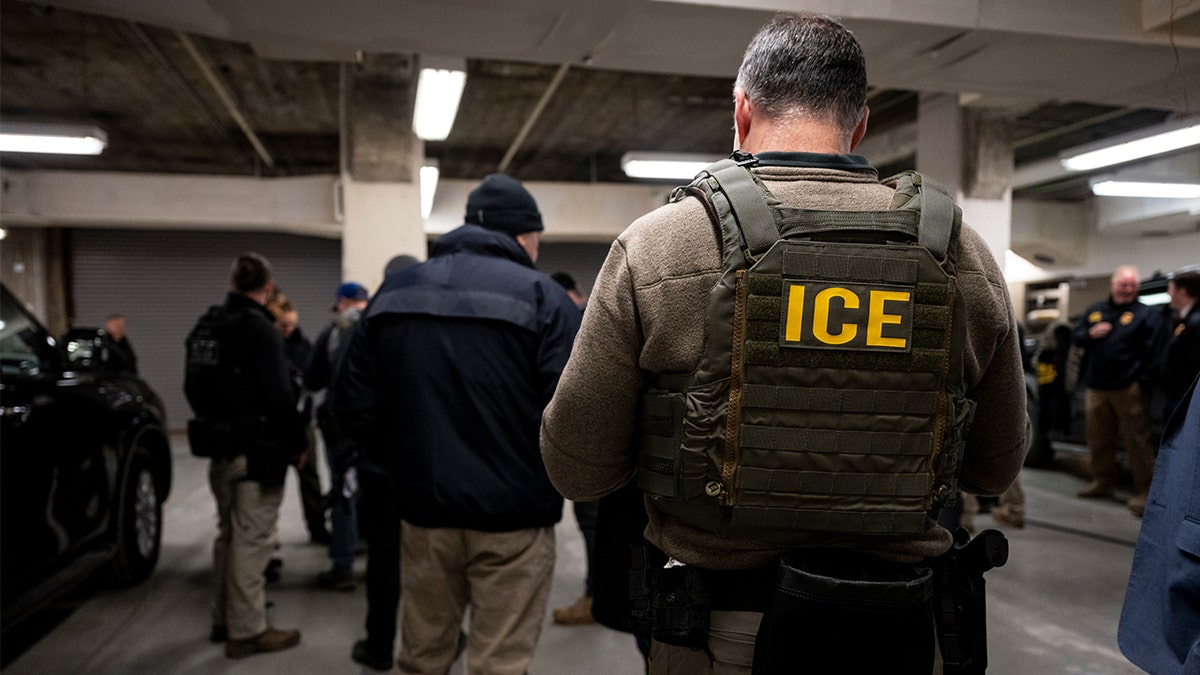
US Immigration and Customs Enforcement (ICE) agents, along with other federal law enforcement agencies, attend a pre-enforcement meeting in Chicago. (Christopher Dilts/Bloomberg)
The proposal also includes $899 million for immigration courts — a $99 million increase — which the administration says would help speed up deportation proceedings by adding judges and expanding courtroom space.
The administration has pointed to prior federal enforcement surges as evidence that a heavier law enforcement footprint can quickly reduce crime.
In Memphis, Tennessee, a Department of Justice-led operation involving federal agents and National Guard troops resulted in more than 1,700 arrests in a single month, including suspects tied to homicide, drug trafficking and gang activity, according to data previously reported by Fox News Digital. The operation also recovered nearly 300 firearms and located dozens of missing children.
TRUMP TASK FORCE RACKS UP 500 ARRESTS IN JANUARY AS PRESIDENT BRANDS CARTELS ‘ISIS OF THE WESTERN HEMISPHERE’
A similar federal task force effort in Washington, D.C., has led to more than 10,000 arrests since 2025 and the seizure of over 1,000 illegal firearms, according to prior Fox News Digital reporting. Violent crime in the district has dropped sharply during that period, including declines in homicides and robberies.
The Coast Guard would also see increased funding, with a $2.1 billion boost to operations aimed in part at stopping migrants and illegal drugs at sea, according to OMB.
CLICK HERE TO DOWNLOAD THE FOX NEWS APP
The broader fiscal 2027 budget is expected to include a significant increase in defense spending as well. Reuters reported that Trump is preparing to request a $1.5 trillion defense budget, potentially the largest year-over-year increase in post-World War II history, with funding for missile defense systems, fighter jets and warships.
Trump’s proposed FY 2027 budget is expected to be presented to Congress on April 3, Good Friday.
deportation, immigration, tren de aragua, illegal immigrants, border security
INTERNACIONAL
Bajo una fuerte presión de Estados Unidos, el régimen cubano anunció el indulto de 2.010 presos políticos
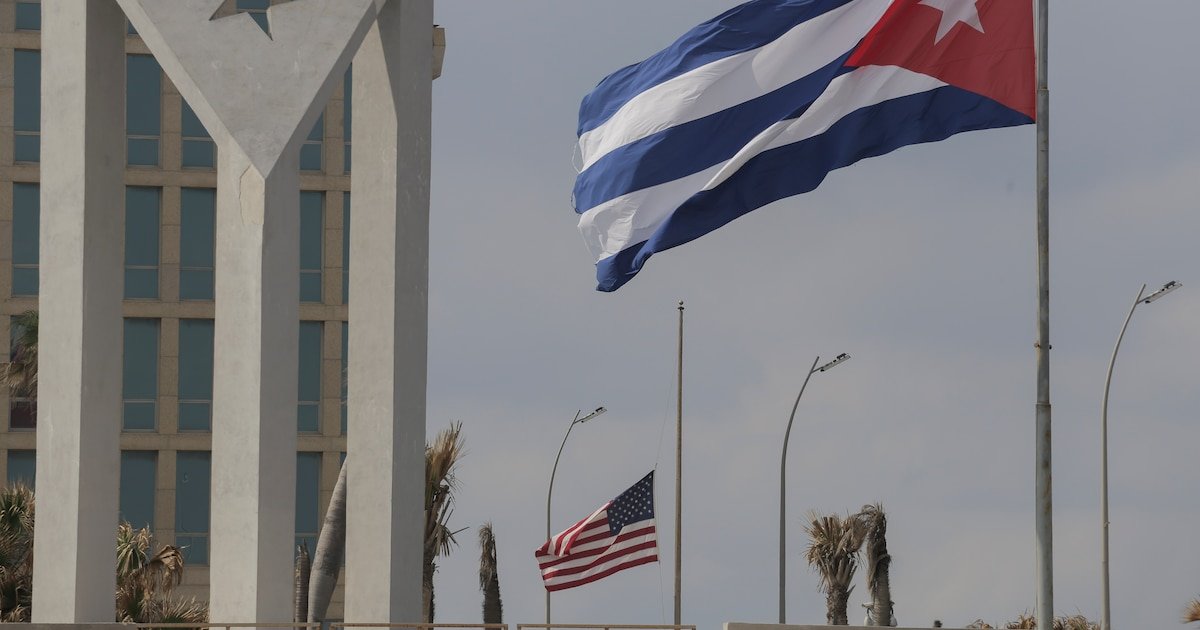
El régimen de Cuba anunció el jueves la liberación anticipada de 2.010 presos políticos como un “gesto humanitario” en el marco de la Semana Santa, marcando la segunda excarcelación masiva anunciada en menos de un mes, en un contexto de creciente presión desde Washington y el diálogo de La Habana con el Vaticano.
Según una nota oficial transmitida en la televisión estatal, el indulto aprobado por las autoridades del régimen responde a un “gesto humanitario y soberano” y coincide con las celebraciones religiosas.
Las autoridades cubanas no proporcionaron una lista de los beneficiarios ni detalles sobre los motivos de su detención, aunque aseguraron que se trata de reos que han cumplido una parte importante de su sanción y han mostrado buena conducta. El comunicado agregó que se tomó en cuenta el estado de salud de los indultados, entre quienes figuran jóvenes, mujeres, adultos mayores de 60 años, así como extranjeros y ciudadanos cubanos residentes en el exterior.
Según el anuncio, quedaron excluidos del beneficio quienes cumplen condena por delitos como agresión sexual, pederastia con violencia, asesinato, homicidio, tráfico de drogas, hurto, robo violento o con armas, corrupción de menores, delitos contra la autoridad, y reincidencia o multirreincidencia. Según la nota oficial, el indulto anunciado este jueves es el quinto que realiza el régimen cubano desde 2011, beneficiando a más de 11.000 personas en total.

Observatorio Cubano de Derechos Humanos vía X)
El anuncio se dio poco después de que la administración del presidente estadounidense Donald Trump flexibilizara el bloqueo petrolero que pesa sobre la isla desde hace casi tres meses. Estados Unidos permitió la llegada de un petrolero ruso para abastecer al país sumido en una grave crisis energética.
Trump reiteró su intención de propiciar un cambio de régimen en Cuba, considerada una “amenaza excepcional” por sus vínculos con Rusia, China e Irán para la región. En los últimos meses, el mandatario estadounidense endureció su retórica hacia La Habana e incluso sugirió la posibilidad de “tomar” la isla, gobernada por el Partido Comunista.
El pasado 12 de marzo, las autoridades anunciaron la liberación anticipada de 51 prisioneros como gesto de “buena voluntad” hacia el Vaticano, actor clave en las mediaciones históricas entre La Habana y Washington. Al día siguiente, el régimen de Miguel Díaz-Canel confirmó que Cuba mantiene conversaciones con Estados Unidos, tal como señalaba Trump desde mediados de enero.
El académico Michael Bustamante, de la Universidad de Miami, destacó, en diálogo con AFP, que no es la primera vez que las autoridades cubanas adoptan este tipo de medidas en vísperas de festividades religiosas como la Pascua, aunque rara vez a esta escala. “No parece descabellado pensar que esto sea una señal de que parte del diálogo entre ambos gobiernos (Washington y La Habana) está avanzando. Quizás con lentitud, pero avanzando”, señaló.

Un aspecto crítico del reciente indulto en Cuba es la exclusión de los delitos catalogados como “contra la autoridad”, una categoría que suele aplicarse a manifestantes y ciudadanos críticos, lo que deja fuera a personas sancionadas por motivos políticos. Además, la decisión de no incluir a quienes ya recibieron indultos previamente refuerza un enfoque punitivo que no distingue entre reincidencia común y situaciones surgidas en el contexto de la crisis social actual.
Este nuevo indulto se suma a otras excarcelaciones. En enero de 2025, se informó la liberación de 553 reclusos en el marco de negociaciones con Estados Unidos y la mediación de la Santa Sede. En años anteriores, también se produjeron indultos masivos, como los de 2.604 presos en 2019 y 787 en 2016.
La Iglesia católica ha sido durante décadas un canal de mediación entre Cuba y Estados Unidos y jugó un papel fundamental en el restablecimiento de relaciones diplomáticas en 2015, durante el segundo mandato de Barack Obama.
(Con información de AFP)
libertad,derechos humanos,protesta,banner,activismo,justicia,manifestación,rostros
INTERNACIONAL
Como con Kirchner en Argentina, sacaron un busto de Evo Morales del Palacio Legislativo en Bolivia
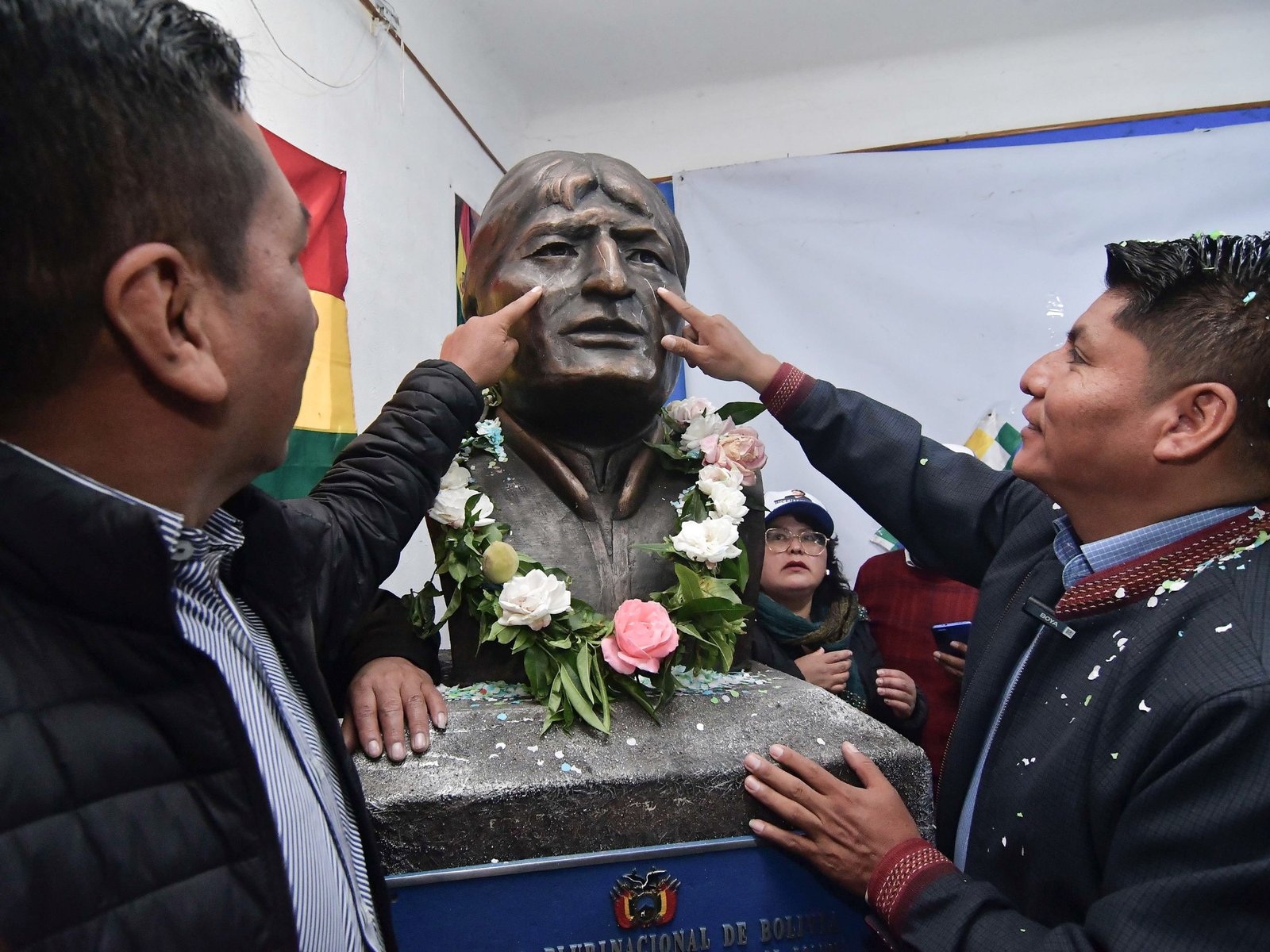
La figura de Evo Morales volvió a generar polémica en Bolivia, luego de que el Poder Legislativo retirara del Congreso un busto del expresidente y, tras una semana, se lo entregaran a militantes del dirigente cocalero. La situación recordó al retiro de una estatua de Néstor Kirchner en el Senado argentino.
«La Asamblea Legislativa debe recuperar su institucionalidad, es la casa de la democracia. Nunca más (debe haber) culto a ningún caudillo, sea de izquierda, de derecha o de centro. Aquí deben estar los símbolos patrios, nuestro escudo nacional, nuestra bandera de Bolivia», explicó el jueves Claudia Mallón, que promovió la resolución en la Cámara alta boliviana.
Mallón ya había quedado envuelta en polémica cuando, en febrero, pidió que se ofrezca una recompensa de 100 mil dólares para detener a Morales. El expresidente permanece desde octubre de 2024 en el Trópico de Cochabamba, su bastión político y sindical en el centro del país, para evitar ser detenido por un proceso en su contra por presunta trata agravada de personas, en el que la Fiscalía lo acusa de haber tenido una relación con una menor de edad con quien supuestamente tuvo un hijo en 2016, cuando era presidente.
En esa oportunidad, la senadora recibió «más de un centenar de amenazas, insultos e improperios» por la propuesta de un premio económico para atrapar a Morales.
El busto del expresidente se encontraba hasta la semana pasada en el vestíbulo principal del Palacio Legislativo boliviano. Lo habían colocado allí en enero de 2011, en medio de la extensa estadía del ahora exmandatario (fue jefe de Estado entre enero de 2006 y noviembre de 2019). Supuestamente, fue donado por un seguidor.
«Los que consideran que ese busto les pertenece pueden reclamarlo, llevarlo al patio de sus casas o al chaco (parcela) de un prófugo de la justicia como es Evo Morales», afirmó Mallón.
Mallón sostuvo que quienes acrediten con documentos que el busto les pertenece «pueden llevárselo» e insistió en que con su retiro se busca «recuperar la institucionalidad» del Parlamento.
Este jueves, dirigentes que responden a Evo Morales recogieron la escultura, que pasó una semana en un depósito del antiguo edificio del Parlamento de Bolivia. Lo llevarán a la sede partidaria del MAS. Denuncian que algunos senadores querían fundir el busto.
«Él decidirá en qué lugar se va a quedar de manera perpetua», dijo Omar Ramírez, de la fuerza Evo Pueblo, que subrayó que la localización definitiva rsponderá al deseo del expresidente.
Agradeció que los funcionarios administrativos de la Asamblea Legislativa entregaran la escultura porque, según el político, supuestamente algunos parlamentarios «ejercieron una fuerte presión» para que la imagen no fuera entregada, ya que tenían la intención de fundirla «y hacer barbaridades en actos públicos».
El Senado también había dispuesto que la escultura no fuera instalada en ninguna otra parte del Legislativo, lo cual provocó una reacción de los leales al mandatario para pedir su entrega.
El busto de Morales fue instalado en el vestíbulo del antiguo Palacio Legislativo durante el periodo 2011-2012.
El gobernador electo del departamento central de Cochabamba, el exsenador Leonardo Loza, destacó en la misma rueda de prensa que el busto fue «rescatado» de la sede del Legislativo.
«Evo es pueblo. La imagen del pueblo Evo Morales. Como alguien decía, podrán intentar destruir nuestra imagen, pero Evo Morales está en tantos hospitales que ha construido», dijo Loza, afín al exgobernante.
La gobernación de Cochabamba es la única plaza de peso ganada por el ‘evismo’ en los comicios regionales del pasado 22 de marzo, después de que en 2021 su partido tenía tres gobernadores.
La declinación del «evismo» y del Movimiento al Socialismo (MAS) tuvo como una causa el enfrentamiento entre Morales y el expresidente Luis Arce (2020-2025), preso desde diciembre por denuncias de corrupción.
La acusación formal contra el expresidente fue presentada en octubre pasado y está pendiente de que la Justicia fije la fecha para el inicio del juicio por este caso y que la Policía cumpla con la orden de captura vigente contra Morales.
La situación ocurrida en los últimos días en Bolivia recordó al caso del busto de Néstor Kirchner que Victoria Villarruel -vicepresidenta de la Nación y presidenta del Senado- mandó retirar del Salón de las Provincias, del Senado. «No fue senador, no fue vicepresidente y yo no soy su viuda», explicó Villarruel su decisión en febrero de 2024.
Desde el kirchnerismo hubo fuertes críticas a la vicepresidenta. El busto de Kirchner fue derivado en el bloque de Unión por la Patria. En su lugar, Villarruel inauguró uno de Isabel Perón, el 17 de octubre de 2024, en coincidencia con el Día de la Lealtad peronista.

Explican las escenas poscréditos de Super Mario Galaxy: La Película – Nintenderos

Atento Boca: goleó la Católica

Mahiques está cerca de completar la renovación en el Ministerio de Justicia: qué funcionarios llegaron y qué falta

Como es el Veraz del Banco Central y qué significa cada calificación

Trump 2027 budget preview hints at sweeping scale-up in core agenda

Bajo una fuerte presión de Estados Unidos, el régimen cubano anunció el indulto de 2.010 presos políticos

Dos jubiladas que le habrían prestado dinero a Manuel Adorni negaron conocerlo

Quiénes son las dos acreedoras del préstamo con el que Adorni compró su departamento en Caballito

El Gobierno reevalúa la estrategia de comunicación por el caso Adorni y mide el impacto en la imagen de Milei

Milei se pone al frente de la defensa de Adorni y lo suma a un acto por Malvinas en una nueva muestra de respaldo

 POLITICA3 días ago
Dos jubiladas que le habrían prestado dinero a Manuel Adorni negaron conocerlo
- POLITICA2 días ago
El Gobierno reevalúa la estrategia de comunicación por el caso Adorni y mide el impacto en la imagen de Milei
- POLITICA18 horas ago
Milei se pone al frente de la defensa de Adorni y lo suma a un acto por Malvinas en una nueva muestra de respaldo