
INTERNACIONAL
Con la muerte de “El Mencho”, México aleja el fantasma de la intervención de Trump

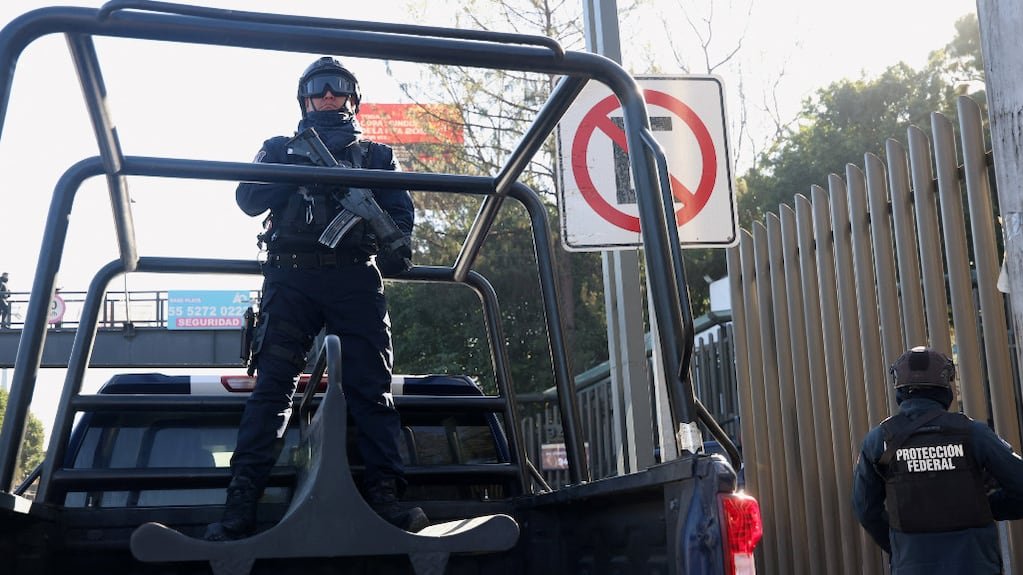
Tras la muerte de “El Mencho“, el líder del Cartel de Jalisco Nueva Generación, la presidenta de México, Claudia Sheinbaum, tomó una profunda bocanada de aire fresco frente a la persistente intimidación de Donald Trump y alejó el fantasma de una intervención estadounidense contra el narcotráfico.
El mensaje que subió desde Ciudad de México a Washington es fuerte. La mandataria izquierdista se alejó de la política conocida como “Abrazos, no balazos” llevada adelante por su mentor y antecesor, Andrés Manuel López Obrador.
Leé también: Así fue la caída de “El Mencho”, el capo narco mexicano: el seguimiento a una de sus amantes, la pista clave
Ahora, la lucha es frontal desde el poder federal, en un giro total de la política de seguridad del país, tras un año de fuertes presiones de Trump que llegaron no solo a la aplicación de aranceles, sino hasta amenazas de una intervención militar contra los distintos carteles del narcotráfico.
“El abatimiento de El Mencho es un hecho histórico que marca un precedente de seguridad en México, en la política de seguridad de Sheinbaum y también en la de Estados Unidos”, dijo a TN el analista mexicano y director de El Medio Importa, Mauricio González.
Aumento de la cooperación y adiestramiento a cargo de marines
La muerte de Nemesio Oseguera Cervantes, alias “El Mencho”, se produjo en un contexto de fuerte aumento de la cooperación bilateral en materia de seguridad que incluyó la presencia de marines estadounidenses en el terreno.
El Senado mexicano autorizó el 11 de este mes la entrada de 19 efectivos del cuerpo de los Navy Seals que participaron cuatro días después en actividades militares conjuntas de adiestramiento con las Fuerzas Armadas mexicanas.
La presidenta de México, Claudia Sheinbaum (Foto: REUTERS/Raquel Cunha)
El objetivo apuntó a “mejorar las capacidades de las Fuerzas de Operaciones Especiales” que combaten al narcotráfico en el terreno.
Pero el éxito del operativo que acabó con el reinado de El Mencho se vio opacado por la ola de violencia desatada por el cartel en varios estados del país. Ahora, el gobierno de Sheinbaum deberá demostrar capacidad de gestión para evitar una nueva oleada de violencia como la que sacudió el domingo vastas zonas de Jalisco y otras regiones.
“Para Estados Unidos, la captura de “El Mencho” es un éxito en sí mismo, algo que Trump podrá cacarear a sus votantes. Para México, la captura solo será un éxito si mejora la percepción de seguridad de los mexicanos”, dijo la politóloga mexicana Viri Ríos en el diario Milenio de Jalisco.
Para la analista, “lo más relevante del abatimiento (…) no es el operativo en sí mismo, sino si el gobierno está preparado para contener la violencia que podría detonarse luego de la muerte de El Mencho”.
Leé también: Ante la ola de violencia en México, la Cancillería argentina recomienda no viajar a Jalisco
El director editorial del periódico, Oscar Cedillo, destacó el giro estratégico de la política del gobierno federal contra el narcotráfico.
“El contexto político también cuenta: el operativo ocurrió días después de que el Senado autorizara el ingreso de militares estadounidenses para capacitación y en el marco de la visita del secretario de Estado, Marco Rubio. La intervención directa de tropas extranjeras sigue descartada, pero el intercambio de inteligencia es una realidad operativa. Incluso el silencio inusual de Donald Trump sugiere coordinación previa. En seguridad, el silencio comunica“, afirmó.
Para Cedillo, esta fue una “victoria significativa que envía un mensaje hacia adentro y a Washington. ´Abrazos, no balazos´ fue una apuesta política para desescalar la violencia desde una lógica social; la detención y abatimiento de El Mencho representa una afirmación directa del poder estatal. Habrá que entender qué momento histórico exige qué instrumento. El país pasó del humanismo discursivo al realismo estratégico“. indicó.
Sin presencia militar estadounidense, pero con más cooperación de inteligencia
En su rueda de prensa matutina, la presidente Sheinbaum descartó la presencia de tropas estadounidenses en el operativo. “No hay participación en la operación de fuerzas de Estados Unidos, lo que hay es mucho intercambio de información”, dijo.
Para Mauricio González, “este tipo de golpes van a reforzar la participación y la coordinación” de Estados Unidos en la lucha contra el narco.
“Pero de ahora en adelante viene el reacomodo de fuerzas del Cartel y como se reestructura la sucesión. Cuando se atrapa o muere el líder de estos grupos, en tres segundos ya hay un sucesor”, dijo. Caso contrario, estalla la violencia por el control de la plaza.
México, Narcotráfico, Claudia Sheinbaum










INTERNACIONAL
Un triángulo amoroso y un crimen brutal: el caso de la ciclista asesinada por la novia de su amigo
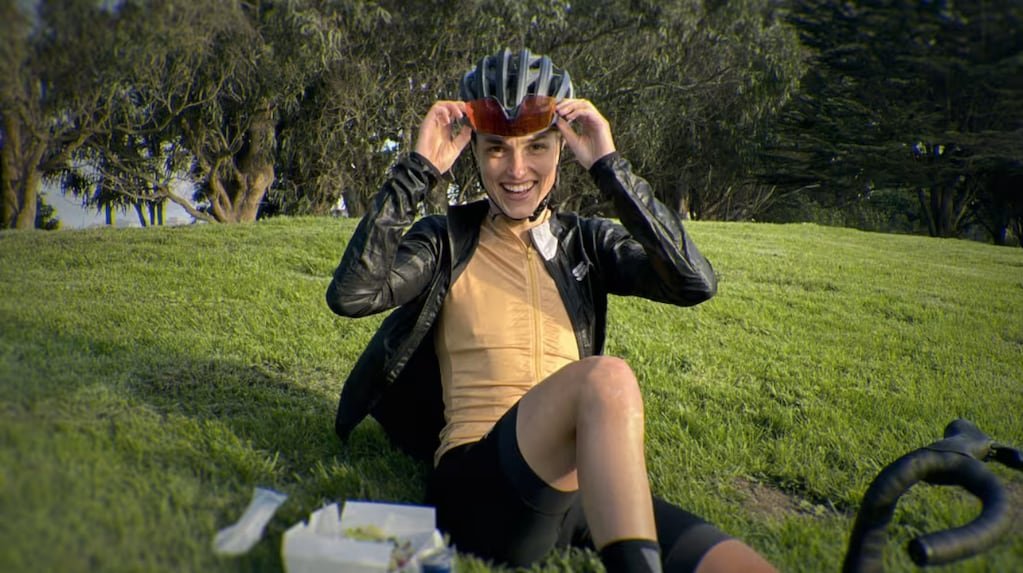
En la noche del 11 de mayo de 2022, el silencio de una casa ubicada en la ciudad estadounidense de Austin, en Texas, se quebró de forma inesperada y brutal. Poco antes de las 22, una joven llamada Caitlin Cash encontró a su amiga gravemente herida en el piso. Tenía impactos de bala en diferentes partes del cuerpo, y no había señales de robo o de alguna pelea previa en el lugar. A primera vista, la escena indicaba que el crimen hablaba de algo personal.
La víctima era Moriah Wilson, una ciclista profesional de 25 años que había llegado a la ciudad para competir en una carrera. Horas antes, había salido a cenar con un amigo, como parte de una rutina normal. Sin embargo, en cuestión de horas, todo terminaría en un crimen que rápidamente captó la atención de la policía y de la opinión pública.
La autopsia confirmó lo que ya se sospechaba: había sido asesinada. La joven recibió tres disparos, dos en la cabeza y uno en el pecho, cuando ya estaba en el piso. No fue un ataque al azar, sino -según determinó la Justicia después- un crimen motivado por “celos”.
Una apasionada por el ciclismo
Moriah Wilson había nacido el 18 de mayo de 1996 en el estado de New Hampshire y crecido en Vermont, en una familia donde el deporte ocupaba un lugar central. Desde chica se destacó como esquiadora, pero con el tiempo encontró su verdadera pasión en el ciclismo.
Se graduó en el Dartmouth College con un título en Ingeniería, pero decidió apostar por una carrera profesional en el ciclismo de gravel, una disciplina exigente que combina rutas pavimentadas y terrenos irregulares.
Moriah Wilson era una apasionada del ciclismo y el deporte desde muy chica. (Foto: WSJ)
Sus allegados que la conocían bien la describían como una joven enfocada, amable y apasionada por lo que hacía. Antes de dedicarse por completo al deporte, había trabajado en Especialized, una empresa que fabrica bicicletas y accesorios para ciclistas.
Para 2022, a sus 25 años, su carrera estaba en ascenso: viajaba por distintas ciudades compitiendo y construyendo su nombre dentro del circuito. Su llegada a Austin tenía ese objetivo, aunque nunca se imaginó que ese viaje sería el último.
Los sospechosos
En las primeras horas de la investigación se descartó un robo o un ataque al azar. Por ello, la atención se centró rápidamente en el entorno cercano de la víctima, especialmente en Colin Strickland, el hombre con el que Wilson había pasado las horas previas a su muerte.
Strickland también era ciclista profesional y tiempo antes había mantenido una relación amorosa con la víctima, aunque luego habían quedado como amigos. Al momento del crimen, estaba en pareja con una mujer de 35 años llamada Kaitlin Armstrong.
Si bien en un principio negó conocer a Wilson, luego admitió que habían tenido un vínculo y que incluso había ocultado mensajes para evitar conflictos con su novia actual. Ese dato fue clave y los investigadores comenzaron a reconstruir una posible motivación.

Colin Strickland, ciclista y exnovio de Wilson, fue uno de los primeros sospechosos en la causa. (Foto: The Sun)
Posteriormente, las cámaras de seguridad dieron el siguiente indicio: un Jeep negro, vinculado a Armstrong, había sido captado cerca de la escena del crimen en el momento del asesinato. La evidencia balística reforzó la sospechas: una vaina encontrada en el lugar coincidía con una pistola que pertenecía a Armstrong.
A eso se sumaron testimonios que indicaban que la mujer estaba al tanto de la relación entre Strickland y Wilson y que había manifestado enojo e incluso intenciones violentas.
Armstrong fue detenida inicialmente, pero un error administrativo en la orden de detención permitió su liberación. Pero para ese entonces, ya era la principal sospechosa.
Días después, cuando la policía intentó avanzar nuevamente, descubrió que había desaparecido.
Leé también: Se obsesionó con una serie sobre un asesino, armó un plan para imitarlo y terminó preso por un cuaderno
La captura y la condena
La historia dio un giro inesperado cuando Kaitlin Armstrong logró escapar de Estados Unidos. Su plan consistió en usar el pasaporte de su hermana y viajar a Costa Rica, donde intentó empezar una nueva vida bajo una identidad falsa.
Durante 43 días estuvo prófuga de la Justicia: cambió su apariencia, se hizo cirugías estéticas, se tiñó el pelo y se movió entre distintos lugares. Sin embargo, un detalle terminó siendo clave: publicó un aviso en el que buscaba trabajo como instructora de yoga. Ese rastro permitió a los investigadores localizarla.
De esta manera, el 29 de junio de 2022 fue detenida en un hostal y extraditada a Estados Unidos.
Kaitlin Armstrong fue detenida luego de permanecer prófuga por más de 40 días. (Foto: People)

El proceso judicial avanzó con demoras, pero finalmente el juicio comenzó en octubre de 2023. La fiscalía presentó un caso sólido basado en pruebas físicas, registros de cámaras, testimonios y el contexto de la relación entre los involucrados.
Detrás del crimen, los investigadores reconstruyeron un vínculo atravesado por “tensiones y celos”. Moriah Wilson había conocido a Colin Strickland en 2021, durante una carrera, y con el tiempo comenzaron una relación que, aunque breve, derivó luego en una amistad cercana.
El antes y después de Kaitlin Armstrong tras las cirugías estéticas que se hizo para evadir a la Justicia. (Foto: People)

Sin embargo, Strickland mantenía una relación intermitente con Armstrong, con quien incluso compartía un negocio. Según la reconstrucción, el 11 de mayo de 2022, Wilson se reunió con él sin saber que Armstrong estaba al tanto de ese encuentro.
Para la Justicia, ese fue el punto de quiebre: la sospechosa, “consumida por los celos”, siguió a la joven hasta el departamento donde se alojaba y la asesinó a sangre fría.
Leé también: Una doble vida, una desaparición y un hallazgo inquietante: el caso del asesino que conmocionó a Dinamarca
Poco antes de que termine el debate, Armstrong volvió a intentar escapar: logró huir brevemente durante un traslado médico, pero fue recapturada poco después.
El 16 de noviembre de 2023, la Justicia la declaró culpable de asesinato y la condenó a 90 años de prisión, con posibilidad de libertad condicional recién después de tres décadas.
Estados Unidos, Triángulo amoroso, Asesinato

NEWYou can now listen to Fox News articles!
A miner in Mexico was saved in an «astonishing rescue» after spending nearly two weeks trapped underground, officials said.
A dam breach caused by a structural failure flooded the El Rosario mine in the northern Mexican state of Sinaloa on March 25, trapping Francisco Zapata Nájera and three co-workers. Zapata Nájera was located on Tuesday by divers, but the rescue teams were unable to reach him through heavily flooded areas until 21 hours later.
«The exceptional members of the Mexican Army’s Emergency Response Battalion, along with the faith and resilience of a miner, made this astonishing rescue possible after 13 days,» Mexican President Claudia Sheinbaum wrote on X. «I’m certain that all Mexicans, every one of us, hold you in our hearts.»
Of the 25 miners present during the accident, 21 escaped immediately. Five days later, rescuers pulled one survivor from a depth of 985 feet.
AMERICAN SKIERS RESCUED AFTER GETTING LOST NEAR OLYMPIC VENUE IN THE ITALIAN ALPS
Rescue teams transport miner Francisco Zapata Najera after rescuing him during a search for four miners following a collapse at a mine in El Rosario, Sinaloa, Mexico, on April 8, 2026. (Stringer/Reuters)
Sheinbaum confirmed that another miner has been found dead and one more is still missing.
In a video released Wednesday, clapping could be heard from a crowd that gathered as Zapata Nájera was removed from the mine, seeing daylight for the first time this month.
CREWS RESCUE TEEN FROM 50-FOOT DEEP CALIFORNIA MINESHAFT
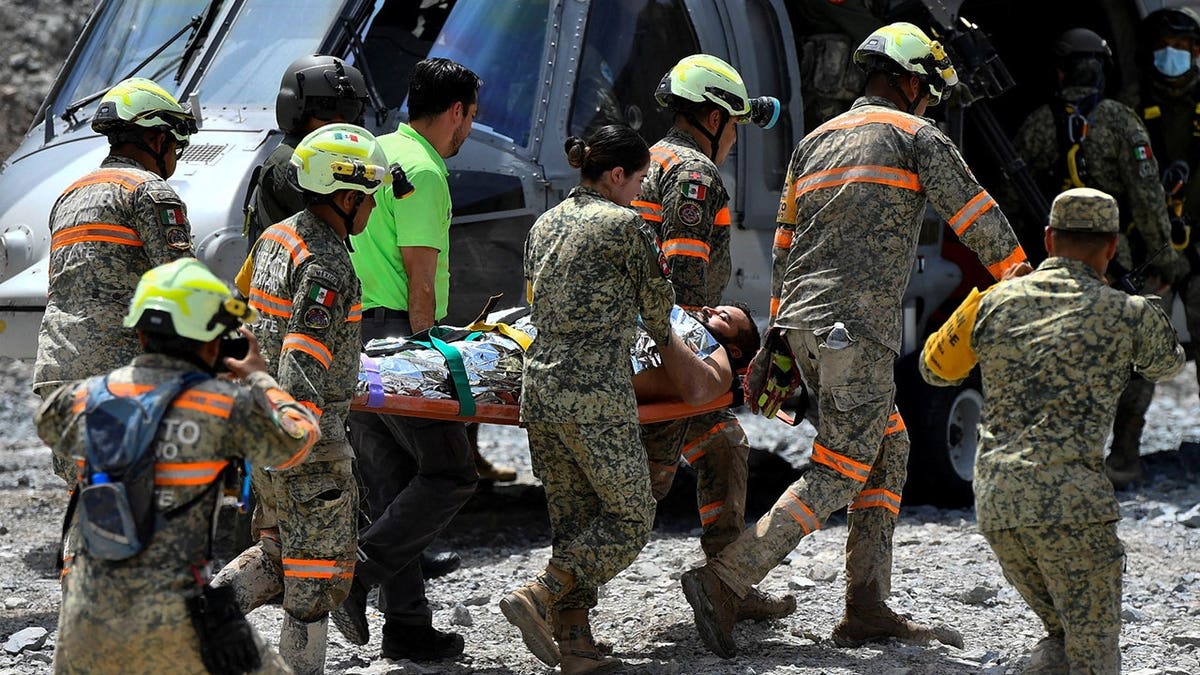
Rescue teams transport miner Francisco Zapata Najera on a stretcher following his rescue on April 8, 2026. (Stringer/Reuters)
His condition was stabilized and he was sent in a Mexican Air Force helicopter to a hospital in Mazatlán, where he will be treated by specialists, officials said.
Mexico’s deadliest mining accident took place in February 2006 at the Pasta de Conchos mine in Coahuila, where an explosion killed 65 workers.
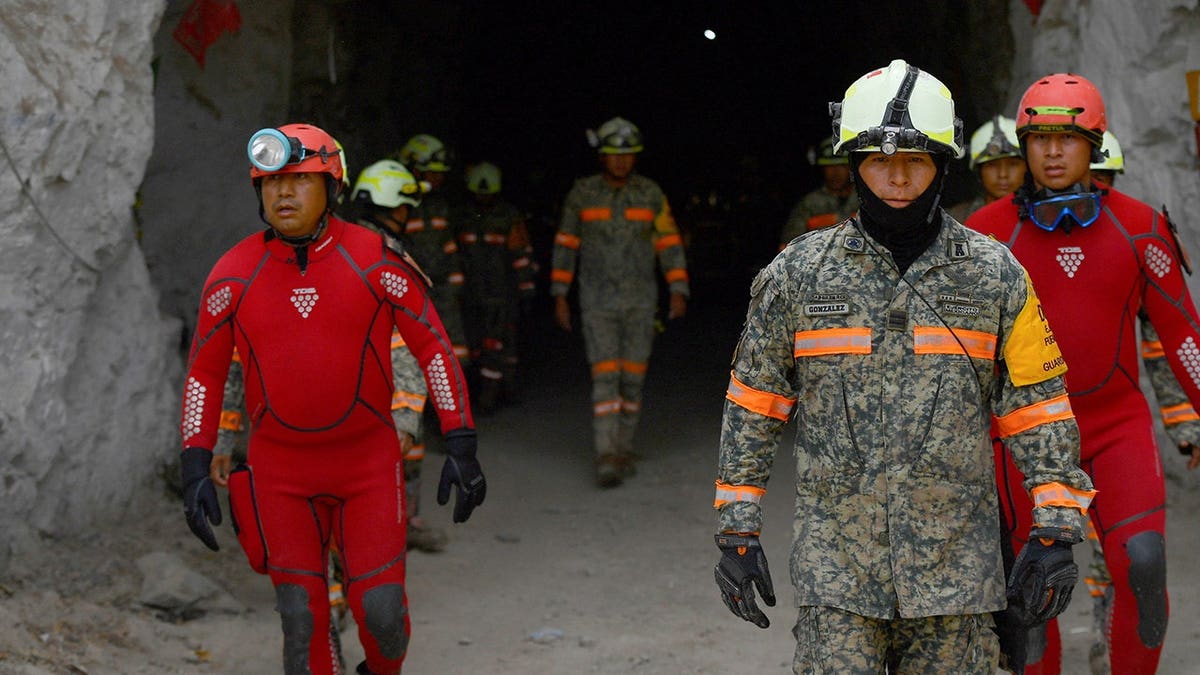
Rescue teams are seen leaving the El Rosario mine on Wednesday, April 8, 2026. (Stringer/Reuters)
CLICK HERE TO DOWNLOAD THE FOX NEWS APP
In August 2022, 10 miners died when the El Pinabete coal mine in Coahuila flooded.
The Associated Press contributed to this report.
heroism, location mexico, national guard, mexico, floods disasters
INTERNACIONAL
Unearthed clip exposes shocking claim by Newsom’s wife about inmates at violent California prison
NEWYou can now listen to Fox News articles!
California Governor Gavin Newsom’s wife, Jennifer Siebel Newsom, is getting raked over the coals for comments she made several years ago, suggesting criminals housed in a notorious California prison, which was known for housing violent criminals and death row prisoners, got there by «accident.»
Siebel Newsom’s comments came as she was discussing a tragedy in her younger life at an event in 2016. A few days before her seventh birthday, Siebel Newsom was involved in a fatal golf cart accident that ultimately killed her sister.
«I had to be very raw when we interviewed the young men who were juvenile offenders at San Quentin. I told them about my own loss, where I lost my older sister a few days before my seventh birthday and I blame myself for her death and I share that because they ultimately were accused of committing these violent crimes and sentenced for life, and I think it shocked them that this blonde lady, who was interviewing them, had a similar story – was perhaps in the wrong place at the wrong time – but wasn’t punished the way they were because clearly it was an accident, but theirs was probably an accident too,» Siebel Newsom said when discussing ways to connect with others.
NEWSOM’S WIFE SLAMS TRUMP FIRINGS OF BONDI, NOEM, SPARKING PANEL DEBATE
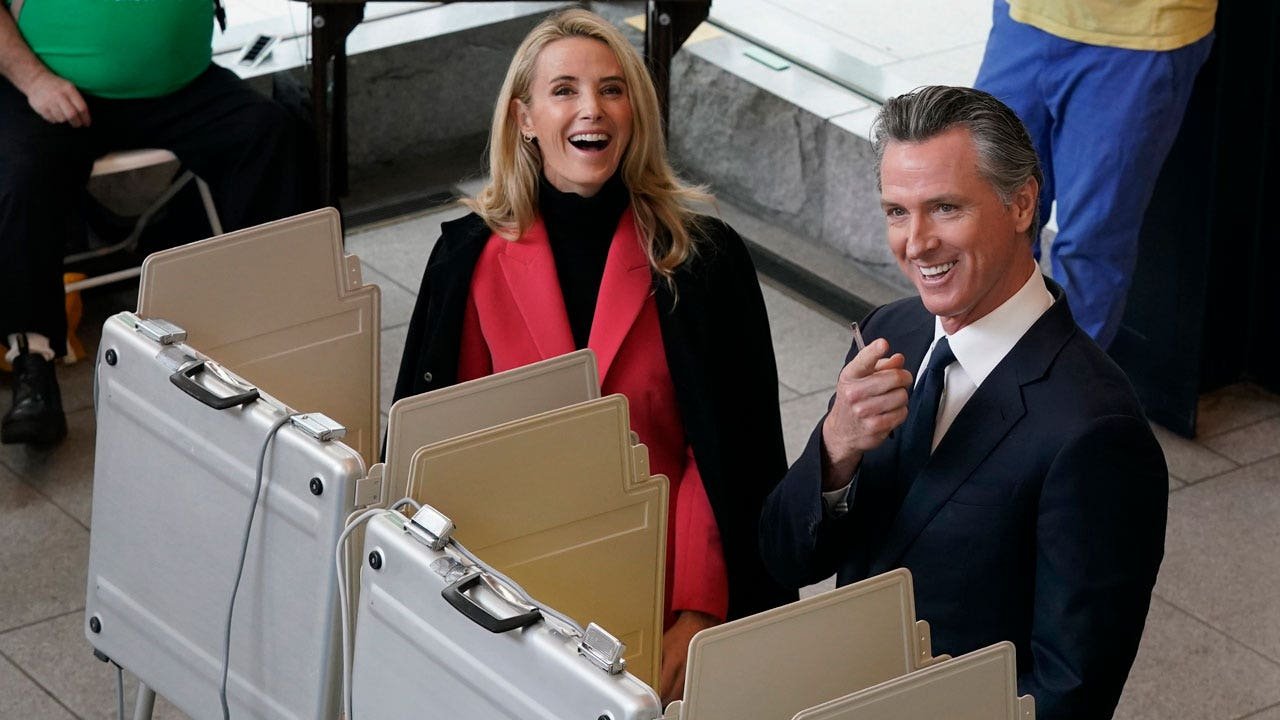
Democrat California Gov. Gavin Newsom stands with wife Jennifer at a Sacramento voting center. (AP Photo/Rich Pedroncelli)
«Anyways, I share that – I guess – I quite enjoy spending time with people and being real and unmasking and showing them that it’s safe to unmask themselves.»
A spokesperson for Governor Newsom’s wife clarified that the remarks in the 2016 interview with the first partner, were referring to incarcerated individuals for her 2015 documentary «The Mask You Live In.»
The spokesperson did not provide an on-the-record statement but did point Fox News Digital to a social media post from Gov. Newsom’s press office calling out the media for being «focused on running nonstop hit pieces on California’s First Partner,» while the president is «threatening to obliterate a civilization tonight.»
On Tuesday, the same day the clip began going viral on social media, President Donald Trump issued an ominous message on his social media platform Truth Social, indicating «a whole civilization will die tonight,» amid his threat of a looming U.S. attack against Iranian bridges and power plants.
«This is the MAGA distraction machine — in full force,» concluded the social media post, which included news segments criticizing Siebel Newsom on Tuesday.
GAVIN NEWSOM’S WIFE SAYS SHE GAVE HER BOYS DOLLS TO PLAY WITH IN RESURFACED CLIP
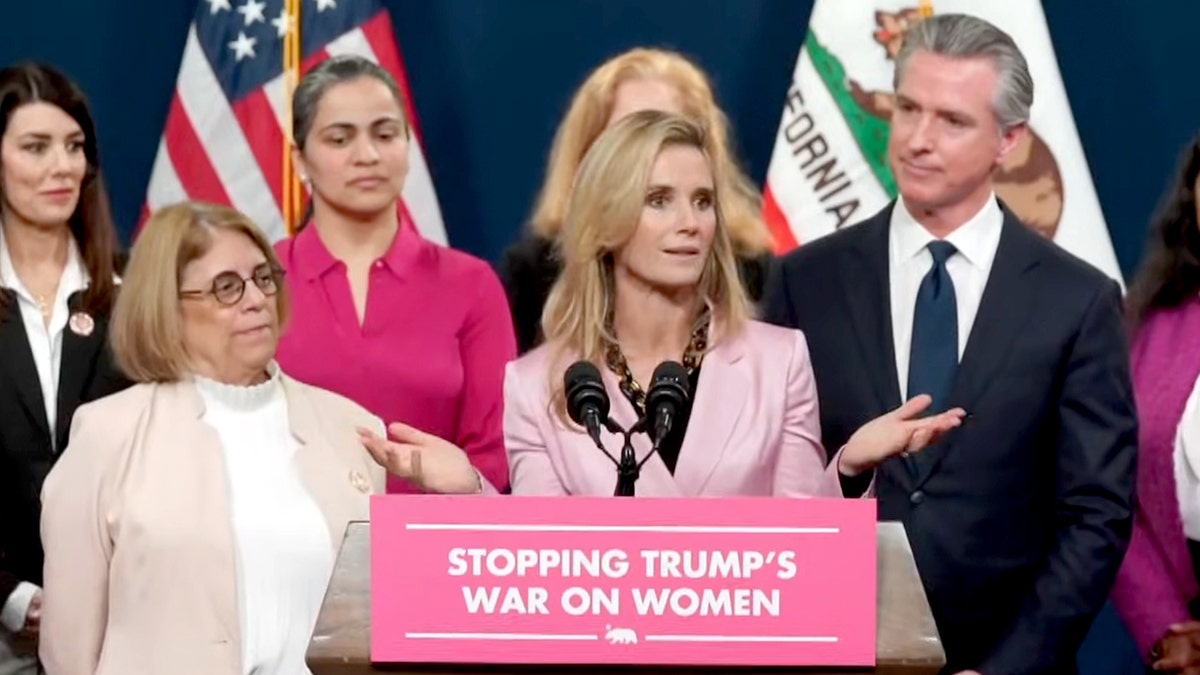
Jennifer Siebel Newsom speaks at Planned Parenthood funding bill signing ceremony (Screenshot/Gavin Newsom’s YouTube Page)
However, Siebel Newsom’s resurfaced comments still garnered attention on Tuesday from conservative critics who called the California governor’s spouse out for virtue signaling.
In direct response to Siebel Newsom’s claims that San Quentin inmates got in their position by «accident,» Rep. Tim Burchett, R-Tenn., shot back sarcastically: «Yeah, like the time that guy accidentally stabbed that dude 27 times.»
«What the…» commented Assistant Attorney General for Civil Rights at the U.S. Department of Justice, Harmeet Dhillon, in a social media post responding to the 2016 remarks.
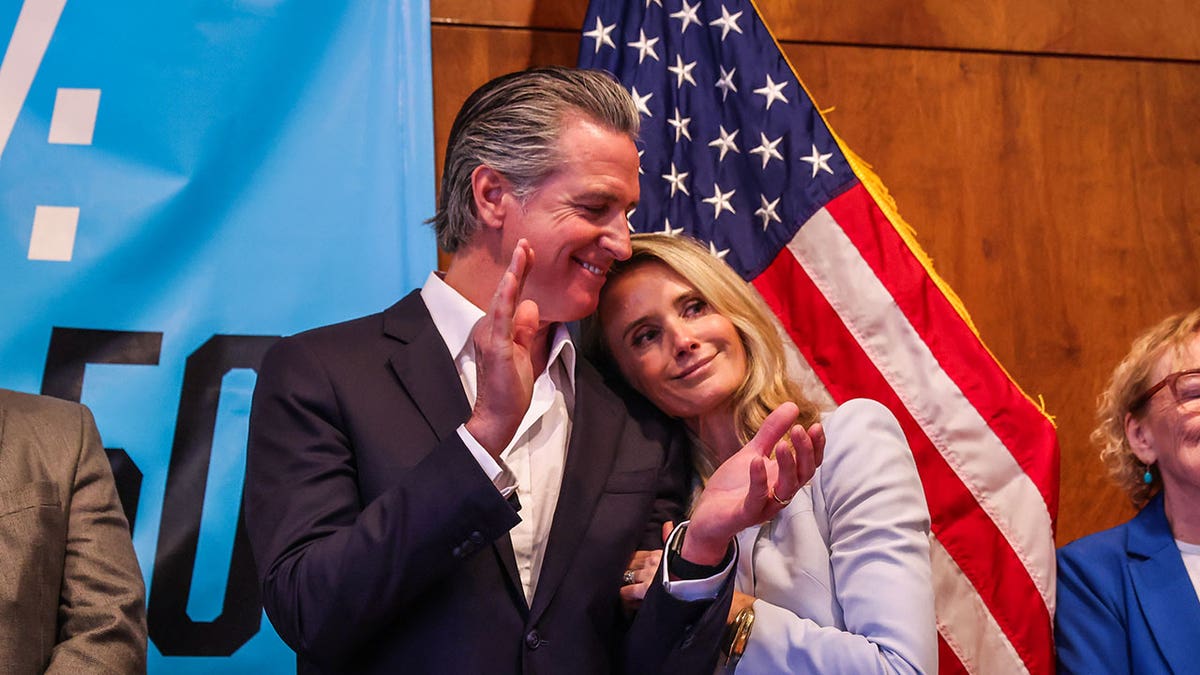
California Gov. Gavin Newsom and first partner Jennifer Siebel-Newsom embrace during a campaign event in support of Proposition 50 in San Francisco, Monday, Nov. 3, 2025. (Gabrielle Lurie/San Francisco Chronicle via Getty Images)
CLICK HERE TO DOWNLOAD THE FOX NEWS APP
«She represents everything that is wrong with California,» comedian Adam Carolla added.
«Newsom’s wife’s latest virtue signal is telling San Quentin lifers that she faced zero consequences when her sister was killed because it was an accident, then telling them their life sentences are probably for ‘accidents’ too,» wrote conservative women’s sports activist Riley Gaines. «Peak elite tone-deafness.»
gavin newsom, california, crime world, blue city crime, assassinations murders, politics

Ni “mts” ni “m.”: cuál es la forma correcta de abreviar “metro”, según la RAE

La inflación en EE.UU. escala al 3,3% anual y se encienden las alarmas por las tasas de interés

El fiscal investiga las refacciones en la casa del country de Adorni y citó a declarar al responsable de las obras

La inflación interanual en Estados Unidos subió al 3,3 por ciento arrastrada por el precio de los combustibles

Chelsea sigue firme: aceptó las disculpas de Enzo Fernández, pero no levantó la sanción

ATE convocó a un paro nacional con movilización para el 21 de abril

Mario Kart Tour avanza su siguiente temporada de primavera con ciudades europeas – Nintenderos

Melania Trump’s forceful Epstein denial draws bipartisan support from lawmakers

Un gobernador presentó un amparo contra la reforma de la Ley de Glaciares y pidió suspender su aplicación

Trump blasts Biden admin for releasing illegal immigrant now charged in fatal hammer attack on Florida mother
-
 SOCIEDAD6 horas ago
Mario Kart Tour avanza su siguiente temporada de primavera con ciudades europeas – Nintenderos
-
 INTERNACIONAL6 horas ago
Melania Trump’s forceful Epstein denial draws bipartisan support from lawmakers
-
 POLITICA5 horas ago
Un gobernador presentó un amparo contra la reforma de la Ley de Glaciares y pidió suspender su aplicación