INTERNACIONAL
Cruz warns conservatives ‘will regret’ FCC censorship push against ABC, other media outlets

NEWYou can now listen to Fox News articles!
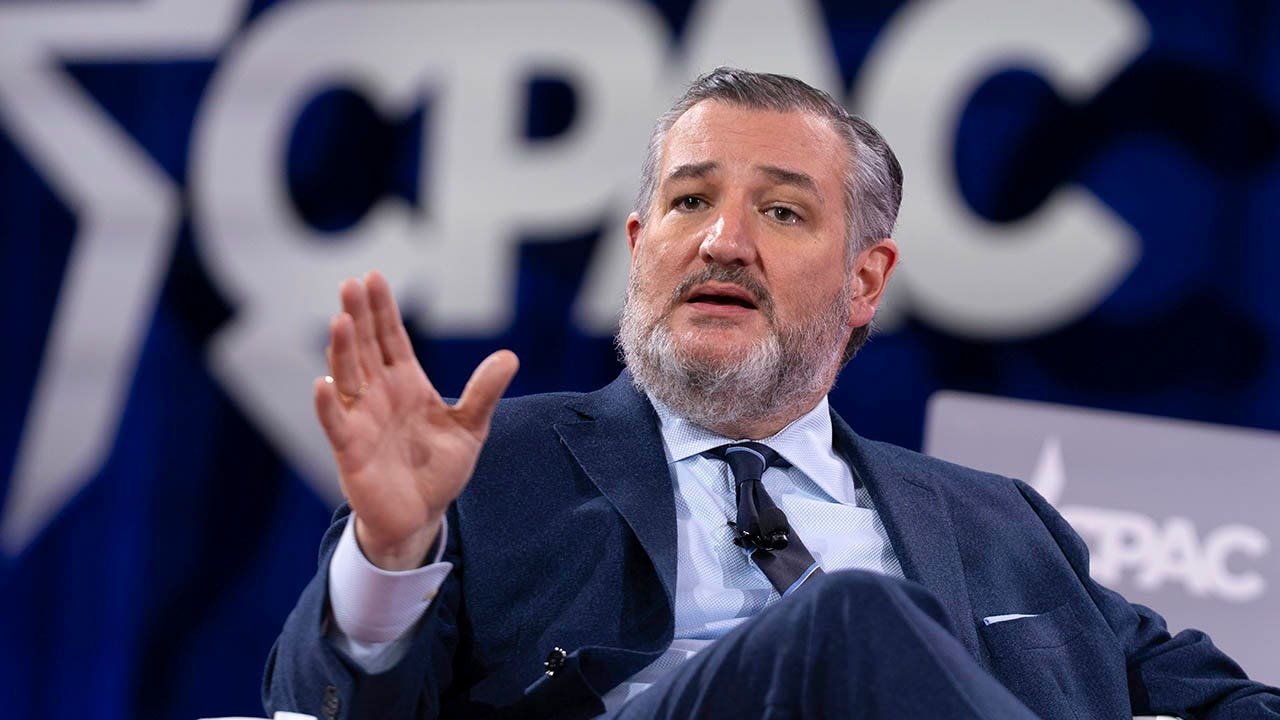
Sen. Ted Cruz, R-Texas, in his podcast «Verdict with Ted Cruz» on Friday cautioned those advocating for Federal Communication Commission (FCC) action against adversaries, noting if a censorship precedent is set, «every conservative in America … will regret it.»
ABC suspended late-night host Jimmy Kimmel «indefinitely» after he said the alleged assassin of Turning Point USA co-founder Charlie Kirk was a fellow MAGA supporter.
Kimmel failed to set the record straight after the indictment against suspect Tyler Robinson was made public on Tuesday, prompting a response from Federal Communications Commission (FCC) Chair Brendan Carr, who told Fox News’ Sean Hannity the agency plans to reinvigorate enforcement of the public interest obligation.
DAVID MARCUS: FCC ISN’T ‘GOING AFTER’ ABC, IT’S PROTECTING PUBLIC AIRWAVES
Sen. Ted Cruz said it would be a mistake for the FCC to ramp up action against television stations. (Kayla Bartkowski/Getty Images)
The FCC grants broadcast licenses on the condition that stations serve the «public interest, convenience, and necessity.»
Though the First Amendment protects free speech, the agency can revoke or deny license renewal if there is misrepresentation, fraud or lack of character or candor.
In Cruz’s podcast on Friday, he questioned Carr’s decision to crack down on stations accused of misrepresentation or false statements, claiming «what he said there is dangerous as hell.»
«What he is saying is Jimmy Kimmel was lying. That’s true, he was lying, and lying to the American people is not in the public interest,» Cruz said. «He threatens explicitly—we’re going to cancel ABC News’ license. We’re going to take him off the air, so ABC cannot broadcast anymore. … He threatens it.»
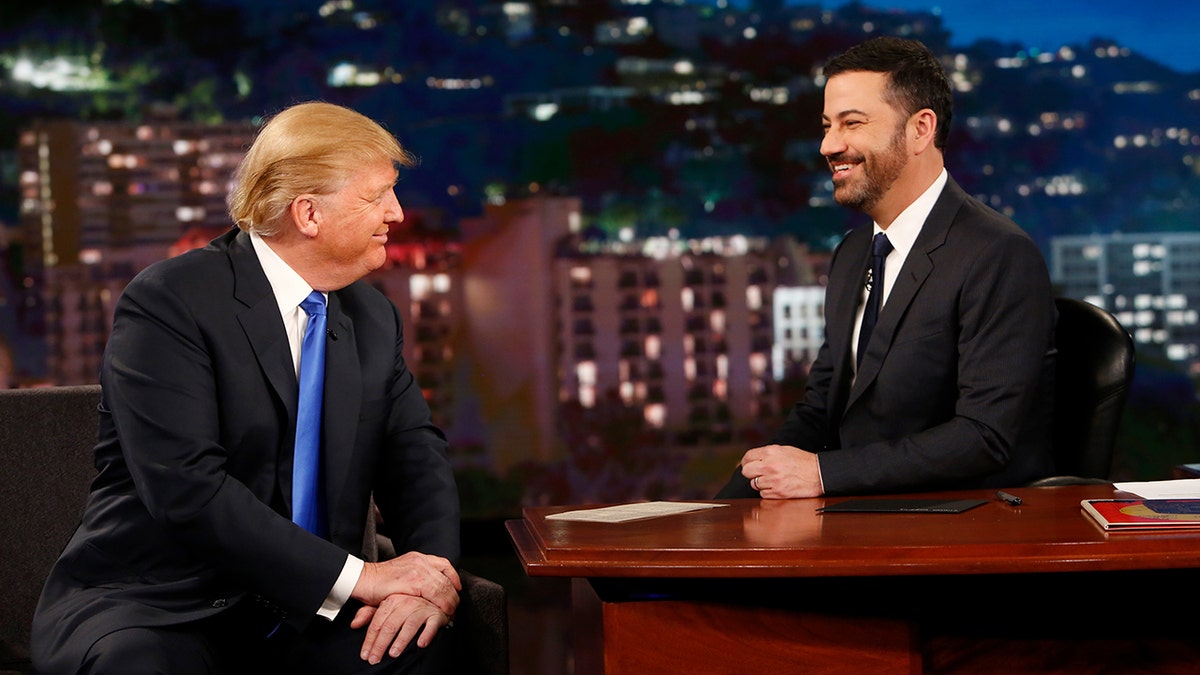
Jimmy Kimmel was pulled off-air after making comments about late Turning Point USA co-founder Charlie Kirk. (Randy Holmes/Disney General Entertainment Content via Getty Image)
ABC INSIDER HOPES LIBERALS TAKE THIS LESSON AWAY FROM JIMMY KIMMEL SAGA
Cruz compared Carr’s wording to something «right out of Goodfellas.»
«Jimmy Kimmel has mocked me so many times,» he said. «The corporate media—they are dishonest. They are liars. I hate what Jimmy Kimmel said. I am thrilled that he was fired. But let me tell you, if the government gets in the business of saying ‘we don’t like what you, the media, have said, we’re going to ban you from the airwaves’ … that will end up bad for conservatives.»
He added it may be «attractive» to conservatives to feel that they have the governmental power to ban the media, but going down that road, would hurt them when a Democrat takes back the White House.
«The next Democrat FCC—they will silence us,» Cruz said. «They will use this power, and they will use it ruthlessly, and that is dangerous. … They’ve defined anything counter to the leftist narrative as misinformation.»
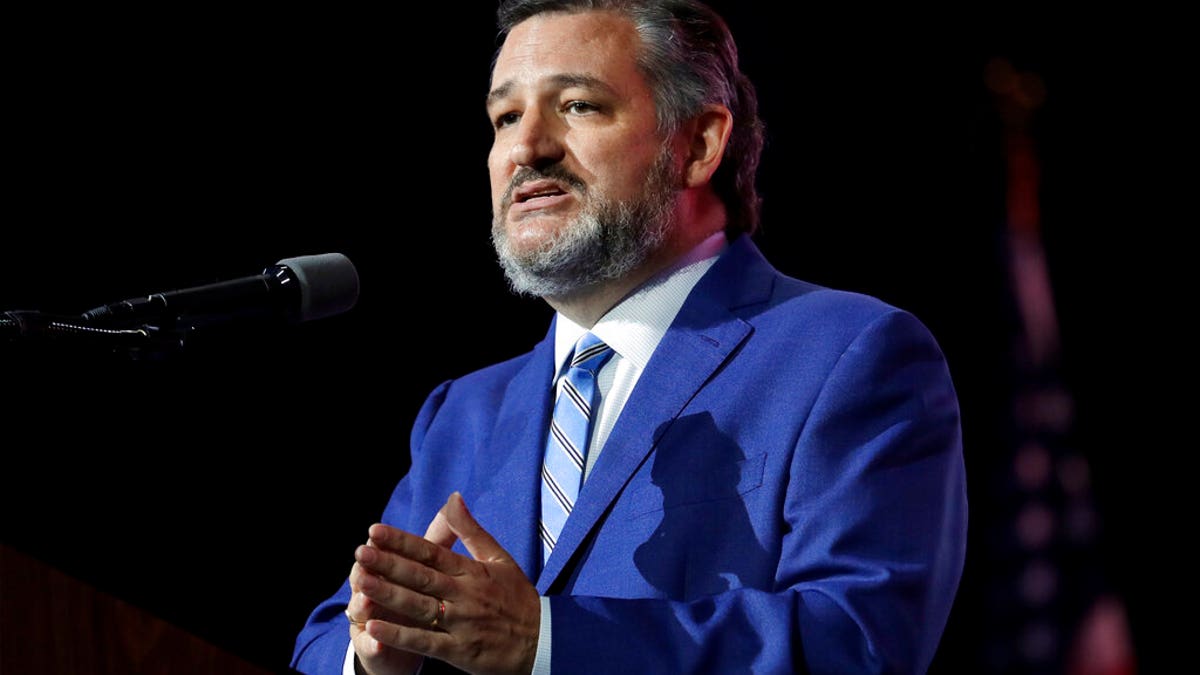
Sen. Ted Cruz, R-Texas, noted he has faced media scrutiny of his own, but said issues can be resolved in civil court. (AP Photo/Michael Wyke)
Cruz argued that if a station commits slander related to Kirk or his family, there is already a remedy.
He suggested suing stations for defamation and «let[ting] the process play out.»
«I think it is unbelievably dangerous for [the] government to put itself in the position of saying, ‘We’re going to decide what speech we like and what we don’t, and we’re going to threaten to take you off-air if we don’t like what you’re saying,» Cruz said. «It might feel good right now to threaten Jimmy Kimmel, but when it is used to silence every conservative in America, we will regret it.
«So again, I like Brendan Carr, but we should not be in this business. We should denounce it. It’s fine to say what Jimmy Kimmel said was deplorable. It was disgraceful, and he should be off-air, but we shouldn’t be threatening government power to force him off-air. That’s a real mistake.»
FCC CHAIR BRENDAN CARR DEFENDS ABC AFFILIATES PULLING JIMMY KIMMEL SHOW AFTER MONOLOGUE MOCKING CHARLIE KIRK
During a news conference in the White House Oval Office on Friday, President Donald Trump said he did not agree with Cruz’s assertion, describing Carr as «courageous.»
«I think Brendan Carr is an incredible American patriot with courage,» Trump said. «I remember in the old days, networks would want to get re-licensed, it was always a big deal. They had to show honesty and integrity. … I think Brendan Carr doesn’t like to see the airwaves be used illegally and incorrectly—and purposely, horribly. [He] doesn’t like to see a person that won the election in a landslide get 97% bad publicity before the election. I mean, it’s amazing that I won the election … The people have given the networks no credibility.»
CLICK HERE TO GET THE FOX NEWS APP
During the Biden administration, a nonprofit called the Media and Democracy Project filed a 2023 petition with the FCC asking that the license renewal of a Fox-owned local station in Philadelphia be denied, citing Fox’s election-related coverage.
The FCC, under then-Chair Jessica Rosenworcel, rejected the petition on Jan. 16, four days before Trump assumed office for his second term, noting it would be «fundamentally at odds with the First Amendment» for the government to deny renewals based on protected speech and content, according to court documents.
Cruz’s office did not immediately respond to Fox News Digital’s request for comment.
Fox News Digital’s Jasmine Baehr contributed to this report.
ted cruz,politics,media,fcc













INTERNACIONAL
Arizona Republicans force probe of county’s anti-ICE policies, putting Democrat AG on the clock
NEWYou can now listen to Fox News articles!
EXCLUSIVE: An Arizona border county considering multiple ordinances targeting ICE will be investigated after State Senate leaders forced the Democratic attorney general to conduct a review, the top Republican in Phoenix told Fox News Digital.
Officials in Pima County, which encompasses Tucson, have directed county authorities to deny immigration enforcement agents access to county property unless they have judicial warrants. Arizona Senate President Warren Petersen, R-Gilbert, told Fox News Digital that the chamber’s resolution, SB 1487, will start a 30-day clock for Mayes to respond and ultimately determine whether Pima County has violated state law or the U.S. Constitution.
Petersen, who was joined in the move by Senate President Pro-Tempore TJ Shope of Coolidge and Senate Majority Leader John Kavanagh of Fountain Hills, told Fox News Digital that Democrats in places like Pima are putting «radical political agendas ahead of public safety.»
«Instead of supporting law enforcement and protecting their citizens from crime, they’re creating barriers that make it harder to enforce the law and easier for criminals to stay in our communities,» he said.
STATE TOP COP MOVES TO CRUSH ALLEGED DHS RECORDS RESTRICTION AS COUNTY DENIES ICE-OUT
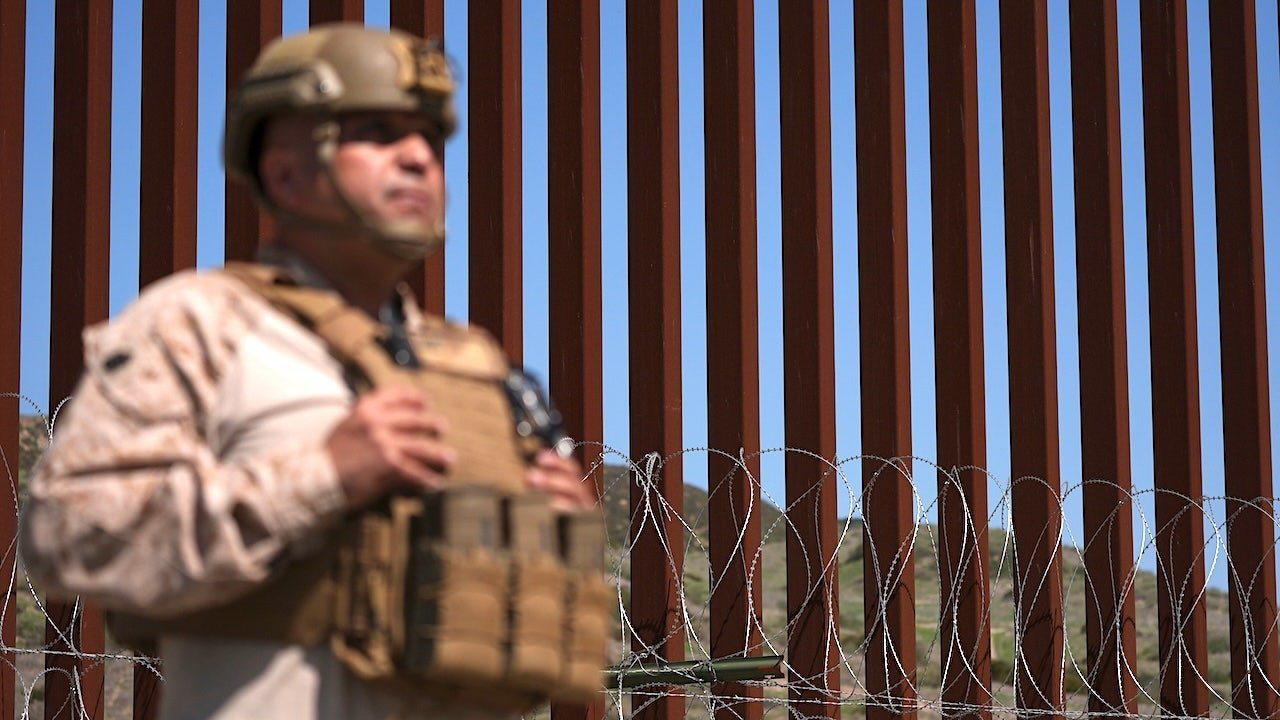
The Trump administration made securing the border and deportation criminal illegal aliens a priority in its first months of 2025. (Gregory Bull/Associated Press)
Depending on Mayes’ findings, the county may be required to change the policy, face a loss of state-shared revenue, or the case could be referred to the Arizona Supreme Court, Senate leadership told Fox News Digital.
«This is about making sure our laws are applied consistently across Arizona,» Shope said. «When one county decides to go rogue, it creates gaps that undermine enforcement statewide. Arizonans expect coordination between all levels of government, not policies that tie the hands of law enforcement.»
Kavanagh also faulted Mayes for taking a similarly confrontational tack with DHS and ICE, saying that she doesn’t get to ignore laws she disagrees with.
«Given her record and her public opposition to immigration enforcement, there is a serious question about whether she can review this case objectively. This is not a policy debate. The law is clear, and it must be applied,» Kavanagh said.
Mayes made waves in recent months with some of her rhetoric, including conjecture that ICE operations could run afoul of stand-your-ground laws, according to FOX’s Phoenix affiliate.
MONTANA GOVERNOR LAUNCHES SANCTUARY CRACKDOWN, PROBES CAPITAL CITY OVER ICE LIMITS
«I will not be deterred from speaking out or criticizing the Trump administration for its ongoing abuses of power and its trashing of our sacred Constitution,» Mayes said in response in January.
She also released a statement after the DHS-involved shooting deaths of agitators in Minnesota, saying that «right-wing media» has mischaracterized her previous comments, including those regarding the «danger to public safety» posed by ICE.
Asked about such criticisms on Monday by Fox News Digital, a Mayes spokesman said, «President Trump promised to go after drug cartels, but in reality, his administration is pulling federal agents off drug cases by the thousands to target immigrant workers.»
«Attorney General Mayes will continue to go after the actual threats to public safety: the drug traffickers flooding Arizona communities with fentanyl and other illicit drugs.»
When reached for comment on the criticisms, a Pima County official provided text of the resolution to Fox News Digital, which read in part:
«Recent arbitrary and unfocused civil immigration activities conducted by the Department of Homeland Security and ICE have trampled on civil and constitutional rights, recklessly endangered citizens and non-citizens alike, and culminated in the deaths of detainees and peaceful protesters.»
JONATHAN TURLEY: DEMOCRAT POLITICIANS ARE RISKING LIVES WITH RECKLESS ANTI-ICE RHETORIC
Pima County Supervisor Jennifer Allen followed up, telling Fox News Digital, «What is there to criticize? The county’s action is in response to the egregious and abusive behavior of federal immigration agents in Minneapolis, Los Angeles and elsewhere in the country over the past year.»
«Americans protesting this outrageous behavior were killed while peacefully exercising their First Amendment rights. Pima County has no interest in allowing property intended for the benefit of the people of Pima County to be used in support of such lawless actions by the federal government,» Allen said.
CLICK HERE TO DOWNLOAD THE FOX NEWS APP
She said that criticism, if any, should be directed at DHS and not at counties trying to prevent alleged abuses.
Allen added that any law enforcement with proper warrants can still access Pima property.
The county also passed a resolution seeking to prevent immigration enforcement agents from wearing face coverings, but details, including an enforcement mechanism, have yet to be ironed out, according to a county official.
homeland security, immigration, arizona, sanctuary cities, senate elections
INTERNACIONAL
El presidente de Uruguay firmó las dos declaraciones de principios de la SIP sobre libertad de prensa
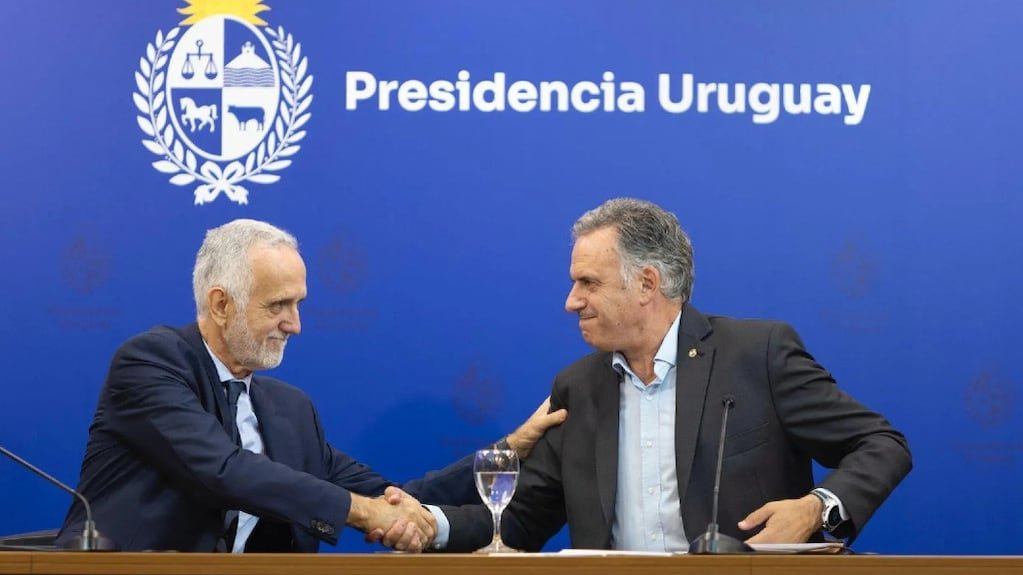
El presidente de Uruguay, Yamandú Orsi, firmó este lunes las dos declaraciones de principios de la Sociedad Interamericana de Prensa (SIP), Chapultepec y Salta II, durante un acto oficial celebrado en la Torre Ejecutiva, sede del Gobierno uruguayo, en Montevideo.
Orsi estuvo acompañado por una delegación internacional de la organización que visita esta semana la ciudad para analizar aspectos relacionados con el ejercicio del periodismo en Uruguay, informó la SIP en un comunicado.
Su primer vicepresidente, Carlos Jornet, director de La Voz del Interior, recordó que Uruguay fue uno de los primeros países del continente en adherir a la Declaración de Chapultepec en 1994.
Además, dijo que Orsi es el primer mandatario de su país y de todo el Cono Sur en suscribir la Declaración de Salta II.
“Este gesto suyo representa, además, una demostración cabal del clima de convivencia que caracteriza a Uruguay. Un país donde existen discrepancias ideológicas, por cierto, pero que no impiden el diálogo y la búsqueda de consensos esenciales”, dijo Jornet.
La Declaración de Chapultepec, adoptada en 1994, impulsa las libertades públicas e individuales como “motor y punto de partida de los derechos básicos del ser humano”.
En tanto, la Declaración de Salta II sobre Principios de Libertad de Expresión en la Era Digital, actualizada en 2024, inspira la promoción de las libertades públicas e individuales en el contexto de las nuevas tecnologías de la información y la comunicación.
“Una marca permanente”
Jornet dijo que, a pesar de que en los últimos años hubo señales de incipiente deterioro, Uruguay “sigue siendo un país calificado como de baja restricción a las libertades de expresión y de prensa”.
Además, afirmó: “Aspiramos a que este gesto que lo honra, presidente Orsi, sea una marca permanente de su gestión, constituya además una señal para quienes administran el Estado en todos los niveles”. El presidente uruguayo, Yamandú Orsi (Foto: Presidencia de Uruguay)
“Y que Uruguay continúe siendo un territorio donde se acepta y se valora el disenso, pero se trabaja para buscar consensos; donde no se acallan las diferencias, pero se procuran coincidencias sobre la base de diálogos fructíferos”, prosiguió.
El vicepresidente primero de la SIP exhortó además a que “valoren el respeto, sigan defendiéndolo como sello de identidad nacional, y mantengan lejos la ola global que recurre a agravios, a descalificaciones personales, a la diseminación de desinformación como herramientas de contienda política”.
Qué dijo Yamandú Orsi
Tras suscribir las declaraciones, Orsi aseguró: “Como presidente de Uruguay es un gran honor y una responsabilidad enorme añadir estas firmas” a las declaraciones impulsadas por la SIP.
“Créanme que no lo hacemos como un saludo a la bandera: lo hacemos porque el Uruguay como tal, su sociedad, sus medios de comunicación, sus periodistas y sus representantes políticos creemos y defendemos con firmeza el derecho a la libertad de expresión y a la libertad de prensa”.
El mandatario agregó: “Lo entendemos como una garantía indiscutible para la existencia misma de una sociedad democrática”.
Leé también: Guerra en Medio Oriente: el presidente de Cuba pidió mantener un diálogo “serio y responsable” con Trump
Orsi indicó que “los países no se refundan cada cinco años. Como países somos más robustos y confiables cuando apostamos a la acumulación positiva en todos sus órdenes”.
También sostuvo que, en 2025, al celebrar los 40 años de retorno a la democracia, “todos los presidentes coincidimos en resaltar que nos une el respeto a las libertades fundamentales y que el debate público no debe transformarse en un espacio para difundir ataques personales, falsedades deliberadas o desacreditar a quienes piensan distinto a uno”.
Previo a la firma de las declaraciones, el presidente Orsi, el canciller Mario Lubetkin y la delegación de la SIP mantuvieron un encuentro para analizar la situación de libertad de prensa en Uruguay y en las Américas.
Además de Jornet, integran la misión de la SIP el expresidente y actual vicepresidente segundo, Michael Greenspon (The New York Times, Estados Unidos); la presidenta de Comité Ejecutivo, Gabriela Vivanco (La Hora, Ecuador); el copresidente de la Comisión Legal, Martín Etchevers (Clarín, Argentina); el integrante del Consejo Consultivo y expresidente Danilo Arbilla, y el director ejecutivo, Carlos Lauría.
La SIP es una organización sin fines de lucro dedicada a defender y promover la libertad de prensa y expresión en las Américas. Está integrada por más de 1300 publicaciones del hemisferio occidental.
SIP, Yamandú Orsi, Uruguay
INTERNACIONAL
Misión Artemis II de la NASA: los astronautas se preparan para navegar el lado oculto de la Luna

Los astronautas de Artemis II ya comienzan a visualizar el lado oculo de la Luna y en una hora, los astronautas quedarán detrás de la Tierra, por lo que la cápsula Orión perderá toda comunicación con nuestro planeta durante 40 minutos, según predijo la NASA.
“Cuando Orión pase por detrás de la Luna, aproximadamente a las 18:44 EDT o 22.44 GMT, la misión entrará en un periodo de interrupción de comunicaciones programado que durará unos 40 minutos. Durante este tiempo, la Luna bloquea las señales de radio necesarias para que la Red del Espacio Profundo mantenga contacto con la nave espacial”, explicó la NASA.
Y agregó: “Poco después de la pérdida de señal, se espera que Orión alcance su punto más cercano a la Luna alrededor de las 19:02 EDT o 23.02 GMT, cuando estará a tan solo 6530 kilómetros de la superficie lunar”.
La tripulación de Artemis II dedicó este lunes un cráter lunar recién observado al recordar a Carroll, la esposa fallecida en 2020 del comandante Reid Wiseman, durante su histórica misión que marca la mayor distancia alcanzada por seres humanos respecto a la Tierra.
El astronauta Jeremy Hansen, de la Agencia Espacial Canadiense, fue el responsable de anunciar el gesto y precisó: “Su nombre era Carroll; la esposa de Reid Wiseman, la madre de Katie y Ellie, (el cráter) es un punto brillante en la Luna, y nosotros queremos llamarla Carroll”. Así, la NASA y la CSA aprovecharon el momento para rendir tributo a familiares perdidos.
Durante la jornada, Wiseman y sus compañeros Victor Glover y Christina Koch se tomaron varios segundos para unirse en homenaje y recordaron a sus seres queridos fallecidos tras lograr el récord de distancia alcanzado en una misión tripulada.

Los astronautas de Artemis II mostraron nuevas imágenes de la Luna. “Es tan genial”, celebraron, al observar de cerca detalles sobre vieja actividad volcánica en el satélite natural.
Cuando Orión pase por detrás de la Luna, aproximadamente a las 18:44 hora EDT local, la misión entrará en un periodo de interrupción de comunicaciones programado que durará unos 40 minutos. Durante este tiempo, la Luna bloquea las señales de radio necesarias para que la Red del Espacio Profundo mantenga contacto con la nave espacial.
Poco después de la pérdida de señal, se espera que Orión alcance su punto más cercano a la Luna alrededor de las 19:02, cuando estará a tan solo 6530 kilómetros de la superficie lunar.
Los astronautas de Artemis II casi que no tuvieron tiempo de celebrar el récord de mayor distancia alcanzada por un ser humano desde la Tierra, ya que están preparando todo lo relativo a tomar imágenes en video y fotografía del lado oculto de la Luna, que ocurrirá en las próximas horas.
Además de las fotos que tomarán los astronautas, la cobertura de la NASA incluirá imágenes en directo de la Luna captadas por cámaras instaladas en los paneles solares de la nave Orión.
“La calidad de la imagen y la visualización pueden variar a lo largo del período de observación lunar debido a la distancia a la Tierra, las limitaciones del sistema y el ancho de banda de la red de comunicaciones de la NASA”, aclaró la agencia espacial estadounidense.
Récord de mayor distancia humana a la Tierra

La NASA comunicó que los astronautas Reid Wiseman, Victor Glover, Christina Koch y Jeremy Hansen son las personas que más lejos han estado de nuestro planeta en la historia. La anterior marca correspondía a la tripulación el Apolo 13 que no pudo alunizar pero la sobrevoló a 400.171,5 kilómetros de la Tierra.
Los astronautas se preparan para romper en menos de 15 minutos el récord de mayor distancia que alguna vez un humano estuvo más lejos de la Tierra.
El trayecto de Artemis II contempla una distancia máxima de 406.777,9 kilómetros desde la Tierra, cifra que supera el récord histórico de la misión Apolo 13, cuyo máximo fue de 400.171,5 kilómetros. La cápsula Orión completará así el viaje tripulado más lejano de la historia, llevando a Koch, Wiseman, Glover y Hansen a convertirse en los seres humanos que más lejos viajaron desde nuestro planeta.

Los horarios de la llegada a la Luna de Artemis II
Los horarios corresponden a la hora este de EEUU o EDT. Para los horarios de Argentina hay que sumar una hora más. Para Colombia y Perú, dos horas menos. Para México y todo Centroamérica, tres horas menos.
- 13:00 (EDT) o 14 (hora argentina), 12 (hora Colombia y Perú), 11 (hora México) y 18 (hora España) : Inicio de la cobertura en NASA+ sobre el sobrevuelo lunar.
- 13:56: Superación del récord de distancia alcanzada por humanos desde la Tierra (Apolo 13, 1970).
- 14:10: Declaraciones de la tripulación (solo audio) tras batir el récord de distancia.
- 14:15: Configuración de la cabina de Orión para las operaciones de sobrevuelo.
- 14:45: Inicio de las observaciones lunares.
- 18:44: Prevista la pérdida de comunicaciones al dirigirse a la cara oculta de la Luna (aproximadamente 40 minutos).
- 19:02: Máximo acercamiento de Orión a la Luna: 6.530 km (4.058 millas).
- 19:07: Orión alcanza su distancia máxima de la Tierra: 252.757 millas (406.127 km).
- 19:25: Amanecer terrestre; se prevé el restablecimiento de comunicaciones.
- 20:35-21:32: Eclipse solar, durante el que el Sol se ocultará tras la Luna según la percepción de la tripulación.
- 21:20: Finalización de la observación lunar.
North America,Science / Technology,Top Pictures

¡Explosivo! Flor Vigna se separó de Lauta López y hay versiones picantes sobre su final

Adorni recibió US$100 mil de otras dos mujeres por la hipoteca de un departamento anterior en Caballito

Memphis llegó al Corinthians-Internacional… ¡en helicóptero!

Adorni también hipotecó su departamento anterior: otras dos mujeres le prestaron 100.000 dólares

Dólar hoy en vivo: en el Banco Nación siguió a $1.415 y el blue cayó a $1.400

Arizona Republicans force probe of county’s anti-ICE policies, putting Democrat AG on the clock

La nueva advertencia de Donald Trump a Irán: «El tiempo se acaba, quedan 48 horas antes del infierno»

Círculo rojo: intrigas en el gabinete, desgaste por el caso Adorni y movimientos inquietantes en el Poder Judicial

Caputo habló sobre los créditos del Banco Nación que tomaron sus funcionarios: “No hay nada ilegal ni inmoral”

Créditos del Banco Nación: el Gobierno reveló que Pettovello echó a Massaccesi porque “mintió”

 INTERNACIONAL2 días ago
La nueva advertencia de Donald Trump a Irán: «El tiempo se acaba, quedan 48 horas antes del infierno»
- POLITICA2 días ago
Círculo rojo: intrigas en el gabinete, desgaste por el caso Adorni y movimientos inquietantes en el Poder Judicial
- ECONOMIA13 horas ago
Caputo habló sobre los créditos del Banco Nación que tomaron sus funcionarios: “No hay nada ilegal ni inmoral”