INTERNACIONAL
Cuban-led caravan aims for Mexico City as Trump policies deter migrants from US


NEWYou can now listen to Fox News articles!
A 1,200-person caravan of largely Cuban migrants is heading north from Mexico’s southern city of Tapachula in a weeks-long pursuit of better economic opportunities. But the destination is not the U.S. border, it’s Mexico City.
The destination of the caravan signals a stark shift in regional trends as President Donald Trump’s strict immigration policies take hold.
The caravan, which departed earlier this month, is expected to take weeks to reach its destination, where migrants hope to find higher-paying jobs in Mexico’s capital city, rather than its impoverished south.
OKLAHOMA TROOPERS, ICE DETAIN 120 ILLEGAL IMMIGRANTS IN THREE-DAY INTERSTATE ENFORCEMENT SWEEP
Migrants head toward Mexico City on the outskirts of Tapachula, Mexico, Oct. 1, 2025. (Reuters/Damian Sanchez)
Tapachula, located in Mexico’s poorest state of Chiapas, has been struggling for years to cope with the migrant crisis as it sits near the border with Guatemala, which has long seen significant outflows of migrants fleeing gang violence and poverty stemming from the Northern Triangle.
According to the Washington Office on Latin America, the group of migrants is using social media to petition the Mexican government to assist with asylum cases and proper documentation for people looking to officially reside in Mexico City.
El Pais reported last week that corruption and extortion remain a top concern for migrants looking for relocation assistance. The report said the issue remains one of the chief obstacles plaguing the Mexican Commission for Refugee Assistance.
Despite concerns over financial abuse in attempting to relocate in Mexico, the Spain-based outlet reported that many migrants still consider staying there preferable to heading to the U.S. under Trump.
WHITE HOUSE REBUKES ‘EGREGIOUS’ COURT ORDER BLOCKING TROOP DEPLOYMENTS AMID PORTLAND UNREST
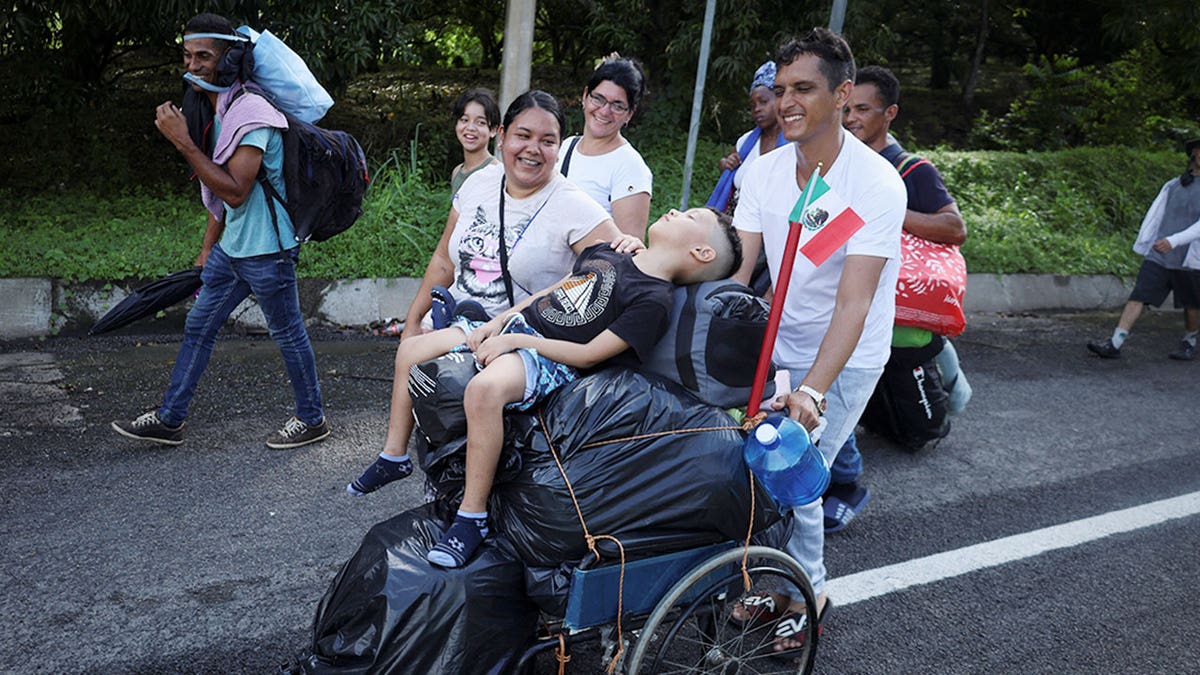
Migrants on the outskirts of Tapachula, Mexico, Oct. 1, 2025. (Reuters/Damian Sanchez)
«Why would I want to go to the United States? They hate us there,» one Cuban woman traveling with her 2-year-old daughter and 18-year-old son told the news outlet.
While immigration to the U.S. under Trump, particularly amid his second term, has drastically dropped, the decision by Cuban migrants not to pursue life in the U.S. where there are already large communities with deep U.S. ties in places like Florida and New York, is significant.
But it is too soon to tell if this will be a lasting trend, Elaine Dezenski, senior director and head of the Center on Economic and Financial Power (CEFP) at the Foundation for Defense of Democracies told Fox News Digital.
«According to the International Organization for Migration, about 50% of migrants surveyed across Mexico in mid-2025 said they considered Mexico their destination – up from less than 25% at the end of 2024,» she said. «This suggests that increased U.S. border enforcement and deportations are influencing migrants’ choices, with more seeking asylum and work authorization in Mexico instead of continuing to the U.S.»
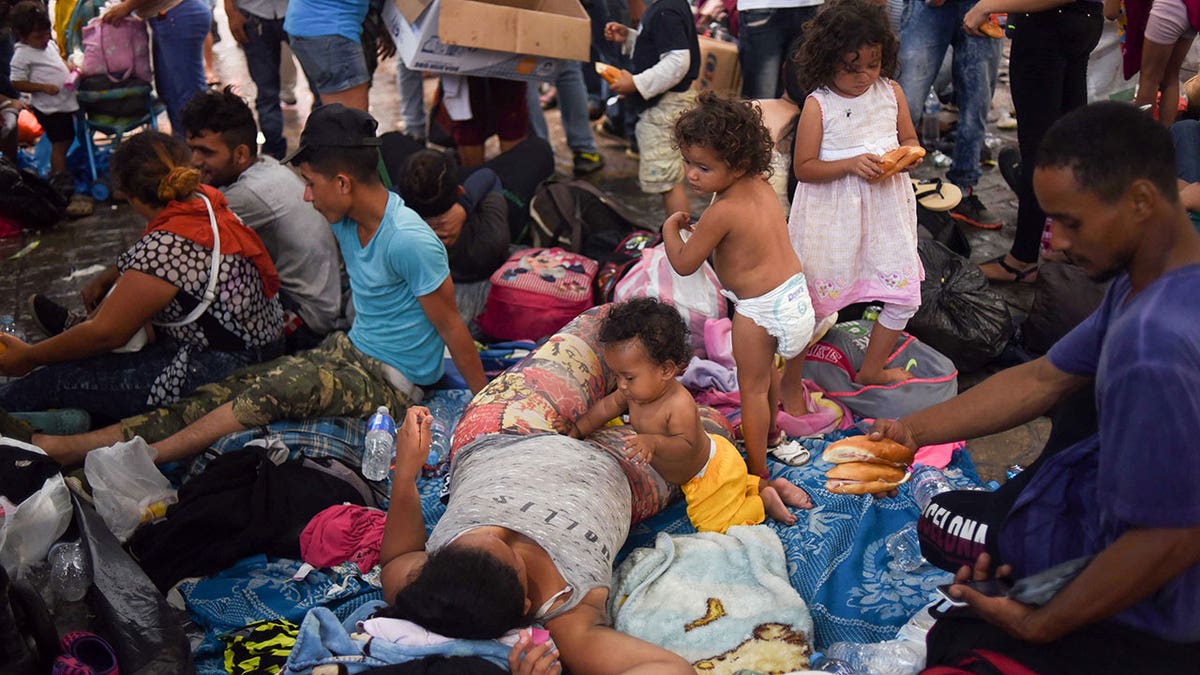
Honduran migrants taking part in a caravan heading to the U.S. rest in Tapachula, Chiapas state, Mexico, on Oct. 21, 2018. (Johan Ordonez/AFP via Getty Images)
In the months since Trump returned to the top job, encounters on the southern border reported by Customs and Border Protection have drastically fallen compared to rates seen in years past.
Earlier this year, the Migration Policy Institute noted that monthly southern border encounters were on par with rates not seen since the 1960s.
CLICK HERE TO GET THE FOX NEWS APP
Dezenski warned that even though the control of undocumented migration into the U.S. will be championed by some as a positive adjustment when it comes to border security, there are «serious conversations» that need to be had about the role immigration plays in maintaining a healthy economy.
«Both Mexico and the U.S. are experiencing labor shortages in key sectors. While uncontrolled, undocumented immigration is not a solution, the lack of comprehensive immigration reform in the U.S. risks leaving many jobs unfilled – particularly in industries that rely heavily on migrant labor, such as agriculture,» she said. «Today, immigration reform is often equated with border security.
«However, we also need a serious conversation about the essential skills and labor our economies require and the role immigration plays in sustaining long-term economic health,» Dezenski said.
immigration,border security,location mexico,donald trump,world








INTERNACIONAL
Fragancias antiguas, tarjetas sensoriales y el aroma del más allá: cómo la arqueología biomolecular transforma los museos de Europa
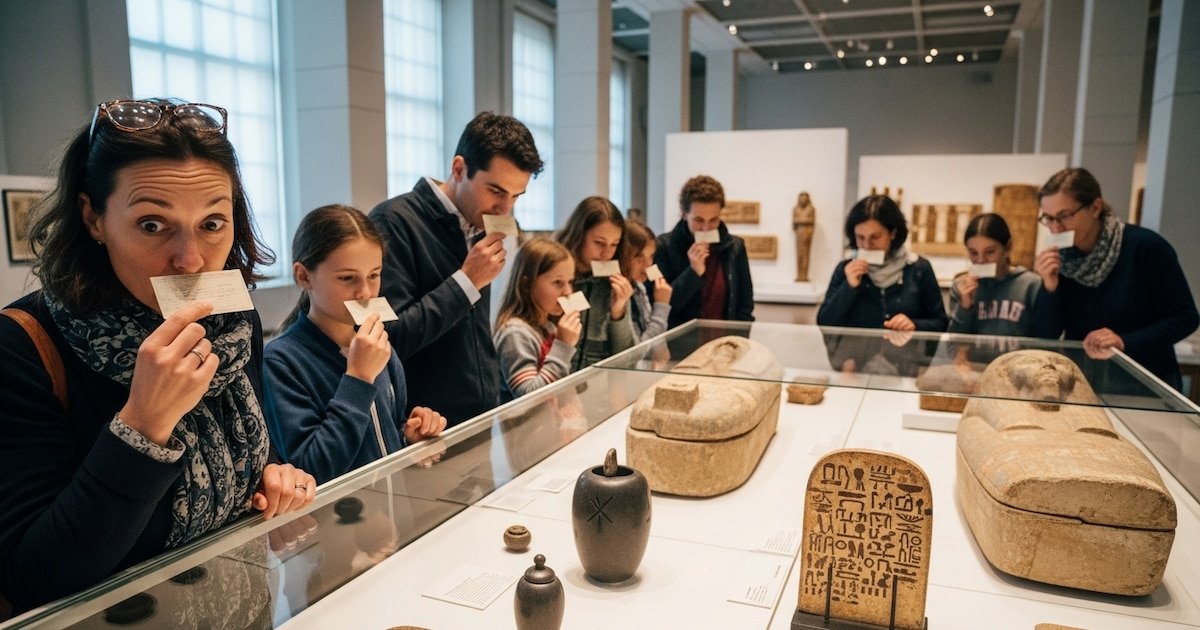
La arqueología biomolecular revolucionó la manera en que los museos de Europa propusieron a sus visitantes descubrir la historia. Gracias a esta disciplina, se identificaron compuestos aromáticos conservados en objetos antiguos, lo que permitió reconstruir fragancias que acompañaron prácticas rituales, medicinales o cotidianas de civilizaciones como el Antiguo Egipto.
El equipo interdisciplinario liderado por Barbara Huber, del Max Planck Institute of Geoanthropology y la Universidad de Tubinga, desarrolló un método para traducir datos biomoleculares en experiencias sensoriales accesibles para el público, según informó la Max Planck Society.
Los avances en el análisis de compuestos orgánicos volátiles y metabolitos olorosos permitieron detectar y caracterizar aromas que, hasta hace poco, se creían perdidos en el tiempo. Técnicas como la cromatografía de gases y la olfatometría científica revelaron las huellas de perfumes, resinas y ungüentos en artefactos arqueológicos, lo que abrió nuevas vías para comprender rituales, comercio de especias, recetas de embalsamamiento y hábitos de higiene y cosmética de sociedades pasadas.
La arqueología biomolecular no solo aportó una dimensión inédita al estudio del patrimonio, sino que también impulsó la llamada museología olfativa. Esta práctica, aún joven, exploró cómo el sentido del olfato enriqueció la interpretación del patrimonio y favoreció la inclusión, la accesibilidad y la participación de públicos diversos.

El equipo de Huber, que integraron la consultora en relatos olfativos Sofia Collette Ehrich y la perfumista Carole Calvez, tradujo hallazgos de laboratorio en fragancias históricas, afrontando el desafío de equilibrar el rigor científico y la creatividad perfumista.
“El verdadero reto está en imaginar el aroma como un todo”, explicó Calvez, quien subrayó que, aunque los datos biomoleculares aportaron pistas fundamentales, correspondió al perfumista crear una experiencia olfativa integral.
La materialización de estos descubrimientos tomó forma en dos recursos principales: la tarjeta aromática portátil y la estación olfativa fija. La primera incorporó la fragancia al papel mediante impresión aromática, lo que permitió a los visitantes interactuar directamente con el olor asociado a un objeto o proceso histórico y llevarse la experiencia fuera del museo, propiciando la reflexión en nuevos entornos.
La segunda integró el aroma en la escenografía expositiva, permitió la participación simultánea de varios asistentes y favoreció una vivencia colectiva. Ambas soluciones requirieron una cuidadosa colaboración entre curadores y perfumistas para garantizar la seguridad, la estabilidad y la eficacia de la experiencia sensorial durante toda la exposición.

Un caso emblemático fue el “Aroma del Más Allá”, una reproducción olfativa basada en el análisis biomolecular de un ungüento de momificación egipcio de hace 3.500 años. La fórmula se inspiró en los restos hallados en vasijas canópicas pertenecientes a la Dama Senetnay, conservadas en el Museo August Kestner de Hannover.
La tarjeta aromática con este aroma se distribuyó en visitas guiadas, talleres, clases universitarias y seminarios, mientras que una estación olfativa fija se incorporó a la exposición Ancient Egypt–Obsessed with Life en el Moesgaard Museum de Aarhus, Dinamarca. Los curadores Christian E. Loeben y Ulrike Dubiel señalaron que “el aroma ofrece una nueva visión sobre la momificación, dejando atrás los clichés de terror para comprender las verdaderas motivaciones de la época”.
El impacto de estas innovaciones resultó notable: encuestas entre visitantes del Museo August Kestner revelaron que la integración del olfato generó una conexión más íntima e inmersiva con el pasado. La mayoría de los visitantes indicó que nunca experimentó el uso de aromas en un museo y que esta dimensión sensorial propició una mayor reflexión y diálogo.
La perfumista diseñó una fragancia con un tono hedónico moderadamente agradable, en concordancia con la realidad histórica de los materiales aromáticos empleados en el embalsamamiento, y para asegurar la accesibilidad del público general.

En el ámbito museístico, la colaboración interdisciplinaria aportó nuevas competencias y exigió un replanteamiento del diseño expositivo. La integración del olfato amplió los criterios de accesibilidad, benefició especialmente a personas neurodiversas y con discapacidades.
Además, la circulación internacional de las tarjetas aromáticas demostró que el aroma funcionó como un medio eficaz de transferencia de conocimiento, alcanzando instituciones, estudiantes, periodistas y artistas fuera del entorno museístico tradicional.
El proyecto, financiado por la Max Planck Society y la Joachim Herz Foundation, también puso de relieve la importancia de la documentación rigurosa y la reflexión ética en la reconstrucción de aromas históricos. Las decisiones sobre autenticidad, seguridad y sostenibilidad se tomaron considerando tanto las limitaciones científicas como las sensibilidades culturales y ambientales.
Asimismo, los materiales empleados cumplieron con las normas internacionales para el uso público, ya que muchos ingredientes originales hoy son endémicos, tóxicos o no pueden obtenerse de manera responsable.
De cara al futuro, los investigadores consideraron que la integración de recursos sensoriales como el olfato permitirá a los visitantes aproximarse de manera más personal y multisensorial a los entornos y costumbres de las civilizaciones antiguas.
La arqueología biomolecular, combinada con un diseño museológico cuidadoso, ofreció la posibilidad de experimentar la historia a través de todos los sentidos y de fomentar una comprensión más rica y participativa del patrimonio cultural.
El sentido del olfato emergió como herramienta decisiva para transformar la vivencia museística, abrió caminos hacia una arqueología verdaderamente multisensorial y accesible para públicos diversos.
Museo,Egipto antiguo,Exposición,Visitantes,Aromas,Tarjetas aromáticas,Sarcófago,Estela,Artefactos egipcios,Cultura
INTERNACIONAL
La Justicia de Hong Kong condenó al magnate de medios Jimmy Lai a 20 años de prisión por delitos contra la seguridad nacional
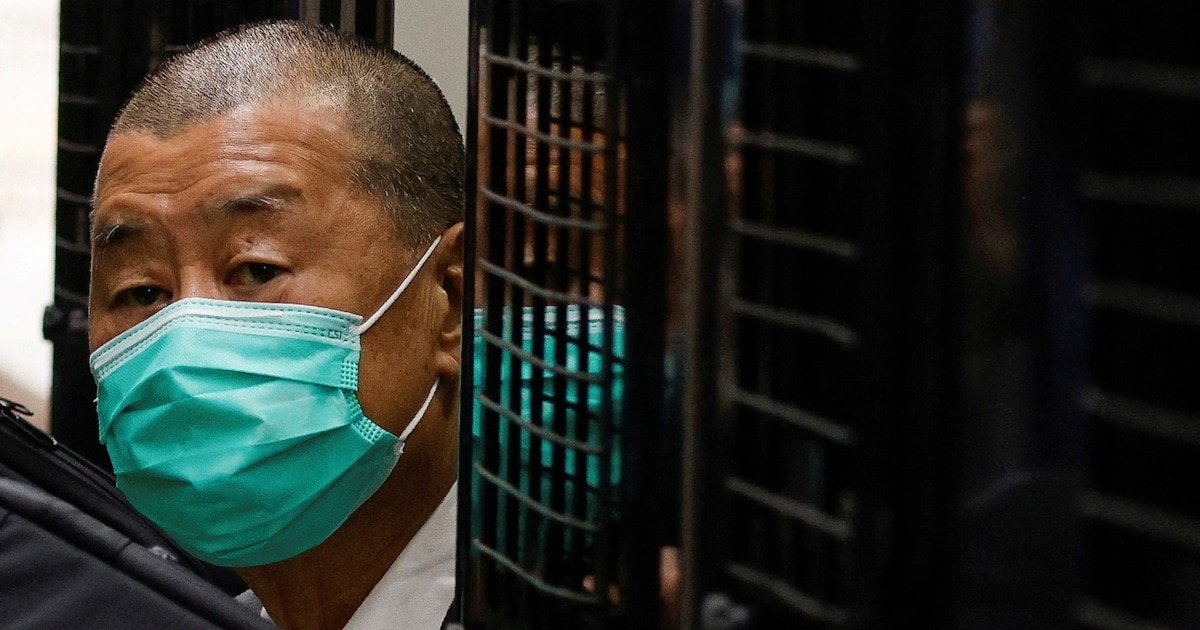
Un tribunal de Hong Kong condenó el lunes al magnate de los medios pro democracia Jimmy Lai a 20 años de prisión por delitos contra la seguridad nacional, en la pena más severa dictada bajo la legislación impuesta por Beijing. Grupos de derechos humanos calificaron el castigo como “efectivamente una sentencia de muerte” y lo señalaron como un símbolo del deterioro de la libertad de prensa en la ciudad.
El fundador de 78 años del desaparecido periódico Apple Daily fue declarado culpable en diciembre de dos cargos de colusión extranjera en virtud de la ley de seguridad nacional, así como de un cargo de publicación sediciosa. La sentencia supera el récord previo de 10 años de prisión impuesto al jurista Benny Tai en 2024.
En un documento resumido, los jueces explicaron que decidieron imponer una pena de 20 años de prisión “después de considerar la conducta criminal seria y grave de Lai”. Dos de esos años se superponen con la condena actual del empresario, lo que implica que cumplirá 18 años adicionales, según escribieron los magistrados.
Lai, encarcelado desde 2020, permaneció impasible en el banquillo de los acusados durante la lectura del fallo, según comprobó un periodista de la AFP presente en la sala. Cuando los agentes lo retiraron del tribunal, saludó solemnemente a las personas en la galería pública, entre ellas su esposa Teresa, el ex obispo de Hong Kong, el cardenal Joseph Zen, y antiguos periodistas de Apple Daily.
Su abogado defensor, Robert Pang, se negó a comentar si presentará una apelación, un recurso que puede interponerse dentro de los próximos 28 días. Consultado sobre si la sentencia coincidía con lo previsto, Pang respondió a la AFP: “En estos tiempos no sé qué esperar”.

Teresa Lai mantuvo un gesto sombrío durante la audiencia y no hizo comentarios al salir del tribunal. La familia expresó su rechazo en un comunicado. “Condenar a mi padre a esta draconiana pena de prisión es devastador para nuestra familia y pone en peligro la vida de mi padre”, afirmó el hijo del magnate, Sébastien. Su hija Claire calificó el castigo como una “sentencia desgarradoramente cruel” debido al deterioro de su salud en prisión y advirtió que, si se cumple, “morirá como un mártir tras las rejas”.
Organizaciones de derechos humanos también criticaron la decisión. Elaine Pearson, directora para Asia de Human Rights Watch, declaró en un comunicado: “La dura sentencia de 20 años contra Jimmy Lai, de 78 años, es en realidad una sentencia de muerte. Una sentencia de esta magnitud es cruel y profundamente injusta”.
Amnistía Internacional describió el caso como “otro hito sombrío en la transformación de Hong Kong de una ciudad gobernada por el estado de derecho a una ciudad gobernada por el miedo”. Jodie Ginsberg, directora ejecutiva del Comité para la Protección de los Periodistas, sostuvo que “la atroz decisión de hoy es el último clavo en el ataúd de la libertad de prensa en Hong Kong”.
El primer ministro británico, Keir Starmer, planteó con anterioridad el caso de Lai, ciudadano británico, durante una reunión con el líder del régimen chino Xi Jinping en Beijing el mes pasado. El presidente estadounidense, Donald Trump, también pidió su liberación.
Beijing rechazó las críticas por considerar que difaman el sistema judicial de Hong Kong. Las autoridades locales sostienen que el caso de Lai “no tiene nada que ver con la libertad de expresión y de prensa”.

Decenas de ex empleados de Apple Daily y otras personas hicieron cola durante la noche frente al tribunal de West Kowloon para conseguir un lugar en la audiencia. Periodistas se concentraron en los alrededores del edificio. La policía desplegó decenas de agentes, un vehículo blindado y un camión de desactivación de bombas en la zona.
“Creo que esto equivale a condenar a Lai a cadena perpetua”, declaró a la AFP Lam Ying-kit, un ex profesor de historia de unos 50 años que asistió al tribunal.
Los partidarios del empresario, sus hijos, sus abogados y organizaciones de derechos humanos expresaron preocupación por el deterioro de su salud en prisión. Los fiscales señalaron que Lai solicitó el régimen de aislamiento para evitar el acoso, mientras que las autoridades sostienen que recibe atención “adecuada”.
Lai fue procesado bajo la ley de seguridad nacional impuesta por China en 2020 tras las masivas protestas a favor de la democracia en el centro financiero asiático. Apple Daily cerró en 2021 después de redadas policiales contra la redacción.
(Con información de AFP)
Asia / Pacific
INTERNACIONAL
Venezuela: María Corina Machado denunció el secuestro de un dirigente opositor recién liberado
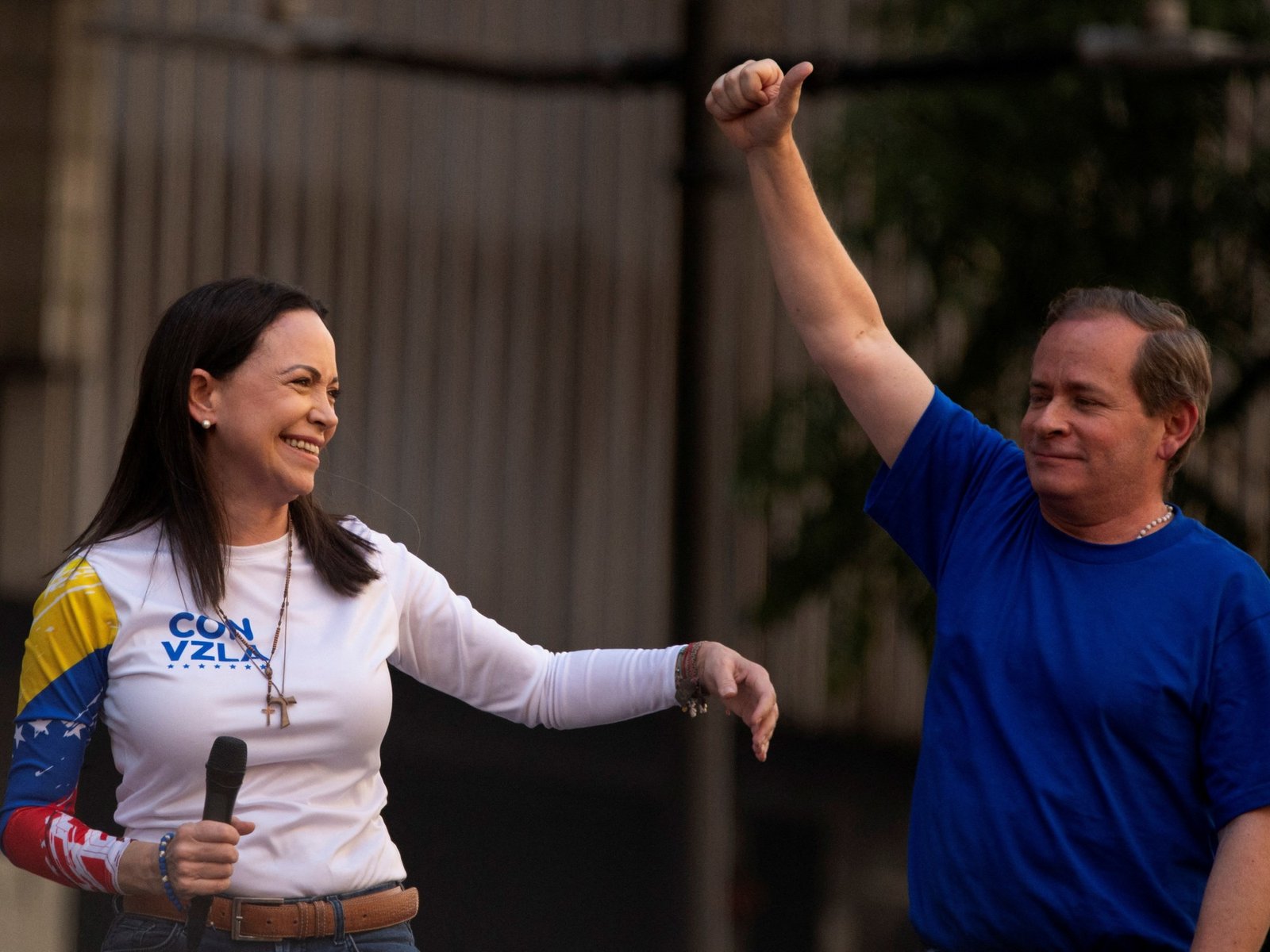
La líder opositora de Venezuela María Corina Machado denunció este domingo por la noche que «hombres fuertemente armados» secuestraron al dirigente Juan Pablo Guanipa, uno de sus más cercanos colaboradores, quien había salido de prisión horas antes tras permanecer detenido desde mayo de 2025.
«Urgente. Alerta internacional. Hombres fuertemente armados, vestidos de civil, llegaron en 4 vehículos, y violentamente se lo llevaron. Exigimos su liberación inmediata«, manifestó Machado en su cuenta de X.
La Nobel de la Paz 2025 precisó que el secuestro del hombre de 61 años se produjo en una urbanización llamada Los Chorros de Caracas.
URGENTE
ALERTA INTERNACIONAL.Hace pocos minutos fue secuestrado Juan Pablo Guanipa en la urbanización Los Chorros de Caracas.
Hombres fuertemente armados, vestidos de civil, llegaron en 4 vehículos, y violentamente se lo llevaron.
Exigimos su liberación inmediata.— María Corina Machado (@MariaCorinaYA) February 9, 2026
Guanipa fue liberado este domingo, un mes después de que el gobierno interino comenzara a excarcelar presos políticos tras el derrocamiento de Nicolás Maduro y antes de que el Parlamento venezolano vote el martes una ley de amnistía general propuesta por la presidenta encargada Delcy Rodríguez.
Machado, quien abandonó Venezuela en diciembre en secreto para recibir el Nobel y desde entonces se desconoce su paradero, celebró este domingo no solo su excarcelación, sino también las de Perkins Rocha, de 63 años, y Freddy Superlano, de 49, entre otros dirigentes.
«Muy pronto nos vamos a encontrar y abrazar en una Venezuela libre y le daremos gracias a estos héroes por todo lo que han entregado para hacer que Venezuela sea el país que nos merecemos, que Dios nos bendiga», dijo Machado en un audio en X horas antes de dar a conocer la desaparición de su colaborador.
Guanipa, quien fue vicepresidente del Parlamento, fue detenido el 23 de mayo de 2025 vinculado a una supuesta conspiración contra la elección de gobernadores y diputados al Parlamento.
Su última aparición pública fue el 9 de enero de 2025 para acompañar a Machado a una concentración contra la nueva investidura de Maduro tras las elecciones del 28 de julio de 2024, que la oposición denunció como un fraude.
«Creo que esto tiene que terminar con el respeto a la voluntad del pueblo venezolano», dijo Guanipa, uno de los mayores críticos del chavismo, al reivindicar el triunfo de la oposición en los comicios presidenciales de 2024.
Además, declaró: «El día 28 de julio del año 2024 el pueblo se manifestó, allí hubo una decisión popular. ¿La queremos respetar? Vamos a respetarla, eso es lo básico, eso es lo lógico. ¿Ah, no la quieres respetar? Entonces vamos a un proceso electoral».
En 2017, Guanipa fue electo gobernador del petrolero estado Zulia, pero se negó a juramentarse ante la Asamblea Nacional Constituyente instaurada por Maduro por considerarla ilegítima. Fue destituido y se convocaron nuevas elecciones en el estado, cuna de la industria petrolera venezolana.
El 8 de enero el gobierno interino de Venezuela anunció un proceso para otorgar un «número importante» de excarcelaciones de presos políticos en medio de la presión ejercida por el gobierno de Donald Trump. Familiares y oenegés han denunciado desde entonces que las liberaciones se han producido en cuentagotas.
Este domingo, pocas horas después de salir de prisión, Guanipa y el exconcejal de Caracas Jesús Armas, también excarcelado hoy, encabezaron una caravana de motocicletas y automóviles que partió desde el oeste de Caracas hacia varias cárceles en apoyo a familiares de presos políticos.
«Ni uno, ni dos, libérenlos a todos», gritaron activistas junto a Guanipa y Armas a las afueras de un centro de reclusión conocido como Zona 7, al oeste de Caracas, en exigencia a la liberación de todos los presos políticos, que superan los 600 según la ONG Foro Penal.
Previamente, la caravana pasó por El Helicoide, la sede del Servicio Bolivariano de Inteligencia Nacional (Sebin), donde familiares de presos políticos han pernoctado desde hace un mes.
Su hijo, Ramón Guanipa, exigió fe de vida de su padre y su «inmediata liberación». En un mensaje en X, informó que fue interceptado por un grupo de «aproximadamente 10 personas no identificadas».
«Anunciamos al país que nuestro líder nacional, Juan Pablo Guanipa, acaba de ser secuestrado por cuerpos represivos de la dictadura mientras se movilizaba de sitio», indicó por su parte el partido de Guanipa, Primero Justicia.
Con información de agencias.

Cómo participar en las subastas online del Banco Ciudad: inscripción, caución y calendario

El PSG presenta a Dro con un mensaje al Barça… ¡y debuta!

La Casa Rosada prepara un nuevo viaje de Javier Milei a Europa y ajusta la agenda internacional de febrero

ANSES: quiénes cobran hoy, lunes 9 de febrero 2026

La fuerte decisión de Máxima Zorreguieta que podría poner en riesgo su vida: así es su nueva rutina como soldado

Recuerdos que no se borran: cómo la fotocerámica convierte momentos únicos en piezas eternas

¿La revancha de Don Chatarrín?: acuerdo Trump-Milei puede favorecer a Rocca ante el avance asiático

Desconcertada y sin la China Suárez: así reaccionó Magnolia tras el maltrato de un guardaespaldas

Natalie Weber contó toda la verdad del coqueteo de Sabrina Rojas a Mauro Icardi en un boliche: “Yo sé lo que pasó esa noche y te puedo decir que Sabrina no fue”

Top fiery moments as Democrats clash with Treasury Secretary Bessent in chaotic Hill hearings

 CHIMENTOS2 días ago
Natalie Weber contó toda la verdad del coqueteo de Sabrina Rojas a Mauro Icardi en un boliche: “Yo sé lo que pasó esa noche y te puedo decir que Sabrina no fue”
- INTERNACIONAL3 días ago
Top fiery moments as Democrats clash with Treasury Secretary Bessent in chaotic Hill hearings
- CHIMENTOS3 días ago
Cande Tinelli tiene nuevo novio y casi se matan a piñas con su ex pareja