INTERNACIONAL
Del azar a la receta perfecta: cómo la ciencia reveló los secretos del chocolate fino más codiciado

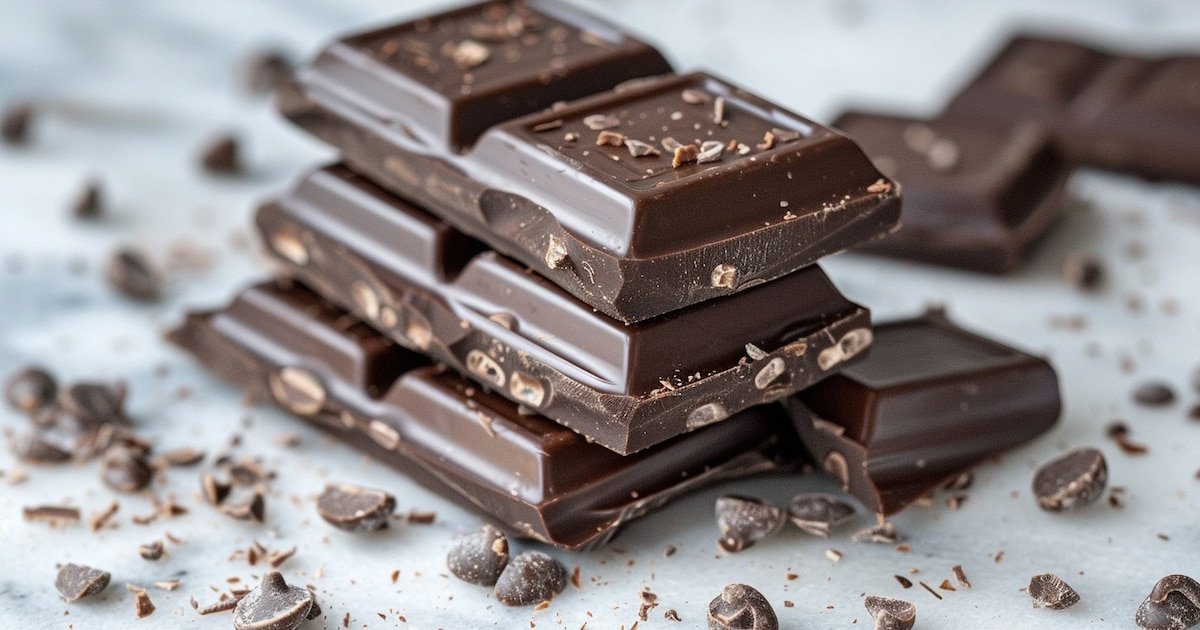
Durante siglos, los granos de cacao han guardado un enigma. De una misma plantación podían surgir chocolates con perfiles radicalmente distintos: unos florales, frutales y complejos, y otros planos, ácidos o excesivamente amargos.
Sin embargo, la explicación se encontraba en la fermentación, ese proceso que ocurre en las fincas cuando los granos son apilados y entran en contacto con bacterias y hongos del entorno.
Esa transformación, esencial para definir aroma y sabor, siempre estuvo fuera del control humano. Los productores podían repetir el método, pero no garantizar el resultado. El azar dictaba si un lote alcanzaba la categoría de “fino de aroma” o terminaba relegado al uso industrial.
Hoy, la ciencia plantea un camino distinto. Un equipo de la Universidad de Nottingham asegura haber identificado los factores clave de la fermentación y, sobre todo, haberlos puesto bajo control. La investigación, publicada en la revista Nature Microbiology, promete cambiar la manera en que se entiende y se produce el chocolate.

El estudio fue liderado por David Gopaulchan, especialista en microbiología aplicada a los alimentos. Junto con su equipo trabajó en Colombia, en las regiones de Santander, Huila y Antioquia, zonas reconocidas por la diversidad y calidad de sus cacaos. Allí monitorearon cada paso del proceso de fermentación, midiendo la temperatura de los granos, el potencial de hidrógeno (pH) y el cambio en las comunidades microbianas.
El hallazgo fue contundente: la combinación de esos factores determina el perfil sensorial del cacao. Cuando la temperatura se eleva en las primeras horas y el pH cambia en un rango específico, ciertas bacterias y levaduras se imponen y generan compuestos que intensifican el aroma y reducen el amargor. En cambio, cuando ese equilibrio se rompe, aparecen sabores planos y menos atractivos.
En Santander y Huila, los científicos encontraron fermentaciones que producían chocolates con notas florales, frutales y cítricas, comparables a los granos de Madagascar, muy apreciados en la industria del chocolate fino. En Antioquia, en cambio, el proceso más lento y menos definido derivaba en perfiles más cercanos al cacao de uso industrial.

Con la información recabada, los investigadores dieron un paso más: aislaron a los microorganismos responsables de los mejores resultados y los combinaron en una comunidad controlada. La aplicaron a granos estériles y lograron reproducir las mismas notas aromáticas obtenidas en las mejores fermentaciones naturales.
Ese grupo reducido de nueve especies microbianas se convirtió en lo que los científicos llaman la “salsa secreta” del chocolate fino. Su comportamiento, probado bajo condiciones de laboratorio, permitió crear un chocolate con sabores consistentes, menos amargos y con mayor complejidad sensorial.
La clave es que esta comunidad microbiana funciona como un cultivo iniciador, al estilo de los que se utilizan en la producción de queso, vino o cerveza. De este modo, la fermentación del cacao deja de ser un fenómeno imprevisible y pasa a ser un proceso reproducible, medible y perfeccionable.
El método fue probado no solo en Colombia, sino también en Trinidad, donde el cacao es considerado de los más finos del mundo. En ambos casos, los resultados fueron similares: los granos fermentados con la comunidad controlada generaron chocolates de calidad constante, evaluados positivamente por catadores expertos.

Este avance ofrece una ventaja crucial para los productores. Al poder controlar la fermentación, pueden garantizar la calidad de su cacao y aumentar su valor en el mercado internacional. Además, la estandarización facilita la exportación a chocolateros artesanales y grandes marcas que buscan consistencia en sus materias primas.
La posibilidad de intervenir también abre otra puerta: el diseño de nuevos sabores. Al variar la combinación de microorganismos, se podrían generar perfiles aromáticos inéditos, expandiendo el universo del chocolate fino más allá de lo que la naturaleza ofrece de manera espontánea.
La idea de controlar la fermentación no es nueva en otras industrias, pero sí lo es en el cacao. Enólogos, queseros y cerveceros han utilizado cultivos iniciadores durante siglos para garantizar estabilidad en sus productos. Ahora, la posibilidad de aplicar el mismo principio en el chocolate cambia las reglas del juego.
“El proceso de fermentación es natural y ocurre en las fincas de cacao. Hemos demostrado que los productores pueden apoyarse en marcadores medibles como pH, temperatura y cambios microbianos para lograr resultados consistentes”, resumió Gopaulchan.

El camino hacia la adopción masiva no será inmediato. Implica investigación aplicada, transferencia tecnológica y, sobre todo, confianza de los productores. Pero la perspectiva es clara: el chocolate fino ya no será producto de la casualidad, sino de una ciencia aplicada al servicio del sabor.
El hallazgo de la Universidad de Nottingham marca un punto de inflexión. A partir de ahora, el cacao puede ser cultivado, fermentado y procesado con un grado de precisión que antes parecía reservado a la intuición de los agricultores y a las condiciones de la naturaleza.
Con esta técnica, la excelencia deja de ser un privilegio azaroso para transformarse en una posibilidad replicable. Para los consumidores, significa chocolates más complejos, con perfiles definidos y una calidad asegurada. Para los productores, la oportunidad de elevar el estándar de su trabajo y acceder a mercados más exigentes.
El futuro del chocolate fino, que alguna vez dependió del azar, empieza a escribirse en los laboratorios y a proyectarse hacia las plantaciones del mundo.
Africa,Agricultural Markets,Corporate Events,Workforce,Ikom








INTERNACIONAL
«¡Callate cerdita!»: 2025, un año difícil para los periodistas, con pocas esperanzas de mejorar
Seguimiento de asesinatos y agresiones a periodistas
 periodistas israelíes protestan por el asesinato, a manos del Ejército israelí, de decenas de reporteros palestinos. Foto: EFE
 Reporteros del canal público palestino Palestine TV. Foto: EFE
Periodistas aprenden pronto que tienen una lucha entre manos
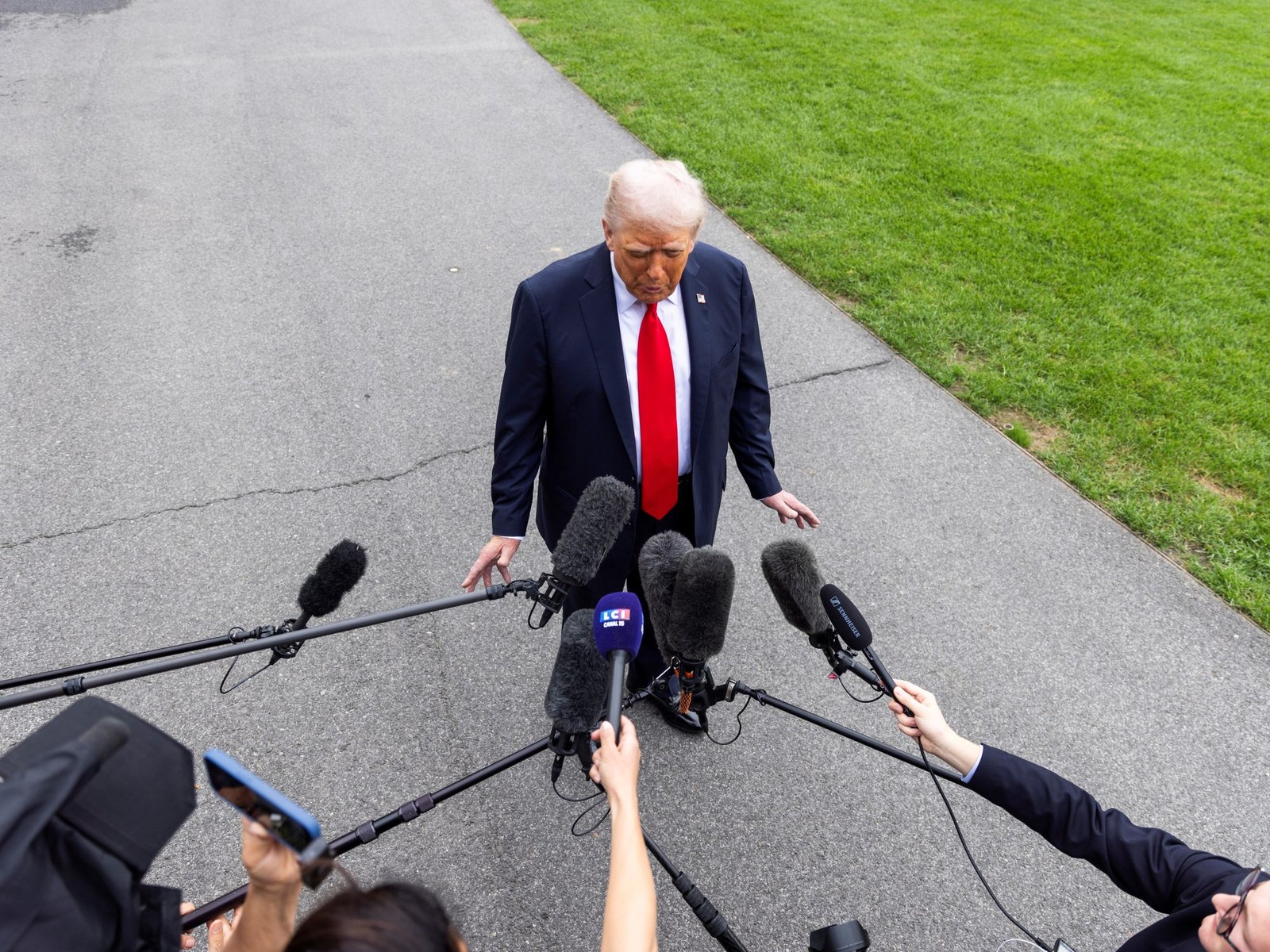
 Trump interactúa con los reporteros más que ningún otro presidente que se recuerde. Foto: AP
 Periodistas acreditados en el Pentágono abandona el lugar opuestos a las nuevas reglas del gobierno Foto: AP
Algunos motivos para el optimismo
INTERNACIONAL
Fraud engulfs Minnesota as another blue state kicks off New Year with ID for trains — not votes

NEWYou can now listen to Fox News articles!
While Minnesota grapples with a burgeoning fraud crisis, one blue state that still does not require photo ID to vote will require residents seeking to pay a reduced fare on state-owned transit present one in order to qualify.
Reduced-fare on NJTransit, and mass transit in other states, is often offered to senior citizens, military personnel or the infirm. Meanwhile, officials in Minnesota are grappling with a multifaceted fraud scandal involving subsidies paid to largely Somali-led outfits and interests that are allegedly illegitimate and often appear unverified as well.
However, New Jersey is one of 14 states that does not require the same stringent photo identification to be shown at the polls on election day.
The discrepancy spurred an uproar online as the local outlet Shore News Network drew attention to it in its reporting of the new reduced-fare ID requirement.
RED STATE GOVERNOR TOUTS MEDICAID SAVINGS AS MINNESOTA GRAPPLES WITH WIDESPREAD FRAUD ALLEGATIONS
New Jersey Transit bus 159R drives through Lincoln Harbor in Hoboken. (Gary Hershorn/Getty Images)
«Starting January 1, photo ID required for NJ Transit reduced fares but not for voting,» a headline from the Rutherford-based outlet read.
«This change is only for customers who have been using an NJ Transit issued non-photo ID as proof of reduced fare eligibility,» NJ Transit spokesman John Chartier told NJAdvanceMedia.
Current non-photo reduced-fare ID cards will no longer be accepted as of Thursday, according to the agency, which announced that Jerseyans must apply for a new photo ID either in-person or by mail – while providing NJTransit proof of age and/or disability and a recent photo.
COMER WARNS ‘WALLS ARE CAVING IN’ ON TIM WALZ AS MINNESOTA FRAUD PROBE WIDENS
NJ Transit said all non-photo Reduced Fare IDs will become invalid after the new year. Riders must apply for the new, free photo ID card online, by mail, or in person, providing proof of age or disability along with a recent photo, according to Shore News Network.
By contrast, on election day, voters must include their state driver’s license number on their registration form.
Failing to include that number on a registration form would then require identification be presented onsite for first-time voters; which could include a license or a utility bill, bank statement, paycheck or government document – not all of which have a photographic component.
MINNESOTA DEM SENATE CANDIDATE FACES CALL FROM OPPONENT TO APOLOGIZE OVER VIRAL ‘PANDERING’ HIJAB VIDEO
«This is how ridiculous Democrat-run states are,» one X user said. «Beginning January 1st, a photo ID will be required for the Reduced Fair Program, but it is still not required to vote. This is how they keep states blue by cheating.»
The volunteer good-governance organization New Jersey Project also slammed state policies:
«Photo ID needed for NJ Transit discounts but not for voting. Starting January,» the group said.
WALZ SLAMMED IN WAKE OF VIRAL VIDEO THAT RAISES DAYCARE FUNDING QUESTIONS: ‘NEEDS TO BE HELD ACCOUNTABLE’
«Priorities, Trenton?»
The blog New Jersey News wrote that state officials often claim voter ID «disenfranchises minorities» who cannot get such identification.
«Guess they won’t be riding the train either,» the outlet said.
MINNESOTA’S NEW MEDICAID FRAUD PREVENTION FIX WON’T MAKE ‘ANY DIFFERENCE,’ FORMER FBI AGENT SAYS
The group «Wake Up NJ» also fired back at the new policy, citing the same disparity between arguments against voter-ID and the state’s actions toward reduced-fare straphangers.
«New Jersey expects you to get that reduced fare for New Jersey Transit, but it’s OK [if you don’t] for voting,» they said.
The photo ID rule in-practice will allow a rider who goes a short distance on a state bus – considered a «Zone 1» fare – to pay 85 cents instead of the full $1.85. Commuters going to «Zone 3» – immediate suburbs of New York City – pay $5.30, but would be able to pay $2.40 under the reduced-fare ID policy.
CLICK HERE TO DOWNLOAD THE FOX NEWS APP
Longer trips see larger savings as NJTransit’s special limited-stop service on the Garden State Parkway from New York to Toms River and Atlantic City currently costs $57.40 to hit the casinos. Showing a reduced-fare ID card would allow the rider to pay $25.80.
Fox News Digital reached out to the New Jersey Secretary of State’s office, which oversees elections, for comment.
voter fraud concerns,minnesota fraud exposed,voting,travel,new jersey,business regulation
NEWYou can now listen to Fox News articles!
While the United States presses for negotiations aimed at ending the war in Ukraine, Russia is signaling a parallel strategy — deepening cooperation with U.S. adversaries and portraying itself as resistant to Western pressure.
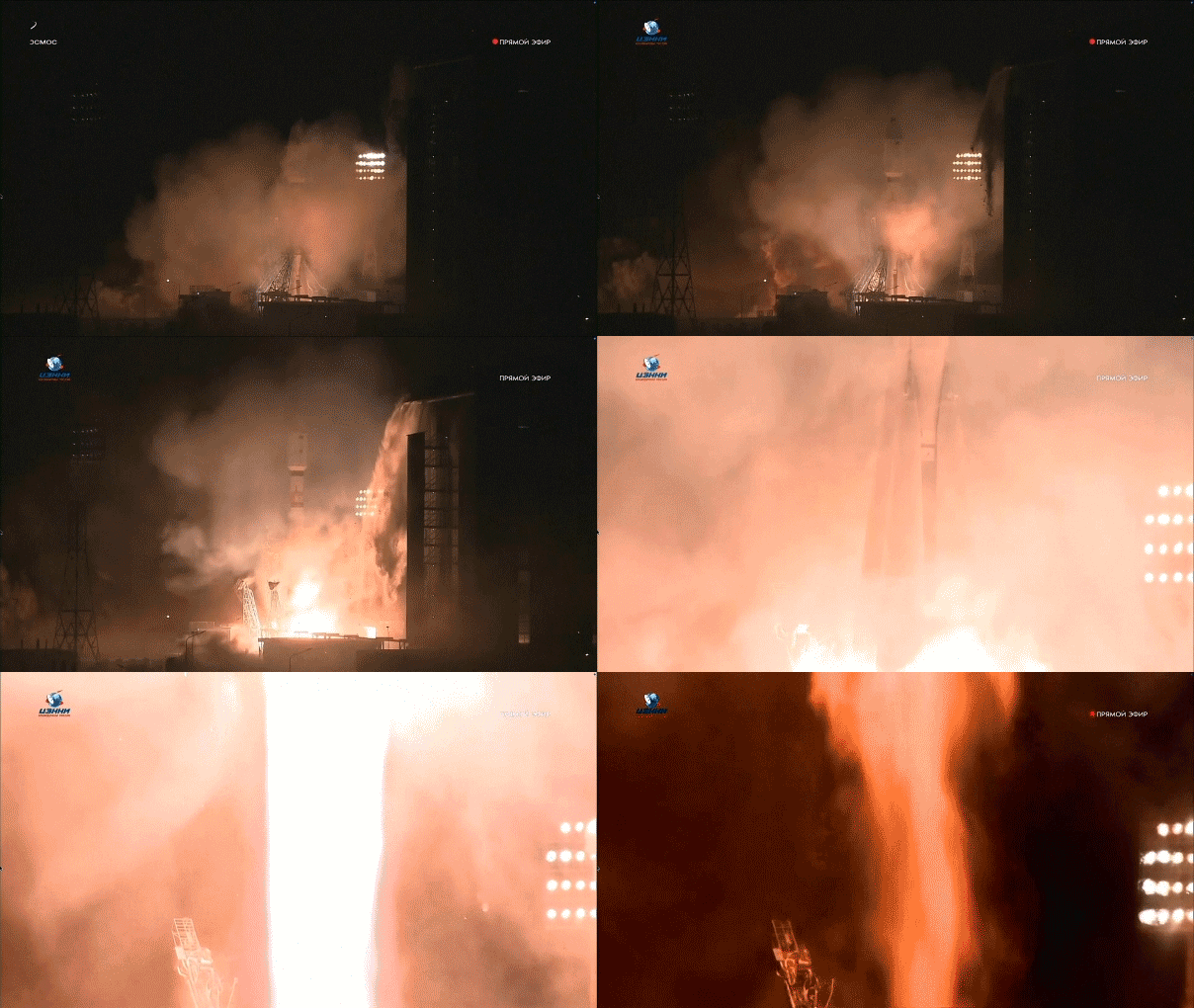
That posture was on display this week when Iran announced that three of its domestically designed satellites were launched into orbit aboard a Russian rocket.
The launch was broadcast by Iran’s Arabic-language state television channel Al-Alam News Network, which aired footage showing the satellites lifting off from Russian territory. The Associated Press and Reuters reported that the satellites were carried into orbit aboard a Russian rocket launched from eastern Russia, marking the seventh time Iran has conducted a satellite launch with Russian assistance.
IRANIAN PRESIDENT SAYS HIS COUNTRY IS AT ‘TOTAL WAR’ WITH THE US, ISRAEL AND EUROPE: REPORTS
Russian President Vladimir Putin and Iranian President Masoud Pezeshkian shake hands as they meet in Moscow, Russia Jan. 17, 2025. (Evgenia Novozhenina/Pool via Reuters)
Iranian Ambassador to Russia Kazem Jalali said the satellites were «designed and produced by Iranian scientists,» adding that cooperation between Tehran and Moscow continues «despite all the sanctions and threats,» according to Iranian state media cited by Reuters.
Iranian officials claim the satellites are intended for civilian purposes, including environmental monitoring and agriculture, though Western governments have long warned that Iran’s space program could advance technologies applicable to ballistic missile development.
The launch underscored a broader strategic relationship between Moscow that has expanded significantly since Russia’s invasion of Ukraine in 2022. Iran has supplied Russia with drones and other military equipment used on the battlefield, while Russia has provided diplomatic cover, economic cooperation and advanced technical support amid sweeping Western sanctions on both countries.
IRAN REPORTEDLY DEVELOPING CHEMICAL, BIOLOGICAL MISSILE WARHEADS AS PROTESTS SPREAD OVER COLLAPSING ECONOMY
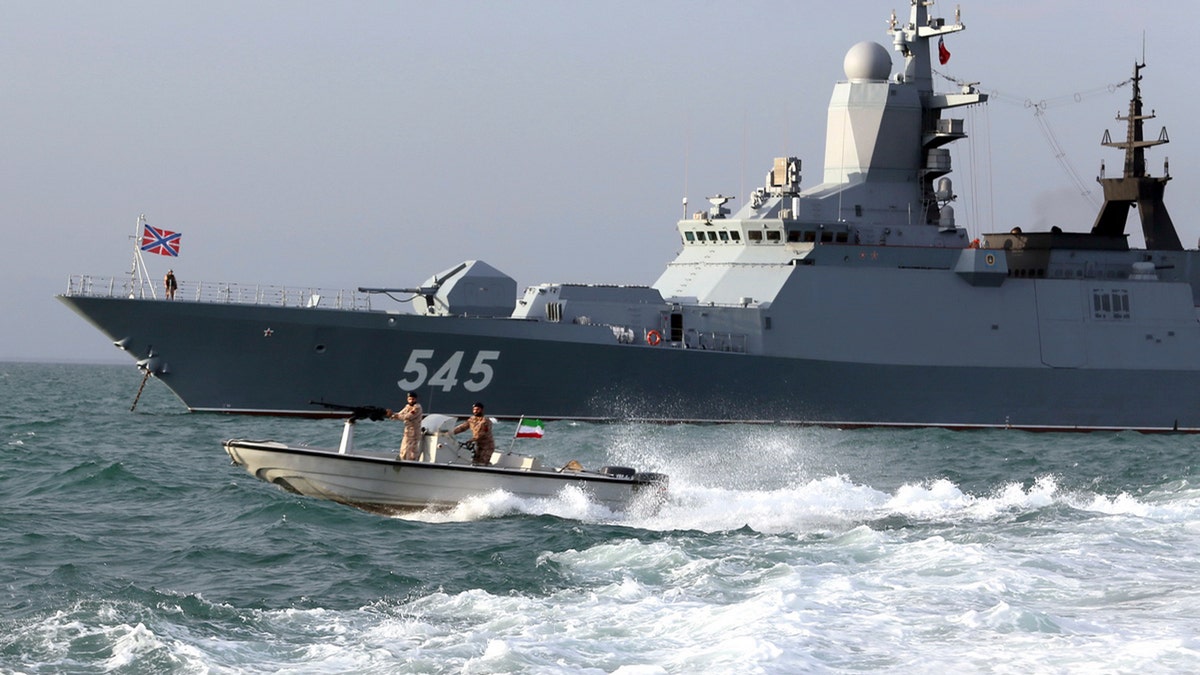
A Russian warship and an Iranian army speed boat attend a joint naval exercise on Tuesday. (AP/Iranian Army)
The growing Russia-Iran alignment comes as tensions between Tehran and Washington continue to rise. After President Donald Trump recently warned that the United States could strike Iran again if it attempted to rebuild its nuclear program, Iranian President Masoud Pezeshkian issued a sharp response.
According to the Associated Press, Pezeshkian said any U.S. attack would be met with a «harsh and discouraging» response. Iranian officials framed the warning as defensive, arguing it was meant to deter potential U.S. aggression rather than signal an intention to initiate conflict. Tehran has repeatedly said its nuclear program is peaceful, a claim the United States and its allies dispute.
CLICK HERE TO DOWNLOAD THE FOX NEWS APP

Russian army Mi-24 helicopters fly above a warship at the Turali range on the Caspian Sea coast in the Republic of Dagestan in Southern Russia on Sept. 23, 2020 during the «Caucasus-2020» military drills gathering China, Iran, Pakistan and Myanmar troops, along with ex-Soviet Armenia, Azerbaijan and Belarus. (Dimitar Dilkoff / AFP via Getty Images)
The exchange highlights how Iran and Russia are increasingly positioning themselves as partners pushing back against U.S. pressure, even as Washington attempts to pursue diplomacy on multiple fronts. Russia has portrayed its partnerships with Iran and other sanctioned states as evidence that Western efforts to isolate Moscow have failed, while Iran has used its cooperation with Russia to showcase technological resilience under sanctions.
iran,russia,vladimir putin,donald trump,air and space

Causa AFA: ordenan levantar el secreto fiscal y bancario de Javier Faroni y otros involucrados en las transferencias millonarias

«¡Callate cerdita!»: 2025, un año difícil para los periodistas, con pocas esperanzas de mejorar

¡Adiós al The Best! La FIFA reemplazará los premios con un nuevo galardón

¡Hay video! El tenso cruce entre la China Suárez y Mauro Icardi con una fan de Wanda Nara en el Aeropuerto de Ezeiza

Dólar: se picó el mercado y Caputo necesita que el «árbitro» juegue a favor

Fraud engulfs Minnesota as another blue state kicks off New Year with ID for trains — not votes

Calor extremo en el AMBA: cuándo la temperatura rozará los 40 grados

Calendario de pagos de ANSES de enero 2026: cuándo cobran jubilados, pensionados y beneficiarios de planes sociales

Patricia Bullrich destacó la aprobación del Presupuesto 2026 y la ruptura del peronismo en el Senado

Jana Maradona, hija de Diego: «Toda la vida estuve en juicio con mi papá»

 SOCIEDAD2 días ago
Calor extremo en el AMBA: cuándo la temperatura rozará los 40 grados
- ECONOMIA3 días ago
Calendario de pagos de ANSES de enero 2026: cuándo cobran jubilados, pensionados y beneficiarios de planes sociales
- POLITICA3 días ago
Patricia Bullrich destacó la aprobación del Presupuesto 2026 y la ruptura del peronismo en el Senado