INTERNACIONAL
Del caso Saab al refugio de prófugos de la justicia ecuatoriana: las huellas de la alianza entre el chavismo y el correísmo

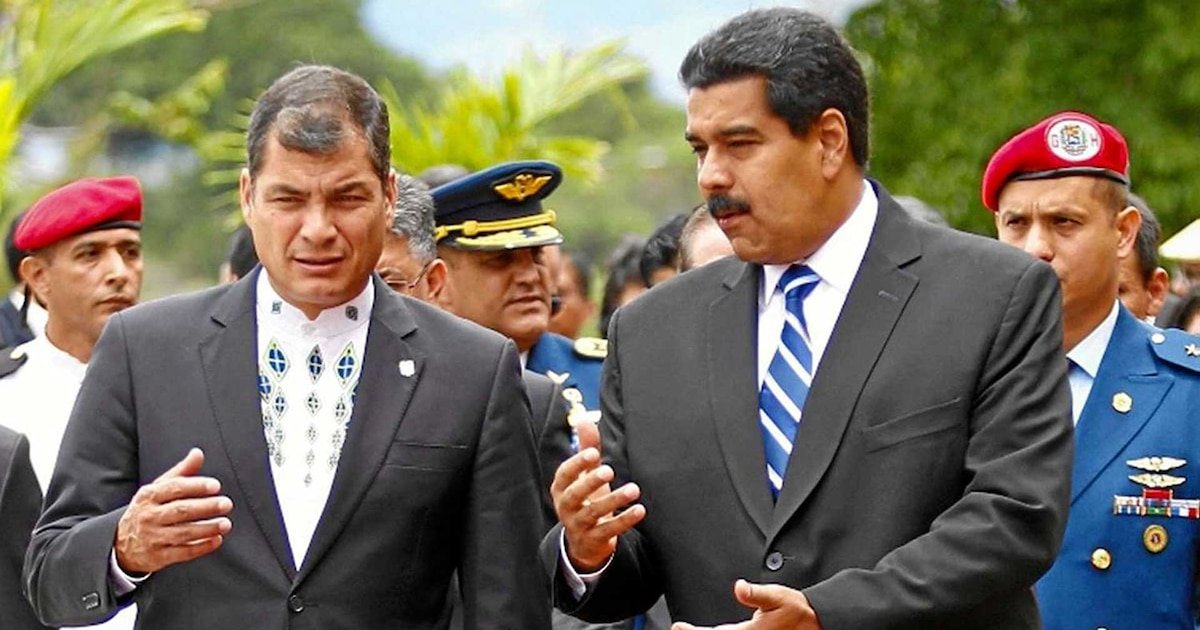
La relación entre el chavismo venezolano y el correísmo ecuatoriano no es un vínculo retórico ni un simple alineamiento ideológico de época. En los últimos años, una serie de hechos verificables: judiciales, diplomáticos y políticos, han vuelto a poner en evidencia una conexión operativa que va desde esquemas de corrupción transnacional hasta la protección de dirigentes correístas prófugos de la justicia ecuatoriana bajo el amparo del régimen de Nicolás Maduro, hoy detenido en los Estados Unidos. Estos episodios recientes permiten reconstruir cómo esa relación se ha mantenido activa incluso después de la salida de Rafael Correa del poder, quien no ha regresado a Ecuador pues tiene una sentencia por cohecho.
Uno de los casos más emblemáticos es el de Alex Saab, señalado por la justicia estadounidense como testaferro del régimen de Maduro y procesado por lavado de activos. En Colombia, Saab fue declarado inocente de esas acusaciones.
En Ecuador, en cambio, el nombre de Saab aparece vinculado a operaciones comerciales realizadas durante el gobierno de Correa, particularmente en supuestas exportaciones ficticias entre Venezuela y Ecuador que habrían servido para el movimiento irregular de capitales. En 2021, la Comisión de Fiscalización de la Asamblea Nacional resolvió reabrir una investigación sobre estas transacciones, bajo el argumento de que podrían aportar nuevos elementos sobre una trama que ya había sido archivada en el pasado.

Según la documentación parlamentaria y reportes periodísticos, estas operaciones se habrían ejecutado mientras Saab consolidaba su rol como operador clave del chavismo en esquemas internacionales de financiamiento y evasión de sanciones, un patrón que luego fue confirmado por procesos judiciales fuera del país.
Pero la relación no se limita al plano económico. En los últimos años, Venezuela se ha convertido en un territorio de refugio para ex funcionarios y ex legisladores correístas procesados por delitos graves en Ecuador.
El caso de Ronny Aleaga, ex asambleísta del correísmo investigado en el marco del caso Metástasis por presuntos vínculos con el narcotráfico y procesado como sospechoso de la autoría intelectual del magnicidio de Fernando Villavicencio, ilustra con crudeza esta dinámica. Aleaga permanece en Venezuela en condición de prófugo, y su permanencia en ese país ha estado acompañada de denuncias directas sobre la colaboración de autoridades venezolanas para impedir acciones legales en su contra.

Un episodio particularmente sensible es el relatado por Carolina Jiménez, ex esposa de Aleaga, quien denunció que su hijo menor de edad fue retenido en Venezuela con la complicidad de funcionarios del régimen. Según su testimonio, pese a contar con documentos judiciales ecuatorianos que acreditan su custodia, las autoridades venezolanas bloquearon reiteradamente el retorno del niño a Ecuador, bajo órdenes “que venían de arriba”.
El relato incluye retenciones arbitrarias, confiscación de documentos y un operativo de seguridad que, según la denunciante, fue coordinado directamente por Aleaga con apoyo estatal. La Fiscalía ecuatoriana confirmó la apertura de una investigación de oficio por presunto secuestro, mientras que la Cancillería ha reconocido las limitaciones diplomáticas para actuar tras el cierre de las legaciones venezolanas en Ecuador.
Otro hito clave que refuerza la conexión chavismo-correísmo es la fuga de María de los Ángeles Duarte, ex ministra de Obras Públicas del gobierno de Correa, condenada por corrupción. Duarte escapó en marzo de 2023 tras permanecer más de un año asilada en la Embajada de Argentina en Quito. Según reveló el entonces canciller ecuatoriano Juan Carlos Holguín ante la Comisión de Fiscalización de la Asamblea, el entonces presidente argentino Alberto Fernández –que comulgaba con la línea del socialismo del siglo XXI– le habría relatado en una llamada telefónica que la salida de Duarte fue planificada desde Caracas, con participación del embajador argentino ante el régimen de Maduro.

De acuerdo con esa versión, Duarte abandonó la sede diplomática argentina en un vehículo diplomático, aprovechando un evento social en la embajada, y posteriormente salió de Ecuador por vías irregulares hasta llegar a Venezuela. Holguín afirmó que no existen registros migratorios de una salida regular del país ni de un ingreso formal a Colombia, lo que refuerza la hipótesis de un traslado clandestino con apoyo estatal. El gobierno ecuatoriano declaró persona non grata al entonces embajador argentino en Quito, mientras que las autoridades venezolanas nunca dieron explicaciones oficiales sobre la presencia de Duarte en su territorio.
Estos casos no son hechos aislados ni meras coincidencias personales. En conjunto, configuran un patrón en el que el régimen chavista ha operado como un espacio de protección política y territorial para cuadros correístas procesados por corrupción o delitos graves, al tiempo que mantiene vínculos históricos con figuras clave del proyecto político de Correa. Durante su mandato e incluso tras las graves violaciones de derechos humanos reportadas, el ex presidente ecuatoriano –condenado por corrupción– defendió abiertamente al chavismo en foros internacionales, cuestionó los informes sobre vulneraciones de los derechos fundamentales en Venezuela y sostuvo una relación estrecha con Hugo Chávez y, posteriormente, con Maduro.
Ahora que Maduro ha sido capturado y detenido por los Estados Unidos, tanto Correa como el ala más radical de su movimiento defienden al dictador venezolano.

INTERNACIONAL
La Justicia de Hong Kong condenó al magnate de medios Jimmy Lai a 20 años de prisión por delitos contra la seguridad nacional
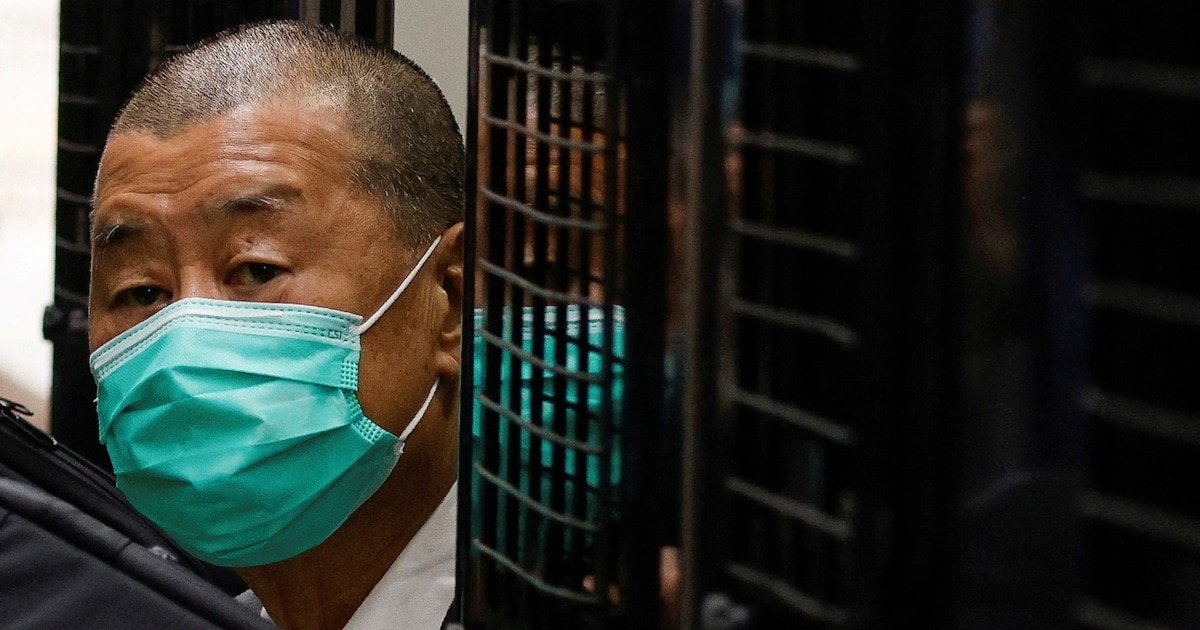
Un tribunal de Hong Kong condenó el lunes al magnate de los medios pro democracia Jimmy Lai a 20 años de prisión por delitos contra la seguridad nacional, en la pena más severa dictada bajo la legislación impuesta por Beijing. Grupos de derechos humanos calificaron el castigo como “efectivamente una sentencia de muerte” y lo señalaron como un símbolo del deterioro de la libertad de prensa en la ciudad.
El fundador de 78 años del desaparecido periódico Apple Daily fue declarado culpable en diciembre de dos cargos de colusión extranjera en virtud de la ley de seguridad nacional, así como de un cargo de publicación sediciosa. La sentencia supera el récord previo de 10 años de prisión impuesto al jurista Benny Tai en 2024.
En un documento resumido, los jueces explicaron que decidieron imponer una pena de 20 años de prisión “después de considerar la conducta criminal seria y grave de Lai”. Dos de esos años se superponen con la condena actual del empresario, lo que implica que cumplirá 18 años adicionales, según escribieron los magistrados.
Lai, encarcelado desde 2020, permaneció impasible en el banquillo de los acusados durante la lectura del fallo, según comprobó un periodista de la AFP presente en la sala. Cuando los agentes lo retiraron del tribunal, saludó solemnemente a las personas en la galería pública, entre ellas su esposa Teresa, el ex obispo de Hong Kong, el cardenal Joseph Zen, y antiguos periodistas de Apple Daily.
Su abogado defensor, Robert Pang, se negó a comentar si presentará una apelación, un recurso que puede interponerse dentro de los próximos 28 días. Consultado sobre si la sentencia coincidía con lo previsto, Pang respondió a la AFP: “En estos tiempos no sé qué esperar”.

Teresa Lai mantuvo un gesto sombrío durante la audiencia y no hizo comentarios al salir del tribunal. La familia expresó su rechazo en un comunicado. “Condenar a mi padre a esta draconiana pena de prisión es devastador para nuestra familia y pone en peligro la vida de mi padre”, afirmó el hijo del magnate, Sébastien. Su hija Claire calificó el castigo como una “sentencia desgarradoramente cruel” debido al deterioro de su salud en prisión y advirtió que, si se cumple, “morirá como un mártir tras las rejas”.
Organizaciones de derechos humanos también criticaron la decisión. Elaine Pearson, directora para Asia de Human Rights Watch, declaró en un comunicado: “La dura sentencia de 20 años contra Jimmy Lai, de 78 años, es en realidad una sentencia de muerte. Una sentencia de esta magnitud es cruel y profundamente injusta”.
Amnistía Internacional describió el caso como “otro hito sombrío en la transformación de Hong Kong de una ciudad gobernada por el estado de derecho a una ciudad gobernada por el miedo”. Jodie Ginsberg, directora ejecutiva del Comité para la Protección de los Periodistas, sostuvo que “la atroz decisión de hoy es el último clavo en el ataúd de la libertad de prensa en Hong Kong”.
El primer ministro británico, Keir Starmer, planteó con anterioridad el caso de Lai, ciudadano británico, durante una reunión con el líder del régimen chino Xi Jinping en Beijing el mes pasado. El presidente estadounidense, Donald Trump, también pidió su liberación.
Beijing rechazó las críticas por considerar que difaman el sistema judicial de Hong Kong. Las autoridades locales sostienen que el caso de Lai “no tiene nada que ver con la libertad de expresión y de prensa”.

Decenas de ex empleados de Apple Daily y otras personas hicieron cola durante la noche frente al tribunal de West Kowloon para conseguir un lugar en la audiencia. Periodistas se concentraron en los alrededores del edificio. La policía desplegó decenas de agentes, un vehículo blindado y un camión de desactivación de bombas en la zona.
“Creo que esto equivale a condenar a Lai a cadena perpetua”, declaró a la AFP Lam Ying-kit, un ex profesor de historia de unos 50 años que asistió al tribunal.
Los partidarios del empresario, sus hijos, sus abogados y organizaciones de derechos humanos expresaron preocupación por el deterioro de su salud en prisión. Los fiscales señalaron que Lai solicitó el régimen de aislamiento para evitar el acoso, mientras que las autoridades sostienen que recibe atención “adecuada”.
Lai fue procesado bajo la ley de seguridad nacional impuesta por China en 2020 tras las masivas protestas a favor de la democracia en el centro financiero asiático. Apple Daily cerró en 2021 después de redadas policiales contra la redacción.
(Con información de AFP)
Asia / Pacific
INTERNACIONAL
Venezuela: María Corina Machado denunció el secuestro de un dirigente opositor recién liberado
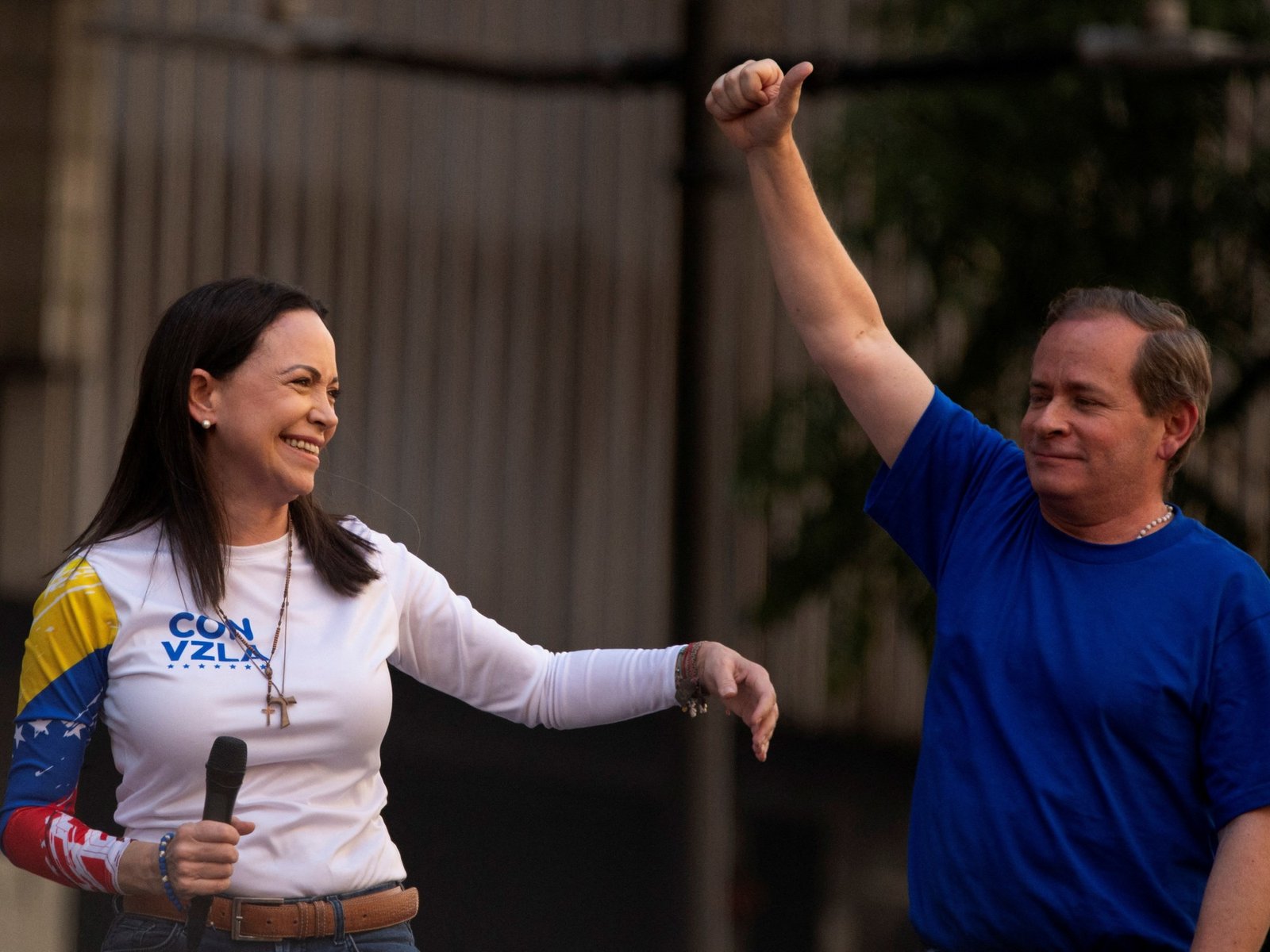
La líder opositora de Venezuela María Corina Machado denunció este domingo por la noche que «hombres fuertemente armados» secuestraron al dirigente Juan Pablo Guanipa, uno de sus más cercanos colaboradores, quien había salido de prisión horas antes tras permanecer detenido desde mayo de 2025.
«Urgente. Alerta internacional. Hombres fuertemente armados, vestidos de civil, llegaron en 4 vehículos, y violentamente se lo llevaron. Exigimos su liberación inmediata«, manifestó Machado en su cuenta de X.
La Nobel de la Paz 2025 precisó que el secuestro del hombre de 61 años se produjo en una urbanización llamada Los Chorros de Caracas.
URGENTE
ALERTA INTERNACIONAL.Hace pocos minutos fue secuestrado Juan Pablo Guanipa en la urbanización Los Chorros de Caracas.
Hombres fuertemente armados, vestidos de civil, llegaron en 4 vehículos, y violentamente se lo llevaron.
Exigimos su liberación inmediata.— María Corina Machado (@MariaCorinaYA) February 9, 2026
Guanipa fue liberado este domingo, un mes después de que el gobierno interino comenzara a excarcelar presos políticos tras el derrocamiento de Nicolás Maduro y antes de que el Parlamento venezolano vote el martes una ley de amnistía general propuesta por la presidenta encargada Delcy Rodríguez.
Machado, quien abandonó Venezuela en diciembre en secreto para recibir el Nobel y desde entonces se desconoce su paradero, celebró este domingo no solo su excarcelación, sino también las de Perkins Rocha, de 63 años, y Freddy Superlano, de 49, entre otros dirigentes.
«Muy pronto nos vamos a encontrar y abrazar en una Venezuela libre y le daremos gracias a estos héroes por todo lo que han entregado para hacer que Venezuela sea el país que nos merecemos, que Dios nos bendiga», dijo Machado en un audio en X horas antes de dar a conocer la desaparición de su colaborador.
Guanipa, quien fue vicepresidente del Parlamento, fue detenido el 23 de mayo de 2025 vinculado a una supuesta conspiración contra la elección de gobernadores y diputados al Parlamento.
Su última aparición pública fue el 9 de enero de 2025 para acompañar a Machado a una concentración contra la nueva investidura de Maduro tras las elecciones del 28 de julio de 2024, que la oposición denunció como un fraude.
«Creo que esto tiene que terminar con el respeto a la voluntad del pueblo venezolano», dijo Guanipa, uno de los mayores críticos del chavismo, al reivindicar el triunfo de la oposición en los comicios presidenciales de 2024.
Además, declaró: «El día 28 de julio del año 2024 el pueblo se manifestó, allí hubo una decisión popular. ¿La queremos respetar? Vamos a respetarla, eso es lo básico, eso es lo lógico. ¿Ah, no la quieres respetar? Entonces vamos a un proceso electoral».
En 2017, Guanipa fue electo gobernador del petrolero estado Zulia, pero se negó a juramentarse ante la Asamblea Nacional Constituyente instaurada por Maduro por considerarla ilegítima. Fue destituido y se convocaron nuevas elecciones en el estado, cuna de la industria petrolera venezolana.
El 8 de enero el gobierno interino de Venezuela anunció un proceso para otorgar un «número importante» de excarcelaciones de presos políticos en medio de la presión ejercida por el gobierno de Donald Trump. Familiares y oenegés han denunciado desde entonces que las liberaciones se han producido en cuentagotas.
Este domingo, pocas horas después de salir de prisión, Guanipa y el exconcejal de Caracas Jesús Armas, también excarcelado hoy, encabezaron una caravana de motocicletas y automóviles que partió desde el oeste de Caracas hacia varias cárceles en apoyo a familiares de presos políticos.
«Ni uno, ni dos, libérenlos a todos», gritaron activistas junto a Guanipa y Armas a las afueras de un centro de reclusión conocido como Zona 7, al oeste de Caracas, en exigencia a la liberación de todos los presos políticos, que superan los 600 según la ONG Foro Penal.
Previamente, la caravana pasó por El Helicoide, la sede del Servicio Bolivariano de Inteligencia Nacional (Sebin), donde familiares de presos políticos han pernoctado desde hace un mes.
Su hijo, Ramón Guanipa, exigió fe de vida de su padre y su «inmediata liberación». En un mensaje en X, informó que fue interceptado por un grupo de «aproximadamente 10 personas no identificadas».
«Anunciamos al país que nuestro líder nacional, Juan Pablo Guanipa, acaba de ser secuestrado por cuerpos represivos de la dictadura mientras se movilizaba de sitio», indicó por su parte el partido de Guanipa, Primero Justicia.
Con información de agencias.
INTERNACIONAL
Florencia Böhtlingk, en un viaje a través de lo esencial de la geometría, el color y el vacío
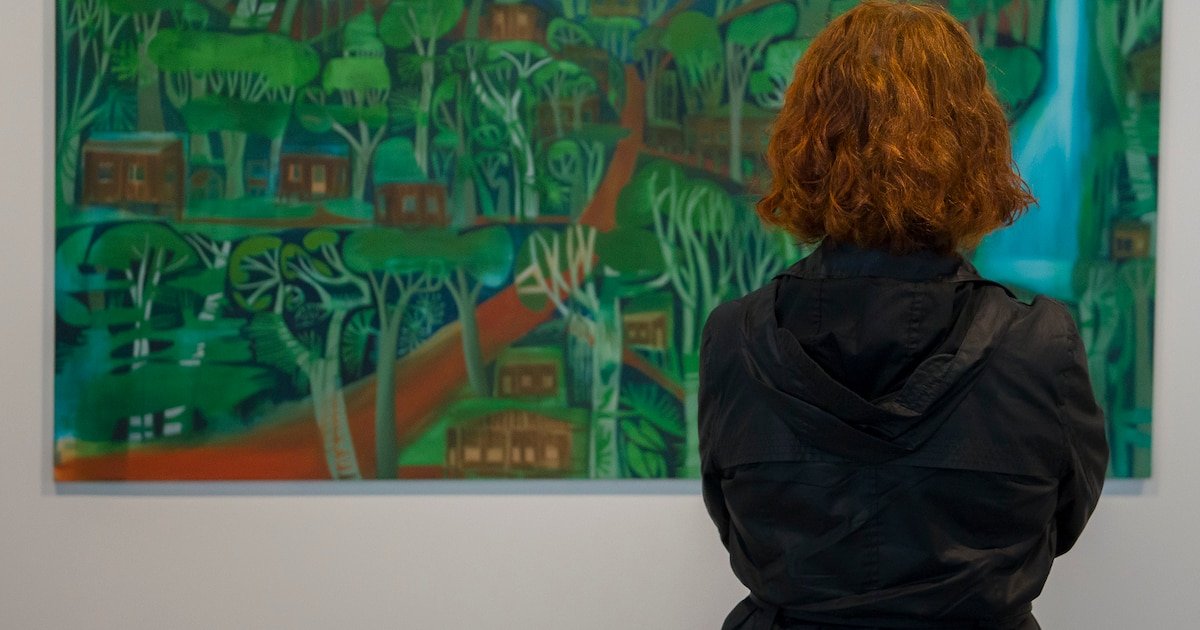
Al acercarse a las obras, la pincelada parece volverse impredecible, incluso caótica, pero en Florencia Böhtlingk se observa que logra integrarse con armonía: hay algo de lo natural, tanto del gesto como en el tema, que emerge de una observación detenida, de una contemplación que trasciende lo representativo. La pintora plasma un sentir, su mano es, en ese sentido, instrumento que transpola un recorrido.
En su primera exposición institucional, Juro que todo esto sucedió en un día. Obras 2010—2024, curada por Alejandra Aguado en Malba Puertos, convergen alrededor de 90 obras, entre acuarelas y pinturas, que más que mostrar invitan a descubrir.
En sus obras Böhtlingk juega con lo cartográfico y lo metafísico, expande las fronteras de lo percibido; en un sentido, sus pinturas documentan, desde reuniones sociales a paisajes y retratos, pero hay una vibración, un latir que surge desde el uso de la geometría y una cuidada (y limitada) selección de colores.

En ese sentido, podrían pensarse en la exuberancia cuando uno se para frente a, por ejemplo, frente a las obras que transcriben su impresión sobre el Paraje La Bonita, en El Soberbio misionero. Pero es exactamente lo contrario: en esa gran cantidad de elementos que las componen hay una dispocisión espacial armónica y, en un sus colores, un juego de matices sutil, experencial claro, pero sobre todo interior que nos hace preguntarnos “¿qué es lo verde?“.
Esa calidad aparentemente rebelde o exuberante, del trazo y lo representado, aporta además una dimensión espontánea que alude a la tensión entre el desorden y el equilibrio, entre lo visto y lo interior.
El recorte temporal de la muestra corresponde a un punto de inflexión de la artista, en la que dio un giro a su quehacer. “En 2010, me doy cuenta que una cosa es la naturaleza, otra cosa es el paisaje en la pintura europea y otra lo que tengo delante, la selva misionera, el Río de la Plata”, dijo a Infobae Cultura. Y agregó: “Ahí yo suelto eso y empiezo a construir con geometría… un cuadro. Es el momento en que entiendo que un cuadro es un cuadro y un paisaje es un paisaje”.

Por su parte, Aguado comentó: “Florencia empieza con una cosa primero muy surrealista, como la idea del paraíso perdido, estas figuras flotando como en espacios más abstractos. Y después, con algo muy romántico y clasicista, tratando de pintar este paisaje a partir de lo que se esperaba”, para luego tomar conciencia sobre la libertad de alejarse del naturalismo, ya que “la realidad puede ser también pura fantasía”, lo que redefinió la relación entre el entorno y la percepción subjetiva.
“Se pueden ver referencias a arte africano, a la talla religiosa o Gauguin. Es muy amante de la historia de la pintura. Y hay una cosa muy americanista también, el modo de dibujar y de pintar, que también tiene que ver con esto de la talla, con el grabado, por cómo son las formas”, dijo la curadora.
En su disposición, la exhibición se divide en tres “salas”, no cronológicas, donde al inicio se pueden observar las acuarelas au plain air, que luego se convierten en los cuadros, y una serie de cuadros en gran formato centrados en lo textual, en palabras que se agolpan, que fue parte de un proceso en que las ideas comenzaron a aparecer en sus piezas hasta ser el eje central, como en los casos de Las palabras son imágenes y La campaña.

Luego, en la sala principal se recorren el grueso de las piezas, y allí, ocultas a los desprevenidos, detrás de muchas de ellas, surgen autorretratos o bodegones minimalistas, centrados en flores, lo que convierte a la exhibición en una experiencia donde lo colectivo, lo anecdótico, lo histórico dejan espacio también para lo íntimo.
Regresando al proceso de Böhtlingk, la imposición de límites rigurosos en su paleta fue otro de los puntos de quiebre conceptuales en esta etapa: “Antes tenía miles de colores y ahora cada vez menos. Ahora por ahí tengo los primarios y las tierras. Ya con eso sé que me muevo”, dijo Böhtlingk, que halló afinidades con Matisse a partir del “acorde de tres colores mezclados entre sí y la geometría y con eso jugar”.

Esa economía cromática, sostuvo, trajo nuevas posibilidades. “Entonces, ahí con estos pocos elementos ya me era más fácil proyectar” y a su vez la llevó a expandir los temas, ingresando en escenas urbanas y rurales: “Empecé como a divertirme un poco poniéndome desafíos. En la cartografía del paraje en el 2014, dije ‘voy a pintar las casas de todos mis vecinos y mi casa. Y no solo eso, sino la del otro lado del cerro”.
El diálogo con la teoría y la tradición oriental aparece como un capítulo clave para su tránsito por el vacío y la tensión visual. Böhtlingk lo explicitó: “A partir de la lectura de un libro muy lindo de pintura china de François Jullien,en el que habla de la ausencia, la presencia, el vacío, empecé a darme cuenta que no había que definir del todo, que había que dejar abierto”. De esa influencia se desprende una de sus modos compositivos: “Me gustaba esa especie también de transparencia con el paisaje”.

Esta tensión entre figura, geometría, color y vacío puede observarse en Tacio y Remo o La cosecha de tabaco, piezas que parecen inacabadas, pero que en realidad revelan la virtud de saber detenerse, de dejar a la obra hablar más allá de la idea primigenia. “Si seguía, algo se iba a perder. Me la jugué y lo dejé así”, dijo.
Para Florencia Böhtlingk “la pintura necesita tensión” y lo logra, sea a través de las piezas con muchísima información o dejando lo elemental, construyendo un obra sensible y salvaje, pero a la vez meticulosa, libertando la mano para que el cuerpo hable, para que el sentir se exprese.
*Juro que todo esto sucedió en un día. Obras 2010—2024, hasta al 8 de marzo, en Malba Puertos, Alisal 160 Bahía, Puertos, Escobar. De jueves a domingo, de 12:00 a 19:00. Entrada libre y gratuita
Vernissage,Pintura,Arte,galería,exposición,espectador,cultura,moderno,abstracto,lienzo

Lento arranque de la construcción en 2026: cayó 11,6% la demanda de materiales en enero

Estudiantes vs. Deportivo Riestra: formaciones, hora y dónde ver por tv

Alex Caniggia reveló por qué rechazó Gran Hermano Generación Dorada: “Está muy loca la gente”

Las consultoras insisten en que Argentina debe colocar deuda en el mercado internacional y aprovechar el mayor interés por Latinoamérica

El Inter de Porto Alegre ganó en modo Granate

La Justicia de Hong Kong condenó al magnate de medios Jimmy Lai a 20 años de prisión por delitos contra la seguridad nacional

Flor de la V contó las dificultades que vivió junto a Pablo Goycochea cuando se conoció su romance: “Había una persecución”

¿La revancha de Don Chatarrín?: acuerdo Trump-Milei puede favorecer a Rocca ante el avance asiático

Desconcertada y sin la China Suárez: así reaccionó Magnolia tras el maltrato de un guardaespaldas

Natalie Weber contó toda la verdad del coqueteo de Sabrina Rojas a Mauro Icardi en un boliche: “Yo sé lo que pasó esa noche y te puedo decir que Sabrina no fue”

 ECONOMIA3 días ago
¿La revancha de Don Chatarrín?: acuerdo Trump-Milei puede favorecer a Rocca ante el avance asiático
- CHIMENTOS2 días ago
Natalie Weber contó toda la verdad del coqueteo de Sabrina Rojas a Mauro Icardi en un boliche: “Yo sé lo que pasó esa noche y te puedo decir que Sabrina no fue”
- INTERNACIONAL3 días ago
Top fiery moments as Democrats clash with Treasury Secretary Bessent in chaotic Hill hearings