INTERNACIONAL
Dem governor hopefuls vow to resist Trump as California chaos becomes NJ campaign issue

NEWYou can now listen to Fox News articles!
The chaos unfolding in California seeped onto the New Jersey campaign trail Tuesday as Democratic gubernatorial candidates pitched their plan to resist President Donald Trump.
Tuesday is primary Election Day in the Garden State, and the race to replace Gov. Phil Murphy is on. Murphy, who is term-limited this year, is one of several Democratic governors leading blue-state resistance to Trump’s second term and his flurry of executive actions.
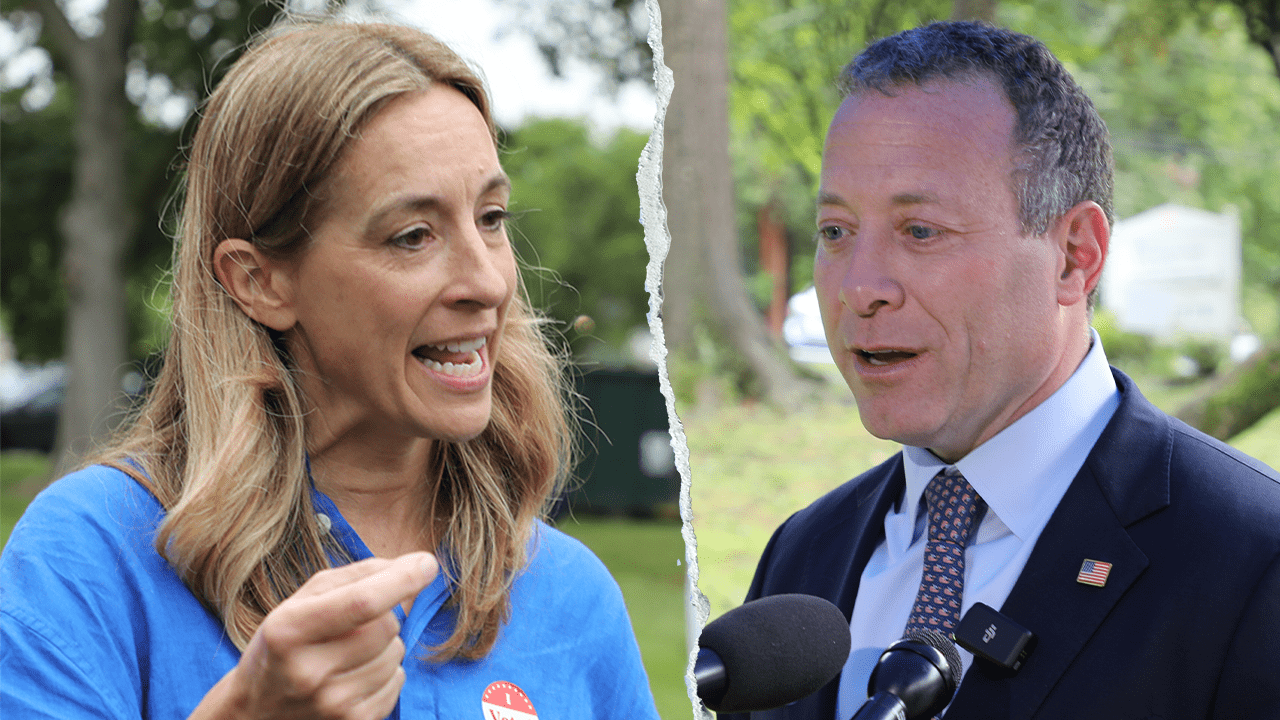
Two candidates vying for an opportunity to fill Murphy’s shoes – Rep. Mikie Sherrill and Rep. Josh Gottheimer, both U.S. representatives from New Jersey – defended California Gov. Gavin Newsom’s response to the protests and riots impeding U.S. Immigration and Customs Enforcement (ICE) operations in Los Angeles.
When asked how she would handle the ongoing situation in Los Angeles differently from Newsom, Sherrill touted her military and law enforcement background and told Fox News Digital she would stand up «strongly in favor of keeping people here in the state safe,» return safety to the streets and continue «speaking out against a president who is trying to create violence in the country.»
DEMOCRATIC STRATEGIST WARNS HIS PARTY THAT LA RIOTS ARE PLAYING INTO TRUMP’S HANDS
Reps. Mikie Sherrill (left) and Josh Gottheimer are Democratic candidates for New Jersey governor. (Deirdre Heavey/Fox News Digital)
Sherrill is a U.S. Navy veteran and served in the U.S. Attorney’s Office in New Jersey as an outreach and re-entry coordinator, which she described as prosecuting federal cases and advising law enforcement on investigations.
TRUMP TAKES ACTION AGAINST ‘ORCHESTRATED ATTACK’ ON LAW ENFORCEMENT BY DEPLOYING MARINES TO LA: ASSEMBLYMAN
Trump said this weekend it would be a «great thing» if Newsom was arrested. After casting her ballot in Montclair on Tuesday morning, Sherrill called Trump’s comments «ridiculous.»
«It should concern everyone,» Sherrill said.
The Trump administration has ordered National Guardsmen and Marines to Los Angeles following days of escalating anti-ICE protests and riots.
«Governor Newsom surged law enforcement in, and what Trump seems to be doing is trying to add fuel to the fire and really make the situation violent and bad,» Sherrill told reporters. «That’s completely unacceptable.»

Rep. Mikie Sherrill, joined by her children, arrives at Hillside Elementary School in Montclair, New Jersey, to cast her ballot in the primary. (Fox News Digital)
Also in the Garden State on Tuesday afternoon, Gottheimer said it was «outrageous» for Trump to send the National Guard to California without Newsom’s request.
«The fact that the president, for the first time since 1965, sent troops in from the National Guard without a request from the governor is outrageous. It’s just more chaos that we’re used to having in this administration. It’s not how I would approach this,» Gottheimer told Fox News Digital after voting in Tenafly.
The last time a sitting U.S. president used his federal authority to deploy the National Guard without the governor’s request was during the civil rights march from Selma to Montgomery in 1965.
Gottheimer said his primary focus is on protecting New Jersey families, and that priority would guide his leadership through any situation if elected governor.
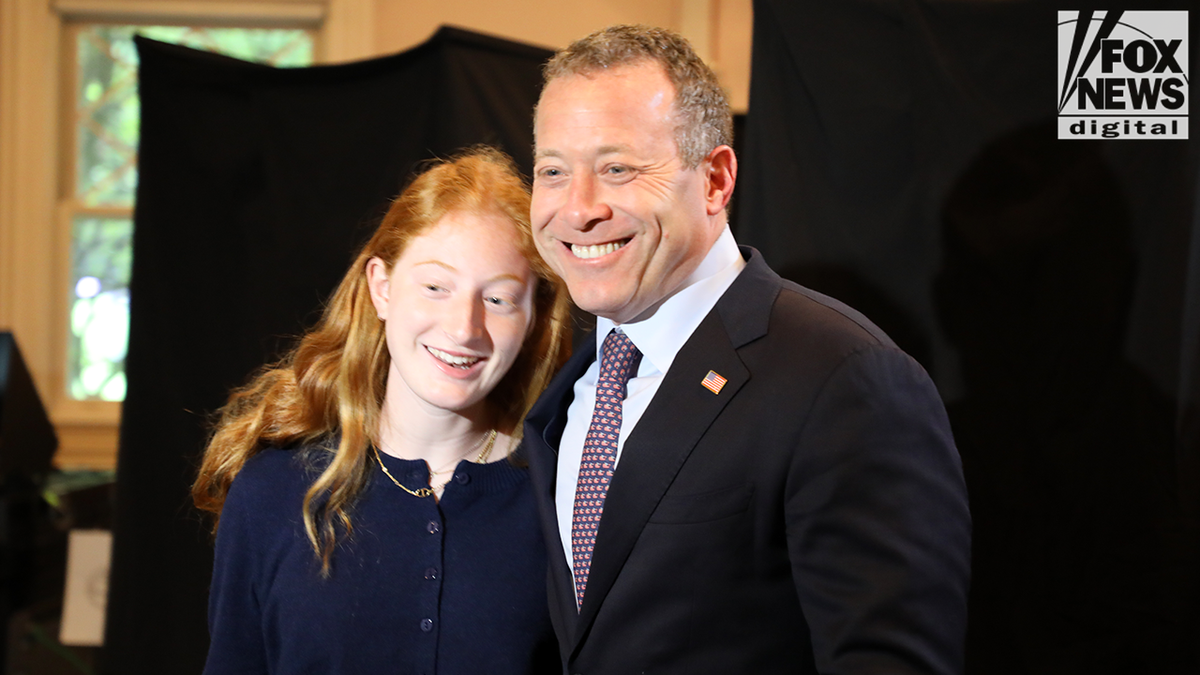
Rep. Josh Gottheimer smiles for a photo with his daughter after filling out his ballot. (Fox News Digital)
Both candidates on Tuesday said they were best positioned to take on Trump. While Sherrill said she is the candidate willing to resist the status quo, Gottheimer pitched himself as the «tenacious» leader to actually beat the Republican nominee this fall.
In addition to Sherrill and Gottheimer, Democratic gubernatorial candidates for New Jersey include Newark Mayor Ras Baraka, Jersey City Mayor Steve Fulop, New Jersey Education Association President Sean Spiller and former state Senate President Steve Sweeney.
Baraka was arrested for trespassing at an ICE facility in Newark this year, another example of Trump’s immigration policies taking center stage in the New Jersey governor’s race.
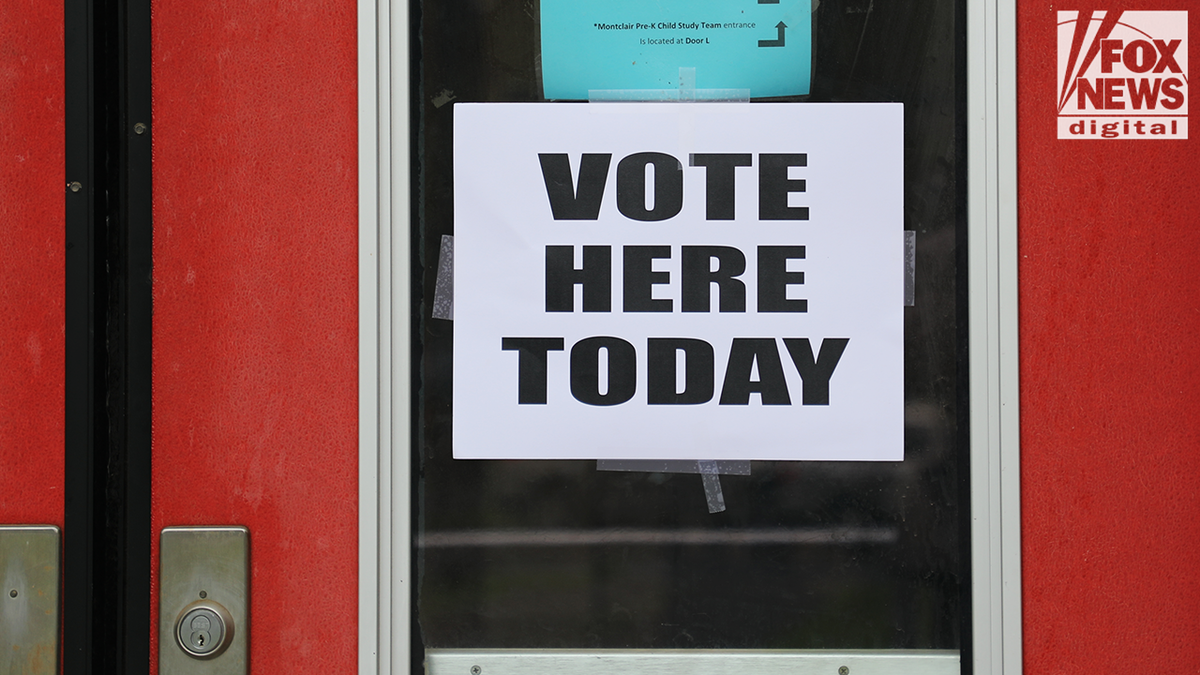
New Jersey voters cast their ballots in the primary election on Tuesday, June 10. (Fox News Digital)
Last week, Baraka filed a lawsuit against Alina Habba, U.S. Attorney for the District of New Jersey, and Department of Homeland Security (DHS) Agent Ricky Patel «for false arrest, malicious prosecution, and defamation.»
And Spiller said on X the situation in LA is «not normal» and vowed to stand up for New Jersey against Trump and his «tactics that are real threats» if elected governor.
CLICK HERE TO GET THE FOX NEWS APP
«From ICE tearing apart families to the President sending out the National Guard – over the objection of the Governor – and now apparently contemplating deploying Marines on our people – we have to stand up in solidarity and defend our democracy,» Spiller said.
Fox News’ Kirill Clark contributed to this report.

NEWYou can now listen to Fox News articles!
A House Democrat with a background in physics is sounding the alarm over what he views as a lack of a plan to deal with Iran’s nuclear sites during the U.S. offensive campaign.
After a classified briefing Tuesday with top administration officials, Rep. Bill Foster, D-Ill., said lawmakers were not presented with a clear plan to secure or neutralize Iran’s stockpile of enriched uranium.
«We have heard that they never had a plan for that nuclear stockpile of enriched uranium — to destroy that, to seize it or to put it under international inspection,» he
The U.S. intervention was publicly justified by the Trump administration as a necessary step to stop Iran from developing a nuclear weapon.
U.S. forces have struck more than 1,700 targets across Iran, including ballistic missile launch sites, air defenses, naval assets and command centers. Core nuclear facilities, however, have not been among the primary targets.
«Until that happens, Iran will be very, very close to making — as many observers have pointed out in a nonclassified situation — Iran can use that material to make a handful of Hiroshima-style nuclear devices,» Foster told Fox News Digital. «Not the sort you can put on a missile, but the sort you can deliver by a number of other ways and are very hard to stop.»
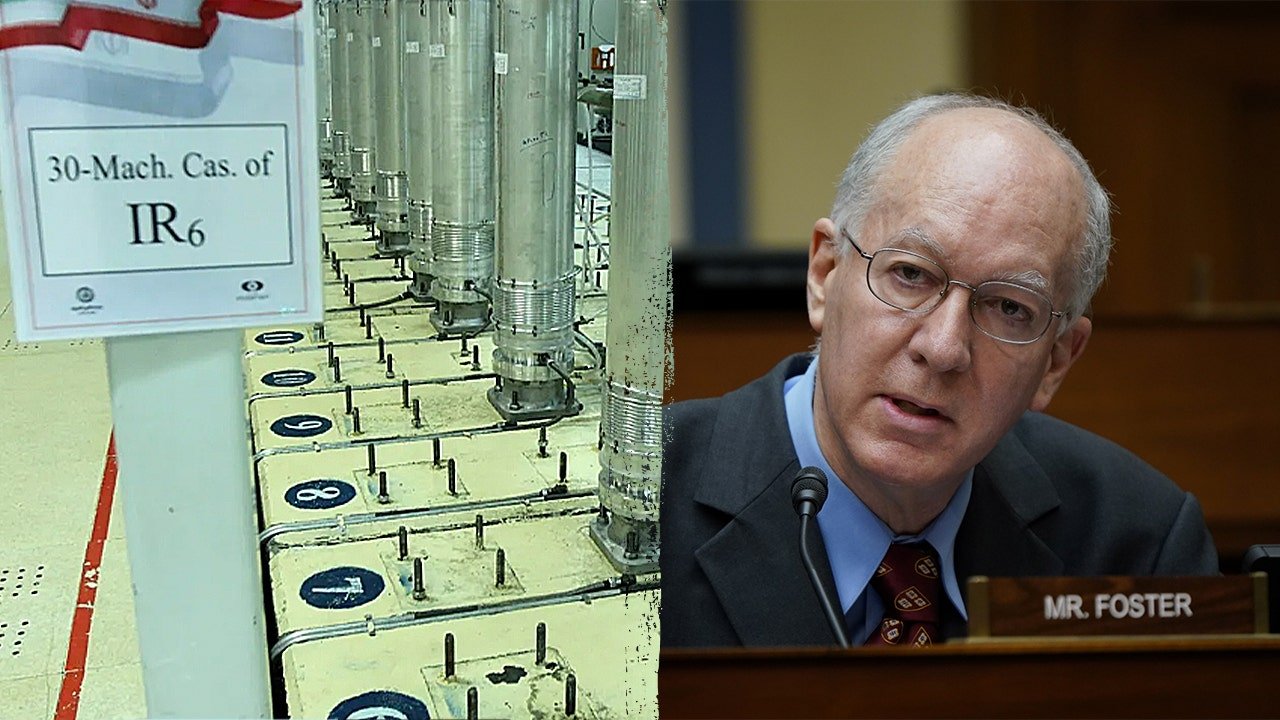
After a classified briefing with top administration officials, Rep. Bill Foster, D-Ill., said lawmakers were not presented with a clear plan to secure or neutralize Iran’s stockpile of enriched uranium. (Scott Applewhite/pool via Reuters)
Foster was referring to Iran’s stockpile of highly enriched uranium, material that, if weaponized, could be used to build a nuclear explosive device.
Experts note that building a compact warhead that fits on a ballistic missile is technically complex and requires advanced engineering. But a simpler, larger nuclear device — similar in basic concept to the bomb the U.S. dropped on Hiroshima, Japan, in 1945 — would not need to be miniaturized to fit on a missile. Such a device could not be delivered by long-range rocket but could theoretically be transported by other means.
Foster argued that containing Iran’s nuclear materials, most of which are buried deep underground, would likely require U.S. forces to enter Iran.
Recent satellite imagery shows damage to support buildings and access points at Iran’s Natanz enrichment site, though the deepest underground infrastructure at key nuclear facilities has not been confirmed as a primary target in the current campaign.
U.S. and international officials previously have acknowledged that while strikes can damage enrichment infrastructure, stockpiled enriched uranium stored underground may remain intact and potentially retrievable unless physically secured or removed.
«You have to go in there with boots on the ground and grab a bunch of equipment,» Foster said. «You have to go underground into those facilities and lose a lot of soldiers’ lives doing that.
«They’re unwilling to do that, or they’ve decided not to or they’ve decided it’s impossible. In any case, they did not present to us any plan that would actually get the material under control.»
Without securing the nuclear material, he argued, military operations may push Iran closer to a nuclear weapon than diplomatic negotiations would have.
«The only positive thing about the ayatollah is that he had a fatwa against building nuclear weapons,» Foster said. «Who knows what the next generation of ayatollahs are going to feel? They’re going to be under a lot of pressure from the IRGC, which was not so much against having a nuclear weapon.»
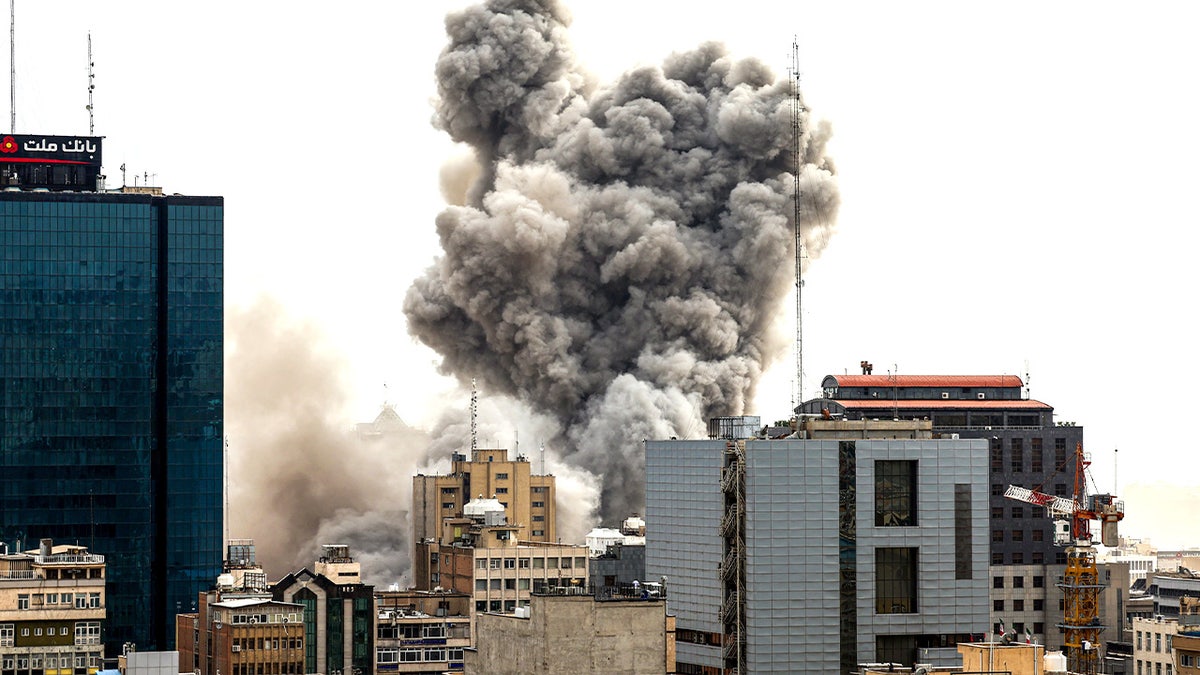
President Donald Trump confirmed the launch of U.S. strikes on Iran Feb. 28, 2026. (Contributor/Getty Images)
Ayatollah Ali Khamenei, who was killed in the joint U.S.-Israeli operations, had previously issued a fatwa, a religious edict, opposing the pursuit of nuclear weapons. Analysts have long debated how binding or durable that ruling was.
At a White House briefing Wednesday, press secretary Karoline Leavitt said the administration believes Iran «wanted to build nuclear weapons to use against Americans and our allies,» framing the strikes as necessary to prevent Tehran from advancing its nuclear ambitions.
Missile suppression strategy faces ‘math problem’
Senior administration officials have emphasized that the current phase of the campaign is aimed at dismantling Iran’s ability to project force with missiles, drones and naval assets.
Defense Secretary Pete Hegseth has highlighted strikes on Iran’s ballistic missile systems, air defenses and naval capabilities, describing the effort as a push to degrade the conventional tools Tehran uses to threaten U.S. forces and regional allies.
Secretary of State Marco Rubio similarly has said the United States is working to «systematically take apart» Iran’s missile program, so it could not «hide behind» it to develop a nuclear weapon.
While the broader justification for intervention centered on preventing a nuclear-armed Iran, the most immediate threat facing U.S. troops and partners has been Iran’s ongoing missile and drone launches. Administration officials contend Iran’s missile buildup was meant to create a deterrent buffer, shielding its broader strategic ambitions, including its nuclear program, from outside attack.
Lawmakers emerging from classified briefings said the campaign has become, in part, a question of sustainability.
US ‘WINNING DECISIVELY’ AGAINST IRAN, WILL ACHIEVE ‘COMPLETE CONTROL’ OF AIRSPACE WITHIN DAYS, HEGSETH SAYS
«We do not have an unlimited supply,» Sen. Mark Kelly, D-Ariz., said of U.S. and allied interceptor inventories. He warned the conflict could become a «math problem,» balancing launch volumes against finite air defense munitions and the ability to replenish them without weakening readiness in other theaters.
«At some point — and we’re probably already in this — this becomes a math problem,» Kelly added.
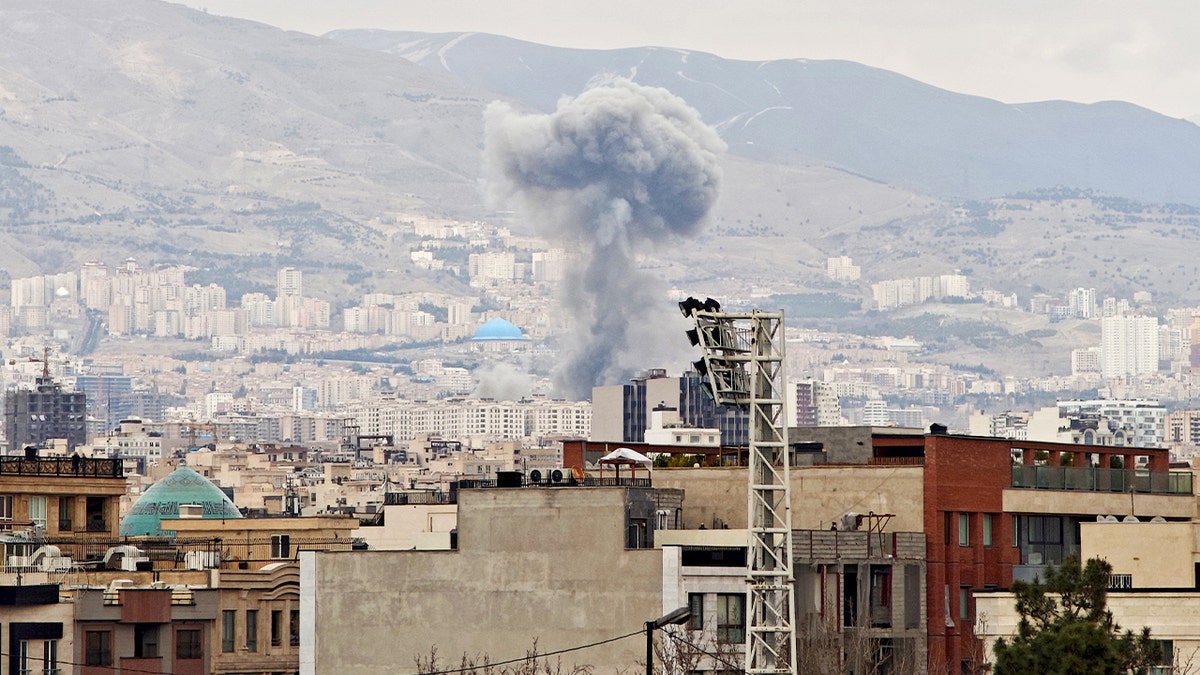
Smoke rises in Tehran after an explosion March 2, 2026, amid ongoing U.S. and Israeli military strikes. (Majid Saeedi/Getty Images)
He said he pressed defense officials on how interceptor stocks are being replenished and whether diverting munitions to the Middle East could strain U.S. readiness elsewhere.
«How can we resupply air defense munitions? Where are they going to come from? How does that affect other theaters?» he said. «The math on this currently seems to be an issue.»
Sen. Andy Kim, D-N.J., said he also sought clarity on interceptor inventories but did not receive detailed answers.
«I am very concerned about that,» Kim said. «I did not get any specificity today. … Something akin to ‘trust us’ is not good enough for me.»
Republicans, however, pushed back on the notion that interceptor supplies are strained.
Sen. Markwayne Mullin, R-Okla., said officials told lawmakers U.S. forces are «in great shape,» dismissing concerns about shortages.
US UNLEASHES OPERATION EPIC FURY, STRIKES 1,700 IRAN TARGETS IN 72 HOURS
Ehud Eilam, a former Israeli defense official and national security analyst, said that while a nuclear weapon remains the most serious long-term threat, missile and drone systems pose the most immediate danger if intelligence assessments conclude Iran is not on the verge of assembling a device.
«As long as it is estimated Iran cannot produce a nuclear weapon soon, then the focus moves to missiles and drones,» Eilam said, noting that ballistic missiles would ultimately be required to deliver any future nuclear warhead. Suppressing mobile launchers, crews and command networks can reduce Iran’s firing tempo, conserving interceptor supplies while degrading Tehran’s broader military capacity, he said.
The concern is not theoretical.
During the intense June 2025 Iran–Israel conflict, U.S. forces reportedly fired more than 150 Terminal High Altitude Area Defense interceptors, roughly a quarter of the global inventory, along with large numbers of ship-based Standard Missile interceptors to shield allies.
Analysts note that replenishing high-end air defense systems such as Patriot, THAAD and SM-3 interceptors could take more than a year under current production rates.
CLICK HERE TO DOWNLOAD THE FOX NEWS APP
The Pentagon also is balancing competing demands. The same missile defense systems used to protect U.S. bases and Gulf partners are being supplied to Ukraine to defend against Russian cruise missile attacks, creating what some analysts describe as a «zero-sum» competition for inventory between Europe and the Middle East.
«There is a limit to how many THAAD missiles can be used,» Eilam said. «These are not systems you can reproduce overnight.»
The White House and Pentagon could not immediately be reached for comment.
Related Article

war with iran,nuclear proliferation,iran,conflicts defense
INTERNACIONAL
EN VIVO: El Ejército de Israel destruyó lanzadores de misiles operados por Irán durante una nueva oleada de ataques
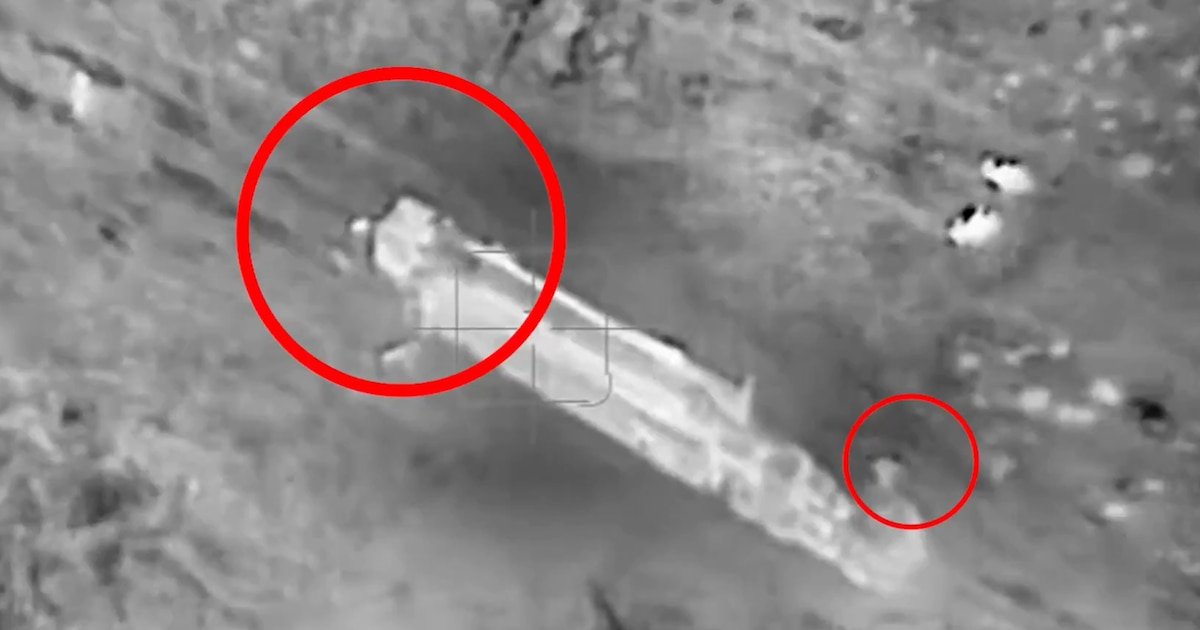
Según el reporte militar, algunas de estas plataformas estaban preparadas para ser utilizadas en ataques contra territorio israelí
La guerra en Medio Oriente se intensificó este miércoles en múltiples frentes: Israel anunció que continuará bombardeando Irán durante “al menos” una o dos semanas más y atacará “miles de objetivos” adicionales, mientras la agencia oficial iraní IRNA elevó a 1.045 el número de muertos en el país desde el inicio de la ofensiva. Un submarino estadounidense torpedeó y hundió la fragata Iris Dena en el Océano Índico —el primer hundimiento de un buque enemigo por torpedo estadounidense desde la Segunda Guerra Mundial—, con 87 cuerpos recuperados, 32 sobrevivientes y 61 desaparecidos.
En el frente económico, la consultora Kpler informó que el tráfico de petroleros en el estrecho de Ormuz se desplomó un 90% en una semana. Los Guardias de la Revolución reafirmaron tener “control total” del estrecho y un buque portacontenedores de bandera maltesa fue atacado frente a Omán. El Brent subía un 2,83% a 83,70 dólares, las bolsas europeas se estabilizaron y los mercados asiáticos sufrieron pérdidas severas, con Seúl cayendo más de un 12%.
El conflicto se extendió al Líbano, Irak y el espacio aéreo turco. Israel ingresó a varios pueblos al sur del río Litani y sus ataques dejaron al menos 11 muertos, mientras Hezbollah respondió con drones contra objetivos en Tel Aviv y Haifa. Los Guardias dispararon más de 40 misiles y atacaron posiciones kurdas en Irak. Un misil iraní fue interceptado por la OTAN cerca del espacio aéreo turco; Ankara aclaró que el proyectil iba dirigido a “una base en la parte griega de Chipre” pero se desvió.
A continuación, la cobertura minuto a minuto:
El régimen de Irán postergó las ceremonias de duelo por la muerte del líder supremo Ali Khamenei
Las agencias de propaganda del régimen iraní informaron este miércoles que las ceremonias para rendir homenaje al depuesto líder supremo Ali Khamenei han sido aplazadas hasta nuevo aviso.
Los eventos de duelo se suspendieron indefinidamente, según confirmaron fuentes oficiales, aunque los preparativos continúan en curso. No se ofrecieron detalles sobre los motivos de la postergación ni sobre la nueva fecha para los actos conmemorativos.
La Liga Árabe condenó la escalada militar de Irán y exigió el cese inmediato de los ataques contra los países del Golfo
La Liga Árabe instó este miércoles a Irán a detener de inmediato los ataques dirigidos contra naciones del Golfo.
Ahmed Aboul Gheit, secretario general del bloque que reúne a 22 países, calificó los bombardeos y ofensivas recientes como una profundización de un estado de hostilidad sin precedentes entre Teherán y sus vecinos.
En su declaración, Aboul Gheit advirtió que “Irán debe entrar en razón” y describió las acciones militares como un “error estratégico” que pone en riesgo la estabilidad regional. El llamado de la Liga Árabe se suma a las presiones internacionales para contener el conflicto y evitar una extensión de la crisis en Medio Oriente.
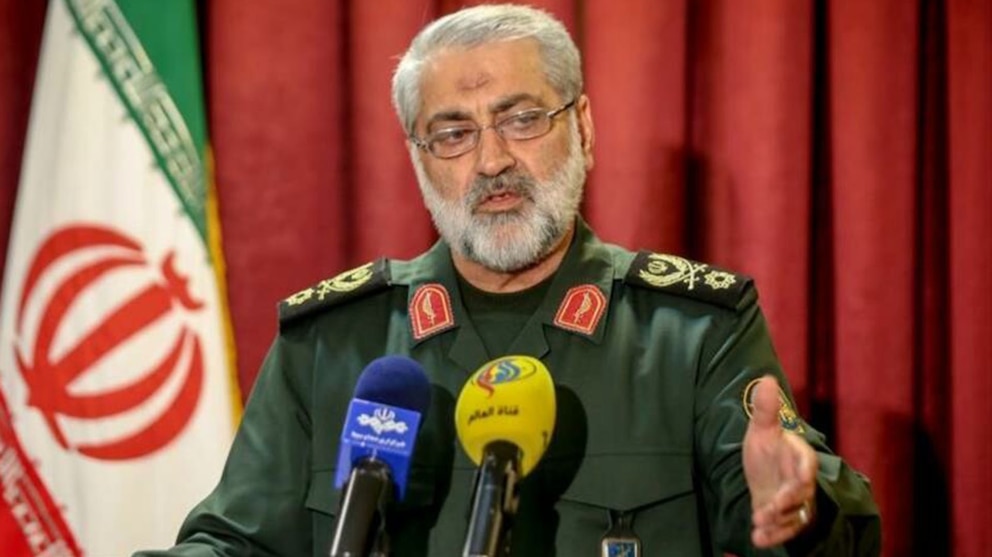
Las amenazas del régimen iraní alcanzaron este miércoles una nueva escala. El general Abolfazl Shekarchi, portavoz de las Fuerzas Armadas de Irán, advirtió que si Israel bombardea la embajada iraní en Líbano, Teherán considerará todas las representaciones diplomáticas israelíes en el mundo como objetivos militares y responderá con ataques directos. La advertencia, recogida por la agencia oficialista Tasnim, fue formulada en términos deliberadamente amplios: ningún país ni continente quedaría al margen de la represalia.
Israel anunció la flexibilización de restricciones tras la disminución en los lanzamientos de misiles desde Irán
El Comando del Frente Interior israelí anunció que, a partir del mediodía de este jueves, se relajarán algunas de las restricciones impuestas durante la guerra.
La medida permite la reanudación de actividades limitadas y autoriza concentraciones públicas de hasta 50 personas, en respuesta a la disminución en el número de misiles disparados desde Irán hacia territorio israelí.
Según el comunicado militar, todas las regiones del país pasarán de un nivel de actividad esencial a uno restringido, lo que facilita cierta normalización en la vida cotidiana, aunque de manera gradual.
No obstante, las escuelas y centros educativos continuarán cerrados hasta nuevo aviso, manteniéndose la prioridad en la seguridad de la población.
Trump celebró el desempeño militar de EEUU en Irán y aseguró que la ofensiva supera todas las expectativas
El presidente Donald Trump aseguró este miércoles que la actuación de las fuerzas armadas estadounidenses en la guerra contra Irán merece una calificación de “15 en una escala de 10”.
En declaraciones desde la Casa Blanca, el mandatario remarcó la superioridad militar y el éxito de la ofensiva, subrayando que Estados Unidos se adelantó a posibles ataques y logró frenar cualquier amenaza contra Israel o intereses propios.
Trump afirmó que la posición estadounidense es actualmente “muy fuerte” y destacó el debilitamiento acelerado del liderazgo iraní, señalando que las figuras que intentan asumir el control “terminan muertas”.
El presidente reconoció que el conflicto podría generar una “pequeña interrupción” en la tendencia de descenso de precios y el auge de los mercados, pero reiteró que la prioridad sigue siendo la seguridad nacional y el mantenimiento de la ventaja estratégica en la región.
Marco Rubio condenó los ataques contra Turquía tras el lanzamiento de un misil iraní: “Es inaceptable”
El secretario de Estado de Estados Unidos, Marco Rubio, calificó este miércoles como “inaceptables” los recientes ataques que impactaron en territorio turco, después de que sistemas de defensa de la OTAN derribaran un misil lanzado desde Irán.
Durante una conversación telefónica con el ministro de Exteriores de Turquía, Hakan Fidan, Rubio aseguró el respaldo total de Washington ante cualquier amenaza a la soberanía turca.
Fuentes diplomáticas indicaron que Turquía, miembro de la OTAN, aclaró que el misil interceptado no tenía como objetivo territorio turco y que su trayectoria se desvió antes de ser neutralizado.
El gobierno estadounidense reiteró su compromiso de cooperación militar y de seguridad con Ankara en el marco de la alianza atlántica.
Israel destruyó lanzadores de misiles operados por Irán durante una nueva oleada de ataques
Las Fuerzas de Defensa de Israel anunciaron que una oleada de bombardeos realizada este miércoles en regiones centrales y occidentales de Irán resultó en la destrucción de numerosas plataformas de lanzamiento de misiles balísticos y sistemas de defensa aérea.
Según el reporte militar, algunos de estos lanzadores estaban armados y eran manejados en ese momento por soldados iraníes, con la intención de ser utilizados en ataques contra territorio israelí.
El ejército de Israel destacó que la ofensiva forma parte de un esfuerzo sostenido para debilitar al máximo la capacidad de fuego y defensa del régimen iraní desde el inicio de la Operación Rugido de León.
Las autoridades subrayaron que la campaña busca reducir drásticamente el volumen de ataques dirigidos contra Israel y ampliar la supremacía aérea de la fuerza aérea israelí.
Reportan fuertes explosiones en la capital de Irán
Una fuerte explosión estremeció Teherán la noche de este miércoles, coincidiendo con reportes de múltiples detonaciones en el sector occidental de la capital iraní.
Medios locales informaron también de explosiones en otras ciudades del país, entre ellas el puerto de Bandar Abbas, ubicado en la región del Golfo, y Tabriz, en el noroeste.
La Fuerza Aérea israelí lanzó un nuevo ataque contra infraestructura clave en Teherán
La Fuerza Aérea de Israel anunció un nuevo bombardeo sobre infraestructuras vinculadas al régimen iraní en Teherán, marcando el undécimo vuelo de ataque y el segundo operativo de este tipo en la jornada.
Según el comunicado militar, las acciones se enfocaron en objetivos considerados estratégicos dentro de la capital iraní, en el marco de una ofensiva sostenida para debilitar las capacidades de los ayatollahs.
Las autoridades israelíes indicaron que continuarán con los ataques para limitar la operatividad de las fuerzas iraníes y sus aliados en la región.
Francia pidió a Israel evitar una ofensiva terrestre en Líbano y exigió el cese de ataques de Hezbollah
El presidente francés, Emmanuel Macron, instó este miércoles al primer ministro israelí, Benjamin Netanyahu, a no lanzar una ofensiva terrestre en territorio libanés, en medio del avance de tropas israelíes en varias localidades del sur de Líbano.
“Llamé al primer ministro de Israel para que respete la integridad territorial de Líbano y evite una ofensiva terrestre”, declaró Macron en un mensaje difundido tras la conversación.
El mandatario francés también mantuvo diálogos con el presidente libanés, Joseph Aoun, y el primer ministro Nawaf Salam, a quienes reiteró la importancia de que el grupo Hezbollah detenga de inmediato sus ataques contra Israel y otros objetivos en la región.
North America,Government / Politics,Top Pictures,Military Conflicts
INTERNACIONAL
La guerra contra Irán: duras críticas al canciller alemán Merz por el apoyo incondicional a Estados Unidos e Israel
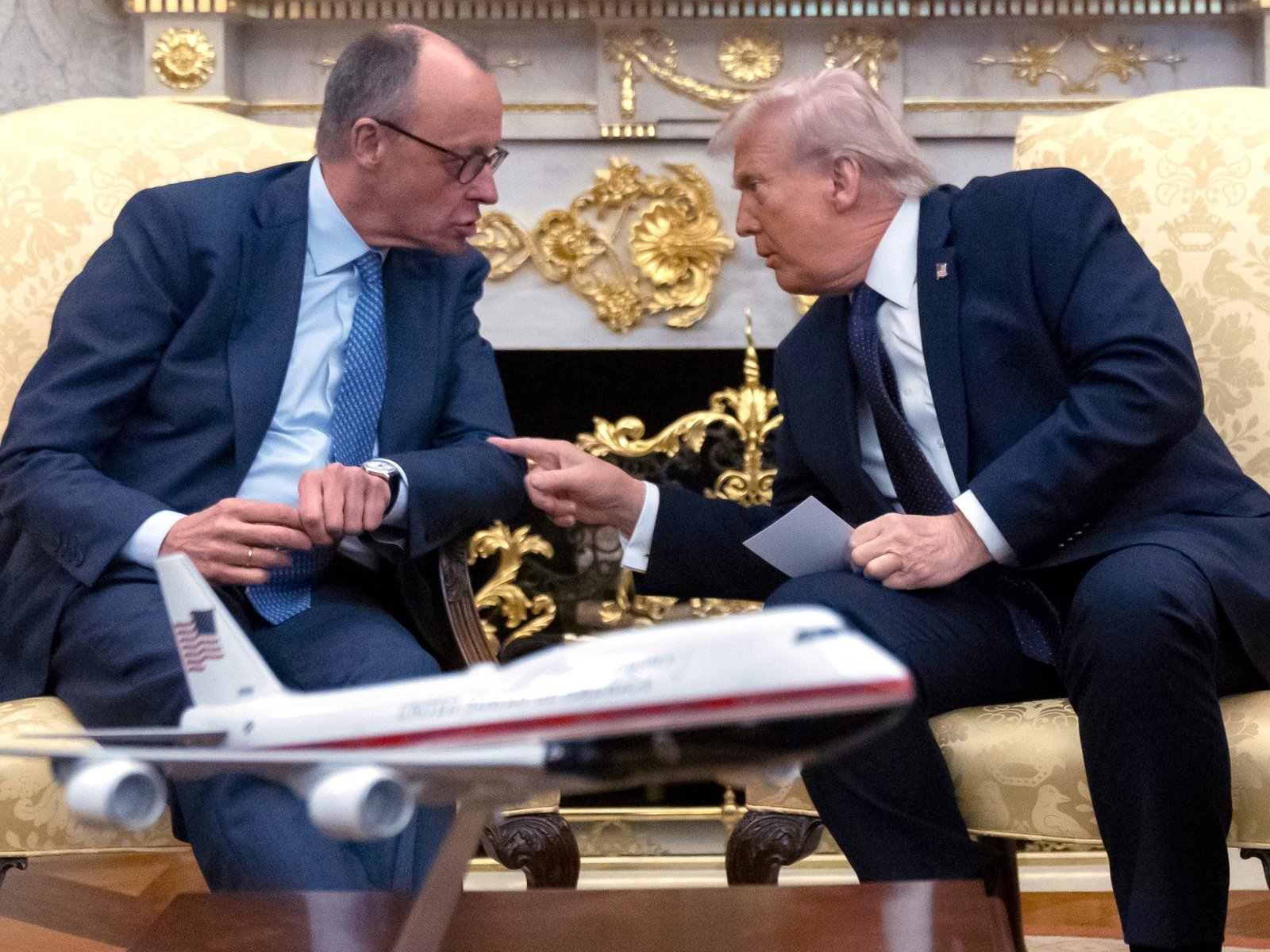
Las visitas de los líderes europeos a la Casa Blanca desde la vuelta de Donald Trump a la presidencia estadounidense son visitas de riesgo. Nunca se sabe si el inquilino del Despacho Oval los va a tratar con la debida cortesía diplomática o si va a atizarles por cualquier cuestión, cierta o falsa. El francés Emmanuel Macron supo pasar el examen, pero ayer el alemán Friedrich Merz fue incapaz.
Todo iba bien hasta que Trump empezó a atacar al británico Keir Starmer y, sobre todo, al español Pedro Sánchez, que ha prohibido que Estados Unidos use las bases españolas para los ataques contra Irán alegando que el ataque viola la Carta de Naciones Unidas. En anteriores ocasiones, como sucedió con Macron cuando Trump atacó al ucraniano Zelensky, unos salen a defender a otros. Pero Merz asintió mientras Trump cargaba contra Starmer y Sánchez e incluso le dio la razón en algunos momentos.
Puede pasar como una anécdota, pero en los usos diplomáticos europeos es una afrenta. Las diferencias se solucionan en casa, en Bruselas, ni se airean fuera ni se deja de defender a un socio europeo cuando un tercer país le ataca. Merz recibió ayer críticas de buena parte de la prensa de su país y de analistas de think tanks. Tras la reunión con Trump, y ya en una conferencia de prensa en solitario fuera de la Casa Blanca, el alemán dijo que había hablado en privado a Trump para defender a Starmer y a Sánchez, y que no lo hizo en público para no empeorar las cosas.
Pero el daño estaba hecho. El semanario ‘Der Spiegel’, probablemente el más influyente del país, comentaba este miércoles que “la aparición del canciller en el Despacho Oval fue vergonzosa”.
La actitud de Merz tiene una explicación. Desde que la semana pasada Estados Unidos e Israel lanzaron el ataque contra Irán, Berlín se puso incondicionalmente del lado de Donald Trump y del primer ministro israelí Benjamin Netanyahu, investigado en la Corte Penal Internacional y a quien, por ejemplo Sánchez, llama “genocida” por los más de 70.000 muertos en Gaza en los últimos dos años, más de la mitad menores de edad.
Merz llegó a decir que no era el momento de hablar de si el ataque era legal o ilegal a la luz del derecho internacional ni tampoco de “dar lecciones a los aliados”. Alemania teme sobre todo el impacto económico de una bronca con Donald Trump, porque Estados Unidos sigue siendo un socio comercial muy importante en un momento en el que la industria alemana pierde más de 10.000 empleos industriales al mes por la competencia china.
Mientras nadie en Europa esperaba ningún tipo de crítica a Trump por parte de la italiana Giorgia Meloni, una de sus mejores aliadas en Europa, sí se esperaba que la reacción de Merz se asemejara más a la del francés Emmanuel Macron o a la del español Pedro Sánchez, aunque fuera con otra retórica. Pero Merz se ha ido quedando solo en su apoyo incondicional que no quiere ni recordar la necesidad de respetar la Carta de Naciones Unidas, mínimo común denominador que aceptan la mayoría de los países europeos.
La preeminencia alemana en Europa hace que esta situación complique las reacciones de las instituciones europeas. La ‘canciller’ Kaja Kallas hizo malabarismos retóricos la noche del domingo para conseguir sacar un comunicado que respaldaron los 27 cancilleres. A fuerza de ser un comunicado que prácticamente no decía nada sustancial. El presidente del Consejo Europeo, el ex primer ministro portugués António Costa, que se supone que habla en nombre de los 27, tuvo duras palabras contra Irán (porque en eso sí concuerdan los 27) pero tampoco ha levantado excesivamente la voz contra Trump.
Macron había dicho la noche del martes que el ataque era “ilegal” y este miércoles llamó a Sánchez para mostrarle su solidaridad por el ataque de Trump. Igual que la presidenta de la Comisión Europea, Úrsula Von der Leyen. La estrategia de Merz de no contradecir nunca a Trump delante de las cámaras intenta evitar que vuelva la guerra de amenazas de aranceles, pero el haberse sentado en silencio mientras Trump atacaba a sus homólogos británico y español conlleva que se le critique por aplicar una política de apaciguamiento que con Donald Trump nunca ha parecido funcionar.

Physicist lawmaker warns US lacks clear plan for Iran’s enriched uranium

Del «made in Argentina» al boom importado: las empresas que reconfiguran su negocio con la apertura

Trincão renueva y vale 60 ‘kilos’

EN VIVO: El Ejército de Israel destruyó lanzadores de misiles operados por Irán durante una nueva oleada de ataques

La chicana de Milei al Congreso en un acto con empresarios: “El domingo tuve una tribuna complicada”

Fede Bal contó el incómodo momento que un guardia de seguridad le hizo pasar con Evelyn Botto: “Lo fui a buscar”

Destrozaron a Andrea del Boca por el terrible pecado que tuvo en Gran Hermano: “La quiero presa”, apuntaron contra la actriz por un detalle en la cocina

¡Tensión en vivo! Aníbal Pachano y Nancy Pazos protagonizaron un cruce explosivo en la mesa de Mirtha Legrand

¡Otro abandono! El participante de Gran Hermano que anunció su salida de la casa: La confesión de Gabriel Lucero que se suma a la lista de renuncias

La histórica figura de Intrusos que se va del programa y armó un escándalo con Adrián Pallares y Rodrigo Lussich: “Me voy”, reveló Pablo Layus

 POLITICA2 días ago
Puertas adentro, Villarruel explotó: «El esfuerzo no lo hizo la política» y demolió el relato económico de Milei
- CHIMENTOS2 días ago
Pampita se mudó a un castillo francés de detalles alucinantes: «1000 metros, 14 ambientes, vale 11 millones de dólares»
- CHIMENTOS2 días ago
El drama que vive Oriana Sabatini a horas del nacimiento de su hija con Paulo Dybala: se complicó la salud de su abuela de 90 años