INTERNACIONAL
Dem senator fumes that GOP’s foreign funding claim ‘delegitimizes’ anger of anti-ICE agitators in US

NEWYou can now listen to Fox News articles!
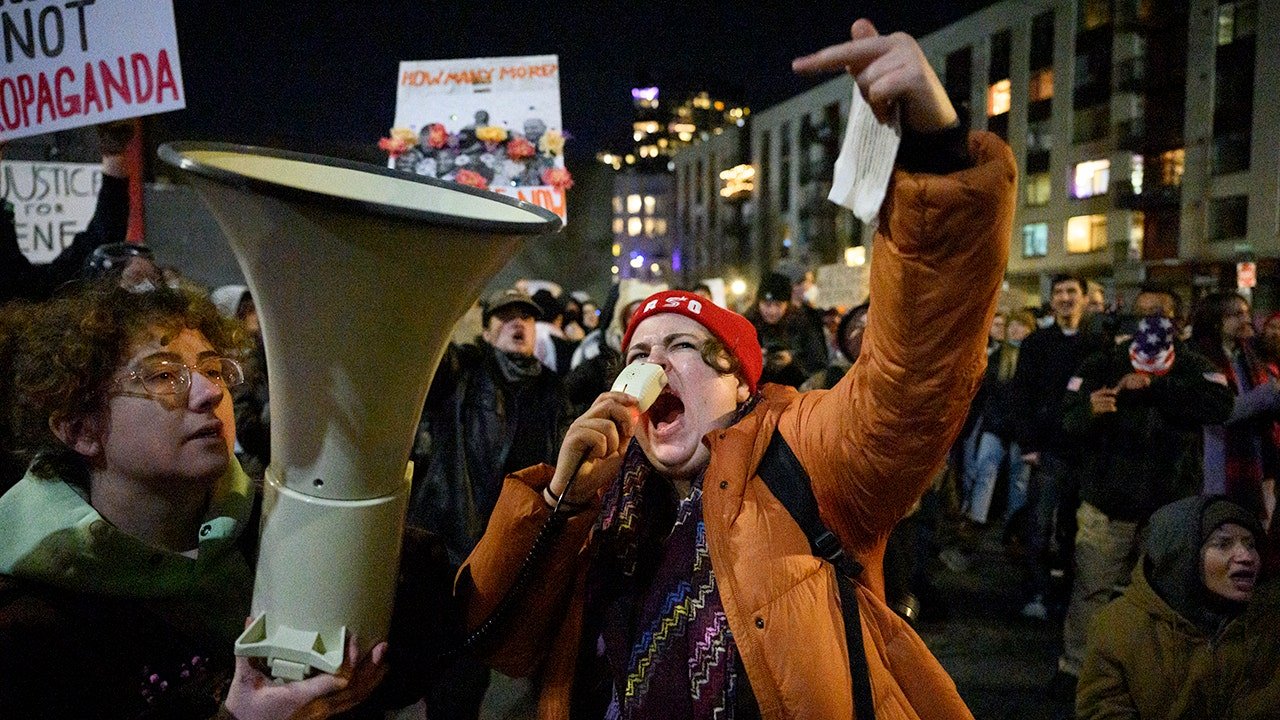
Sen. Andy Kim, D-N.J., lamented during a hearing on Capitol Hill Tuesday that allegations about foreign funding and coordination among anti-ICE agitators are «delegitimizing» people’s justified «anger» and «fear» caused by federal immigration officers.
Kim also called the questioning «dangerous» during the Tuesday hearing, which was about fraud and touched on concerns that foreign adversaries were financing anti-ICE efforts in the U.S. to create a strategic smokescreen meant to deter accountability away from their massive criminal fraud enterprises.
«People all over this country are frustrated and concerned and upset. They’re scared and they’re worried about things because they just saw two American citizens get killed in the street by federal agents,» Kim said Tuesday.
FOREIGN BILLIONAIRES FUNNEL $2.6B TO US ADVOCACY GROUPS TO INFLUENCE POLICY, WATCHDOG REPORT CLAIMS
Sen. Andy Kim, D-N.J., arrives on the Senate subway in the Capitol on Wednesday, Feb. 12, 2025. (Bill Clark/CQ-Roll Call, Inc via Getty Images)
«The idea that people would be saying that this type of anger and this type of of outrage – whether in New Jersey or in Minnesota – is being predominantly coordinated in this type of way,» he continued. «I just have to say it is delegitimizing the anger and the fear that people are facing right now … The way in which it’s been described … I just think is very dangerous right now. And I hope that we can still say and recognize that there are a lot of people, a lot of people that are furious right now and worried.»
The Senator’s arguments, such as that the violence from anti-ICE agitators stems from justified anger and that the questioning of how this violence is being organized «delegitimizes» protesting, have been frequently touted by Democrats in the past, and not just as it pertains to the ongoing anti-ICE sentiment.
During a separate congressional hearing in December, Rep. Julie Johnson, D-Texas, described attacks against ICE agents – which are up 12,000%, according to the Trump administration – as the result of people «channeling [their] frustration.»
«You’re seeing an overwhelming frustration of the American people in this country that the lack of respect and regard for the rule of law from this administration, and in particular by this Secretary, is at a level we have never seen and violates all of the constitutional norms and all of the principles of legal fairness in this country,» Johnson said. «And you’re seeing that manifest itself in threats to law enforcement, in bubbling over, because people are frustrated, and they are channeling that frustration because the administration is not listening.»
HAWLEY TARGETS MINNESOTA FRAUD, CCP-LINKED MONEY AT SENATE HEARING: ‘TAXPAYERS ROBBED BLIND’
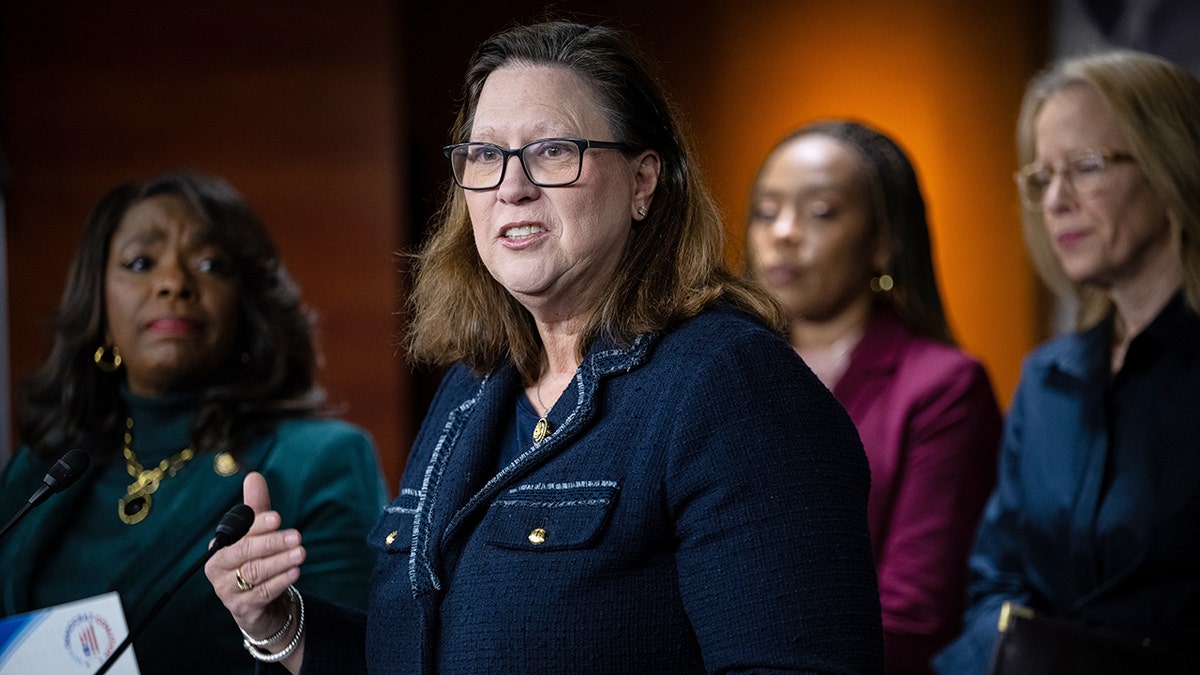
Representative Julie Johnson, a Democrat from Texas, speaks during a New Democrat Coalition news conference on health care at the US Capitol in Washington, DC, US, on Wednesday, Dec. 3, 2025. (Graeme Sloan/Bloomberg via Getty Images)
Meanwhile, in 2024, amid ongoing protests regarding the situation in Gaza and other civil unrest, the American Civil Liberties Union (ACLU) described former Speaker of the House Nancy Pelosi’s calls for the FBI to investigate Gaza ceasefire protests for connections to Russia as «incredibly dangerous.»
«From Martin Luther King Jr. to Black Lives Matter protesters, the FBI has long used ‘foreign influence’ as an excuse to conduct illegal surveillance on Americans exercising free speech rights,» the ACLU said in a post on X in 2024.
Despite claims that foreign funding accusations act as a smokescreen to «legitimize» lawful First Amendment activity, Republican-aligned witnesses during the Tuesday hearing argued billionaires, including some with ties to foreign adversaries, such as Neville Roy Singham and Hansjorg Wyss, pumped $60 million into the agitation efforts aimed at disrupting federal immigration efforts.

As unrest escalates in Minneapolis, investigators are uncovering a network of far-left activist groups allegedly bankrolled by a wealthy U.S. expat in China with reported ties to Chinese Communist Party–aligned propaganda efforts. (Roberto Schmidt/ AFP via Getty Images; Dave Kotinsky/Getty Images for V-Day)
CLICK HERE TO GET THE FOX NEWS APP
«It comes in the form of a check, a six-figure check,» said Government Accountability Institute VP Seamus Bruner. «We’ve built a database that contains hundreds of thousands of rows from grants from networks like the Soros Network, the Arabella funding network – as mentioned – the Neville Roy Singham funding network, many others, Tides, the Ford Foundation network, the Rockefeller Funding network, these massive NGOs that have billions of dollars to spend on all kinds of coordinated protest, or in this case, riot activity.»
us protests,hearings,democrats senate,minneapolis st paul,deportation,illegal immigrants








INTERNACIONAL
Russia allegedly sharing satellite intelligence on US bases with Iran, world leader claims
NEWYou can now listen to Fox News articles!
Ukrainian President Volodymyr Zelenskyy warned that Russian reconnaissance satellites have recently imaged key U.S. and allied military facilities across the Middle East, raising concerns about potential targeting, after returning from a high-stakes trip to Gulf countries now under Iranian attack.
Zelenskyy’s remarks come as Ukraine deepens its role in the region, sharing intelligence and defense expertise with Middle Eastern partners facing Iranian missile and drone strikes.
In a March 28 post on X, Zelenskyy said he had been briefed that Russian satellites photographed multiple strategic sites «in the interests of Iran,» including bases and critical energy infrastructure across the Gulf.
«Everyone knows that repeated reconnaissance indicates preparations for strikes,» he wrote.
AI WAR IN IRAN HAS BROUGHT CONFLICT TO SILICON VALLEY. NO ONE IS READY
A satellite image from Planet Labs shows a plume of smoke above Tehran, Iran, on March 1, 2026. (Planet Labs PBC)
According to Zelenskyy, the surveillance occurred over several days in late March. On March 24, Russian satellites reportedly captured imagery of the U.S.-U.K. military facility on Diego Garcia in the Indian Ocean. The following days included Kuwait International Airport and parts of the Greater Burgan oil field, as well as Prince Sultan Air Base in Saudi Arabia.
Additional sites imaged on March 26 included Saudi Arabia’s Shaybah oil and gas field, Turkey’s Incirlik Air Base, and Al Udeid Air Base in Qatar, one of the largest U.S. military installations in the region.
Some of the locations identified by Zelenskyy, including places in Kuwait and Saudi Arabia, have been targeted in recent Iranian attacks, though it remains unclear whether the satellite imagery he described was directly used in those operations.
The warning follows Zelenskyy’s recent visit to Saudi Arabia, the United Arab Emirates, Qatar and Jordan, where he discussed security cooperation and shared intelligence with regional leaders.
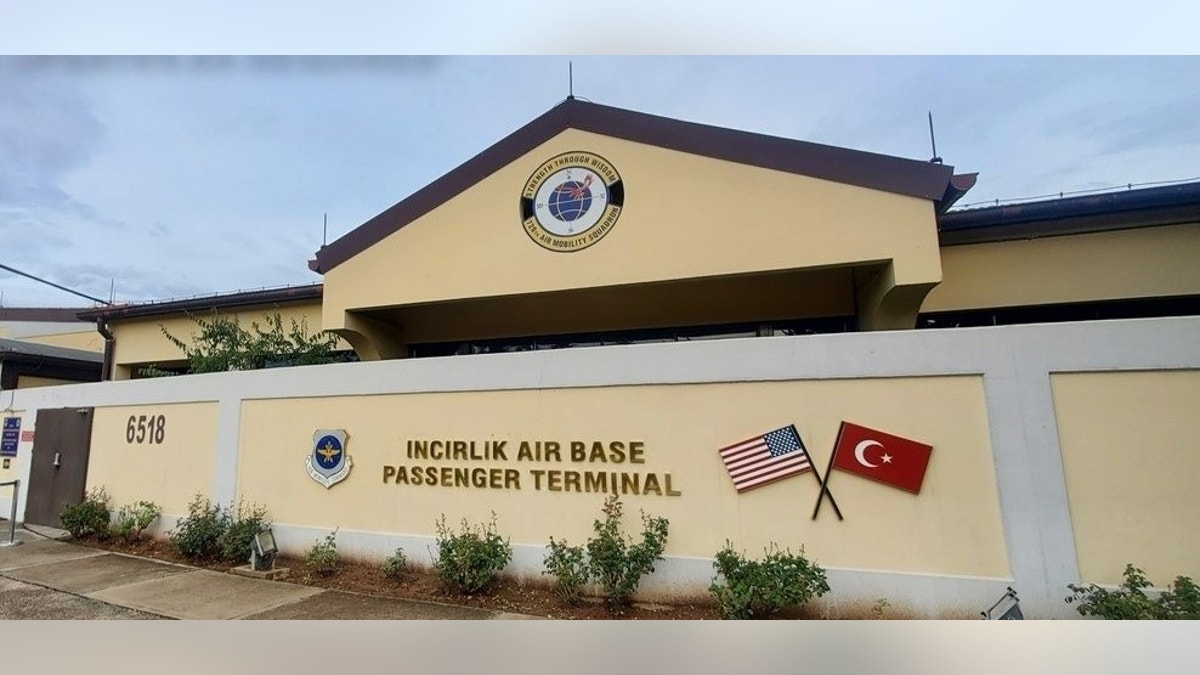
Incirlik Air Base, Turkey, passenger terminal. (U.S. Air Force)
In an interview published Monday by Axios, Zelenskyy said Ukraine had provided Middle Eastern partners with information about Russian support for Iran, including potential targeting assistance.
«I think Russia is supporting Iran directly, 100%,» Zelenskyy told Axios. «The same format of sharing satellite images like they did in the case of Ukraine.»
TRUMP’S STRIKE ON IRAN DEALS A MAJOR BLOW TO PUTIN’S WAR MACHINE IN UKRAINE

Map of U.S. military bases Iran could target. (Fox News)
Ksenia Svetlova, an associate fellow at Chatham House, said recent developments point to increased cooperation in that space. «There is more cooperation in everything that has to do with intelligence,» she said, citing reports that Russia has provided Iran with «a target list, basically, through their satellites, American targets, but also air targets in the Gulf.»
Svetlova added that such support enables Russia to assist Iran without deploying troops or equipment.
«They are doing for the Iranians whatever they can without spending money, spending troops, or spending equipment,» she said.
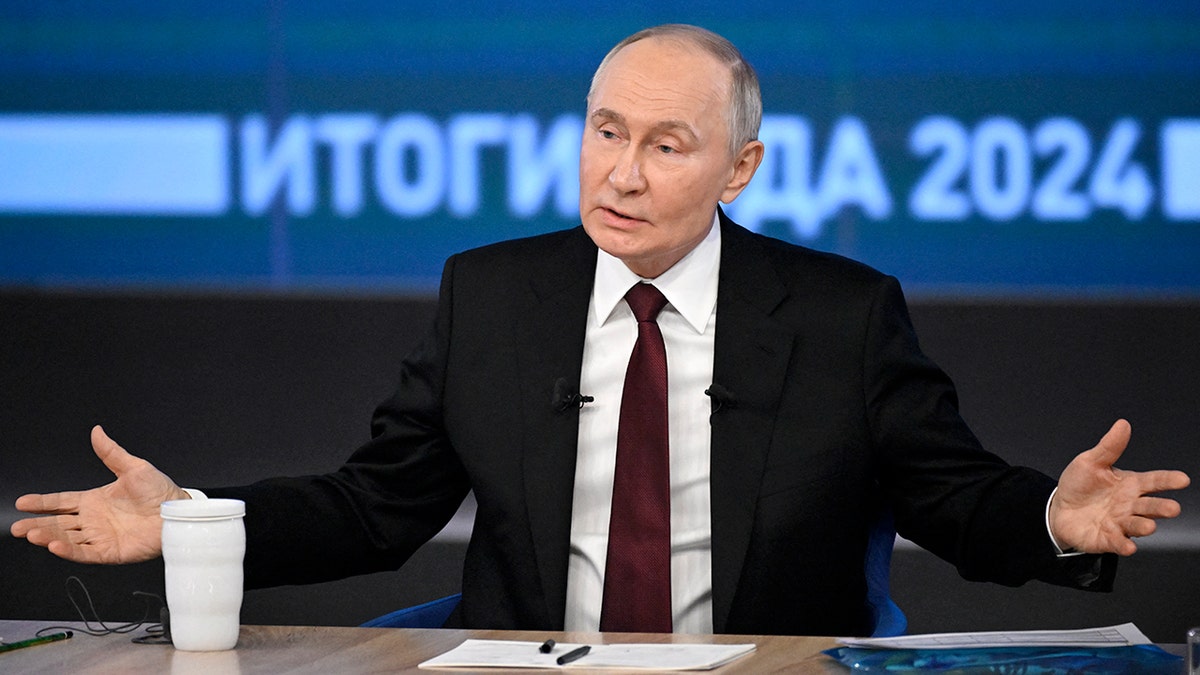
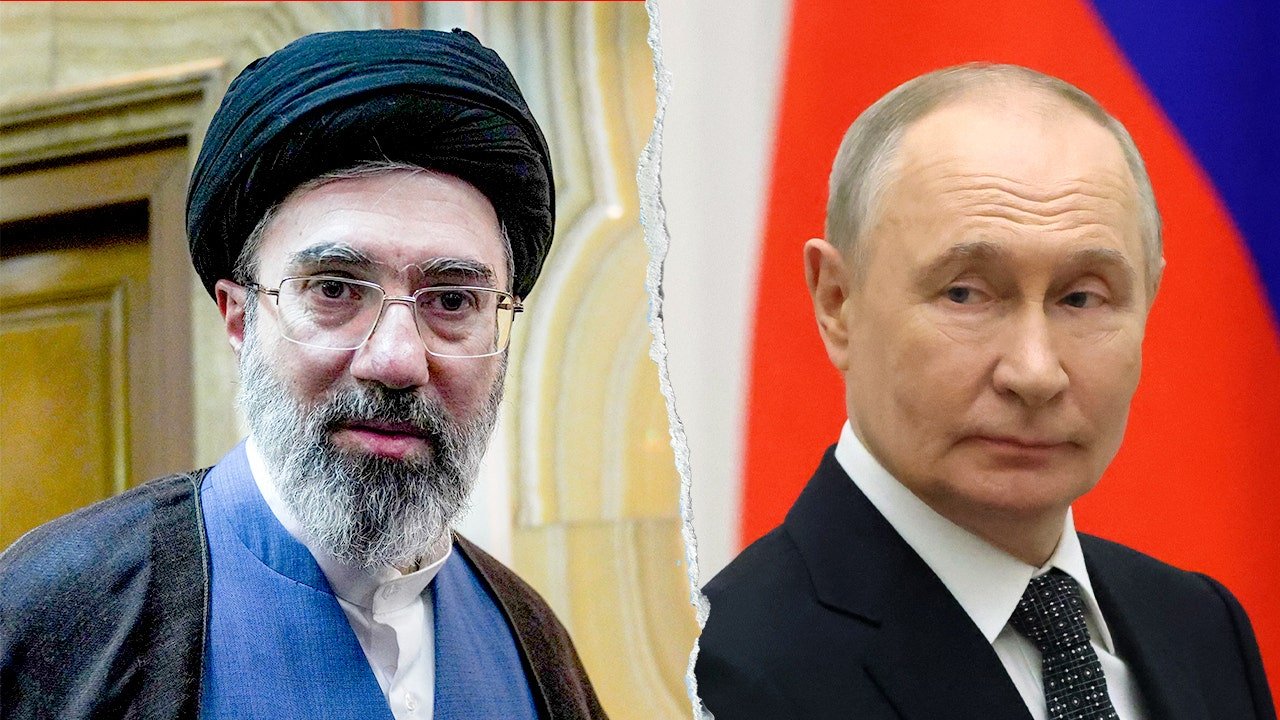
Russian President Vladimir Putin holds his annual end-of-year press conference in Moscow on Dec. 19, 2024. (Alexander Nemenov/AFP via Getty Images)
The White House has not confirmed the intelligence-sharing but said it is not impacting U.S. operations.
«Nothing provided to Iran by any other country is affecting our operational success. The United States military has struck more than 11,000 targets and destroyed more than 150 Iranian naval vessels, leading to their missile attacks and drone attacks decreasing by 90%. The terrorist Iranian regime continues to be crushed by the full might of the most lethal fighting force in the world,» White House spokeswoman Olivia Wales told Fox News Digital.
Secretary of State Marco Rubio also downplayed concerns about Russia’s role, telling reporters Friday: «There is nothing Russia is doing for Iran that is in any way impeding or affecting our operation or the effectiveness of it.»
IRAN BACKLASH FORCES GULF ALLIES TOWARD WASHINGTON AS REGIONAL TENSIONS RISE
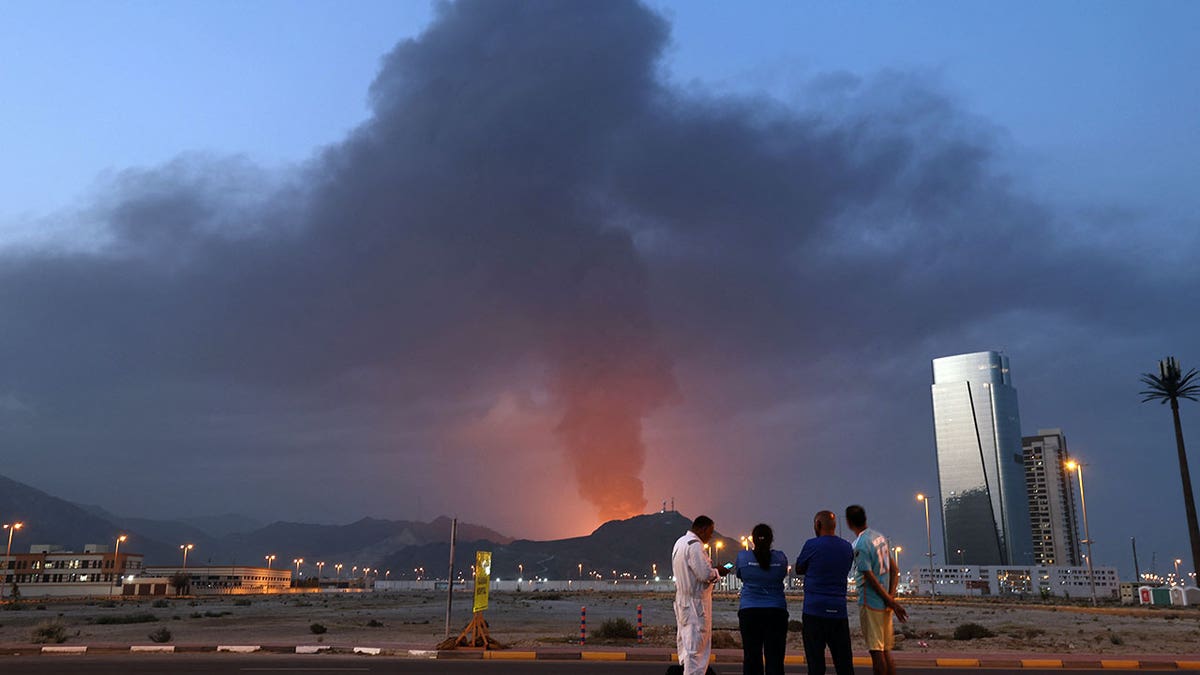
Foreign workers look at a tall plume of black smoke ascends following an explosion in the Fujairah industrial zone on March 3, 2026. Iran’s strikes on Gulf neighbors since February 28, following the U.S.-Israeli attack, forced the UAE to shut its airspace, blindsiding travelers who thought they were headed to one of the region’s safest holiday destinations. (Fadel Senna / AFP via Getty Images)
Lt. Gen. Richard Newton (Ret.), a former U.S. Air Force assistant vice chief of staff, said the reports should not come as a surprise.
«The latest reports that Russia provided essential imaging intelligence to the Iranian regime to target a U.S. air base in Saudi Arabia should surprise no one. Putin is our adversary who can’t be trusted.»
«We should avoid a direct conflict with Moscow,» he added, «but there must be consequences for Russia aiding and abetting the Iranian regime that harms American military personnel and our assets.»

Ukraine’s President Volodymyr Zelenskyy and Polish Prime Minister Donald Tusk (not pictured) attend a press conference at the Chancellery of the Prime Minister in Warsaw, Poland, Jan. 15, 2025. (Aleksandra Szmigiel/Reuters)
Russia has not publicly responded to Zelenskyy’s claims. Fox News Digital has reached out to the Russian government and the Iranian mission to the United Nations for comment and did not receive responses in time for publication.
Carrie Filipetti, executive director of the Vandenberg Coalition and a former senior State Department official, told Fox News Digital the reports reflect a broader and growing threat.
«There is no clearer signal that Russia is a dangerous adversary than the continued reporting that Russia is providing intelligence targeting Americans to a regime currently engaged in combat against the United States,» Filipetti said.
«American service members’ lives are at continued risk because of Putin’s war machine,» she added, warning that Washington must act to «hold the Russian regime accountable and prevent future American deaths.»
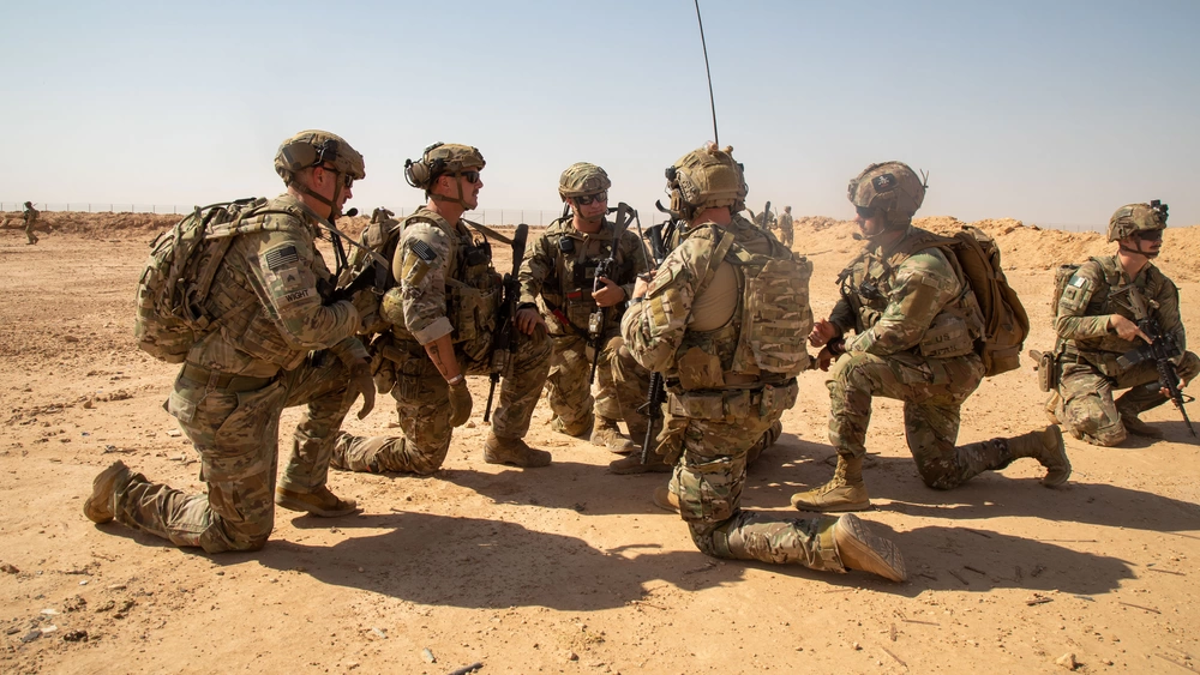
U.S. Army soldiers train at al-Asad air base. The base is located in Western Iraq. (Source: U.S. Army )
CLICK HERE TO DOWNLOAD THE FOX NEWS APP
Zelenskyy has also questioned ongoing discussions about easing sanctions on Russia.
«There must be pressure on the aggressor. And lifting sanctions is certainly not pressure,» he wrote.
war with iran, russia, iran, ukraine, volodymyr zelenskyy
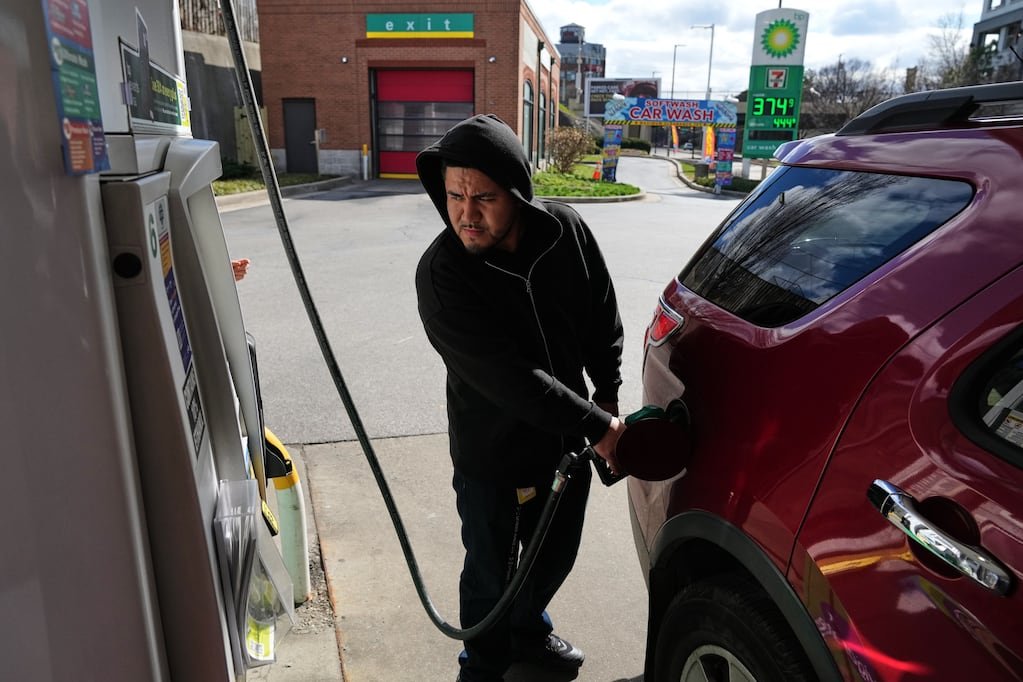
Cada año, Garrett Marrero encarga miles de kilos de cebada malteada y lúpulo del continente para Maui Brewing, su negocio cervecero. Luego, parte de la cerveza que fabrica la envía por barco de vuelta a los puertos continentales.
Ese viaje de ida y vuelta es cada vez más caro. Marrero ya escuchó que un carguero afirmó que tendrá que pagar un recargo mayor por el combustible de los envíos, y está pensando en cómo amortizar el golpe para su negocio. Al final, dijo, los aumentos de precio “tendrán que repercutirse, o habrá que rehacer los artículos”.
No es ningún secreto que los costos del combustible se están disparando. La guerra de cuatro semanas de Estados Unidos e Israel contra Irán, con su interrupción de las exportaciones de energía del golfo Pérsico, ha provocado un repunte de los precios del petróleo que está repercutiendo en otros productos. Para los consumidores estadounidenses, el recordatorio más evidente de eso son los precios de la gasolina (naftas en Argentina) que aparecen en las vallas de todo el país.
Una amenaza menos inmediata, aunque posiblemente más perniciosa, para la economía es el costo del diésel, que ha subido más rápidamente que la gasolina normal. Esto podría generar inflación en una amplia gama de bienes porque empresas como la de Marrero se ven obligadas a hacer frente al gasto añadido de producir y enviar productos cotidianos.
“El costo de todo sube: es una desconexión que creo que muchos consumidores no comprenden necesariamente”, dijo Marrero.
El diésel “impulsa muchas industrias básicas”, dijo Vidya Mani, profesora asociada visitante de la escuela de negocios de la Universidad de Cornell, cuya investigación se centra en las cadenas de suministro. “Las industrias mineras, las fábricas químicas, las fábricas de ropa… muchas de esas cosas proceden del diésel”.
“Debido a sus consecuencias de largo alcance, puede parar muchas industrias”, dijo, y añadió que si los precios siguen subiendo, los consumidores probablemente empezarán a ver los efectos en los artículos de uso cotidiano y de primera necesidad en las próximas semanas.
El costo medio de un galón de diésel (unos 4 litros aproximadamente) en Estados Unidos era de 5,38 dólares el viernes, según la AAA, casi 45 por ciento más desde el comienzo de la guerra. La nafta, en comparación, ha subido 33 por ciento.
El aumento del precio del diésel está incrementando los costos de Maui Brewing, una fábrica de Kihei, Hawái, que importa materias primas para fabricar su cerveza. Gabriela Bhaskar/The New York Times
No todos los transportes dependen del diésel para funcionar. Muchos barcos, por ejemplo, utilizan combustible búnker, un subproducto del refinado del petróleo, mientras los aviones utilizan combustible de aviación. El costo de estos insumos también está aumentando.
Gran parte del diésel de Estados Unidos procede de suministros nacionales. Pero las compañías petroleras aún pueden fijar el precio de la materia prima a los precios del mercado mundial. En enero, algo más de 40 por ciento del coste del diésel procedía del precio del crudo, según la Administración de Información Energética (AIE).
El resto del costo se basa en factores como el precio del refinado, la distribución y los impuestos. El costo del diésel tiende a subir más deprisa que el de las naftas debido a la gran demanda, los elevados costos de transporte y los impuestos federales más altos.
El más afectado por la subida de los precios del gasoil es el costo del transporte de productos –desde una lata de refresco hasta frambuesas frescas– por camión, barco o ferrocarril.
Esas industrias ya están añadiendo recargos, y los precios al consumo están empezando a subir. El miércoles, el Servicio Postal estadounidense dijo que tiene previsto imponer un recargo temporal del 8 por ciento a los paquetes, a partir del 26 de abril.
Incluso los recargos vigentes están subiendo: el carguero que utiliza Marrero le notificó en dos ocasiones que iba a subir su tarifa, hasta el 28 por ciento del precio contratado de un envío, frente al 16,5 por ciento que pagó antes de la guerra, dijo.
Los analistas advierten que, si perduran, esos aumentos serán más evidentes para los consumidores. Los costos más elevados también son una amenaza para el sustento de los camioneros encargados de trasladar los productos por todo el país.
Mustafa Altuner es propietario de Bonelli Logistics, una empresa de transporte con ocho camiones en el sur de California, el estado con algunos de los costos de combustible más elevados del país. Cada uno de esos camiones puede consumir 300 galones de combustible o más en una semana, con un costo actual de unos 2000 dólares, dijo.
Leé también: Guerra en Medio Oriente, minuto a minuto
Con los precios actuales, la empresa está en un punto de equilibrio, dijo Altuner, aunque está recurriendo a sus reservas de efectivo para pagar el combustible. Eso después de haber añadido ya un recargo de emergencia por combustible. Hasta ahora, sus clientes, incluidos los que solicitan transportes de muebles y acero, han aceptado el recargo añadido.
Sin embargo, “las cosas se están poniendo muy, muy espantosas para todos”, dijo Altuner. “Si no pagamos a tiempo, no recibimos nuestro combustible; ¿y si no me pagan a tiempo mis clientes?”.
Altuner cree que su empresa superará la crisis, pero le preocupan los pequeños propietarios-operadores, que a menudo dependen de tarifas fijas y no pueden repercutir los costos a los clientes.
Los conductores que poseen sus propios camiones y trabajan de manera independiente se enfrentan a los riesgos financieros más inmediatos.
“El combustible es uno de los mayores costos operativos para los propietarios-operadores”, dijo un vocero de Owner-Operator Independent Drivers Association, un grupo comercial. “Nuestros miembros suelen trabajar carga a carga y no pueden simplemente subir sus tarifas cuando sube el combustible de la forma en que pueden hacerlo sus competidores más grandes”.
Se han hecho esfuerzos para cambiar a flotas eléctricas, pero más del 75 por ciento de los camiones comerciales siguen utilizando motores diésel, según el Foro de Tecnología de Motores.
La industria agrícola también depende del diésel, para impulsar los tractores y las cosechadoras (y, por supuesto, para transportar los productos a los mercados), lo que significa que aumentarán los precios de los alimentos. Es probable que los productos agrícolas procedentes de otros países reflejen primero esas subidas.
Hemos construido una economía que depende cada vez más de la entrega “justo a tiempo” de cosas que pedimos, a menudo a otros países», dijo Kate Gordon, exasesora principal del Departamento de Energía, quien ahora es directora ejecutiva de California Forward, un grupo empresarial sin fines de lucro. Las tiendas de comestibles, añadió, pronto podrían empezar a ver cambios en el tipo de productos que venden y en sus costos.
“En Estados Unidos estamos acostumbrados a que nuestras frutas y verduras no sean especialmente estacionales, porque las obtenemos de todo el mundo”, dijo Gordon. “Si hay una combinación de diésel para la agricultura, para el transporte, algunos de esos precios empezarán a subir. Es posible que no veas tantas verduras fuera de temporada”.
Todo esto se produce cuando la inflación y las elevadas tasas de interés ya han hecho mella en los presupuestos familiares en EE.UU.
“Nuestra principal preocupación es el consumidor, especialmente los consumidores con ingresos más bajos, que gastan una parte mucho mayor de su presupuesto en alimentos que los hogares con ingresos más altos”, dijo Bernard Yaros, economista jefe de Estados Unidos en Oxford Economics. “La enorme presión que veremos en la inflación de los alimentos no hará sino ampliar aún más esa bifurcación de los consumidores”.
Añadió que el aumento de los precios de los alimentos suele seguir en tres meses al aumento del diésel, y en este caso sería comparable a la inflación durante los cierres patronales de la época de la pandemia.
El ritmo de aumento de los costos del combustible podría disminuir ahora que los precios del petróleo, por el momento, han retrocedido desde su punto más alto. Los futuros del crudo siguen subiendo alrededor de 45 por ciento desde que Estados Unidos e Israel atacaron a Irán por primera vez el 28 de febrero. Estas subidas se deben principalmente a las amenazas de Irán a los barcos que atraviesan el estrecho de Ormuz y a los daños sufridos por las infraestructuras de producción y almacenamiento de petróleo en el golfo Pérsico.
Pero incluso cuando se reabra el estrecho, no es probable que los precios del combustible bajen inmediatamente.
“El problema no es solo el estrecho, sino que las regiones productoras y las fábricas se verán afectadas. Éstas tardarán casi un mes o más en volver”, dijo Mani. “Eso es lo que va a causar esta presión prolongada”.
Hasta que los precios se estabilicen, las empresas de todos los tamaños tendrán que ajustar sus estrategias y sus perspectivas.
Marrero dijo que, como los costos de envío habían aumentado, Maui Brewing se había centrado en enviar su cerveza a la costa oeste en vez de a estados más lejanos. También está buscando una gran cervecera en el continente que pueda producir y distribuir sus productos.
“Es más sostenible, pero también mucho más rentable, porque estamos enviando cebada hasta aquí solo para convertirla y enviarla de vuelta”, dijo.
“A medida que el mundo cambia a nuestro alrededor, es lógico que cambiemos de rumbo”, añadió. “Eso es lo que hacemos”.
Por Emmett Linder.
The New York Times, data-cc, data-cc-nyt
INTERNACIONAL
SEE THE DIFFERENCE: Emergency TSA lanes undergo drastic transformation at major airport after Trump action
NEWYou can now listen to Fox News articles!
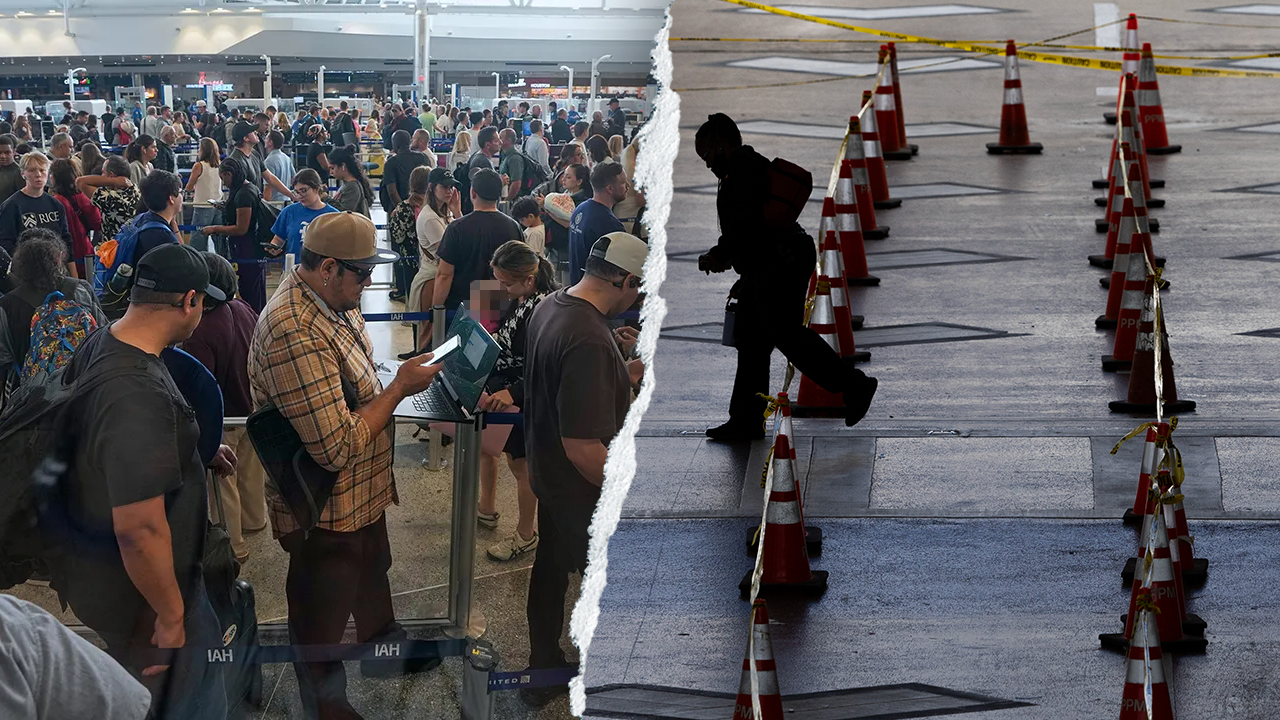
Emergency security lanes at Houston’s George Bush Intercontinental Airport, one of the airports that were most affected by the ongoing partial government shutdown, were seen being cleared by staff on Monday after President Donald Trump signed an executive order over the weekend to pay Transportation Security Administration officers.
Though complications from hundreds of TSA agents quitting, and even more calling out of work, are likely to continue, the effects of the resumed paychecks could be seen almost immediately.
At Bush, where wait times were more than four hours and lines stretched out of terminal doors and into underground subway tunnels, the emergency appears to finally be over. Fox News filmed airport staff clearing the emergency lanes set up outside the terminal doors. Several travelers could be seen strolling past where the lanes had previously been. Current security wait times listed on the airport’s website are five and nine minutes.
Last week, travelers told Fox News Digital that they had to walk «miles» to get to the back of the security line, and at times, wait times were over four hours. Neither party escaped travelers’ ire over the fiasco, as several told Fox News Digital that they blamed «all congressmen» and «politicians.»
WATCH: TRAVELERS REVEAL WHOM THEY BLAME FOR MILES-LONG HOUSTON AIRPORT LINES AS TRUMP RESCUES TSA PAY
Emergency TSA lanes at Houston’s George Bush Intercontinental Airport were seen being cleared on Monday. (David J. Phillip/AP Photo; Antranik Tavitian/Getty Images)
Disagreements in Congress over immigration enforcement have resulted in the Department of Homeland Security experiencing a lapse in funding. Democrats have made renewed funding for the department contingent on a set of reforms, including changes in enforcement tactics by U.S. Immigration and Customs Enforcement and Border Patrol.
Calling the situation an «emergency,» Trump warned that mounting disruptions at airports have pushed the system to a breaking point. On Friday, Trump signed an executive order directing federal officials to ensure that TSA employees receive pay during the DHS shutdown.
TSA agents finally began receiving paychecks on Monday after 42 days without pay, though the department remains unfunded as debates continue to roil in Congress.
TSA agents speaking with Fox News on Monday shared that they had received a paycheck Monday morning but that it was only half of what they were owed. Officers expressed that the TSA workforce remains very frustrated and worried about making ends meet with delayed pay and continued uncertainty.
‘AMERICANS FIRST’: ICE SWEEPS UP CHILD PREDATORS, RAPISTS ACROSS US AS MULLIN TAKES HELM OF DHS
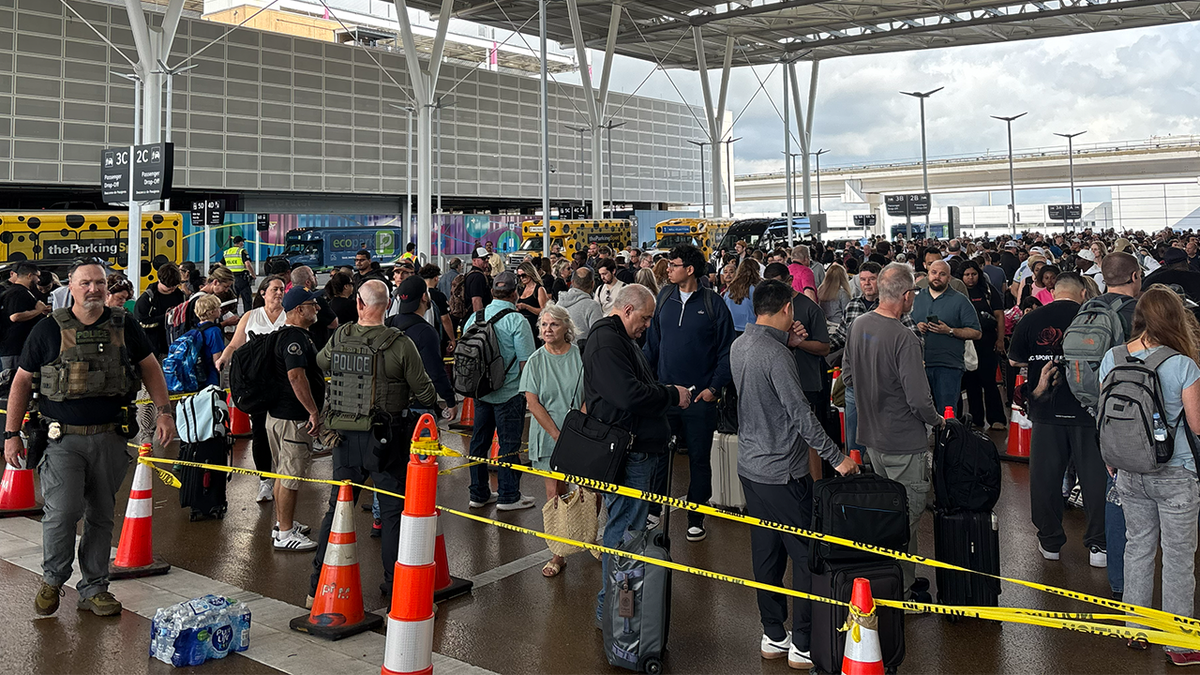
A massive line at Houston’s George Bush Intercontinental Airport stretches well past the terminal doors. (Peter Pinedo/Fox News Digital)
According to DHS, 3,101 TSA officers, at a rate of 10.59 percent of the force, called out of work on Sunday.
Houston, whose two major airports are currently undergoing significant renovations, continued to experience some of the highest TSA officer call-outs in the country over the weekend. The airport with the highest call-out rate in the country was Baltimore’s Thurgood Marshall Airport, at 38.5 percent. Houston’s Bush and William P. Hobby Airport were ranked number two and three for the highest call-out rates at 36.4 percent and 34.1 percent, respectively.
Airports in New Orleans, Atlanta, New York City, Pittsburgh and Philadelphia also experienced significant call-out rates well above the national average.
WATCH: DEMOCRATS TOLD AMERICANS TO FEAR ICE, HERE’S HOW AIRPORT TRAVELERS ACTUALLY FEEL
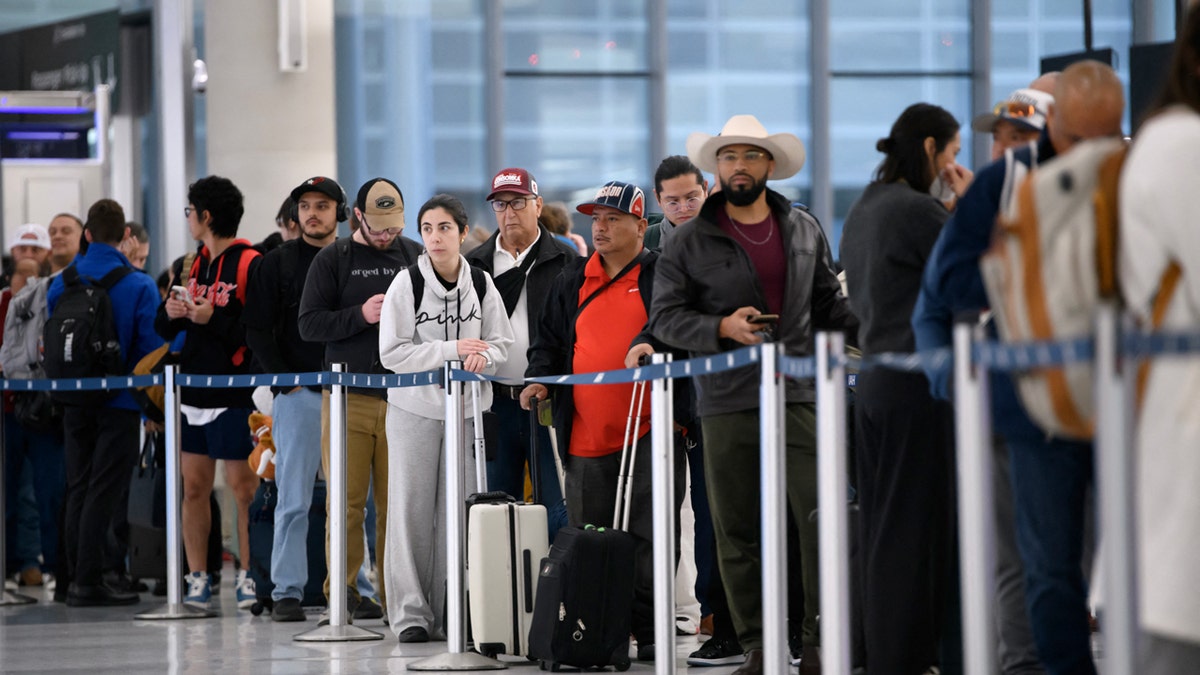
People wait in a security checkpoint line at George Bush Intercontinental Airport in Houston, Texas, on November 4 (MARK FELIX/AFP via Getty Images)
DHS Acting Assistant Secretary Lauren Bis told Fox News that «at the direction of President Trump and the Secretary of Homeland Security Markwayne Mullin, TSA has immediately begun the process of paying its workforce.»
CLICK HERE TO DOWNLOAD THE FOX NEWS APP
She decried the continuing funding lapse, saying, «This is the longest government shutdown in history.»
«Enough is enough. We have to reopen DHS,» she said, adding, «Democrats must stop using federal workers as political pawns and start focusing on what matters—taking care of the American people.»
Fox News Digital’s Sophia Compton contributed to this report.
airports, donald trump, homeland security, government shutdown, congress, houston and galveston, texas

Qué dijo Pochettino de su futuro, entre Estados Unidos y el regreso a Europa

Russia allegedly sharing satellite intelligence on US bases with Iran, world leader claims

Carrefour, Jumbo y ChangoMás rematan huevos de chocolate con rebajas de hasta 80%

Axel Kicillof gasta $3.400 millones en insumos médicos para los presos de la Provincia

Pokémon Pokopia lanza una nueva y colorida isla oficial que ya puedes visitar – Nintenderos

¿Por qué el aumento del gasoil afecta más a los consumidores que el de las naftas?

Máximo Kirchner salió al cruce de Milei y Macri tras el fallo por YPF a favor de la Argentina

La secretaria del piloto denunció que el amigo de Adorni la hostiga y la justicia dispuso medidas

El Gobierno cambia su propuesta de reforma: endurece penas para delitos comunes, pero no para los casos de corrupción

¡DERIVA ECONÓMICA Y SOBERBIA POLÍTICA! El abismo entre el «relato oficial» y la realidad de una clase media que no aguanta más

 POLITICA3 días ago
Máximo Kirchner salió al cruce de Milei y Macri tras el fallo por YPF a favor de la Argentina
- POLITICA3 días ago
La secretaria del piloto denunció que el amigo de Adorni la hostiga y la justicia dispuso medidas
- POLITICA2 días ago
El Gobierno cambia su propuesta de reforma: endurece penas para delitos comunes, pero no para los casos de corrupción