INTERNACIONAL
Democrat claims SAVE Act would block married women from voting; Republicans say that’s wrong

NEWYou can now listen to Fox News articles!
Rep. Hillary Scholten, D-Mich., is claiming that under Republican-led voter integrity legislation, married women would find themselves unable to vote unless they changed their birth certificate to match other government-issued ID.
«Nearly 70 million married women in this country have changed their last name, but their birth certificates don’t reflect that,» Scholten said at a press event, explaining her opposition to the SAVE America Act.
«In Michigan’s third district alone, 167,000 women could find themselves unable to register simply because when they got married, they didn’t change both their ID and their birth certificate.»
SCHUMER FACES BACKLASH AFTER CALLING SAVE ACT ‘JIM CROW’ DESPITE PREVIOUS ALLEGATION FALLING FLAT
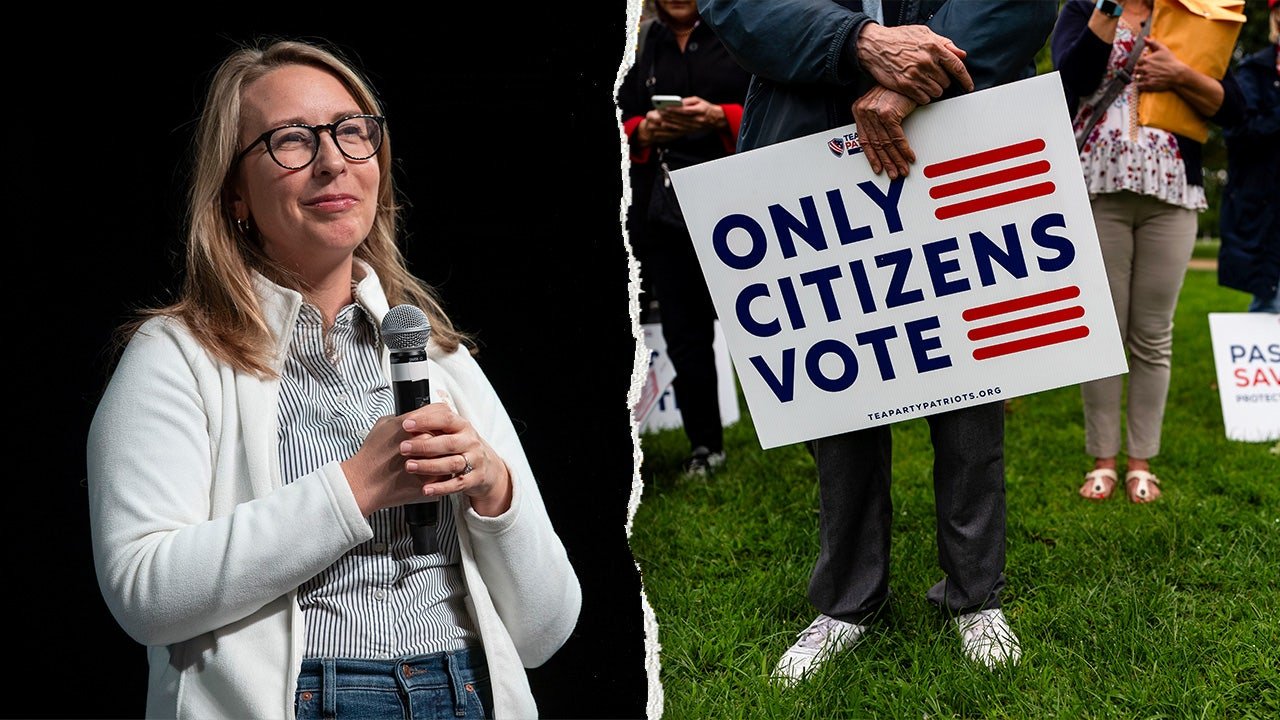
Hillary Scholten, left, pictured alongside an «Only Citizens Vote» sign, right. (Bill Pugliano/Getty Images; Kent Nishimura/Getty Images)
However, under Michigan law, marriage isn’t listed as one of the reasons to correct a birth certificate.
According to the state’s Department of Health and Human Services, citizens may only change their birth certificate to correct a birth record, change a sex designation, correct a place of birth, or amend a parental record.
Scholten, like many Democrats, has voiced opposition to the SAVE America Act — a bill that would require federal voter registrants to present government-issued photo ID to verify their citizenship.
The bill would also require a photo ID to vote.
HAKEEM JEFFRIES PRESSED ON DEMOCRAT OPPOSITION TO VOTER ID
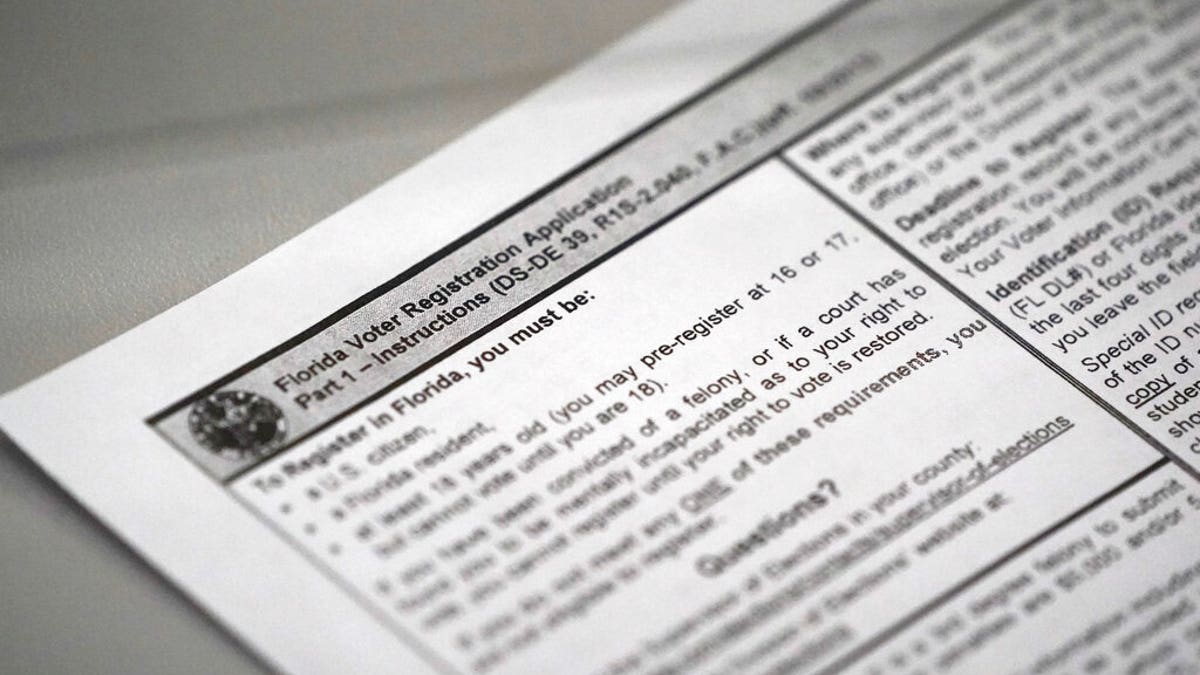
A Florida voter registration application is shown, Tuesday, Oct. 6, 2020. (Wilfredo Lee/AP Photo)
In their view, the bill creates too many obstacles for voters to participate in federal elections.
«Republicans are trying to sell the SAVE Act as a way to stop non-citizens from voting, but we know that’s already illegal. What this bill really does is make it harder for citizens to vote, especially women,» Scholten said when the House considered an earlier version of the legislation last year.
Although the bill lists a birth certificate as one way voters can confirm their identity, it does not specify a last-name match requirement in the manner Scholten described.
Instead, voters can use «a certified birth certificate issued by a state in which the applicant was born … [that] includes the full name, date of birth, and place of birth of the applicant» to supplement other forms of identification.
A senior GOP staffer confirmed that the SAVE Act does not come with the requirements Scholten described.
«That is not right at all and simply another Democrat propaganda talking point,» the staffer said. «Every married woman should have their marriage license.»
The office of Rep. Keith Self, R-Texas, one of the many who has helped champion the SAVE Act, pointed to an analysis of the bill laid out by the Federalist Society, a conservative-leaning legal group.
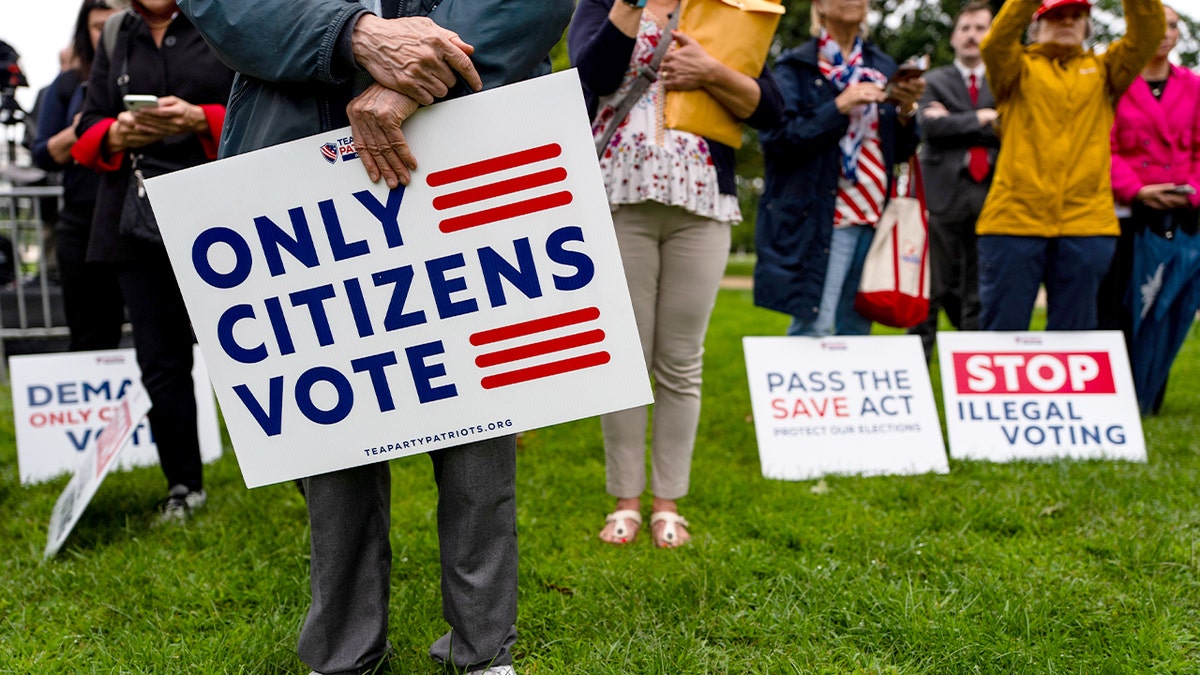
Attendees listen at an «Only Citizens Vote» bus tour rally advocating passage of the SAVE Act at Upper Senate Park outside the U.S. Capitol in Washington, D.C., Sept. 10, 2025. (Kent Nishimura/Getty Images)
«The SAVE Act itself contemplates these name changes and provides protections so that Americans who have changed their names — because of marriage or otherwise — are not prevented from voting,» the group’s page reads.
«The bipartisan federal Election Assistance Commission (EAC) is commanded by the SAVE Act to establish guidelines for states to accept supplementary documents — for instance, a marriage license — to prove citizenship when a voter’s birth certificate and current name do not match. Those on the Left who claim that the SAVE Act will disenfranchise millions of married women are simply wrong; they ought to read the bill’s text and see that it provides mechanisms to ensure that this does not happen.»
CLICK HERE TO DOWNLOAD THE FOX NEWS APP
Among other forms of valid paperwork, voters can also display a passport, a REAL ID, or a military identification card to prove their citizenship.
Scholten’s office did not respond to a request for clarification on her statement.
congress,politics,democratic party,elections








NEWYou can now listen to Fox News articles!
President Donald Trump declared Iran is «essentially really no longer a threat» after a 32-day U.S. military campaign, telling Americans in a primetime address Wednesday that the country has been «eviscerated» following weeks of strikes.
Even so, Trump said the United States is preparing additional attacks in the coming weeks even as diplomatic discussions continue.
«I can say tonight that we are on track to complete all of America’s military objectives shortly. Very shortly, we are going to hit them extremely hard over the next two to three weeks,» Trump said. «We’re going to bring them back to the Stone Ages where they belong. In the meantime, discussions are ongoing.»
INSIDE IRAN’S MILITARY: MISSILES, MILITIAS AND A FORCE BUILT FOR SURVIVAL
«We have all the cards. They have none,» Trump said. «American involvement in World War II lasted for three years, eight months and 25 days,» the president went on, noting that the Vietnam War lasted 19 years and Iraq War lasted eight.
«We are in this military operation … for 32 days,» he said. «And the country has been eviscerated and essentially is really no longer a threat.»
Trump pointed to U.S. attacks on Iran’s nuclear infrastructure, saying sites hit by B-2 bombers were «obliterated» and warning the United States would launch additional strikes if Tehran attempts to recover nuclear material.
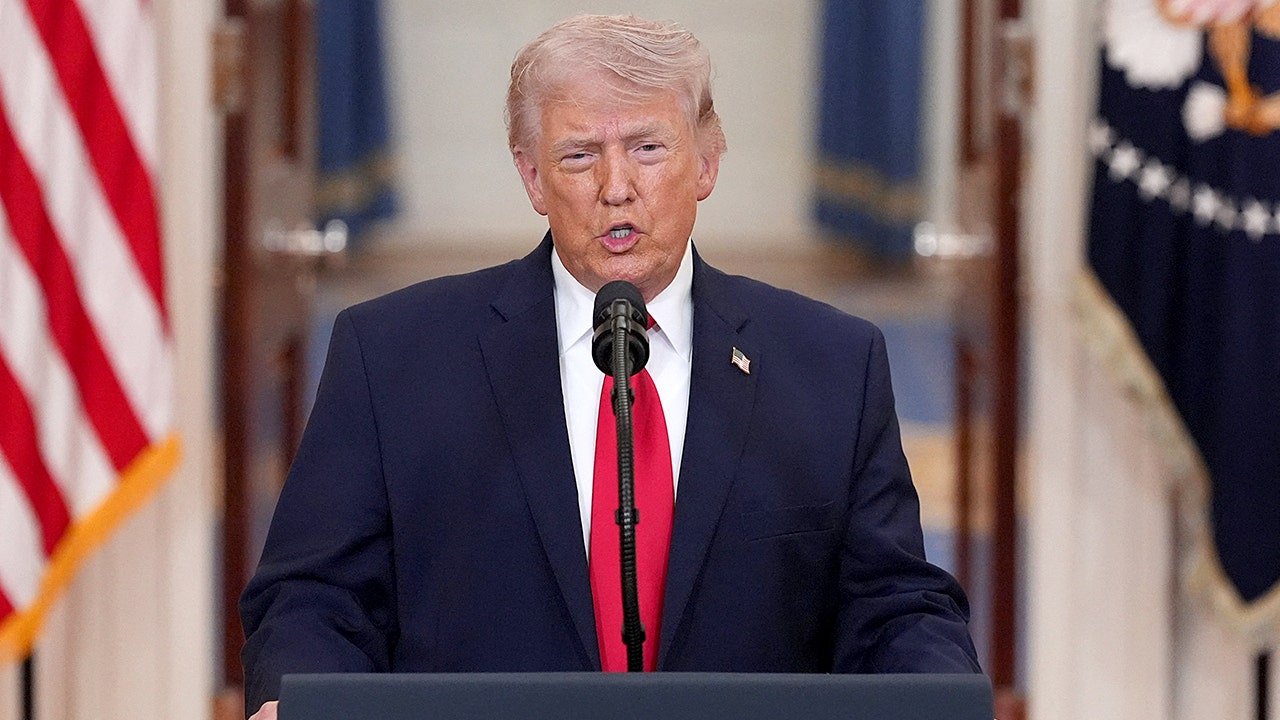
Trump gives primetime address on Iran, April 1, 2026. (Alex Brandon/Pool via Reuters)
«The nuclear sites that we obliterated with the B-2 bombers have been hit so hard that it would take months to get near the nuclear dust,» Trump said. «If we see them make a move, even a move for it, we’ll hit them with missiles very hard.»
The remarks come as key questions remain about the fate of Iran’s enriched uranium stockpile, including roughly 900 pounds to 1,000 pounds of uranium enriched to near weapons-grade levels, according to international watchdog estimates.
The conflict has driven volatility in global energy markets and rising fuel costs for Americans.
WHY TRUMP, IRAN SEEM LIGHT-YEARS APART ON ANY POSSIBLE DEAL TO END THE WAR
Addressing those concerns directly, Trump blamed recent increases in gasoline prices on Iranian attacks targeting commercial shipping and regional infrastructure.
«Many Americans have been concerned to see the recent rise in gasoline prices here at home,» Trump said. «The short-term increase has been entirely the result of the Iranian regime launching deranged terror attacks against commercial oil tankers and neighboring countries.»
Trump also suggested Iran’s leadership structure has been fundamentally altered by the strikes, saying senior figures are dead and warning of additional attacks if Tehran does not reach an agreement with the United States.
«We never said regime change, but regime change has occurred because of all of their original leaders’ death. They’re all dead,» Trump said. «If there is no deal, we are going to hit each and every one of their electric generating plants very hard and probably simultaneously.»
He further claimed Iran’s air defenses had been eliminated. «They have no anti-aircraft equipment,» Trump said. «Their radar is 100% annihilated. We are unstoppable.»
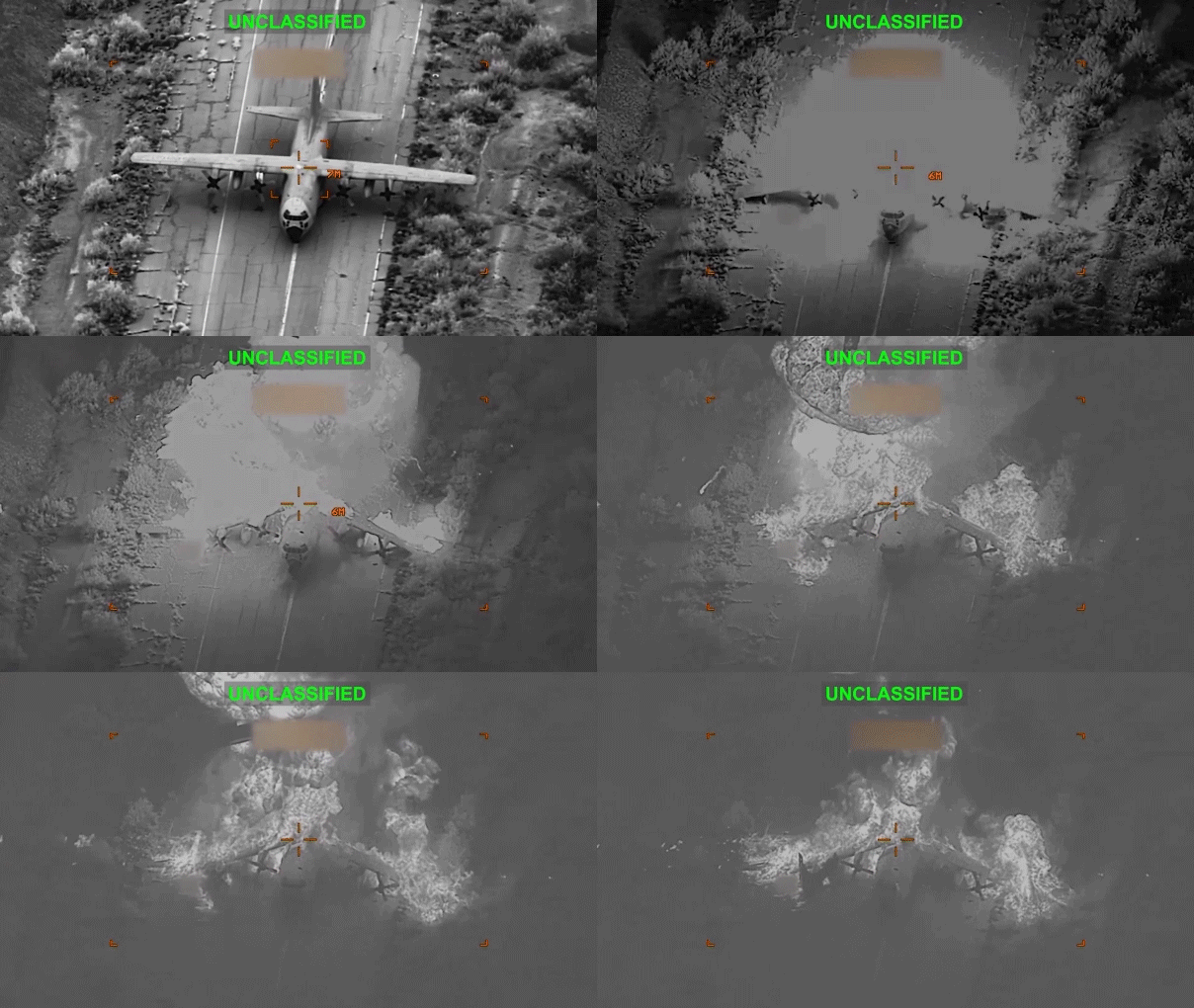
CENTCOM shared footage of strikes against airplanes amid Iran war (U.S. Central Command on X)
The mission known as Operation Epic Fury began just more than one month ago, on Feb. 28.
Since then, U.S. forces have struck more than 12,000 targets inside Iran and damaged or destroyed 155 naval ships, according to the Central Command. Thirteen U.S. service members have died in the operations, and 350 have been injured.
«Twice this past month, I have traveled to Dover Air Force Base, and it’s been something I wanted to be with those heroes as they return to American soil. And I was with them and their families, their parents, their wives, their husbands. We salute them,» Trump said in reference to the deceased service members.
«Now we must honor them by completing the mission for which they gave their lives. And every single one of the people, their loved one said, please, sir, please finish the job, every one of them, and we are going to finish the job and we’re going to finish it very fast. We’re getting very close.»
Trump also called on U.S. allies to take a more active role in securing global energy routes, arguing that countries reliant on Middle Eastern oil should be responsible for protecting the Strait of Hormuz, a critical shipping chokepoint.
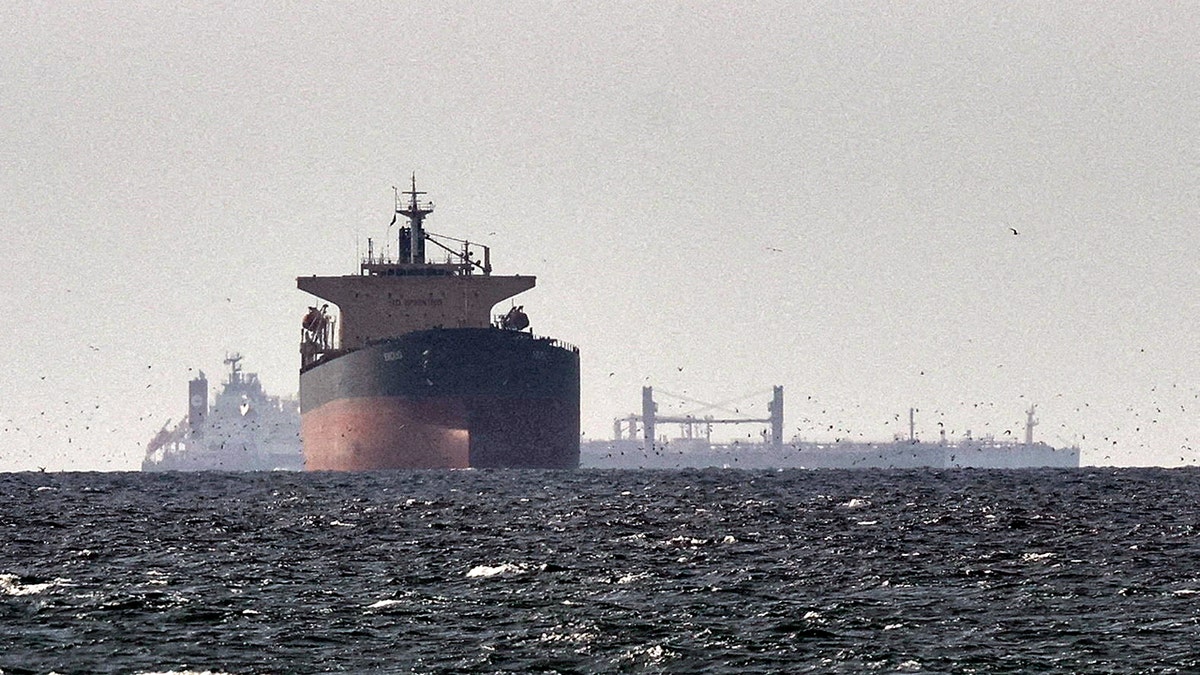
Trump also called on U.S. allies to take a more active role in securing global energy routes, arguing that countries reliant on Middle Eastern oil should be responsible for protecting the Strait of Hormuz. (Reuters/Stringer/File Photo/File Photo)
«The countries of the world that do receive oil through the Hormuz Strait must take care of that passage. They must cherish it. They must grab it and cherish it,» Trump said. «We will be helpful, but they should take the lead in protecting the oil that they so desperately depend on.»
Trump suggested some nations had failed to support U.S. military efforts against Iran and urged them to step up, both militarily and economically.
«So to those countries that can’t get fuel, many of which refuse to get involved in the decapitation of Iran, we had to do it ourselves,» he said. «Go to the strait and just take it. Protect it. Use it for yourselves.»
CLICK HERE TO DOWNLOAD THE FOX NEWS APP
He added that global energy flows would stabilize once the conflict subsides, predicting the waterway would reopen and markets would recover.
«When this conflict is over, the strait will open up naturally,» Trump said. «It will resume the flowing and the gas prices will rapidly come back down.»
war with iran, white house, iran, donald trump
INTERNACIONAL
“Vos estabas en tu sillón, mi novio iba a la guerra”: la historia de dos artistas atravesados por Malvinas
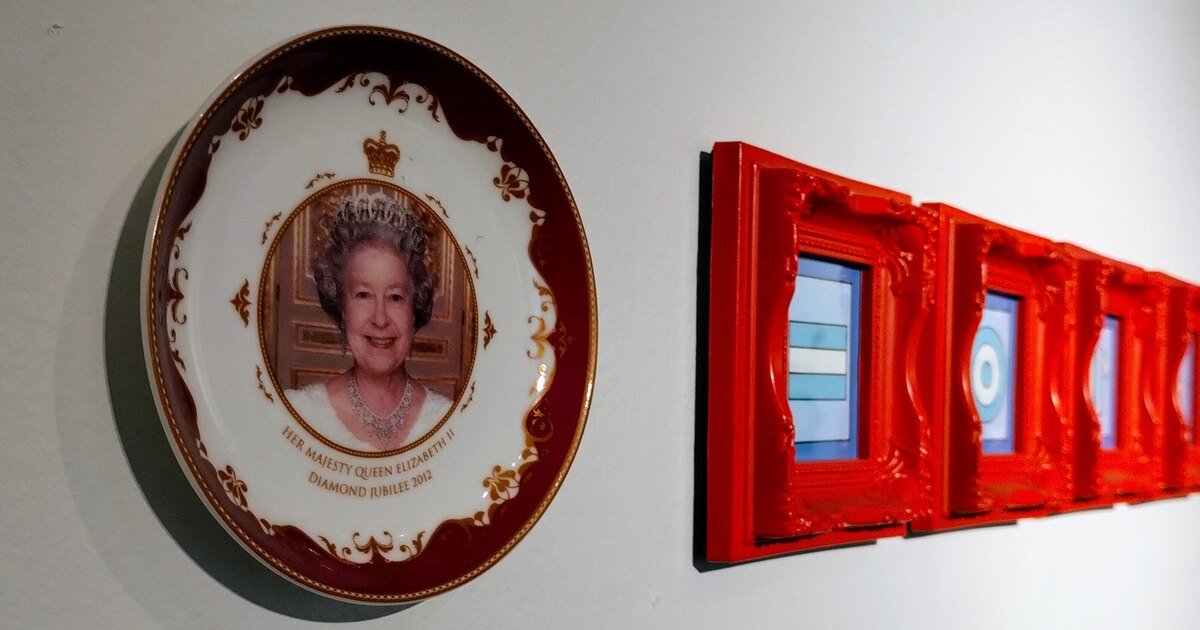
Tenían 18 y 19 años, vivían cerca del mar, estudiaban arte, se amaban. Pero si un relato comienza así, con un paisaje de felicidad, es porque algo va a pasar… y algo pasó. Un día, poco después de haber entrado al servicio militar, les avisaron que se iban a Comodoro Rivadavia: Daniel era convocado a Malvinas. Se iba a la guerra, a la crueldad de cualquier guerra, a la locura de esa guerra. Rosana se quedaba en Mar del Plata.
El final, se sabe, es feliz, bueno “feliz”: Daniel Ontiveros volvió y se convirtió en artista que había soñado ser. Rosana Fuertes lo esperaba y hoy también es artista. Los dos han hecho obras procesando esta experiencia, obras cargadas de política y con las que es imposible no sentirse interpelado.
“Daniel tuvo dieciocho días de entrenamiento antes de que lo llevaran a Malvinas”, cuenta ahora Rosana a Infobae. Y escribe, en un texto conmovedor que firman juntos: “El 14 de abril de 1982, mi novio llegaba a Malvinas desde el GADA 601 de Mar del Plata, donde vivíamos. Entré en estado de anestesia, quizás la única manera de seguir… cómo se puede vivir con miedo permanente… una guerra nos separaba y nos unía para siempre“.

Daniel estuvo en Puerto Argentino durante dos meses y una semana. “Eran catorce soldados en su grupo, que estaban en el radar del Ejército”, dice ella. “Había dos radares en las islas y uno era el del Ejército. O sea que cuando Inglaterra llegó a las islas, eran blanco permanente todas las noches”. Los bombardeaban desde altamar. “Ni aun habiendo estado entrenado hubiera podido hacer nada con un fusil”.
Mientras tanto, “yo quedé en Mar del Plata esperándolo sin saber qué pasaba”, cuenta Rosana. “Tuvimos correspondencia durante todo ese tiempo. Son cartas que aún guardamos. Y recibí telegramas de él diciéndome que estaba bien. Pero aun el telegrama era viejo para cuando llegaba, porque en una guerra un minuto vale”.

En el escrito lo cuentan a dos voces. Empieza Daniel:
–A dieciocho días de haber comenzado mi conscripción, estaba en Puerto Argentino. No fui voluntario, pero tampoco obligado. En los cuarteles de Comodoro Rivadavia se nos preguntó si alguno no quería ir a las Malvinas y una veintena de compañeros quedaron allí. El resto continuamos la marcha. Recuerdo la emoción al ver desde el avión las Islas recortadas contra el mar.
-Y yo la incertidumbre, las náuseas de la angustia. La vida en la ciudad seguía igual, dictadura con aires triunfalistas, grandes títulos de tapa, “argentinazo: las malvinas recuperadas”, “estamos ganando”, “seguimos ganando”, “el Papa viene a la Argentina”… Mundial de fútbol.
-Una mezcla de convicción y aventura nos hacía sentir parte de la historia y protagonistas de un verdadero film de guerra. Inmortales como nos creíamos- quién no a los dieciocho- sentíamos el escozor de algo inminente que nunca comenzaba.
– Mi película de terror ya había empezado, sabía que tendría final, pero desconocía si feliz o trágico. Cada segundo todo podía cambiar. Sólo me quedaba esperar.
Esperaban a la flota, esperaban noticias, esperaban negociaciones. Mucho después, Rosana pintará una obra compuesta por cinco cuadros, cruzados por dos tiras rojas que dicen “Vos estabas en tu sillón” (arriba) y “Mi novio iba a la guerra” (abajo). En cuatro cuadros se ve un sillón y en el quinto el sillón ya no está. ¿Qué pasó? Pero la obra es una instalación que se completa con otro sillón, uno real, modelo BKF -un ícono del diseño argentino-, y de cuero de vaca por si más alusión a la argentinidad hacía falta.

Cuentan entre los dos, otra vez. Arranca él:
-En los pozos recibíamos mil versiones. En la tele parecía que las soluciones estaban al caer . El tiempo pasó y la flota llegó. Y el 1 de mayo recibimos un tremendo cañoneo naval. Aviones que pasaban rasantes, como en las películas. Lluvia de esquirlas sobre nosotros. Esa noche perdí el conocimiento.
-Cada fragata hundida se festejaba como un gol. El final sería pronto e incruento. Sólo los ingleses sufrirían. Mientras, mis amigas y sus novios iban a bailar cada sábado. Las profesoras exigiéndome como si nada. Todo seguía igual. Extraño.
-De allí en más, lo que todos sabemos. Cañoneos, desembarco en San Carlos y el avance implacable de las tropas británicas. Lo nuestro: resistir y trabajar, noche y día, por la supervivencia. Casi todos inmensamente generosos y sin guardarse nada en el esfuerzo. Cientos de acciones de coraje, manchadas apenas por algunas cobardías y mezquindades.

-Día a día. Minuto a minuto. Esperar noticias. Una carta. 32 recibí y otras tantas escribí. Los telegramas me llegaban. En todos decía ESTOY BIEN. Pero era consciente que un segundo más tarde podía ya no estarlo. Una encomienda recibió, muchas otras retenidas, pedía velas, chocolates, papel y lapiceras para escribir y dibujar. Dibujar en una guerra, sólo a él se le podía ocurrir… y hasta quizás eso lo salvó.
En el grupo de Daniel había catorce soldados. Quedaron trece. El que no, cayó dos días antes del fin de la guerra y Ontiveros, años después, pintó su retrato.
-La muerte del compañero a quien releve en la guardia: Diego Bellinzona. Una esquirla partió su cuerpo al medio, a la altura de la cintura. Lo partió en dos. Éramos 14, volvimos 13.
-El teléfono avisando una baja en el grupo. Lo supo mi mamá. La confirmación de mis peores pesadillas. Rogar que a él no le hubiera pasado nada. Contar los días. Contar las horas.

Y el final:
La rendición del gobernador, cuando los ingleses llegaban a su -casa. El repliegue de las tropas. Impresionante. Los harapos, las cabezas gachas, los ojos inmensos en los rostros demacrados, las caras de hambre, las caras de hombre – ya no eran chicos. Por cientos, por miles.
-Una multitud esperándolos en la estación de trenes, todos iguales, un abrazo interminable.
Daniel volvió entero. Sin secuelas por fuera, pero por dentro… lo inevitable. Se le empezó a caer el pelo, no había cumplido 20 años y tenía el colesterol por las nubes. Crónico quedó. Tuvo gastritis al borde de la úlcera. El cuerpo gritaba por lo que había vivido.

Pero pasó, “lo superamos”, dice Rosana. Y recuerda ese dato que es una denuncia: “Ya hay más suicidios de posguerra que soldados muertos en las islas”.
Hubo momentos duros, dice, pero terminaron de estudiar y el arte fue un camino. “Hubo tratamientos posteriores, psicológicos y psiquiátricos, obviamente. Pero bueno, fueron circunstancias que nos ayudaron a sobrellevar lo que es una guerra, que no se lo deseo a nadie, ni de estar en la guerra ni ser familiar de un veterano”.

Hace cuarenta y cinco años que Rosana Fuertes y Daniel Ontiveros están juntos. “No es que toda nuestra obra gira alrededor de Malvinas”, aclara Fuertes. No, claro, pero pasó el tiempo y acá están, cruzando testimonio, amor y arte.
Pintura,Arte,Poster,soldados,militar,guerra,vanguardia,ilustración,desierto,conflicto
INTERNACIONAL
El uso de biocombustibles ayuda a estabilizar los precios en Brasil pese al shock petrolero por Irán



Si escuchás palomas cantar en tu casa o jardín durante el día, te contamos qué significa y por qué es bueno

El exabrupto de Caputo: «A los que piden devaluar me dan ganas de cagarlos a patadas en el culo»

“Montoneros, una historia visual”: el nuevo libro de María O’Donnell con claves para el debate sobre los setenta

Javier Milei y sus medidas, en vivo: el precio de la nafta y las reacciones por el 44° aniversario de Malvinas

¡Flamengo le reclama una deuda de casi 2 millones de euros a CR7!

Trump says Iran ‘no longer a threat’ after 32 days — outlines next phase of US war

El Gobierno cambia su propuesta de reforma: endurece penas para delitos comunes, pero no para los casos de corrupción

Nuevas críticas de Marcela Pagano contra los Milei: “Karina es la que gobierna”, aseguró

Dos jubiladas que le habrían prestado dinero a Manuel Adorni negaron conocerlo

Quiénes son las dos acreedoras del préstamo con el que Adorni compró su departamento en Caballito

 POLITICA2 días ago
Dos jubiladas que le habrían prestado dinero a Manuel Adorni negaron conocerlo
- POLITICA2 días ago
Quiénes son las dos acreedoras del préstamo con el que Adorni compró su departamento en Caballito
- POLITICA20 horas ago
El Gobierno reevalúa la estrategia de comunicación por el caso Adorni y mide el impacto en la imagen de Milei