INTERNACIONAL
Democratic senator calls for ‘more effective leadership’ as Schumer faces mounting pressure


NEWYou can now listen to Fox News articles!
CONCORD, N.H. — Amid heated calls by some House Democrats and others in the party to remove Sen. Chuck Schumer from his longtime role as Senate Democratic leader, a top Democrat in the chamber is calling for «more effective leadership.»
Sen. Chris Murphy of Connecticut told Fox News Digital that Schumer needs to lead a conversation to «stop having a group of members cross over and support Donald Trump’s agenda.»
Murphy was interviewed on Wednesday, two days after seven Senate Democrats and independent Sen. Angus King of Maine, who caucuses with the party, bucked Senate Democratic leaders and voted with the majority Republicans to end the longest federal government shutdown in history.
Plenty of progressives and center-left Democrats have pilloried the deal to end the shutdown, which didn’t include the Democrats’ top priority, an agreement to extend expiring subsidies that make health insurance coverage through the Affordable Care Act, known as the ACA or Obamacare, more affordable to millions of Americans.
SCHUMER FACES FURY FROM THE LEFT OVER DEAL TO END SHUTDOWN
Senate Minority Leader Charles Schumer, D-N.Y., after a news conference in the U.S. Capitol on the government shutdown on Nov. 5, 2025. (Tom Williams/Getty)
And even though he opposed the agreement, Schumer, the top Democrat in the chamber, has faced calls from some House Democrats and others in the party to step down due to his inability to keep Senate Democrats unified.
But to date, no Senate Democrat has joined those calls for Schumer to step down.
Asked if Schumer was still up to the task of steering Senate Democrats, Murphy said, «I think his job is really, really hard. He obviously did not want this outcome. He wanted the caucus to stay together. He was not successful in that endeavor.»
TRUMP ARGUES SCHUMER MADE A MISTAKE
«We’ve got to have a hard conversation as a caucus about what we all need to do, what kind of leadership we need in order to make sure that we don’t continue to break apart,» added Murphy, who as Deputy Democratic Conference Secretary is a member of the party’s leadership in the chamber.
And he noted that «this is the fourth major moment this year where a handful of Democrats have crossed over and voted with Donald Trump.»
«That means we need more effective leadership. That also means that the caucus has to decide for itself that we’re not going to continue to break apart like this,» he emphasized.

Sen. Chris Murphy sits for a Fox News Digital interview on Nov. 12, 2025, in Concord, New Hampshire. (Paul Steinhauser/Fox News)
Murphy said Senate Democrats «have to make a decision as a caucus to stop breaking apart like this.» And pointing to Schumer, he added, «That’s a conversation that, yes, the leader of the caucus has to head up, but it’s a conversation all of us have to have. We all have to hold each other accountable.»
Murphy was interviewed after headlining an event in New Hampshire’s capital city with the Merrimack County Democrats. New Hampshire’s two senators — Jeanne Shaheen and Maggie Hassan — were among the Democrats who supported the deal with Republicans.
SHUTDOWN SHOWDOWN: DEMOCRATIC SENATOR STANDS FIRM AFTER DEFYING PARTY
Shaheen, who previously supported a bill to extend the ACA subsidies, on Monday defended breaking with her party to support the deal.
«We’re making sure that the people of America can get the food benefits that they need, that air traffic controllers can get paid, that federal workers are able to come back, the ones who were let go, that they get paid, that contractors get paid, that aviation moves forward,» Shaheen said in a «Fox and Friends» interview.
Asked about Shaheen’s comments, Murphy said Senate Democrats «had a big disagreement.»
«I understand why my colleagues wanted to end the shutdown. I wanted to end this shutdown. The fact is that shutdowns hurt and Trump was making the shutdown even worse than it had to be by, for instance, illegally denying people food stamp benefits, nutrition benefits,» Murphy argued.
But he added, «I still think we could have won. I think as these premium increases were just becoming real for people, as folks are digesting an election that clearly was a referendum on the way that Donald Trump was plunging the country to shut down, we could have actually gotten a resolution that would have stopped at least some of the pain that’s coming to families as these healthcare premiums go into effect.»
The deal to end the shutdown does not include such a provision, but only a promise by the majority Republicans to hold an upcoming vote on extending the subsidies.
And Murphy lamented that the deal will only embolden the president.
«I definitely worry that when Trump gets the opposition party to yield to him, as he did last week, that it just emboldens him, that he ends up acting even more lawlessly and recklessly and illegally,» he said. «I understand why my colleagues wanted to end this shutdown. I am just of the belief that Trump is going to constantly try to weaponize our compassion against us.»

Sen. Chris Murphy speaks to a gathering of Merrimack County Democrats on Nov. 12, 2025, in Concord, New Hampshire. (Paul Steinhauser/Fox News)
Murphy, who during former President Joe Biden’s tenure in the White House spent much of his time trying to reach across the aisle to find common ground with Republicans on such issues as gun control, immigration and Ukraine, is now helping fund organizations that are pushing back against Trump and his agenda.
«I’ve been making grants to protest organizations and grassroots organizations all around the country,» he said.
And the senator, who won re-election last year in blue-leaning Connecticut by nearly 20 points, highlighted that «I’ve been all over the country this year. I’ve been holding town halls, often with other colleagues, targeting mostly states that are represented by Republicans, so that they’re hearing the other side.»
And looking ahead to next year’s midterm elections, he said, «I’ll likely be traveling throughout New England, but also throughout the rest of the country, to try to help stand up a national mobilization against Trump’s corruption.»
Murphy is seen by political pundits as a possible contender for the 2028 Democratic presidential nomination, which is expected to be a crowded and competitive race.
After his interview with Fox News Digital, Murphy headlined the latest «Stand Up New Hampshire Town Hall.» The speaking series, organized by top New Hampshire Democratic elected officials and party leaders, is seen as an early cattle call for potential White House contenders.
The New Hampshire Republican Party welcomed Murphy to the first-in-the-nation presidential primary state with an email released titled «NHGOP Welcomes Future Failed Presidential Candidate Chris Murphy to New Hampshire.»
Asked about a possible presidential run in 2028, Murphy said, «I think it’d be so foolish for any of us to be thinking about running in an election in 2028 that may not happen. I mean, I think this moment is really serious. I think Donald Trump is trying to rig the rules of American democracy so that either he can run again or that the opposition party has no chance to win.»
CLICK HERE TO DOWNLOAD THE FOX NEWS APP
Pointing to his current mission «to help save our democracy,» Murphy insisted «that’s all I’m focused on right now. And I think that is what I would recommend to all of my colleagues, whether they’re thinking about running for national office in 2028 or whether they have no plans to do so.»
«We have one mission right now, which is to make sure there actually is an election in 2028 where a Democrat has a reasonable chance of winning,» he added.
chuck schumer,democrats senate,democratic party,donald trump,government shutdown,midterm elections,new hampshire,presidential primaries







INTERNACIONAL
Desplazados por la guerra, cristianos de Líbano celebran Pascua lejos de sus hogares e iglesias


INTERNACIONAL
Pair of Democrat lawmakers slam ‘blockade of fuel’ to Cuba, ‘economic bombing’ after visit to island
NEWYou can now listen to Fox News articles!
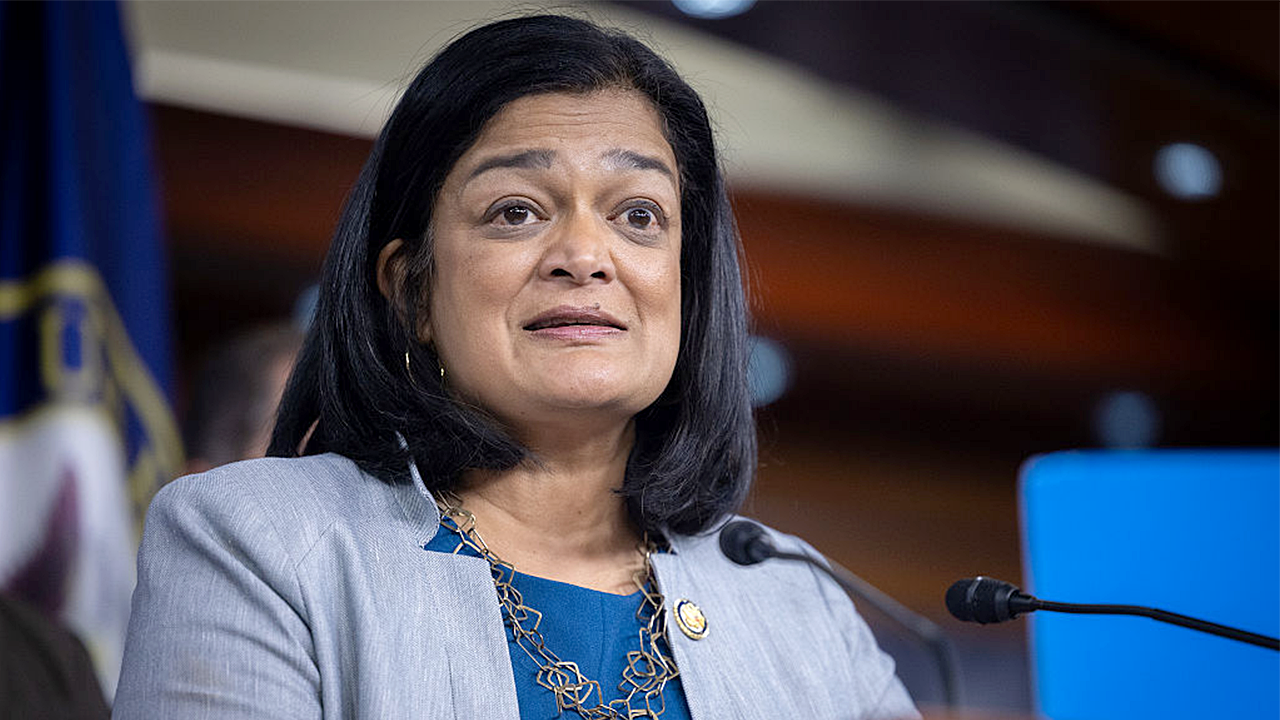
Reps. Pramila Jayapal, D-Wash., and Jonathan Jackson, D-Ill., said after a congressional delegation returned from Cuba that U.S. economic restrictions on the island represented an «illegal U.S. blockade of fuel» and «effectively an economic bombing of the infrastructure of the country.»
The lawmakers, following their five-day delegation to Cuba, spoke out against what they described as a humanitarian crisis on the island that they argue is linked to the U.S. embargo.
«The illegal U.S. blockade of fuel to Cuba—90 miles south of the United States—adds to the longest embargo in world history and is causing untold suffering to the Cuban people,» the lawmakers said in a statement on Sunday. «The United States prevented a single drop of oil from entering Cuba for over three months. This is cruel collective punishment—effectively an economic bombing of the infrastructure of the country—that has produced permanent damage. It must stop immediately.»
US ALLOWS RUSSIAN OIL TANKER TO REACH CUBA AMID BLOCKADE AS TRUMP SAYS ISLAND ‘HAS TO SURVIVE’
Reps. Pramila Jayapal and Jonathan Jackson said after a delegation to Cuba that there was a humanitarian crisis on the island. (Nathan Posner/Anadolu via Getty Images)
«We witnessed firsthand premature babies in incubators, weighing just two pounds, who are at tremendous risk because their ventilators and incubators cannot function without electricity,» they continued. «Children cannot attend school because there is no fuel for them or their teachers to travel. Cancer patients cannot receive lifesaving treatments because of lack of medications. There is a water shortage because there is little electricity to pump water. Businesses have closed. Families cannot keep food refrigerated, and food production on the island has dropped to just 10 percent of the people’s needs.»
This comes as U.S. President Donald Trump has escalated his pressure campaign on Cuba in recent weeks, calling the island a «failed nation» and suggesting that «Cuba is next» following recent U.S. military actions in Venezuela and Iran.
The trip came after Jayapal and Rep. Gregory Meeks, D-N.Y., introduced legislation to block federal funds for military action against Cuba without congressional approval.
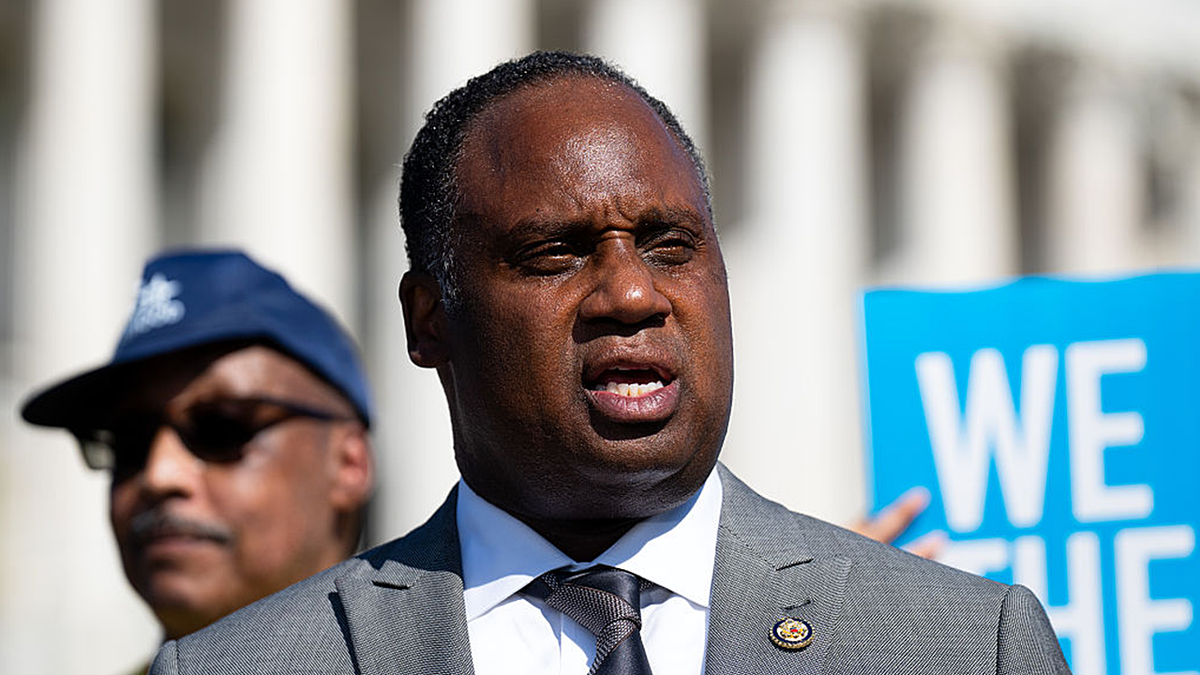
The two lawmakers spoke out against what they described as an «illegal U.S. blockade of fuel» and «effectively an economic bombing of the infrastructure of the country.» (Bill Clark/CQ-Roll Call, Inc via Getty Images)
Jayapal and Jackson said they spoke with families, religious leaders, entrepreneurs, civil society organizations, the Cuban government, Latin American and African ambassadors, humanitarian aid organizations and Cubans across the political spectrum, including dissidents.
«Across all sectors, there is agreement: this illegal blockade must end immediately. We do not believe that the majority of Americans would want this kind of cruelty and inhumanity to continue in our name,» the lawmakers said.
The pair added that the Cuban government «has sent many signals that this is a new moment for the country.»
«While we were there, President Diaz-Canel released over 2,000 prisoners. The Cuban government has begun to liberalize its economy with significant reforms, including allowing Cuban American entrepreneurs to invest in private businesses in Cuba. Entrepreneurship has grown substantially, with small- and medium-sized private businesses now comprising large parts of the economy,» the statement said.
CUBA RELEASES 2,000 PRISONERS AMID TRUMP PRESSURE, ENERGY CRISIS
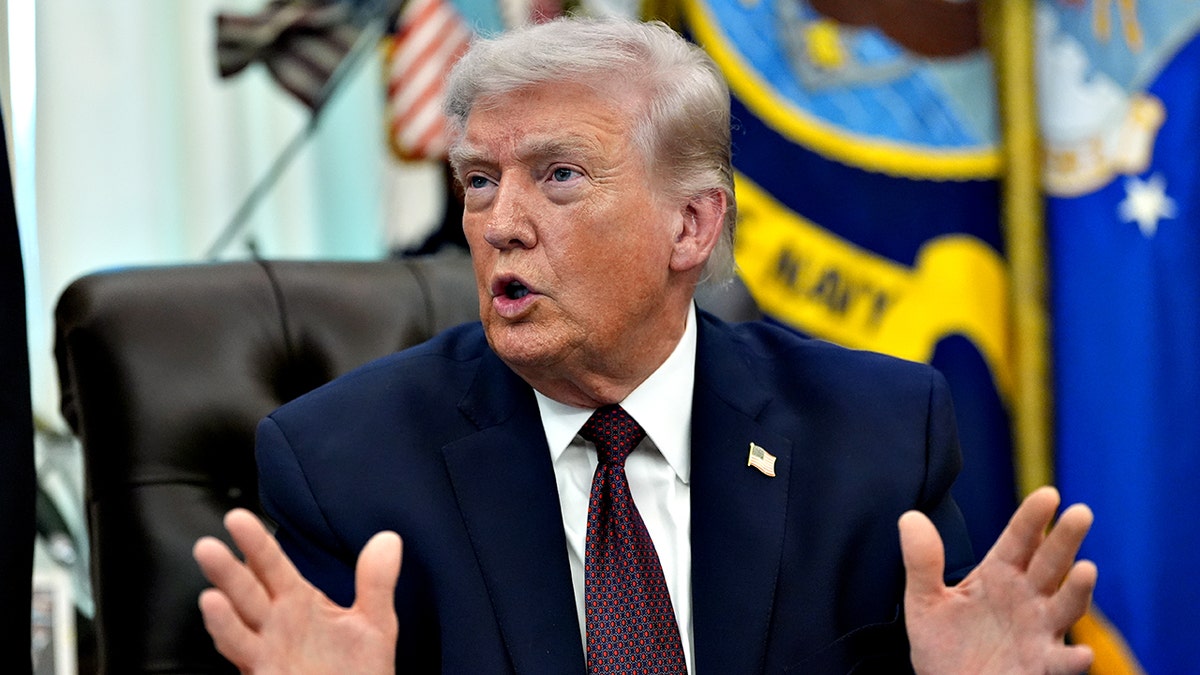
U.S. President Donald Trump has escalated his pressure campaign on Cuba in recent weeks. (AP Photo/Alex Brandon)
CLICK HERE TO DOWNLOAD THE FOX NEWS APP
«Significantly, the Cuban government has invited in the FBI to conduct an independent investigation of a lethal speedboat shooting,» it continued. «The remaining obstacles to progress in Cuba now rest with the United States changing our outdated, Cold War-era policy of coercive economic measures and military pressures against Cuba.»
Jayapal and Jackson went on to say that «true reform will only come from charting a new course.»
«The United States and Cuba must immediately enter into real negotiations that provide for the dignity and freedom of the Cuban people and the tremendous benefits to the American people that will accrue from a real collaboration between our two countries,» they concluded.
cuba, world, politics, donald trump, energy
INTERNACIONAL
La increíble historia detrás de “El Principito” y cómo Antoine de Saint-Exupéry lo escribió en Nueva York
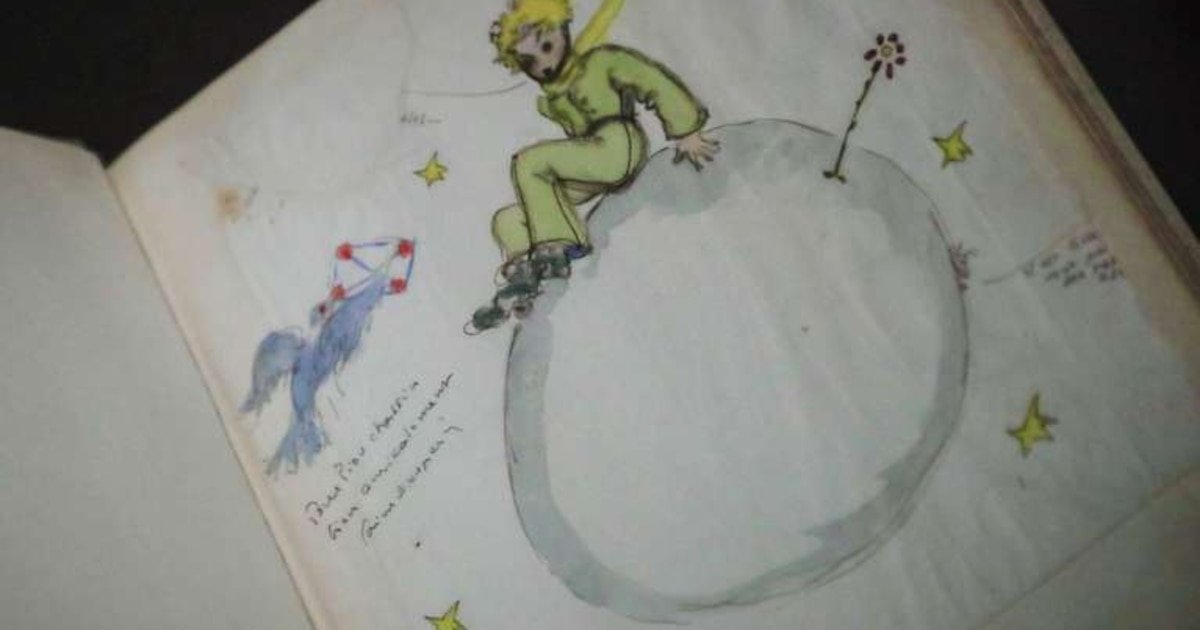
La historia detrás de una obra que reflejó el dolor de su autor y un tiempo convulso
A 83 años de su publicación, El Principito permanece como uno de los cinco libros más leídos del mundo. Concebido por Antoine de Saint-Exupéry durante su exilio en Nueva York en la Segunda Guerra Mundial, la obra nació del intento del aviador y escritor francés por hallar alivio personal y distanciarse de la guerra y sus episodios de depresión. La profunda melancolía que embargaba a Saint-Exupéry en esos años —marcada por peleas políticas, crisis personales y la distancia de su esposa Consuelo Suncín, retenida por el conflicto en Europa— resultó el trasfondo emocional y existencial donde germinó la novela.
El deceso del autor, ocurrido tras despegar en una operación aliada el 31 de julio de 1944 en el sur de Francia, amplificó el aura mítica de su obra. La autenticidad de la desaparición de Saint-Exupéry fue confirmada solo en el año 2000, cuando el Estado francés reconoció restos de fuselaje hallados en el Mediterráneo y una pulsera con la inscripción “Consuelo”. La pieza manuscrita original de Le petit Prince, compuesta por 125 páginas mecanografiadas y numerosos borradores, fue entregada antes de esa partida a Sylvia Hamilton, periodista estadounidense con la que mantuvo una relación personal en el exilio, y años después vendida al Museo Biblioteca Morgan en Nueva York, donde permanece actualmente expuesta.
Durante la ocupación nazi de Francia, Saint-Exupéry residía en un departamento elevado del Central Park. Allí, a pesar de su éxito como autor de Tierra de hombres y Piloto de guerra —obras que vendían cientos de miles de ejemplares en Estados Unidos y se publicaban en los principales diarios internacionales—, el escritor vivió uno de los períodos más sombríos de su vida. Conflictos entre franceses exiliados, acusaciones de “traidor” por su desconfianza hacia Charles de Gaulle y la presión de su propia salud, deteriorada por accidentes aéreos previos, sumaron pesadumbre a su existencia.
En ese contexto, la sugerencia de Elizabeth Reynal, esposa de uno de sus editores norteamericanos y traductora ocasional, lo impulsó a canalizar su creatividad hacia un relato destinado a niños. Reynal, según narró en The New York Times el 31 de mayo de 1993 y recogido por biógrafos, notó que Saint-Exupéry dibujaba con frecuencia un niño de cabello rubio y bufanda larga en servilletas y papeles. Tras insistir en que abandonara por unas horas la obsesión por la guerra, el autor dio comienzo esa misma noche a la frase inicial: “Cuando yo tenía seis años una vez vi una lámina magnífica en un libro sobre el Bosque Virgen…”.
En apenas tres meses, Saint-Exupéry completó la narración central del aviador caído en el desierto frente a un pequeño príncipe proveniente de otro planeta. Pese a carecer de formación artística, el autor ilustró la primera edición con pintura en acuarela, seleccionando cuarenta viñetas originales. El escritor suizo Denis de Rougemont, testigo del proceso en los rascacielos de Manhattan, lo describió como “gigante calvo con los ojos redondos de un pájaro exótico… concentrado en aplicar pequeñas pinceladas pueriles”.

El libro, editado inicialmente en inglés como The Little Prince en abril de 1943, tuvo una primera tirada de 30.000 ejemplares; cifra que resultó cautelosa dada la expectativa de que el público estadounidense esperara “otras aventuras aéreas” del célebre piloto y cronista.
Antes de marcharse a Argelia para reincorporarse a la escuadrilla aliada 2/33 —pese a edad y lesiones que teóricamente lo inhabilitaban para volar—, Saint-Exupéry concluyó el prólogo de El Principito. Dedicó la obra a su amigo Léon Werth, justificando así la elección: “Esa persona mayor es el mejor amigo que tengo en el mundo… vive en Francia, donde tiene hambre y frío. Tiene verdadera necesidad de consuelo… Corrijo, pues mi dedicatoria: A Léon Werth, cuando era niño”.

Durante el último año de su vida, el autor luchó infructuosamente para retomar misiones de vuelo. Su prestigio le permitió, tras apelaciones incluso al comandante supremo Dwight Eisenhower, volver a pilotar el P3Lightning, con el que despegó por última vez desde la base aliada en Córcega. Mientras tanto, El Principito atravesaba un inicio editorial poco auspicioso, aunque en paralelo Saint-Exupéry continuaba trabajando en otro proyecto extensa y obsesivamente: el ensayo Ciudadela, publicado de forma póstuma.
La primera edición francesa de Le petit Prince apareció en 1947. Al español llegó en 1951. Desde entonces, la novela ha sido traducida a alrededor de 200 idiomas y dialectos, incluido el braille, y han surgido adaptaciones teatrales, cinematográficas, televisivas, coreográficas y operísticas. Las cifras de ventas acumuladas rondan los 200 millones de ejemplares, con al menos un millón de copias vendidas anualmente.
antoine saint exupéry

En la previa de la votación por la Ley de Glaciares, se activan proyectos mineros y recrudece el debate por el uso del agua

El Gobierno otorgó los anticipos financieros a doce provincias

¡Sanción bomba en Gran Hermano! El feroz cruce entre Pincoya y Tamara Paganini tuvo terribles consecuencias

Fue el primer socio de Maradona en Argentina, jugó en Racing y San Lorenzo y tiene canción propia: el gesto de Diego que jamás olvidó

El Gobierno comienza a trabajar en la formulación del Prespuesto 2027

La inflación aceleró en el cierre de marzo y el Gobierno confía en una medida clave para frenarla en abril

Milei se pone al frente de la defensa de Adorni y lo suma a un acto por Malvinas en una nueva muestra de respaldo

Oriana Sabatini sorprendió al elegir a una famosa como madrina de Gia, su hija con Paulo Dybala

La Armada sorteará 30 lugares en el buque que escoltará la salida de la Fragata Libertad: cómo anotarse

La nueva advertencia de Donald Trump a Irán: «El tiempo se acaba, quedan 48 horas antes del infierno»

 INTERNACIONAL1 día ago
La nueva advertencia de Donald Trump a Irán: «El tiempo se acaba, quedan 48 horas antes del infierno»
- POLITICA23 horas ago
Círculo rojo: intrigas en el gabinete, desgaste por el caso Adorni y movimientos inquietantes en el Poder Judicial
- POLITICA1 día ago
Créditos del Banco Nación: el Gobierno reveló que Pettovello echó a Massaccesi porque “mintió”