INTERNACIONAL
Democrats risk FEMA disaster funding collapse as DHS shutdown hits Day 5

NEWYou can now listen to Fox News articles!
Senate Democrats and the White House remain locked in a standoff over proposed reforms to immigration operations nationwide — a dispute that could carry unintended consequences for disaster response efforts.
Without a fresh infusion of funding, the Federal Emergency Management Agency (FEMA) could soon face constraints on its disaster relief operations. As hurricane season approaches, limited funding could hamper the agency’s ability to respond to major storms and other emergencies.
The partial government shutdown — affecting FEMA’s parent agency, the Department of Homeland Security (DHS) — entered its fifth day with no resolution in sight.
GOP WARNS DEMOCRATS USING DHS SHUTDOWN TO STALL SENATE VOTER ID PUSH
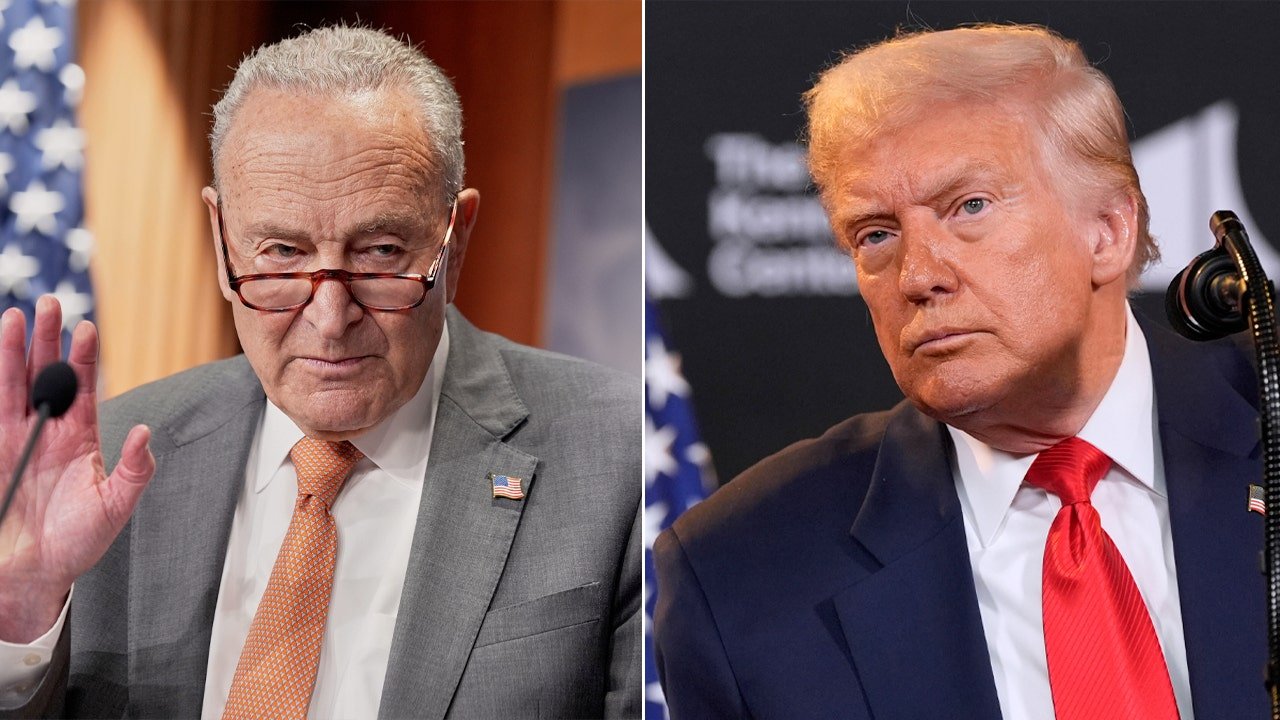
Senate Democrats, led by Senate Minority Leader Chuck Schumer, D-N.Y., and the White House are in a standoff over DHS funding as the partial shutdown drags on. And as the closure continues, disaster funding at FEMA could run dry. (Mariam Zuhaib/AP; Alex Brandon/AP)
Before the shutdown began last week, a top FEMA official warned lawmakers that shuttering DHS could significantly strain the agency’s disaster response capabilities.
Office of Response and Recovery Associate Administrator Gregg Phillips told a House panel examining the effects of a DHS shutdown that while FEMA’s disaster relief fund currently holds roughly $7 billion — enough to sustain emergency responses for the «foreseeable future» — a catastrophic event could quickly exhaust those resources.
«That said, if a catastrophic disaster occurred, the [disaster relief fund] would be seriously strained,» Phillips said.
For comparison, the federal government spent more than $50 billion on disaster relief during the last fiscal year. Phillips also noted that during his nearly two-month tenure, FEMA had already spent $3 billion in 45 days across roughly 5,000 projects.
THUNE GUARANTEES VOTER ID BILL TO HIT THE SENATE DESPITE SCHUMER, DEM OPPOSITION: ‘WE WILL HAVE A VOTE’
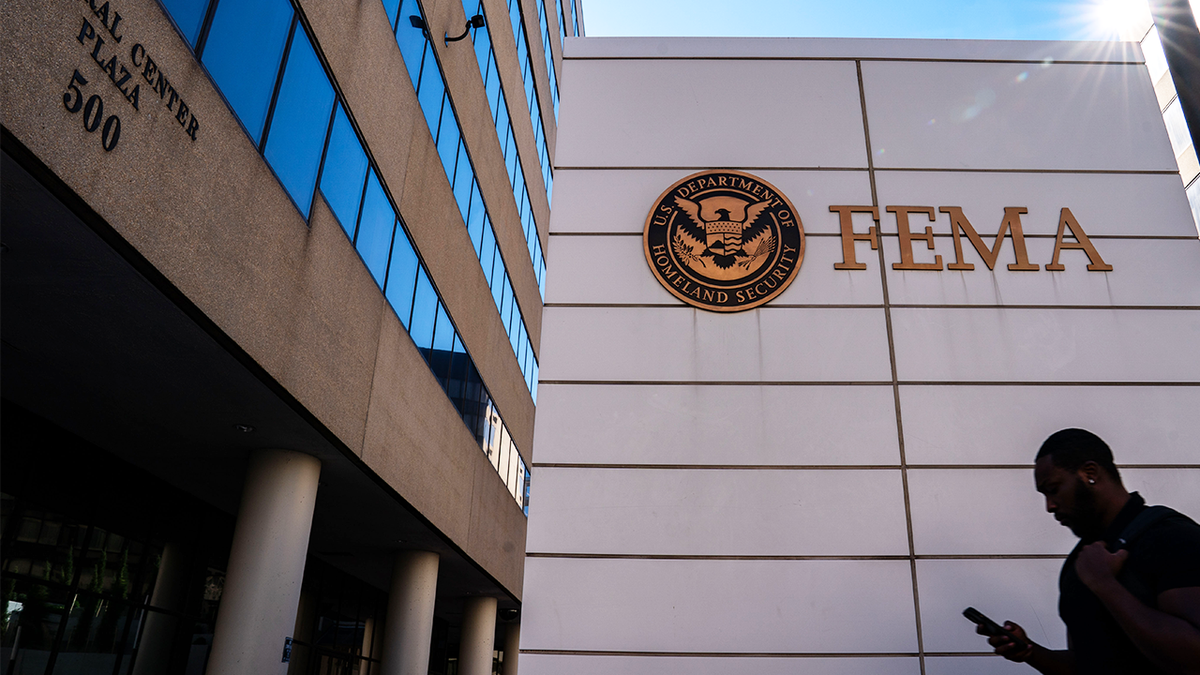
The Federal Emergency Management Agency (FEMA) headquarters is photographed on Oct. 8, 2024, in Washington, D.C. (Kent Nishimura/Getty Images)
Earlier this week, President Donald Trump said that FEMA would play a «key role» in responding to a sewage spill into the Potomac River, where roughly 200 million gallons of raw sewage have poured into the waterway that runs through the nation’s capital.
The cost of FEMA’s involvement in that cleanup effort has not yet been determined, a DHS spokesperson told Fox News Digital.
Meanwhile, the current DHS funding bill, which Senate Democrats rejected last week, includes roughly $26 billion for FEMA’s disaster relief fund. But negotiations remain stalled as Democrats push for reforms to Immigration and Customs Enforcement (ICE).
‘IT’S ABSURD’: DHS SHUTDOWN BEARS DOWN ON US AS LAWMAKERS JET OFF TO EUROPE
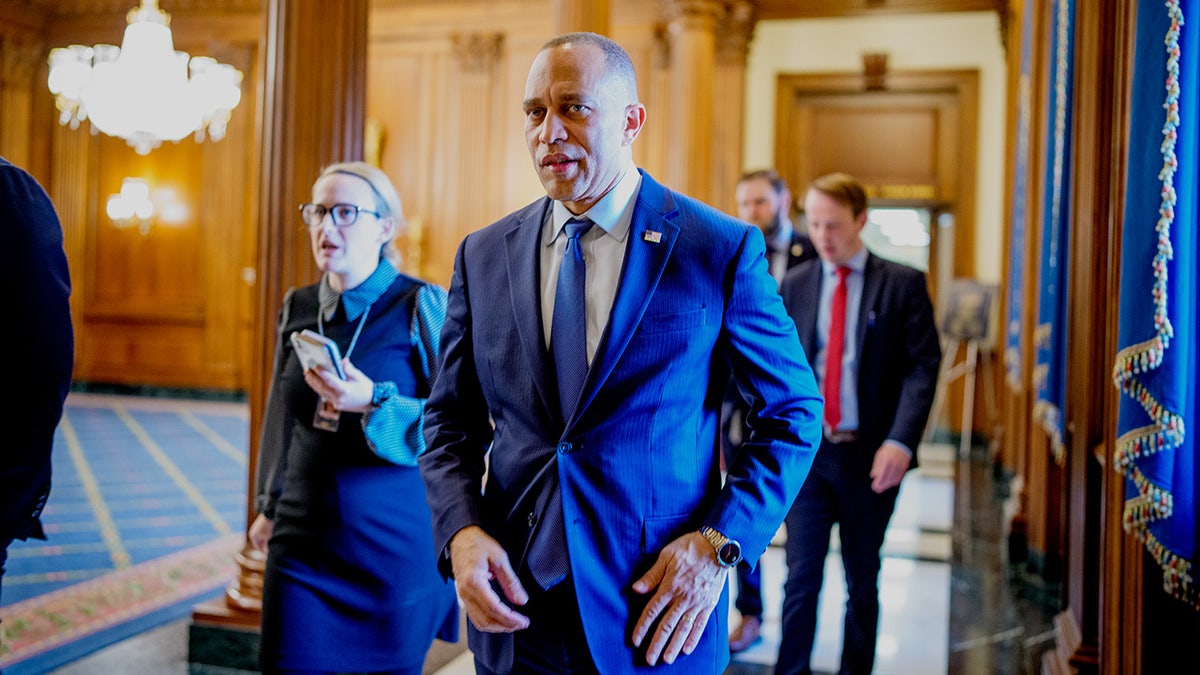
House Minority Leader Hakeem Jeffries, D-N.Y., walks toward the House chamber on Capitol Hill on Dec. 18, 2025, in Washington, D.C. (Andrew Harnik/Getty Images)
There has been little progress this week. Congressional Democrats sent a counterproposal to the White House late Monday, responding to an offer from the administration made last week.
A White House official told Fox News Digital that «the parties are still pretty far apart.»
«The administration remains interested in good-faith conversations to end the Democrat shutdown before more Americans feel the impacts,» the official said. «But the administration also remains committed to carrying out the president’s promise to enforce federal immigration law.»
Spokespeople for Senate Minority Leader Chuck Schumer, D-N.Y., and House Minority Leader Hakeem Jeffries, D-N.Y., said congressional Democrats have «been clear for weeks about the reforms needed to rein in ICE and stop the violence.»
CLICK HERE TO DOWNLOAD THE FOX NEWS APP
«We’ve continued working through language and additional issues to make progress, but Republicans have largely ignored the core guardrails Americans are demanding,» they said. «Dems are negotiating in good faith. It’s time for Republicans to do the same.»
Unless a deal is reached before next week, the Senate is expected to vote Monday on the original full-year DHS funding bill — a measure likely to be blocked again by Schumer and his caucus.
politics,senate,government shutdown,fema


INTERNACIONAL
Gran Bretaña: un alto negociador con Irán dijo que la guerra fue «precipitada» porque Teherán había hecho propuestas serias sobre su plan nuclear
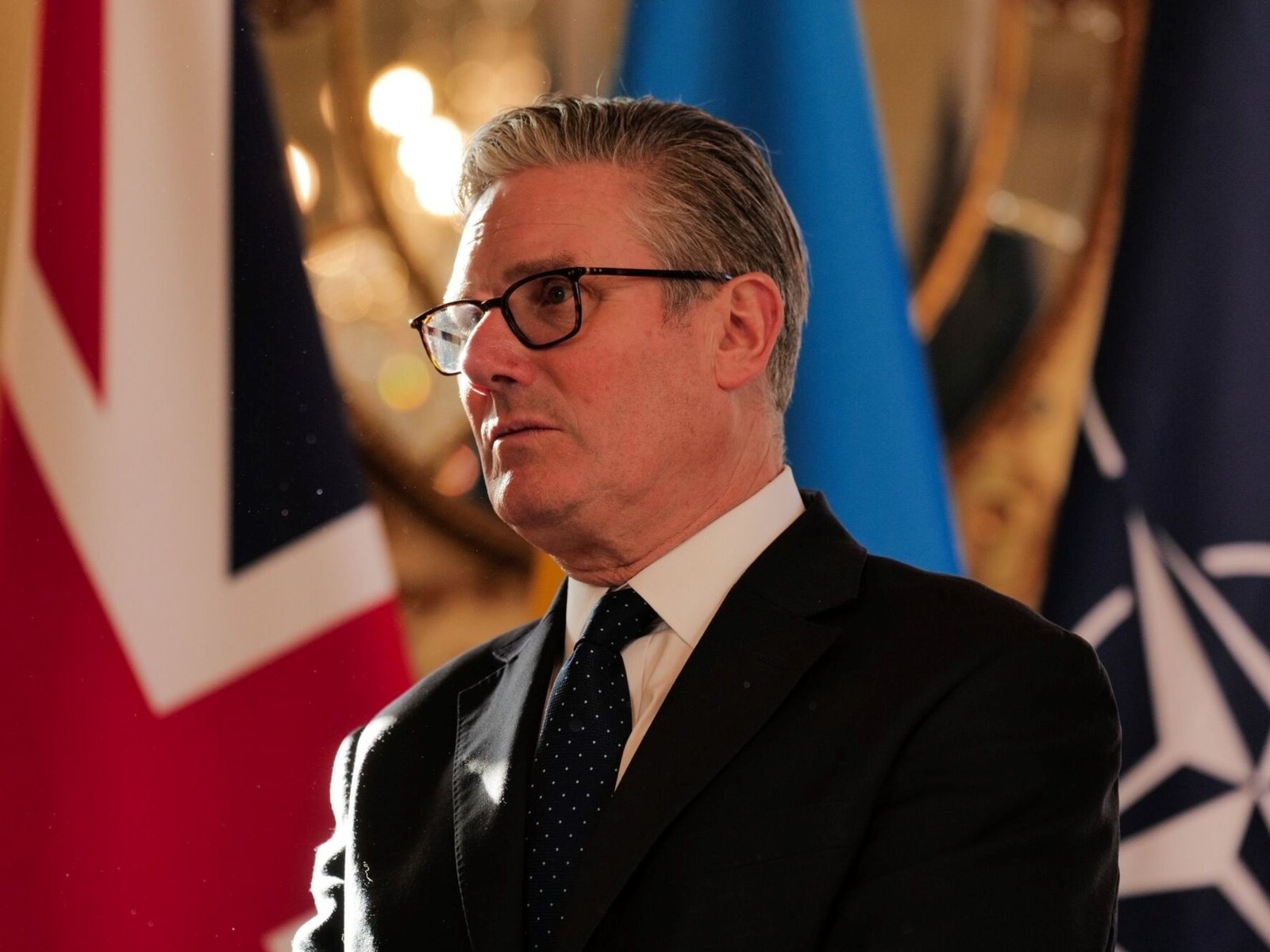
Un alto funcionario británico estuvo en las negociaciones con los iraníes y creyó que no era necesaria una guerra precipitada. Su presencia puede justificar el rechazo de Gran Bretaña a participar en la guerra contra Irán.
El asesor de seguridad nacional británico, Jonathan Powell, asistió a las conversaciones finales entre Estados Unidos e Irán en Ginebra. El asesor de seguridad nacional de Sir Keir Starmer y experto mediador consideró que la oferta de Teherán sobre su programa nuclear era “lo suficientemente significativa como para evitar una guerra precipitada”.
Powell opinó que se habían logrado avances en Ginebra y que el acuerdo propuesto por Irán era «sorprendente», según fuentes informaron al diario británico The Guardian.
Dos días después de finalizar las conversaciones, y tras acordarse una fecha para una nueva ronda de conversaciones técnicas en Viena, Estados Unidos e Israel lanzaron el ataque contra Irán, sin avisarle a sus socios.
La presencia de Powell en las conversaciones y su conocimiento detallado de su desarrollo fueron confirmados por tres fuentes. Una fuente indicó que Al Busaidi, canciller de Omán, se encontraba en la residencia del embajador de Omán en Cologny, actuando como asesor. Refleja la preocupación generalizada sobre la experiencia estadounidense en las conversaciones, representada por Jared Kushner, yerno de Donald Trump, y Steve Witkoff, enviado especial de Trump para diversos asuntos, que carecen de experiencia diplomática.
Kushner y Witkoff habían invitado al argentino Rafael Grossi, director general del Organismo Internacional de Energía Atómica (OIEA), a las conversaciones de Ginebra para que aportara su experiencia técnica. Aunque Kushner afirmaría más tarde que él y Witkoff tenían un conocimiento bastante profundo de los temas relevantes.
Expertos nucleares señalarían posteriormente que las declaraciones de Witkoff sobre el programa nuclear iraní estaban plagadas de errores fundamentales.
Powell cuenta con una dilatada experiencia como mediador y su propia fundación sobre tema: desde Irlanda del Norte, el acuerdo nuclear de la Troika con Irán, y Chagos, entre otros.
Una fuente indicó que Powell llevó consigo a un experto de la Oficina del Gabinete del Reino Unido. Un diplomático occidental comentó: «Jonathan creía que se podía llegar a un acuerdo. Pero Irán aún no estaba del todo preparado, especialmente en lo referente a las inspecciones de la ONU a sus instalaciones nucleares».
Un exfuncionario, informado sobre las conversaciones de Ginebra por algunos de los participantes, declaró: «Witkoff y Kushner no llevaron consigo un equipo técnico estadounidense. Utilizaron a Grossi como su experto técnico. Pero esa no es su función. Así que Jonathan Powell llevó a su propio equipo».
«El equipo británico se sorprendió por la propuesta iraní», añadió el exfuncionario. «No era un acuerdo completo. Pero representaba un avance y era improbable que fuera la oferta final de Irán. El equipo británico esperaba que la siguiente ronda de negociaciones se desarrollara sobre la base de los avances logrados en Ginebra», sostuvo la fuente.
La siguiente ronda de conversaciones debía celebrarse en Viena el lunes 2 de marzo. Pero nunca tuvo lugar. Estados Unidos e Israel habían lanzado su ataque a gran escala dos días antes, después de una llamada telefónica de Benjamin Netanyahu a Donald Trump. Y el principal mentor de las negociaciones iraníes, Ali Larijani fue ejecutado hoy por Israel.
La asistencia de Powell a las conversaciones de Ginebra, así como a una serie de reuniones previas a principios de mes en la ciudad suiza, ayuda a explicar en parte la reticencia del gobierno británico a respaldar el ataque estadounidense contra Irán. Una reticencia que ha sometido la relación entre el Reino Unido y Estados Unidos a una tensión sin precedentes.
El Reino Unido no vio pruebas contundentes de una amenaza inminente de un ataque con misiles iraníes contra Europa, ni de que Irán estuviera adquiriendo un arma nuclear. Esta es la primera vez que queda claro que Gran Bretaña estaba tan involucrada en las conversaciones y, por lo tanto, tenía buenas razones para decidir si se habían agotado las opciones diplomáticas y si un ataque estadounidense era necesario.
En cambio, el Reino Unido consideró “el ataque ilegal y prematuro”, ya que Powell creía que “seguía abierta la posibilidad de una solución negociada al problema de larga data de cómo Irán podría asegurar a Estados Unidos que no buscaba un arma nuclear”.
Downing Street declinó hacer comentarios al respecto. La presencia de Powell en las conversaciones de Ginebra o su opinión sobre ellas.
Keir Starmer ha sido duramente criticado por Trump por no haber apoyado más el ataque estadounidense, incluyendo su negativa inicial a permitir que Estados Unidos utilizara bases militares británicas, y por autorizar su uso con fines defensivos solo después de que Irán comenzara a atacar a los aliados del Reino Unido en el Golfo.
Trump advirtió que podría ser perjudicial para la OTAN si sus Estados miembros europeos no responden a su llamado a ayudar a abrir el estrecho de Ormuz, una demanda que ha sido rechazada. Las conversaciones indirectas en Ginebra entre Irán y Estados Unidos fueron mediadas por el ministro de Asuntos Exteriores de Omán, Badr bin Hamad Al Busaidi.
INTERNACIONAL
Pro-life leader criticizes ‘insane’ UK bill that would decriminalize certain abortions up until birth

NEWYou can now listen to Fox News articles!
EXCLUSIVE: The leader of an international pro-life group is criticizing a bill being considered in the United Kingdom that would protect women from criminal liability for abortions up until birth.
In an interview with Fox News Digital, 40 Days for Life CEO Shawn Carney said British lawmakers are following efforts by Democrats in the U.S. in seeking to allow abortion in these instances, which he described as «absolutely absurd.»
«They haven’t really lobbied for this,» Carney said. «Typically, Europe is far more conservative on abortion than the United States. Most European countries regulate abortion to 12 weeks. England has 16. In some cases, they do late term, up to 24 weeks. But now they want abortion through all 40 weeks. And this just seems sort of out of nowhere.»
Carney said he fears this bill, if enacted into law, would «start an unfortunate trend throughout Europe.»
PRO-LIFE GROUP FINDS BIDEN-ERA FDA POLICY IS DRIVING 500 ABORTIONS PER DAY, SAYS TRUMP HAS POWER TO END IT
A bill is being considered in the U.K. that would protect women from criminal liability for abortions to end their own pregnancies up until birth. (Wiktor Szymanowicz/Anadolu via Getty Images)
The Crime and Policing Bill includes a provision, Clause 208, that would remove criminal penalties for women in England and Wales who end their own pregnancy at any stage. The bill is now in its final stages in the House of Lords and is expected to receive a vote as early as Wednesday. If the House of Lords approves the clause, the bill would return to the House of Commons for any final changes before receiving Royal Assent to become law.
Under the provision, a woman can no longer be investigated, arrested or prosecuted for ending her own pregnancy at any gestation, even though the current standard legal threshold for most abortions in England and Wales is 24 weeks.
While women who terminate their pregnancies would be exempt from criminal liability, doctors and others who assist in an abortion after 24 weeks without medical necessity can still face prosecution.
As lawmakers consider Clause 208, several amendments have been offered, including removing it entirely, modifying it to exclude late-term abortions and adding an in-person requirement for medical consultations to end so-called «pills-by-post» services.
PUERTO RICO GOVERNOR SIGNS LAW RECOGNIZING UNBORN BABIES AS HUMAN BEINGS
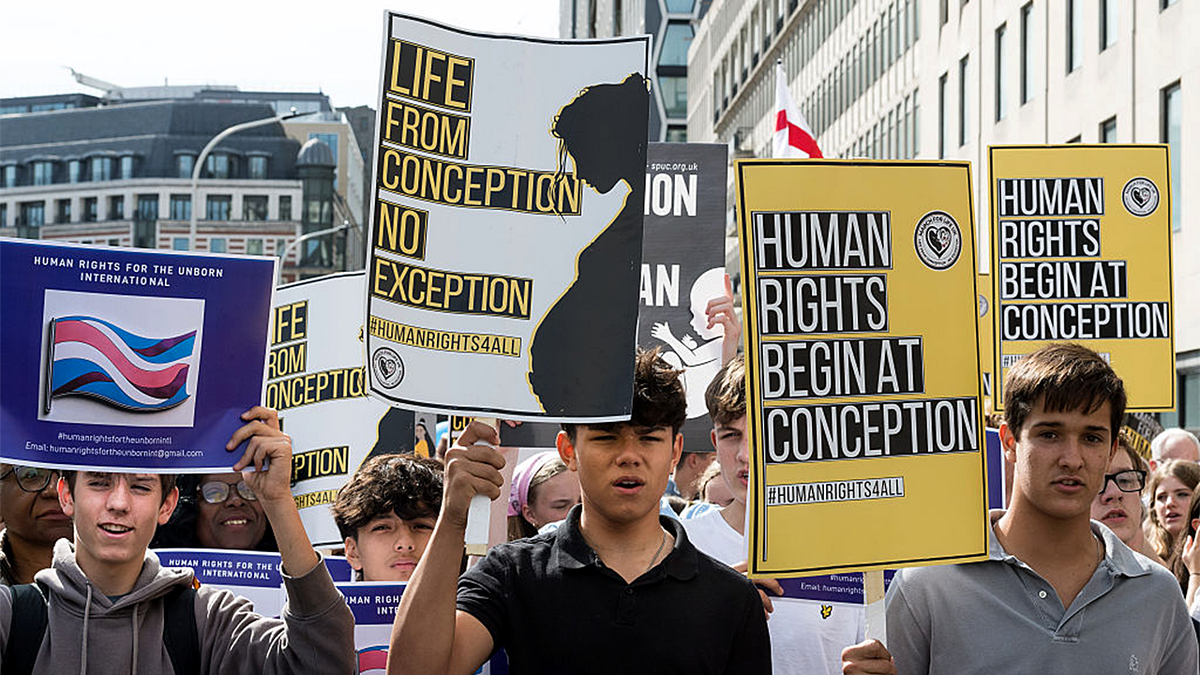
Under the provision, a woman can no longer be investigated, arrested or prosecuted for ending her own pregnancy at any gestation. (Wiktor Szymanowicz/Anadolu via Getty Images)
Carney argued that the latter two amendments should still be unacceptable, stating that the clause appears to represent «a desire to kill.»
«I think it’s insane,» he said. «I know what they’re trying to do, but you need to combat the laws by saying we’re not aborting children at 40 weeks. The left built an entire movement on being able to survive outside the womb with viability. Then, as science and medicine progressed, viability changed because we could do a lot for unborn children. So they said at first it was 24 weeks, and then it was 22 weeks. Some say it’s 20 weeks. Others say it’s still 22 weeks. Nobody’s ever said it was 40 weeks. They’ve all said, of course, you can survive outside the womb. This is just a desire to kill, it seems, at 40 weeks.»
«I understand the idea of trying to make a legal compromise,» he continued. «But the compromise would be that you people have lost your minds. You want to abort a child the day before he or she is born. And it’s not medically necessary. The baby’s completely viable … so that’s how I think that you have to defeat these bills.»
Carney also said that «people don’t want to celebrate abortion» and «certainly don’t want to brag about how they can have an abortion up to 40 weeks,» adding that opponents of the U.K. bill are «missing common sense responses» to efforts to allow any abortion up until birth.
He added that while most people are not «monsters» seeking abortions at 40 weeks, removing legal liability for women at that point could make abortion more socially acceptable.
«I think what it does is it takes a little bit of a stigma away from abortions at 8, 10, 12, 16 weeks, because typically what we’ve seen in the U.S. is when you have states that say, hey, you’re going to have an abortion through all 40 weeks, what they do is say, well, okay, I’m not that bad. My abortion is not that bad because it’s only at 10 weeks, it’s only at 12 weeks, it’s only at 16 weeks,» Carney said.
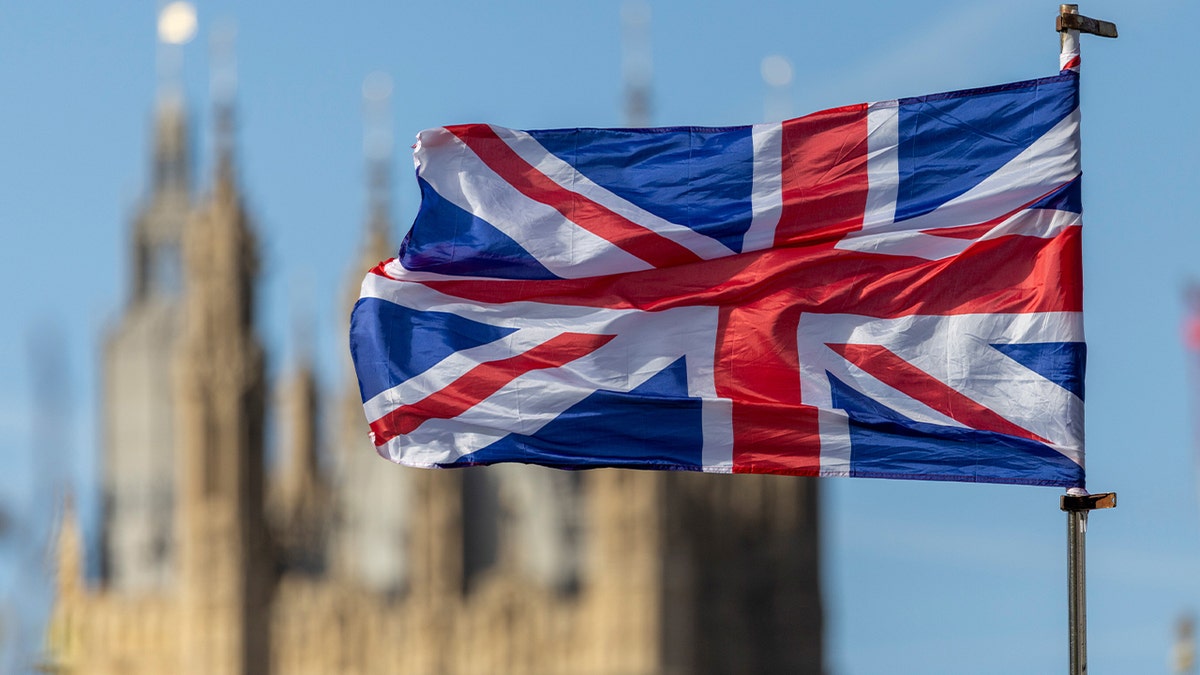
The bill is now in its final stages in the House of Lords and is expected to receive a vote as early as Wednesday. (Jason Alden/Bloomberg via Getty Images)
CLICK HERE TO DOWNLOAD THE FOX NEWS APP
«It’s not that you’re going to see a lot of abortions at 40 weeks. It’s the mentality that abortion is not a big deal. You can even do it the day before birth, and so it’s more acceptable to most people,» he continued.
«People aren’t monsters,» he added. «The monsters write these bills, which are typically very liberal White people who say, you know what, we need to be able to have an abortion the day before your birthday. And most people look around at a party and say that person’s clinically insane.»
The left «has just married themselves to this,» Carney said.
«They believe you need unfettered abortion at all times in order to be a free and just society,» Carney said. «But nobody’s actually really medically needing that whatsoever.»
abortion,politics,uk politics,united kingdom,world,exclusive
INTERNACIONAL
Chief Justice Roberts warns against personal attacks on judges as ‘dangerous’ after Trump’s court tirade

NEWYou can now listen to Fox News articles!
Chief Justice John Roberts warned against personal criticism of federal judges Tuesday, lamenting what he described as an uptick in «dangerous» and hostile rhetoric just days after President Donald Trump zeroed in on the courts in a lengthy social media tirade.
Speaking publicly at an event hosted by Rice University in Houston, Roberts stressed the difference between criticizing a court order or legal analysis and personally attacking the judge behind it.
«It’s important that our decisions are subjected to scrutiny, and they are,» Roberts said.
«The problem is that sometimes the criticism can move from a focus on legal analysis to personalities. And you see from all over, I mean, not just any one political perspective on it, that it’s more directed in a personal way. And that, frankly, can actually be quite dangerous.»
EX-JUDGES BLAST TOP TRUMP DOJ OFFICIAL FOR DECLARING ‘WAR’ ON COURTS
Chief Supreme Court Justice John Roberts attends President Donald Trump’s address to a joint session of Congress at the U.S. Capitol March 4, 2025, in Washington, D.C. (Win McNamee/Getty Images)
«It’s part of our lives these days,» said U.S. District Judge Lee Rosenthal, who conducted the conversation with Roberts. «We always know that you have our backs and that means a great deal,» she told the chief justice.
Roberts stopped short of mentioning Trump by name. Still, the timing of his remarks is significant and comes two days after Trump assailed federal courts and Supreme Court justices in a string of fiery Truth Social posts Sunday, including the justices who ruled, 6-3, to invalidate his sweeping tariff regime last month.
«Our Country was unnecessarily RANSACKED by the United States Supreme Court, which has become little more than a weaponized and unjust Political Organization,» Trump blared.
TRUMP ADMIN DEFIES COURT OVER MARYLAND DEPORTATION, IGNITES LEGAL SHOWDOWN
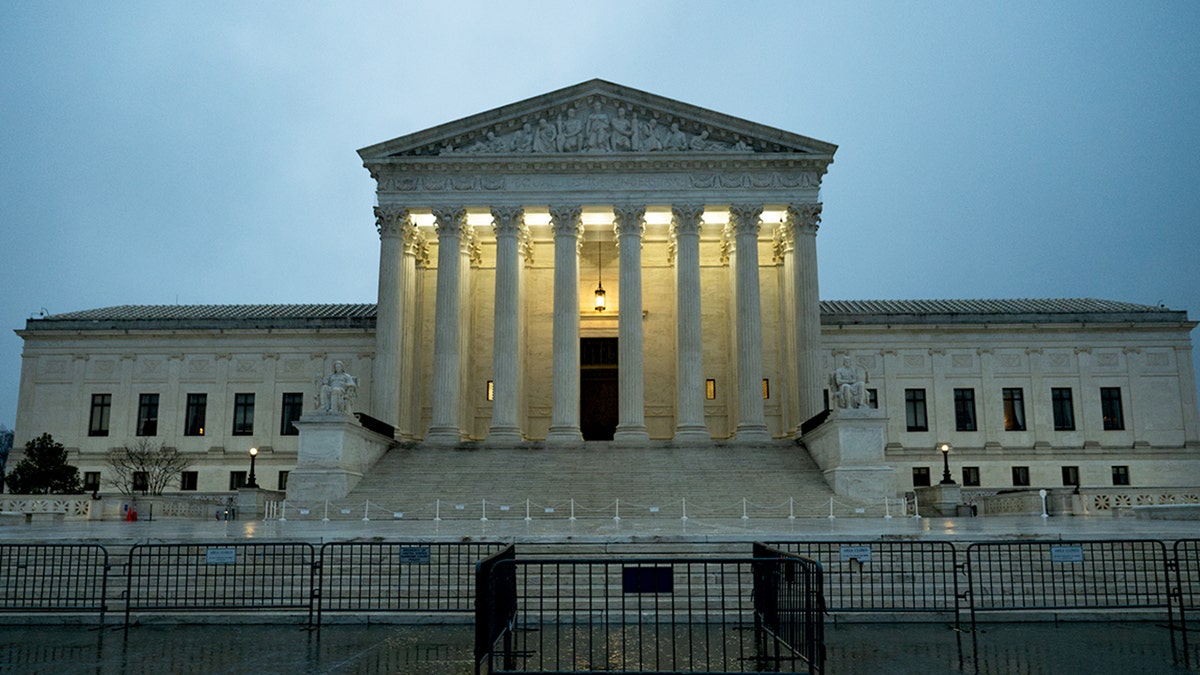
The U.S. Supreme Court during a rainstorm in Washington, D.C. (Annabelle Gordon/Bloomberg via Getty Images)
«They are hurting our Country, and will continue to do so. All I can do, as President, is call them out for their bad behavior!»
Roberts used his remarks Tuesday to pour cold water on the notion that the justices do the political bidding of the presidents who appointed them, noting President George W. Bush nominated him to the high court 20 years earlier.
«The idea that I’m carrying out his agenda somehow is absurd,» Roberts said Tuesday.
«Certainly, I’ll always be grateful [to] President Bush for appointing me, and I’m sure all my colleagues are grateful there,» he added.
«But the idea that I’m carrying out, and they are carrying out, some different agendas is, I think, really fallacious.»
Tuesday’s event was not the first time Roberts has used his post to urge Trump or other political figures to dial back the rhetoric against the justices or lower court judges on the district or appellate level.
SCOTUS TO REVIEW TRUMP EXECUTIVE ORDER ON BIRTHRIGHT CITIZENSHIP
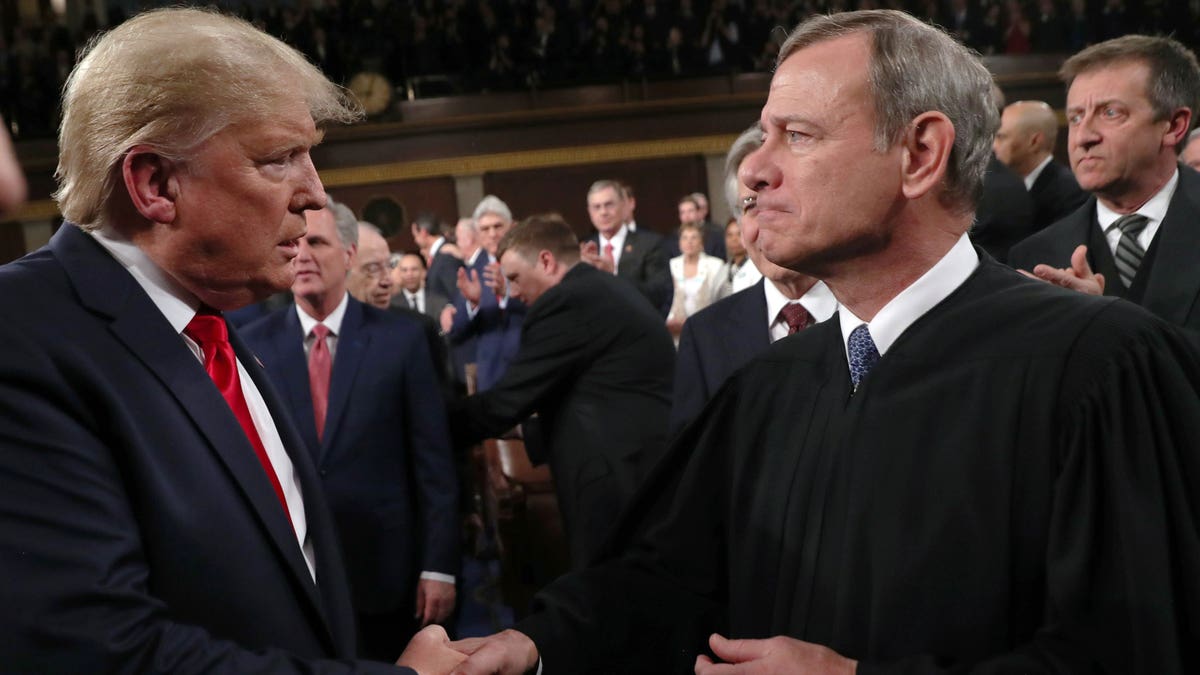
President Donald Trump shakes hands with Supreme Court Chief Justice John Roberts. (Getty Images)
The U.S. Marshals Service, which oversees judicial security, reported 564 threats in the annual period ending in September, an increase from the previous fiscal year. A California man was sentenced to prison last year for attempting to assassinate Justice Brett Kavanaugh at his Maryland home in 2022.
That was just before the high court issued its controversial ruling striking down Roe v. Wade and the nationwide constitutional right to abortion. The decision led to months of protests outside several justices’ homes, as well as unspecified online threats.
Roberts has spoken out on the issue before. Last March, he issued a rare public statement rebuking Trump’s calls to impeach a federal juge in D.C. who issued a temporary order seeking to halt, for 14 days, the president’s use of an 18th century wartime immigration law to quickly deport hundreds of Venezuelan migrants to a Salvadoran prison.
Trump and his allies have repeatedly castigated federal court judges who have blocked or paused the president’s biggest executive orders from taking force, branding them as «activist» judges. Though that description has prompted concern from outside court watchers and former federal judges, who have pointed to a broader uptick in threats against federal judges.
Roberts alluded to this view in his remarks Tuesday.
«Judges around the country work very hard to get it right, and if they don’t, their opinions are subject to criticism,» Roberts added. «But personally directed hostility is dangerous, and it’s got to stop.»
Several judges have recently raised concerns about security, after the Trump administration lost several legal challenges to the president’s executive actions. Trump had criticized some of those rulings, and said some judges should be impeached.
At a semi-annual meeting of the federal judiciary chaired by Roberts last year, Judge Richard Sullivan urged full funding and staffing for the U.S. Marshals Service, which provides security for federal judges, as Trump has launched mass cuts to the federal workforce.
CLICK HERE TO GET THE FOX NEWS APP
«We need to make sure that the resources are in place to keep judges safe, to keep courthouses safe. I mean, we haven’t recently had attacks on courthouses, but that has happened in the not-too-distant past, and that is a concern,» he said, citing the 2020 case of a disgruntled litigant who shot to death the son of federal Judge Esther Salas at her home, and wounded her husband.
donald trump,supreme court,politics,judiciary,national security,congress,federal courts

Raro momento del mercado: precios aceleran, tasas bajan y maniobra con dólar se vuelve más riesgosa

Senegal apelará tras el ‘robo’ la Copa África: ‘Va a ser la Tercera Guerra Mundial’

Cómo continúa la causa Cuadernos luego de la declaración de Cristina Kirchner

El horóscopo de hoy: miércoles 18 de marzo

El ministro de Justicia se reunió con los miembros de la Corte Suprema por las vacantes

A un mes del cierre de Fate: cómo impactará en el golpeado mercado local el avance descontrolado de los neumáticos chinos en Brasil

TRAICIÓN Y ÉXODO: La promesa rota de Monteoliva que desató una ola masiva de bajas en la Policía Federal

La fuerte exigencia a Mauro Icardi para poder ver a sus hijas con Wanda Nara: “A Maurito se lo va a multar si no lleva a las menores al colegio”

BOMBAZO – Guerra abierta: Feinmann y Rossi contraatacan tras la denuncia de Victoria Villarruel

Insólito: un esquiador británico terminó la Copa del Mundo de Oslo bajo los efectos del alcohol

 POLITICA1 día ago
TRAICIÓN Y ÉXODO: La promesa rota de Monteoliva que desató una ola masiva de bajas en la Policía Federal
- INTERNACIONAL2 días ago
Insólito: un esquiador británico terminó la Copa del Mundo de Oslo bajo los efectos del alcohol
- POLITICA1 día ago
Adorni se disculpó por el viaje de su esposa: “Fue una pésima decisión, más allá de que no generó gasto para el Estado”