INTERNACIONAL
Denunciaron en Chile a un ministro por el caso de la mujer que figura como desaparecida y al parecer vive en Argentina

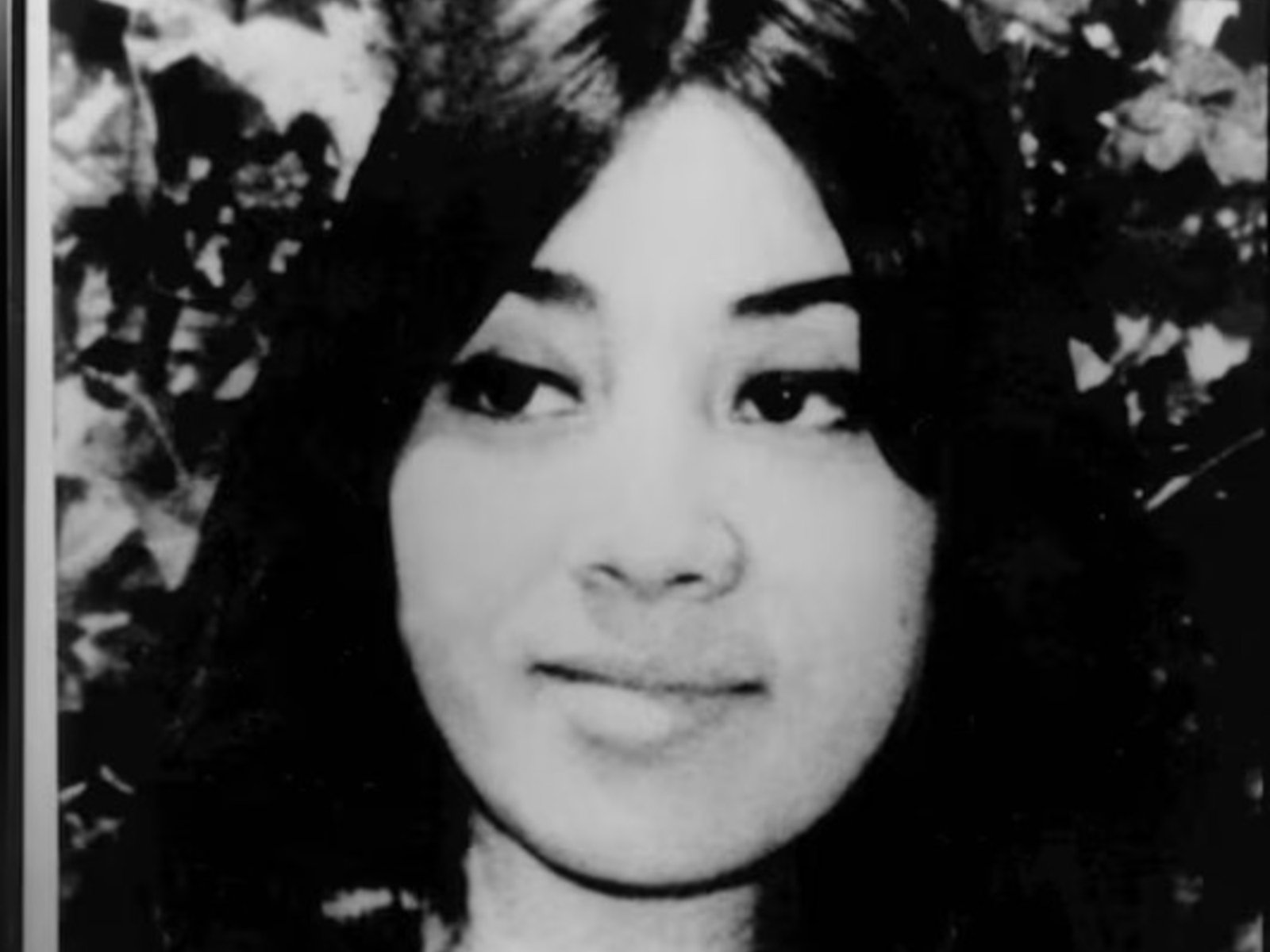
El supuesto hallazgo con vida en la costa atlántica argentina de Bernarda Vera, una mujer detenida, secuestrada y presuntamente ejecutada en 1973 por la dictadura de Augusto Pinochet en Chile, continúa generando revuelo en el país trasandino. Cuando en las últimas horas se conoció la noticia, la oposición al gobierno de Gabriel Boric arreció con las críticas y este viernes dos partidos políticos denunciaron al ministro de Seguridad, acusándolo de fraude.
Según los registros oficiales, el 10 de octubre de 1973, las autoridades militares de Chile (bajo la dictadura de Augusto Pinochet) detuvieron a Vera, maestra de profesión, quien, aparentemente, había sido ejecutada en el puente de Villarrica sobre el río Toltén, en la región de la Araucania. Cinco décadas más tarde, en 2023, el gobierno de Boric instituyó el Plan Nacional de Búsqueda, Verdad y Justicia, una política pública destinada a conocer la trayectoria de las personas que desaparecieron durante la dictadura.
En ese marco investigativo, la cadena televisiva Chilevisión envió un equipo periodístico a la Argentina, que habría dado con Vera en Miramar, una ciudad balnearia de la costa atlántica bonaerense. La noticia, desde que se conoció en la última semana, revolucionó la política chilena. Sobre todo a la oposición, que en las últimas horas arremetió contra el ministro de Seguridad, Luis Cordero.
El titular de la cartera de Seguridad deberá enfrentar querellas presentadas este viernes en su contra por dos partidos de oposición, con distintas fundamentaciones.
Video
Así fue el encuentro entre las cámaras de TV y la mujer que podría ser Bernarda Vera
Una de ellas fue presentada por el ultraderechista Partido Nacional Libertario (PNL), que acusa a Cordero (en su calidad de exministro de Justicia) y a la jefa del Programa de Derechos Humanos, Paulina Zamorano, de «presunto fraude» ligado a este caso.
La acción arguye que Cordero cometió «el delito de obtención fraudulenta de prestaciones estatales respecto a la señora Bernarda Vera Contardo«, considerando la pensión que recibe su hija y sobre quien las autoridades han dicho que desconocía que su madre estuviera viva.
«Consideramos que el hecho de ocultar, de esconder y de no denunciar a la Fiscalía y a los jueces, la información que una persona había sido calificada como detenida desaparecida por la comisión Rettig pero estaba viva, y que producto de eso se estaba obteniendo fraudulentamente una pensión para un tercero, que es un familiar, nos parece grave», señaló el abogado en representación del PNL, Max Murath.
Una segunda denuncia fue impulsada por el diputado Jorge Alessandri, del partido de derecha Unión Demócrata Independiente (UDI), quien presentó una denuncia ante el Ministerio Público por la presunta comisión de delito al no haber informado la aparición de Bernarda Vera en Argentina y permitir que su familia siguiera recibiendo ingresos en calidad de víctimas de familiares de detenidos desaparecidos.
Video
Revuelo político en Chile por una desaparecida de Pinochet que encontraron viviendo en Argentina
Al responder públicamente esas querellas, el ministro Cordero señaló que «espera que esas acciones no sean concertadas con el propósito de afectar a la hija de Vera, que es una víctima que ha desconocido el paradero de su madre históricamente, y que a través de esta vía se trate de poner en entredicho el contenido del Informe Rettig y el trabajo del Plan Nacional de Búsqueda».
«Es conveniente revisar los antecedentes, antes de cometer no solo una acción indebida, sino que un acto que refleja una falta de humanidad pocas veces vista en el último tiempo en nuestro país», agregó a la prensa Cordero, con la intención de defenderse.
Las palabras previas del ministro Cordero sobre la supuesta aparición de Bernarda Vera en Argentina
En primer término, el ministro Cordero indicó, tan pronto como se conoció la investigación de Chilevisión, que si bien se dio curso a una investigación, no tienen «la certeza de que la persona que actualmente se encuentra en Argentina sea efectivamente Bernarda Vera”.
“Lo que tenemos son antecedentes que se han ido recopilando, que el Estado de Chile ha obtenido y que le han sido entregados a partir del gobierno sueco, los cuales permiten seguir orientando la investigación para verificar si la persona que se encuentra allí es efectivamente Vera”, agregó en declaraciones a la CNN de Chile.
La referencia de Cordero a la nación europea se debe a que después de su llegada a Argentina a través de un paso cordillerano, Vera se habría trasladado a Suecia para luego regresar a suelo argentino.
Chile,Augusto Pinochet,Personas desaparecidas,Últimas Noticias











Durante décadas, dos acuarelas originales creadas para una edición de 1903 de El libro de la selva de Rudyard Kipling permanecieron colgadas en una vivienda familiar en Londres sin que sus dueños sospecharan la magnitud de su valor histórico. La sorprendente revelación de que pertenecían al conjunto de ilustraciones, en su mayoría consideradas perdidas, ha reavivado el interés por el icónico universo visual de la obra de Kipling y anticipa cifras récord en una próxima subasta.
Al descubrir el linaje de aquellas piezas, los integrantes de la familia propietaria comprendieron que restauraban “una pieza perdida de la historia visual de El libro de la selva”, según declararon. Este hallazgo resulta todavía más singular si se considera que, de las 16 acuarelas y un frontispicio originales realizados para la edición de lujo por los gemelos británicos Edward Julius Detmold y Charles Maurice Detmold, solo se tenía registro de otras cuatro sobrevivientes.
Ahora, ambas obras llegan al mercado del arte a través de la casa de subastas Roseberys, que las ofrecerá el 10 de marzo con una expectativa de venta individual estimada entre 15.000 y 20.000 libras esterlinas (entre USD 20.240 y USD 26.990). La importancia de estas acuarelas se multiplica porque el portafolio original, Sixteen Illustrations of Subjects From Kipling’s “Jungle Book”, solía desmantelarse para enmarcar sus láminas, lo que explica la rareza de encontrar obras íntegras hasta el presente.

El carácter casi accidental de este redescubrimiento contrasta con el impacto de los Detmold en la iconografía de Kipling, ya que su trabajo definió la visualidad de aquellos relatos por generaciones. La editora Macmillan & Co. había encargado las acuarelas para una edición limitada y exclusiva. Con el tiempo, los ejemplares completos se volvieron inusuales; solo uno sobrevive en poder de la Library of Congress.
Los acuarelistas, nacidos en 1883, eran considerados niños prodigio: expusieron en la Royal Academy a los 13 años y recibieron el encargo para Kipling apenas cinco años después, consolidando su reputación en el entorno artístico británico. El proyecto de El libro de la selva sería el último esfuerzo colaborativo de los gemelos, ya que Maurice Detmold se quitó la vida en 1908 a los 25 años. Edward, en cambio, alcanzó notoriedad como ilustrador especializado en representar la naturaleza y falleció por suicidio en 1957 a los 73 años.
Las obras ahora a subasta, firmadas por cada hermano, muestran escenas fundamentales de la narrativa de Kipling. Una, creada por Edward (firmada como “EJD”), presenta al joven protagonista Mowgli junto a su protector, la pantera Bagheera, en contraste visual entre la fragilidad del niño y la tensión latente del felino, logrado mediante lavados texturizados. La otra, atribuida a Maurice (firmada “M DETMOLD”), representa un grupo de monos en la plataforma de las ruinas de Bandar-log, rodeados de exuberante vegetación y frutos dispersos, enfatizando la riqueza natural de la trama.

La rareza de las ilustraciones originales de los Detmold aumenta el atractivo de la próxima puja, ya que solo seis acuarelas —incluyendo las dos halladas— han sobrevivido mientras que las demás permanecen en manos privadas, el Museo de Historia Natural de Londres y el National Trust del Reino Unido.
El propio National Trust exhibió recientemente, en la antigua casa de Kipling en East Sussex, la pieza The Return of the Buffalo Herd, una de las cuatro restantes, reforzando el valor patrimonial de estos trabajos. Lara L’vov-Basirov, representante de Roseberys, destacó: “Si consideramos lo raro que es encontrar las versiones impresas de estas ilustraciones—porque se las valoraba como obras de arte y se enmarcaban, disolviendo los portafolios en el proceso—poder pujar por dos de las seis acuarelas originales conocidas es una oportunidad casi extinguida”.
La historia de las acuarelas redescubiertas y su futura venta proponen no solo una ventana al pasado del arte británico sino también a la construcción de la memoria visual de uno de los libros más célebres de la literatura inglesa.
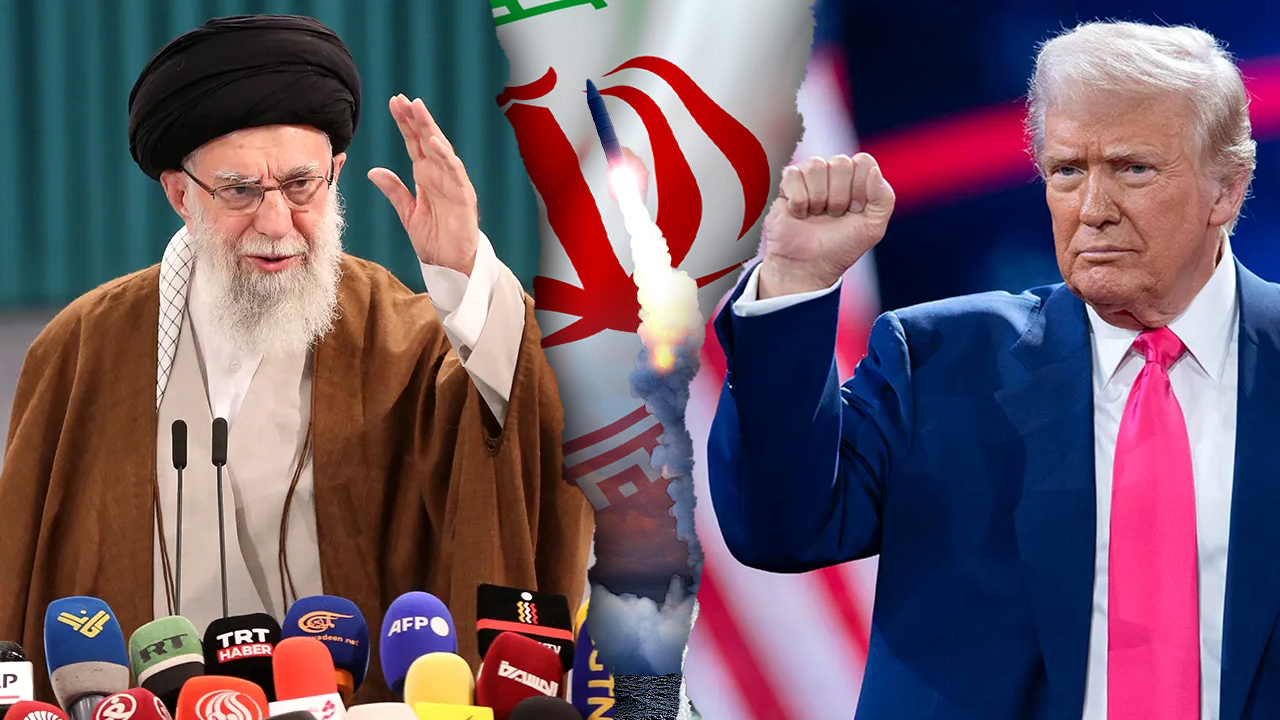
NEWYou can now listen to Fox News articles!
After radical students overthrew Iran’s shah in 1979 and took hostages in the U.S. embassy, the Middle Eastern nation became a strident and blood-soaked adversary of what its new Islamic fundamentalist dictatorship has long called the «Great Satan.»
Since then, Tehran has sponsored terrorism around the globe, including targeting the U.S. in multiple, high-profile instances. Former Reagan Justice Department chief of staff Mark Levin said Sunday there are at least 44 examples of Iran targeting Americans either directly or indirectly.
«The Iranian-Nazi regime… [has] murdered more than 1,000 Americans [and] relentlessly pursued nuclear weapons to use against us — they are genocidal warmongers,» said Levin, an author, attorney and Fox News Channel host.
The stage for Iran’s transformation from ally to enemy of the U.S. was set in the 1960s, when Shah Mohammed Reza Pahlavi began clashing with influential Islamic cleric Ruhollah Khomeini. The monarch infuriated the theocrat by liberalizing the national constitution to allow faiths other than Islam to be sworn into office on holy books of their choice.
Khomeini’s rhetoric from France, where he was exiled, intensified during the period known as the White Revolution, including misogynistic and xenophobic sermons and demands that Pahlavi be ousted.
Early aggression toward the US
With Pahlavi as a U.S.-aligned leader, this marked an early instance of antagonism by proxy. As protests engineered by Khomeini broke out in fall 1978, the shah declared martial law, and military police fired on a massive crowd of protesters.
Pahlavi and Empress Farah Pahlavi soon fled on a «vacation» to Egypt but never returned. By February 1979, Khomeini returned to Tehran with significant sectarian support.
Failed Carter strategy develops into hostage crisis
National security advisor Zbigniew Brzezinski (Reuters)
Carter national security advisor Zbigniew Brzezinski — the father of «Morning Joe» host Mika Brzezinski — coined the term «arc of crisis» and advanced an ultimately failed «Green Belt» strategy that supported an arc of largely unstable but fundamentalist regimes across the Middle East that were also viewed as oppositional to the Soviet Union.
Brzezinski’s envisioned buffer strategy soon collapsed when Khomeini proved to be just as anti-American as anti-Soviet.
In October 1979, after months of debate over whether to admit him to the U.S. amid the new turmoil in Iran, President Jimmy Carter relented and permitted the cancer-stricken shah to seek medical care in New York.

A map of Western strikes against Iran (Fox News)
That November, the group «Muslim Student Followers of the Imam’s Line» stormed the U.S. embassy, beginning 444 days of captivity for 52 American hostages.
The U.S. severed diplomatic ties the following April, and one rescue mission failed and left several U.S. service members dead. The shah died that summer in Egypt, leaving Khomeini in full control of the government.
In what was seen as the final offense to Carter, Iran suddenly released the hostages minutes into President Ronald Reagan’s administration on Jan. 20, 1981.
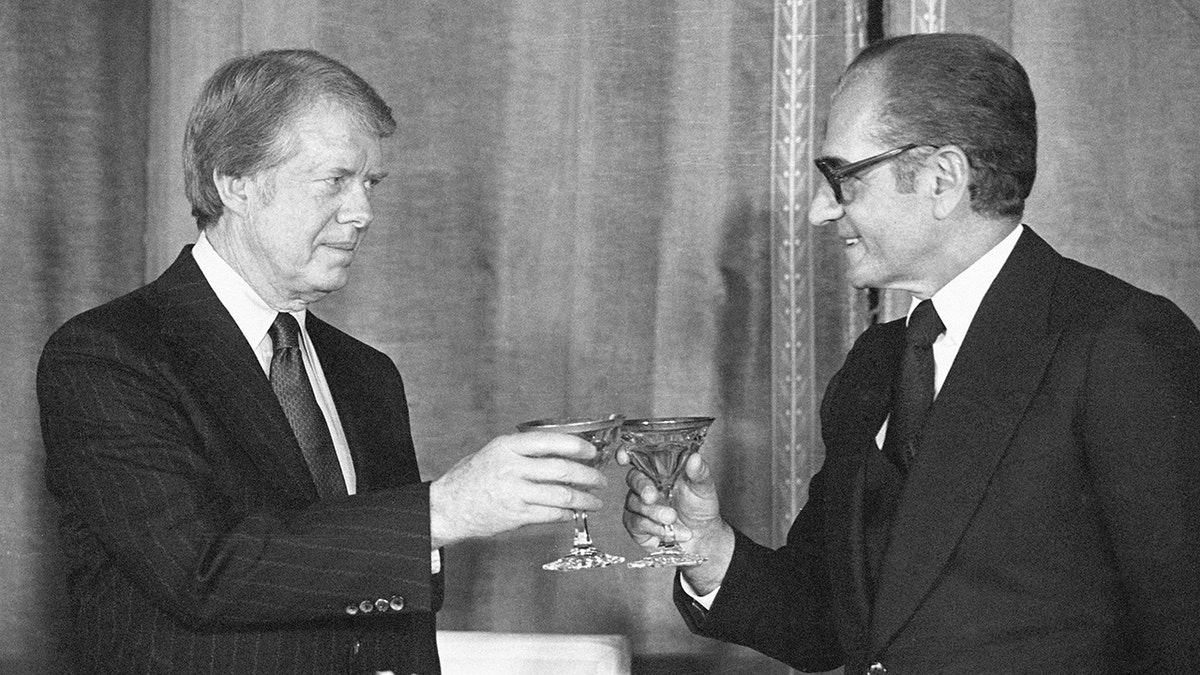
President Jimmy Carter and Shah Mohammed Pahlavi dine in Iran. (Bettmann/Getty Images)
Lebanon hostage crisis
On July 5, 1982, the years-long saga known as the Lebanon hostage crisis began with the systematic abductions of foreigners, including Americans, by Hezbollah and Iranian proxies in the Mideast country, according to United Against a Nuclear Iran.
That group, founded by former Florida Gov. Jeb Bush and former Ambassador Mark Wallace, maintains a comprehensive history of Iranian aggression on its website and is a nonpartisan policy organization formed to combat the threats posed by the Islamic Republic.
During the Lebanon hostage crisis, several victims spent years imprisoned by Hezbollah, where they were forced to undergo psychological and medical torture, including CIA Beirut Station Chief William Buckley, who was not related to the National Review founder of the same name.
Buckley was tortured for months by Dr. Aziz al-Abub, a Lebanese Hezbollah psychiatrist and medical expert who reportedly forced him to take phenothiazines and experimented on him to induce interrogation and make an example of him to the West.

US Naval asset map. (Fox News)
Buckley reportedly died in custody amid these experiments on June 3, 1985.
The CIA later memorialized him on its wall in Langley, Virginia, and Obama-era Director John Brennan said in a 2014 statement that «we remember Bill not for the manner in which he died but for the legacy he left behind. From his time as an Army lieutenant colonel to his tenure with the Agency, Bill inspired those around him to do great things despite often dangerous conditions.»
The agency later caught up with the figurehead of the Hezbollah-linked Islamic Jihad terrorist group — carrying out what the Washington Institute described as a rare contemporary CIA assassination nearly 25 years later.
Imad Mughniyeh’s group had announced Buckley’s execution in October 1985, but the actual date was determined later, with allegations that he died not from execution but from the side effects of the medical torture he endured. Former hostage David Jacobsen told the institute that Buckley was often sick and delirious in his cell and ultimately died «drowning in his own lung fluids» after a bout of torture.
David Dodge, then-president of the American University in Beirut, was also kidnapped for about a year, and U.S. journalist Terry Anderson was held in captivity for more than six years.
Reagan-era bombings and murders of American servicemembers
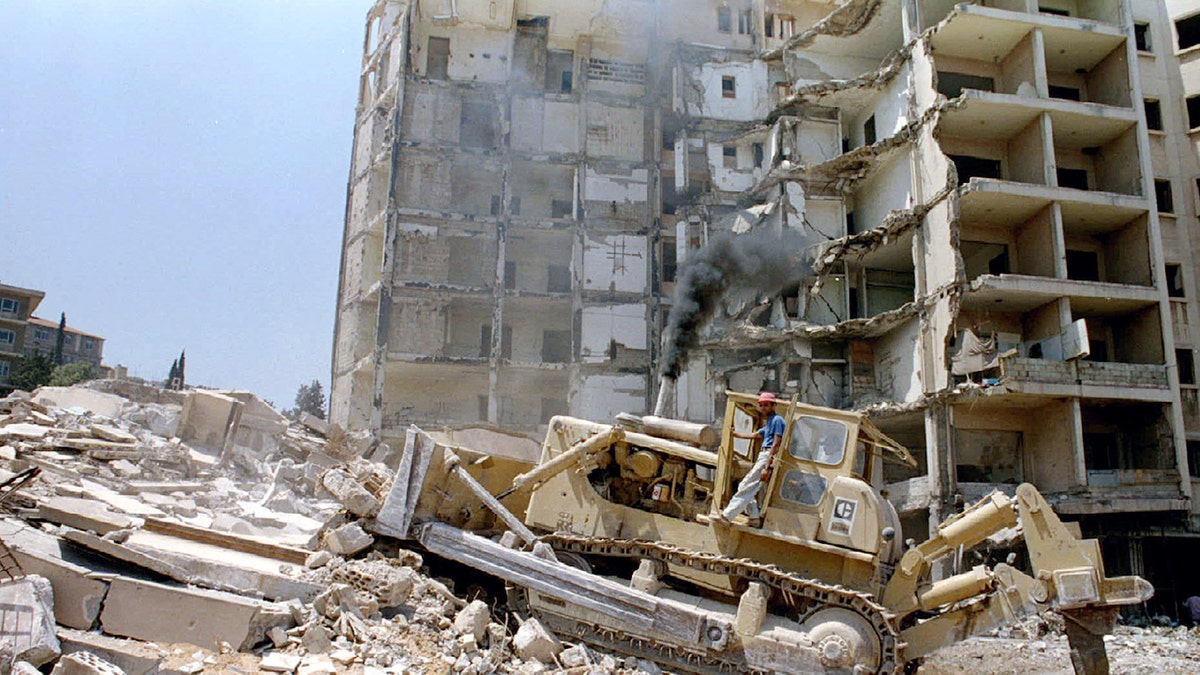
Iran bombed the Beirut U.S. Embassy in 1983. (Stringer/Reuters)
On April 18, 1983, an Iran-backed group seen as the predecessor to today’s Lebanese Hezbollah bombed the U.S. embassy in Beirut, killing 63 people, including 17 Americans.
That October, a suicide truck bomb linked to Iran hit a U.S. Marine barracks in Lebanon, killing 241 service members, in what remains the deadliest single day for the Corps since Iwo Jima.
According to the MEMRI translation of Khomeini’s representative to Lebanon, Sayyed Issa Tabatabai’s interview with the IRNA: «I quickly went to Lebanon and provided what was needed in order to [carry out] martyrdom operations in the place where the Americans and Israelis were.»
He added, «The efforts to establish [Hezbollah] started in [Lebanon’s] Baalbek area, where members of [Iran’s] Islamic Revolutionary Guards Corps (IRGC) arrived. I had no part in establishing the [political] party [Hezbollah], but God made it possible for me to continue the military activity with the group that had cooperated with us prior to the [Islamic] Revolution’s victory.»
The MEMRI report continued, «It is noteworthy that the part of the interview in which Tabatabai acknowledged receiving Khomeini’s fatwa ordering attacks on American and Israeli targets in Lebanon was removed by IRNA from its website shortly after publication. This is apparently because no official representative of Khomeini, the father of the Islamic Republic, or of Khamenei, Iran’s Supreme Leader, had ever said that Iran had any involvement in ordering, planning and carrying out the massive bombings in Lebanon against U.S.»
In 1985, Iran-backed Hezbollah hijacked Trans World Airlines (TWA) Flight 847 as it departed Athens. The hijackers collected IDs from the passengers and singled out U.S. Navy Seabee Robert Stethem of Waldorf, Maryland, mistaking him for a Marine and blaming him for involvement in the Lebanese civil war.
The hijackers tortured Stethem as they flew to Beirut before shooting him dead, dumping him on the tarmac, and shooting him again.
Operation Praying Mantis
In 1988, the USS Samuel B. Roberts struck an Iranian mine in the Persian Gulf and nearly sank. The Roberts had been escorting Kuwaiti oil tankers as a protective measure.
After the mines were matched to the Iranian ship Ajr, which had been captured by the Americans earlier that year, President Ronald Reagan sprang into retaliatory action.
Reagan’s operation destroyed two oil platforms reportedly used as Iranian Revolutionary Guard Corps (IRGC) surveillance structures, leading Iran to begin attacking nonmilitary targets.
The mission also claimed two other Iranian ships and was considered the largest naval surface engagement since World War II.
Two Americans died in a helicopter crash during the operation, while dozens of Iranian officers were killed.
Clinton-Bush-Obama era; 9/11
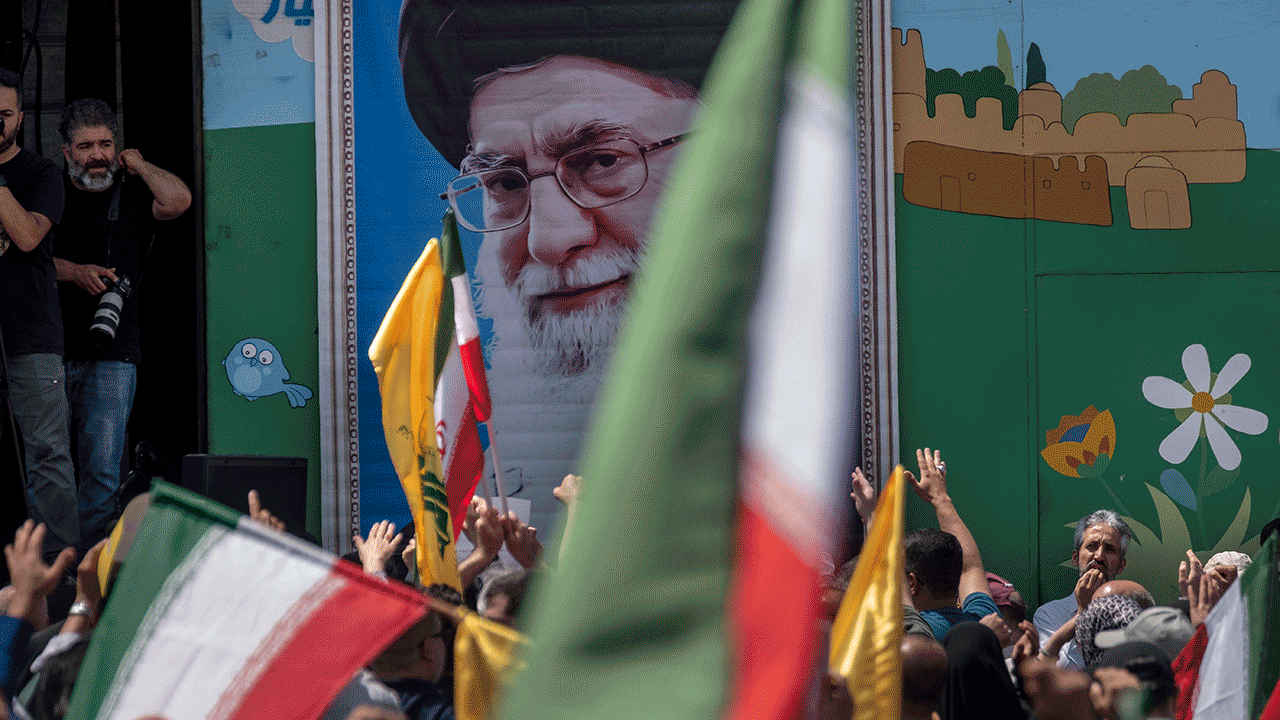
Iranian worshippers hold up their hands as signs of unity with Ayatollah Ali Khamenei, during a rally to condemn Israel’s attacks on Iran, in downtown Tehran, on June 20, 2025. (Morteza Nikoubazl/NurPhoto via Getty Images)
The FBI linked a 1996 attack on an American military housing complex in Saudi Arabia to another Iranian-backed terrorist group.
Hezbollah al-Hejaz was blamed for the Khobar Towers bombing in June of that year, which killed 19 U.S. service members.
In the aftermath of al Qaeda’s 2000 attack on the USS Cole destroyer in Aden, Yemen, American courts found Iran indirectly liable in that it provided support for the terrorists – in part by letting them be trained in Tehran-linked Hezbollah bases in Lebanon.
In 2015, FISA Judge Rudolph Contreras found Iran and Sudan liable, and during the Biden administration. Sudan agreed to settle claims of murdered sailors’ families.
After 9/11, when the U.S. went to war in Iraq, Iran and its proxies were suspected of causing a large portion of American casualties by supplying land mines to the Iraqi Shia insurgents. In 2019, the Department of Defense officially raised its estimate to more than 600 troop casualties directly tied to Iran or its proxies, meaning one in six Iraq War losses were caused by Tehran.
Navy Cmdr. Sean Robertson told the Army Times at the time that «these [American] casualties were the result of explosively formed penetrators (EFPs), other improvised explosive devices (IEDs), improvised rocket-assisted munitions (IRAMs), rockets, mortars, rocket-propelled grenades (RPGs), small arms, sniper fire, and other attacks in Iraq.»
During his first term in the White House, President Donald Trump ordered a strike on the IRGC, killing its legendary commander, Qassem Soleimani.
While Iran was not directly implicated as having specific knowledge of the Sept. 11, 2001, attacks in New York, Pennsylvania and Virginia, it was found to be complicit in facilitating the planned terrorism.
The report, led by former New Jersey Republican Gov. Tom Kean Sr., found a «persistence of contacts» between Iranian officials and al Qaeda.
Chapter 7 of the report found that Iran at least knew that the terrorists being trained by Hezbollah were going to act against the U.S. and/or Israel. The findings thereby blew apart critics’ claims that the Sunni terror group could not get along with its religious archenemy, the Shia who ran Iran.
Tehran border patrol officials also did not stamp passports of al Qaeda operatives traveling around the region, as the marking would have been flagged upon application for any U.S. visa.
In 2016, hackers linked to the IRGC were indicted by the Justice Department – including one 34-year-old Iranian national who allegedly gained access to the controls of a major dam in Rye Brook, New York, near the confluence of Interstate 287 and the New England Thruway.
In 2011, the U.S. also foiled an IRGC plot targeting the homeland, in which a District of Columbia restaurant was to be bombed to kill Saudi Ambassador to the U.S. Adel al-Jubeir.
Iranian-born U.S. citizen Manssoor Arbabsiar and Quds Force member Gholam Shakuri were charged in the incident. Arbabsiar was arrested at New York’s JFK Airport and Shakuri remains at large.
A confidential federal source met with Arbabsiar in Mexico that July, where the suspect agreed to pay $100,000 toward a $1.5 million bounty placed on al-Jubeir, according to the Justice Department.
Then-FBI Director Robert Mueller said at the time that the arrests depicted the U.S. «increased ability… to bring together the intelligence and law enforcement resources necessary to better identify and disrupt those threats, regardless of their origin.»
Biden era
By 2020, Iran was blamed for several recent attacks on commercial oil tankers, and after Trump ordered the killing of Soleimani, Ayatollah Ali Khamenei dispatched ballistic missiles at Al-Asad Air Base in Iraq.
Several dozen U.S. troops were wounded.
After Hamas militants massacred Israelis on Oct. 7, 2023, Iran-backed Hamas and Hezbollah launched about 180 attacks on Western forces in the region, including a drone strike on a base in Jordan that killed three Americans.
Trump era: Assassination plot on the president
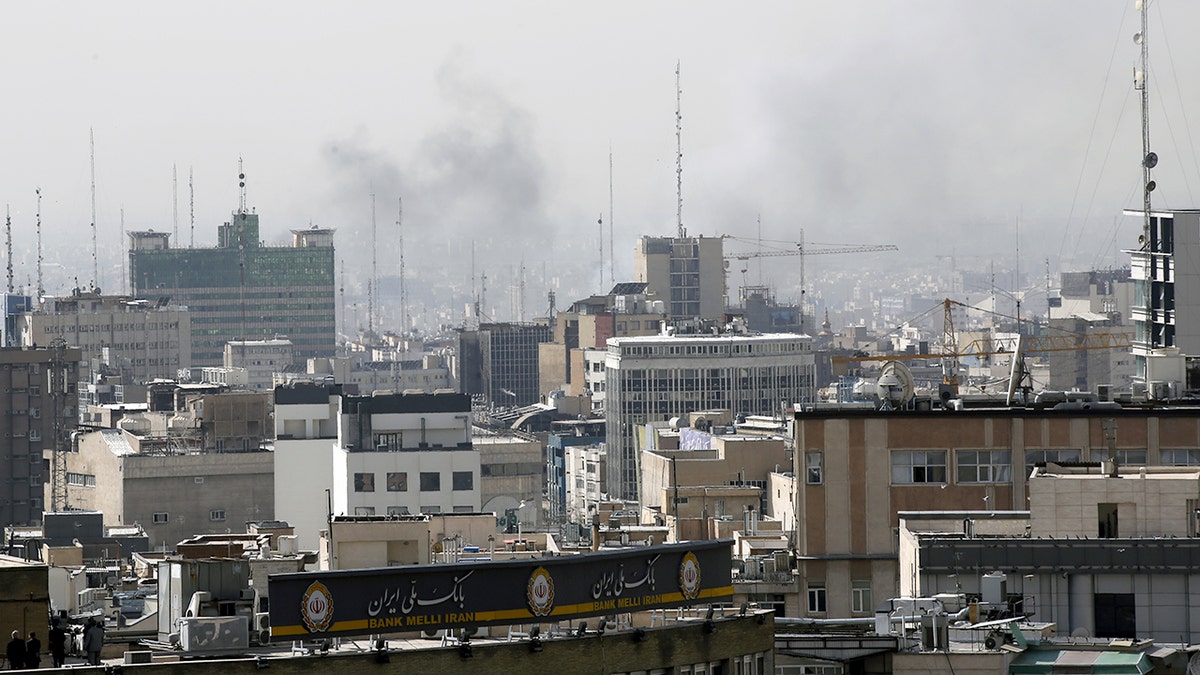
Bombing occurs in Tehran, Iran on Feb. 28, 2026. (Fatemeh Bahrami/Getty Images)
After an Afghan-born Iranian proxy and two American men were charged with allegedly trying to hunt down and assassinate an Iranian-born American critic of the ayatollah’s regime, the Justice Department disclosed that Trump was also the subject of a similar assassination plot.
Farhad Shakeri, who had spent 14 years in a New York state prison for robbery and made U.S. contacts to create a «network of criminal associates» to «supply the IRGC with operatives» domestically, was allegedly seeking to kill Masih Alinejad — a journalist who often appears on Fox News Channel.
Shakeri remained at large, likely in Iran, as of 2024, but his American counterparts were put on trial in Brooklyn.
Jonathon Loadholt of Staten Island and Carlisle Rivera of Brooklyn allegedly «were recruited as part of that network to silence and kill, on U.S. soil, an American journalist who has been a prominent critic of the regime,» according to then-Attorney General Merrick Garland.
«We will not stand for the Iranian regime’s attempts to endanger the American people and America’s national security,» Garland said, as the criminal complaint suggested Shakeri and Rivera first met while serving time.
The two men stalked Alinejad and were also accused of rotating plates on Loadholt’s car to avoid suspicion, while then-FBI Director Christopher Wray mentioned Trump as another target of an Iranian plot in a related statement on the Alinejad case.
Shakeri reportedly spoke to the FBI voluntarily from Iran, where he disclosed efforts to assassinate Trump, according to The New York Times.
Shakeri said he was told to create a plan to kill Trump after an IRGC meeting that October and that, if he could not, the assumption from the militia was that Trump would lose to Kamala Harris and be «easier to assassinate» while out of office.
«Thanks to the hard work of the FBI, their deadly schemes were disrupted. We’re committed to using the full resources of the FBI to protect our citizens from Iran or any other adversary who targets Americans,» Wray said in a statement at the time.
Trump has since warned Iran repeatedly to back down, with Secretary of War Pete Hegseth overseeing 2025 airstrikes on nuclear facilities, and the administration ultimately taking what it described as long-term military action to force regime change.
«Our objective is to defend the American people by eliminating imminent threats from the Iranian regime,» Trump said Saturday.
Fox News Digital’s Benjamin Weinthal contributed to this report.
war with iran,donald trump,iran,reagan,george w bush
NEWYou can now listen to Fox News articles!
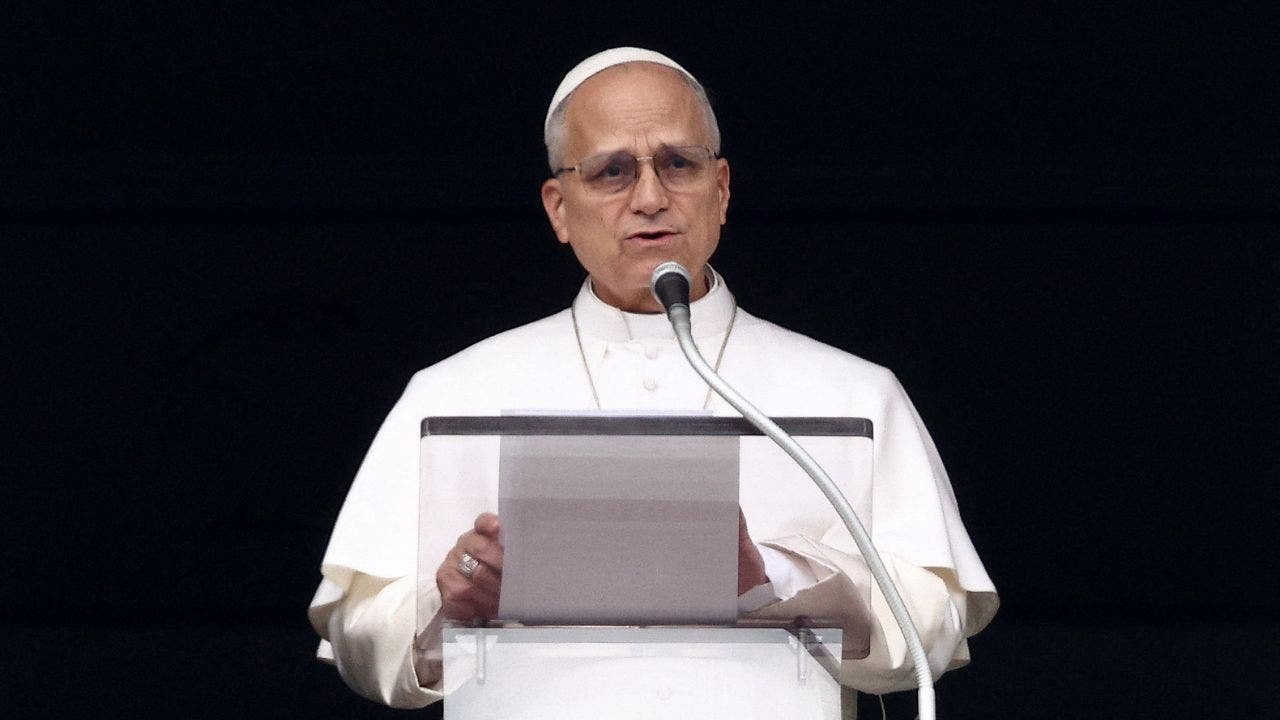
Pope Leo XIV warned Sunday that U.S.-Israel airstrikes on Iran risk plunging the Middle East into an «irreparable abyss,» urging leaders to halt a dangerous spiral of violence.
Speaking at the Angelus, the pontiff expressed «deep concern» over recent developments and called on nations to choose dialogue over war.
«Stability and peace are not built with mutual threats, nor with weapons, which sow destruction, pain, and death, but only through a reasonable, authentic, and responsible dialogue,» the pope said, according to Vatican News.
Pope Leo XIV leads the Angelus prayer from the window of the Apostolic Palace at the Vatican on March 1, 2026. The pontiff warned that escalating violence in the Middle East risks becoming an «irreparable abyss.» (Reuters/Guglielmo Mangiapane)
«Faced with the possibility of a tragedy of enormous proportions,» he added, «I address to the parties involved a heartfelt appeal to assume the moral responsibility to stop the spiral of violence before it becomes an irreparable abyss!»
The pope’s warning came after Israel and the U.S. launched a joint military operation against Iran on Saturday, dubbed «Operation Epic Fury.» The attacks reportedly killed several senior leaders, including Iranian Supreme Leader Ayatollah Ali Khamenei, who ruled the Islamic Republic for more than three decades.
Meanwhile, Iranian airstrikes killed at least eight Israelis on Sunday as Tehran’s latest missile barrage landed miles from Jerusalem.
The pope reinforced his warning in a two-part message posted Sunday morning on X.
PUTIN: KILLING OF KHAMENEI A ‘CYNICAL VIOLATION’ OF MORALITY
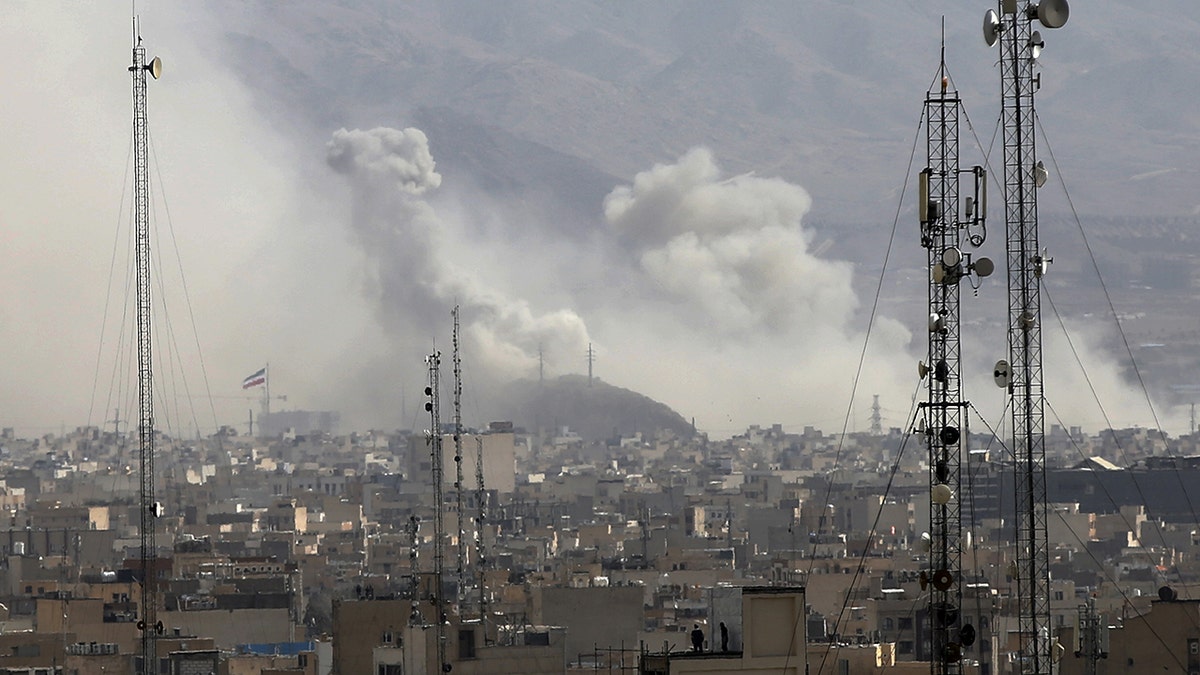
Smoke rises over Tehran after Israeli airstrikes on Iran, Feb. 28, 2026. (Fatemeh Bahrami/Anadolu via Getty Images)
«I am following with deep concern what is happening in the Middle East and in Iran during this tumultuous time,» he wrote.
«Stability and peace are not achieved through mutual threats, nor through the use of weapons, which sow destruction, suffering, and death, but only through reasonable, sincere and responsible dialogue.»
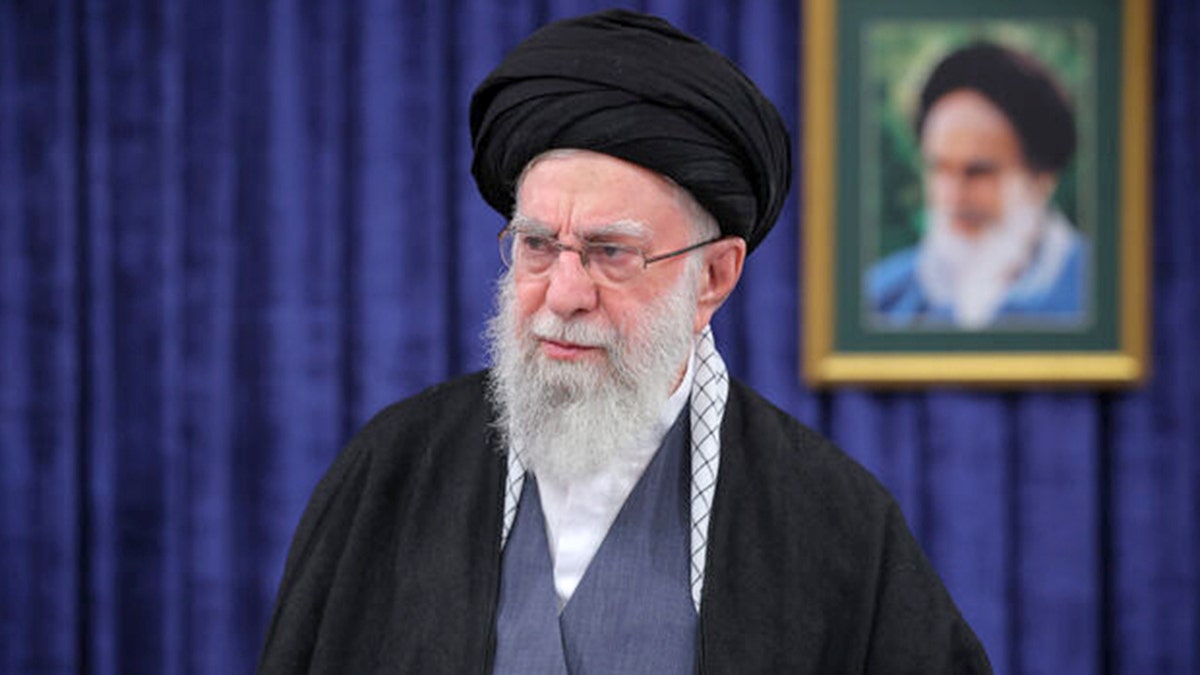
Iran’s Supreme Leader Ali Khamenei was killed in the strikes. (Iranian Leader Press Office/Anadolu via Getty Images)
CLICK HERE TO DOWNLOAD THE FOX NEWS APP
In a follow-up post, he warned of «the possibility of a tragedy of immense proportions» and urged all parties involved to «assume the moral responsibility of halting the spiral of violence before it becomes an unbridgeable chasm.»
«May diplomacy regain its proper role, and may the well-being of peoples, who yearn for peaceful existence founded on justice, be upheld. And let us continue to pray for peace,» he added.
Related Article
pope leo xiv,vatican,war with iran,middle east,iran,israel

Nahuel Gallo se comunicó por primera vez con su familia luego de 445 días secuestrado por el régimen chavista

El inesperado hallazgo de acuarelas originales de “El libro de la selva” tras un siglo

Tensión en Medio Oriente: el petróleo ya subió un 10% y estiman que el precio del barril puede llegar a 100 dólares

El Milan respira sobre la bocina

Susana Roccasalvo se emocionó en vivo al hablar de su paso por Masterchef: “Los chicos me reconocen por la calle”

From hostage crisis to assassination plots: Iran’s near half-century war on Americans

Ginette Reynal dio una rotunda marcha atrás con una decisión que tomó hace dos meses: “No aguanto más”

Catherine Fulop contó el difícil momento que atraviesa su madre en Venezuela: “Está postrada”

Crisis en la industria: otra multinacional se achica y cierra una planta en la Argentina

Alarma por la salud de Divina Gloria tras salir de Gran Hermano: “La internaron directamente en terapia intensiva”

 CHIMENTOS3 días ago
Ginette Reynal dio una rotunda marcha atrás con una decisión que tomó hace dos meses: “No aguanto más”
- CHIMENTOS3 días ago
Alarma por la salud de Divina Gloria tras salir de Gran Hermano: “La internaron directamente en terapia intensiva”
- CHIMENTOS2 días ago
¡Titi revolucionó Gran Hermano! Cuáles son las 5 cosas que ya extraña: «Accesorios, pilates, bondiola, auriculares y bailar»