INTERNACIONAL
DNI Tulsi Gabbard declassified Trump-Russia docs: Here’s what they say

NEWYou can now listen to Fox News articles!
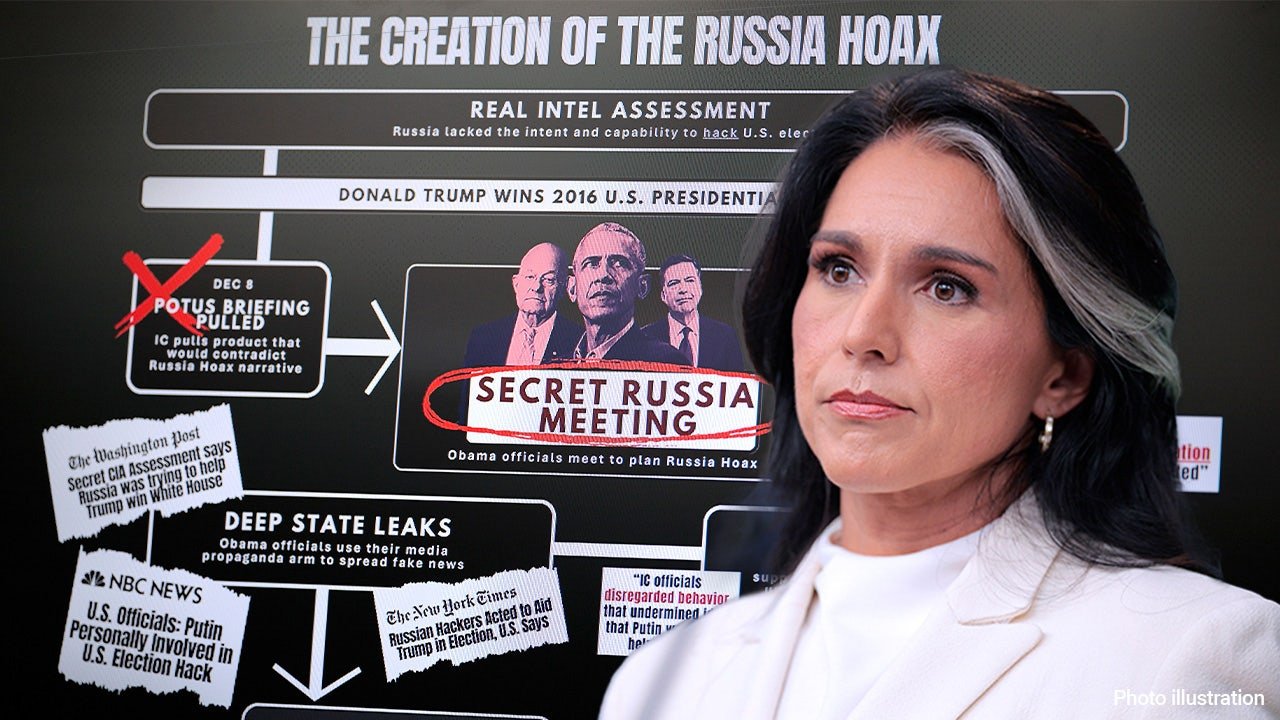
Director of National Intelligence Tulsi Gabbard declassified a slew of documents this month, revealing that Obama administration officials «manufactured» intelligence to push the Trump-Russia collusion narrative.
Director of National Intelligence Tulsi Gabbard talks to reporters in the Brady Press Briefing Room at the White House July 23, 2025, in Washington, DC., after releasing newly declassified documents about the Trump-Russia collusion «hoax.» (Chip Somodevilla/Getty Images; Fox News Digital)
Here’s a look at the newly declassified records:
Declassified Presidential Daily Brief
Documents revealed that in the months leading up to the November 2016 election, the intelligence community consistently assessed that Russia was «probably not trying … to influence the election by using cyber means.»
One instance was on Dec. 7, 2016, weeks after the election. Then-Director of National Intelligence James Clapper’s talking points stated, «Foreign adversaries did not use cyberattacks on election infrastructure to alter the U.S. presidential election outcome.»
Fox News Digital obtained a declassified copy of the Presidential Daily Brief, which was prepared by the Department of Homeland Security, with reporting from the CIA, Defense Intelligence Agency, FBI, National Security Agency, Department of Homeland Security, State Department and open sources, for Obama, dated Dec. 8, 2016.
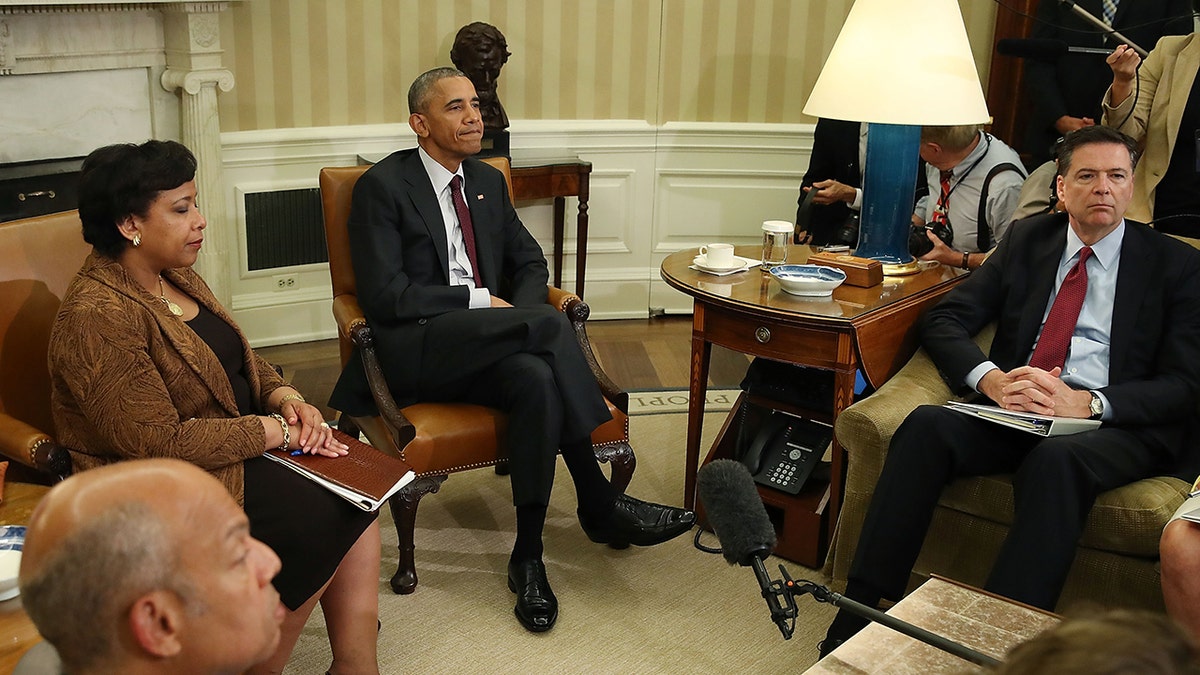
President Barack Obama speaks with reporters in the Oval Office July 19, 2016, after a meeting with Attorney General Loretta Lynch and FBI Director James Comey. (Mark Wilson/Getty Images)
«We assess that Russian and criminal actors did not impact recent U.S. election results by conducting malicious cyber activities against election infrastructure,» the Presidential Daily Brief stated. «Russian Government-affiliated actors most likely compromised an Illinois voter registration database and unsuccessfully attempted the same in other states.»
But the brief stated that it was «highly unlikely» the effort «would have resulted in altering any state’s official vote result.»
«Criminal activity also failed to reach the scale and sophistication necessary to change election outcomes,» it stated.
The brief noted that the Office of the Director of National Intelligence assessed that any Russian activities «probably were intended to cause psychological effects, such as undermining the credibility of the election process and candidates.»
The brief stated that cyber criminals «tried to steal data and to interrupt election processes by targeting election infrastructure, but these actions did not achieve a notable disruptive effect.»
Fox News Digital obtained declassified, but redacted, communications from the FBI in the Presidential Daily Brief, stating that it «should not go forward until the FBI» had shared its «concerns.»
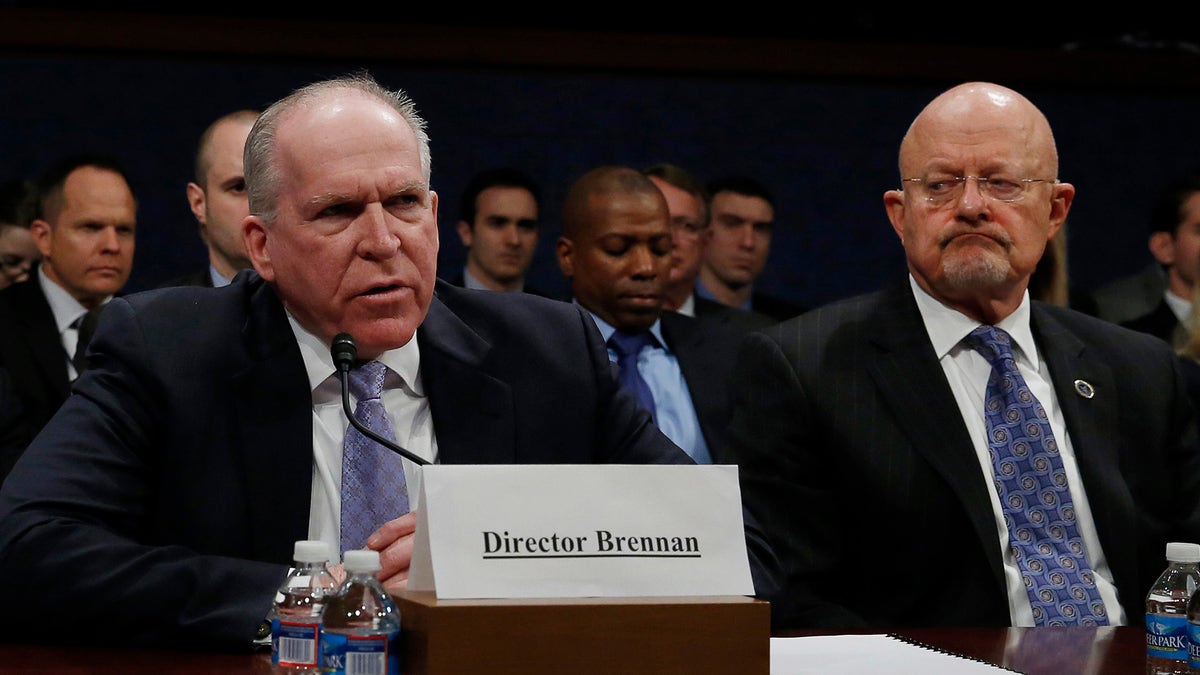
Former Director of National Intelligence James Clapper and former CIA Director John Brennan appear at a public hearing in Washington. (Reuters/Gary Cameron )
Those communications revealed that the FBI drafted a «dissent» to the original Presidential Daily Brief.
OBAMA ADMIN ‘MANUFACTURED’ INTELLIGENCE TO CREATE 2016 RUSSIAN ELECTION INTERFERENCE NARRATIVE, DOCUMENTS SHOW
The communications revealed that the brief was expected to be published Dec. 9, 2016, the following day, but later communications revealed the Office of the Director of National Intelligence, «based on some new guidance,» decided to «push back publication» of the Presidential Daily Brief.
«It will not run tomorrow and is not likely to run until next week,» wrote the deputy director of the Presidential Daily Brief at the Office of the Director of National Intelligence, whose name is redacted.
The following day, Dec. 9, 2016, a meeting convened in the White House Situation Room, with the subject line starting: «Summary of Conclusions for PC Meeting on a Sensitive Topic (REDACTED.)»
The meeting included top officials in the National Security Council, Clapper, then-CIA Director John Brennan, then-National Security Advisor Susan Rice, then-Secretary of State John Kerry, then-Attorney General Loretta Lynch, then-Deputy FBI Director Andrew McCabe, among others, to discuss Russia.
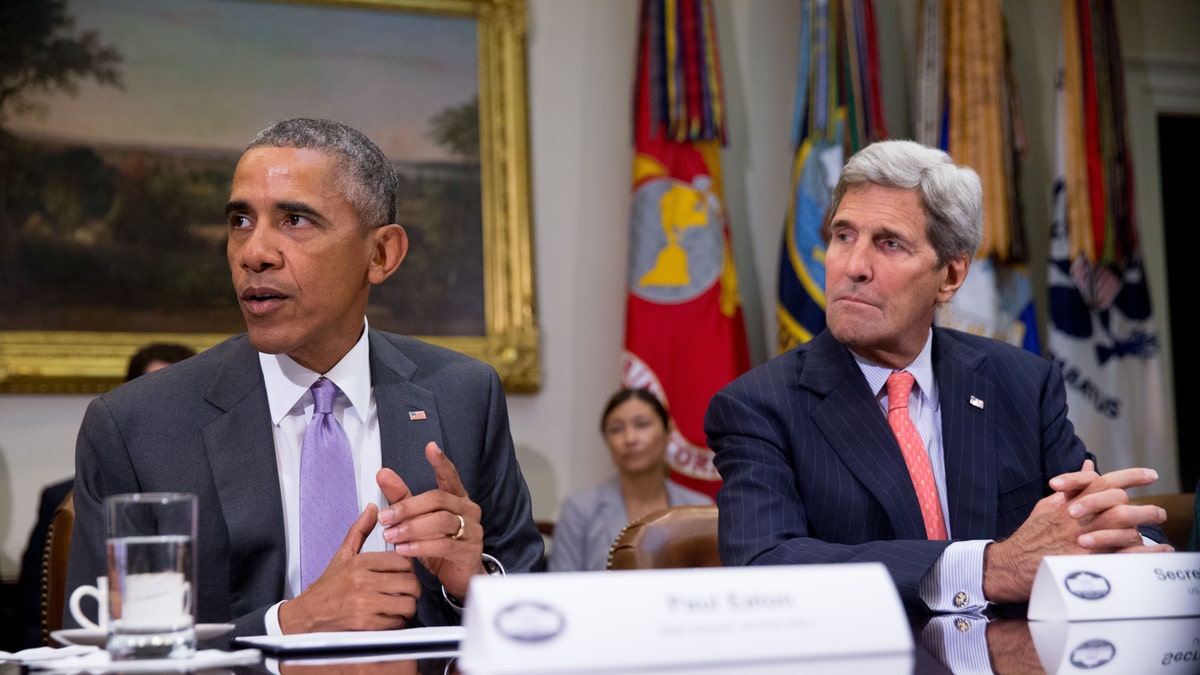
President Obama, accompanied by Secretary of State John Kerry, meets with veterans and Gold Star Mothers to discuss the Iran nuclear deal in the Roosevelt Room at the White House in Washington Sept. 10, 2015. (AP Images)
The declassified meeting record, obtained by Fox News Digital, revealed that principals «agreed to recommend sanctioning of certain members of the Russian military intelligence and foreign intelligence chains of command responsible for cyber operations as a response to cyber activity that attempted to influence or interfere with U.S. elections, if such activity meets the requirements» from an executive order that demanded the blocking of property belonging to people engaged in cyber activities.
After the meeting, according to the Office of the Director of National Intelligence, Clapper’s executive assistant emailed intelligence community leaders tasking them to create a new intelligence community assessment «per the president’s request» that detailed the «tools Moscow used and actions it took to influence the 2016 election.»
«ODNI will lead this effort with participation from CIA, FBI, NSA, and DHS,» the record states.
Later, Obama officials «leaked false statements to media outlets» claiming that «Russia has attempted through cyber means to interfere in, if not actively influence, the outcome of an election.»
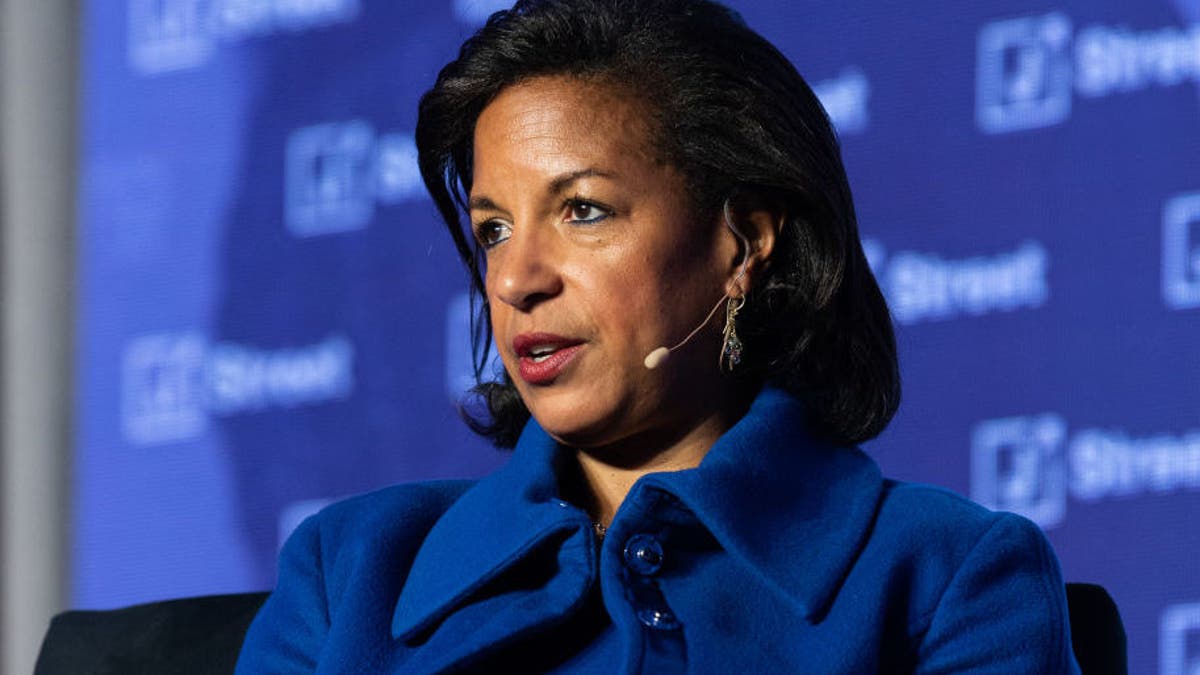
Former National Security Advisor Susan Rice speaks at the J Street National Conference in Washington in April 2018. (Getty Images)
By Jan. 6, 2017, a new Intelligence Community Assessment was released that, according to the Office of the Director of National Intelligence, «directly contradicted the IC assessments that were made throughout the previous six months.»
Intelligence officials told Fox News Digital that the ICA was «politicized» because it «suppressed intelligence from before and after the election showing Russia lacked intent and capability to hack the 2016 election.»
Officials also said it deceived the American public «by claiming the IC made no assessment on the ‘impact’ of Russian activities,» when the intelligence community «did, in fact, assess for impact.»
«The unpublished December PDB stated clearly that Russia ‘did not impact’ the election through cyber hacks on the election,» an official told Fox News Digital.
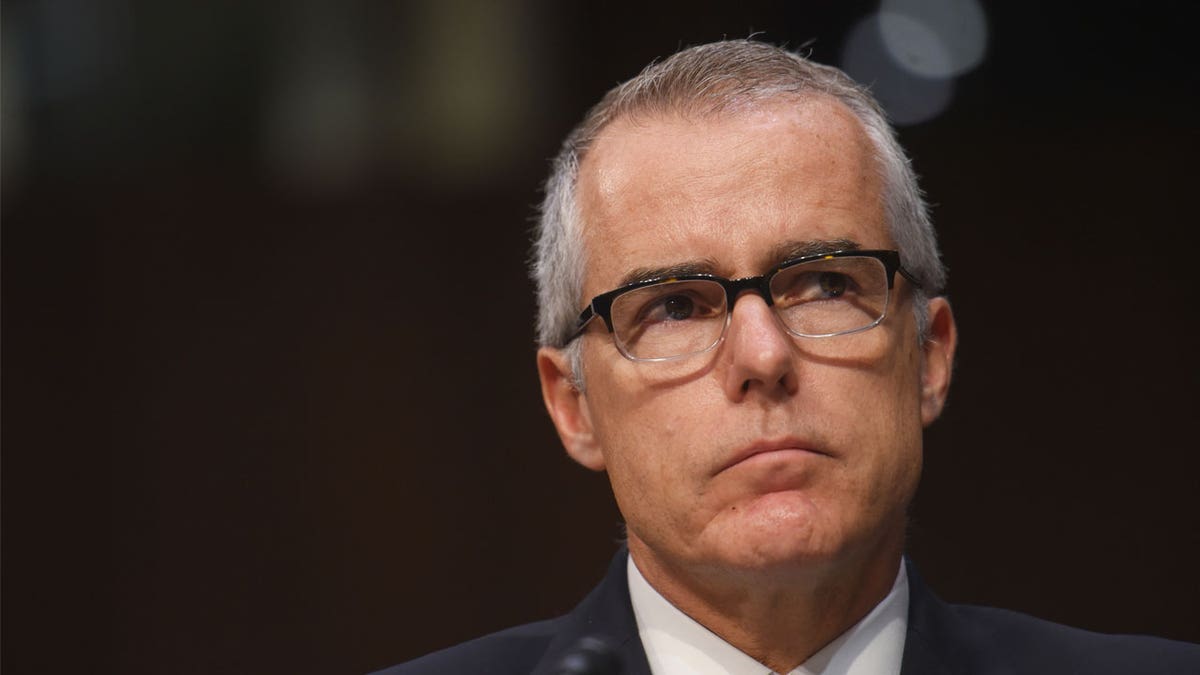
Former FBI Deputy Director Andrew McCabe testifies during a congressional hearing in Washington. (Jahi Chikwendiu/The Washington Post via Getty Images)
FBI LAUNCHES CRIMINAL INVESTIGATIONS OF JOHN BRENNAN, JAMES COMEY: DOJ SOURCES
The official also said the ICA had assessed that «Russia was responsible for leaking data from the DNC and DCCC,» while «failing to mention that FBI and NSA previously expressed low confidence in this attribution.»
Officials said the intelligence was «politicized» and then «used as the basis for countless smears seeking to delegitimize President Trump’s victory, the years-long Mueller investigation, two Congressional impeachments, high level officials being investigated, arrested, and thrown in jail, heightened US-Russia tensions, and more.»
Declassified House Intelligence Committee Report
A report prepared by the House Permanent Select Committee on Intelligence in 2020 said the intelligence community did not have any direct information that Russian President Vladimir Putin wanted to help elect Donald Trump during the 2016 presidential election, but, at the «unusual» direction of then-President Barack Obama, published «potentially biased» or «implausible» intelligence suggesting otherwise.
The report, based on an investigation launched by former House Intelligence Committee Chairman Devin Nunes, R-Calif., was dated Sept. 18, 2020. At the time of the publication of the report, Rep. Adam Schiff, D-Calif., was the chairman of the committee.
The report has never before been released to the public and instead has remained highly classified within the intelligence community.
Fox News Digital obtained the «fully-sourced limited-access investigation report that was drafted and stored in a limited-access vault at CIA Headquarters.» The report includes some redactions.
BRENNAN DIRECTED PUBLICATION OF ‘IMPLAUSIBLE’ REPORTS CLAIMING PUTIN PREFERRED TRUMP IN 2016, HOUSE FOUND
The committee focused on the creation of the Intelligence Community Assessment of 2017, in which then-CIA Director John Brennan pushed for the inclusion of the now-discredited anti-Trump dossier despite knowing it was based largely on «internet rumor,» as Fox News Digital previously reported.
According to the report, the ICA was a «high-profile product ordered by the President, directed by senior IC agency heads, and created by just five CIA analysts, using one principal drafter.»
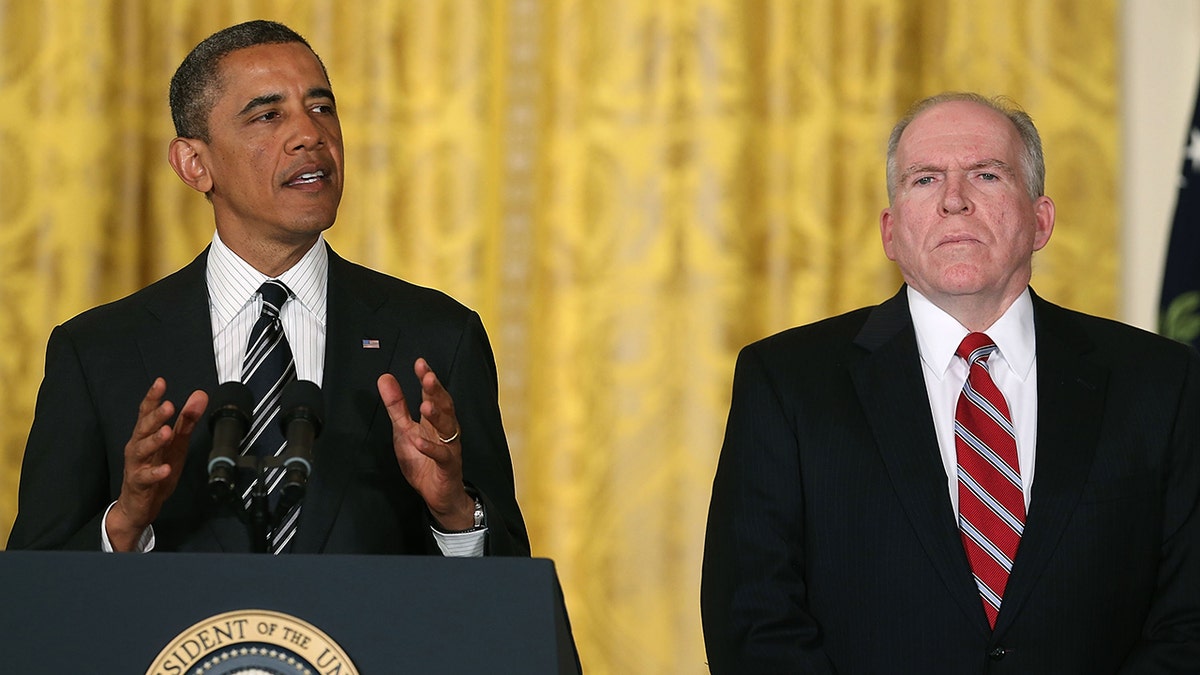
President Obama nominates John Brennan as CIA director during a ceremony at the White House Jan. 7, 2013. (Mark Wilson/Getty Images)
«Production of the ICA was subject to unusual directives from the President and senior political appointees, and particularly DCIA,» the report states. «The draft was not properly coordinated within CIA or the IC, ensuring it would be published without significant challenges to its conclusions.»
The committee found that the five CIA analysts and drafter «rushed» the ICA’s production «in order to publish two weeks before President-elect Trump was sworn-in.»
«Hurried coordination and limited access to the draft reduced opportunities for the IC to discover misquoting of sources and other tradecraft concerns,» the report states.
The report states that Brennan «ordered the post-election publication of 15 reports containing previously collected but unpublished intelligence, three of which were substandard — containing information that was unclear, of uncertain origin, potentially biased, or implausible — and those became foundational sources for the ICA judgements that Putin preferred Trump over Clinton.»
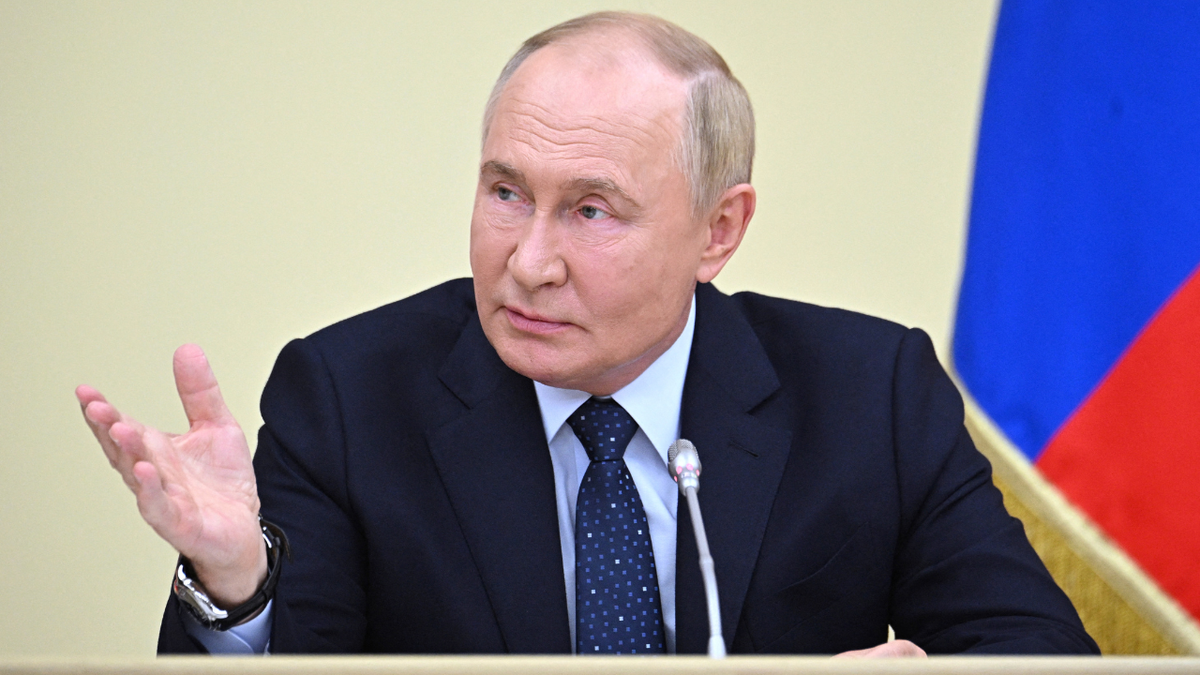
Russian President Vladimir Putin chairs a government meeting at his Novo-Ogaryovo residence Aug. 7, 2024. (Sergei Bobylyov/Pool/AFP via Getty Images)
«The ICA misrepresented these reports as reliable, without mentioning their significant underlying flaws,» the committee found.
«One scant, unclear, and unverifiable fragment of a sentence from one of the substandard reports constitutes the only classified information cited to suggest Putin ‘aspired’ to help Trump win,» the report states, adding that the ICA «ignored or selectively quoted reliable intelligence reports that challenged — and in some cases undermined — judgments that Putin sought to elect Trump.»
The report also states that the ICA «failed to consider plausible alternative explanations of Putin’s intentions indicated by reliable intelligence and observed Russian actions.»
The committee also found that two senior CIA officers warned Brennan that «we don’t have direct information that Putin wanted to get Trump elected.»
Despite those warnings, the Obama administration moved to publish the ICA.
The ICA «did not cite any report where Putin directly indicated helping Trump win was the objective.»
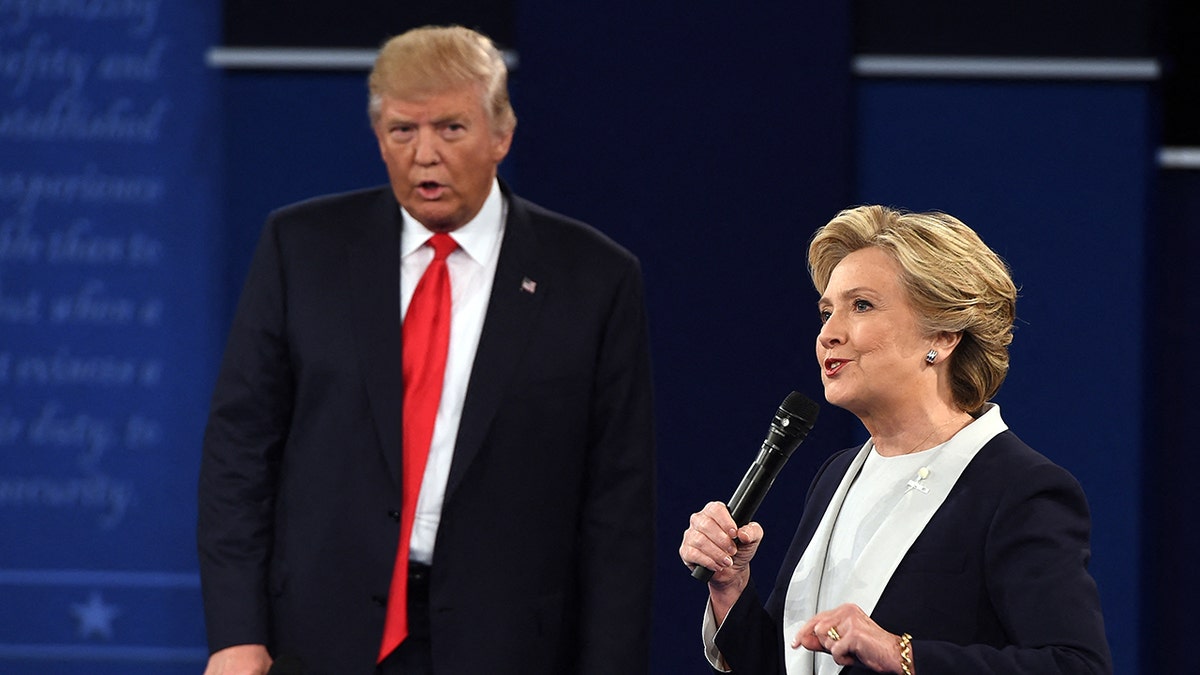
Hillary Clinton and Donald Trump participate in the second presidential debate at Washington University in St. Louis Oct. 9, 2016. (Robyn Beck/AFP via Getty Images)
The ICA, according to the report, excluded «significant intelligence» and «ignored or selectively quoted» reliable intelligence in an effort to push the Russia narrative.
The report also includes intelligence from a longtime Putin confidant who explained to investigators that «Putin told him he did not care who won the election,» and that Putin «had often outlined the weaknesses of both major candidates.»
The report also states that the ICA omitted context showing that the claim that Putin preferred Trump was «implausible —if not ridiculous.»
The committee also found that the ICA suppressed intelligence that showed that Russia was actually planning for a Hillary Clinton victory because «they knew where (she) stood» and believed Russia «could work with her.»
The committee also noted that the ICA «did not address why Putin chose not to leak more discrediting material on Clinton, even as polls tightened in the final weeks of the election.»
The committee also found that the ICA suppressed intelligence showing that Putin was «not only demonstrating a clear lack of concern for Trump’s election fate,» but also indicated «that he preferred to see Secretary Clinton elected, knowing she would be a more vulnerable President.»
Declassified Hillary Clinton section of House Intelligence Committee Report
One section of the declassified House Intelligence Committee report states that the material in Putin’s possession included Russian intelligence on Democratic National Committee information allegedly showing that senior Democratic leaders found Clinton’s health to be «extraordinarily alarming.»
«As of September 2016, the Russian Foreign Intelligence Service had DNC information that President Obama and Party leaders found the state of Secretary Clinton’s health to be ‘extraordinarily alarming,’ and felt it could have ‘serious negative impact’ on her election prospects,» the report states. «Her health information was being kept in ‘strictest secrecy’ and even close advisors were not being fully informed.»
The Russian Foreign Intelligence Service also allegedly had DNC communications that showed that «Clinton was suffering from ‘intensified psycho-emotional problems, including uncontrolled fits of anger, aggression, and cheerfulness.’»
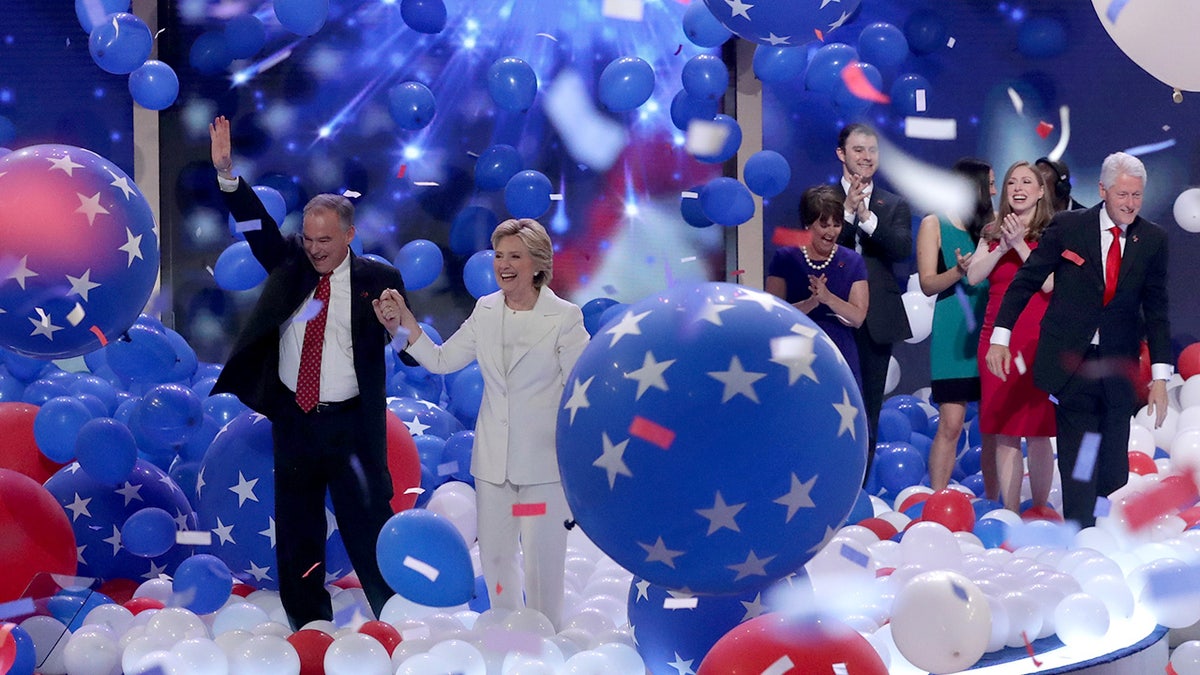
Democratic presidential nominee Hillary Clinton and her running mate, Sen. Tim Kaine ,appear onstage with their families at the Democratic National Convention in Philadelphia July 28, 2016. (Alex Wong/Getty Images)
«Clinton was placed on a daily regimen of ‘heavy tranquilizers’ and while afraid of losing, she remained ‘obsessed with a thirst for power,’» the report states.
The Russians also allegedly had information that Clinton «suffered from ‘Type 2 diabetes, Ischemic heart disease, deep vein thrombosis, and chronic obstructive pulmonary disease.’»
HILLARY CLINTON AIDE DISMISSES TULSI GABBARD’S CLAIMS AS ‘RIDICULOUS’
The Russians also allegedly possessed a «campaign email discussing a plan approved by Secretary Clinton to link Putin and Russian hackers to candidate Trump in order to ‘distract the American public’ from the Clinton email server scandal.»
Gabbard, during the White House press briefing Wednesday, said there were «high-level DNC emails that detailed evidence of Hillary’s, quote, psycho-emotional problems, uncontrolled fits of anger, aggression and cheerfulness, and that then-Secretary Clinton was allegedly on a daily regimen of heavy tranquilizers.»
CLICK HERE TO GET THE FOX NEWS APP
A tranquilizer is a drug used to reduce mental disturbance, such as anxiety and tension. Tranquilizers are typically prescribed to individuals suffering from anxiety, sleep disturbances and related conditions affecting their mental and physical health.
A Clinton aide dismissed the claims as «ridiculous.»
Neither Clinton nor Obama responded to Fox News Digital’s requests for comment.

INTERNACIONAL
¿Se puede cultivar vida en Marte? Así sobreviven microorganismos en tierras que imitan al planeta rojo
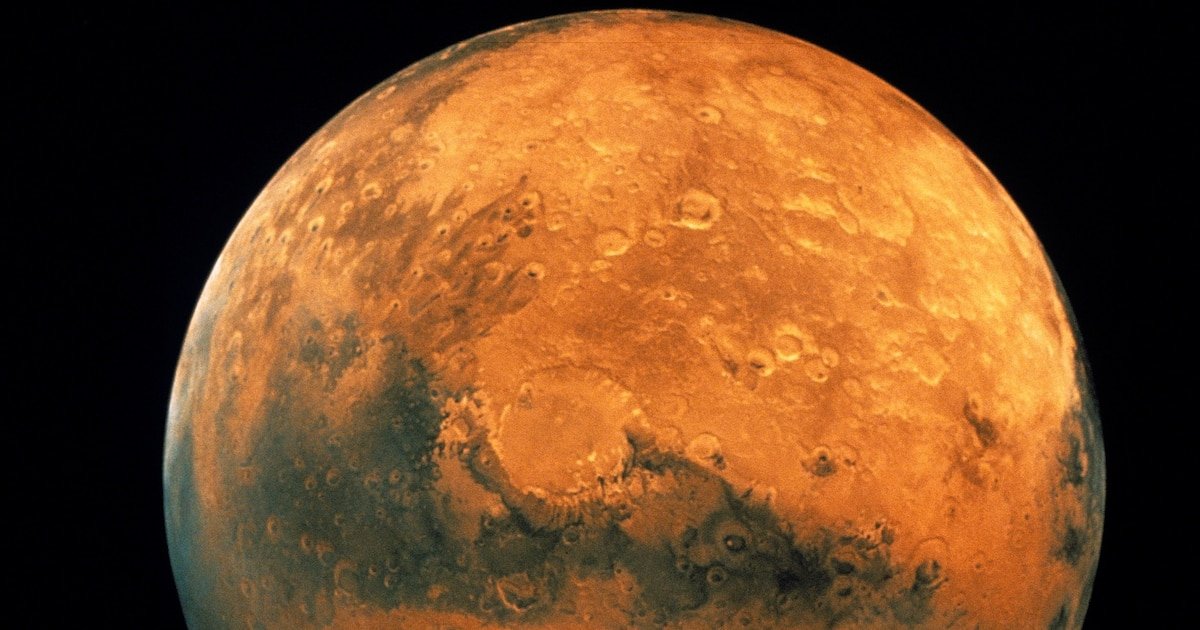
El avance científico reciente ha evidenciado que la vida en Marte podría ser posible bajo ciertas condiciones experimentales. Un equipo internacional demostró que algunos microorganismos sobreviven y se replican en suelos que simulan las condiciones extremas del planeta rojo, ampliando así los límites conocidos para la habitabilidad extraterrestre.
¿Es factible cultivar vida en Marte usando suelos que imitan las características del planeta rojo? Los experimentos actuales confirman que determinados microorganismos logran sobrevivir y multiplicarse con niveles de sequedad y baja disponibilidad de agua similares a los encontrados en Marte, aunque el cultivo de plantas requiere estrategias especiales, como el aporte de nutrientes específicos o la integración de organismos simbióticos.
Investigadores de la Universidad de Aberdeen y el Centro de Astrobiología de España, liderados por Jyothi Basapathi Raghavendra, Maria-Paz Zorzano y Javier Martin-Torres, realizaron un estudio donde demostraron que bacterias obtenidas de ambientes desérticos consiguieron replicarse y aumentar su ADN en simuladores de regolito marciano. Esta replicación microbiana se registró con actividades de agua tan bajas como 0,34, un valor mínimo que hasta ahora se consideraba inviable según el umbral aceptado de 0,585.
La actividad de agua, clave en estos experimentos, señala cuánta agua libre hay disponible en el suelo para el desarrollo microbiano. El equipo empleó suelos basálticos enriquecidos con yeso y sales, emulando el regolito marciano, y utilizó la cuantificación de ADN para constatar el crecimiento bacteriano, incluso en condiciones de gran aridez.

Los científicos sometieron los suelos simulados a distintos niveles de humedad bajo temperatura y presión constantes. El mayor incremento de ADN ocurrió en suelos con más humedad, pero incluso se observó un aumento del material genético tras un mes de incubación.
Al comparar los distintos grupos el día treinta, los resultados arrojaron un valor estadístico confirmando la replicación microbiana bajo estas condiciones extremas. La validación microscópica y molecular evitó la presencia de procesos no replicativos, reforzando que las células bacterianas estaban activas.
El papel de las sales hidratables también se puso a prueba: al añadir 5% de sulfato de magnesio al suelo, se consiguió que el regolito retuviera el doble de agua que el estándar, aunque el desarrollo bacteriano resultó ser más lento. El máximo registrado fue de 3,2 nanogramos de ADN, frente a los 5-6 ng de otros escenarios.

Estos hallazgos amplían el margen para la existencia de la vida en ambientes secos y suponen nuevos retos para la exploración espacial. El estudio cuestiona los límites impuestos por el comité COSPAR respecto a las “Regiones Especiales” de Marte, definidos hasta ahora por actividades de agua superiores a 0,5.
Los autores del experimento proponen revisar esos límites legales, ya que algunos microorganismos pueden replicarse con menos humedad de la considerada anteriormente, lo que incrementa los riesgos de contaminación biológica en futuras misiones y refuerza la necesidad de mejores protocolos de esterilización.
Sin embargo, advierten que el experimento se realizó bajo presión y atmósfera terrestre. Replicar los resultados en ambientes con dióxido de carbono y baja presión—más parecidos a Marte—exigirá nuevas pruebas para aproximarse a la realidad marciana.

Crédito: Jessica Atkin.
Paralelamente, la investigación dirigida por Jessica Atkin examinó el cultivo de garbanzo (Cicer arietinum) en simuladores de suelo lunar. Según los expertos, ningún vegetal produjo semillas sin la adición conjunta de compost de lombriz y hongos micorrícicos arbusculares; esta combinación permitió que algunas plantas florecieran y produjeran semillas, aunque el rendimiento se mantuvo bajo en comparación con suelos agrícolas comerciales.
El análisis señala que el suelo lunar simulado contiene metales como aluminio y zinc, e impide una adecuada filtración de agua.
No obstante, la mezcla de compost y hongos simbióticos mejoró tanto la circulación de nutrientes como la masa seca de raíz y tallo, logrando que el peso promedio de semillas fuera comparable al de plantas cultivadas en tierra común cuando se empleó entre 25% y 50% de compost.

Todas las plantas cultivadas en suelo lunar simulado mostraron signos de estrés, como hojas amarillas y crecimiento restringido, lo que pone de manifiesto la necesidad de nuevas estrategias de bioremediación y microbiomas adaptados para el desarrollo agrícola fuera de la Tierra.
Los resultados de ambas líneas de investigación subrayan que aún no se han reproducido perfectamente las condiciones reales de Marte o la Luna, por lo que extrapolar estos datos a escenarios de colonización espacial requiere cautela y más estudios.
La capacidad de ciertos microorganismos de multiplicarse en regolito marciano simulado—incluso bajo extrema sequedad y sin fuentes externas de carbono—sugiere que la vida puede persistir en entornos que hasta ahora se consideraban incompatibles, marcando un nuevo umbral para la resiliencia biológica fuera de la Tierra.
,luna
INTERNACIONAL
Farage slams British prime minister for ‘extraordinary’ lack of support for Trump’s Iran strikes
NEWYou can now listen to Fox News articles!
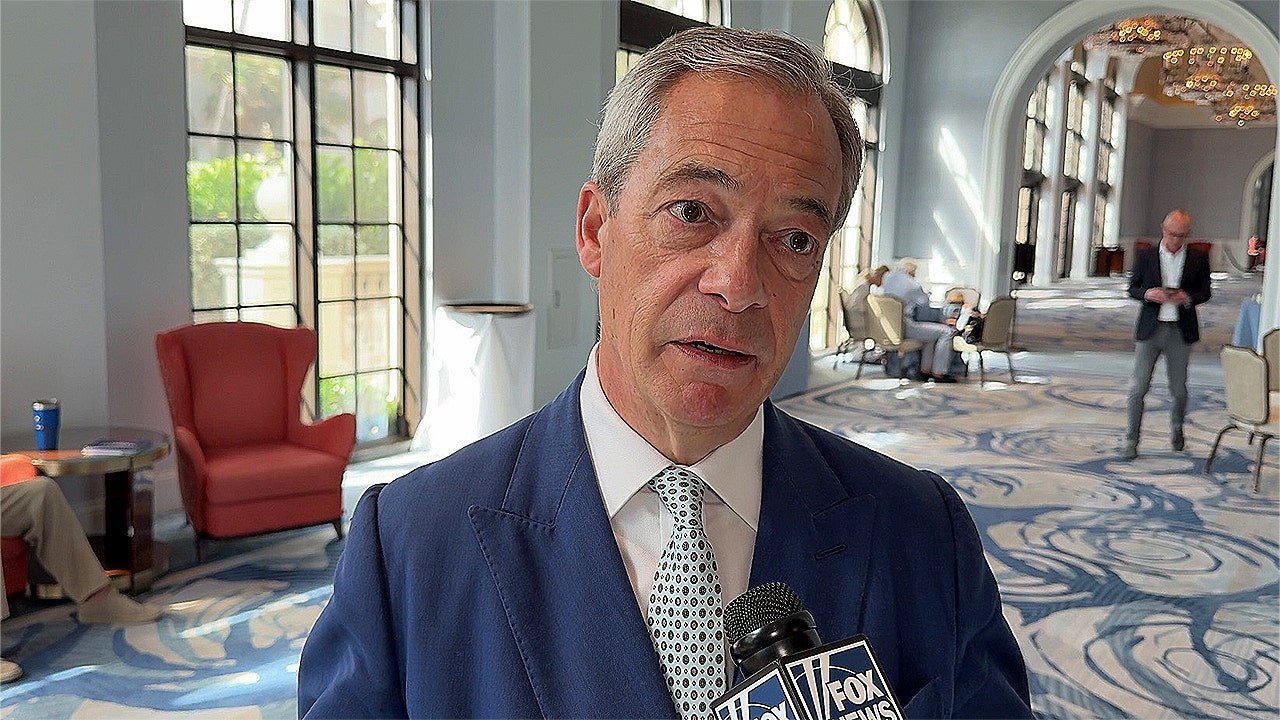
PALM BEACH, FLA – British opposition leader Nigel Farage is taking aim at his country’s prime minister for not supporting the U.S. in its military strikes against Iran.
«I think not to support America when it asks for support is a pretty extraordinary thing to have done.,» Farage, the leader of the right-wing Reform UK party, said in an exclusive interview Saturday with Fox News Digital.
President Donald Trump has blasted Labor Prime Minister Keir Starmer for initially blocking the U.S. from using British military bases, specifically Diego Garcia — a strategic base located on an Indian Ocean island — for strikes against Iran during Operation Epic Fury. Starmer later permitted the use of the bases for «defensive strikes» after Trump’s complaints.
Starmer hasn’t spoken to Trump since they connected on a call last weekend, after the U.S. and Israel launched their strikes on Iran. The British prime minister has made clear his country would not be joining the U.S. in attacking Iran, emphasizing he didn’t believe in «regime change from the skies.»
Britain’s PM Starmer speaks during a press conference, in London. (Thomas Krych/Pool via REUTERS)
Trump, taking a jab at Starmer, said earlier this week, «This is not Winston Churchill we are dealing with.»
Farage criticized Starmer for not changing his stance, «even now, despite the fact that we’ve got an RAF base in Cyprus that’s been under attack, we’ve got allies of ours in the Gulf that are under attack.»
«I think there’s been less than wholehearted support has come for the Americans in this endeavor. And I think the British Prime Minister on the world stage, he’s upset the Americans,» Farage said. «He’s upset the Cypriots. He’s upset the Gulf states. And he’s pretty friendless at the moment.»
THEY WANT TO DESTROY AMERICA: REPUBLICAN SENATORS WEIGH IN ON IRAN ATTACK
Farage, who seven years ago founded the populist Brexit Party, which later transformed into the Reform UK party, was interviewed ahead of an appearance at an annual economic conference in Florida hosted by the Club for Growth, an influential and politically potent political group that pushes for fiscal responsibility.
Starmer has been feeling Trump’s wrath not only for their differences over the attack on Iran, but also over the British deal to hand sovereignty of the Chagos Islands, the Indian Ocean archipelago where Diego Garcia is located, to Mauritius. Starmer has argued his lease-back deal is the only way to secure the British-U.S. military base on Diego Garcia.
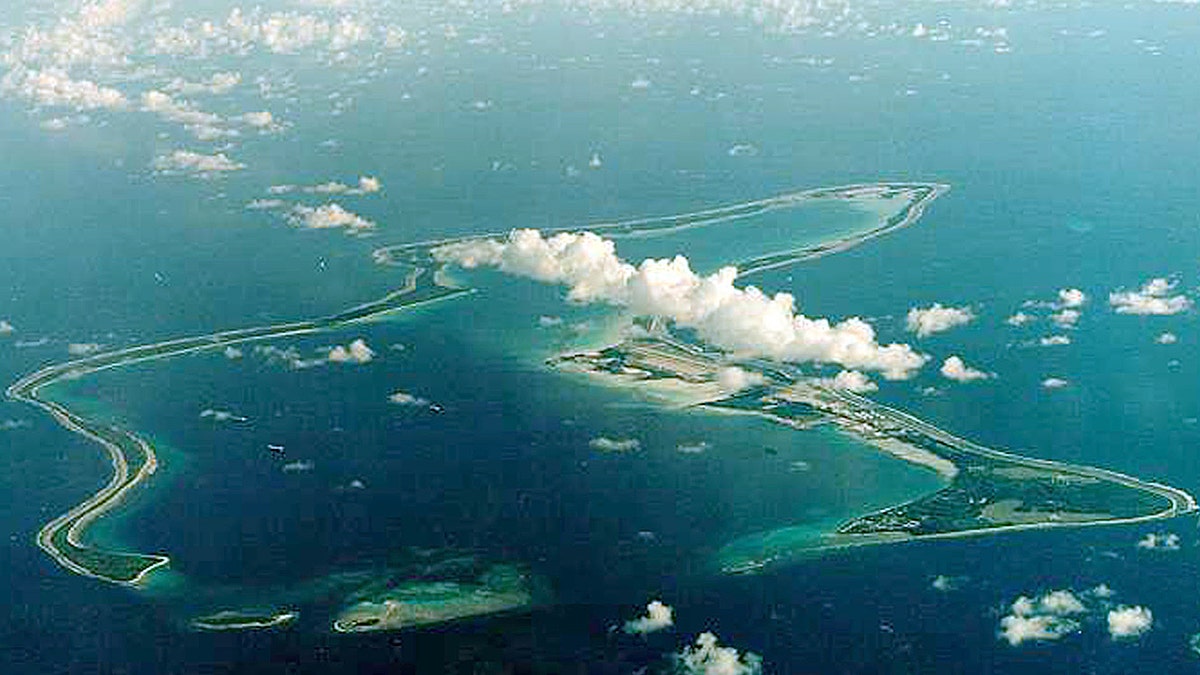
Diego Garcia, the largest island in the Chagos archipelago and site of a major United States military base in the middle of the Indian Ocean leased from the UK in 1966. (reuters)
Farage, who has been vocal in his opposition to the deal, told Fox News Digital that «outside of America itself,» Diego Garcia «is the most important base you’ve got in the whole world. Now it’s there as part of British sovereignty. We have a treaty between us that goes back to 1966 and Keir Starmer is on the verge of giving away the sovereignty of the Chagos islands and Diego Garcia to Mauritius.»
«If Trump initially had problems with the Brits over using the base, just think what it will be like with the heavily Chinese-influenced Mauritians. They already have said they believe that America should not have struck Iran, that it was against international law, then are calling for a ceasefire,» Farage said.
NATO CHIEF PRAISES TRUMP’S IRAN STRIKES, SAYS KEY ALLIES ‘ALL FOR ONE, ONE FOR ALL’
Farage, who said his opposition to the deal was a key factor in his weekend trip to the U.S., said, «I would just urge the president, this administration, stay firm. Tell the British government you will not accept giving away of sovereignty to Mauritius, and let’s ensure a future for Diego Garcia. I think it’s really important.»
Farage, who’s hoping to become Britain’s next prime minister, argued that Starmer’s relationship with Trump is beyond repair.
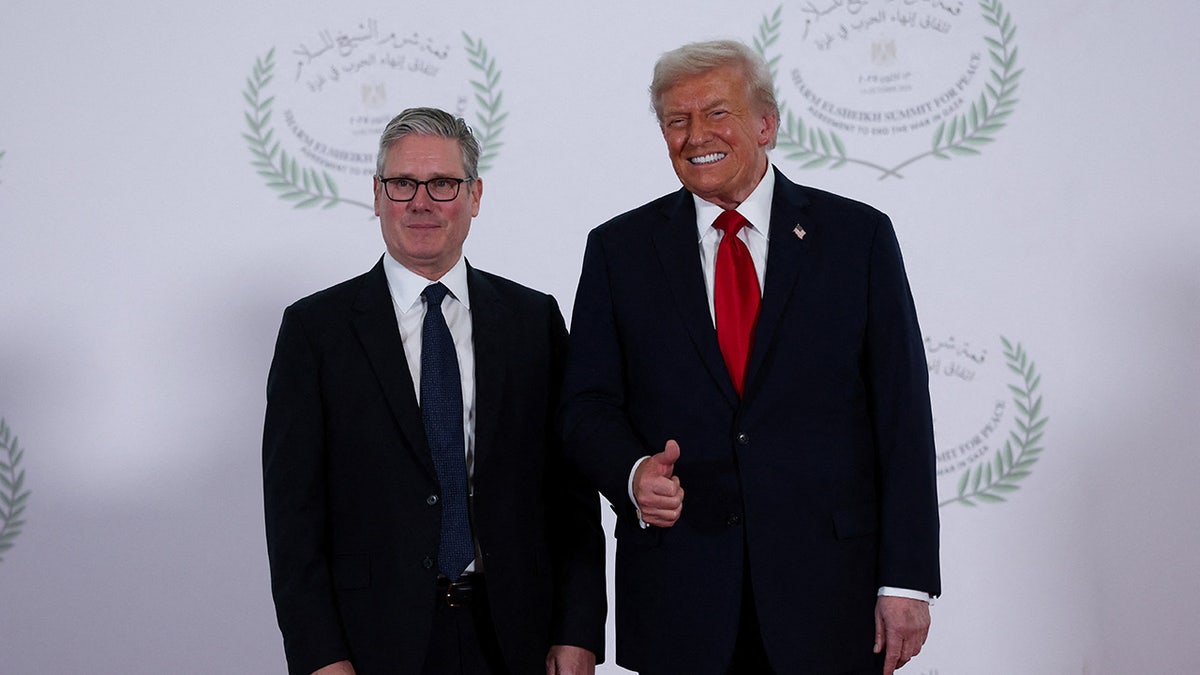
President Donald Trump and British Prime Minister Keir Starmer pose for a photo, at a world leaders’ summit on ending the war in Gaza, in Sharm el-Sheikh, Egypt, October 13, 2025. REUTERS/Suzanne Plunkett/Pool (REUTERS/Suzanne Plunkett/Pool)
«I think the personal relationship between Keir Starmer and Donald Trump has gone. I mean, Trump can be forgiving, but, you know, that would take a long time. So I think that breakdown is there,» he said.
CLICK HERE TO DOWNLOAD THE FOX NEWS APP
But as for the longstanding bonds between the two countries, known as the ‘special relationship,’ Farage was more optimistic.
«The special relationship went through bad times in the past. We had a massive fallout 70 years ago over Suez, but we got back together again. I’m convinced it can, and it will, be mended,» he predicted.
donald trump,war with iran,iran,united kingdom,alliances,defense,politics,geopolitics
INTERNACIONAL
No basta solo con cuidar los bosques: la huella de biodiversidad está en cada decisión diaria

Cuidar bosques ya no alcanza. Comer una hamburguesa, viajar en auto o comprar ropa nueva puede cambiar el destino de miles de especies en el planeta.
Científicos del Instituto Hot or Cool, una organización independiente con sede en Berlín, Alemania, y de la Universidad de Jyväskylä, en Finlandia, demostraron cómo la vida diaria de las personas deja una huella silenciosa sobre la biodiversidad, es decir, la variedad de seres vivos y ecosistemas que existen en la Tierra.
Cada elección suma o resta naturaleza, aunque no siempre se vea. Publicaron un informe que introduce el concepto de la “huella de biodiversidad”. Es una forma de calcular el impacto de los hábitos cotidianos sobre animales, plantas y ecosistemas.
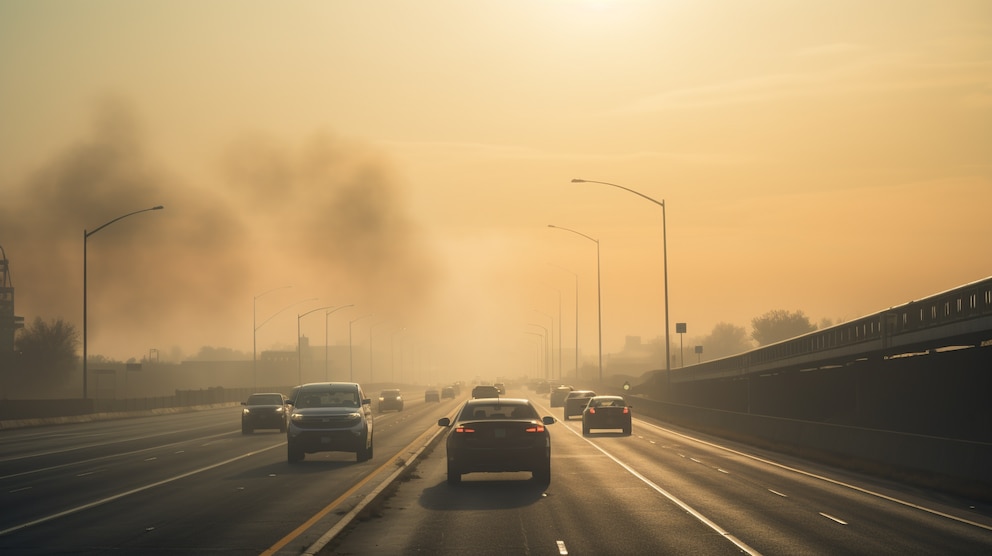
Esa perspectiva conecta lo que se come, cómo se viaja, el espacio donde se vive y lo que se compra con la cantidad de especies que pueden desaparecer.
Los investigadores la definen como “un método de contabilidad basado en el consumo que vincula el consumo de los hogares con la pérdida de biodiversidad a lo largo de las cadenas de suministro globales, expresando los impactos en una unidad común de biodiversidad”.
Esto significa que, por ejemplo, si se elige un plato con carne, se usa más tierra y agua que con uno de legumbres, y eso puede afectar a más poblaciones de especies.

El análisis resaltó que cerca del 70% de los impactos climáticos, el 70% del uso del suelo, el 48% del uso de materiales y el 81% del uso de agua dulce pueden vincularse directamente a los estilos de vida y el consumo de los hogares.
Los investigadores analizaron Brasil, Finlandia y Japón, y observaron que en todos los países los hábitos diarios explican gran parte del daño a la naturaleza, aunque los patrones y los productos que se consumen sean diferentes.
Contaron con la participación de especialistas de la Argentina, Alemania, Italia, Irlanda, Reino Unido, Austria, Colombia y Suecia. Uno de los colaboradores fue Carlos Andres Trujillo Valencia, de la Universidad de los Andes, Colombia.

Otro experto fue el doctor en biología Pedro Jaureguiberry, investigador del Instituto Multidisciplinario de Biología Vegetal (IMBIV), que depende del Conicet y la Universidad Nacional de Córdoba, en Argentina.
En diálogo con Infobae, el científico dijo: “Este nuevo informe resalta la huella de biodiversidad. Este concepto conecta la pérdida de biodiversidad con acciones humanas muy concretas y cotidianas: lo que comemos, cómo nos movemos, cómo vivimos y lo que compramos”.
El investigador agregó: “Ese concepto se suma a la ya conocida huella de carbono, que mide el impacto humano sobre el clima. El nuevo informe muestra que nuestros estilos de vida tienen un impacto grande sobre la naturaleza, incluso más allá de las fronteras del país en que vivimos, a través de las cadenas globales de producción”.
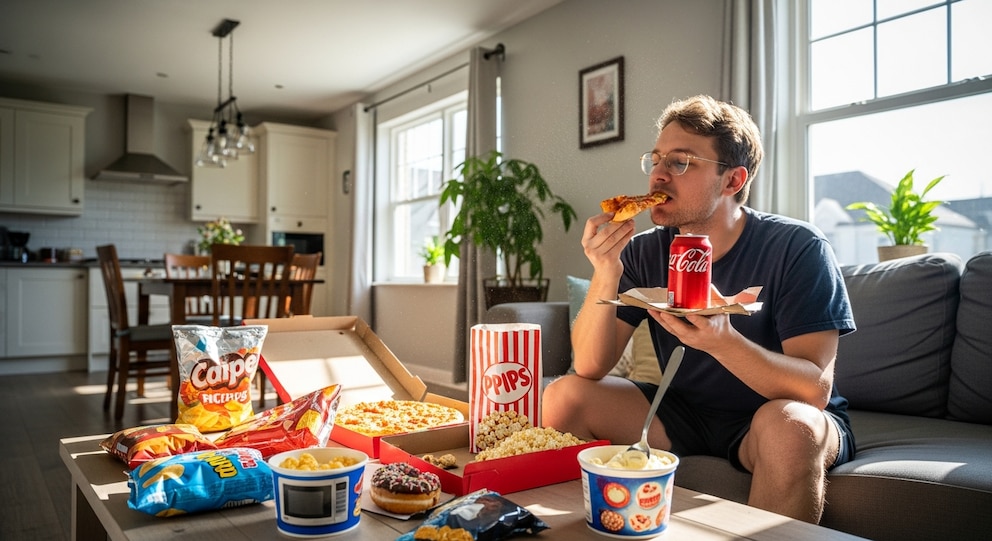
“Uno de los resultados más importantes es que la alimentación es uno de los factores que más presión generan sobre la biodiversidad”, afirmó el científico.
Las dietas cargadas de carne y productos ultraprocesados aumentan la presión sobre la biodiversidad. El desperdicio de comida también suma al problema, advirtieron.
Indicaron que “transformar el consumo de alimentos es un punto de partida fundamental para reducir el impacto de los estilos de vida sobre la naturaleza”.

Otro hallazgo, subrayó el científico en la entrevista con Infobae, es que “muchas acciones que ayudan a la naturaleza también ayudan al clima, como reducir el desperdicio de alimentos o promover el uso de sistemas de transporte colectivos (en lugar de individuales) y/o activos (por ejemplo, la bicicleta)”.
Usar autos y aviones favorece la fragmentación de hábitats y acelera el cambio climático. Por eso, los investigadores señalaron que las políticas de movilidad deben enfocarse menos en trasladar personas y más en mejorar la calidad de vida y el acceso a servicios.
La vivienda y el consumo de productos también dejan huella. Casas grandes, que usan más energía y materiales, y la compra constante de ropa o electrónicos nuevos multiplican el impacto ambiental.
Por ejemplo, en Japón, la huella por consumo de ropa es una de las más altas, mientras que en Brasil los muebles y los electrodomésticos tienen más peso en la pérdida de especies.

El informe no se quedó solo en el diagnóstico. Los investigadores propusieron cambios sencillos y claros. Aumentar la proporción de alimentos vegetales y reducir la carne, elegir productos de temporada y cercanía, y consumir solo lo necesario.
“Aumentar el consumo de alimentos de origen vegetal, como legumbres, frutas, verduras y cereales integrales”, es una de las recomendaciones clave.
También se recomienda preferir productos de agricultura regenerativa, minimizar el desperdicio de comida y buscar alternativas como proteínas vegetales.
En la movilidad, el estudio propone caminar, usar la bicicleta o el transporte público, y evitar los viajes innecesarios en auto o avión.

Ejemplos concretos incluyen promover días de movilidad sostenible, dar incentivos para el uso de transporte público y crear más ciclovías. En ciudades como Tallin, la capital de Estonia, ya se ofrece transporte público gratuito y en Barcelona, España, se apoya con fondos públicos a comunidades de movilidad de bajo impacto.
Para el consumo, reutilizar y reparar antes de desechar se vuelve esencial. El informe resalta políticas como ofrecer descuentos en reparaciones, apoyar ferias de productos de segunda mano y fomentar campañas para usar los objetos durante más tiempo.
En algunos países se incentiva la fabricación de productos duraderos y se regula la publicidad para desalentar el sobreconsumo.

El informe presenta el enfoque de “choice-editing”, que significa rediseñar los mercados y las opciones disponibles para que las alternativas sostenibles sean las más fáciles, accesibles y atractivas. Esto incluye eliminar del mercado productos que dañan la biodiversidad y asegurar que todos tengan acceso a opciones saludables y sostenibles.
Aclararon que el desarrollo de la estrategia de “choice-editing” debe garantizar niveles mínimos de bienestar para todos y facilitar la transición para que nadie quede afuera por motivos económicos o sociales.
Los investigadores también insistieron en que el uso de plásticos genera contaminación en ecosistemas terrestres y acuáticos, especialmente por la liberación de microplásticos provenientes de textiles y productos descartables.
Esos residuos afectan a especies marinas y animales terrestres, que pueden ingerirlos o quedar atrapados. Recomendaron prohibir los productos plásticos de origen fósil, como bolsas descartables, y aplicar responsabilidad extendida del productor, para que las empresas se encarguen del reciclaje y la recolección.

Para los científicos que elaboraron el informe, las políticas públicas son necesarias para facilitar el cambio que recomendaron en los estilos de vida. Se pueden llevar a cabo con campañas educativas, regulaciones sobre publicidad y premios para quienes eligen opciones sostenibles.
Además, propusieron impulsar políticas que reduzcan la producción y el consumo de plásticos para proteger la biodiversidad.
Consideraron que la colaboración entre gobiernos, empresas y comunidades es clave para que estas soluciones sean inclusivas y reales.

En América Latina, “el desafío es doble”, sostuvo el doctor Jaureguiberry. “Por un lado, existen ecosistemas muy valiosos para la biodiversidad; al mismo tiempo, hay fuertes presiones como la expansión agrícola, la urbanización, la tala con fines forestales y la contaminación, entre otras”.
Muchas de esas presiones se vinculan con economías basadas en la producción de materias primas demandadas en todo el mundo.
“Algunas recomendaciones pueden ser más difíciles de aplicar porque en muchos países de la región aún existen otras prioridades más urgentes, como mejorar la infraestructura o garantizar el acceso a servicios básicos. Esto retrasa la adopción de enfoques sostenibles en los estilos de vida”, reconoció.

Sin embargo, “también se abren oportunidades, ya que muchos estilos de vida en la región presentan un menor consumo de energía y materiales en comparación con países de altos ingresos y altos niveles de industrialización”, expresó.
“Esto significa que América Latina puede avanzar hacia estilos de vida más sostenibles sin repetir los modelos de consumo intensivo de otras regiones”, dijo.
El mensaje final no deja dudas. Los hábitos cotidianos importan. Cuidar la biodiversidad no es solo cosa de bosques lejanos: empieza en el plato, el transporte, la vivienda y la próxima compra.

Entrevistado por Infobae, Claudio Bertonatti, museólogo, naturalista, miembro honorario de la Fundación de Historia Natural Félix de Azara y director de la carrera de Turismo y Conservación del Patrimonio de la Universidad Maimónides (UMAI), comentó tras leer el nuevo reporte: “Actualmente, estamos observando una fragmentación de la conciencia ambiental, con tres tipos de personas: las desinteresadas, las negadoras y las empáticas. La crisis civilizatoria no solo amenaza especies. La situación es más grave: amenaza paisajes, con su diversidad biológica y su contraparte: la diversidad de manifestaciones culturales con las que se articula”.
El experto agregó: “Todo lo que está amenazado permanece casi invisible o muy simplificado para los ojos y el sentir de los habitantes urbanos. Vivimos desconectados física, emocional e intelectualmente de los escenarios silvestres y, en contrapartida, demasiado conectados con pantallas adictivas. Esto tiene implicancias sociales, psicológicas, medicinales y ambientales”.

“Para que nos vaya mejor, debemos retomar nuestra conexión con los espacios verdes y silvestres como una manera de contrarrestar ese déficit de naturaleza que nos deshumaniza”.
Con respecto al concepto de huella de biodiversidad, Bertonatti opinó que “es una suerte de brújula que nos indica hacia dónde debemos mirar, pero la reconexión con los espacios silvestres es el camino que recorremos para llegar ahí. Es decir, la huella nos da el por qué y la reconexión el ‘cómo’ vivir considerando al resto de la naturaleza como nuestra aliada y no como una mera fuente de insumos o recursos”.
alimentación saludable,comida rápida,espinaca,gotas de agua,papas fritas,hamburguesa,pollo empanizado,nutrición,contraste alimenticio,salud

¿Se puede cultivar vida en Marte? Así sobreviven microorganismos en tierras que imitan al planeta rojo

En dos años se duplicó la proporción de depósitos privados destinada a préstamos a empresas y familias

Las ácidas críticas de los pilotos al nuevo reglamento de la F1: del son “los peores” autos al “me va a explotar la cabeza”

Sorpresa en las rutas: las nuevas licitaciones autorizan 50 cabinas de peajes nuevas y exigen muy pocas obras importantes

Un gran leaker de Fortnite en realidad trabajaba para Epic Games – Nintenderos

Todas las fotos de la pre boda de Emily Lucius antes de dar el sí con Rodrigo Valladares Macri

El hijo adoptivo de José María Muscari tomó una tajante decisión de vida a los 18 años

¡Interna total! Pablo Layus explotó y blanqueó quiénes son los que arruinan Intrusos: «Te matan»

Javier Milei habló de la crisis con la vicepresidenta: “No quiero la renuncia de Victoria Villarruel”

Mapa de la guerra en Medio Oriente: dos bandos y 13 países involucrados en un conflicto que jaquea al mundo

 POLITICA2 días ago
Javier Milei habló de la crisis con la vicepresidenta: “No quiero la renuncia de Victoria Villarruel”
- CHIMENTOS3 días ago
El desafortunado comentario de Yanina Zilli contra Daniela de Lucía, tras la muerte de su padre: “Jugamos con lo personal”
- CHIMENTOS2 días ago
Ian Lucas se hartó de las mentiras de Evangelina Anderson y confirmó que fueron novios: “Ella me da vergüenza”