INTERNACIONAL
Donald Trump anuncia un drástico aumento de aranceles a productos de Brasil y se agrava el choque entre ambos países

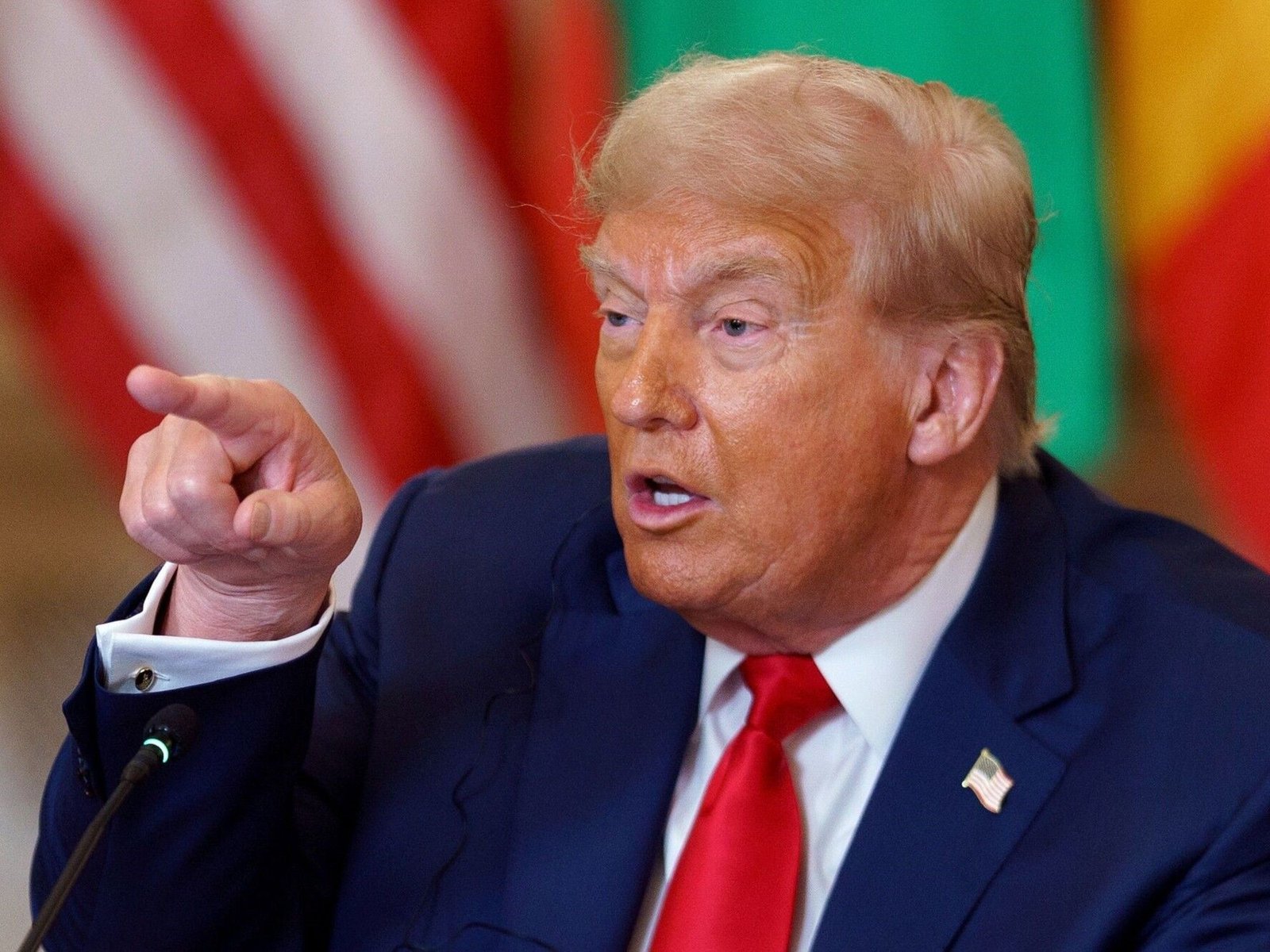
Advertencia del jefe de la Casa Blanca
 Los entonces presidentes Donald Trump y Jair Bolsonaro en enero de 2020, en una cena en Mar a-Lago, la residencia de verano del magnate en Florida. Foto: AP
 El respaldo a Jair Bolsonaro
 El ex presidente de Brasil, Jair Bolsonaro, ante la Corte Suprema, en el inicio del juicio por supuesto intento de golpe contra el gobierno de Lula da Silva. Foto: EFE
INTERNACIONAL
Japón afirmó que el fallo del Tribunal Supremo de EEUU contra los aranceles de Trump no afectará las inversiones en el país
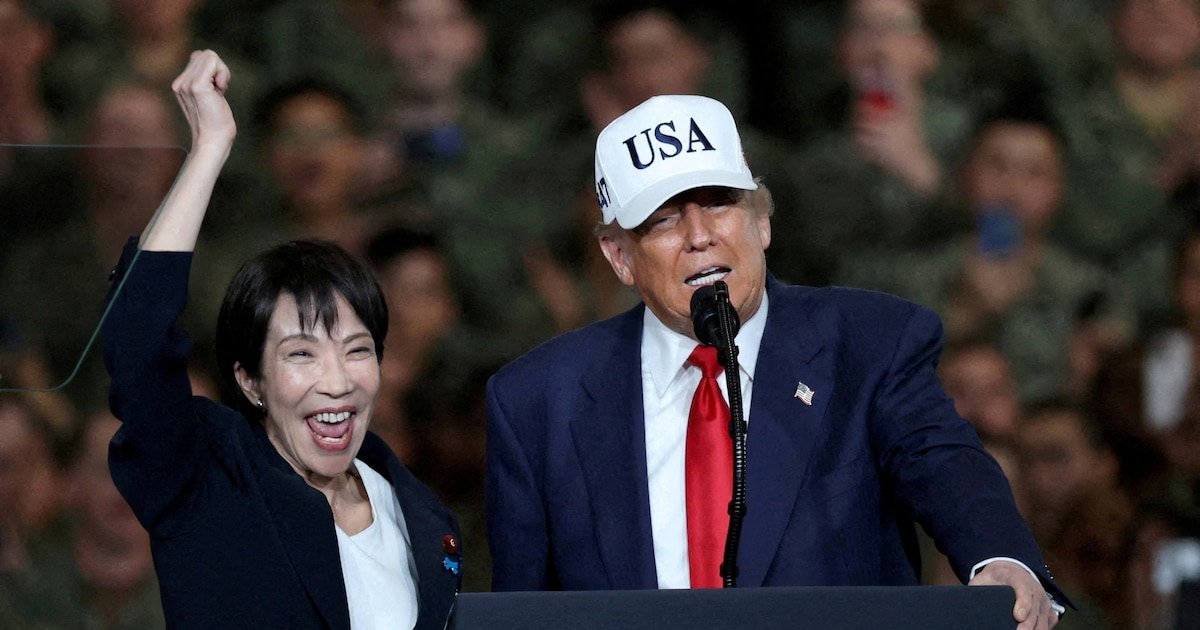
Japón indicó este sábado que el fallo del Tribunal Supremo de Estados Unidos contra los aranceles impuestos por el presidente de ese país, Donald Trump, no afectará a las primeras inversiones del marco comercial que contempla compromisos valorados en 550.000 millones de dólares, afirmó el diario económico Nikkei.
Una fuente gubernamental, cuya identidad no fue revelada por Nikkei, señaló que los primeros proyectos valorados en 36.000 millones de dólares anunciados el pasado martes por Trump serán mantenidos por ser “necesarios para el crecimiento y la seguridad económica de Japón”.
“Se espera que Trump continúe imponiendo tarifas por otros medios”, añadió una segunda fuente gubernamental citada por el diario económico.
Las inversiones niponas en suelo estadounidense incluyen un masivo proyecto de construcción de la mayor infraestructura de gas natural en el estado americano de Ohio (oeste del país), así como otros dos relacionados con los sectores del gas natural licuado (LNG) y los minerales críticos.
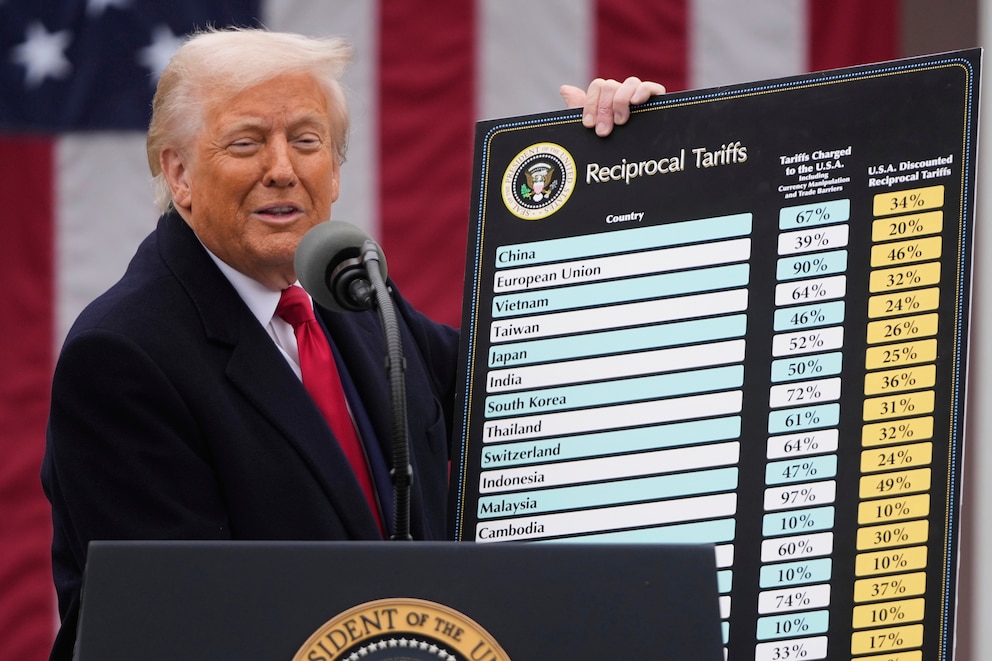
Estas inversiones forman parte del acuerdo comercial alcanzado el pasado julio entre Tokio y Washington, que incluye inversiones japonesas de hasta 80 billones de yenes (550.000 millones de dólares) así como la reducción del 25 % al 15% los aranceles recíprocos a productos japoneses, incluyendo automóviles.
Las declaraciones, a falta de una reacción oficial, llegan en medio de los planes de la primera ministra, Sanae Takaichi, de viajar a Estados Unidos el mes próximo para reunirse con Trump.
El fallo del Supremo estadounidense del viernes afecta a la tarifa global base del 10 % a las importaciones extranjeras y los llamados gravámenes “recíprocos” a los socios comerciales de la mayor economía del mundo.
La corte determinó que Trump excedió su autoridad al imponer tributos basados en la Ley de Poderes Económicos de Emergencia Internacional (IEEPA), bloqueando así la herramienta clave con la que Washington buscaba implementar su agenda económica.
El Gobierno taiwanés, por su parte, consideró que el nuevo arancel global del 10 % anunciado por Trump, tendrá un “impacto limitado” en la isla, que firmó recientemente un acuerdo comercial con Washington.
El arancel fue anunciado después de que el Supremo bloqueara el viernes los aranceles previamente aplicados a socios comerciales, incluida Taiwán, al amparo de la Ley de Poderes Económicos de Emergencia Internacional (IEEPA).
La ley en la que se basó Trump para esta nueva orden ejecutiva solo permite incrementar aranceles hasta un 15 % y por períodos de 150 días, por lo que no está claro cómo se articulará a largo plazo.
La portavoz del Yuan Ejecutivo (Gobierno), Michelle Lee, señaló que Taipéi seguirá “de cerca” la evolución de la política arancelaria estadounidense y mantendrá una comunicación estrecha con Washington para comprender las medidas específicas y responder “de manera oportuna”.
“Independientemente de cómo evolucionen las políticas arancelarias posteriores de la administración Trump en respuesta a la decisión del Supremo, el objetivo central del Gobierno es seguir esforzándose por lograr los mayores beneficios nacionales e industriales y garantizar el desarrollo estable de la economía de Taiwán”, afirmó Lee, citada por la agencia isleña CNA.

Este mes, Taiwán y Estados Unidos firmaron un acuerdo comercial que reducía del 20 % al 15 % los aranceles aplicados a la isla por Washington. No obstante, tras el fallo del Supremo, está por ver cómo afectará la decisión judicial a ese entendimiento bilateral.
Lee indicó que productos que representaron el 76 % de las exportaciones taiwanesas a Estados Unidos en 2024 están sujetos a la Sección 232 de la Ley de Expansión Comercial de 1962, cuyas investigaciones han concluido o siguen en curso.
Según la portavoz, el equipo negociador taiwanés logró en el acuerdo recientemente firmado un trato de “nación más favorecida” respecto a esos aranceles, lo que contribuiría a reducir el impacto en sectores afectados y a mitigar la incertidumbre para la cadena de suministro tecnológica ante posibles futuros gravámenes sobre semiconductores y productos relacionados.
El acuerdo incluía además el compromiso de Taipéi de eliminar o reducir el 99 % de sus barreras arancelarias a importaciones industriales y agrícolas estadounidenses, según la Oficina del Representante Comercial de EEUU.
Desde su regreso a la Casa Blanca, Trump y su gabinete han insistido en la necesidad de “traer de vuelta” la producción de semiconductores a EE.UU., un país que durante años dependió de fabricantes extranjeros y de cadenas de suministro globales frágiles.
Sin embargo, los expertos consideran que replicar la capacidad de fabricación de Taiwán no será sencillo, dado que cuenta con décadas de experiencia, una mano de obra altamente especializada y un ecosistema completo de proveedores y logística que permite mantener elevados niveles de eficiencia.
Varios países y regiones de Asia respondieron este sábado al fallo del Tribunal Supremo de Estados Unidos que invalida la mayoría de los aranceles impuestos por la Administración del presidente Donald Trump desde el pasado abril, así como a la nueva tasa global del 10 % que el mandatario firmó como respuesta a la resolución.
Las reacciones se producen después de que la Corte Suprema estadounidense determinase este viernes, con una clara mayoría de 6-3, que el Gobierno de Trump se extralimitó en los poderes invocados para imponer gran parte de sus gravámenes a sus socios comerciales.
Como respuesta a la resolución, que invalida los llamados “aranceles recíprocos” y otros gravámenes generalizados impuestos por Trump, con un tipo mínimo del 10 %, el mandatario firmó un arancel global del 10 % sobre todos los países.
La ley que soporta esta nueva orden ejecutiva solo permite incrementar aranceles hasta un 15 % y por períodos de 150 días, por lo que no está claro cómo se articulará a largo plazo.
Corea del Sur afirmó que su acuerdo comercial con Washington, que contempla compromisos como una inversión surcoreana de 350.000 millones de dólares, y aranceles del 15 % por parte de Washington, sigue intacto.
Las autoridades surcoreanas convocaron una reunión de emergencia –según la agencia de noticias Yonhap– para evaluar el impacto de la invalidación de tasas.
Hong Kong consideran que el arancel global del 10 % anunciado por Trump tendrá un “impacto limitado” en sus economías.
El secretario de Servicios Financieros y del Tesoro de Hong Kong, Christopher Hui, afirmó que la estructura económica del centro financiero, fuertemente centrada en el sector servicios, reduce de forma significativa su exposición directa a las tensiones comerciales internacionales.

Indonesia, que el jueves firmó un acuerdo comercial con EEUU, indicó que mantendrá “nuevas conversaciones” con Washington ante “las dinámicas que están ocurriendo”.
El portavoz del Ministerio de Asuntos Económicos de la principal economía del Sudeste Asiático, Haryo Limanseto, dijo que “sigue dependiendo de la decisión de ambas partes” la continuidad del pacto, que mantiene en el 19 % los aranceles de Washington a Yakarta, excepto para determinados productos textiles y agrícolas exentos de gravámenes, entre ellos el aceite de palma.
El acuerdo también incluye compras de productos estadounidenses valoradas en 33.000 millones de dólares por parte de Indonesia y cooperación en minerales críticos y tierras raras, en un contexto marcado por esfuerzos globales para reducir la dependencia en esta materia hacia China.
Malasia aseguró que “continuará diversificando sus relaciones comerciales y fortaleciendo la cooperación económica regional y multilateral” pese al fallo que invalida gran parte de los aranceles de Trump.
Washington y Kuala Lumpur firmaron en octubre un acuerdo comercial que contempla tasas del 19 % para los productos malasios y permite a EE. UU. ampliar su acceso a las tierras raras del país asiático.
(Con información de EFE)
Asia / Pacific
INTERNACIONAL
Judge forces CA hospital to keep trans treatments for minors despite Trump funding threat
NEWYou can now listen to Fox News articles!
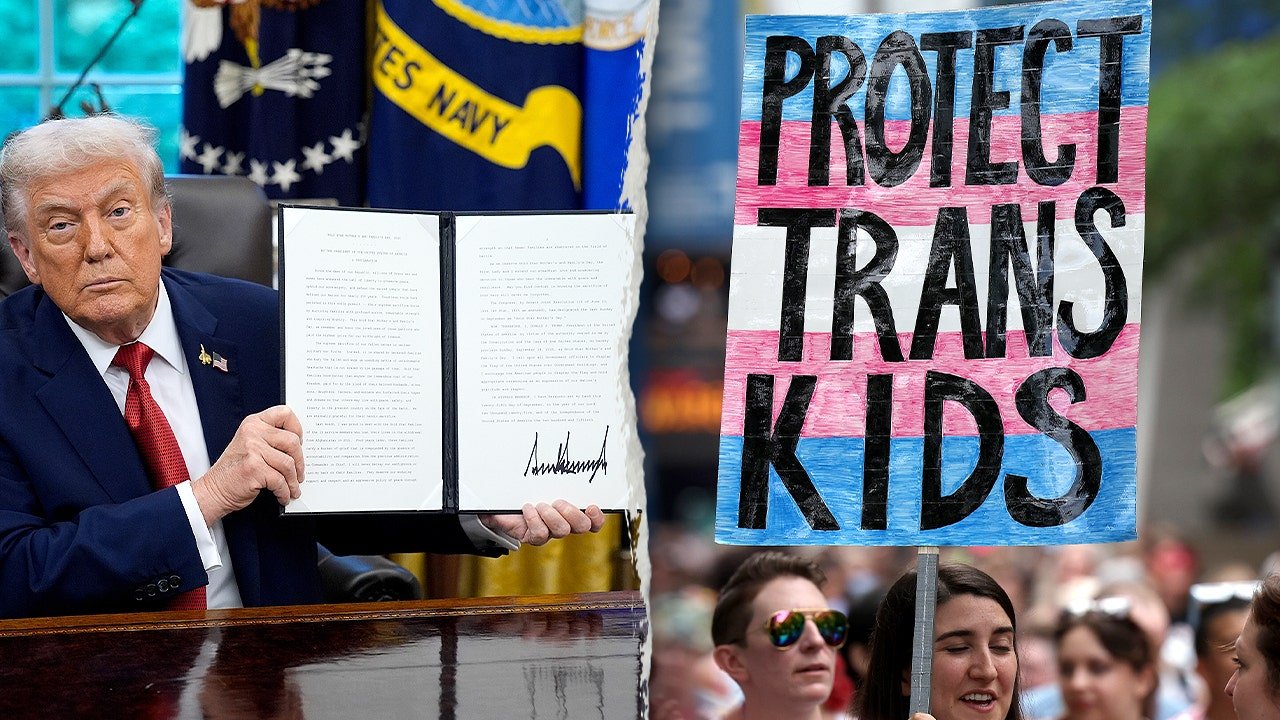
A California judge is requiring a San Diego children’s hospital to continue providing transgender treatments to minors for now, extending a temporary restraining order as hospitals in California and New York take sharply different approaches to President Donald Trump’s executive order threatening to pull federal funding.
San Diego Superior Court Judge Matthew Braner agreed last week to extend a temporary restraining order by 15 days, allowing Rady Children’s Health to continue providing hormone therapy and puberty blockers to minors despite the Trump administration’s efforts to ban such treatments and fears of losing federal funds.
The judge’s order comes as a New York City hospital announced this week it is ending its Transgender Youth Health Program in part due to the «current regulatory environment» — a result of Trump’s executive order aimed at banning transgender medical procedures for minors.
FLORIDA EXECS SENTENCED IN $233M OBAMACARE FRAUD THAT TARGETED HOMELESS, HURRICANE VICTIMS
President Donald Trump speaks to the media after signing executive orders in the Oval Office. (Chip Somodevilla/Getty Images)
At issue is Trump’s executive order, signed shortly after he took office, that seeks to end transgender treatment for minors. In December, the Health and Human Services Department proposed a new rule that would strip federal Medicare and Medicaid funding for hospitals that provide «sex‑rejecting procedures» for children under the age of 18.
NYU Langone Health, one of New York City’s largest hospital networks, said the change was due to what hospital officials cited as the «current regulatory environment.»
Meanwhile, lawyers for the San Diego hospital argued in court that continuing the treatments for minors, even temporarily, could expose it to immediate risk and threaten its Medicaid and Medicare funding — a critical revenue source given Rady’s status as Southern California’s largest children’s health care provider.
Braner acknowledged after hearing from both parties that Rady and other hospitals likely feel caught «between a rock and a hard place» amid heightened scrutiny from the Trump administration.
Still, he said concerns about losing funding could be quickly addressed if that scenario unfolds. «We’ll clear our calendar, and we’ll have a hearing within 24 hours of any notice» from HHS, he said, according to local news outlets.
100 DAYS OF INJUNCTIONS, TRIALS AND ‘TEFLON DON’: TRUMP SECOND TERM MEETS ITS BIGGEST TESTS IN COURT
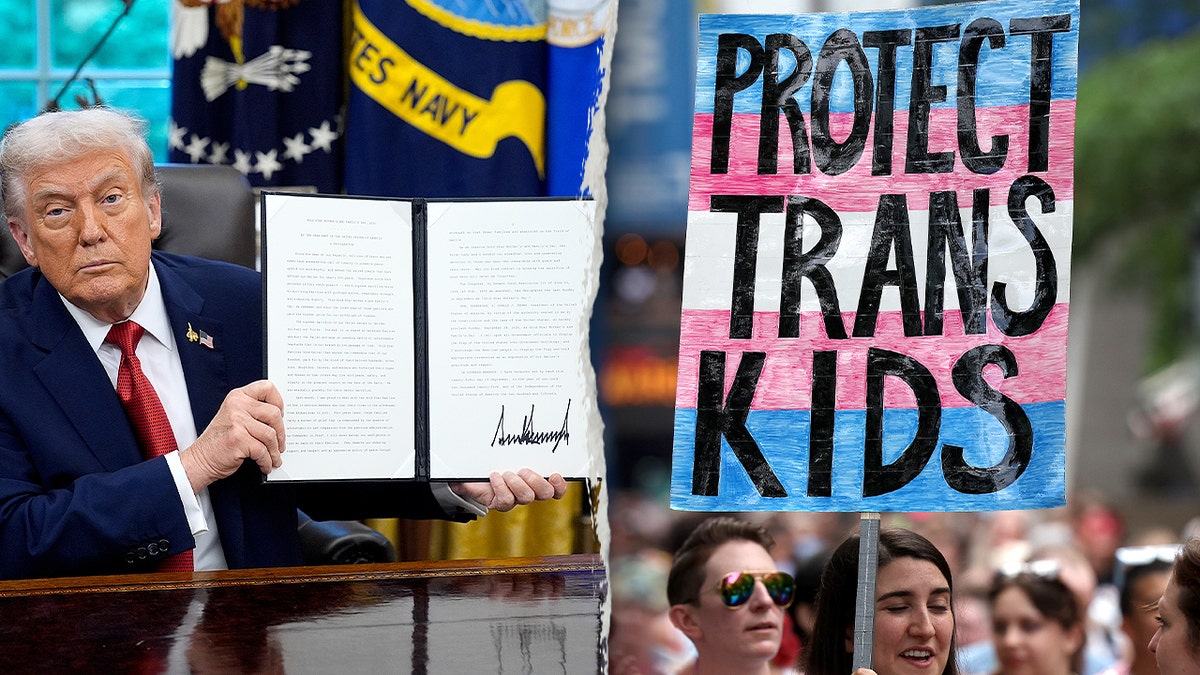
Trump and protesters advocating on behalf of transgender treatments for minors are seen in this split imge. (Getty Images)
The reassurances from the judge, whose extension is slated to last through March 15, did little to assuage Rady’s lawyers, who cited the risks of noncompliance and told the judge that even in a short window, continuing the treatments could pose a «catastrophic risk.»
The legal back-and-forth comes as more than 40 hospitals in the U.S. have so far restricted such treatments for minors, in compliance with the administration’s guidance, according to data compiled by STAT News earlier this month.
«Given the recent departure of our medical director, coupled with the current regulatory environment, we made the difficult decision to discontinue our Transgender Youth Health Program,» NYU Langone officials said in a statement this week announcing the hospital was ending transgender treatment for minors.
CLICK HERE TO GET THE FOX NEWS APP
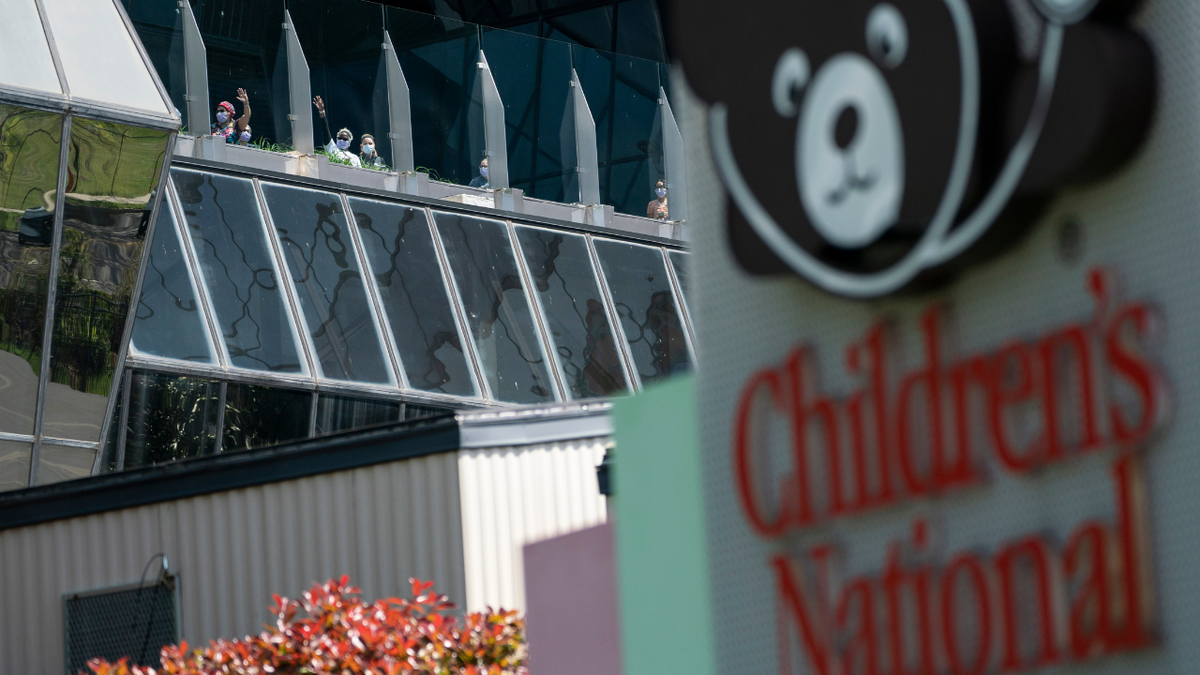
Hospital staff from Children’s National Hospital watch as the U.S. Navy Blue Angels and U.S. Airforce Thunderbirds fly over the D.C. area on May 2, 2020 in Washington, DC. (Photo by Sarah Silbiger/Getty Images)
«We are committed to helping patients in our care manage this change. This does not impact our pediatric mental health care programs, which will continue,» the hospital said.
Officials at Rady in San Diego previously announced the hospital would also stop treatments for minors in accordance with the Trump administration’s guidance. The announcement prompted California Attorney General Rob Bonta to file a lawsuit earlier this year.
donald trump,politics,supreme court,federal courts,health,crime world,us
INTERNACIONAL
Potential US military strikes on Iran could target specific individuals, pursue regime change: report
NEWYou can now listen to Fox News articles!
Potential U.S. military strikes on Iran could target specific individuals and even pursue regime change, a report said.
Two U.S. officials who spoke to Reuters on condition of anonymity reportedly said those are options that have emerged in the planning stage, if ordered by President Donald Trump. They did not say which individuals could be targeted, but Trump, notably, in 2020 ordered the U.S. military attack that killed Iranian Gen. Qassem Soleimani, the head of the Islamic Revolutionary Guard Corps’ elite Quds Force.
Fox News Digital has reached out to the White House and the Department of War for comment.
Trump already said Friday that he is «considering» a limited military strike on Iran to pressure its leaders into a deal over its nuclear program, when asked by a reporter at the White House.
BUILT FOR WEEKS OF WAR: INSIDE THE FIREPOWER THE US HAS POSITIONED IN THE MIDDLE EAST
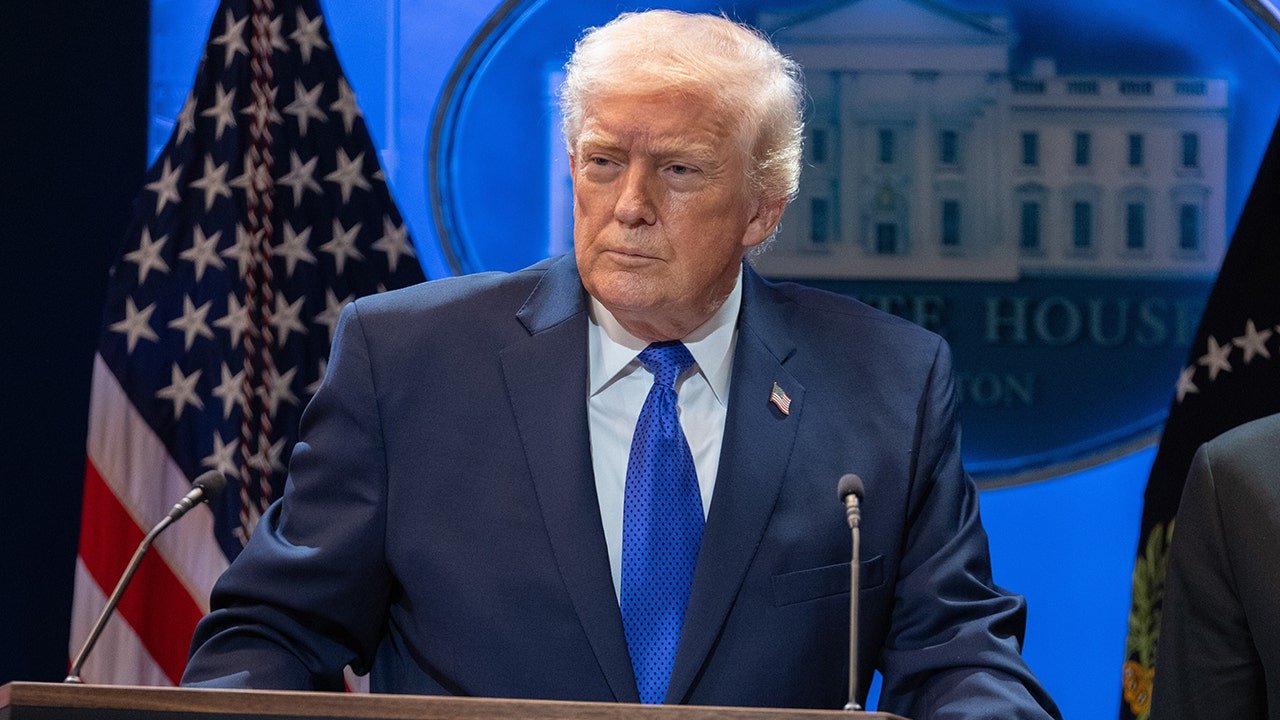
President Donald Trump speaks during a press briefing at the White House, on Friday, Feb. 20, 2026, in Washington. Trump said Friday he is «considering» a limited military strike on Iran. (Allison Robbert/AP)
Last week, when questioned if he wanted regime change in Iran, the president said, «Well it seems like that would be the best thing that could happen.»
Trump on Thursday suggested the window for a breakthrough is narrowing in talks with Iran, indicating Tehran has no more than «10, 15 days, pretty much maximum» to reach an agreement.
«We’re either going to get a deal, or it’s going to be unfortunate for them,» he said.
TRUMP GIVES IRAN 10-DAY ULTIMATUM, BUT EXPERTS SIGNAL TALKS MAY BE BUYING TIME FOR STRIKE
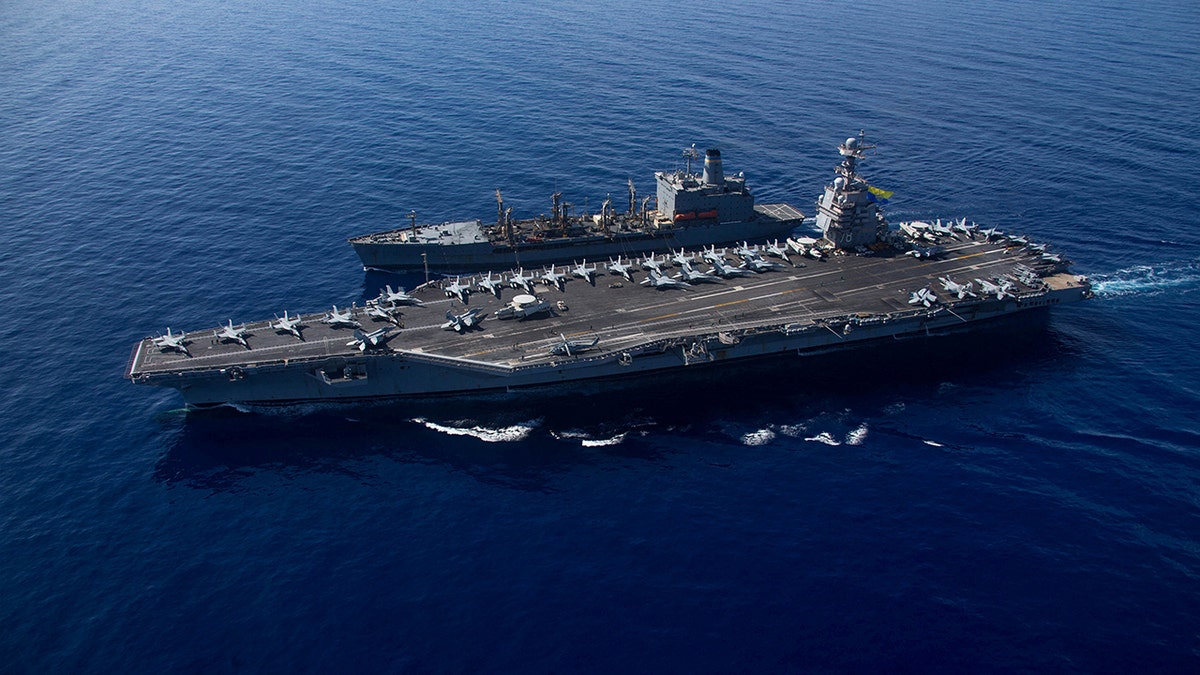
The USS Gerald R. Ford is heading to the Middle East as the U.S. is building up its military presence there, amid talks with Iran. (U.S Naval Forces Central Command / U.S. 6th Fleet / Handout via Reuters)
A Middle Eastern source with knowledge of the negotiations told Fox News Digital this week that Tehran understands how close the risk of war feels and is unlikely to deliberately provoke Trump at this stage.
However, the source said Iran cannot accept limitations on its short-range missile program, describing the issue as a firm red line set by Supreme Leader Ali Khamenei.
Iranian negotiators are not authorized to cross that boundary, and conceding on missiles would be viewed internally as equivalent to losing a war.
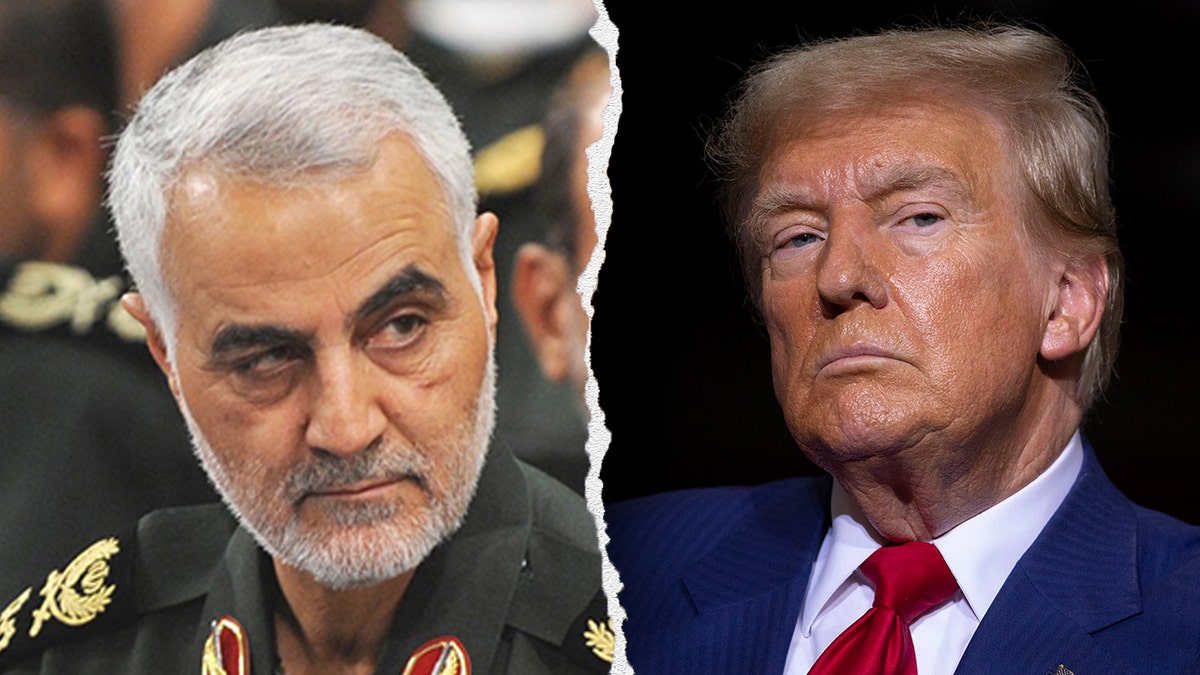
In 2020, the Pentagon said President Donald Trump ordered the U.S. military strike that killed Iranian Gen. Qassem Soleimani, left, in Iraq. (Getty Images)
CLICK HERE TO DOWNLOAD THE FOX NEWS APP
The source indicated there may be more flexibility about uranium enrichment parameters if sanctions relief is part of the equation.
Fox News’ Emma Bussey and Efrat Lachter contributed to this report.
iran,military,conflicts,middle east,world

Sorpresa en el fútbol argentino: Rosario Central anunció el regreso de Marco Ruben a más de 1 año de su retiro

El impactante regalo de 30 millones de pesos que recibió Benjamín Agüero por sus 17 años: «Gianinna Maradona y el Kun le regalaron un auto 0km»

Karina Milei supervisó todas las negociaciones con los empresarios cripto antes del escándalo $LIBRA

La CGT criticó a los gobernadores peronistas por apoyar la reforma laboral: “Traicionaron a los trabajadores”

Anses: cuánto cobrarán los jubilados que perciben la mínima en marzo 2026

Japón afirmó que el fallo del Tribunal Supremo de EEUU contra los aranceles de Trump no afectará las inversiones en el país

Reforma laboral bomba: menos indemnización, más horas y despidos más fáciles — el cambio que puede sacudir el empleo en Argentina

Ayuda Escolar Anual: a cuánto asciende, donde se tramita y quien puede cobrarla

Escándalo en MasterChef: una famosa abandonó a los gritos y acusando que está todo arreglado

Del himno peronista de Kelly Olmos al exabrupto de Agustina Propato: las perlitas del debate por la reforma laboral

 ECONOMIA3 días ago
Ayuda Escolar Anual: a cuánto asciende, donde se tramita y quien puede cobrarla
- CHIMENTOS2 días ago
Escándalo en MasterChef: una famosa abandonó a los gritos y acusando que está todo arreglado
- POLITICA2 días ago
Del himno peronista de Kelly Olmos al exabrupto de Agustina Propato: las perlitas del debate por la reforma laboral