INTERNACIONAL
Donald Trump dijo que la guerra en Irán está «prácticamente terminada»


INTERNACIONAL
Una madre le inventaba enfermedades a su hijo, lo obligaba a usar silla de ruedas y hasta lo sometió a cirugías innecesarias

La policía del condado de Tarrant, Texas, detuvo a Kaitlyn Rose Laura, una mujer de 31 años acusada de someter a su hijo de tres años a procedimientos médicos innecesarios, incluyendo la colocación quirúrgica de una sonda de alimentación que el menor no necesitaba.
La investigación, que se extendió entre 2022 y 2026, reveló un caso estremecedor de abuso infantil médico, conocido como Síndrome de Munchausen.
Según los documentos judiciales, Laura inventó síntomas y enfermedades para su hijo, como convulsiones, trastornos graves y hasta parálisis cerebral, que los médicos descartaron tras múltiples estudios.
Cómo se destapó el caso
El escándalo salió a la luz cuando el personal médico del Cook Children’s Medical Center alertó a las autoridades sobre la posibilidad de que el niño estuviera siendo víctima de abuso.
Según una declaración jurada de arresto obtenida por The Dallas Morning News , CBS News y NBC 5 Dallas–Fort Worth, Laura afirmó ante el equipo de gastroenterología del Cook Children’s Medical Center en Fort Worth que su hijo tenía “problemas para comer”.
Kaitlyn Rose Laura fue detenida y acusada de maltrato. (Foto: gentileza People).
Los profesionales notaron que, cuando el menor estuvo internado sin la presencia de su madre, pudo comer y beber normalmente, sin mostrar ninguno de los síntomas que Laura describía.
Además, intentó ponerse de pie mientras su madre insistía en que usara una silla de ruedas, según informó The Dallas Morning News .
A pesar de las advertencias, la mujer continuó buscando tratamientos innecesarios en otros hospitales. El calvario del niño incluyó la colocación de una nueva sonda y la insistencia de Laura en que necesitaba nutrición intravenosa y hasta cuidados paliativos.
Según The Dallas Morning News, el presunto maltrato médico del niño fue denunciado por primera vez a los Servicios de Protección Infantil en junio de 2025, después de que los médicos determinaran que las afecciones médicas que Laura afirmaba que tenía su hijo eran falsas o exageradas, y que sus tratamientos eran innecesarios. Kaitlyn Rose Laura sometió a su hijo a decenas de procedimientos inútiles. (Foto: gentileza El Heraldo).
Además, una maestra también denunció a la mujer en octubre de 2025. La educadora afirmó que el niño comía alimentos sólidos y “se desplazaba por el campus de forma independiente sin usar su andador ni su silla de ruedas”.
Finalmente, en febrero de 2026, el menor fue retirado de la custodia de su madre y trasladado a una familia de acogida, donde, según las autoridades, comenzó a recuperarse.
Las acusaciones y el trasfondo
Laura fue arrestada el 25 de marzo por el Departamento del Sheriff del condado de Tarrant y enfrenta cargos por lesiones graves a un menor. La fianza total fue de 125.000 dólares, que pagó para recuperar la libertad el 31 de marzo.
El sheriff Bill Waybourn calificó el caso como “un crimen horroroso” y aseguró que la mujer actuó de manera “malvada y tortuosa” con su hijo. “Ese bebé fue cortado, le pusieron tubos, le dieron drogas y narcóticos que no necesitaba”, sostuvo Waybourn, quien también confirmó que el niño “está floreciendo” con su nueva familia.
“Esta persona narcisista, que busca el placer de obtener compasión por tener un hijo frágil, es lo que vemos desarrollarse ante nuestros ojos”, dijo el sheriff sobre la mujer.
Además de los cargos por abuso, la investigación apunta a un posible fraude a Medicaid y a la existencia de al menos tres cuentas de GoFundMe creadas por Laura para recaudar dinero con las enfermedades inventadas de su hijo.
La policía solicita ahora a cualquier persona que haya donado fondos a Laura, o que haya intercambiado mensajes de texto con ella sobre la salud de su hijo, que se comunique
Qué es el Síndrome de Munchausen por poder
El Síndrome de Munchausen por poder —actualmente denominado Trastorno Facticio impuesto a otro— es una forma de abuso en la que un cuidador, generalmente un padre o madre, fabrica o provoca síntomas físicos o psicológicos en un menor para obtener atención, compasión o validación de médicos y la comunidad.
Este tipo de casos son difíciles de detectar porque el abusador suele mostrarse como un padre extremadamente dedicado y conocedor de temas médicos, lo que puede llevar a que el sistema judicial y sanitario pase por alto el abuso durante años.
Entre las señales de alerta, los investigadores destacan la creación de múltiples campañas de recaudación de fondos en línea y la insistencia en tratamientos médicos complejos sin justificación clínica.
Estados Unidos
INTERNACIONAL
US embassies in Bahrain, Egypt issue warnings as Iran threatens universities across Middle East

NEWYou can now listen to Fox News articles!
The U.S. Embassy in Bahrain told American citizens in the country to shelter in place on Tuesday, as the embassy in Egypt issued its own caution to Americans amid threats that Iran and its terror proxies may try to target American universities across the Middle East.
The embassy in Manama directed all U.S. government employees, along with all other Americans in the country, to shelter in a secure structure and stay away from windows until further notice.
«Iran and its aligned terrorist militias may intend to target American universities in Bahrain,» the embassy said. «Iran has specifically threatened American universities across the Middle East.»
The embassy provided instructions to those Americans who wish to leave the Middle East.
TRUMP WARNS ‘WHOLE CIVILIZATION WILL DIE TONIGHT,’ AS IRANIAN OFFICIAL URGES HUMAN CHAINS AROUND POWER PLANTS
A general view shows people crowding the Central Market for shopping during the final days of Ramadan in Manama, Bahrain, on March 18, 2026. (Ayman Yaqoob/Anadolu via Getty Images)
«If you want to leave the Middle East, the U.S. government is ready to assist by providing you the latest information about the departure options available,» it said.

A view of damage in Manama, Bahrain, after a kamikaze drone strike during Iran’s retaliatory attack on March 1, 2026. (Stringer/Anadolu/via Getty Images)
For those who wish to remain and shelter in place, the embassy reminded them to have a supply of food, water, medications and other essential items.
VANCE SAYS IRAN HAS ‘2 PATHWAYS’ AS 12-HOUR DEADLINE LOOMS, PRAYS US ON ‘GOD’S SIDE’ IN NIXING NUCLEAR THREAT
«We urge all Americans to remain vigilant, follow local authorities’ instructions, and review the latest guidance from the U.S. Embassy or Consulate,» the embassy said.

The headquarters of the U.S. 5th Fleet in Manama, Bahrain. (Petty Officer 2nd Class Adelola Tinubu/U.S. Naval Forces Central Command/U.S. 5th Fleet )
Meanwhile, the U.S. Embassy in Cairo advised U.S. citizens to closely monitor the news for regional developments.
CLICK HERE TO DOWNLOAD THE FOX NEWS APP
«Egyptian authorities generally offer effective security protection,» the embassy said. «However, extremists and Iranian-aligned actors have expressed interest in planning and carrying out attacks in the region. Iran and its aligned terrorist militias may intend to target universities in the Middle East. Iran has specifically threatened American universities across the Middle East.
middle east, war with iran, iran, world
INTERNACIONAL
Vance says Iran has ‘2 pathways’ as 12-hour deadline looms, prays US on ‘God’s side’ in nixing nuclear threat

NEWYou can now listen to Fox News articles!
Vice President JD Vance said that Iran has «two pathways» it can take regarding the conclusion of the war as President Donald Trump’s 12-hour deadline is looming Tuesday for the regime to reopen the Strait of Hormuz or face strikes on its power plants and bridges.
Vance, speaking in Hungary, also said he is praying that the United States is on «God’s side» in its pursuit to prevent Iran from obtaining a nuclear weapon.
«There are two pathways that this thing is ultimately going to end. First of all, the United States has largely accomplished its military objectives,» Vance said. «There are still some things that we’d like to do, for example, on Iranian ability to manufacture weapons, that we’d like to do a little bit more work on militarily. But fundamentally, the military objectives of the United States have been completed.»
«I think there really are two pathways, and I’m oversimplifying this a little bit, but I think pathway one is where the Iranians decide they’re going to be a normal country. They’re not going to fund terrorism anymore. They’re going to be part of the world system of commerce and exchange,» Vance continued. «And that’s going to mean much better things for them economically. It’s going to mean better things for the peace and safety of the world. It’s going to mean a lot of good things for a lot of people all over the planet. That’s option A.»
LIVE UPDATES: TRUMP DEADLINE FOR IRAN TICKS CLOSER AS ISLAMIC REPUBLIC REJECTS TEMPORARY CEASEFIRE
Vice President JD Vance holds a joint press conference with Hungarian Prime Minister Viktor Orban in Budapest, Hungary, on Tuesday, April 7, 2026. (Jonathan Ernst/AP)
«Option B is that the Iranians don’t come to the table and they stay committed to terrorism, to terrorizing their neighbors, not just Israel but of course their Arab neighbors too. Then the economic situation in Iran is going to continue to be very, very bad. And frankly, it will probably get worse,» the vice president said.
«The president also has been very clear that while the Iranians are trying to exact as much economic cost through the Strait of Hormuz, the United States has the ability to extract much greater economic costs on Iran than Iran has an ability to extract costs on us or on our friends in the world,» Vance also said. «So I hope that they’re smart. The president has set a deadline for about 12 hours from now, and the United States, we’re going to find out. But there’s going to be a lot of negotiation between now and then, and I’m hopeful that it gets to a good resolution.»
HEGSETH TIES IRAN RESCUE TO EASTER STORY AND JESUS CHRIST: ‘A PILOT REBORN’

U.S. Air Force A-10 Thunderbolt II attack aircraft «have been used to strike Iranian naval vessels during Operation Epic Fury,» CENTCOM said Wednesday, March 25, 2026. (U.S. Central Command)
Vance told reporters Tuesday that his attitude toward military conflict has been to pray that «we are on God’s side.»
«We’re doing this because we don’t want a regime that has committed acts of terrorism to have the world’s most dangerous weapon. Because that would mean a lot of innocent people dead,» Vance said about the war. «I certainly hope that God agrees with the decision that Iran shouldn’t have a nuclear weapon, but I’ll keep praying about it.»
Vance also accused Iran of unleashing «acts of economic terrorism» that are obstructing the free flow of gas and oil around the world.
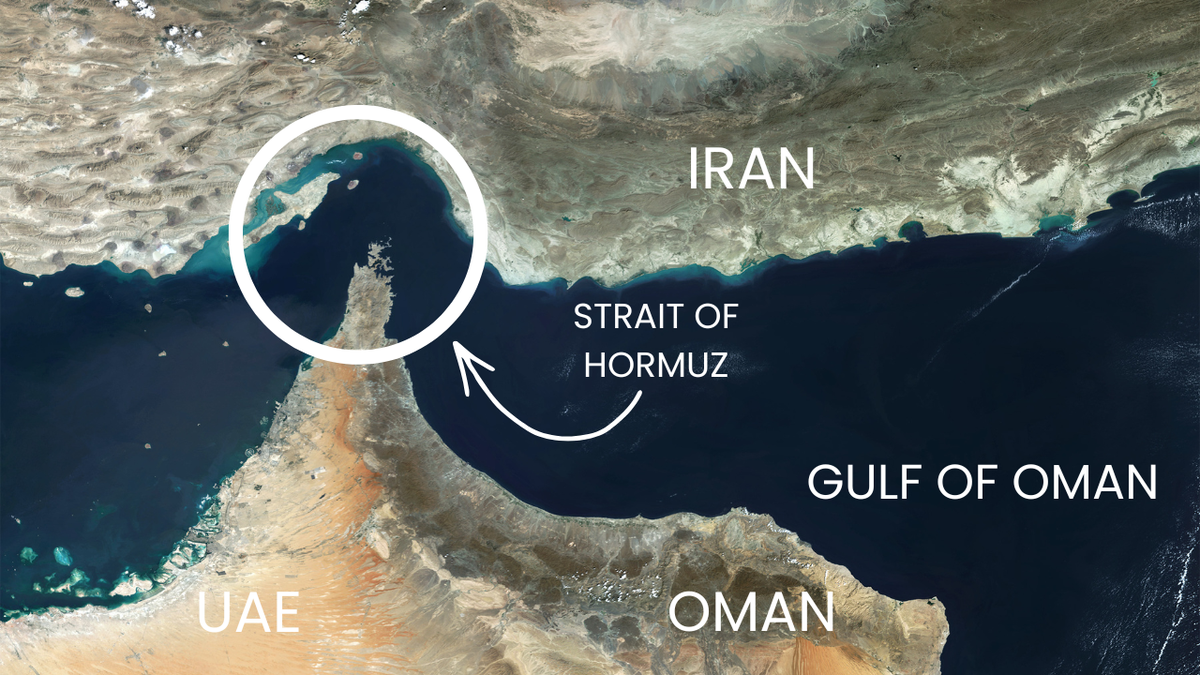
A satellite image shows the Strait of Hormuz, a key maritime passage connecting the Persian Gulf to the Gulf of Oman, vital for global energy supply. (Amanda Macias/Fox News Digital)
«So they’ve got to know, we’ve got tools in our toolkit that we so far haven’t decided to use. The president of the United States can decide to use them, and he will decide to use them if the Iranians don’t change their course of conduct,» he warned.
CLICK HERE TO GET THE FOX NEWS APP
Vance also confirmed Tuesday that «we were going to strike some military targets on Kharg Island» and «I believe we have done so.»
middle east, nuclear proliferation, war with iran, iran, jd vance

Gobernadores mineros salen a blindar los votos y el oficialismo buscará dictaminar la Ley de Glaciares
Jefferies anticipa en un informe que la fusión de Puig con Estée Lauder «se acerca» Por EFE

La muerte de Nisman: la exfiscal Fein pidió ampliar su indagatoria para responder al pedido de procesamiento en su contra

Localizan a Afan Cizmic, el héroe inesperado de Bosnia que descolocó a Donnarumma y podría ir al Mundial

Milei se mostrará otra vez en un acto con Adorni en un nuevo gesto de apoyo ante el avance de las causas judiciales

Todo lo que te hayan podido contar del nuevo exclusivo de PS5 se queda corto. Ya he jugado 3 horas a Saros

La nueva advertencia de Donald Trump a Irán: «El tiempo se acaba, quedan 48 horas antes del infierno»

Círculo rojo: intrigas en el gabinete, desgaste por el caso Adorni y movimientos inquietantes en el Poder Judicial

Caputo habló sobre los créditos del Banco Nación que tomaron sus funcionarios: “No hay nada ilegal ni inmoral”

Créditos del Banco Nación: el Gobierno reveló que Pettovello echó a Massaccesi porque “mintió”

 INTERNACIONAL3 días ago
La nueva advertencia de Donald Trump a Irán: «El tiempo se acaba, quedan 48 horas antes del infierno»
- POLITICA2 días ago
Círculo rojo: intrigas en el gabinete, desgaste por el caso Adorni y movimientos inquietantes en el Poder Judicial
- ECONOMIA1 día ago
Caputo habló sobre los créditos del Banco Nación que tomaron sus funcionarios: “No hay nada ilegal ni inmoral”