INTERNACIONAL
Eduardo Halfon tras su historia de falsos nazis: “Se puede vivir sin patria, hay un vacío, pero te motiva”


No era fácil lo que Eduardo Halfon tenía para contar, no era lindo, no era edificante y, tal vez, incluso le daba un poco de miedo. Pero lo contó, lo contó casi casi casi como pasó, lo hizo en un libro al que llamó Tarántula, con el que ganó uno de los premios más prestigiosos del mundo, el Médicis.

Tarántula
Audiolibro
Para decirlo brevemente: en el libro él tenía trece años, había nacido en Guatemala pero vivía en los Estados Unidos, hablaba un castellano castigado por esa migración y los padres lo mandaron a un campamento de chicos judíos. Para que sea un judío guatemalteco, le dicen al protagonista, que se llama -ejem- Eduardo. Y en el campamento pasan cosas.
Lo que pasa -estrictamente no es un spoiler, es lo que se sabe que va a pasar, pero si preferís no saberlo, ESTE ES EL MOMENTO DE ABANDONAR ESTA NOTA-, lo que pasa es que los primeros días todo son juegos y esas cosas de campamentos y una noche todo cambia de repente.

“Nos despertaron a gritos. Estábamos boca arriba en nuestros catres, dentro de la enorme carpa verde. Ninguno de los doce se atrevía a decir algo. Ninguno osaba moverse en su saco de dormir. Volví la cabeza hacia el catre de al lado. En la luz opaca de la madrugada encontré el rostro de mi hermano observándome de vuelta, preguntándome con la mirada qué estaba pasando allá fuera, qué significaban tantos gritos”.
Y los que gritan, eso es lo siniestro, no son unos enemigos llegados de afuera, no son extraterrestres. Son nazis o parecen nazis. Pero son los mismos instructores que ayer jugaban a la pelota, el mismo Samuel Blum que los cuidaba, “nuestro amigo y protector incondicional, pero ahora uniformado de negro y con un garrote en la mano y lanzando alaridos y órdenes que ningún niño ahí entendía”.
Se trata -pero ellos no lo saben- de un simulacro. Que sientan, que sientan el miedo de un campo de concentración. Que sientan el rigor.
Eso -una experiencia real- cuenta Halfon en Tarántula. El protagonista se muere de miedo pero termina en medio de la selva dialogando con unos guerrilleros indígenas que lo miran raro, le recorren el cuerpo con un machete y le preguntan si él es de los malos. Y, años más,tarde, cuando ya es adulto y es escritor, confrontando con Samuel Blum, que tendrá mucho que decir sobre la experiencia.

Hablamos de esto en Buenos Aires, ahora que Halfon vino a presentarse en la Feria del Libro, donde conversó con la periodista Hinde Pomeraniec. Ahora que vive en Berlín, el lugar donde estuvieron los nazis de verdad. Hablamos después de que él tuviera una reunión con jóvenes influencers del libro, que lo mimaron, le preguntaron, se sacaron fotos, le pidieron charlas. Está contento y así arrancamos.
-¿No sentiste que estabas contando algo que no hay que contar, un secreto?
-Siempre siento eso, ¿no? En Duelo lo sentí con la historia de Salomón, el hermano de mi padre, que era una historia prohibida. En Monasterio lo sentí con la boda de mi hermana. En El boxeador polaco con la historia de mi abuelo. En este caso, sentía que iba a haber muchos judíos a quienes no les iba a gustar que yo contara esto. Pero ¿sabes la reacción que he recibido de algunos judíos a quienes no les gustó? Lo que no les gustó es que contara de Bitajón, los grupos encargados de Seguridad en las comunidades. Como que revelara su secreto. Eso no gusta. Y cuando investigué no encontré casi nada.
-Hay dos momentos importantes, más allá de esa noche. La charla con los guerrilleros indígenas y la charla posterior con Samuel. ¿Estás hablando de dos costados de tu identidad?
-Siento que es una manera de acercarme a las dos partes de la identidad de las cuales más huyo. O sea, yo sigo fuera de Guatemala. Me alejan la inseguridad, la violencia, la pobreza. Es un país que me atrae y me expulsa al mismo tiempo. Es una cosa muy extraña, pero lo mismo te puedo decir del judaísmo. Yo me fui del judaísmo.

-¿Qué quiere decir que te fuiste del judaísmo?
-Me alejé. Me fui. Renuncié. No sé qué verbo usar, pero desde la adolescencia, después del bar-mitzvah empecé a alejarme. Le dije a mi familia que yo ya no iba a ir a ningún evento judío, que renunciaba a ser un judío practicante. Mi madre lloró dos años. Mi abuelo no entendía: imagínate decirle eso a un sobreviviente del Holocausto. No fue sino hasta que entré a la literatura, hasta que empecé a escribir, que empecé a buscar mi camino de vuelta hacia estos dos grandes temas, pero a buscarlo a través de la escritura, a través de historias. No el judaísmo como práctica y no el país de Guatemala para vivir, sino el judaísmo y Guatemala de mi memoria, de mi infancia.
-Es la materia prima de la que estás hecho, quieras o no.
-Estoy hecho de eso, estoy hecho de eso. Estoy construido sobre esas dos grandes columnas que yo sentía, por alguna razón, que tenía que destruir para volver a construir.
-¿Y cómo te fue con eso?
-Estoy en ello. Ahí sigo. Obviamente, no logro salir de eso porque sigo escribiendo sobre ello y sigo fuera de Guatemala.
-Te fuiste muy chico.
-Me fui a los diez años. Pero incluso antes de eso: ser judío en un país católico. Yo creo que los judíos argentinos no me pueden entender, porque son muchos. Yo no tenía amigos judíos, no había casi un posible noviazgo judío. Nada, nada. Todos mis amigos tenían casas católicas, celebraciones católicas, Primera Comunión.

-¿Y era importante la religión?
-Era súper importante para ellos. Todo giraba alrededor del catolicismo. ¿Y por qué en mi casa no? ¿Y por qué en Navidad no? No tenía aliados. Entonces en Guatemala existía Macabi. Era el único lugar donde los judíos nos juntábamos los sábados.
-Igual eran pocos.
-Poquísimos. Imagínate, cien familias, cien familias en todo el país. Eso sí, tres sinagogas.
-La otra charla importante es la que tenés con Samuel en Berlín.
-Para mí era importante que él hablara en el libro. Darle el micrófono y decir: “Bueno, explícate”. Y él me explica como lo haría un militar.
-Él tiene sus motivos. Mucha gente estaría de acuerdo.
-En teoría, usar elt teatro, usar la dramatización, la actuación con fines didácticos es válido. Lo que pasa es que se le fue la mano, ¿no? O sea, llevaron al extremo la idea de sentir que sucede en uncampo.
-¿Vos estabas realmente asustado?
-Absolutamente. Recuerdo las diferentes reacciones de los niños. Hubo algunos, como yo, que obedecimos inmediatamente por el miedo. Mi reacción fue agachar la cabeza y hacer todo lo que me decían que hiciera. Pero hubo niños que empezaron a pelear. Duro. Y entonces se dieron algunas trompadas con los monitores. Pero me impresionó como algunos reaccionaban con fuerza y otros con obediencia.
-Un poco de eso se trataba, creo. De pensar qué hubieras hecho en ese lugar.
-Creo que parte de ellos quería instigar a la rebelión. Y también ver qué pasta tenía cada uno.
-Cómo es eso de vivir en Alemania? Finalmente…
-Dicen que somos como 6.000, 8000. Nuevos. De los viejos ya no hay. Llegan israelíes que se van a vivir a la tierra de sus abuelos.
-Yo estuve en Frankfurt, en Berlín, todo bien. Y el día en que me subí a un tren… me dio algo. ¿Vos, que pensás en la identidad, cómo te sentís?
-Dos cosas importantes: Yo soy un huraño, un ermitaño. Vivo en las afueras de Berlín, cerca del bosque donde Hitler anunció su solución final. La conferencia de Wannsee fue a un kilómetro de casa. Un bosque precioso. Pero no me junto con gente, no tengo amigos. No hablo el idioma, no hablo alemán. Llevamos cinco años allá.
-¿Y cómo vivís?
-En inglés
-¿Y por qué vivís ahí, otra vez como afuera?
-El primer año fue por una beca y luego cada año decidimos quedarnos un año más y un año más. Es el colegio de mi hijo, que es muy bueno. Y porque encontramos esta casita en un bosque.
-Es como una continuidad del desarraigo. Tu abuelo cayó en Guatemala de casualidad, se fueron a Miami, vos te vas a Alemania pero no a quedarte… y escribís sobre la identidad…
-Tengo el privilegio de poder decidir quedarme en Berlín, donde a mi hijo lo están llevando todas las semanas a la ópera y a la sinfónica y a los parques. Y en Guatemala están sus abuelos, ahí están sus tíos. Entonces vamos todos los veranos y el niño se la pasa bomba. Pero ¿sabes qué pasa? Que ahora le estoy heredando a mi hijo esta misma forma de vivir. Desarraigados, sin una tierra propia. Mi hijo ha vivido en cuatro países en ocho años. Habla cuatro idiomas.
-¿Y se puede vivir sin patria?
-Se puede. Hay un vacío, porque lo hay. Pero ese vacío también te motiva a otras cosas, te mueve a buscar otras cosas, a vivir de otra manera, a ser un extranjero permanente.
-¿Y cómo es ser un extranjero permante?
-Es vivir desde afuera, ver desde afuera. ¿Yo creo que para escribir también es importante esa distancia, ¿no?
*Eduardo Halfon terminará sus presentaciones en la Argentina este martes 6 con una conversación con Julián Gorodischer en el marco de la Maestría de Escritura Creativa de la UNTREF. Maipú 71. Actividad organizada por Fundación Medifé.
Eduardo Halfon Tenenbaum (Ciudad de Guatemala, 1971) es un escritor y profesor guatemalteco cuya obra explora temas de identidad, memoria y desplazamiento.
♦ Nacido en una familia de origen judío polaco y árabe, emigró a Estados Unidos a los diez años. Este traslado marcó profundamente su literatura, centrada en la búsqueda de raíces y comprensión de la identidad.
♦ Estudió Ingeniería Industrial en la Universidad Estatal de Carolina del Norte y posteriormente enseñó literatura en la Universidad Francisco Marroquín de Guatemala durante ocho años.
♦ Su carrera literaria comenzó en 2003 con Esto no es una pipa, Saturno.
♦ Ha publicado alrededor de veinte obras, incluyendo El boxeador polaco.
♦ Sus libros han sido traducidos a múltiples idiomas, como inglés, francés, alemán, portugués, japonés, croata y noruego.
♦ Reconocido en 2007 como uno de los 39 mejores jóvenes escritores latinoamericanos por el Hay Festival de Bogotá.
♦ Ha recibido diversos premios, entre ellos la beca Guggenheim (2011), el Premio Roger Caillois de Literatura Latinoamericana en Francia (2015), el Premio Nacional de Literatura de Guatemala (2018) y el premio Médicis en Francia por su novela Tarántula.
–
horizontal








INTERNACIONAL
Rubio defends US operation in Venezuela, calls out reporter for trying to start a fight
NEWYou can now listen to Fox News articles!
Secretary of State Marco Rubio defended the U.S. capture of former Venezuelan President Nicolas Maduro on Sunday, going on to call out a reporter for supposedly trying to stir up tension during a press conference.
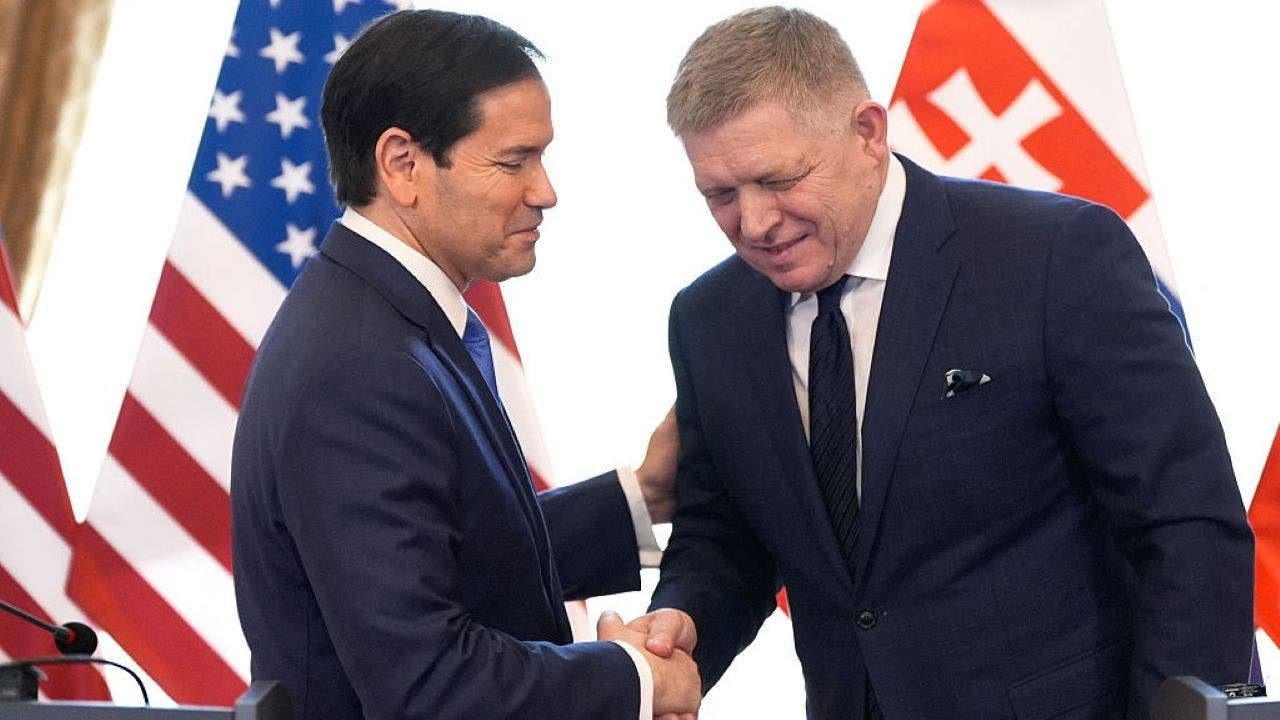
Rubio made the statement during a joint appearance with Slovakian Prime Minister Robert Fico. A reporter referenced Fico’s previous criticism of the U.S. operation against Maduro and asked whether he stood by it, leading Rubio to address the issue first while he was answering other questions from the same reporter.
«I think you asked him a question in order to, like, see if you can get him against us, or something… A lot of countries didn’t like what we did in Venezuela. That’s okay. That was in our national interest,» Rubio said.
«I’m sure there’s something you may do one day that we don’t like, and we’ll say we didn’t like that you did this,» Rubio continued, while turning to Fico. «So what? That doesn’t mean we’re not going to be friends, we’re not going to be partners,» Rubio said.
TRUMP ANNOUNCES VENEZUELA TURNING OVER MILLIONS OF BARRELS OF OIL TO US GOVERNMENT ‘IMMEDIATELY’
US Secretary of State Marco Rubio (L) and Slovakia’s Prime Minister Robert Fico shake hands at the end of a joint press conference in Bratislava, Slovakia, on February 15, 2026. (Photo by Alex Brandon / POOL / AFP via Getty Images)
«We have very close allies that didn’t like what we did in that regard. I can tell you what, it was successful. It was necessary, because the guy was a narco-terrorist, and we made him a bunch of offers,» the secretary continued.
«And look what’s happened in Venezuela in the six weeks since he’s been gone,» Rubio said acknowledging that the country still has «a long way to go.»
«There’s still much work that needs to be done, but I can tell you Venezuela is much better off today than it was six weeks ago. So we’re very proud of that project. And I know some will disagree … I think everyone can now agree that Venezuela has an opportunity at a new future that wasn’t there six weeks ago,» he added.
Rubio’s statement comes days after President Donald Trump recounted the military’s strength during the operation to capture Maduro. Trump, speaking in Fort Bragg, North Carolina, honored U.S. special forces and their families for their roles in the operation.
STATE DEPT CONFIRMS ‘LIMITED NUMBER’ OF PERSONNEL IN CARACAS WORKING TO RESUME VENEZUELA DIPLOMATIC RELATIONS
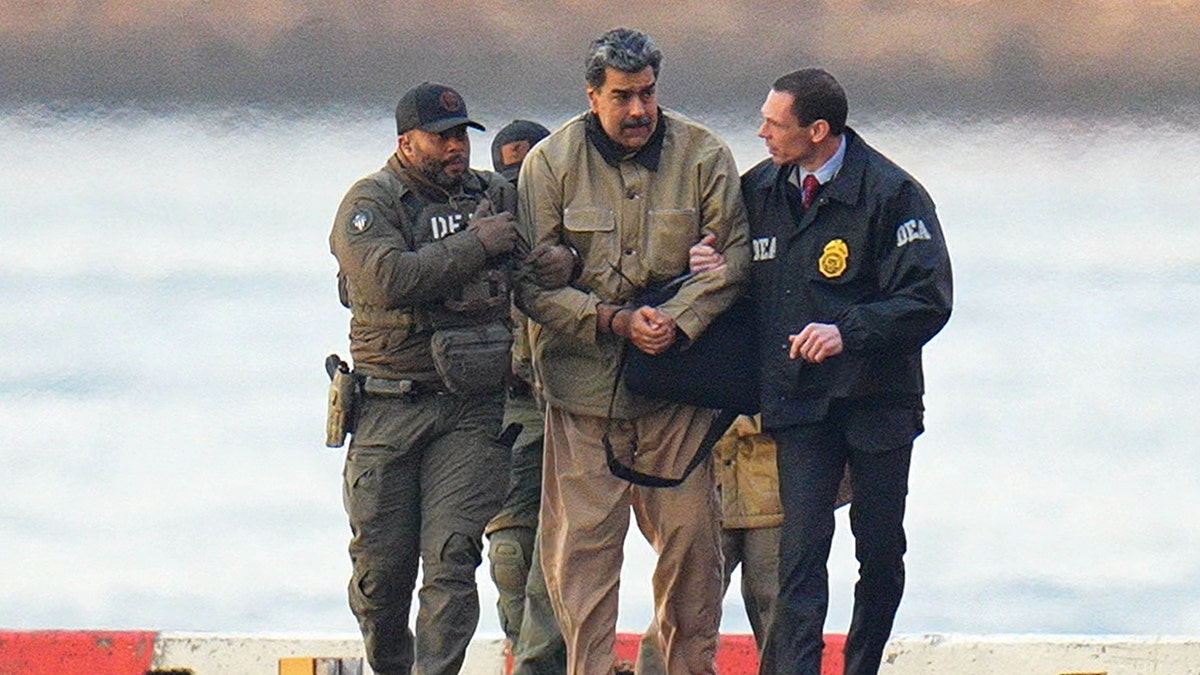
Nicolas Maduro is seen in handcuffs after landing at a Manhattan helipad, escorted by heavily armed federal agents as they make their way into an armored car en route to a Federal courthouse in Manhattan on January 5, 2026 in New York City. (XNY/Star Max/GC Images via Getty Images)
«It was in a matter of minutes before (Maduro) was on a helicopter being taken out of there. They had to go through steel doors,» Trump said Friday afternoon. «The steels were like it was like paper-maché. You know what paper-maché is? That’s weak paper.»
U.S. special operations forces carried out the successful capture of Maduro and his wife on sweeping narcotics charges. Trump celebrated that there wasn’t single U.S. casualty during the operation, despite Maduro being housed on a heavily-armed military base.
«These guys blasted through every door,» Trump continued Friday. «They got up to him before he got to the big safe. But that wouldn’t have worked either, because they had equipment that was going to knock that out in a matter of minutes, but he never got there. It went so fast.»
CLICK HERE TO DOWNLOAD THE FOX NEWS APP
Maduro was whisked off on a helicopter, before he was brought to the U.S., where he faces federal charges, including narco-terrorism conspiracy, cocaine-trafficking conspiracy and weapons-related offenses. He is being held in federal custody at the Metropolitan Detention Center in New York City.
Fox News’ Emma Colton contributed to this report.
marco rubio,venezuelan political crisis,politics,nicolas maduro
INTERNACIONAL
El papa León XIV pidió que el Año Nuevo Lunar sirva para construir “paz y prosperidad para todos los pueblos”
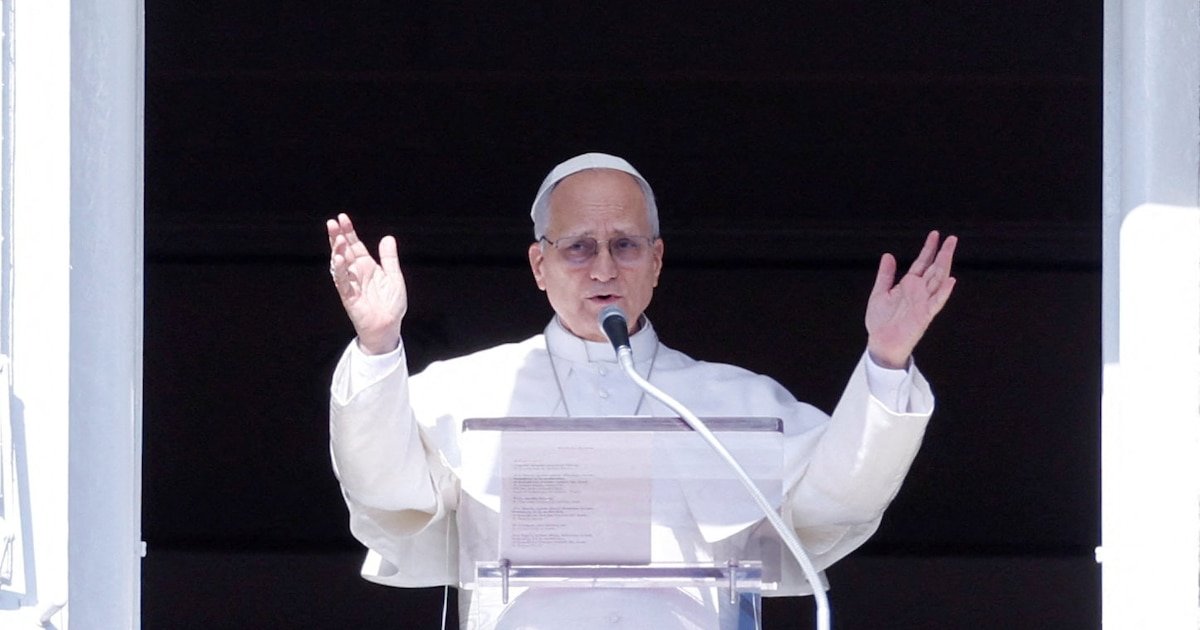
El papa León XIV instó este domingo a que el Año Nuevo Lunar, que comienza el próximo 17 de febrero, sea una ocasión para mirar al futuro y construir “paz y prosperidad para todos los pueblos”, tras el rezo del Ángelus dominical.
“En los próximos días se celebra el Año Nuevo lunar, festejado por miles de millones de personas en Asia Oriental y en otras partes del mundo”, señaló el pontífice desde la ventana del Palacio Apostólico.
León XIV expresó su deseo de que esta “alegre fiesta” aliente a los ciudadanos a “vivir con más intensidad las relaciones familiares y la amistad”, y que la celebración traiga “serenidad a los hogares y a la sociedad”.
Y añadió: “Que sea una ocasión para mirar juntos al futuro, construyendo paz y prosperidad para todos los pueblos”.

El Año Nuevo Lunar es la fiesta más importante del calendario asiático y cada año en estas fechas millones de personas se trasladan a diversas partes del continente para encontrarse con sus familias, lo que causa uno de los mayores movimientos de población del planeta.
“Con los mejores deseos para el nuevo Año, expreso a todos mi afecto”, concluyó el papa.
El régimen de China estima que se realizarán 9.500 millones de desplazamientos durante el período de 40 días alrededor del festival, un récord histórico, según información de la Comisión Nacional de Desarrollo y Reforma. Aproximadamente540 millones de esos viajes se realizarán en tren, y 95 millones por aire. El resto será por carretera.
En un país donde se espera que los trabajadores hagan largas jornadas, incluidos los fines de semana, y tengan pocos días de vacaciones anuales, el festival del Año Nuevo Lunar es un tiempo valioso.

Ante la coyuntura, algunos jóvenes optan por no regresar al lugar de origen durante el Año Nuevo lunar, una práctica conocida en redes sociales como ‘esquivar el Año Nuevo’.
Esa decisión se traduce, relatan internautas, en aprovechar las vacaciones para viajar a otros destinos o en invitar a padres y parientes a desplazarse a las ciudades en las que residen.
Las reservas de billetes asociadas al llamado “Año Nuevo inverso” —cuando son los padres quienes viajan para reunirse con sus hijos— aumentaron un 84% interanual, y algunas aerolíneas han lanzado planes específicos para facilitar esos desplazamientos, según datos recogidos por la agencia estatal China News Service.
Esta tendencia se aprecia también en la decisión de algunos jóvenes de emplear sus vacaciones para viajar, en lugar de regresar a su lugar de origen.

“No dispongo de muchas vacaciones cada año y suelo pasar las del Año Nuevo lunar en Shaanxi con la familia”, explica a EFE Li, una oficinista en Pekín que añade que este año viajará a Filipinas durante las fechas festivas.
“Al principio mis padres no se lo tomaron bien porque supone una ruptura de la tradición”, indica Li, quien agrega sin embargo que “acabaron aceptándolo” porque saben que su hija “necesita relajarse y desconectar” de su trabajo en la capital.
El economista Peng Peng señaló al medio financiero Yicai que “las formas de celebración se están diversificando” y que, al tiempo que se preservan las tradiciones, también conviene fomentar otras modalidades que responden a la “importancia creciente” que se da a “buscar la felicidad personal y la relajación”.
(con información de EFE)
Religion,Europe,Religion / Belief
INTERNACIONAL
US forces board sanctioned oil tanker after vessel tried to evade Trump quarantine, Department of War says
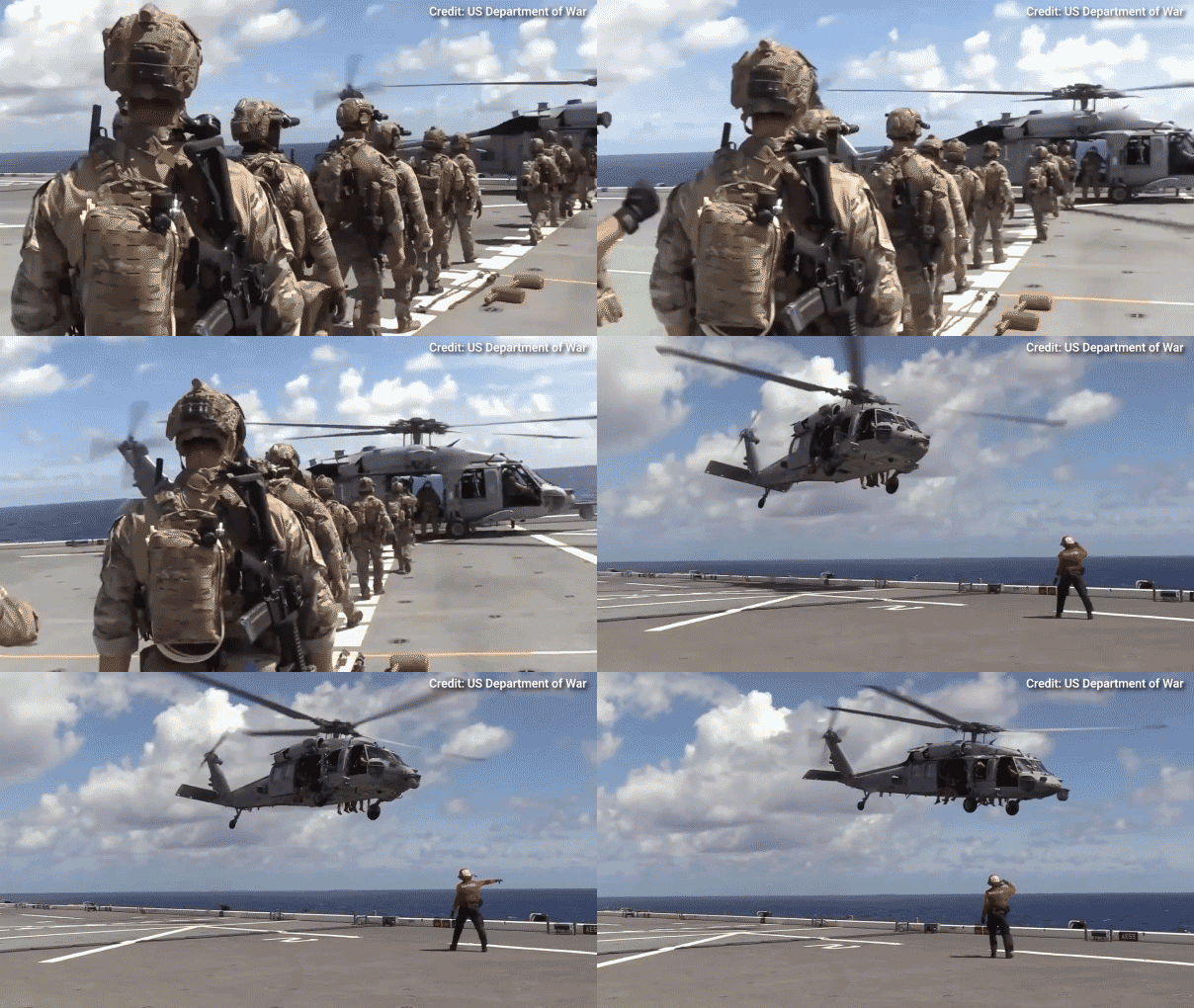
NEWYou can now listen to Fox News articles!
The Department of War (DOW) said Sunday that U.S. forces interdicted a vessel in the Indo-Pacific after it attempted to evade a quarantine order issued by the Trump administration.
In a statement on X, the DOW said the Veronica III was boarded without incident while it was operating in the U.S. Indo-Pacific Command area of responsibility.
«The vessel tried to defy President Trump’s quarantine — hoping to slip away. We tracked it from the Caribbean to the Indian Ocean, closed the distance, and shut it down. No other nation has the reach, endurance, or will to do this,» the government account wrote.
«International waters are not sanctuary. By land, air, or sea, we will find you and deliver justice,» it added. «The Department of War will deny illicit actors and their proxies freedom of movement in the maritime domain.»
US MILITARY SEIZES ANOTHER FUGITIVE OIL TANKER LINKED TO VENEZUELA
U.S. forces conduct a right-of-visit, maritime interdiction and boarding of the Veronica III without incident in the INDOPACOM area of responsibility after the vessel allegedly tried to defy President Trump’s quarantine, Feb. 15, 2026. (X/@DeptofWar)
The Veronica III is the latest in a series of high-profile maritime seizures by the U.S. military aimed at enforcing sanctions and curbing the export of Venezuelan oil.
President Donald Trump announced a blockade of all sanctioned oil tankers going in and out of Venezuela in mid-December, as Washington increased its naval presence in the Caribbean to put pressure on now-former Venezuelan dictator Nicolás Maduro.
According to OpenSanctions, the Veronica III is listed on the U.S. Treasury Department’s Specially Designated Nationals sanctions list.
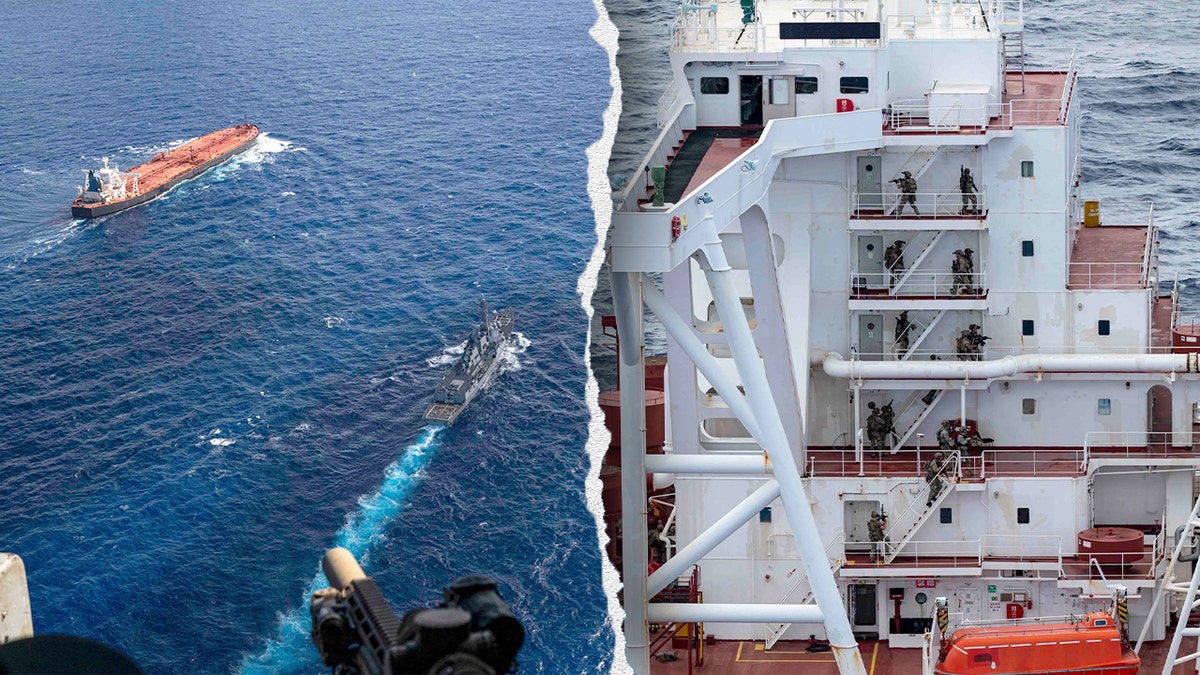
U.S. forces conduct a right-of-visit, maritime interdiction, and boarding of the Veronica III in the INDOPACOM area of responsibility after the vessel allegedly tried to defy President Trump’s quarantine, Feb. 15, 2026. (X/@DeptofWar)
US COAST GUARD PURSUES THIRD ‘DARK FLEET’ OIL TANKER AS TRUMP TARGETS VENEZUELAN SANCTIONS EVASION NETWORK
The tanker, a large crude oil carrier built in 2006 and flagged in Panama, has been linked to the transport of hundreds of thousands of metric tons of sanctioned Iranian oil and is affiliated with a Chinese ship-management company that has also been sanctioned.
CLICK HERE TO DOWNLOAD THE FOX NEWS APP
OpenSanctions notes that the ship has previously sailed under different names and flags as part of efforts to evade sanctions and disguise its activities at sea.
The Veronica III was among the vessels sanctioned by Treasury in December 2024 as part of a broader action targeting 35 other entities and tankers involved in transporting illicit Iranian oil to foreign markets.
military,pentagon defense,world,sanctions

Antonela Roccuzzo reveló el lado más tierno de Lionel Messi en una fecha especial

Rubio defends US operation in Venezuela, calls out reporter for trying to start a fight

Diputados: el Gobierno confía en aprobar la reforma laboral el jueves, pero la oposición dialoguista reclama cambios para apoyarla

El papa León XIV pidió que el Año Nuevo Lunar sirva para construir “paz y prosperidad para todos los pueblos”

US forces board sanctioned oil tanker after vessel tried to evade Trump quarantine, Department of War says

Hernán Lacunza: “La reforma laboral por sí sola no va a generar empleo, eso depende del crecimiento y de la inversión”

A quién afecta la Reforma laboral: estos son los puntos clave del proyecto de Milei

Reforma laboral: la modificación sobre accidentes o enfermedades ajenas al trabajo

Muna Pauls Cherri se animó a un rotundo cambio de look: “Quería ser otra persona”