INTERNACIONAL
EE.UU.: Obama destaca ayuda de países árabes contra Estado Islámico – BBC News Mundo


Fuente de la imagen, Getty
El presidente de Estados Unidos, Barack Obama, resaltó este martes la coalición de países que el lunes realizó los primeros ataques aéreos contra el autodenominado grupo Estado Islámico (EI) en Siria.
En una breve alocución desde la Casa Blanca, el presidente dijo que la fortaleza de la coalición demuestra que Washington no está luchando solo contra los militantes y destacó el apoyo que brindaron los cinco países árabes que participaron en la ofensiva.
Obama también explicó que la operación general contra EI tardará tiempo y esperan varios desafíos en el proceso.
En la noche del lunes, el gobierno confirmó los primeros ataques aéreos contra EI en Siria, en una operación que fue realizada por Estados Unidos, Arabia Saudita, Emiratos Árabes Unidos, Jordania, Bahréin y Qatar.
Según explica el corresponsal de BBC Mundo en Washington, Thomas Sparrow, el anuncio de Obama se produjo poco antes de que viaje a Nueva York, donde presentará su estrategia contra los militantes en la Asamblea General de Naciones Unidas.
Antes del anuncio de Obama, el Departamento de Estado aseguró que le informó al régimen sirio de sus intenciones, aunque no le pidió permiso ni coordinó sus acciones con el presidente Bashar al Asad.

INTERNACIONAL
NATO scrambles jets as Russia fires nearly 400 drones toward Ukraine, signaling new spring offensive
NEWYou can now listen to Fox News articles!
Russia launched nearly 400 drones and dozens of missiles across Ukraine overnight Monday, triggering NATO to scramble fighter jets in neighboring countries, according to reports.
The massive aerial assault killed at least four people and injured more than two dozen, with strikes hitting multiple regions including Kyiv, Zaporizhzhia and Kharkiv, The Associated Press reported, citing Ukrainian officials.
Poland and Romania both scrambled fighter jets as Russian strikes approached NATO airspace, East2West reported, with Warsaw placing air defenses on the «highest state of readiness,» Poland’s operational command said.
«Due to the activity of long-range Russian air forces conducting strikes on Ukrainian territory, Polish and allied air forces have begun operating in our airspace,» Poland’s operational command said, according to East2West.
RUSSIA LAUNCHES RECORD MISSILE BARRAGE AGAINST UKRAINE ONE DAY BEFORE PEACE TALKS SET TO RESUME IN ABU DHABI
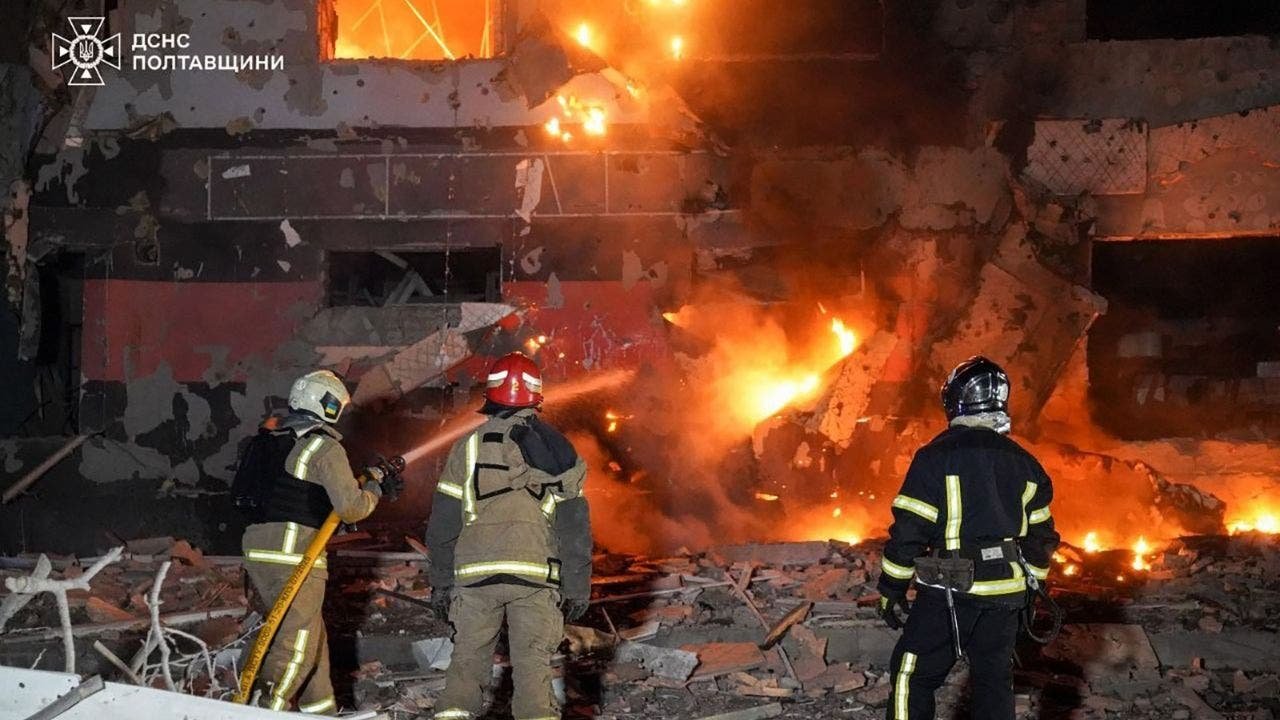
Rescue workers try to put out a fire at a residential building burning after a Russian drone attack in Poltava region, Ukraine, Tuesday, March 24, 2026. (East2west)
Hours earlier, two F-16 fighter jets were scrambled in fellow NATO state Romania as Russian drones attacked Ukraine near the River Danube, the outlet reported. The Danube forms part of the border between Ukraine and Romania.
Ukrainian military leaders said Russian forces have intensified attacks along the roughly 750-mile front line, with hundreds of assaults reported in recent days.
The Institute for the Study of War said the escalation suggests Moscow’s long-anticipated spring-summer offensive is now underway, according to The Associated Press.
RUSSIA KILLS 12 UKRAINIAN MINERS IN DEADLY BUS ATTACK HOURS AFTER PEACE TALKS POSTPONED
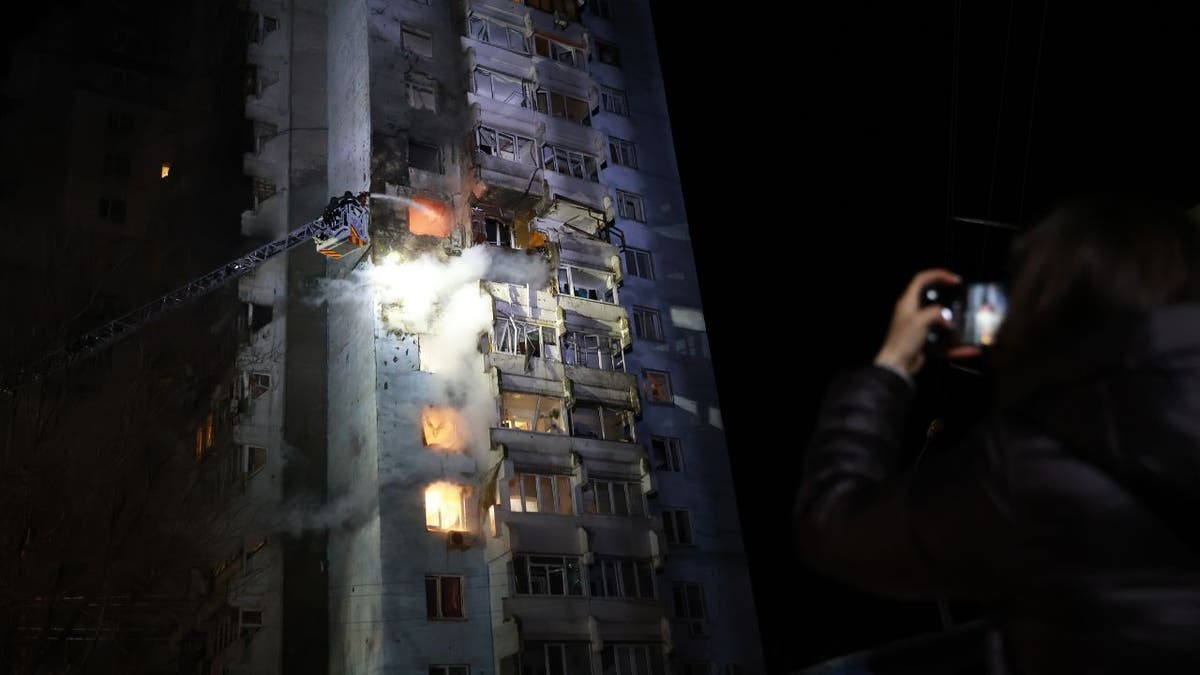
A residential high-rise burns after a Russian drone strike in Zaporizhzhia, Ukraine, as flames and smoke pour from multiple floors. (AP Photo/Kateryna Klochko)
Ukraine’s air force said Russia launched nearly 400 drones. Ukrainian officials later said most were intercepted or disrupted, although some were able to hit their targets, according to East2West.
Russia also launched 23 cruise missiles and seven ballistic missiles at Ukraine during the night, hitting at least 10 locations across the country, according to the Ukrainian air force.
Ukrainian civilians have endured relentless barrages since Russia launched a full-scale invasion of its neighbor more than four years ago. U.S.-brokered talks between Moscow and Kyiv over the past year have brought no respite, with Russia rejecting Ukraine’s ceasefire offer.
The latest strikes came after Ukraine hit Russia’s largest Baltic port, Primorsk, in a pinpoint attack a day earlier, leaving the key export hub in flames, East2West reported.
Meanwhile, Russian President Vladimir Putin’s ambassador to London, Andrey Kelin, threatened «dire» consequences over what he said was Ukraine’s use of Storm Shadow missiles, which this month hit and damaged a microelectronics plant in Russia’s Bryansk region.
CLICK HERE TO DOWNLOAD THE FOX NEWS APP
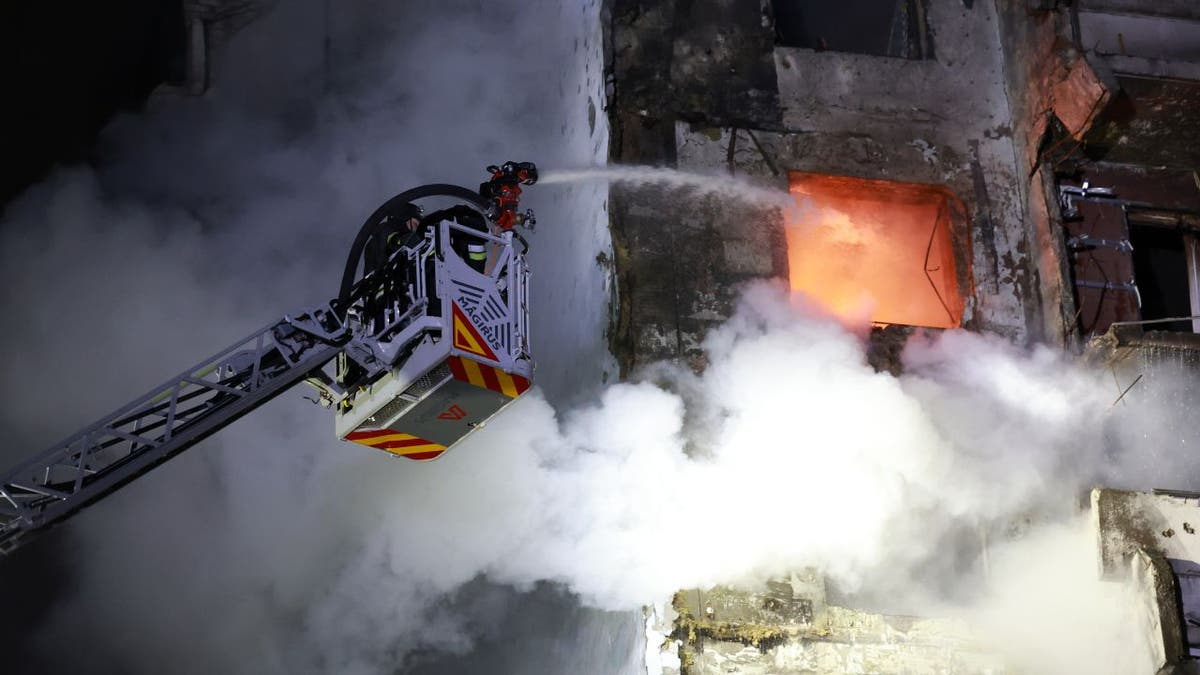
Rescue workers try to put out a fire at a residential building burning after a Russian drone attack in Zaporizhzhia, Ukraine, Tuesday, March 24, 2026. (AP Photo/Kateryna Klochko)
«The British, without whose participation the use of Storm Shadow missiles is simply impossible, decided to remind everyone of both Ukraine and themselves,» he said. «However, any action has consequences. And for everyone involved in the tragedy in Bryansk, the consequences will be dire.»
The Associated Press contributed to this report.
world, russia, ukraine, wars, vladimir putin, geopolitics
INTERNACIONAL
Pritzker’s glowing review of lakefront resurfaces after college student killed by illegal alien nearby
NEWYou can now listen to Fox News articles!
Illinois’ Democratic Governor JB Pritzker recently highlighted the calm of Chicago’s shore with Lake Michigan in a video he posted across his social media platforms — the same area where an illegal alien shot and killed a college student last week.
«Lots of runners coming by,» Pritzker said in a video he posted to Facebook last September.
«Lakefront path, Lakefront Trail — absolutely gorgeous. Just gorgeous. Look at that overpass. A great lakefront.»
The tone of the resurfaced clip clashes with the death of Sheridan Gorman, a 18-year-old Loyola University student who was shot to death near Tobey Prinz Beach Park, an area included in Chicago’s Police District 24.
CHICAGO LAWMAKER RIPPED OVER ‘DISGUSTING’ RESPONSE TO COLLEGE STUDENT KILLED BY ALLEGED ILLEGAL IMMIGRANT
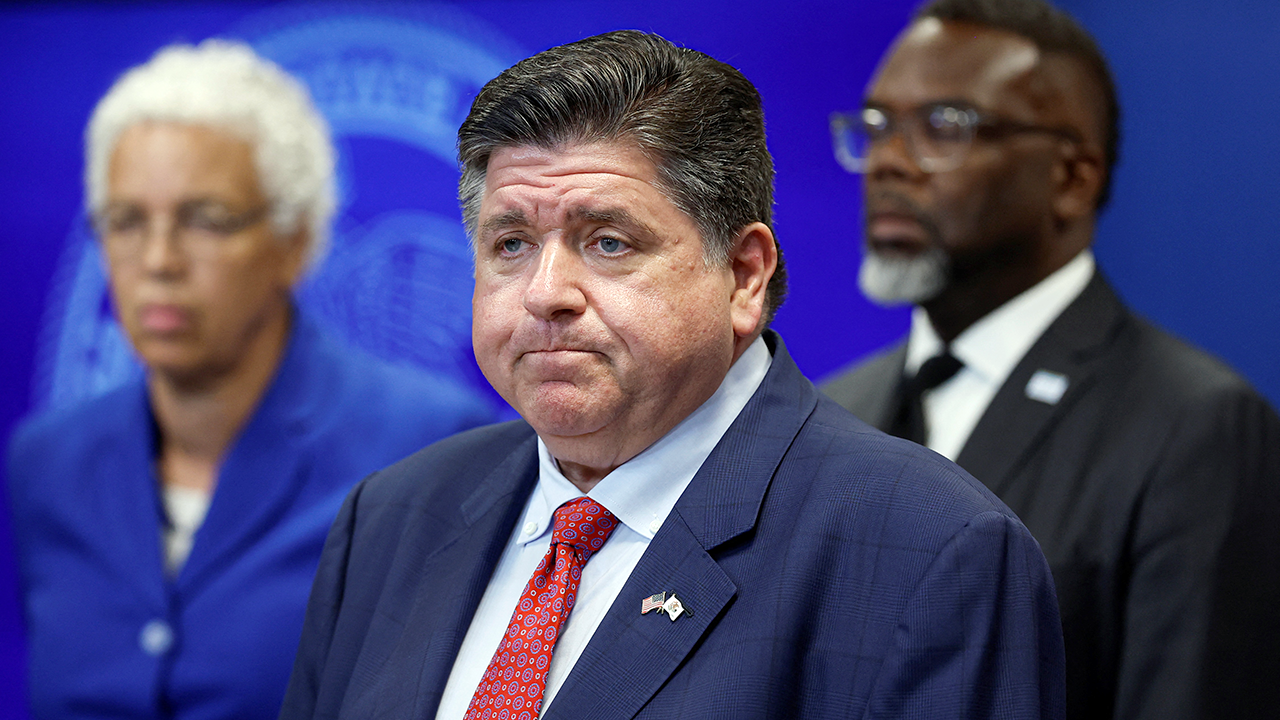
Illinois Gov. JB Pritzker, center, is flanked by Cook County Chairwoman Toni Preckwinkle, left, and Chicago Mayor Brandon Johnson, right. (Kamil Krzaczynski/Getty Images)
Pritzker’s walk went viral on social media when several viewers online criticized the governor for his characterization of the shoreside area.
«Illinois Gov. JB Pritzker & Chicago Mayor Brandon Johnson haven’t posted anything about the murder of Sheridan Gorman, allegedly at the hands of a Venezuelan illegal alien,» Fox News Congressional Correspondent Bill Melugin posted on X. «Last year, Pritzker made a video from the lakefront she was killed at, mocking claims that it wasn’t safe.»
«Governor JB Pritzker posted this video of the Chicago lakeside to brag about how safe it is. Sheridan Gorman was just killed there by a Venezuelan immigrant his state law PROTECTED,» End Wokeness, a popular conservative account, wrote in a X post.
«> crosses the border illegally > released into the country by Biden > arrested for shoplifting > released back onto the street > murders an innocent girl,» former Trump White House staffer Greg Price wrote.
«Pritzker posted this video bragging about how safe Chicago’s lakeside is — right where Sheridan Gorman was just killed by a Venezuelan illegal his state law protected. Unreal,» another account wrote.
MY DAUGHTER WAS KILLED, AND I WARNED SANCTUARY CITY POLICIES WOULD COST LIVES AGAIN

There were nine armed robberies in Chicago’s West Side in just over an hour last week, according to police. (AP Photo/Kiichiro Sato)
The area has improved in the categories of thefts, burglary and motor vehicle theft in recent years, according to recent police reports. However, reporting for murder, sexual assaults and aggravated battery have gone up, according to crime stats from March.
District 24 has reported three murder cases, 19 sexual assaults and 32 aggravated battery incidents so far in 2026.
The district has the second-most murders of any district of the six districts included in Chicago’s Area 3, which covers a significant chunk of the city’s northern side.
In Gorman’s case, authorities charged Jose Medina, a Venezuelan national, with her murder.
According to the Department of Homeland Security, Medina had already been apprehended for shoplifting in Chicago but had been released in June 2023.
Even before that, Medina had been apprehended by U.S. Border Patrol in May 2023. He was also allowed to walk free then.
«Sheridan Gorman had her whole life ahead of her before this cold-blooded killer decided to end her life. She was failed by open border policies and sanctuary politicians who RELEASED this illegal alien TWICE before he went on to commit this heinous murder,» Acting Assistant Secretary Lauren Bis said in a statement.
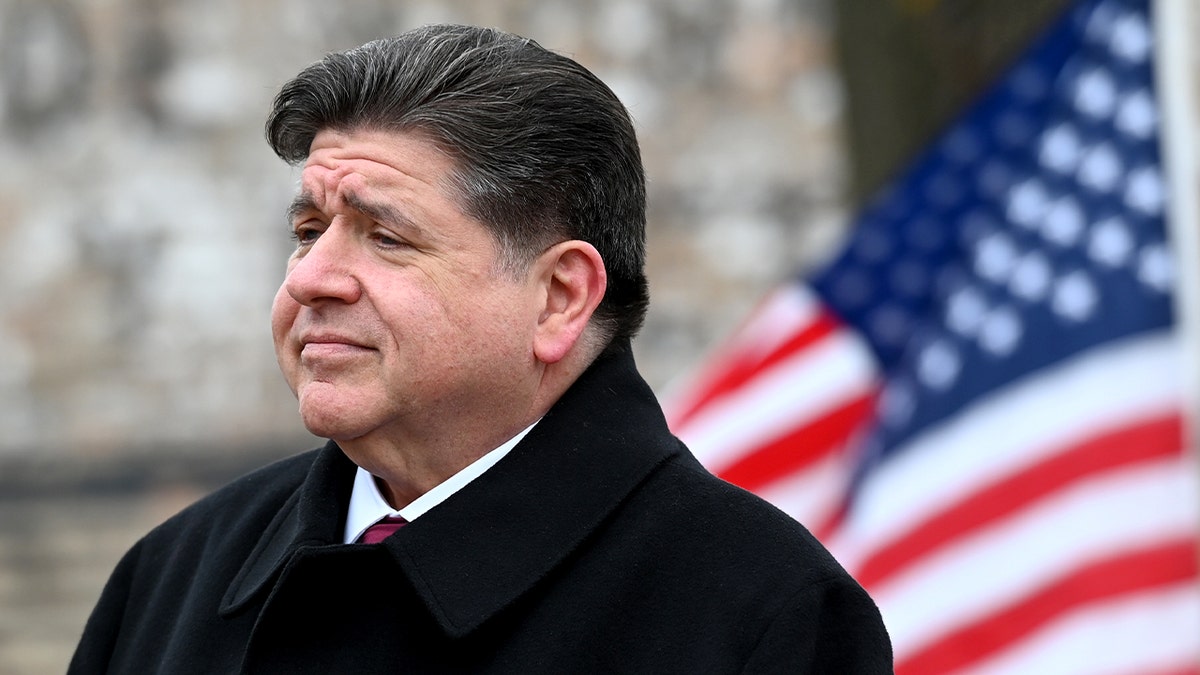
Illinois Gov. JB Pritzker signed the Medical Aid in Dying Act on Dec. 12, allowing eligible terminally ill adult patients to obtain life-ending medication after consultation with their doctors. (Jacek Boczarski/Anadolu via Getty Images)
CLICK HERE TO DOWNLOAD THE FOX NEWS APP
«We are calling on Governor J.B. Pritzker and Chicago’s sanctuary politicians to commit to not releasing this criminal illegal alien from jail back into American neighborhoods.»
The office of Governor Pritzker did not respond to a request for comment on the Chicago shoreside area and its crime rates.
illinois, chicago, immigration
INTERNACIONAL
Video: así fue el impacto de un drone ruso contra una iglesia histórica de Ucrania protegida por la Unesco
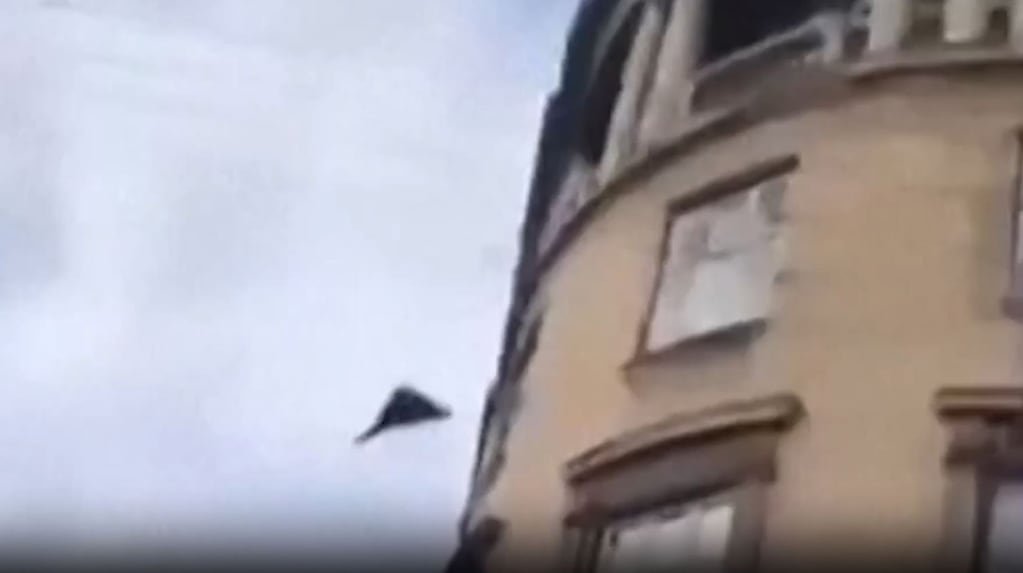
Las Fuerzas Armadas de Rusia lanzaron este martes un ataque con drones contra el centro de Leópolis (Lviv), en el oeste de Ucrania, que dejó al menos 22 heridos y provocó daños en edificios residenciales y en la iglesia de San Andrés, un complejo histórico protegido por la Unesco, según informaron autoridades locales.
El bombardeo ocurrió a plena luz del día, una circunstancia poco habitual para este tipo de ofensivas, que suelen producirse durante la noche.
Uno de los drones, de fabricación iraní y utilizado por las fuerzas rusas, impactó en el casco histórico de la ciudad, situada a unos 60 o 70 kilómetros de la frontera con Polonia, país miembro de la Unión Europea y de la OTAN.
El momento del impacto fue captado en videos grabados por vecinos y difundidos en redes sociales, donde se observa cómo el aparato desciende en picada y explota contra la iglesia de San Andrés, que inmediatamente se incendia.
El alcalde de Leópolis, Andrí Sadoví, informó que el ataque provocó un incendio en edificios de tres plantas ubicados dentro del recinto del monasterio bernardino y la iglesia de San Andrés, un complejo del siglo XVII que forma parte del patrimonio histórico de la ciudad.
Además, otro drone alcanzó los pisos superiores de un edificio de nueve plantas en el distrito de Sykhiv, mientras fragmentos de un aparato derribado cayeron en una calle concurrida cercana al centro.
“Hasta ahora, en los hospitales de Leópolis hay 22 heridos de diversa gravedad”, señaló el alcalde en su canal de Telegram. Equipos de emergencia acudieron rápidamente a la zona para evacuar a los residentes, extinguir los incendios y asistir a las víctimas.
El jefe de la Administración Militar Regional, Maksim Kozitski, indicó que también resultaron alcanzadas una vivienda privada y diversas infraestructuras críticas en otras zonas de la provincia.
Vecinos observan a los bomberos que trabajan en un edificio histórico alcanzado por un ataque con drones rusos en el centro de Leópolis (Ucrania) el 24 de marzo de 2026. (Foto: REUTERS)
Según la fuerza aérea ucraniana, el ataque formó parte de una ofensiva de gran escala en la que Rusia lanzó cerca de 400 drones de largo alcance entre las 09:00 y las 16:00 horas. En total, en un período de 25 horas, Ucrania contabilizó casi un millar de drones rusos dirigidos contra su territorio.
La primera ministra ucraniana, Yulia Sviridenko, denunció que Rusia atacó “un centro urbano concurrido a plena luz del día” y sostuvo que “solo la fuerza, sanciones inflexibles y acciones decisivas pueden detener a Rusia”.
Por su parte, el ministro de Relaciones Exteriores, Andrí Sibiga, calificó el bombardeo como un ataque “brutal” contra una ciudad de gran valor cultural e instó a la Unesco a pronunciarse sobre los daños causados en el patrimonio histórico. “Rusia está haciendo lo mismo que el régimen iraní en Oriente Medio, pero en el corazón de Europa”, afirmó.
Leé también: A cuatro años del inicio de la guerra, el embajador de la UE en la Argentina reafirmó el apoyo a Ucrania
Durante la misma jornada, otras ciudades ucranianas también fueron alcanzadas por los ataques. En Ivano-Frankivsk murieron dos personas y otras cuatro resultaron heridas, entre ellas un niño de seis años, mientras que en la región de Vinnitsa se registró al menos un fallecido y más de una decena de heridos. En Zhitomir, una niña de 12 años resultó lesionada.
Además, durante la noche previa Rusia lanzó unos 400 drones y 34 misiles contra distintas regiones del país. Las defensas aéreas ucranianas lograron interceptar la mayoría de los proyectiles, aunque los ataques dejaron al menos cinco muertos y decenas de heridos en varias zonas.
El presidente ucraniano, Volodimir Zelenski, sostuvo que la magnitud de la ofensiva demuestra la necesidad de reforzar las defensas aéreas del país y pidió a sus aliados acelerar la entrega de sistemas de protección. Mientras tanto, el Ministerio de Defensa ruso afirmó que sus fuerzas atacaron instalaciones del complejo militar-industrial y aeródromos ucranianos.
(Con información de AFP y EFE)
Rusia, Ucrania

El momento del año para cambiar el colchón: descuentos de hasta 65% y 24 cuotas sin interés

Con la «banda argenta», Paraguay se prepara en Grecia para su primer amistoso

Escándalo en la AFA: se conoció un audio atribuido a un hombre cercano a Toviggino en el que explica cómo se desviaban fondos

Día de la Memoria: el documento completo de los organismos de derechos humanos con críticas a Javier Milei

NATO scrambles jets as Russia fires nearly 400 drones toward Ukraine, signaling new spring offensive

¡No pudo con su genio! Franco Colapinto opinó del escándalo del momento con Emilia Mernes y borró todo

»¡VAN A FUNDIR A MEDIO PAÍS!»: El lapidario diagnóstico de Roberto Cachanosky sobre el plan de Milei

Apareció otra factura y complica más a Adorni: el vuelo de vuelta también lo pagó su amigo Grandio

ALERTA FINANCIERA: 4 de cada 10 argentinos ya no pueden pagar sus deudas. ¡Caputo debe actuar ya!

El mensaje de Milei sobre la “traición” que llamó la atención en el Gobierno y también en la oposición

 POLITICA3 días ago
»¡VAN A FUNDIR A MEDIO PAÍS!»: El lapidario diagnóstico de Roberto Cachanosky sobre el plan de Milei
- ECONOMIA2 días ago
ALERTA FINANCIERA: 4 de cada 10 argentinos ya no pueden pagar sus deudas. ¡Caputo debe actuar ya!
- POLITICA1 día ago
El mensaje de Milei sobre la “traición” que llamó la atención en el Gobierno y también en la oposición