INTERNACIONAL
El antes y después de Gaza: imágenes aéreas revelan la magnitud de la devastación tras meses de bombardeos

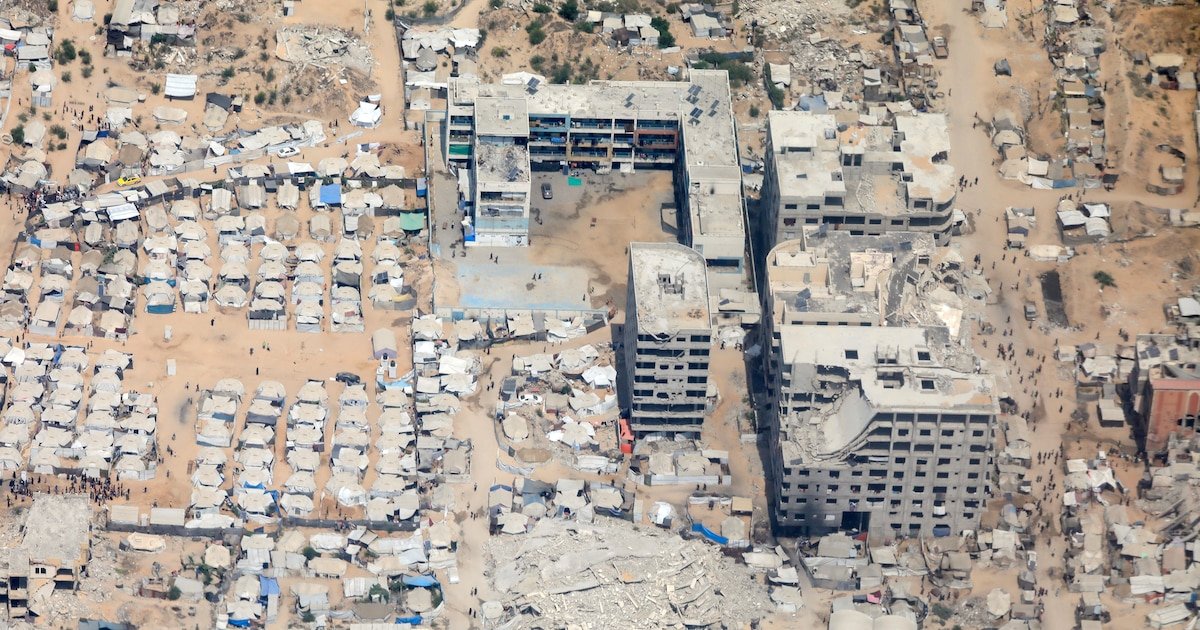
Vistas desde el cielo, las ciudades de Gaza parecen los restos de una civilización extinguida. Fragmentos de hormigón y paredes destrozadas dibujan un paisaje interrumpido por cráteres y carreteras que ya no llevan a ninguna parte. No es el resultado de un desastre natural, sino de una campaña militar que, en menos de dos años, ha arrasado barrios enteros y transformado el enclave palestino en un terreno marcado por la destrucción.
La ofensiva comenzó tras el ataque de Hamas al sur de Israel el 7 de octubre de 2023, en el que murieron al menos 1.200 personas y más de 250 fueron tomadas como rehenes, según cifras israelíes. En respuesta, Israel lanzó una guerra aérea y terrestre contra la organización, que según las autoridades sanitarias de Gaza ha causado más de 60.000 muertes y ha dejado a miles de personas sepultadas bajo los escombros.
En un vuelo reciente de ayuda humanitaria, coordinado por Jordania, se arrojaron tres toneladas de suministros sobre la franja. El operativo ofreció una de las pocas oportunidades para observar, desde unos 600 metros de altura, un territorio casi inaccesible para la prensa internacional desde el inicio de la guerra, cuando Israel prohibió la entrada de periodistas extranjeros.
Desde el aire, los daños son evidentes. En el norte de Gaza y en Ciudad de Gaza, los edificios se reducen a pilas de escombros, las avenidas están cubiertas de polvo y las zonas residenciales han desaparecido. Solo a través de una cámara de largo alcance se distingue a pequeños grupos de personas de pie entre las ruinas, únicas señales de vida en un paisaje que parece inhabitable.
Imágenes de archivo y tomas recientes de drones documentan con precisión el contraste entre el antes y el después. Cuatro meses antes del inicio de la guerra, grabaciones aéreas de Ciudad de Gaza, Jabalia, Khan Younis y Rafah mostraban bulevares, rotondas y edificios intactos. En enero de 2025, quince meses después del inicio del conflicto, las mismas localizaciones están irreconocibles: estructuras colapsadas, calles cubiertas de escombros y barrios borrados del mapa. Las secuencias incluyen vistas del barrio de Al Saftawi en el norte de Gaza, con imágenes previas a la guerra seguidas de tomas posteriores que muestran destrucción generalizada.

También se difundieron comparativas de satélite: Ciudad de Gaza en agosto de 2023 frente a imágenes tomadas casi dos años después; Rafah antes del conflicto y en la actualidad, con su centro urbano reducido a ruinas; y Khan Younis, cuya trama urbana desapareció bajo meses de asedio.
Los datos confirman lo que las imágenes muestran. Según la Oficina de Coordinación de Asuntos Humanitarios de la ONU (OCHA), el 92% de las 436.000 viviendas de Gaza han sido dañadas o destruidas, el 81% de las carreteras y el 70% de las estructuras han quedado inutilizadas. El sector agrícola también ha colapsado: el 83% de las tierras cultivables, pozos de agua y la mayoría de los invernaderos han sido arrasados, de acuerdo con un informe de Naciones Unidas publicado en abril.
El ejército jordano informó que ha realizado 140 lanzamientos aéreos, además de 293 en cooperación con otros países, para un total de 325 toneladas de ayuda desde que reanudaron la operación el 27 de julio. Sin embargo, agencias humanitarias advierten que estas entregas son insuficientes y poco eficientes. Según datos israelíes, 104 días de lanzamientos equivalen apenas a cuatro días de comida para toda la franja.

Los riesgos son elevados. Al menos 12 personas se ahogaron el año pasado intentando recuperar paquetes caídos en el mar y otras cinco murieron por el impacto directo de los pallets. Pese a ello, los lanzamientos continúan, mientras el ingreso de ayuda por tierra sigue siendo limitado.
Más al sur, en Deir al-Balah, los ataques aéreos han dejado huellas profundas. El 22 de mayo, la joven Yaqeen Hammad, conocida como la influencer más joven de Gaza, murió tras un bombardeo israelí mientras regaba flores en un campamento de desplazados. En Khan Younis, asediada durante meses, la pediatra Alaa al-Najjar perdió a su esposo y nueve de sus diez hijos cuando su casa fue destruida mientras ella trabajaba en el hospital.
El gabinete de seguridad israelí aprobó esta semana un plan para tomar el control total de Ciudad de Gaza, lo que ampliaría sus operaciones militares. El ejército asegura controlar ya el 75% del territorio y calcula que la captura de la capital elevaría esa cifra al 85%. Según medios israelíes, cerca de 900.000 personas viven ahora en Ciudad de Gaza, muchas de ellas desplazadas por la ofensiva.

Dentro del gobierno israelí, algunos aliados de línea dura presionan por una ocupación completa para erradicar a Hamas, mientras mandos militares advierten que esto podría poner en peligro la vida de los 50 rehenes que aún permanecen en la franja, de los cuales Israel cree que solo 20 siguen con vida. Las negociaciones para un alto el fuego que incluía la liberación de rehenes fracasaron en julio.
Desde el aire, la magnitud del territorio contrasta con la intensidad del conflicto. Gaza es más de cuatro veces más pequeña que el área metropolitana de Londres, pero concentra uno de los enfrentamientos más sangrientos del mundo actual. Cada imagen captada desde drones o satélites añade una capa al registro de una devastación sin precedentes, donde la reconstrucción parece, por ahora, un objetivo lejano.
(Con información de Reuters)
Middle East,Military Conflicts,GAZA












INTERNACIONAL
El Oscar 2026 a mejor película extranjera no es solo una competencia entre ‘Valor sentimental’ y ‘El agente secreto’

Valor sentimental de Joachim Trier (Noruega) y El agente secreto de Kleber Mendonça Filho (Brasil) son las grandes favoritas para llevarse el Oscar a “mejor película extranjera”, por encima de Sirat, de Oliver Laxe (España), Fue solo un accidente, de Jafar Panahi (Irán, aunque representa a Francia) y La voz de Hind Rajab (Túnez). Subyacente a los pronósticos y antecedentes de cada una de estas notables películas (todas lo son, en su estilo y formas), subyace un cambio de paradigma en la elección de la Academia de Artes y Ciencias Cinematográficas de Hollywood: el cine del mundo se impone por peso propio.
La edición 98 de los premios de cine más famosos del mundo, con 23 producciones internacionales entre los 50 títulos nominados —de los cuales solo 17 calificaron como completamente extranjeras—, sostiene la tendencia marcada desde la deconstrucción de la anterior categoría de “película en lengua extranjera”. En los últimos seis años, el dato histórico indica que cinco de los seis ganadores del premio británico BAFTA a mejor película internacional repitieron triunfo en los Oscar, una correlación que aumentó la presión sobre los productores y distribuidoras involucrados en la carrera.
A nivel de industria, lo singular de 2026 consistió en la inédita distribución de nominaciones: Valor sentimental tiene nueve candidaturas, incluidas mención para Trier como director, nominaciones individuales de actuación para Renate Reinsve, Stellan Skarsgård, Elle Fanning e Inga Ibsdotter Lilleaas. Ningún otro largometraje no angloparlante alcanzó tal apoyo, un indicador clave del grado de penetración de los títulos internacionales fuera de su categoría asignada. También, el thriller político brasileño de Mendonça Filho acumula cuatro nominaciones, incluida una histórica candidatura para Wagner Moura como mejor actor.
La obtención del BAFTA a mejor película internacional por parte de Valor sentimental resulta determinante para los pronósticos de industria: el premio británico, cada vez más alineado con los Oscar desde la apertura del voto a todos los miembros, otorgó al drama familiar de Joachim Trier una proyección estadística superior a la de cualquier otro contendiente. La notable presencia de películas co-producidas entre Estados Unidos y mercados extranjeros, como Bugonia y Hamnet además, instaura una división en la contabilidad de lo internacional: el conteo estricto arroja dos títulos plenamente foráneos entre los diez aspirantes principales, mismo saldo que en el ciclo anterior.
La Academia, tras la ola crítica precipitada en 2015 por la campaña #Oscarssowhite y la publicación de la composición demográfica de su membresía por el diario Los Angeles Times, implementó desde 2020 criterios explícitos de diversidad que comenzaron a impactar la construcción de las nominaciones a partir de 2024. La propia institución pasó de un 94% de miembros blancos en 2012 a un 35% de mujeres y un 20% perteneciente a minorías raciales o étnicas, configuración que, según analistas de la publicación online Vulture, favoreció un panel de candidaturas más abierto a cinematografías extranjeras.
El debate sobre el carácter “local” o global de los Oscar ha redefinido sus estándares en los últimos cinco años. En la edición 2026, el número total de filmes internacionales —23 sobre 50 nominados— marca el salto respecto a ciclos anteriores dominados por producciones netamente estadounidenses y de habla inglesa. Esta transición cristaliza el nuevo equilibrio entre el peso de la industria hollywoodense y la cada vez mayor visibilidad de propuestas no angloparlantes.
La participación consecutiva de títulos extranjeros en la terna a mejor película principal, sumada a los precedentes de 2024 —cuando Anatomía de una caída (Francia) y La Zona de Interés (Reino Unido) lograron nominación en esa rama— y al hito de Parasitos en 2020, expuso la aceleración de un proceso que la propia Academia promovió mediante modificaciones reglamentarias e impulso al voto corporativo sobre el sectorial.
En ese contexto, la cita del director coreano Bong Joon Ho a Vulture en 2019 —“Los Oscar no son un festival internacional de cine. Son muy locales”— iluminó la distancia recorrida: desde 2020, ningún año ha estado exento de presencia internacional en la máxima categoría. El modelo “más internacional” planteado por la Academia en 2026 parece consolidarse como la nueva norma estadística del premio.
Arts,Culture,Entertainment,Arts / Culture / Entertainment,Europe
INTERNACIONAL
Transactional partners: How 200-year distrust shapes Russia’s response to the Iran conflict
NEWYou can now listen to Fox News articles!
In March 2026, as the smoke cleared over Tehran following the U.S.-Israeli campaign against Iran’s leadership, Russia’s response was strikingly restrained. Despite a 20-year strategic partnership treaty signed with Tehran just last year, Moscow limited its reaction to condemnation and calls for diplomacy.
Kremlin spokesman Dmitry Peskov confirmed that Russia had received no request from Iran for military assistance. «There were no requests from Iran in this case,» Peskov told reporters on March 5th.
For analysts who study the relationship between Moscow and Tehran, the moment felt familiar. «The relationship has always been transactional,» said Ksenia Svetlova, executive director of the Regional Organization for Peace, Economy and Security (ROPES) and an associate fellow at Chatham House. «Russia does what serves its own interests.»
While Iran and Russia have moved closer in recent years — particularly after Moscow’s 2022 invasion of Ukraine — experts say the partnership has never resembled a true alliance. Instead, they say, it reflects a long history of cooperation shaped by convenience, rivalry and shifting geopolitical needs.
HEGSETH WARNS RUSSIA AS SIGNS POINT TO MOSCOW SHARING INTEL WITH IRAN
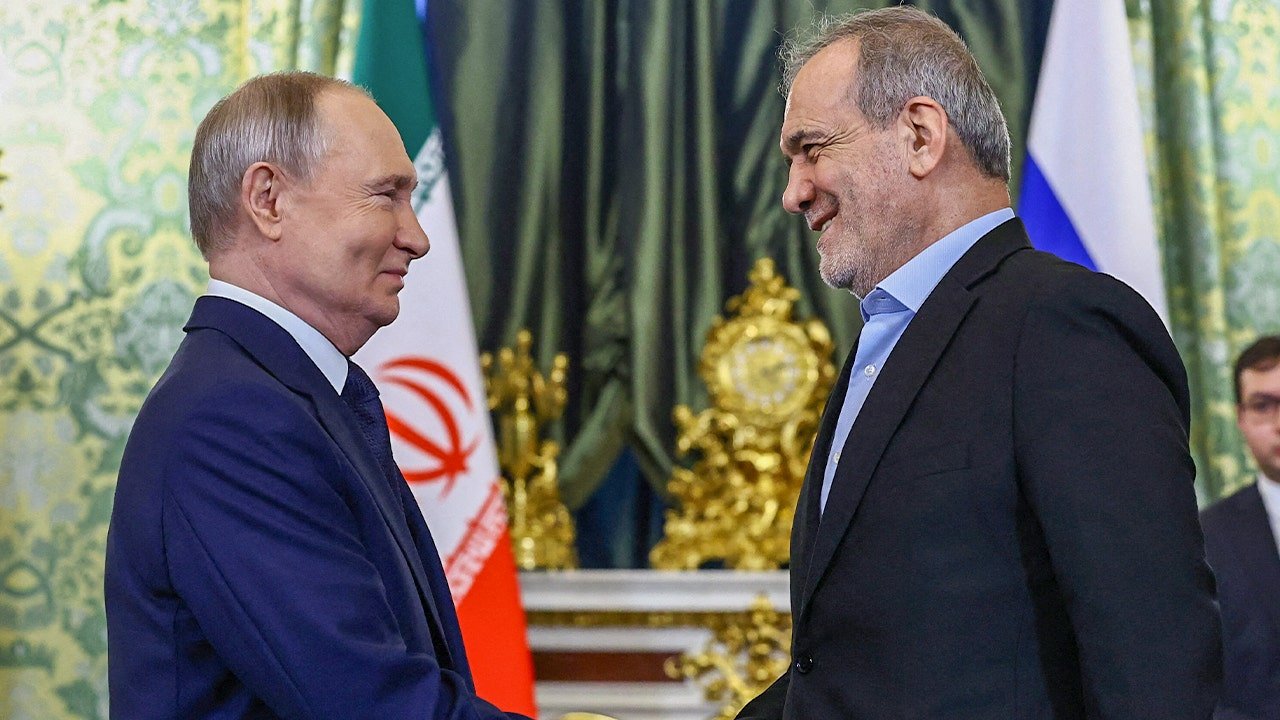
Russian President Vladimir Putin, left, greets Iranian Foreign Minister Abbas Araghchi prior to their talks at the Kremlin in Moscow, Russia, Monday, June 23, 2025. (Alexander Kazakov, Sputnik, Kremlin Pool Photo via AP)
The Shadow of Turkmenchay
The uneasy relationship between the two powers stretches back nearly two centuries. In 1828, the Treaty of Turkmenchay forced Persia to cede large parts of the Caucasus to the Russian Empire after a military defeat. The treaty remains one of the most painful symbols of foreign domination in Iranian political memory.
In the twentieth century, Russia’s relationship with Iran shifted dramatically. Before the 1979 Islamic Revolution, Moscow maintained relatively stable ties with Iran under Shah Mohammad Reza Pahlavi. «It actually had good relations with the Shah who visited Moscow after World War II,» Svetlova said.
«But Communist Russia was very suspicious of Islamist Iran after the 1979 revolution,» said Svetlova. It was a mutual distrust; Ayatollah Ruhollah Khomeini denounced both Cold War superpowers, calling the United States the «Great Satan» and the Soviet Union the «Lesser Satan.»
Even during the Iran-Iraq War of the 1980s, the Soviet Union maintained ties with Tehran while simultaneously supplying weapons to Iraq. «The Soviet Union was very suspicious of Islamist Iran,» Svetlova said. «Even after the revolution, the relationship could not really be considered an alliance.»
AS UKRAINE WAR DRAGS ON, TRUMP HITS PUTIN BY SQUEEZING RUSSIA’S PROXIES
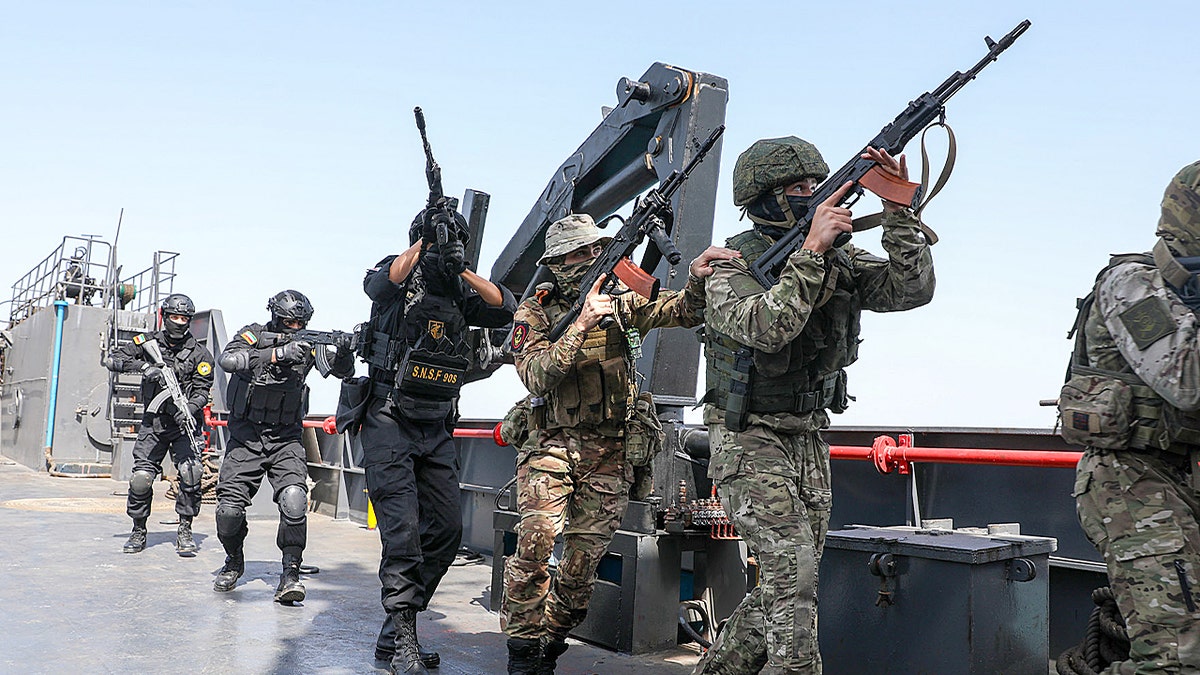
Iran uses Russia exercises to reposition strike drones in Strait of Hormuz, a defense expert said. (Iranian Army/Handout/Anadolu via Getty Images)
The Drone Marriage
In recent years, however, geopolitical pressures pushed the two countries closer together. Russia’s full-scale invasion of Ukraine in 2022 created new military cooperation between Moscow and Tehran.
Though Russia and Iran have not shared a land border since the 1991 collapse of the Soviet Union, they remain «neighbors» via the Caspian Sea. This «blue border» became a vital artery in 2022 when Iran supplied the Shahed-series drones used in Ukraine, that Russia has used extensively in attacks on Ukrainian infrastructure.
Vice Adm. Robert S. Harward, a retired Navy SEAL and former deputy commander of U.S. Central Command, said the partnership has had direct consequences on the battlefield. «Sadly, the world is just now getting a taste of Iranian drones. But there’s one group that already knows them well, the Christians in Ukraine,» Harward said. «Close to 600 Ukrainian churches have been destroyed by Russian attacks, including from the Iranian Shahed drones.»
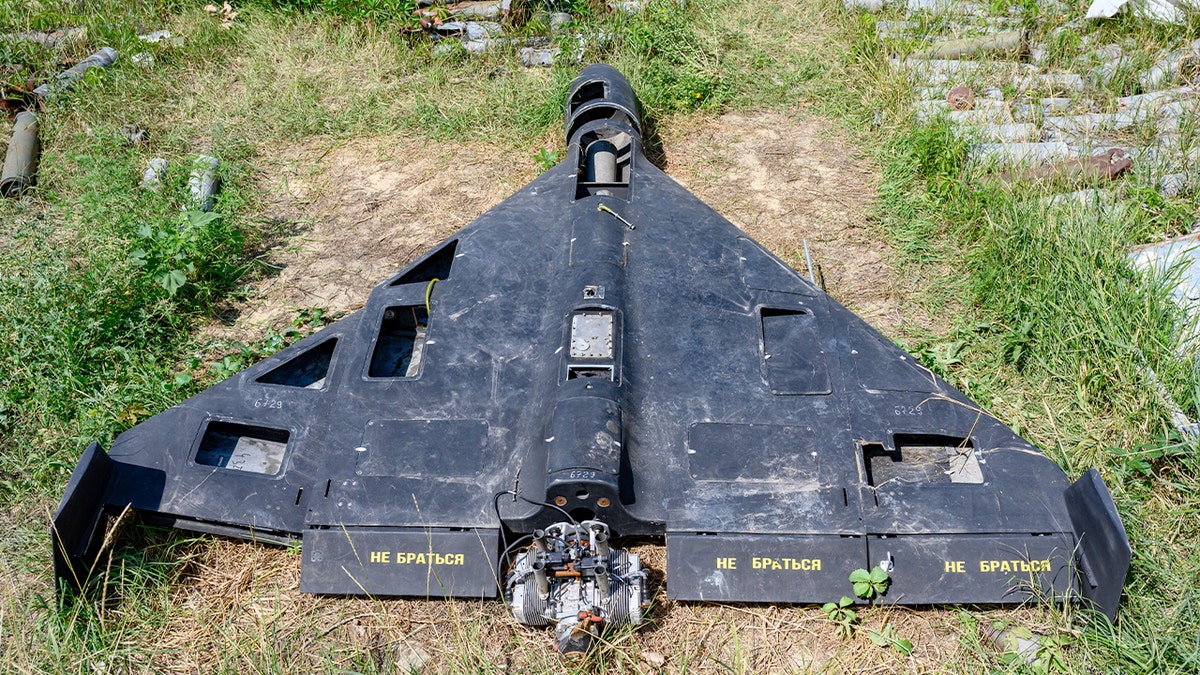
The remains of a Russian-made, Iran-designed Shahed-136 drone, known in Russia as a Geran-2, are displayed with other recovered drones, glide bombs, missiles and rockets in Kharkiv on July 30, 2025. (Scott Peterson/Getty Images)
Carrie Filipetti, executive director of the Vandenberg Coalition and a former deputy assistant secretary of state, argued that Russia’s continued use of Iranian drones against Ukrainian targets underscores the depth of the military relationship, while its calls for restraint in the current conflict highlight a fundamental contradiction. «If Russia were serious about peace, we would see a ceasefire with Ukraine months ago,» she said. «Yet, Putin continues to attack Ukrainian cities, churches and civilians with Iranian drones day after day.»
And yet, Russia’s dependence on Iranian drones during the early stages of the Ukraine war has also diminished as Moscow built its own production capacity. A report cited by the Washington Post found that Russia has «transitioned from importing Iranian Shahed drones to mass-manufacturing them» under the name Geran-2.
Limits and Intelligence
War Secretary Pete Hegseth said Tuesday that Russia «should not be involved» in the escalating conflict between the United States, Israel and Iran, as reports that Russia has provided information that could help Iran identify U.S. military assets in the Middle East emerged. Moscow has not publicly confirmed the claims.
«I believe Russia is providing Iran intelligence to more effectively target Americans, our allies and partners in the CENTCOM region,» said Lt. Gen. Richard Y. Newton III, a retired Air Force officer who served as assistant vice chief of staff of the U.S. Air Force. «It’s absolutely clear Russia is not our friend.»
IRAN LAUNCHES SATELLITES ON RUSSIAN ROCKETS AS MOSCOW-TEHRAN TIES DEEPEN
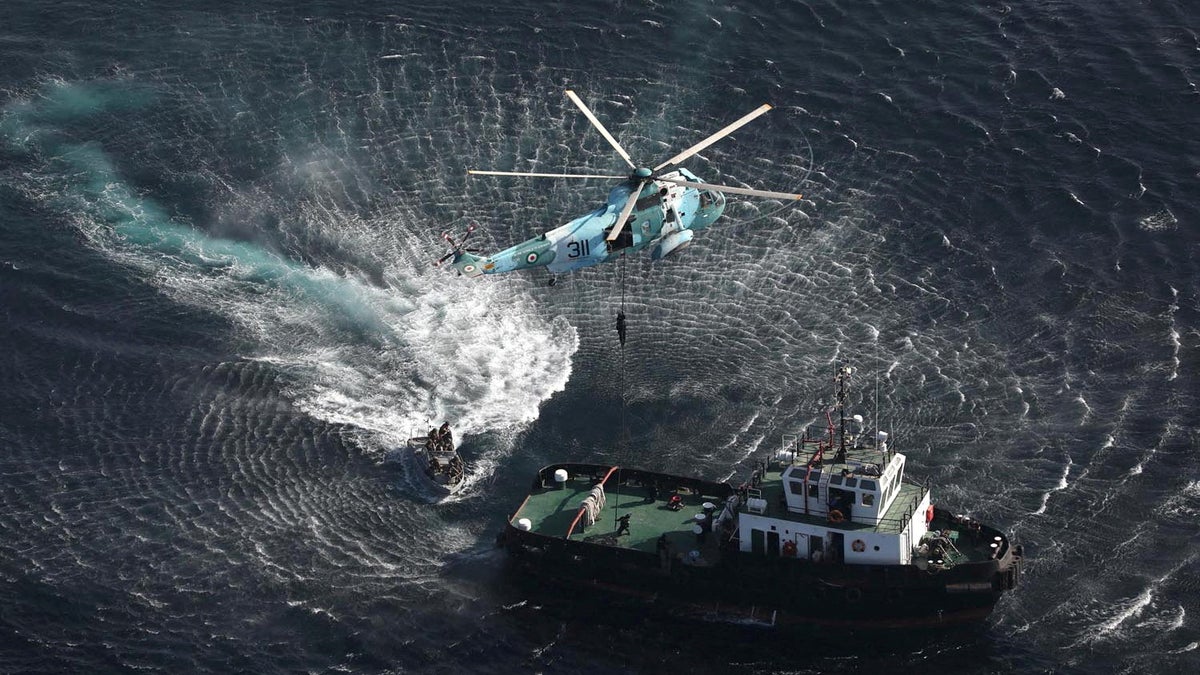
Members of the Iranian Navy attend the joint Navy exercise of Iran, China and Russia in the Gulf of Oman, Iran, in this handout image obtained on March 12, 2025. (Iranian Army/WANA (West Asia News Agency)/Handout via Reuters)
«They are doing for the Iranians without spending money, spending troops or spending equipment,» Svetlova added. «They share knowledge. They supplied the Iranians with a target list, basically, through their satellites – American targets, but also air targets in the Gulf and Iraq.»
Harward argued that confronting this growing cooperation requires a broader strategy. «If we want to break the threat of the increasingly dangerous Russian-Iranian alliance, we need to fully decimate Iran’s capabilities to threaten our allies and the United States – and we need to continue to support Ukraine and get Europeans to do their part,» he said.
Filipetti remains skeptical of Moscow’s role as a mediator. «The idea that Russia would call on the U.S. and Israel to cease military operations against the regime in Iran and suggest that we should negotiate is absurd,» Filipetti said.
CLICK HERE TO DOWNLOAD THE FOX NEWS APP
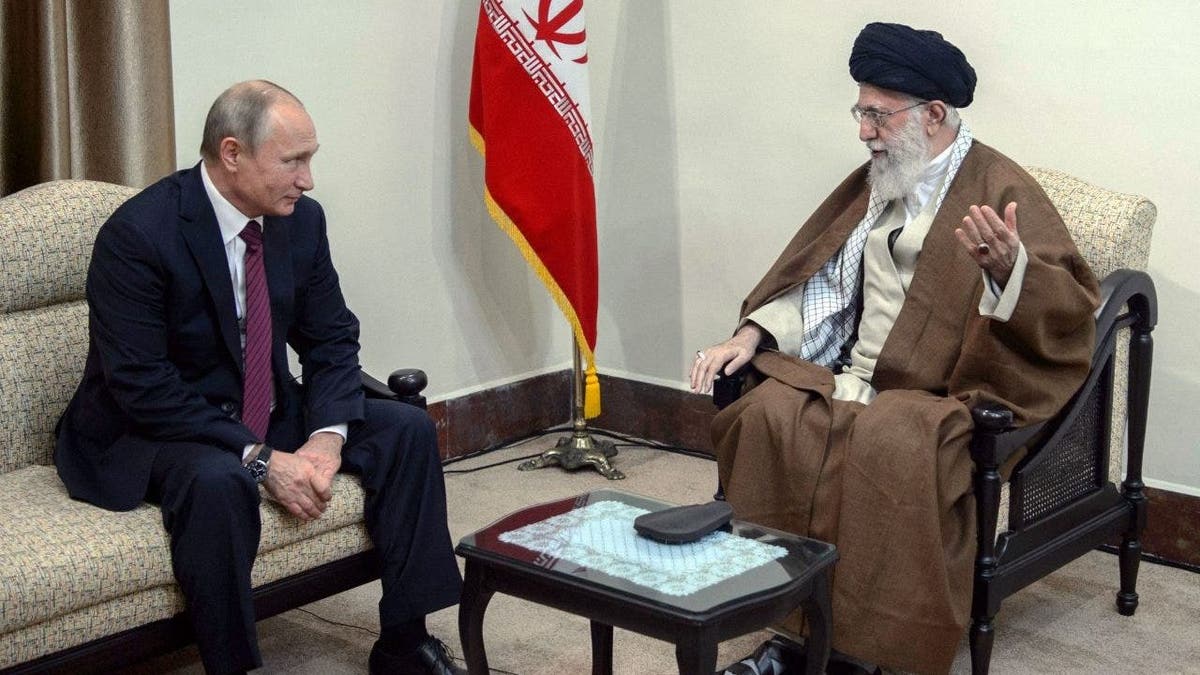
Russian President Vladimir Putin (L) meets with Iran’s Supreme Leader Ayatollah Ali Khamenei in Tehran. ((Photo by Dmitry AZAROV / SPUTNIK / AFP) (Photo by DMITRY AZAROV/SPUTNIK/AFP via Getty Images))
Although Russia is falling short of helping Iran in a straightforward military way, experts say the cooperation in the world of intelligence has been profound.
Ultimately, Newton argued that Russia’s actions should be viewed through the lens of President Vladimir Putin’s broader geopolitical goals. «Putin only does what serves Putin, and right now escalating the war in the Middle East and driving up oil prices only serves his interests so he can continue to fund his war machine against Ukraine,» he said.
war with iran,vladimir putin,ali khamenei,iran,russia
INTERNACIONAL
Critical swing state candidates reveal where they stand on DHS funding after suspected terror attacks

NEWYou can now listen to Fox News articles!
Four suspected terror attacks have taken place in the United States since the Department of Homeland Security was defunded in a partial government shutdown last month, including one in the state of Michigan where Fox News Digital reached out to all the major Senate candidates if they support funding DHS.
Republican Mike Rogers, former chairman of the House Intelligence Committee, says he would be a «Yes» vote to re-open DHS and told Fox News Digital in an interview that «we needed all hands on deck» when the United States engaged in «defanging Iran» through military action and that a «life might depend on it.»
«This was an opportunity to have our law enforcement officers from immigration, from making sure that the Coast Guard’s up, the TSA is getting paid. This was an opportunity to stand up for America,» Rogers said. «It’s crazy to me that the Democrats just turned their back on safety and security of American citizens. They just turned their backs for some political purpose that they think is going to gain them votes in the fall. I’m disgusted by it. This is no time to play politics with people’s safety, and they’re doing it.»
Senate Democrats have voted four times over the past month to block Homeland Security funding because the bills include funding for Immigration and Customs Enforcement (ICE) and Customs and Border Protection (CBP). Democrats say reforms are needed at those two DHS agencies following the fatal shootings earlier this year by federal immigration agents of two U.S. citizens in Minnesota who were protesting the Trump administration’s unprecedented illegal immigration crackdown.
‘YOU CAN CRY ABOUT IT’: TEMPERS FLARE IN SENATE AS DHS SHUTDOWN DEBATE ERUPTS, STALEMATE DIGS DEEPER
Senate Minority Leader Chuck Schumer, D-N.Y., during a news conference following Senate Democrat policy luncheons at the U.S. Capitol in Washington, D.C., March 3, 2026. (Graeme Sloan/Bloomberg via Getty Images)
Two Democrats, Sens. Elissa Slotkin and Gary Peters, are currently representing the state of Michigan in the U.S. Senate and both have so far voiced opposition to re-opening DHS.
The three top Democrats running in the August 4 primary to replace the retiring Peters struck a different tone than Rogers when contacted by Fox News Digital about their support of funding DHS.
Progressive Democratic candidate Abdul El-Sayed, endorsed by Independent Sen. Bernie Sanders, did not specify how he would vote on DHS funding but told Fox News Digital that «if the Trump administration were serious about keeping Americans safe from terror, they would not be funding ICE at a level higher than the FBI, cutting counterterrorism funding, or keeping the FBI from informing local law enforcement about terror threats that emerge from their illegal and unjustified war.»
«Let’s not confuse issues.»
The other two top Democrats in the race, Mallory McMorrow and Haley Stevens, did not respond to requests for comment.
TRUMP SAYS ‘WE’VE GOT OUR EYES ON’ IRANIAN SLEEPER CELLS IN US
On Thursday, as Democrats and Republicans clashed in Washington, D.C. over funding DHS, two separate attacks suspected of being related to terrorism or religious ideology occurred in the United States.
In Virginia, 36-year-old Mohamed Bailor Jalloh, a former Army National Guard soldier convicted of supporting ISIS, reportedly shouted, «Allahu Akbar» as he opened fire inside Old Dominion University, killing devoted ROTC instructor Lt. Col. Brandon Shah and injuring two others.
In Michigan, Ayman Mohamad Ghazali, 41, allegedly rammed his vehicle into Temple Israel, a large Reform synagogue in West Bloomfield, and opened fire at security guards with a rifle, authorities said. Armed security returned fire and shot him dead.
CLICK HERE TO DOWNLOAD THE FOX NEWS APP
Those attacks came shortly after 53-year-old Senegal-born Ndiaga Diagne killed three people after allegedly opening fire outside a bar in Austin, Texas while wearing a shirt that said «property of Allah.»
Not long after that, in New York City, two suspects were arrested after allegedly throwing improvised explosive devices near Gracie Mansion during a protest, with one reportedly telling authorities he was inspired by ISIS.
politics,michigan,senate elections,homeland security

Inundaciones en Tucumán: un drama humanitario y los fondos que el gobierno de Jaldo recibió y no usó

Tras el viaje a Nueva York, Manuel Adorni aseguró: “Uno hace las cosas bien, pero te podés equivocar”

El Oscar 2026 a mejor película extranjera no es solo una competencia entre ‘Valor sentimental’ y ‘El agente secreto’

Juicio por YPF: el gobierno de Estados Unidos volvió a intervenir a favor de Argentina

Video: el tremendo golazo de Nahuel Molina y la reacción del Cholo Simeone

El reclamo de Gustavo Garzón contra los recortes en discapacidad: “¿Cómo les digo a mis hijos que no hay plata?”

Muni Seligmann respondió las críticas tras el accidente de su bebé y su viaje a Miami: “Hay que contarlo y naturalizarlo”

El ex novio de Luana de Gran Hermano reveló información sensible sobre su relación: “El bolso tenía plata”

Sorpresa en Gran Hermano tras la expulsión de Carmiña: la reacción de la producción y las dudas sobre su reemplazo

Emanuel Noir, de Ke Personajes, anunció que dejará las redes sociales: “Una búsqueda mayor a la que creí, apareció”

 CHIMENTOS2 días ago
El ex novio de Luana de Gran Hermano reveló información sensible sobre su relación: “El bolso tenía plata”
- CHIMENTOS2 días ago
Sorpresa en Gran Hermano tras la expulsión de Carmiña: la reacción de la producción y las dudas sobre su reemplazo
- CHIMENTOS2 días ago
Emanuel Noir, de Ke Personajes, anunció que dejará las redes sociales: “Una búsqueda mayor a la que creí, apareció”