INTERNACIONAL
El eslabón de “El Mencho” en Uruguay, el país en el que cayeron su cuñado y uno de sus testaferros

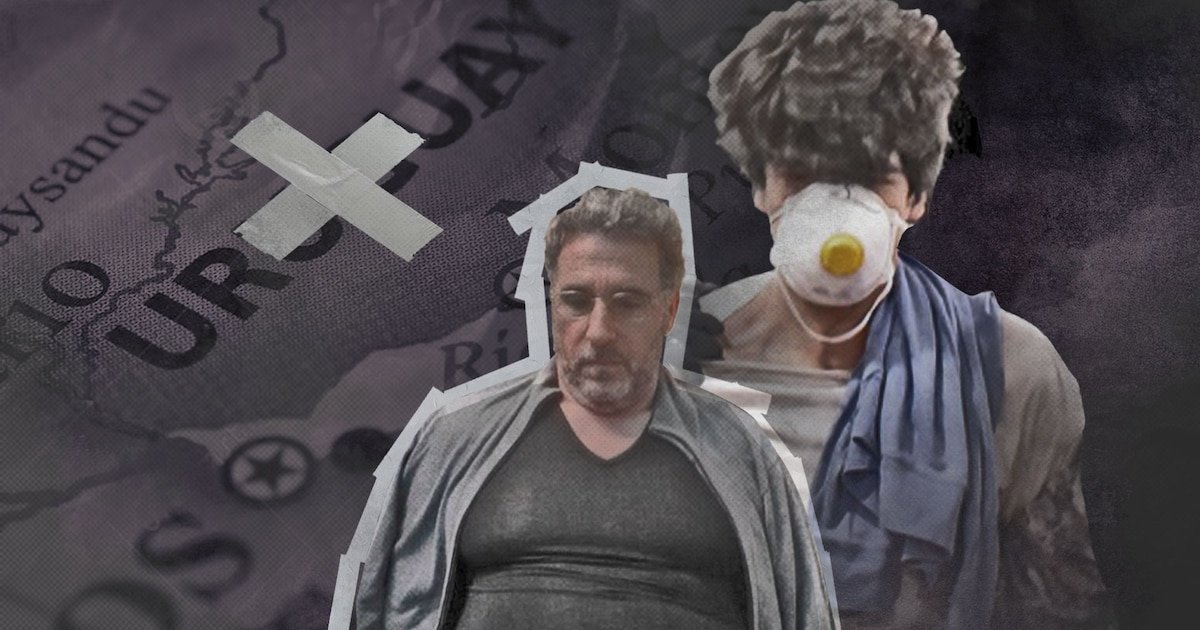
Oseguera Cervantes, alias El Mencho, tuvo en su vida una pata financiera en Uruguay que le permitió lavar dinero. Este país fue en el que fue detenido Gerardo González Valencia, el cuñado del capo narco que fue matado este domingo por el ejército mexicano. Además, también fue el lugar en el que uno de sus testaferros fue detenido.
Tras la muerte del cártel Jalisco Nueva Generación, el diario El País de Uruguay publicó un informe en el que recuerdan el vínculo que tuvo el narcotraficante con este territorio. Esa cercanía estaba dada por la hermana de Gerardo González Valencia, Rosalinda, que era la esposa de El Mencho.
González Valencia fue uno de los líderes de Los Cuinis, la célula criminal integrada por un grupo de hermanos que coordinaba labores y que los llevaron a convertirse en el brazo financiero del Cártel Jalisco Nueva Generación. Se trata de un delincuente que, entre viajes a safaris, mundiales y Europa, logró evadir a la Justicia hasta que el gobierno de Estados Unidos presentó una acusación formal sobre él y fue detenido en Uruguay en 2016.

Allí estuvo cuatro años preso, hasta que en mayo de 2020 Lalo, como le decían, fue extraditado a Estados Unidos, país en el que se enfrentaba a varios cargos relacionados al narcotráfico y al lavado de dinero. En 2023, González Valencia obtuvo la pena máxima por los cargos por los que estaba requerido y fue condenado a participar el resto de sus días en la cárcel.
Según el diario uruguayo, los vínculos del capo narco abatido con Uruguay que fueron detectados por las autoridades se centran en González Valencia. Aunque también hay otra relación: el 30 de mayo de 2023, la Policía detuvo en Punta del Este a Óscar Gilberto Calvete. Sobre él pesaba una alerta roja de captura internacional de Argentina, donde está acusado de lavar dinero para Los Cuinis.
Calvete junto a otros cinco hombres intervinieron al poner en circulación en el sistema financiero argentino bienes que provenían de actividades relacionadas con delitos del Cártel Jalisco Nueva Generación. Lo hacían a través de la sociedad anónima Círculo Internacional. Las autoridades lo tenían en la mira desde 2009.

González Valencia, en tanto, había vivido dos años en Argentina antes de llegar al país, por razones que los investigadores argentinos desconocen.
En Uruguay, González Valencia vivió en Punta del Este y anotó a sus hijos en un colegio de esa ciudad. El libro Los protectores del capital del sociólogo Gabriel Tenembaum señala que él se presentaba como cazador y que en el país lavaron cerca de USD 10 millones procedentes del tráfico de drogas. En 2016, en tanto, fue detenido en la puerta del colegio de sus hijos, en el barrio residencial Carrasco de Montevideo.
Su estadía en la cárcel, recuerda El País, le dio muchos dolores de cabeza a las autoridades y en más de una oportunidad hubo sospechas de que estaba tramando un plan para escapar. Denunció que hubo torturas sobre él.

Durante su reclusión en Uruguay, González Valencia estuvo en el centro de la política al confirmarse que mantuvo encuentros con Rocco Morabito, el jefe de la mafia italiana que estuvo preso en la Cárcel Central y que logró escapar de allí. En ese período, también se registró una amenaza dirigida al entonces ministro del Interior, Eduardo Bonomi. González Valencia dijo que “lo colgaría del puente más alto de Uruguay”, según surge de documentos judiciales consignados por el noticiero Telenoche de Canal 4.
También fue noticia a finales de año, cuando el diario El País informó que sus abogados apelaron a su estadía en el país y a la discusión que se dio en los tribunales uruguayos previo a que se concrete la extradición para evitar la cadena perpetua. En concreto, el narcotraficante intentó ampararse en fallos de la Justicia uruguaya para evitar que un Tribunal de Apelaciones de Estados Unidos confirmara su cadena perpetua. Jueces y fiscales uruguayos habían argumentado que la aplicación de la cadena perpetua “vulneraría el orden público” de Uruguay.
corresponsal: Desde Montevideo










INTERNACIONAL
Amenazas de Irán y el petróleo Brent en precios récord: el análisis de un especialista en seguridad y defensa sobre la tensión en Medio Oriente
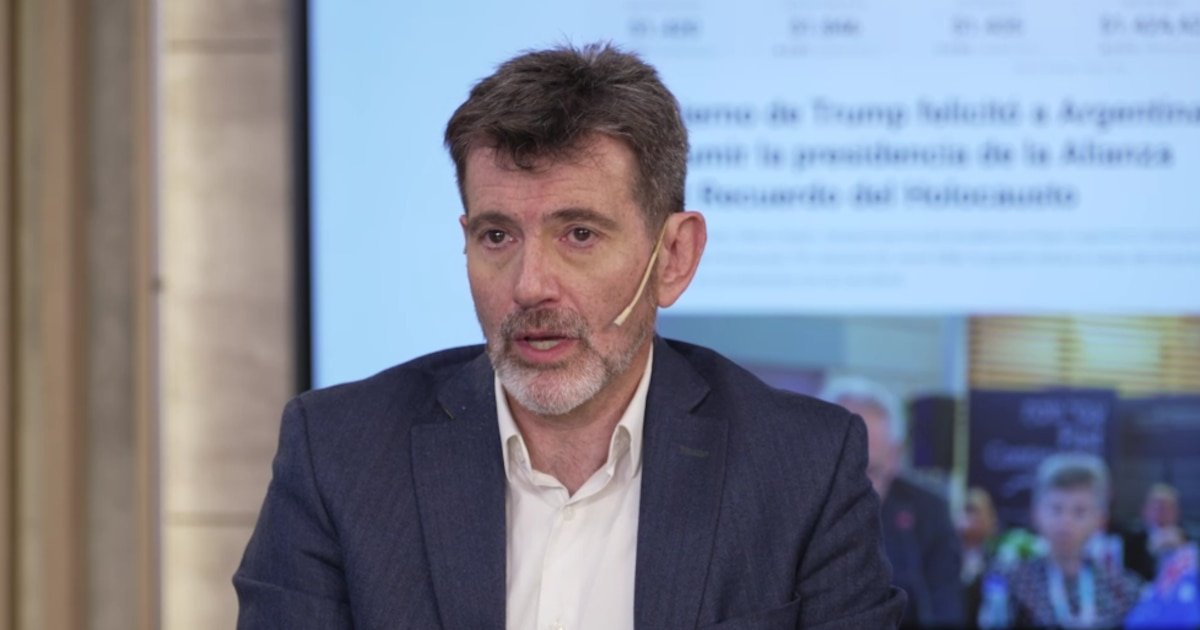
Juan Battaleme, ex secretario de Asuntos Internacionales del Ministerio de Defensa, advirtió en Infobae al Mediodía que la amenaza de Irán sobre las refinerías del Golfo ya disparó el Brent a 108 dólares y podría provocar una crisis global de abastecimiento.
En una entrevista durante el debate en vivo de Infobae al Mediodía, el analista internacional dialogó con Maru Duffard, Andrei Serbin Pont y el resto del staff sobre el cambio de escenario tras el ataque israelí a campos de gas iraníes y la reacción inmediata de Teherán.
“Estamos hablando de un Brent en USD 108,79”, precisó Andrei Serbin Pont al analizar la reacción de los mercados tras la amenaza iraní. La advertencia de Irán, que incluye una lista de blancos en Qatar y Arabia Saudita, forzó a evacuar y detener operaciones en varias instalaciones, según explicó el panel con datos de Bloomberg. “Varias de estas plantas ya están declarando que las están evacuando en preparativos para un posible ataque”, sostuvo Serbin Pont, lo que refuerza el riesgo de una interrupción mayor en el suministro energético global.
Battaleme destacó la paradoja del conflicto: “Irán dice: ‘Voy a atacar todas estas infraestructuras petroleras, el precio del petróleo sube’. Irán recauda más, porque no tiene el bloqueo petrolero en este momento. China paga más por el petróleo que le compra a Irán. Eso ya es una locura”. El impacto ya se siente en Argentina y el mundo, donde “aumenta el petróleo y no importa lo que hagas, te impacta”, remarcó Duffard. La logística nacional, dependiente del combustible, sufre la volatilidad del mercado internacional.
El panel abordó el uso de bombas penetrantes norteamericanas tras los recientes ataques a posiciones iraníes. Serbin Pont detalló: “Estados Unidos habría utilizado diferentes tipos de bombas penetradoras. Específicamente, se especula que podrían haber sido la GBU 72, que es una de las más avanzadas que se vienen desarrollando en los últimos años. Permiten atravesar por lo menos unos cinco metros de concreto en esta versión más avanzada”.
Battaleme profundizó sobre la capacidad destructiva de estos proyectiles: “La GBU 57A/B Massive Ordnance Penetrator es una bomba de 13.700 kilogramos que permite penetrar hasta 61 metros de concreto reforzado”. El ataque a campos de gas como South Pars demuestra la sofisticación del arsenal estadounidense y la carrera tecnológica entre potencias para vulnerar las fortificaciones subterráneas de Irán.
Consultado por la influencia externa, Battaleme explicó: “Irán está empezando a tener inteligencia de Rusia. Antes necesitabas diez misiles para pegarle a algo, ahora con uno o dos tenés más chance. Hoy Rusia le está proveyendo inteligencia satelital, le están marcando cuáles son los objetivos más rentables”. El apoyo ruso optimiza la capacidad de daño iraní sobre infraestructuras estratégicas, mientras la falta de una coalición internacional limita la reacción de Estados Unidos.

La situación se complejiza con la postura de China, principal comprador del crudo iraní. “China está activo a nivel diplomático, se aseguró de que lo que salga de Irán y vaya para China no se lo toquen los norteamericanos”, subrayó Battaleme. El panel recordó que, a diferencia de conflictos previos, Estados Unidos hoy permite que buques iraníes crucen el estrecho de Ormuz hacia Asia, para evitar una escalada directa con China.
Battaleme sintetizó el escenario: “La voluntad norteamericana es irse cuanto antes, terminar la misión. Trump está apurado porque lo corren los tiempos del Congreso. Israel defiende la supervivencia de su Estado. Irán, sobrevivir. Los países del Golfo, salvar la infraestructura petrolera. Podés terminar en la paradoja de que en una semana digan: Irán ganó, Estados Unidos ganó, Israel sigue bombardeando y los países del Golfo salvaron la infraestructura”.
—
Infobae te acompaña cada día en YouTube con entrevistas, análisis y la información más destacada, en un formato cercano y dinámico.
• De 7 a 9: Infobae al Amanecer: Nacho Giron, Luciana Rubinska y Belén Escobar.
• De 9 a 12: Infobae a las Nueve: Gonzalo Sánchez, Tatiana Schapiro, Ramón Indart y Cecilia Boufflet.
• De 12 a 15: Infobae al Mediodia: Maru Duffard, Andrei Serbin Pont, Jimena Grandinetti, Fede Mayol y Facundo Kablan.
• De 15 a 18: Infobae a la Tarde: Manu Jove, Maia Jastreblansky y Paula Guardia Bourdin; rotan en la semana Marcos Shaw, Lara López Calvo y Tomás Trapé
• De 18 a 21: Infobae al Regreso: Gonzalo Aziz, Diego Iglesias, Malena de los Ríos y Matías Barbería; rotan en la semana Gustavo Lazzari, Martín Tetaz y Mica Mendelevich
Seguinos en nuestro canal de YouTube @infobae.
War,Middle East,Military Conflicts
INTERNACIONAL
Former Assad-era prison chief convicted of torture in US federal court, marking a historic first
NEWYou can now listen to Fox News articles!
A former Syrian prison official was convicted by a U.S. federal jury in Los Angeles Monday on torture and immigration fraud charges after prosecutors said he oversaw and at times personally carried out brutal abuses against detainees under the now-ousted regime of former Syrian President Bashar al-Assad.
Samir Ousman Alsheikh, a former brigadier general who once headed Damascus Central Prison, also known as Adra Prison, was found guilty following a nine-day trial of conspiracy to commit torture, immigration-related fraud offenses, and three counts of torture, according to the Justice Department.
The case marks a historic step toward accountability, with Alsheikh becoming the first Assad-era official to be tried and convicted in a U.S. federal court.
Prosecutors said the 73-year-old ordered and oversaw the torture of political prisoners between 2005 and 2008, including beatings, suspension from ceilings and the use of devices such as the so-called «Magic Carpet,» which folded victims’ bodies to inflict extreme pain.
TEXAS FAMILY SUES SYRIA FOR DEATH OF LOVED ONE: ‘PLAN TO HOLD THE REGIME FULLY ACCOUNTABLE FOR ITS CRIMES’
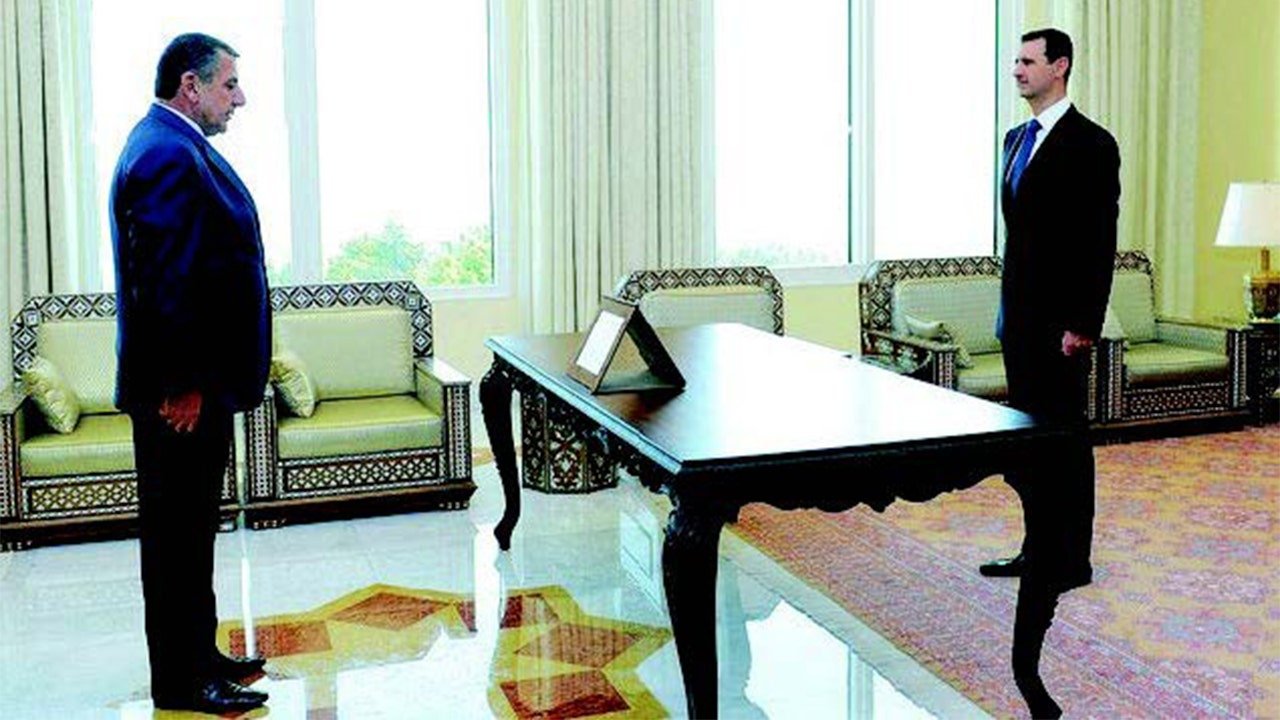
A handout photo shows former Syrian President Bashar al-Assad (R) and Samir Ousman Alsheikh (L) on or about July 25, 2011, when Assad appointed Alsheikh as governor of Deir ez-Zor. (U.S. Department of Justice)
He entered the United States in 2020 after lying about his past on his visa application and later attempted to become a U.S. citizen, authorities said.
Alsheikh, who was arrested at Los Angeles International Airport in 2024 as he attempted to board a one-way flight to Beirut, faces up to 20 years in prison for each torture-related count when he is sentenced at a later date.
«Samir Ousman Alsheikh ordered, directed, and directly participated in heinous acts of torture designed to inflict excruciating mental and physical pain with the goal of punishing and silencing political dissent,» said Tysen Duva, assistant attorney general for the Justice Department’s criminal division in a statement.
«For many years, he evaded responsibility for his crimes in Syria, including by lying to U.S. immigration authorities in order to reside in the U.S. with the hope of obtaining citizenship. Thanks to the courage and perseverance of the victims and the dedication of Department of Justice prosecutors, along with their law enforcement partners, justice has prevailed and Alsheikh can no longer run from his past.»
‘HIGH STAKES DIPLOMACY’: NEW BOOK GIVES AN INSIDE LOOK AT EFFORTS TO BRING HOME AN AMERICAN DETAINED IN SYRIA
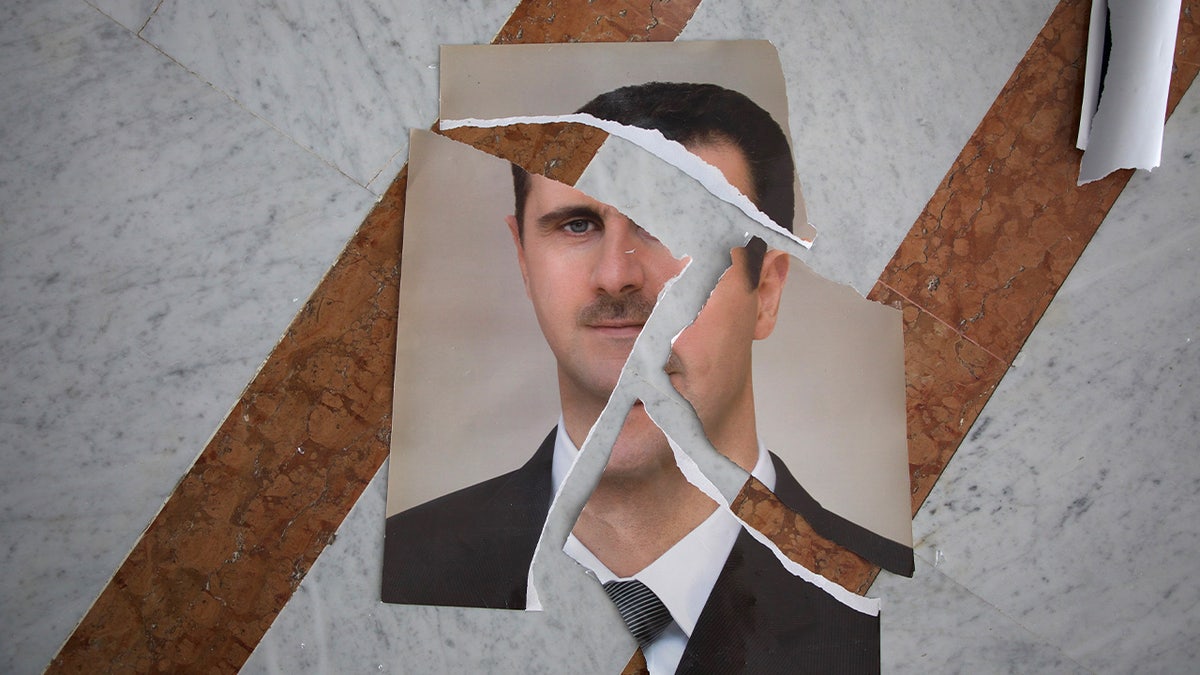
A torn portrait of Bashir al-Assad is seen inside the Presidential Palace on Dec. 10, 2024 in Damascus, Syria. (Ali Haj Suleiman/Getty Images)
According to a federal criminal complaint filed in July 2024, Alsheikh was an associate of Maher al-Assad, the younger brother of Bashar al-Assad, who led the Syrian military’s elite Fourth Division.
He was appointed by Assad in 2011 as governor of Deir ez-Zor following anti-government protests that spread across the country during the Arab Spring.
The Syrian Emergency Task Force (SETF), a Washington-based advocacy group, assisted investigators in bringing the former regime official to justice. The organization first identified Alsheikh in Los Angeles through a tip and conducted its own verification using open-source material and leaked Syrian government data.
It then alerted U.S. authorities and worked with the FBI and Justice Department to help build the case, including connecting investigators with key witnesses who testified about abuses at Adra Prison. According to SETF, it pushed for torture charges rather than solely immigration violations to ensure broader accountability.
WHATEVER HAPPENED TO…SYRIA’S CIVIL WAR?
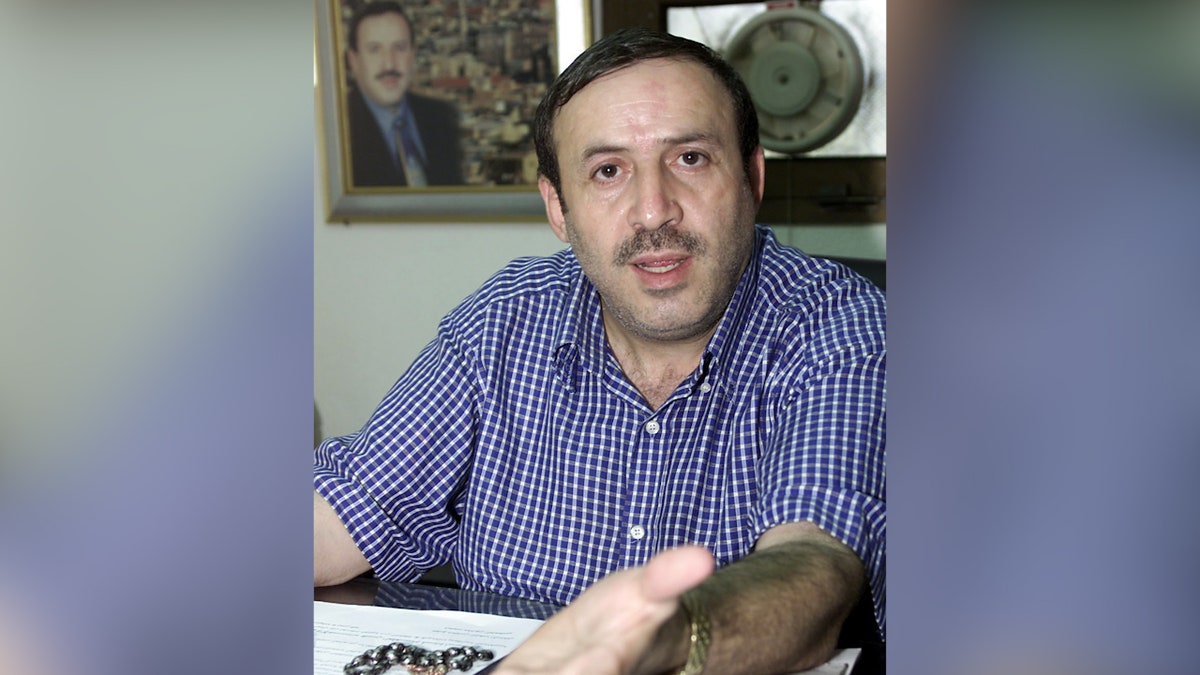
Syrian lawmaker and opposition activist Mamoun al-Homsi is pictured at his office in Damascus on Aug. 7, 2001. (Khaled Al-Hariri/Reuters)
Mamoun al-Homsi, a former independent member of the Syrian Parliament, was arrested in 2001 for demanding democratic reforms and spent five years in Adra Prison. He told Fox News Digital in an interview, through a translator, that Alsheikh stood out from other prison directors for his brutality.
Al-Homsi said that while previous prison heads largely adhered to prison rules and did not target detainees for their political views, Alsheikh’s arrival in 2005 marked a shift.
«The toughest torture for me wasn’t anything done to me physically as much as it was what was done to others on my behalf,» said al-Homsi.
SETF executive director Mouaz Moustafa, who attended the trial, told Fox News Digital that testimony revealed Alsheikh allegedly ordered another prisoner, Khaled Abdul Malek, to poison al-Homsi.
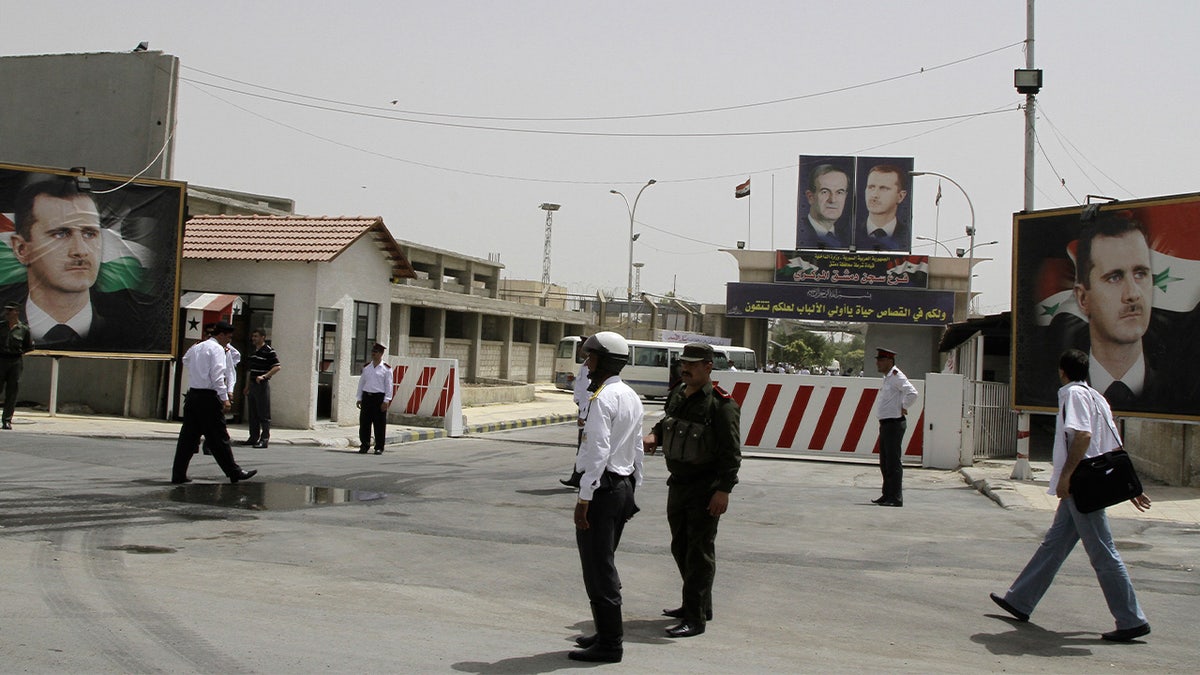
Police stand at the gate of Damascus Central Prison in the Adra area near the Syrian capital Damascus on May 28, 2010. (Khaled al-Hariri/Reuters)
«Khaled Abdul Malek had come so close to Mamoun al-Homsi so he told him about this plan and told him don’t eat anything from anyone to the point where Mamoun al-Homsi would go to the trash if there was any and wash whatever is left,» Moustafa said.
Malek refused Alsheikh’s demand to poison the prominent political figure, leading to him being placed in Wing 13, a notorious part of the prison where people were tortured.
«Khaled Malik then had his back broken,» Moustafa said, adding that he arrived in court with a cane and could barely walk.
Al-Homsi said he survived on olive pits and lost more than 60 pounds. He was released in 2006 and later fled to Canada.
WHY SYRIA PLAYS A KEY ROLE IN TRUMP’S PLANS FOR MIDDLE EAST PEACE
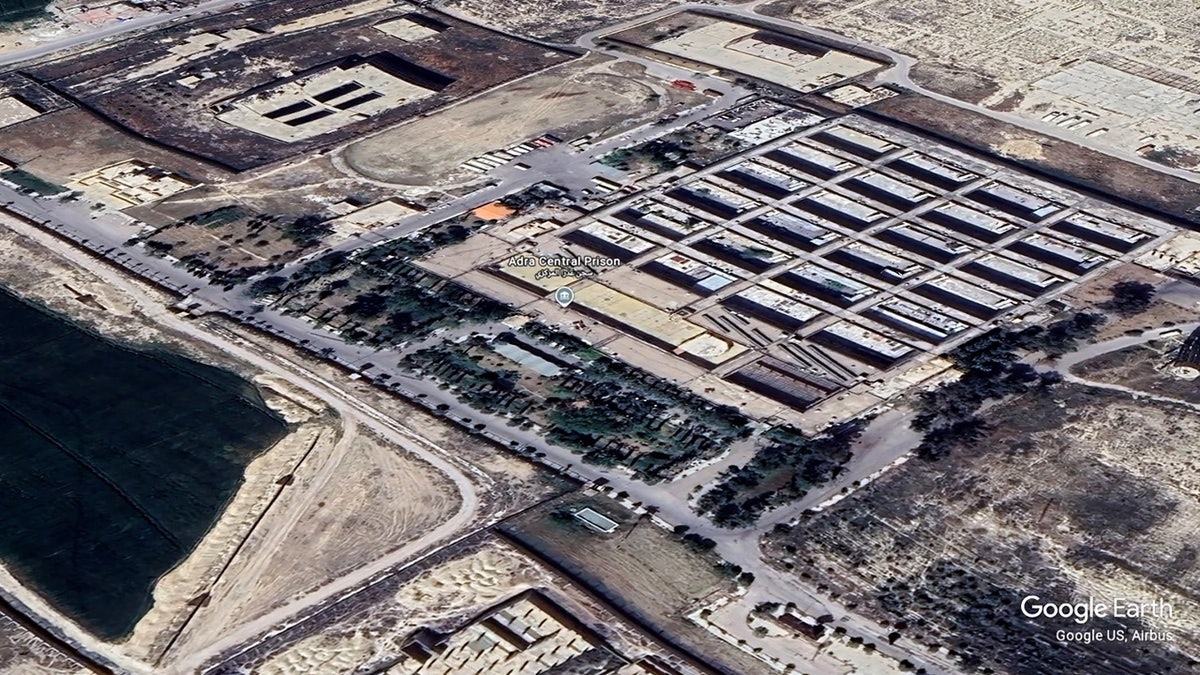
An aerial view of Adra Prison, located on the outskirts of Damascus, Syria. (Google Earth/Fox News Digital Ashley Carnahan)
CLICK HERE TO DOWNLOAD THE FOX NEWS APP
The former parliament member told Fox News Digital the verdict sends a message that former regime officials cannot evade accountability, even if they leave Syria and attempt to rebuild their lives abroad.
Al-Homsi called the verdict a signal that justice, though long delayed, is finally taking hold — an outcome he described as essential for the future of a free Syria.
syria,justice department,human rights,los angeles
INTERNACIONAL
Por la incertidumbre económica, la Reserva Federal mantuvo la tasa de interés en EE.UU.
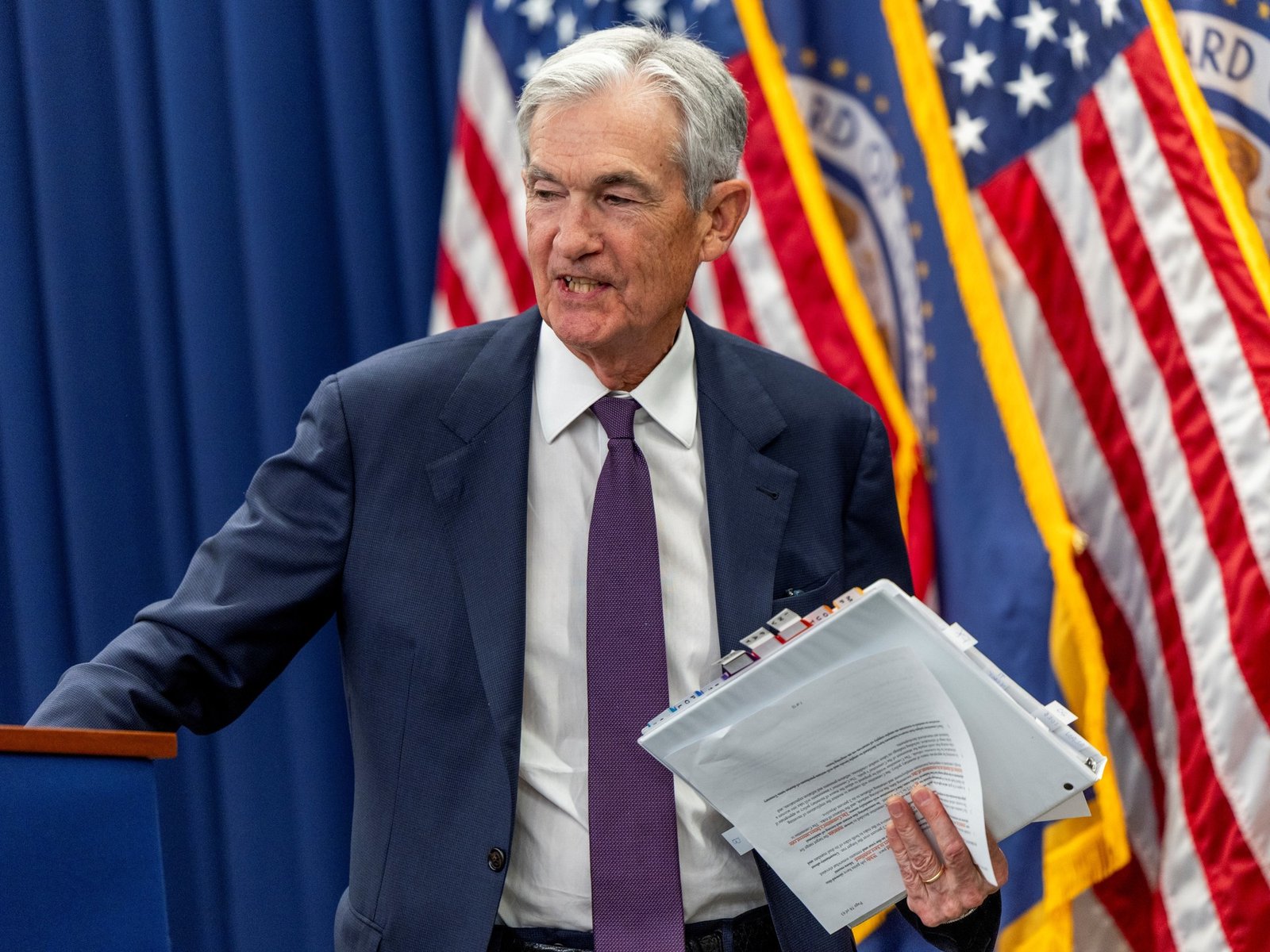
Por la guerra con Irán, la incertidumbre económica y la inflación que no baja en Estados Unidos, la Reserva Federal (Fed) decidió este miércoles mantener la tasa de interés sin cambios, pese a que el presidente Donald Trump viene exigiendo una baja inmediata de tipos. «Las implicaciones de los acontecimientos en Oriente Medio para la economía estadounidense son inciertas», dijo la Fed.
Así, la Reserva Federal dejó la tasa en el rango entre 3,5 y 3,75 %.
La Fed tuvo su segunda reunión de 2026 para decidir sobre la tasa de interés, en un contexto marcado por la nueva coyuntura derivada de la guerra contra Irán y su impacto en los precios del crudo, la inflación y las expectativas de crecimiento económico.
“Los indicadores disponibles sugieren que la actividad económica se ha expandido a un ritmo sólido. El aumento de empleo se ha mantenido bajo y la tasa de desempleo ha cambiado poco en los últimos meses. La inflación sigue siendo algo elevada”, dijo la Fed en un comunicado al anunciar su decisión.
Y agregó que “el Comité busca alcanzar el máximo empleo e inflación a un ritmo del 2 por ciento a largo plazo».
Luego advirtió: «La incertidumbre sobre las perspectivas económicas sigue siendo elevada. Las implicaciones de los acontecimientos en Oriente Medio para la economía estadounidense son inciertas. El Comité presta atención a los riesgos para ambos lados de su doble mandato”.
“Al considerar el alcance y el momento de ajustes adicionales al rango objetivo del tipo de interés de fondos federales, el Comité evaluará cuidadosamente los datos entrantes, la evolución de las perspectivas y el equilibrio de riesgos. El Comité está firmemente comprometido con apoyar el máximo empleo y devolver la inflación a su objetivo del 2 por ciento”, agregó sobre el futuro.
Además, advirtió que “el Comité estaría preparado para ajustar la postura de la política monetaria según corresponda si surgen riesgos que puedan obstaculizar el logro de sus objetivos. Las evaluaciones del Comité tendrán en cuenta una amplia gama de información, incluyendo lecturas sobre las condiciones del mercado laboral, presiones inflacionarias y expectativas inflacionarias, así como desarrollos financieros e internacionales”
Los expertos ya habían advertido que el complicado escenario no ayudaba a que las tasas bajaran. «La guerra (de Irán) representa un choque ‘stagflacionario’ (mezcla de inflación con estancamiento) de la economía estadounidense en el corto plazo», dijo Michael Pearce, economista jefe de Oxford Economics, quien recordó que antes del comienzo de la guerra conjunta de EE.UU. e Israel contra Irán el 28 febrero, el mercado laboral estaba estabilizado y la inflación seguía una tendencia descendente.
Los analistas, en general, no han cambiado por el momento sus expectativas de recortes de tipos de interés para este año y siguen esperando alrededor de dos recortes de 25 puntos básicos en 2026, pese a que Trump sigue insistiendo en que es necesario un estímulo mayor con la baja del precio del dinero.
Los datos macroeconómicos más recientes, que no tienen en cuenta todavía el impacto de un barril de petróleo con riesgo de consolidarse por encima de los 100, no pintan un cuadro muy prometedor para la economía estadounidense.
En febrero Estados Unidos perdió 92.000 empleos, el segundo peor dato en más de un año, mientras que el crecimiento del último trimestre de 2025 fue revisado fuertemente a la baja hasta un 0,7 % en tasa anualizada, mientras que la inflación se mantuvo sin grandes cambios en el 2,4 % en febrero.
Esta será la penúltima reunión para el presidente de la Fed, Jerome Powell, antes de su salida en mayo, aunque el final de su gestión podría retrasarse si el nominado por Trump para sustituirlo, Kevin Warsh, no consigue la confirmación del Senado con la suficiente premura.
Powell ha aguantado más de un año de críticas públicas y presiones constantes por parte de Trump para que acelere la baja de tasas para abaratar el crédito y reactivar la economía. El siempre se mantuvo firme, argumentando que las decisiones las toma basándose en los indicadores más relevantes y no en presiones políticas.
La Fed ha mantenido los tipos sin cambios en lo que va de año tras tres recortes consecutivos de 25 puntos básicos a finales de 2025 y mantuvo los tipos de interés entre el 3,5 y el 3,75 %.
Sin embargo, algunos analistas, como Gregory Daco, economista jefe de EY-Parthenon, señalan que es posible que la Fed revise al alza las previsiones de inflación a medio plazo, con un impacto solo marginal debido a los precios de la energía, algo que «hace totalmente plausible que no haya ni un solo recorte de tipos en todo este año».

Legisladores de Karina Milei salieron a cruzar a Jorge Macri: lo acusaron de copiarles un paquete de medidas

Una participante de Ahora Caigo contó que se distanció de sus amigas y Darío Barassi la aconsejó: “Puliendo las amistades”

Julio Cobos confirmó que se juntó con Cristina Kirchner luego de la votación por la 125: “La vi muy angustiada, hasta nerviosa”

Amenazas de Irán y el petróleo Brent en precios récord: el análisis de un especialista en seguridad y defensa sobre la tensión en Medio Oriente

El fenómeno Baldur’s Gate 3 fue tan grande que ayudó a ‘revivir’ 9 joyas RPG, así que sus desarrolladores no pueden estar más agradecidos con Larian

El Banco Central aprovechó la calma cambiaria para volver a comprar dólares: cuánto acumula en el año

TRAICIÓN Y ÉXODO: La promesa rota de Monteoliva que desató una ola masiva de bajas en la Policía Federal

Adorni se disculpó por el viaje de su esposa: “Fue una pésima decisión, más allá de que no generó gasto para el Estado”

Insólito: un esquiador británico terminó la Copa del Mundo de Oslo bajo los efectos del alcohol

Horacio Rodríguez Larreta reapareció y lanzó “Metrópolis”, su nuevo espacio en la Ciudad de Buenos Aires

 POLITICA2 días ago
TRAICIÓN Y ÉXODO: La promesa rota de Monteoliva que desató una ola masiva de bajas en la Policía Federal
- POLITICA2 días ago
Adorni se disculpó por el viaje de su esposa: “Fue una pésima decisión, más allá de que no generó gasto para el Estado”
- INTERNACIONAL2 días ago
Insólito: un esquiador británico terminó la Copa del Mundo de Oslo bajo los efectos del alcohol