INTERNACIONAL
El fracaso de la prohibición de TikTok en Albania: los ciudadanos eluden el veto masivamente con VPN


La prohibición de TikTok impuesta este año en Albania parece obsoleta, pues los ciudadanos del pequeño país balcánico la eluden en masa recurriendo a las redes privadas virtuales (VPN), mientras que periodistas y activistas la combaten por considerarla una restricción a la libertad de expresión.
El veto a la popular red social china fue adoptado en marzo pasado por el Gobierno del primer ministro socialista, Edi Rama, después de que un chico de 14 años muriera apuñalado frente una escuela en Tirana, en una pelea supuestamente vinculada a TikTok.
“Hoy en día, los ciudadanos pueden acceder a TikTok sin obstáculos, y no ha respuesta por parte de las instituciones”, aseguró el abogado y analista de medios albanés Alban Duraj.
”De hecho, la disposición legal sigue siendo meramente formal, ya que nunca ha sido aplicada por las autoridades”, agregó en declaraciones telefónicas a EFE en Skopie.
Al anunciar la prohibición, Rama citó una encuesta realizada a unos 65.000 padres, de los cuales, según afirmó, el 90% apoyó el cierre de la plataforma por temor a que pudiera fomentar el acoso, la violencia entre menores y representar riesgos para la privacidad de los datos.

Pero la medida resultó muy impopular, no sólo entre los jóvenes, sino que generó descontento también entre blogueros, periodistas, empresarios y trabajadores independientes, que consideran TikTok una importante herramienta para difundir sus ideas o promocionar sus productos y servicios.
Por considerarla una restricción a la libertad de expresión, la prohibición fue impugnada ante el Tribunal Constitucional por tres organizaciones cívicas y periodísticas.
“Confiamos en que el Tribunal Constitucional tome una decisión conforme a la Constitución y a los estándares europeos de libertad de expresión, declarando inválida la prohibición”, dijo Isa Myzyraj, presidente de la Asociación de Periodistas de Albania (AGSH), uno de los grupos que presentó la demanda.
Si bien admite que, en la práctica, la prohibición fue ineficaz, considera en declaraciones telefónica a EFE que “la decisión creó un precedente peligroso para la restricción arbitraria de la libertad de expresión en Internet, y también del derecho de los ciudadanos a la libre información y comunicación”.
En la misma línea se ha manifestado también la Federación Europea de Periodistas (EFJ), que condenó la medida advirtiendo de que supone una amenaza a la libertad de expresión en toda la región de los Balcanes, donde el periodismo libre está bajo creciente presión.

“Apoyamos la solicitud de la AGSH y de otras organizaciones de la sociedad civil para declarar inconstitucional la decisión del gobierno albanés”, dijo la presidenta de la EFJ, la periodista croata Maja Sever, en un correo electrónico a EFE.
Inmediatamente después entrar en vigor el veto, decenas de miles de albaneses comenzaron a descargar en sus aparatos redes VPN para eludir las restricciones, según revelaron varios medios locales.
También algunas destacadas figuras públicas de Albania pudieron mantener activas sus cuentas de TikTok, según pudo comprobar EFE.
Un destacado caso es del exalcalde de Tirana Erion Veliaj, que desde la cárcel, donde cumple prisión preventiva acusado de supuesta corrupción y otros cargos, publicó mensajes y fotos en TikTok hasta agosto pasado, poco antes de ser destituido formalmente del cargo de alcalde que ocupaba desde 2015.
La red social china es extremadamente popular en Albania: los expertos estiman que tiene unos 1,5 millones de usuarios, más de la mitad de la población del país, una proporción que es muy superior entre los jóvenes de entre 12 y 25 años.
(con información de EFE)
Europe,ZENICA








INTERNACIONAL
Former Secret Service officials warn of low-tech threats facing Trump after latest Mar-a-Lago breach
NEWYou can now listen to Fox News articles!
A deadly confrontation at Mar-a-Lago, Florida, Sunday is the latest in a string of high-profile security incidents threatening President Donald Trump, as former Secret Service officials warn that low-tech, lone actors now pose one of the toughest challenges to presidential protection.
«It should be quite clear to all of us by now that Trump is the most threatened president in the history of the U.S.,» former Secret Service agent William «Bill» Gage told Fox News Digital Monday, pointing to multiple high-profile incidents in recent years. Unlike past presidencies, where threat levels often subsided over time, Gage said, «the longer he’s president, the more these attacks keep happening.»
Gage said the most difficult cases to prevent are often the least sophisticated. The recent incidents, he noted, were «super low-tech attacks by people with zero training,» using rudimentary weapons. «If you were standing behind them in line at Starbucks, you wouldn’t have given them a second look,» he said.
Gage said the threat landscape shifted over the course of his 12-year career as a Secret Service agent. When he joined the Secret Service in 2002, he said the agency was moving away from what he described as the traditional «lone gunman» model — figures like Lee Harvey Oswald, who assassinated John F. Kennedy, or international militants such as «Carlos the Jackal,» one of the world’s most wanted terrorists in the ‘70s and ’80s — and adapting to a post-9/11 world focused on coordinated terrorist networks like al Qaeda and later ISIS.
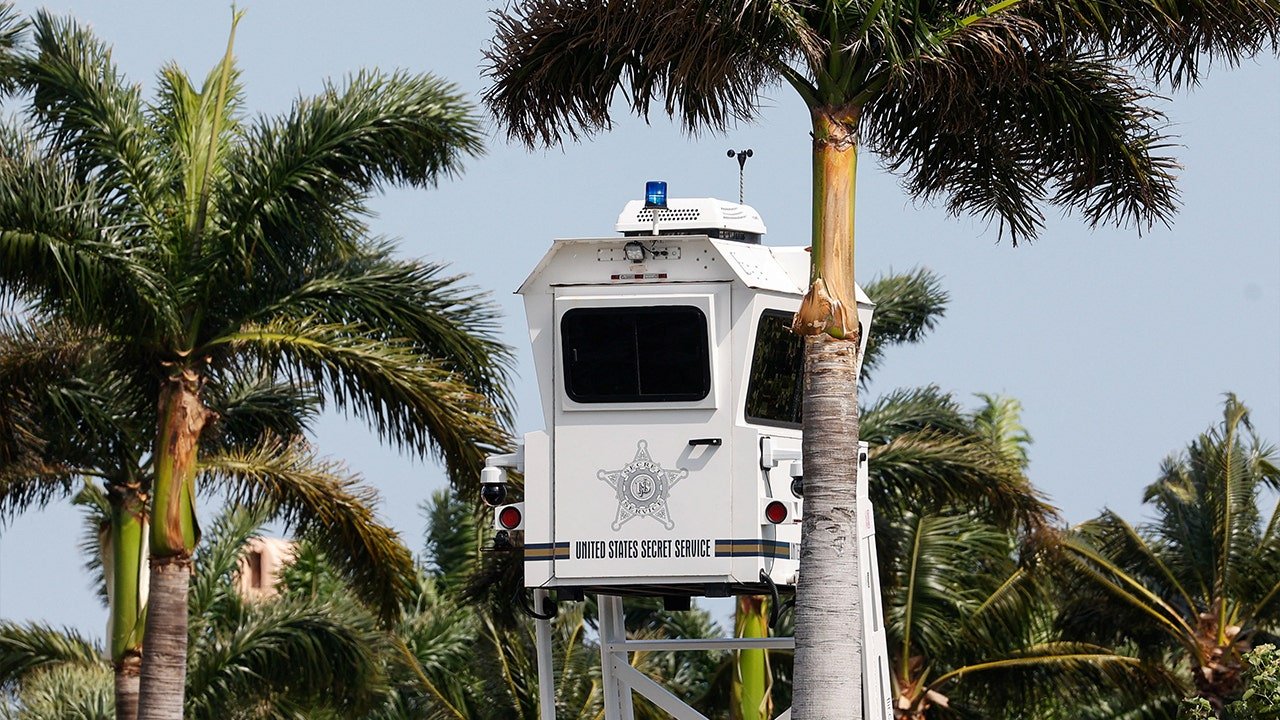
A deadly confrontation at Mar-a-Lago, Florida, Sunday is the latest in a string of high-profile security incidents involving President Donald Trump. (Marco Bello/Reuters)
«But if you look at Butler and the two incidents at Mar-a-Lago, those were super low-tech attacks,» Gage said. «The low-tech actors are the ones that tend to slip through the cracks.»
He also warned of a potential copycat effect when details of such incidents become public.
«If it were up to the Secret Service, they would never report any of these incidents ever,» Gage said, arguing that widespread coverage allows others to «study what happened» and attempt to refine it.
In today’s hyperconnected political climate, he said, that dynamic adds another layer of complexity for agents trying to stop the next threat before it materializes.
In the early hours of Sunday, a 21-year-old man identified as Austin Tucker Martin of North Carolina was shot and killed by U.S. Secret Service agents and a local sheriff’s deputy after entering the secure perimeter of Trump’s Mar-a-Lago resort in Palm Beach, Florida.
Authorities say Martin drove through the north gate carrying a shotgun and a gasoline can. After being ordered to drop both, he dropped the can but raised the shotgun toward officers, who fired and killed him at the scene. Trump and First lady Melania Trump were in Washington at the time.
The incident marked the third highly publicized security encounter involving Trump in less than two years.
In July 2024, a gunman opened fire at a campaign rally in Butler, Pennsylvania, grazing Trump’s ear and killing an attendee before being shot by a Secret Service sniper.
In September 2024, a man armed with a rifle was confronted by agents near Trump’s golf course while he was playing; that suspect was later convicted on attempted assassination charges.
While the incidents have drawn intense attention, former Deputy Assistant Director Don Mihalek said the latest Mar-a-Lago intrusion does not necessarily signal a breakdown in protective systems.
«He got through an exterior gate of an active club,» Mihalek told Fox News Digital. «This wasn’t someone reaching the president’s residence.»
Agents confronted the suspect within seconds, he said, describing the rapid response as evidence that overlapping security layers functioned as designed.
Mihalek said presidential protection relies on multiple rings of security because outer perimeters at properties like Mar-a-Lago cannot be sealed in the same way as the White House.
«If he ended up in the president’s house on Mar-a-Lago, that might be a different conversation,» he said.
He also cautioned against viewing recent incidents in isolation, noting that presidents routinely face roughly 2,000 threats per year, most of which are mitigated before the public ever becomes aware of them.
«These just happen to be very public instances,» Mihalek said, arguing that the social media era amplifies perceptions of escalation.
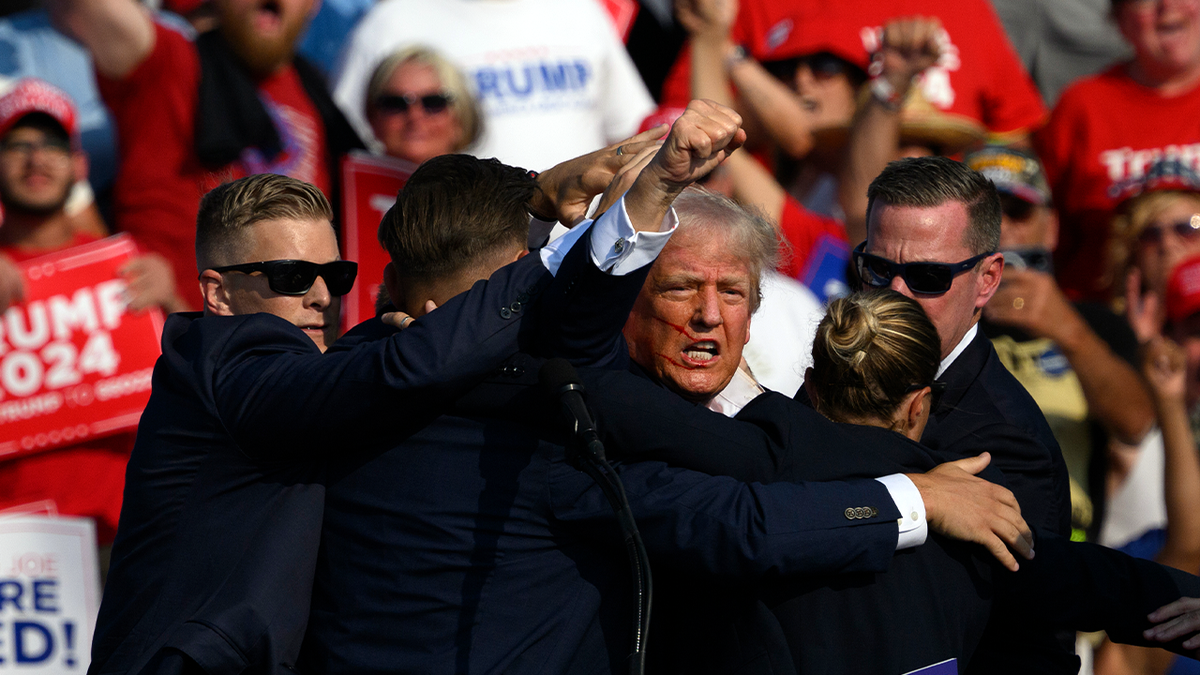
Then-Republican presidential candidate Donald Trump is whisked away by Secret Service after shots rang out at a campaign rally at Butler Farm Show Inc. July 13, 2024, in Butler, Pennsylvania. (Jeff Swensen/Getty Images)
GUNFIRE, ARSON AND VANDALISM: TRACKING POLITICAL VIOLENCE IN AMERICA
Mihalek pointed to the 2024 rally shooting in Butler, Pennsylvania, as an example of how early intervention can be decisive, noting that local law enforcement had reportedly identified the suspect prior to the attack.
«If somebody had walked up and said, ‘Hey, who are you?’ we wouldn’t be talking about Butler,» he said.
As Trump prepares to address Congress at the State of the Union, both former officials said the security posture at the Capitol is unlikely to change in response to the weekend incident.
The annual address is designated a National Special Security Event — the highest level of federal security planning — triggering coordination among the Secret Service, U.S. Capitol Police, FBI, War Department and other agencies. The designation allows for expanded perimeter controls, airspace restrictions and continuity-of-government planning.
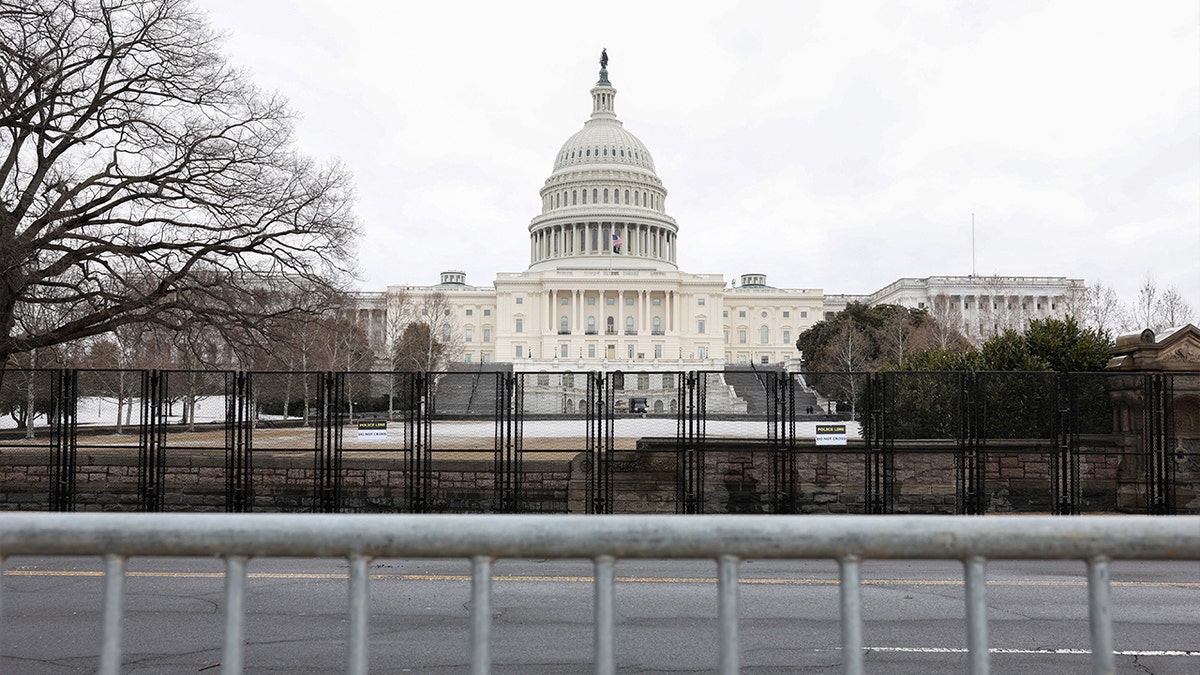
Barricades go up around the Capitol ahead of the State of the Union. (Kylie Cooper/Reuters)
CLICK HERE TO DOWNLOAD THE FOX NEWS APP
Gage, who previously led advance planning for State of the Union addresses, said the event operates under a well-established security «blueprint» built to account for worst-case scenarios. «There’s really no way to increase it anymore,» he said.
Both former officials said the defining challenge for presidential protection today is unpredictability: individuals with minimal training, rudimentary weapons and the ability to find reinforcement online. Unlike organized extremist networks, such actors may leave few detectable signals before acting.
Related Article

homeland security,national security,donald trump
INTERNACIONAL
UK government to unseal former ambassador Mandelson documents tied to Jeffrey Epstein probe
NEWYou can now listen to Fox News articles!
The UK government is set to unseal a first batch of key documents relating to Peter Mandelson’s appointment as ambassador to the U.S., MPs were told Monday.
The disclosure, set for «early March,» follows a Commons motion ordering the release of files related to Mandelson’s vetting for the post and comes in the wake of his arrest on suspicion of misconduct in public office.
«The government expects to be able to publish the first tranche of documents very shortly, in early March,» Darren Jones, chief secretary to Prime Minister Keir Starmer, told the House of Commons.
«I should, however, inform the House that it remains the case that a subset of this first tranche of documents is currently subject to the ongoing Metropolitan Police investigation,» he said.
British Prime Minister Keir Starmer, right, talks with Britain’s ambassador to the United States Peter Mandelson during a welcome reception at the ambassador’s residence in Washington, on Feb. 26, 2025. (Carl Court/Pool Photo via AP)
Jones added that «a small portion of that material engages matters of national security or international relations» and would be handled through the Intelligence and Security Committee, in line with the will of the House.
As previously reported by Fox News Digital, a Metropolitan Police spokesperson confirmed in a statement Monday that officers had arrested a 72-year-old man at an address in Camden and took him to a London police station for questioning.
The arrest follows revelations about Mandelson’s links to convicted sex offender Jeffrey Epstein and comes days after former Prince Andrew was detained.
The investigation relates to allegations that Mandelson shared confidential government information with Epstein while serving as business secretary.
DOJ PUBLISHES TROVE OF EPSTEIN FILES, SAYS MORE TO COME AFTER FRIDAY DEADLINE
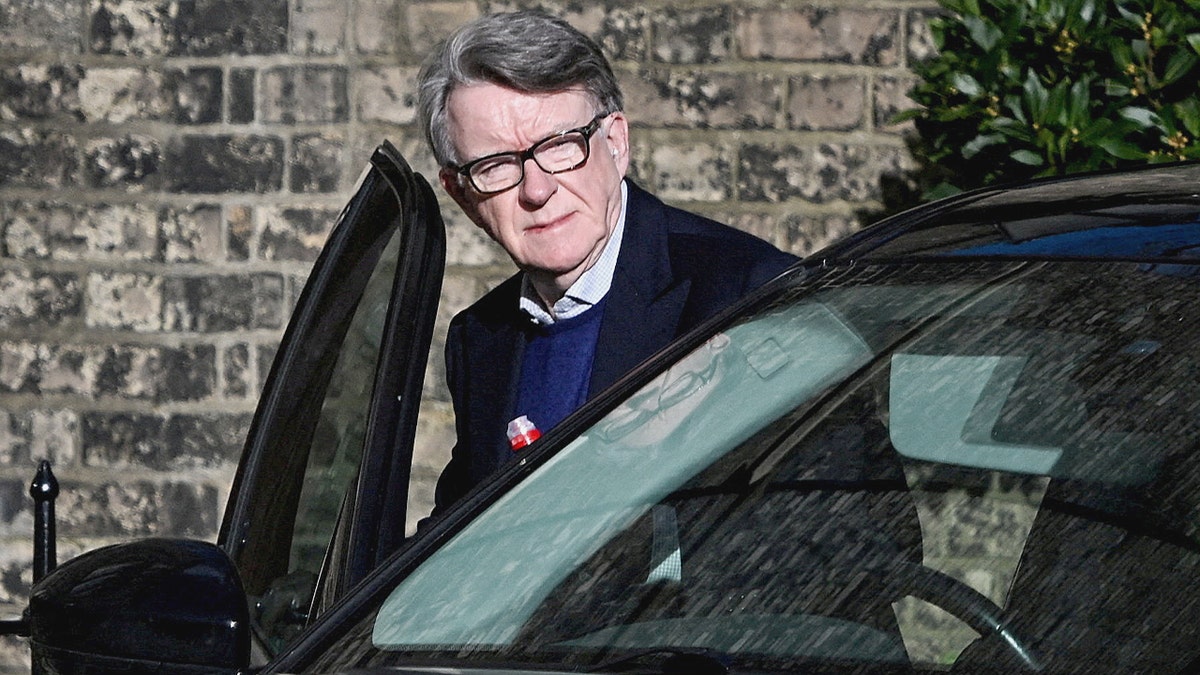
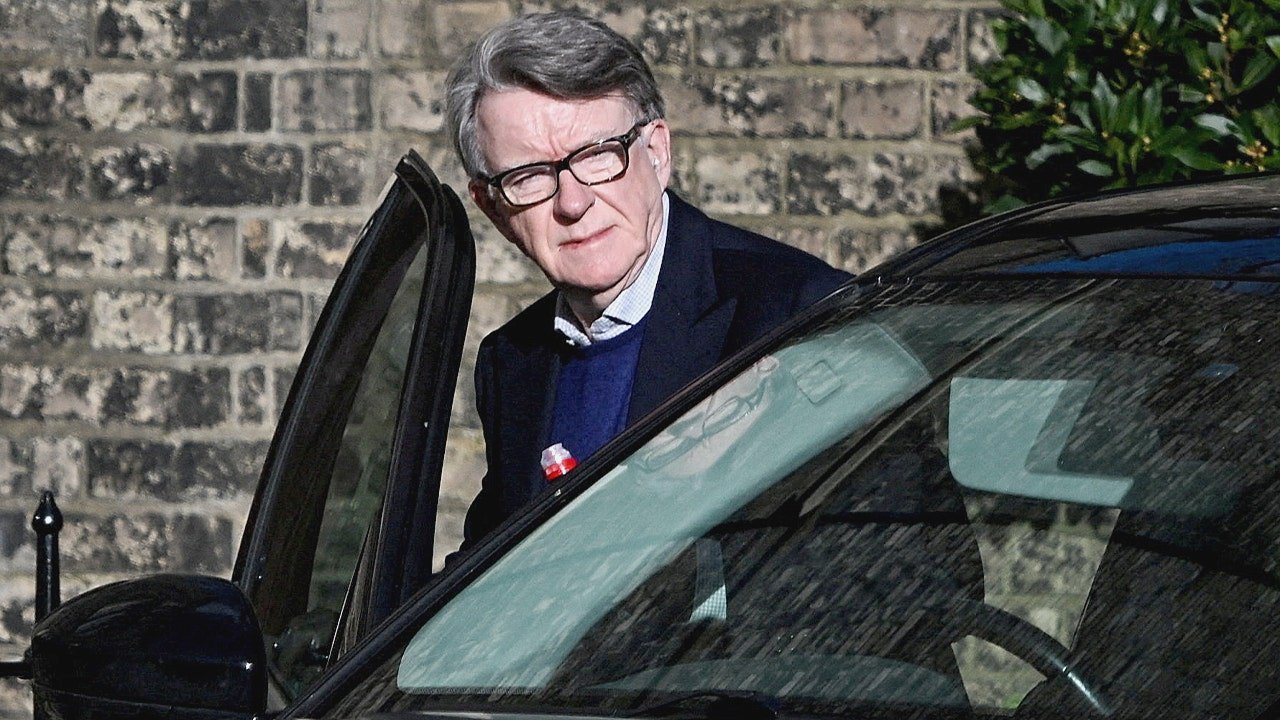
Former British Ambassador to the U.S. Peter Mandelson enters a vehicle outside a reported residence, after police launched a misconduct in public office investigation. (Reuters)
Police had opened a criminal inquiry after the government passed on communications between the former ambassador and the disgraced financier.
Emails released by the U.S. Department of Justice also appeared to show Mandelson sharing market-sensitive information with Epstein during the 2008 financial crisis.
Mandelson has denied wrongdoing and said he does not recall the alleged disclosures and apologized to Epstein’s victims for maintaining contact with him after his conviction.
On Feb. 4, Starmer told the Commons: «I’m as angry as anyone about what Mandelson has been up to. The disclosures … are utterly shocking and appalling. He has betrayed our country. He has lied repeatedly. He is responsible for a litany of deceit.»
UK TO RELEASE FILES RELATED TO FORMER AMBASSADOR’S JEFFREY EPSTEIN TIES
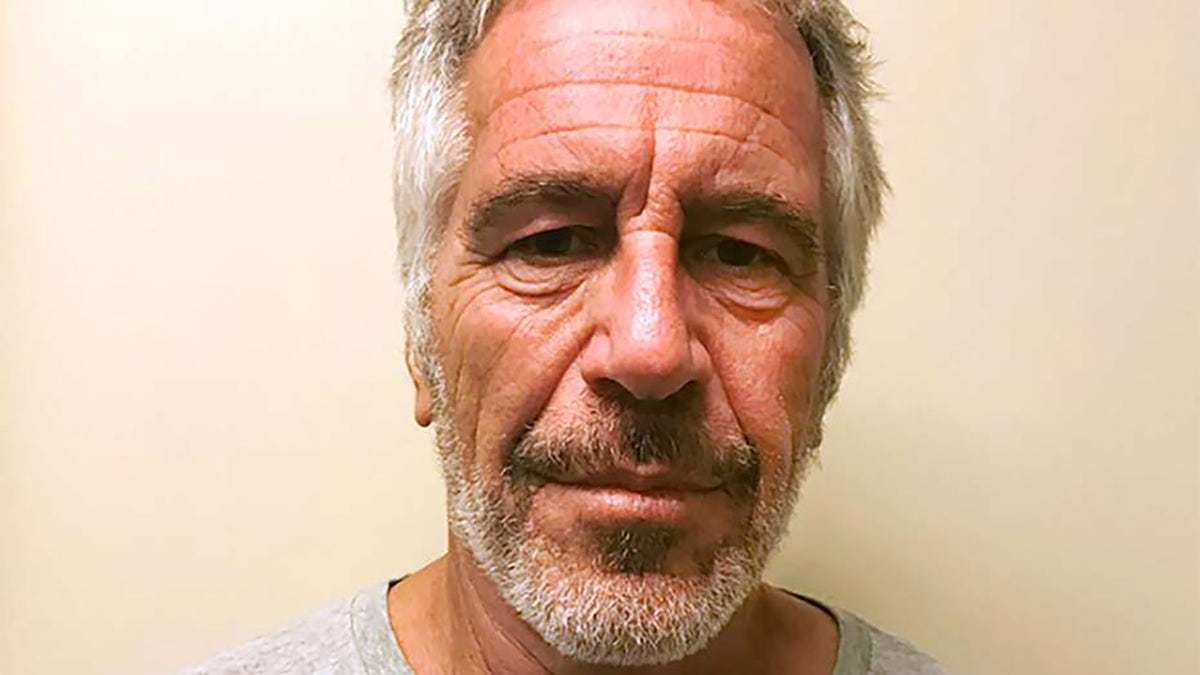
Jeffrey Epstein was found dead in federal custody in 2019. (New York State Sex Offender Registry via AP, File)
Starmer later said that if he had known then what he knows now, Mandelson «would never have been anywhere near government.»
Mandelson, an architect of New Labour, was appointed U.S. ambassador before being dismissed in September 2025 as scrutiny over his links to Epstein intensified.
He resigned from the Labour Party and stepped down from the House of Lords.
CLICK HERE TO DOWNLOAD THE FOX NEWS APP
As U.S. ambassador, Mandelson scored an early victory by ensuring Britain was the first country to agree to a deal with the U.S. to lower some of President Donald Trump’s tariffs, but was fired a few months later.
Starmer has also faced calls to step down over Mandelson’s appointment, Reuters reported.
Related Article

uk politics,investigations,appointments,jeffrey epstein
INTERNACIONAL
Hace cuatro años comenzaba la criminal invasión de Rusia a Ucrania: jamás abandonemos a Kiev
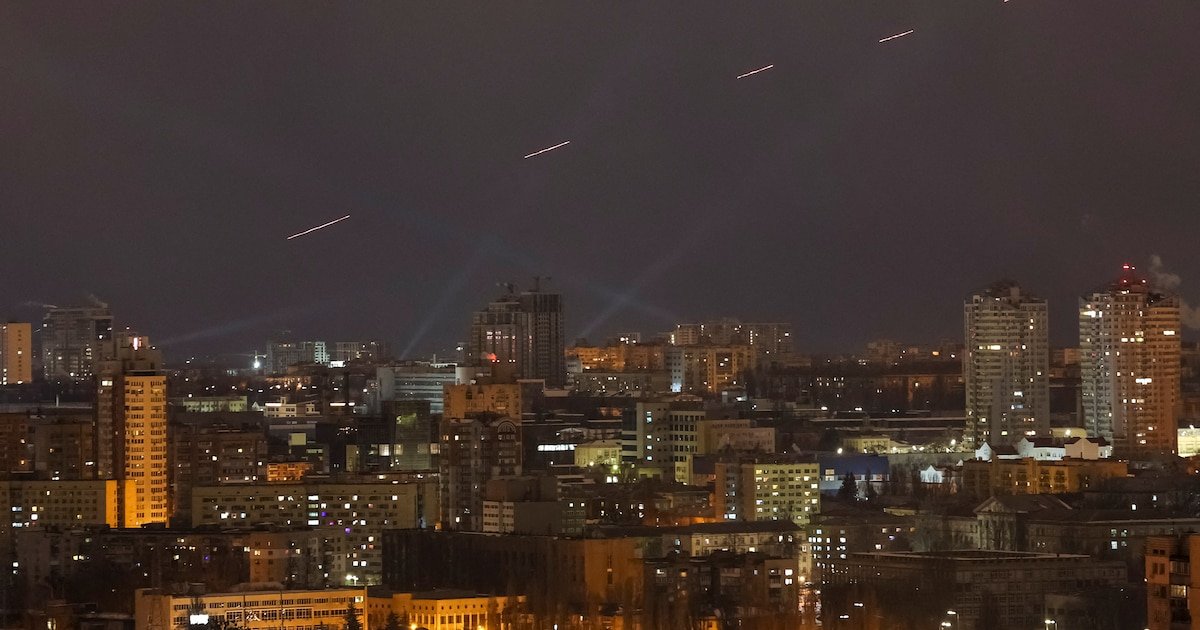
El “Triángulo” es el nombre que recibe el distrito gubernamental de la capital ucraniana, el objetivo primario de los asaltos rusos contra Kiev durante las dos primeras semanas de la operación a gran escala desencadenada por Vladímir Putin el 24 de febrero de 2022.
Eran las 04:15 de aquel día, cuando en un anuncio televisivo grabado tres días antes, el presidente de la Federación Rusa declaró la guerra a Ucrania. La agresión comenzó entre las 04:45 y las 05:00 con potentes interferencias de las telecomunicaciones, los sistemas de radar de los invadidos y una intensa actividad de acoso por parte de drones que simulaban ser aviones rusos. Además, las Fuerzas Armadas de la Federación Rusa desencadenaron también ciberataques a gran escala contra las infraestructuras del Gobierno ucraniano, con las que consiguieron interrumpir redes de alto voltaje y subestaciones eléctricas por todo el país.
En consecuencia, el sistema de comunicaciones de las Fuerzas Armadas Ucranianas quedó interrumpido y cortados todos los enlaces entre el Estado Mayor Conjunto, los Comandos Operacionales y las Brigadas, durante varios días.
Al mismo tiempo, numerosas oleadas de misiles balísticos y de crucero impactaron contra aeropuertos civiles y militares e instalaciones seleccionadas de defensa antiaérea y, aunque algunas Bases Aéreas, casi todos los grandes aeropuertos y varios de los emplazamientos de la defensa antiaérea resultaron severamente alcanzados, las bajas que causaron a la Fuerza Aérea Ucraniana fueron mínimas gracias a que en el último minuto habían evacuado sus aviones y helicópteros a aeródromos situados en el sudoeste del país.
Aún se estaban desarrollando los primeros ataques cuando el Ministerio de Defensa de Moscú puso en marcha su “golpe”, una operación cuyo objetivo era derribar al Gobierno ucraniano y así decapitar y paralizar el liderazgo político y militar del país, justo al inicio de la guerra. A causa del favoritismo de Putin, esta tarea se encargó a una mezcla de unidades selectas de las Fuerzas Aerotransportadas Rusas, Compañías Militares privadas y, en especial, la poderosa Fuerza Aeroespacial. El resultado fue un plan complejo, engorroso, lento en su ejecución y con tropas demasiado escasas para una operación de este alcance e importancia. Primer gran error del Alto Mando ruso, de los muchos registrados por Moscú a lo largo de estos cuatro largos años.

Es importante mencionar que la acción comenzó días antes del ataque, con la infiltración de numerosos equipos y mercenarios en el centro de Kiev, con el objetivo de capturar y eliminar al presidente Volodímir Zelensky, a los miembros de su Gabinete e incluso a su familia. De todas maneras, si esta misión fracasaba, se encargó a tres grupos tácticos de “elite” que en vez de participar en el asalto a Kiev, aseguraran aeropuertos fuera de la ciudad, para que sirvieran como cabezas de puente para la llegada de más tropas aerotransportadas, como apoyo a las operaciones de fuerzas especiales.
No muy lejos y por detrás, dos Grandes Unidades de Batalla (Guardia Nacional, unidad militar para uso en el interior del país que depende directamente del presidente Putin), avanzarían por carretera desde Bielorrusia para asegurar algunas infraestructuras cruciales en torno a la capital y esperar a la llegada de las unidades mecanizadas que, a su vez, completarían la conquista del centro de Kiev y su aislamiento del oeste y el sur del país.
No pudo concretarse el paseo que imaginaba Putin de 48 horas y la entrada triunfal en la capital de las tropas del nuevo Zar moscovita. Han pasado cuatro años desde esa agonía que continúa hoy implacablemente, sin solución de continuidad.
Al presidente Zelensky, héroe indiscutido de este nuevo siglo, el mundo libre le pide que continúe con todas sus fuerzas y profundas convicciones democráticas, en esta cruzada libertadora. Miles de millones de personas apoyamos esta causa como propia en todo el hemisferio, recordando que la inmensa mayoría de los países de la Unión Europea, el Reino Unido de Gran Bretaña e Irlanda del Norte y Canadá, entre otras naciones centrales, están demostrando inequívocamente que los principios nunca se negocian y que la democracia y libertad, no se entregan jamás ni son moneda de cambio.
La plena vigencia del Multilateralismo como doctrina esencial de las relaciones internacionales, que se sustenta en la globalización y la interdependencia entre naciones, fue y continúa siendo el antídoto más eficaz contra los gobiernos totalitarios.
Su plena vigencia desde 1945 y su consolidación con la caída del Muro de Berlín en 1989, demuestran que la solución de controversias entre Estados no es una alquimia sino una demostración que, aunque existan asimetrías enormes especialmente desde el punto de vista del instrumento militar, la diplomacia a través de la persuasión, el consenso y fundamentalmente la disuasión desde una posición de fuerza indiscutible, son los elementos que hacen posible lograr una paz digna.
De lo contrario, no es paz, es capitulación, rendición incondicional y Ucrania ha demostrado con hidalguía superlativa, que no existe Plan “B”. Definitivamente Putin debe devolver todos los territorios invadidos. Se lo exige la comunidad democrática internacional, con racional, equilibrada y, fundamentalmente, profunda determinación. A cuatro años del inicio de esta pesadilla, es imperioso que todos los países actúen ya con renovada firmeza y no se permita que el tiempo sea cómplice de los invasores.
José Ingenieros decía con manifiesta claridad ejemplificadora: “Los que aspiran a ser águilas, deben volar alto y mirar lejos porque aquellos que se resignan a arrastrarse como gusanos, pierden el derecho a protestar si los aplastan”.
Europe,Military Conflicts,KYIV

Sube el precio de la soja, pero los productores argentinos prefieren esperar a que se mueva el dólar

Marcelo Gallardo anunció que se va de River Plate: el jueves dirigirá su último partido ante Banfield

El camarista Carlos Mahiques renunció a la sala de la Casación que definirá la causa de la quinta de Pilar vinculada a la AFA

Daiana Fernández Molero defendió la reforma laboral: “Va a haber mayor creación de empleo porque va a ser más fácil contratar en blanco”

Former Secret Service officials warn of low-tech threats facing Trump after latest Mar-a-Lago breach

¡Escándalo total! Mirtha Legrand le puso una perimetral a su exchofer Marcelo Campos

Escándalo en MasterChef: una famosa abandonó a los gritos y acusando que está todo arreglado

Del himno peronista de Kelly Olmos al exabrupto de Agustina Propato: las perlitas del debate por la reforma laboral

Villarruel cuestionó la apertura de importaciones: «Sin industria, se pasa a depender de China»

“Ahora es la hora de jugarse”: el mensaje de Patricia Bullrich a los empresarios tras aprobarse la reforma laboral

 ECONOMIA3 días ago
Villarruel cuestionó la apertura de importaciones: «Sin industria, se pasa a depender de China»
- POLITICA2 días ago
“Ahora es la hora de jugarse”: el mensaje de Patricia Bullrich a los empresarios tras aprobarse la reforma laboral
- ECONOMIA2 días ago
Según un especialista, el precio de la carne se mantendrá alto “entre dos y tres años”