INTERNACIONAL
El Instituto Cervantes y la Fundación Walsh-Facio fortalecen el legado de dos mujeres únicas


En un acto cargado de simbolismo y afecto por la memoria cultural latinoamericana, el Instituto Cervantes firmó este viernes una carta de intención con la Fundación María Elena Walsh-Sara Facio en la ciudad de Buenos Aires. El encuentro, que tuvo lugar en la sede de la fundación en el barrio porteño de San Nicolás, reunió a referentes institucionales, funcionarios culturales y figuras cercanas a la vida y obra de las dos mujeres que dan nombre a la institución.
El acuerdo tiene como objetivo la promoción, difusión y preservación del legado artístico y ético de María Elena Walsh y Sara Facio, dos creadoras fundamentales en la historia cultural argentina del siglo XX. Se trata de un paso inicial hacia la firma de un convenio formal en la sede central del Instituto Cervantes, en Madrid. La carta de intención tendrá una vigencia inicial de dos años e incluye el desarrollo de programas culturales compartidos, cooperación en materia de contenidos y la implementación de actividades con impacto artístico e institucional.
Participaron del acto Luis García Montero, director del Instituto Cervantes; Graciela García Romero, presidenta de la Fundación Walsh-Facio; y Gabriela Ricardes, ministra de Cultura de la ciudad de Buenos Aires. Previamente, los asistentes realizaron una visita guiada por las instalaciones de la fundación, que albergan parte del acervo de ambas artistas y cuyo enfoque se centra en destacar no solo su producción, sino también sus valores humanistas y su compromiso político y social.

Durante su intervención, García Montero destacó la dimensión personal y emocional del homenaje: “Visitar los propios caminos de mi educación sentimental es profundamente conmovedor. María Elena, una poeta maravillosa, forma parte de esa educación; al igual que Sara, una fotógrafa igualmente maravillosa, imprescindible para entender el boom latinoamericano desde una perspectiva visual”.
El director del Cervantes también anunció que el próximo mes de octubre, la institución depositará un legado simbólico de Walsh y Facio en la Caja de las Letras de su sede en Madrid, un espacio reservado para custodiar objetos significativos donados por personalidades de la cultura hispana. Esta incorporación será parte de un acto de reconocimiento que busca situar a ambas artistas en el mapa cultural iberoamericano.
Por su parte, Graciela García Romero recordó con énfasis la singularidad de la relación entre ambas creadoras: “Fueron pareja durante más de cuarenta años, pero cada una construyó su carrera por separado. Ninguna se metió en la carrera de la otra, y ambas se destacaron con absoluta independencia. Por eso merecen ser vistas no solo como una dupla histórica, sino como artistas plenas por derecho propio”.

La carta de intención firmada entre el Instituto Cervantes y la Fundación Walsh-Facio establece una serie de líneas de acción que buscan reforzar el vínculo entre las instituciones culturales de España y Argentina. Además de promover la obra de Walsh y Facio, el acuerdo prevé el intercambio de materiales documentales, curadurías conjuntas, conferencias y actividades de formación artística.
El Instituto Cervantes, que en los últimos años ha ampliado su presencia en América Latina, suma con este acuerdo un nuevo capítulo en su política de cooperación con espacios culturales que defienden la diversidad, la memoria y los derechos culturales. En este caso, la colaboración pone el foco en dos figuras cuya producción artística se extendió a lo largo de seis décadas y que dejaron una huella indeleble en generaciones de lectores, espectadores y oyentes.
La Fundación María Elena Walsh fue creada en 2017 por la propia Sara Facio. Su objetivo es proteger, conservar y difundir el legado de ambas artistas, destacando tanto su excelencia artística como sus compromisos éticos. La institución también trabaja en la construcción de una narrativa que no reduzca a estas creadoras a su vínculo afectivo, sino que permita comprenderlas en toda su complejidad individual y profesional.

En el marco de su visita a Buenos Aires, además, García Montero presenta este sábado el libro El papa Francisco, Borges y la literatura, con el sello del Instituto Cervantes, en la sala Victoria Ocampo de la Feria del Libro, junto a Victoria Kodama -presidenta de la Fundación Internacional Jorge Luis Borges- y al investigador Lucas Adur, del Instituto de Literatura Hispanoamericana de la Universidad de Buenos Aires (UBA).
El libro surge a 60 años de unas lecciones de Jorge Luis Borges, en 1965, cuando fue invitado por Jorge Mario Bergoglio a dar un taller de narrativa a sus alumnos, en la provincia de Santa Fe. Del taller salió un libro de cuentos con prólogo del autor de El Aleph, germen de este nuevo libro que publica el Instituto Cervantes.
García Montero recordó con afecto a Francisco, al que describió como “un papa profundamente humano y cultural” y con quien mantuvo una audiencia privada el pasado 19 de septiembre, cuando el fallecido pontífice le instó a publicar aquellos textos de la manera que considerara “más útil”.
[Fotos: archivo El Litoral; archivo Biblioteca Nacional; prensa Instituto Cervantes]

INTERNACIONAL
Un ataque iraní contra una base en Arabia Saudita dejó al menos a 12 soldados estadounidenses heridos
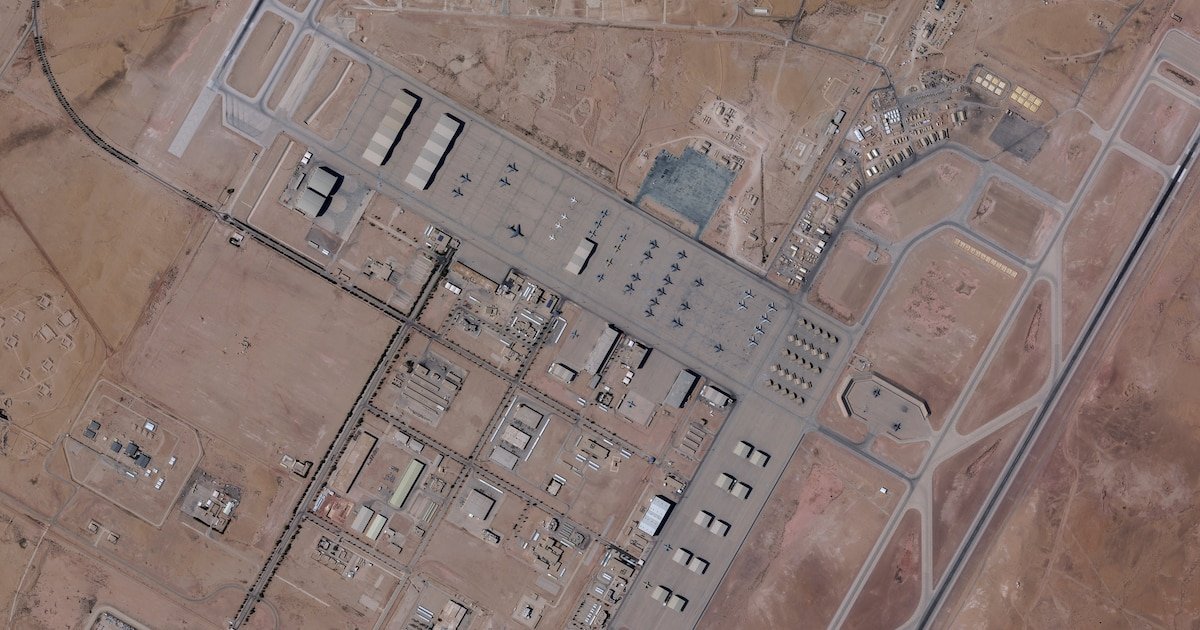
Un ataque con misiles iraníes hirió el viernes al menos a 12 militares estadounidenses y dañó varios aviones en la base aérea Príncipe Sultán en Arabia Saudita. Dos de los soldados resultaron gravemente heridos.
Según confirmaron funcionarios estadounidenses a la agencia The Associated Press, el ataque, que incluyó un misil y drones iraníes, impactó aviones de reabastecimiento estadounidenses.
La base aérea Príncipe Sultán ya había sido blanco de ataques previos. El sargento Benjamin N. Pennington, de 26 años, resultó herido en un ataque el 1 de marzo y falleció días después. Es uno de los 13 militares estadounidenses muertos en la guerra hasta la fecha.
Imágenes satelitales que muestran los daños en la aeronave fueron difundidas por internet. El incidente fue reportado también por The Wall Street Journal y Reuters, a la espera de la confirmación oficial por parte del gobierno estadounidense.
El Comando Central de Estados Unidos informó que más de 300 militares han resultado heridos desde el inicio del conflicto hace un mes. La mayoría se ha reincorporado al servicio, pero 30 permanecen fuera de combate y 10 están gravemente heridos.

La central nuclear de Bushehr, en el sur de Irán, fue atacada este viernes por tercera vez en menos de dos semanas en una operación conjunta atribuida a Israel y Estados Unidos.
El director general del Organismo Internacional de Energía Atómica (OIEA), Rafael Grossi, expresó preocupación por la proximidad de actividades militares al sitio nuclear y advirtió sobre el riesgo de un accidente radiológico de gran magnitud si el reactor resultara dañado. Grossi reiteró su llamado a ejercer la máxima contención militar en la zona para reducir la posibilidad de una catástrofe nuclear.
La administración Trump ofreció a Irán un plan de alto el fuego de 15 puntos, con Pakistán como intermediario. Irán niega la existencia de negociaciones, mientras mantiene el control del estrecho de Ormuz, lo que ha elevado los precios del combustible y alterado la economía global.
El secretario de Estado, Marco Rubio, declaró tras una reunión con los ministros de Asuntos Exteriores del G7 en Francia, que Estados Unidos “puede lograr todos sus objetivos sin tropas terrestres”.
Respecto a los nuevos despliegues en Medio Oriente, subrayó: “Siempre estaremos preparados para darle al presidente (Donald Trump) la máxima flexibilidad y la máxima oportunidad para adaptarse a las contingencias que puedan surgir”.

A su vez, en referencia a la respuesta oficial iraní sobre un diálogo en busca de paz en la región sumó: “Todavía no la hemos recibido”. El jefe de la diplomacia estadounidense detalló que ha habido un intercambio de mensajes e indicios sobre una disposición a hablar de ciertos temas por parte del régimen iraní.
Por su parte, la Guardia Revolucionaria del régimen iraní lanzó una amenaza directa tras los ataques israelí-estadounidenses contra dos de las principales siderúrgicas de Irán. El comandante de la Fuerza Aeroespacial, Mayid Musavi, afirmó vía X: “Ustedes mismos iniciaron el juego con fuego y los ataques contra infraestructuras. Esta vez la ecuación ya no será ‘ojo por ojo’; ¡Esperen!”.
Musavi recomendó a los empleados de empresas industriales vinculadas a Estados Unidos e Israel abandonar de inmediato sus lugares de trabajo para no poner en riesgo sus vidas, en una advertencia interpretada como amenaza explícita de represalias contra infraestructura regional.
Los ataques afectaron las siderúrgicas de Mobarakeh y Juzestán, según autoridades iraníes, que reportaron daños materiales pero no víctimas mortales. La ofensiva representa un cambio en el tipo de objetivos militares, dirigiéndose hacia infraestructuras clave del país. Irán ha respondido en jornadas previas con el lanzamiento de misiles y drones contra objetivos en Israel y otros países de Oriente Medio.
(Con información de The Associated Press y REUTERS)
Defence,Defense,Middle East
INTERNACIONAL
House Republicans pass rival DHS plan, setting up Senate fight as shutdown set to become longest in history
NEWYou can now listen to Fox News articles!
House Republicans passed a short-term funding patch for the Department of Homeland Security (DHS) over the fierce objections of Democratic lawmakers late Friday evening.
But the 42-day shutdown that has snarled air travel and left tens of thousands of federal employees without pay is far from over.
House lawmakers voted 213-203 largely along party lines to approve a two-month funding extension for the beleaguered department, which has been operating without full-year appropriations since the funding lapse began on Feb. 14.
Reps. Don Davis, D-N.C., Marie Gluesenkamp Perez, D-Wash., and Henry Cuellar, D-Texas, crossed party lines to support the measure. More than a dozen lawmakers did not vote.
DEMOCRATS RIP TRUMP’S ICE AIRPORT MOVE AS SHUTDOWN NEARS 40 DAYS: ‘NO REASON’
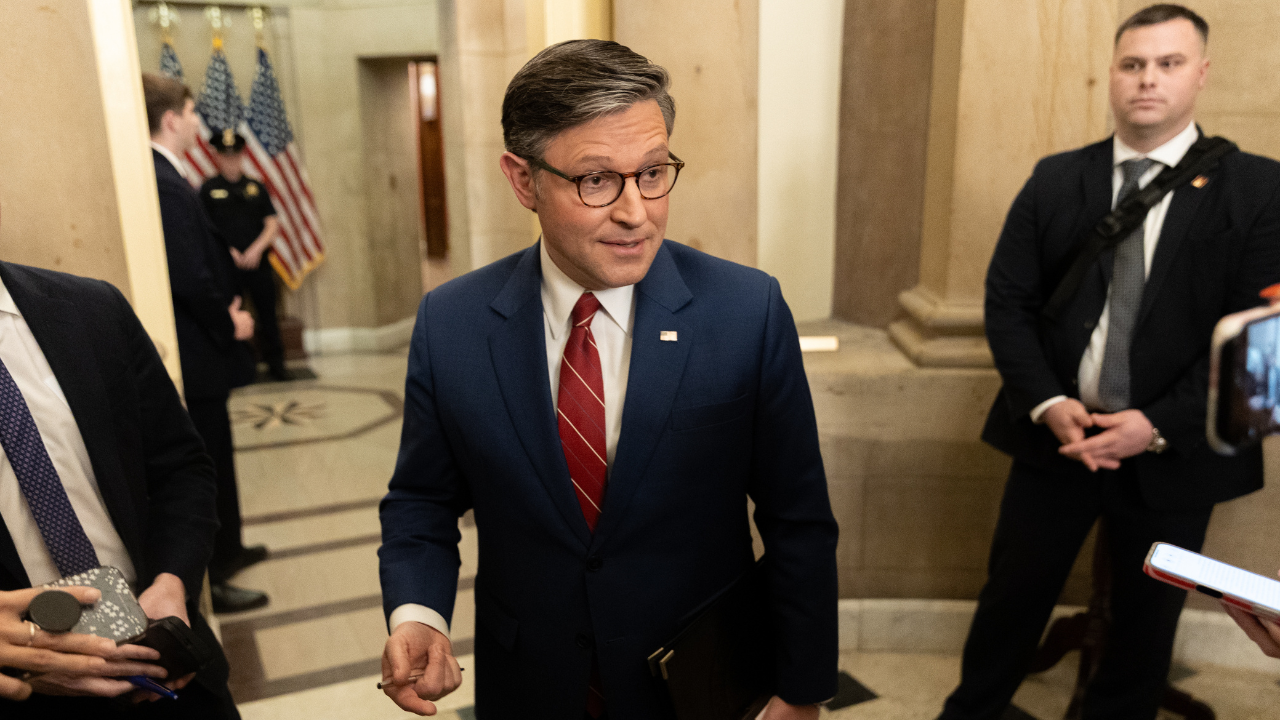
Speaker of the House Mike Johnson, R-La., successfully passed a two-month funding extension for the Department of Homeland Security, but the measure faces long odds of passing the Senate. (Nathan Posner/Anadolu via Getty Images)
The House-passed DHS measure faces an uphill battle in the Senate, where Democrats have filibustered GOP-authored legislation that includes immigration funding for the past six weeks.
Both chambers are scheduled to leave Washington for an Easter recess without ending the funding standoff, paving the way for the partial government shutdown to become the longest in history.
«In those eight weeks, we will figure this out with Democrats and figure out a couple of reforms or whatever they need to make sure that we do this right, but we are going to protect the homeland. We have to,» House Speaker Mike Johnson, R-La., said on the Ingraham Angle on Friday evening. «It’s the most important and most basic function of Congress, and Democrats don’t want to do that.»
Democratic lawmakers, who have repeatedly voted against DHS spending bills funding President Donald Trump’s illegal immigration crackdown absent reforms, echoed the same position Friday.
«House Republicans have decided that they would rather inconvenience you, create chaos for you and for your families so that they can continue to jam their extreme right-wing ideology down the throats of the American people so they can continue to spend billions of dollars for ICE [Immigration and Customs Enforcement] to brutalize and kill American citizens,» House Minority Leader Hakeem Jeffries, D-N.Y., said during a news conference Friday.
The vote came after House GOP leadership and the conservative House Freedom Caucus unequivocally rejected a Senate-passed deal earlier on Friday. The agreement, which passed the Senate unanimously, would have funded the vast majority of DHS sub-agencies minus ICE and parts of U.S. Customs and Border Protection.
The National Border Patrol Council endorsed the House bill late Friday, arguing the Senate’s failure to fund all of DHS is «completely unacceptable and should not stand.»
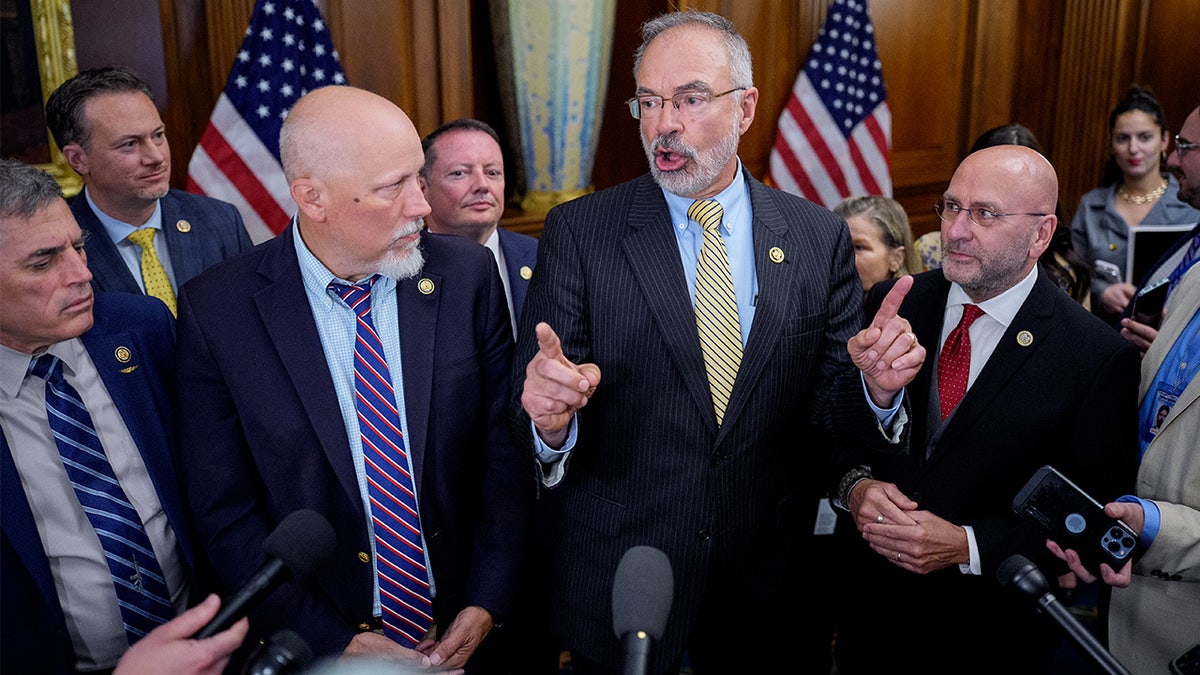
The House Freedom Caucus sharply criticized the Senate-passed deal on Friday, arguing the upper chamber turned its back on federal immigration officers. (Andrew Harnik/Getty Images)
JAYAPAL DOUBLES DOWN ON ANTI-ICE TERROR CLAIMS AS DHS SHUTDOWN TRIGGERS HISTORIC TRAVEL CHAOS
Senate Republicans have teased a second «big, beautiful» bill to give additional funding to ICE and the Border Patrol, though that could be a difficult feat in an election year with slim majorities in both chambers.
«It wasn’t good. It wasn’t appropriate,» Trump told Fox News in an interview Friday, referring to the Senate agreement. «You can’t have a bill that’s not going to fund ICE.»
House GOP leadership has also voiced concern about funding ICE and the Border Patrol through a second budget reconciliation package.
«That’s a very difficult task. It is a high-risk gamble for us to assume that we could do that,» Johnson told the Ingraham Angle. «And in the meantime, people are still going unpaid in this. We’ve got to make sure that we take care of those who take care of ourselves.»

President Donald Trump and Speaker Mike Johnson, R-La., both criticized a Senate DHS spending bill on Friday for failing to include funding for Immigration and Customs Enforcement and U.S. Customs and Border Protection. (J. Scott Applewhite/AP Photo; Win McNamee/Getty Images)
CLICK HERE TO DOWNLOAD THE FOX NEWS APP
The most pressing pain point of the shutdown — a shortage of Transportation Security Administration employees at airports nationwide — is set to be alleviated. The staffing constraints had created hours-long wait times at TSA security checkpoints, leading to travel disruptions and missed flights.
Trump, through an executive order, directed DHS to pay the more than 50,000 TSA personnel who had been reporting to work without compensation since the start of the shutdown to cover their salaries. The agents are expected to receive their first full paychecks in more than six weeks on Monday.
homeland security, republicans, mike johnson, democrats, government shutdown
INTERNACIONAL
El bloqueo iraní del estrecho de Ormuz provocó una escasez mundial de fertilizantes y amenaza los precios de los alimentos
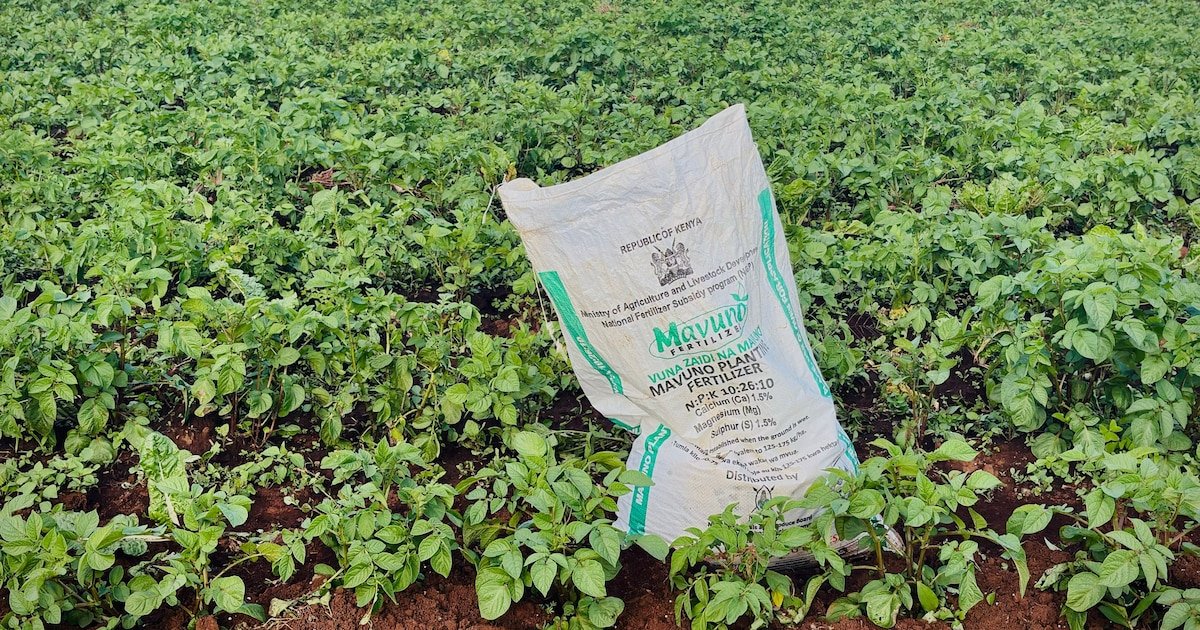
Agricultores de todo el mundo resienten la presión de la guerra con Irán. Los precios de la gasolina se han disparado y los suministros de fertilizantes escasean debido al cierre casi absoluto del estrecho de Ormuz por parte de Teherán en respuesta a los bombardeos de Estados Unidos e Israel.
La escasez de fertilizantes representa un nuevo peligro al sustento de los agricultores en países en vías desarrollo, el cual ya se ve afectado por el aumento de las temperaturas del planeta y los erráticos sistemas meteorológicos, y podría elevar el precio de los alimentos para las personas de todo el mundo.
Los agricultores más pobres en el hemisferio norte dependen de la importación de fertilizantes desde el Golfo Pérsico, y la escasez coincide con el inicio de la temporada de siembra, señaló Carl Skau, subdirector ejecutivo del Programa Mundial de Alimentos.
“En el peor de los casos, esto significa cosechas más pequeñas y la pérdida de cosechas durante la próxima temporada. En el mejor de los casos, el costo más alto de los insumos se trasladará al precio de los alimentos el próximo año”.
Baldev Singh, un agricultor de arroz en Punjab, India, asegura que los pequeños productores —la mayor parte de los agricultores del país— podrían no sobrevivir si el gobierno no puede subsidiar los fertilizantes una vez que la demanda alcance su punto máximo en junio.

“Ahora mismo, estamos a la espera y conservamos la esperanza”, expresó el hombre de 55 años de edad.
La guerra frena el suministro de nutrientes vitales
Irán está limitando seriamente los envíos a través del estrecho de Ormuz, una vía por la que normalmente pasa alrededor de una quinta parte del petróleo comercializado a nivel mundial y casi una tercera parte del comercio global de fertilizantes.
El nitrógeno y el fosfato —dos nutrientes principales para los fertilizantes— corren un riesgo inmediato debido al bloqueo.
Los suministros de nitrógeno, incluida la urea –el fertilizante más comercializado, que ayuda a las plantas a crecer y aumenta los rendimientos–, son los más afectados debido al retraso de los envíos y al drástico aumento de los precios del gas natural licuado, un ingrediente esencial.
El conflicto ha restringido cerca del 30% del comercio mundial de urea, indicó Chris Lawson, de CRU Group, una consultora de materias primas con sede en Londres.
Algunos países ya enfrentan una escasez crítica, afirmó Raj Patel, economista de sistemas alimentarios de la Universidad de Texas. Por ejemplo, Etiopía obtiene más del 90% de su fertilizante nitrogenado del Golfo Pérsico a través de Yibuti, una ruta de suministro que ya enfrentaba presión incluso antes del inicio de la guerra el mes pasado.
“Ya estamos en temporada de siembra”, afirmó Patel. “Y no hay fertilizante”.

Los suministros de fosfato, que favorecen el desarrollo de las raíces, también enfrentan una enorme presión. Arabia Saudí produce alrededor de una quinta parte del fertilizante fosfatado del mundo, y la región exporta más del 40% del azufre a nivel mundial, un ingrediente clave y subproducto del refinado de petróleo y gas, explicó Lawson.
Incluso después de que la guerra llegue a su fin, los productores del Golfo necesitarían de claras garantías de seguridad antes de reanudar los envíos a través del estrecho, además de que es casi un hecho que el costo de los seguros aumentará, indicó Owen Gooch, analista de Argus Consulting Services.
En India, el gobierno ha priorizado los suministros de urea para uso interno y proporciona a los fabricantes de fertilizantes alrededor del 70% de sus necesidades de gas natural. Algunas plantas aún operan por debajo de su capacidad, dando como resultado una menor producción.
“El sistema alimentario es frágil y depende de cadenas estables de suministro de fertilizantes para garantizar que los agricultores puedan producir los alimentos de los que depende el mundo”, declaró Hanna Opsahl-Ben Ammar, de Yara International, una de las mayores empresas de fertilizantes del mundo.
La escasez golpea en un momento crítico
El fertilizante se suele aplicar justo antes o en el momento de la siembra, por lo que los cultivos se pierden de etapas clave de crecimiento y los rendimientos pueden caer cuando las entregas se retrasan, incluso si los suministros mejoran más adelante.
El impacto ya se resiente en Estados Unidos y Europa, donde la principal temporada de siembra ya está en marcha. Además, se tiene previsto que afecte a la primera temporada de siembra en gran parte de Asia en los próximos meses.
“Nuestros cultivos necesitan de nitrógeno ahora —cuanto antes, mejor— para que puedan arrancar bien, lo que les ayuda a establecerse y a acumular reservas para la cosecha a finales de este verano”, explicó Dirk Peters, un ingeniero agrónomo que dirige una granja a las afueras de Berlín.

Los precios de los fertilizantes están por debajo de los picos que se registraron al inicio de la invasión rusa a Ucrania, pero los precios de los granos eran más altos entonces, lo que ayudó a los agricultores a absorber los costos, señaló Joseph Glauber, del Instituto Internacional de Investigación sobre Políticas Alimentarias. Los precios de los cereales son más bajos actualmente, lo que significa que hay menos margen y los agricultores podrían verse obligados a cambiar a cultivos que requieran de menos fertilizante —como la soya en Estados Unidos— o aplicar menos fertilizante, reduciendo el rendimiento. Un menor rendimiento puede traducirse en precios más elevados para los consumidores.
Es probable que otras naciones no compensen el faltante. China, el mayor productor mundial de fertilizantes nitrogenados y fosfatados, ha dado prioridad al suministro interno, y los envíos de urea probablemente no se reanuden sino hasta mayo, dijo Lawson. Las plantas en Rusia, otro importante productor, ya operan cerca de su capacidad máxima, agregó.
Las naciones en vías de desarrollo son vulnerables
Las interrupciones ya se sienten en toda África, donde muchos agricultores dependen de los fertilizantes importados desde Oriente Medio y Rusia.
Las fuertes lluvias en el oriente del continente le han dejado a los agricultores cerca de una semana de clima seco para preparar los campos y aplicar el fertilizante, dijo Stephen Muchiri, un agricultor de maíz en Kenia y director ejecutivo de Eastern African Farmers Federation, un organismo que representa a 25 millones de pequeños productores.

La falta de fertilizantes y el aumento en los precios son un duro golpe para los agricultores, quienes se ven obligados a usar menos fertilizante, lo que provoca un menor rendimiento. Incluso el más breve retraso puede reducir la cosecha del maíz en alrededor de un 4% en una temporada, afirmó Patel, citando investigaciones en Zambia.
Los gobiernos pueden intervenir con subsidios, promoviendo la producción nacional y controlando las exportaciones.
India ya aplicó un subsidio los fertilizantes para aliviar la presión sobre los agricultores, pero esos subsidios dejan menos dinero para inversiones agrícolas a largo plazo. Este año ha presupuestado 12.700 millones de dólares únicamente para los subsidios a la urea, según el Institute for Energy Economics and Financial Analysis.
Los esfuerzos a nivel nacional por producir urea han incrementado la dependencia de India en el gas importado, y el uso excesivo de urea ha causado daños en el suelo, dijo Purva Jain, de IEEFA, quien respalda el uso de fertilizantes orgánicos.
Una menor dependencia en los fertilizantes importados podría proteger a los agricultores y consumidores de las oscilaciones en los precios de la energía y de los impactos climáticos, señaló Oliver Oliveros, coordinador ejecutivo de la Agroecology Coalition.
“Esto podría ser un punto de inflexión”, afirmó.
(AP)
Agricultural Markets,Asia / Pacific,Food & Drink,LEGACY: Financials (TRBC),Financials (TRBC level 1)

México reabrirá el Estadio Azteca entre obras y sin accesos vehiculares

El oficialismo consolida el control de Diputados: se quedó con el 50% de las presidencias de las comisiones

«Récord de exportaciones y consumo»: así resumió Caputo la marcha de la economía

Los audios que revelan cómo Novelli se encargó personalmente de los pagos en efectivo a Javier Milei

Qué ver en Netflix, la miniserie de 7 episodios que alcanzó el top 3 en el ranking de las más elegidas: «Love & Death»

Un ataque iraní contra una base en Arabia Saudita dejó al menos a 12 soldados estadounidenses heridos

¡VERGÜENZA NACIONAL! Humillan a la Policía Federal mandándolos a un merendero antes de darles un aumento de sueldo digno

24 DE MARZO: La historia completa que el relato omitió sobre el golpe de 1976 y el Juicio a las Juntas

El Presidente y Karina Milei volvieron a respaldar a Manuel Adorni tras la polémica por sus vuelos

Manuel Adorni: “Mi patrimonio lo construí antes de entrar al Gobierno, no tengo nada que esconder”

 POLITICA2 días ago
¡VERGÜENZA NACIONAL! Humillan a la Policía Federal mandándolos a un merendero antes de darles un aumento de sueldo digno
- POLITICA2 días ago
El Presidente y Karina Milei volvieron a respaldar a Manuel Adorni tras la polémica por sus vuelos
- POLITICA3 días ago
Manuel Adorni: “Mi patrimonio lo construí antes de entrar al Gobierno, no tengo nada que esconder”