INTERNACIONAL
El régimen de Irán condicionó el regreso al diálogo con EEUU al cese de bombardeos sobre sus instalaciones nucleares

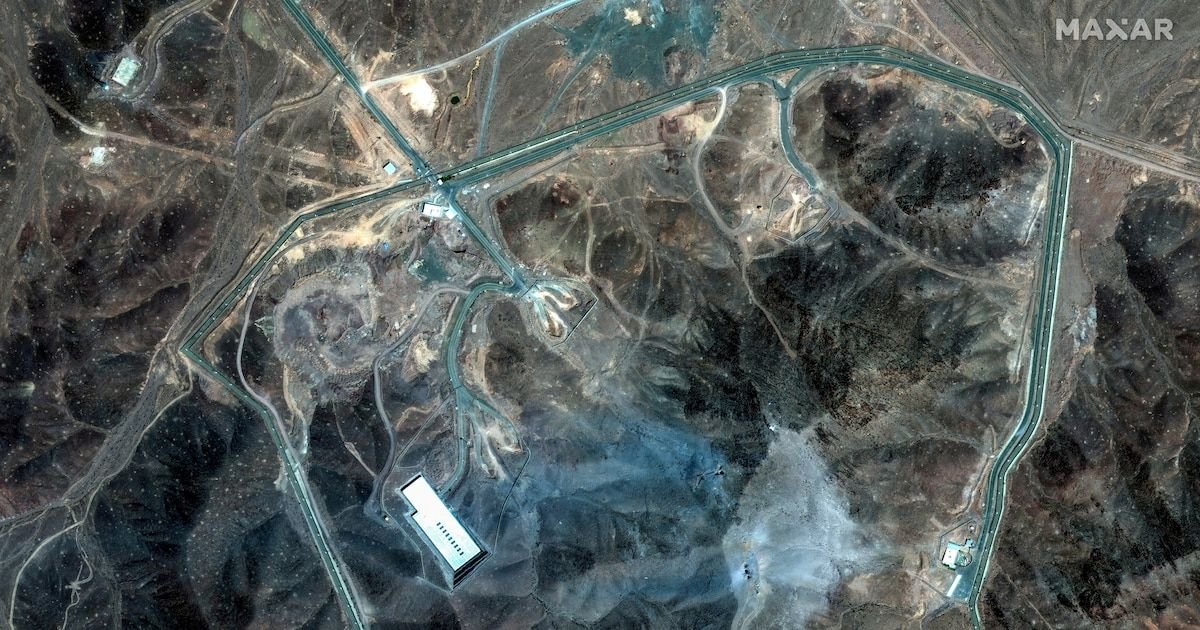
El régimen de Irán condicionó cualquier posible retorno a negociaciones diplomáticas con Estados Unidos a que cesen los ataques contra su territorio, según declaró el viceministro iraní de Asuntos Exteriores, Majid Takht-Ravanchi, en una entrevista emitida por la cadena BBC. Las declaraciones se producen en medio de una nueva fase de tensiones entre Teherán, Washington e Israel, marcada por una serie de ataques cruzados sobre instalaciones militares y nucleares.
Takht-Ravanchi aseguró que la administración del presidente estadounidense, Donald Trump, ha transmitido a Irán, a través de mediadores, su disposición a retomar el diálogo. Sin embargo, indicó que “no ha aclarado su postura sobre una cuestión muy importante: si continuará con nuevos ataques mientras se desarrollen las conversaciones”.
Las declaraciones del alto funcionario iraní se dieron tras la cancelación de la sexta ronda de conversaciones indirectas, que estaba prevista en Mascate, capital de Omán. El encuentro no pudo concretarse debido al inicio, el 13 de junio, de una ofensiva israelí contra instalaciones militares iraníes. Pocos días después, Estados Unidos bombardeó tres complejos nucleares en territorio iraní, lo que agravó la crisis.

Irán respondió con una serie de ataques con misiles contra objetivos israelíes, en una escalada que se extendió durante varios días. Aunque el alcance de los daños provocados por los bombardeos estadounidenses aún no está completamente determinado, el director del Organismo Internacional de Energía Atómica (OIEA), Rafael Grossi, confirmó que los ataques causaron “daños graves, pero no totales” a las instalaciones nucleares. Por su parte, el presidente Trump afirmó que las instalaciones “quedaron totalmente destruidas”.
En declaraciones posteriores a la cadena libanesa Al Mayadeen, reproducidas por medios estatales iraníes, el viceministro de Exteriores Saeed Khatibzadeh aseguró que fue Estados Unidos quien pidió a Irán una desescalada. “Fueron ellos quienes enviaron mensajes para detener la guerra”, sostuvo, y exigió compensaciones por los daños causados a infraestructuras nucleares.
Además, el funcionario anunció que Teherán presentará denuncias formales ante Naciones Unidas contra Estados Unidos e Israel por los ataques. “La entidad israelí recibió un duro golpe”, afirmó Khatibzadeh, en referencia a la ofensiva iraní de respuesta, y advirtió que su país “está preparado para responder a cualquier agresión futura”.

El 25 de junio, tanto Irán como Israel confirmaron que aceptaban una tregua propuesta por el presidente Trump, luego de doce días de enfrentamientos directos. Pese al alto el fuego, Irán ha insistido en que su desconfianza hacia Estados Unidos se ha profundizado. “Lo que no se pudo lograr a través de la agresión tampoco se logrará mediante la diplomacia”, dijo Khatibzadeh, quien cuestionó la credibilidad de los intentos de negociación si se mantienen acciones militares.
En ese contexto, Teherán ha reiterado que mantendrá su programa de enriquecimiento de uranio con fines “pacíficos”. Takht-Ravanchi defendió esa política, afirmando que “el nivel de enriquecimiento se puede discutir, la capacidad se puede discutir, pero decir que se debe tener enriquecimiento cero y que, de no aceptar, habrá bombardeos, es la ley de la selva”.
El conflicto alcanzó un nuevo punto crítico cuando Irán atacó la base militar de Al Udeid, en Qatar, la más grande de Estados Unidos en la región, en represalia por los bombardeos a instalaciones nucleares. La agresión generó una fuerte respuesta diplomática de Washington, que hasta ahora ha evitado confirmar si continuará o no con acciones militares mientras evalúa una posible reactivación del proceso negociador.

Por otro lado, Irán también apuntó contra el director del OIEA, Rafael Grossi, a quien acusó de “desempeñar un papel lamentable” al, supuestamente, permitir que se justificaran agresiones contra instalaciones nucleares iraníes bajo el argumento de inspección y control.
La situación actual ha enfriado cualquier expectativa de diálogo inmediato. Aunque existe un alto el fuego formal entre Irán e Israel, y señales indirectas de interés de la Casa Blanca en descomprimir el conflicto, Teherán ha dejado claro que no negociará bajo presión militar. Las autoridades iraníes insisten en que cualquier nueva ronda de conversaciones dependerá de que Estados Unidos cese definitivamente los ataques y adopte una postura pública clara respecto a su estrategia hacia Irán.
(Con información de EFE)
Middle East,Military Conflicts,NEAR QOM







INTERNACIONAL
La guerra desde adentro de Irán: «Es un alivio que, por fin, alguien va a venir a eliminar a nuestros verdugos»
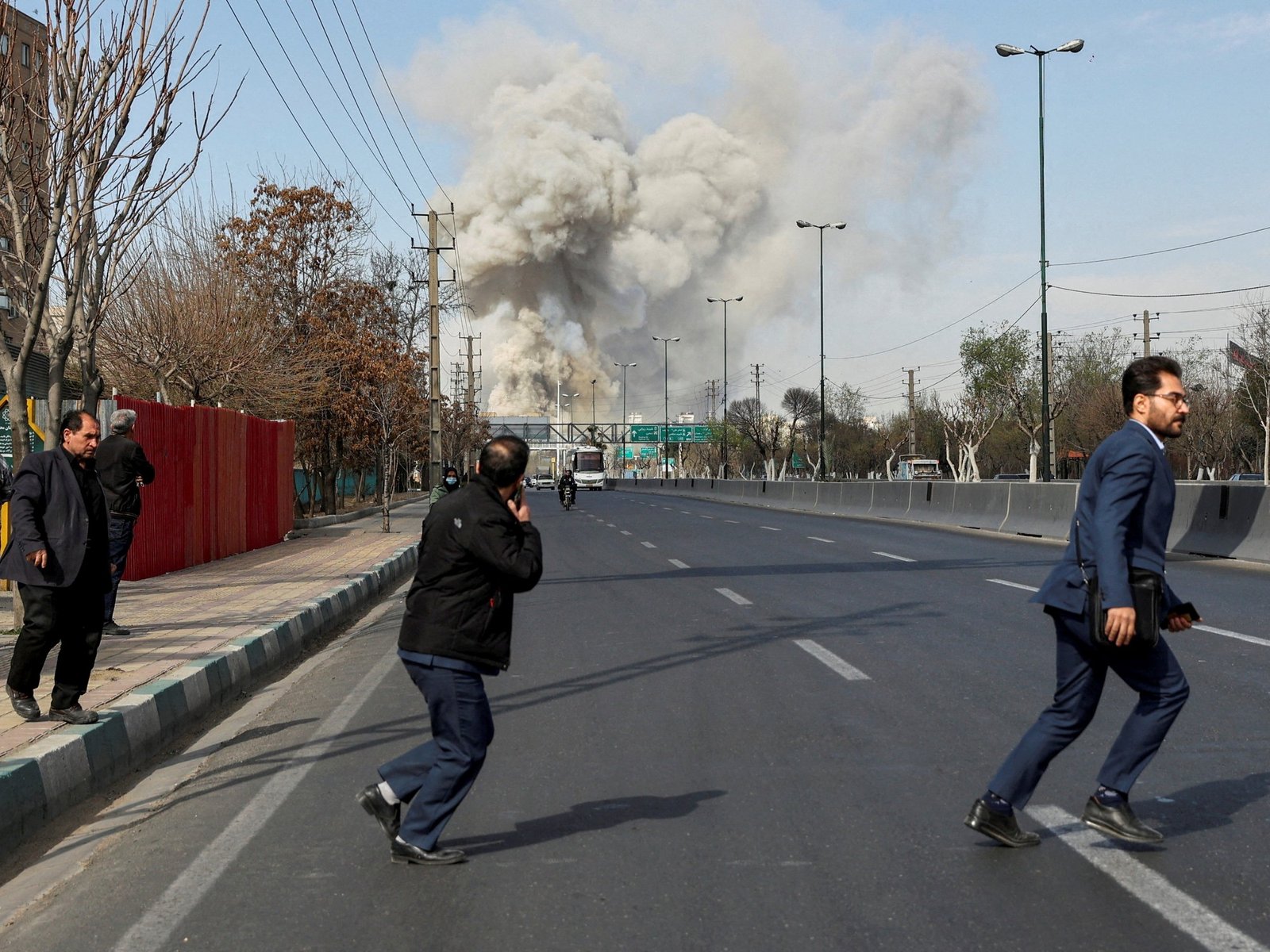
Qué signifca la guerra para los iraníes
Desde el interior de irán
La gente ha estado cantando, bailando, abrazándose y felicitándose por la eliminación de la cabeza de la máquina de matar que hemos tenido gobernándonos
La guerra de Israel y Trump
Aquí y ahora no hay ninguna posibilidad de que el pueblo iraní pueda derrocar un sistema tan opresor con las manos vacías
En estos momentos se ha dado la casualidad de que los intereses políticos de Estados Unidos e Israel coinciden con los intereses del pueblo iraní en cuanto al derrocamiento de la inquisición islamista
No hay comida ni medicamentos
La miseria es lo que nos ha traído este gobierno. Ha utilizado todos nuestros recursos para enriquecimiento propio y el lujo repugnante en el que viven casi mil familias en la teocracia islamista
Lo que para mí como activista de derechos humanos sería muy grato es que por una vez antepongamos las vidas humanas a nuestras ideologías políticas y luchemos por poder establecer un mínimo de armonía en un mundo desquiciado
NEWYou can now listen to Fox News articles!
FIRST ON FOX: As U.S. and Israeli military pressure on Iran intensifies, and President Donald Trump signals support for Kurdish forces, Kurdish opposition groups along the country’s western frontier tell Fox News Digital they are watching closely for an opportunity to strike back against the Islamic Republic, which they have fought for decades.
Kako Aliyar, a member of the leadership committee of the Kurdish opposition party Komala, told Fox News Digital from an undisclosed location in Iraq that the Kurdish movements are ready to act if conditions allow.
«Kurds have been waiting for a moment to do something,» Aliyar said. «We believe that those moments are not far from us.»
But Aliyar said Kurdish forces cannot yet move against the regime because Iran still retains the ability to launch missile and drone attacks, which opposition fighters would struggle to defend against.
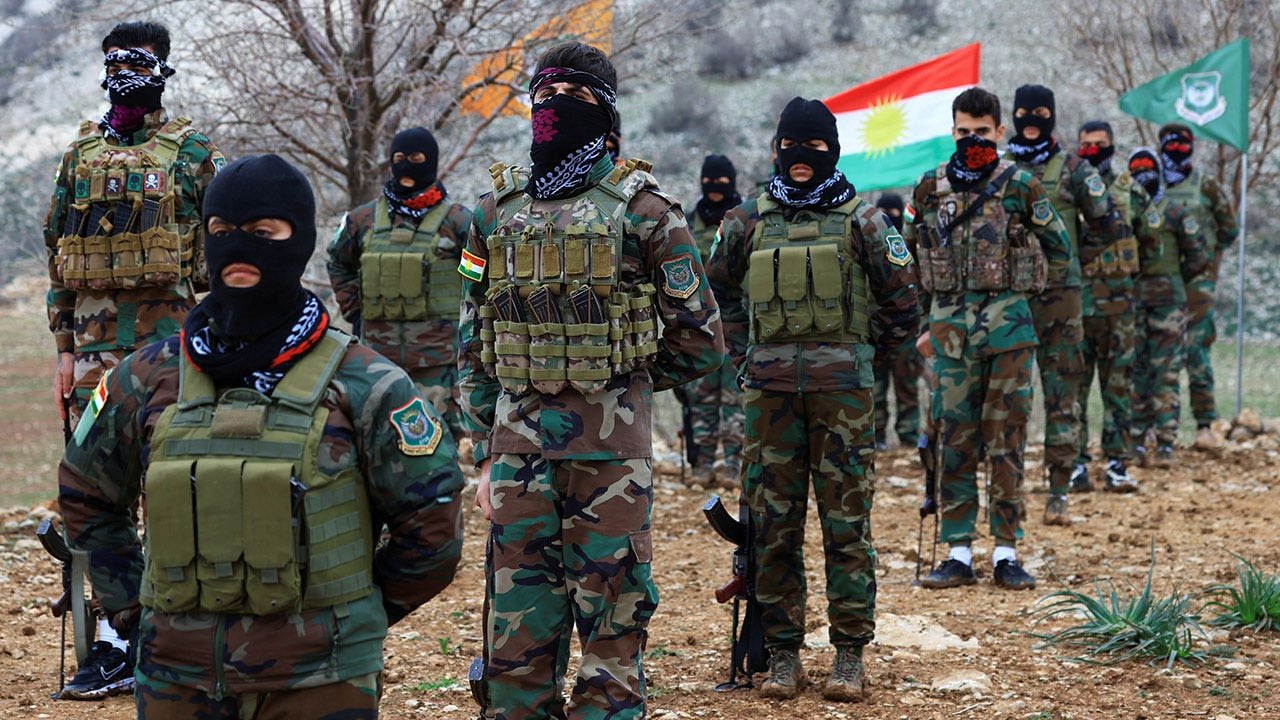
Iranian Kurdish fighters from the Kurdistan Freedom Party (PAK) take part in a training session at a base on the outskirts of Erbil, Iraq Feb. 12, 2026. (Thaier Al-Sudani/ Reuters)
Aliyar said Iranian forces continue to target Kurdish opposition bases across the border in Iraq’s Kurdistan region.
Trump signaled support for Kurdish fighters launching an offensive against Iran, saying in a telephone interview with Reuters Thursday that he would back such a move.
«I think it’s wonderful that they want to do that — I’d be all for it,» Trump said.
Asked whether the United States would provide air cover for a Kurdish offensive, Trump declined to elaborate.
«I can’t tell you that,» he said.
Aliyar said Kurdish groups remain under pressure from Iran and continue to face attacks on their bases across the border in Iraq’s Kurdistan region.
«Our camps, the Kurdish political parties, are still under attack by the Iranian regime, and we can’t go into detail,» he said.
Still, he indicated that if the opportunity arises, Kurdish fighters would attempt to return to Iranian territory.
«If we get an opportunity to go back to our own country, we will use it,» he said.
Kurdish opposition signals unity
The comments come as Iranian Kurdish opposition groups attempt to present a united front against Iran.
In February, several factions formed the Coalition of Political Forces of Iranian Kurdistan, bringing together parties including Komala, the Democratic Party of Iranian Kurdistan (PDKI), PJAK and the Kurdistan Freedom Party.
Aliyar said the coalition is still organizing itself but carries an important political message.
«Politically, it’s a huge message for the Kurdish people inside the country and the international community that Kurds are united,» he said. «We are working together, and we are trying to reach our goals together.»
Kurdish groups have long fought the Iranian government. Armed clashes between Kurdish militants and Iranian forces date back to the years following the 1979 Islamic Revolution, when Kurdish factions sought autonomy and were violently suppressed by Tehran.
Today, many Kurdish opposition groups operate from neighboring Iraqi Kurdistan, where they maintain political offices and limited military forces.
NETANYAHU INSISTS US AND ISRAEL’S STRIKES ON IRAN WON’T LEAD TO ‘ENDLESS WAR’
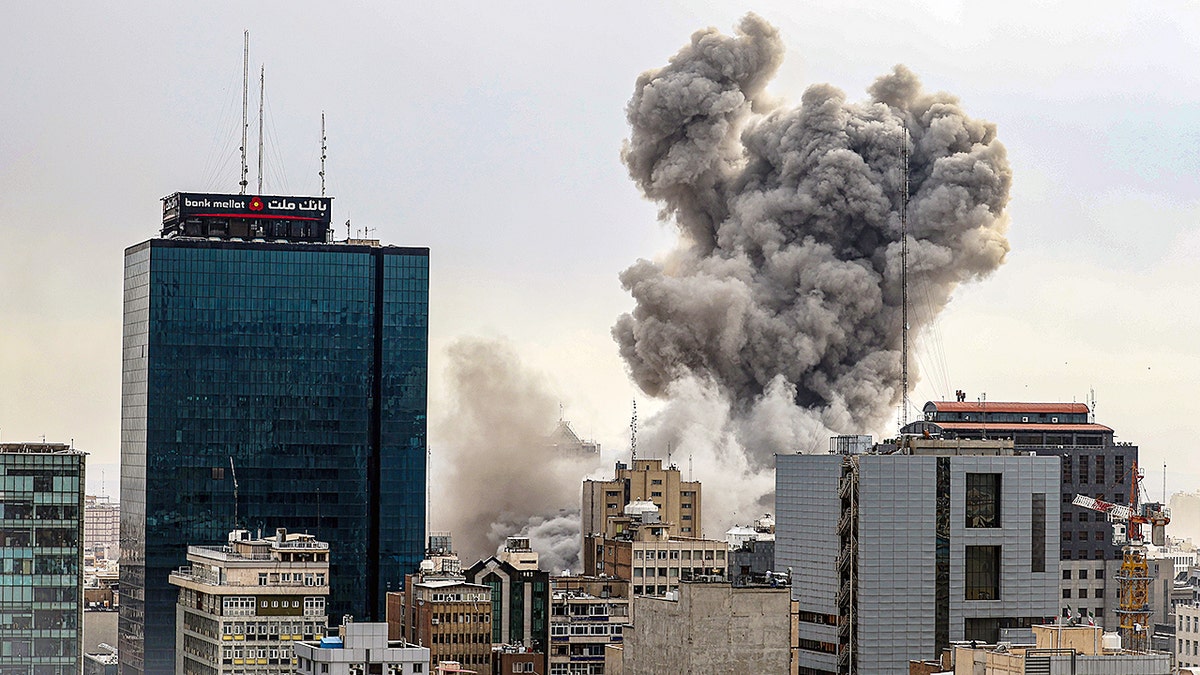
A general view of Tehran, Iran, with smoke visible in the distance after explosions were reported in the city, March 2, 2026. (Contributor/Getty Images)
Waiting for Iran’s military capabilities to weaken
Aliyar suggested Kurdish forces would only be able to move if Iran’s military capabilities are significantly degraded.
«I believe those missile and drone abilities have to be more weakened or totally removed because we are not able to defend ourselves against them,» he said.
Iran’s ability to launch missiles and drones remains one of the regime’s strongest deterrents against internal or external challengers.
«They can still launch missiles and they can still kill people,» Aliyar said.
If those capabilities were reduced, he believes Kurdish forces could attempt to exploit the moment.
«I think everyone has the capacity to do so because Kurdish political parties have huge legitimacy among the people,» he said. «People support them, people support us.»
However, Aliyar cautioned that no one can predict how events will unfold.
«When a war starts, you are trying to find a way to use it in your best way, but you cannot predict what happens tomorrow,» he said.
Kurdish resistance rooted in decades of struggle
Kurds in Iran represent one of the country’s largest ethnic minorities and have historically maintained organized opposition movements.
Kurdish parties developed armed wings and political networks decades ago, giving them a level of organizational structure that many other Iranian opposition movements lack.
Jino Victoria Doabi, an international political analyst focused on Iran and Kurdistan, told Fox News Digital, «Kurds inside Iran have their own history and tradition of struggle and resistance with political parties and armed forces.»
Doabi said Kurdish forces are unlikely to move without clear backing from Washington.
TRUMP TELLS IRANIANS THE ‘HOUR OF YOUR FREEDOM IS AT HAND’ AS US-ISRAEL LAUNCH STRIKES AGAINST
IRAN
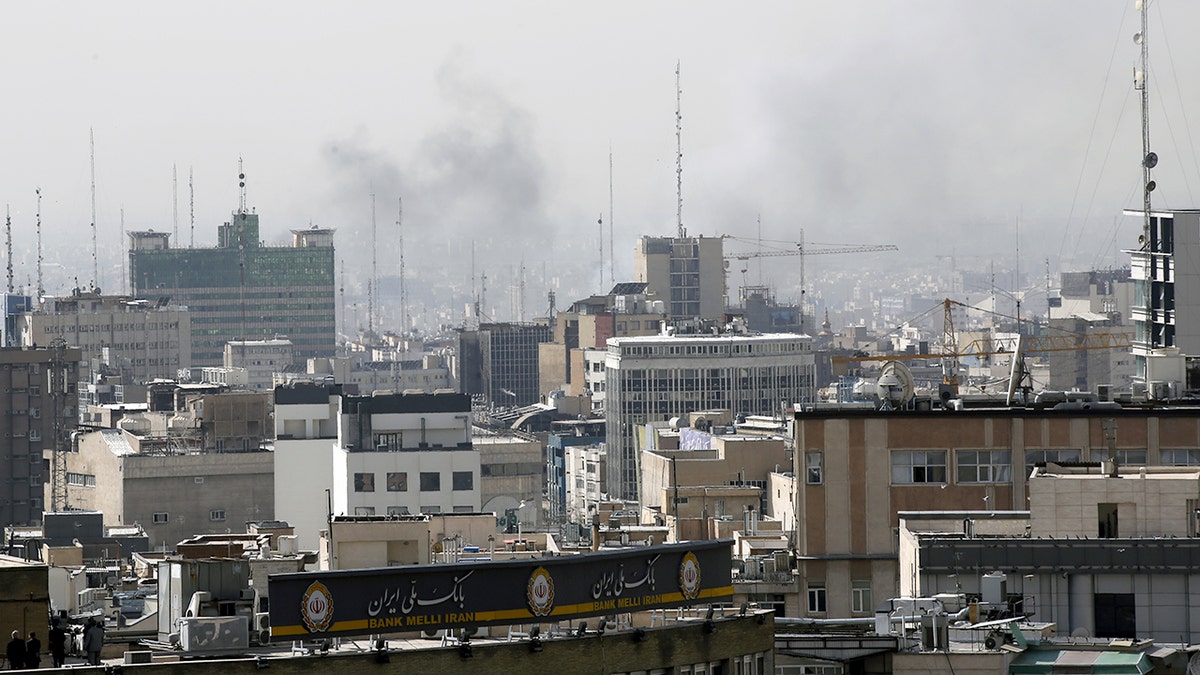
Bombing occurs in Iran on Feb. 28, 2026. (Fatemeh Bahrami/Getty Images)
«For that to happen, they need assurance from America, both politically but also security-wise,» Doabi said.
«Kurds have learned that they cannot just do it for the good cause anymore, because that’s going to cause civilians a lot of pain and destruction and killings.»
Discussions about the idea of Kurdish involvement may have been underway long before the recent escalation, according to Doabi.
«I don’t think this has happened overnight,» she said. «I think this has been discussed for a long time.»
Regional complications
Despite the growing attention on Kurdish groups, Aliyar emphasized that Iraqi Kurdish authorities are not directly involved in any potential campaign.
«Iraqi Kurds are not part of it,» he said. «I am not Iraqi, so I cannot comment on that.»
Analysts say Kurdish insurgents alone are unlikely to topple the Iranian regime. But if internal unrest spreads and Kurdish forces coordinate with broader opposition movements, Iran’s western frontier could become a serious pressure point for Iran.
CLICK HERE TO DOWNLOAD THE FOX NEWS APP
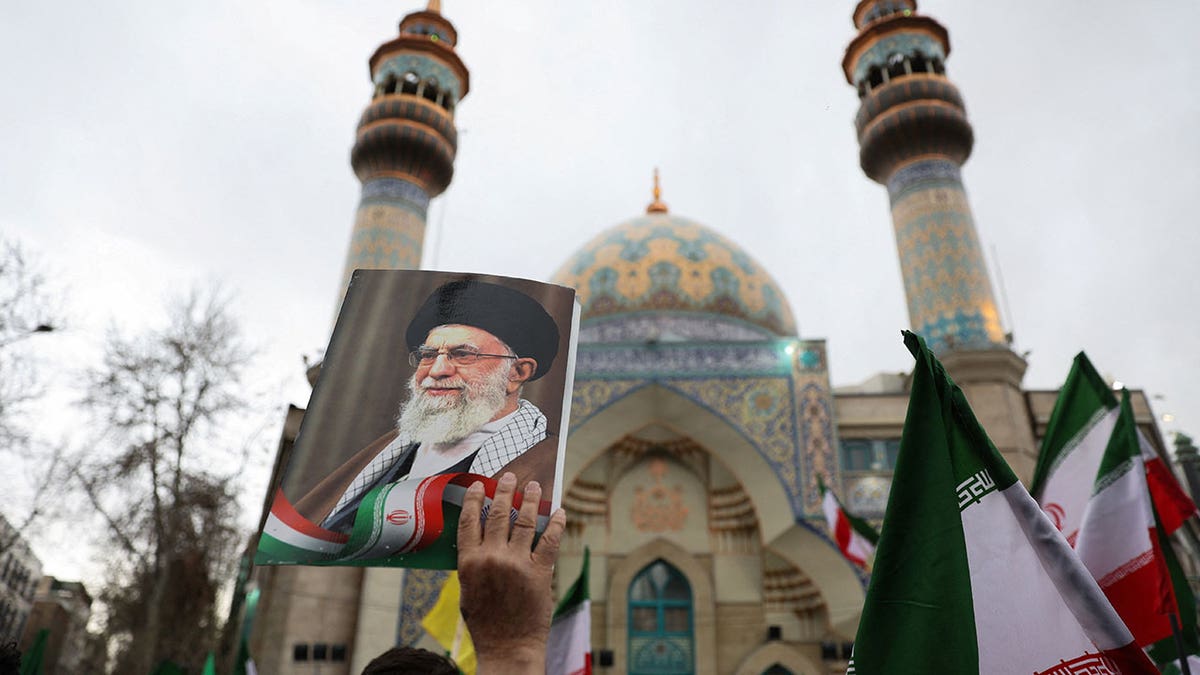
A person holds an image of Iran’s supreme leader, Ayatollah Ali Khamenei, as Iranian demonstrators protest against the U.S.-Israeli strikes, in Tehran, Feb. 28, 2026. (Majid Asgaripour/West Asia News Agency via Reuters)
For Aliyar and other Kurdish leaders, however, the goal remains clear after decades of opposition to the Islamic Republic.
«We have had this desire for 47 years,» he said. «If we get an opportunity, we will use it.»
Related Article
war with iran,iraq,donald trump,iran
INTERNACIONAL
Operation Epic Fury destroys Iran’s navy and cuts missile attacks by 90% in ongoing campaign
NEWYou can now listen to Fox News articles!
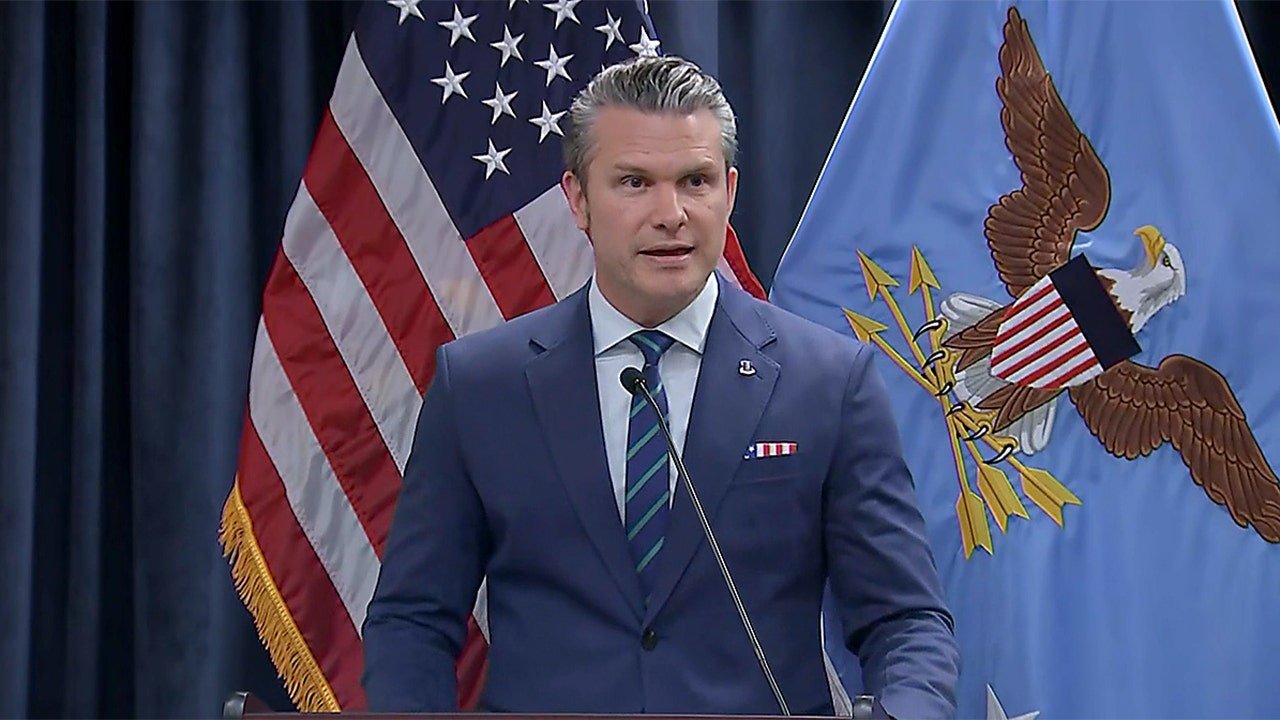
Secretary of War Pete Hegseth said Thursday that U.S. forces have delivered devastating blows to Iran’s military in the opening days of Operation Epic Fury, crippling key naval and missile capabilities while signaling that a larger and more sustained campaign is underway.
Speaking alongside U.S. Central Command (CENTCOM) Commander Adm. Brad Cooper at CENTCOM headquarters at MacDill Air Force Base in Tampa, Florida, Hegseth described a fast-moving operation that has significantly degraded Iran’s ability to threaten U.S. forces and regional partners as officials shift toward preventing Tehran from rebuilding its military strength.
«In just days of Operation Epic Fury, you and your team have delivered nothing short of devastating, precise strikes taking out the better part of Iran’s navy, making it combat ineffective, neutralizing missile sites and launchers and establishing total dominance over the skies,» Hegseth told Cooper.
«Our forces are executing with unmatched skill, and the mission is advancing decisively.»
Cooper detailed the expanding maritime campaign, saying U.S. forces have intensified strikes against Iranian vessels in recent hours, surpassing previously disclosed totals and further weakening Tehran’s ability to project power at sea.
U.S. officials say Operation Epic Fury has sunk more than 30 Iranian ships, slashed missile launches and shifted toward dismantling Tehran’s missile production. (Fox News)
«You may have heard the president say just a little while ago that we have sunk or destroyed 24 ships. That was true. At the moment, we’re now up over 30 ships,» Cooper said. «In just the last few hours, we hit an Iranian drone carrier ship roughly the size of a World War II aircraft carrier. And, as we speak, it’s on fire.»
Beyond naval losses, sustained air operations have sharply reduced Iran’s ability to launch retaliatory attacks. U.S. bombers have targeted launchers, command infrastructure and air defenses deep inside the country in an effort to limit both immediate threats and future strike capacity.
«Ballistic missile attacks have decreased by 90% since day one. Drone attacks have decreased by 83% since day one,» Cooper said.
RED CROSS SHARES AUDIO OF IRANIAN CIVILIAN EXPLAINING SITUATION ON THE GROUND IN TEHRAN: ‘NO RESPITE’
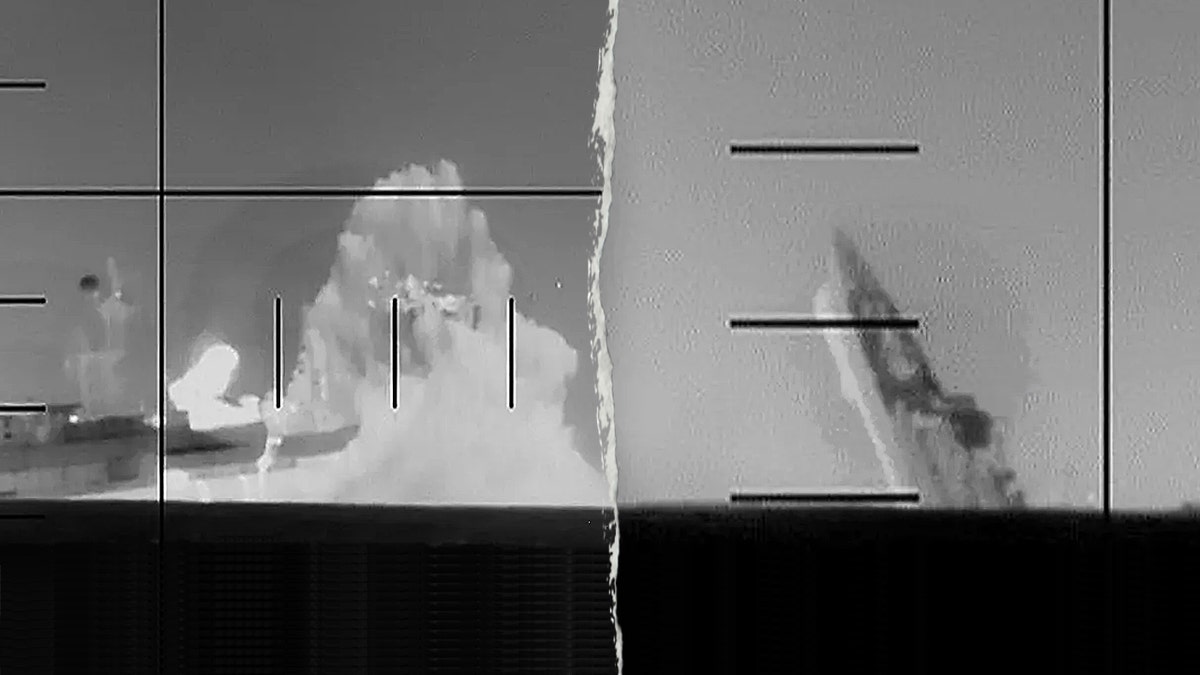
A U.S. submarine sank an Iranian warship in international waters in the Indian Ocean, War Secretary Pete Hegseth confirmed Wednesday. (@DeptofWar/X)
The sharp decline in launches, officials indicated, reflects both the destruction of key systems and the disruption of Iran’s command-and-control networks, forcing Tehran onto the defensive as U.S. aircraft continue operating over the country.
Hegseth made clear the operation is not slowing down, warning that significantly more firepower is moving into the region as additional forces and assets come online.
«We have only just begun to fight and fight decisively,» Hegseth said. «The amount of combat power that’s still flowing, that’s still coming, that we’ll be able to project over Iran is multiples of what it currently is right now.»
PENTAGON POLICY CHIEF GRILLED AS DEM CLAIMS TRUMP BROKE PROMISE ABOUT GOING TO WAR WITH IRAN
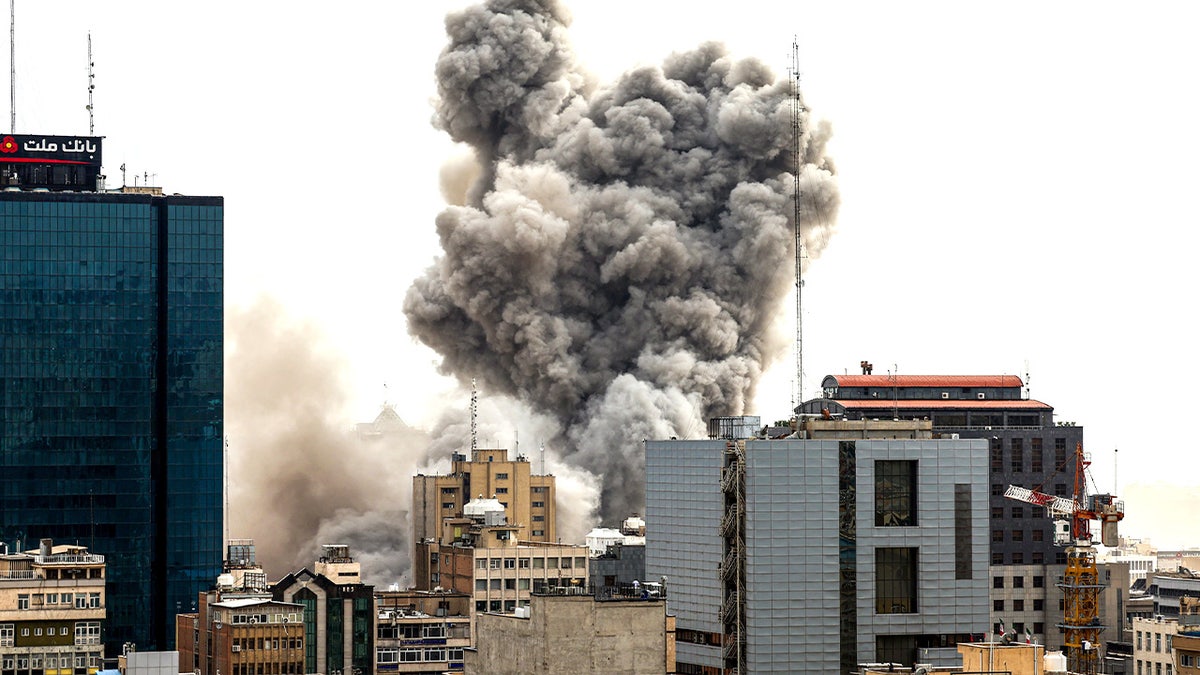
President Donald Trump confirmed the launch of U.S. strikes on Iran Saturday. (Contributor/Getty Images)
He also sought to counter any suggestion that the U.S. could face supply constraints as the campaign continues, emphasizing both capacity and staying power.
«Our capabilities are overwhelming and gathering still, as are those of our Israeli partners,» Hegseth said. «Our munitions are full up and our will is ironclad, which means our timeline is ours and ours alone to control as long as it takes to ensure the United States of America achieves these objectives.»
Cooper confirmed the mission is entering a new phase aimed at Iran’s long-term missile production capacity, shifting from degrading existing stockpiles to preventing their regeneration.
CLICK HERE TO DOWNLOAD THE FOX NEWS APP
«We’re not just hitting what they have. We’re destroying their ability to rebuild,» Cooper said. «As we transition to the next phase of this operation, we will systemically dismantle Iran’s missile production capability for the future.»
Together, the remarks underscored both the scale of the battlefield damage already inflicted and the administration’s message that the campaign — bolstered by additional forces and sustained munitions capacity — is positioned to intensify in the days ahead.
Related Article
war with iran,pete hegseth,military,pentagon,florida,politics,defense

La guerra desde adentro de Irán: «Es un alivio que, por fin, alguien va a venir a eliminar a nuestros verdugos»

El mercado de autos opera a ciegas hace un mes, sin una sola cifra: qué harán las principales marcas con sus planes de ventas

El mapa de la Libertadores: los resultados de los partidos de ida de la fase 3

Córdoba impulsó una ley para proteger a las víctimas de delitos cometidos por menores tras el caso Joaquín Sperani

Bancos empiezan a recibir dólares del colchón: cómo usar el esquema de Inocencia Fiscal

El Santos de Neymar acepta una millonaria oferta y ya negocia su venta

Puertas adentro, Villarruel explotó: «El esfuerzo no lo hizo la política» y demolió el relato económico de Milei

Pampita se mudó a un castillo francés de detalles alucinantes: «1000 metros, 14 ambientes, vale 11 millones de dólares»

El drama que vive Oriana Sabatini a horas del nacimiento de su hija con Paulo Dybala: se complicó la salud de su abuela de 90 años

Petri y Villarruel se cruzaron por un gesto en el Congreso: de “golpista” a “te conozco por el trencito de la alegría”

 POLITICA3 días ago
Petri y Villarruel se cruzaron por un gesto en el Congreso: de “golpista” a “te conozco por el trencito de la alegría”
- CHIMENTOS1 día ago
El hijo adoptivo de José María Muscari tomó una tajante decisión de vida a los 18 años
- CHIMENTOS2 días ago
¡Interna total! Pablo Layus explotó y blanqueó quiénes son los que arruinan Intrusos: «Te matan»