INTERNACIONAL
El regreso de Soda Stereo me hace pensar en la banda de sonido de mi vida, y me gusta


La vorágine diaria apenas me dejó reparar en la campaña “de expectativa” que antecedió al anuncio de este tercer regreso de Soda Stereo, seguramente la banda de rock argentino más famosa del continente. Luego vino, en catarata, la sucesión de noticias sobre entradas agotadas para cinco funciones en Buenos Aires y seguramente en breve, el anuncio de shows en el resto de América latina. Hasta ahí, la noticia de la semana: Charly Alberti y Zeta Bosio, los dos tercios vivos del trío, volverán a subirse al escenario para tocar junto a la grabación de la voz y la guitarra de Gustavo Cerati. Punto. Hasta ahí la noticia.
No está muy claro cómo será la dinámica audiovisual de este espectáculo titulado Ecos, apenas hubo algunas notas periodísticas que han contado que será algo parecido -pero mejorado- al espectáculo ABBA Voyage que presenta avatares digitales (los “ABBAtars”) de los integrantes del grupo sueco, en ese caso acompañados por una banda en vivo.
Inmediatamente, en esa caja tóxica de resonancia que es la red social que cambió de nombre, brotaron los memes y los comentarios irónicos, filosos, sobre “otra ve sopa”, “choreo”, “no se metan con él que está muerto” y demás chicanas. No es el objetivo de esta nota calificar estas opiniones, cada uno dice lo que quiere y mucho más en X.
Pero no me importa. Me gusta que vuelvan. He convivido con las canciones de Soda Stereo desde mi adolescencia: yo tenía 13 años cuando salió el primer disco y a los 15 los vi por primera vez en vivo, en el gimnasio de mi querido Estudiantes de Olavarría, gracias a la buena onda de Roberto Quinteros, primer jefe de prensa de Soda trágicamente muerto un par de años después en un accidente en México. Era la época de Nada Personal, en donde justamente está la canción “Ecos” que da nombre y musicaliza este tercer regreso.
Desde ese momento, 1985, hace ¡40 años!, Soda Stereo fue parte de mi vida y podría contar episodios de mi vida con cada disco -tal como Nick Hornby escribió en la magnífica Fever Pitch, su novela de amor por el fútbol y el Arsenal de Londres. Los vi más de una docena de veces, en Vélez, el Gran Rex, la 9 de julio (inolvidable), con amigos queridos -algunos que ya no están y los extraño, Fabián Polosecki, Javier Andrade– y novias de esos momentos. Cada show es un gran recuerdo que atesoro en la carpeta de los lindos momentos vividos con una de mis pasiones.
La vida me llevó a ejercer el periodismo de rock desde los años 90 y ahí tuve más cercanía e incluso contacto personal. Los entrevisté varias veces: recuerdo a Alberti distante y retraído, a Bosio simpático y campechano y a Cerati todo un caballero de las relaciones públicas, siempre bien predispuesto, mordaz en sus respuestas. Presencié un ensayo -yo solo sentado en el piso, mientras ellos tres tocaban, increíble- en la sala de la avenida Naón casi Virrey del Pino (ahí ahora hay un chalet, pegado a la embajada de Emiratos Árabes). Paso casi todos los días por esa esquina de Belgrano R y no dejo de mencionárselo a mis hijos, que ya lo incorporaron a sus referencias geográficas de su barrio y su ciudad.

Los entrevisté, viajé con ellos por Sudamérica, presencié de cerca los shows de despedida de 1997 (el de las “¡Gracias Totales!“) y el regreso del 2007. Es más, tengo una buena historia para contar sobre aquellos recitales: unos años antes, hice una entrevista con Gustavo Cerati en su etapa solista. Incluía producción de fotos. Un rato después, seguíamos con Diego Capusotto, por entonces en pleno furor de Todo x 2 pesos. Cerati llegó con su equipo de peinado, maquillaje y vestuarista. Era una estrella. Capusotto, que vivía cerca, apareció producido ridículamente con un traje viejo y arrugado, con un peinado al cachetazo que era una risa. Se encontraron. Tengo la imagen de Cerati dándole la mano y diciéndole con una reverencia ”¡maestro!“. Capusotto, que es bastante amargo (pero amable y simpático, no confundir), quedó bastante sorprendido. Bueno, todo eso para contar que aquella tarde en el estudio de mi amiga Nora Lezano de San Telmo, nació la novedad de aquellos shows del regreso de Soda Stereo en 2007: no había banda telonera, el telonero era… Diego Capusotto y sus sketches cómicos.

Creo haber transmitido a mis hijos el amor por Soda Stereo, porque escuchamos sus canciones en casa o en el auto y ya los adoptaron también como banda de sonido de sus vidas, aún entre el aluvión de música contemporánea disponible para consumir. Lamentan no haber podido verlos mientras Cerati estaba vivo. Pero algo compensamos y fuimos a ver y disfrutamos del espectáculo del Cirque du Soleil en el Luna Park y el show de Soda con cantantes invitados en el Campo de Polo. Los disfrutamos.
Así que ahora, que “La fiebre volverá / De nuevo” (Corazón delator, hermoso título de reminiscencias claramente literarias), tengo expectativas porque sé que volver a escuchar esas canciones en vivo en un estadio, me traerán todos los recuerdos de mi vida con esa banda de sonido. No tengo tiempo ni ganas de quejarme por el interés comercial de esta gran movida (es capitalismo, muchachos; es la industria del entretenimiento, muchachos). Voy a disfrutar con mi familia porque nos gusta la música, nos gusta el rock argentino. Y nos gusta Soda Stereo.

INTERNACIONAL
La guerra en Medio Oriente golpea a China: petróleo, asociación estratégica con Irán y tensión geopolítica
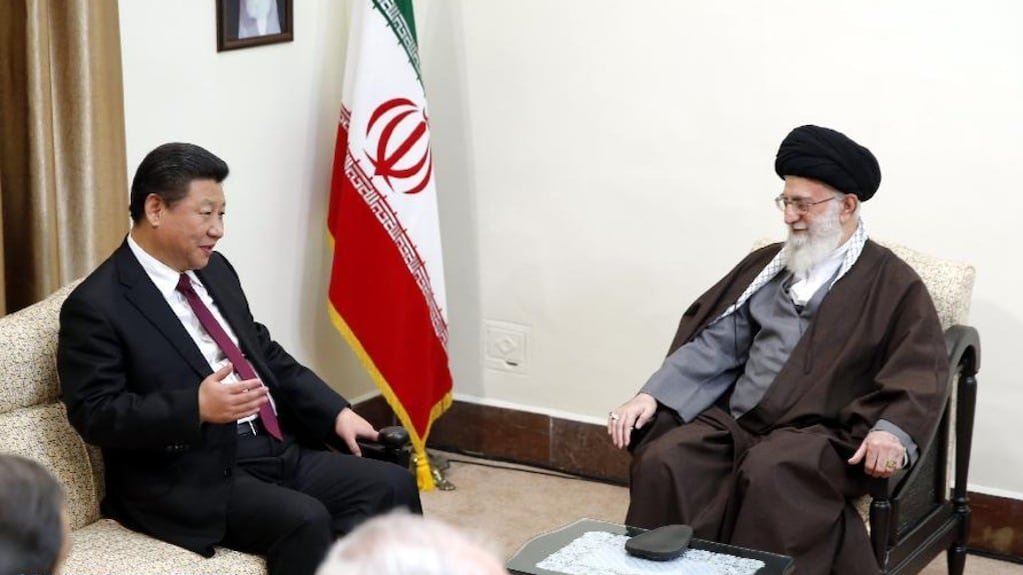
China, como Rusia, observa hoy con preocupación el avance de la guerra en Medio Oriente.
Beijing mantiene una estrecha asociación estratégica con Teherán, clave para expandir su influencia geopolítica en la región.
Leé también: Por qué la guerra en Irán puede ser muy costosa para Rusia: drones militares, rutas estratégicas y negocios
Por eso, “una desestabilización prolongada de Irán podría debilitar un área relevante para la inserción económica de China en Eurasia, afectando su capacidad de articular redes logísticas alternativas al predominio marítimo estadounidense”, dijo a TN el analista en asuntos chinos Jorge Malena, director del Comité de Asuntos Asiáticos del Consejo Argentino para las Relaciones Internacionales (CARI).
¿Qué tan estrecha es la relación entre Irán y China?
La asociación entre ambos países se basa en un fuerte vínculo económico y energético, que no se traduce en una alianza militar. Irán es, para China, un punto estratégico hacia Medio Oriente y Europa de la Nueva Ruta de la Seda, un macroproyecto global de infraestructura y conectividad china que busca unir Asia con Europa, África y América Latina.
China es el principal comprador de petróleo iraní. Aproximadamente el 13% de sus importaciones de crudo viene de Irán. A su vez, Beijing es el destino del 80% de las exportaciones de combustible iraní. De ahí la enorme importancia que tiene China para el gobierno de los ayatollah.
Irán no solo envía la casi totalidad de su producción petrolera a China, sino que además esa asociación comercial le permite sortear las sanciones internacionales, aplicadas por Estados Unidos y la Unión Europea, por sus planes nucleares. El presidente chino, Xi Jinping. (Foto: Maxim Shemetov/REUTERS)
Además, Beijing y Teherán firmaron un acuerdo estratégico de cooperación en 2021 por 25 años. El pacto incluye inversiones chinas en energía, infraestructura, transporte y telecomunicaciones.
“La guerra en Irán (y su eventual intensificación y extensión en el tiempo) tendría implicancias económicas para China, en tanto Beijing ha consolidado con Teherán una asociación estratégica de largo plazo mediante el ´Acuerdo de Cooperación Integral´ firmado en 2021, que prevé inversiones chinas en energía e infraestructura a cambio de un suministro estable y descontado de crudo a lo largo de 25 años», dijo Malena.
Leé también: Los kurdos quieren combatir a los ayatollah: contactos con la CIA y el riesgo de una guerra civil en Irán
Para el analista, “en este marco, Irán se ha convertido en uno de los principales proveedores energéticos de China. Dado que China depende del exterior para alrededor del 70% de su consumo petrolero y es el mayor importador mundial de crudo, cualquier alteración sostenida en la oferta iraní podría tensionar sus costos energéticos y afectar márgenes industriales“.
“Sin embargo, en el corto plazo, China parece relativamente amortiguada frente a disrupciones inmediatas. Beijing ha acumulado reservas estratégicas y comerciales que superarían los 1200 millones de barriles, suficientes para cubrir varios meses de importaciones, y ha diversificado sus fuentes de abastecimiento, con Rusia, Arabia Saudita, Irak y Brasil como principales proveedores», mencionó.
Además, prosiguió Malena, aunque aproximadamente la mitad del petróleo importado por China transita por el estrecho de Ormuz, es improbable que Irán bloquee dicha vía, dado que depende de sus ingresos petroleros para sostener su economía bajo sanciones. En este sentido, el impacto inicial sería más bien un incremento en los precios internacionales que un corte abrupto del suministro».
¿Cómo afecta a China la guerra en Irán en términos geopolíticos?
Irán y China se coordinan en varios foros internacionales, como el BRICS y la Organización de Cooperación de Shanghai que integran una decena de países asiáticos. Pero al mismo tiempo China mantiene un vínculo pragmático con Israel y buenas relaciones con Arabia Saudita (enemigo histórico de Teherán y al que bombardeó en los últimos días). Beijing había sido el impulsor de la normalización diplomática entre sauditas e iraníes en 2023.
En este nuevo escenario de conflicto, el gobierno de Xi Jinping busca posicionar a su país como “potencia benévola” que defiende el derecho internacional y la no intervención.
Leé también: Error de cálculo o mecanismo de provocación: los motivos detrás del inesperado ataque de Irán a Turquía
“La condena oficial de Beijing al ataque (de Estados Unidos e Israel) no constituye un mero gesto retórico, sino la reafirmación de un principio de su política exterior: la defensa de la soberanía estatal y la no intervención. Al enfatizar estos postulados, China busca consolidar su imagen como garante del orden internacional frente a lo que presenta como políticas de poder de los Estados Unidos”, dijo Malena.
Pero detrás de esta posición se mueven otros intereses geopolíticos.
“Al mismo tiempo, Irán ocupa una posición clave en la proyección euroasiática china, en la diversificación de corredores terrestres del comercio internacional que atenúan el denominado “dilema de Malaca” (la vulnerabilidad estratégica de China ante su alta dependencia del Estrecho de Malaca para importar energía desde Oriente Medio y África)“, añadió.
Por ese motivo, explicó el analista, “una desestabilización prolongada de Irán podría debilitar un área relevante para la inserción económica de China en Eurasia, afectando su capacidad de articular redes logísticas alternativas al predominio marítimo estadounidense”.
Sin embargo, Malena diijo que esta inestabilidad “no redundaría en una intervención directa china, porque ello erosionaría la coherencia del discurso que adopta Beijing y desviaría recursos de su prioridad estratégica central: el Indo-Pacífico y la cuestión de Taiwán”.
¿Puede China aprovechar la coyuntura para tomar Taiwán?
Precisamente el caso Taiwán es uno de los principales focos de tensión, además del comercial y la lucha por el predominio geopolítico, entre China y Estados Unidos. Se trata de un territorio que en la práctica es independiente pero no es reconocido por la ONU y que protege Washington. China considera a la isla como una provincia rebelde y asegura que tarde o temprano se hará cargo de su soberanía.
Malena cree que China no aprovechará este conflicto en Irán para atacar Taiwán, como ha advertido en forma reiterada en el pasado.
“Busca proyectar una imagen distinta a la de Estados Unidos. Es una potencia pero que no hace uso de la fuerza para conseguir sus intereses. De hacerlo mancharía su imagen de potencia benévola. Además, aparentemente China aún no estaría en condiciones de llevar a cabo una operación militar de esa magnitud”, afirmó.
En ese sentido, el analista fundamentó su visión en “los cambios que ha habido en la cúpula del Ejército Popular de Liberación en los ultmos años años”.
“Según fuentes chinas, la jefatura militar no logró cumplir la orientacion de (el fallecido presidente) Deng Xiaoping de estar listo para pelear una guerra en 2027. Esto no tiene que ver con que ese año decidan ir a la guerra, sino que se cumple el centenario de la fundacion del ejercito y Xiaoping usó esa fecha para alcanzar el hito de que el ejército estaría en condiciones de pelear una guerra y ganarla”, concluyó.
Irán, China, Israel, Estados Unidos
INTERNACIONAL
Israel pounds Hezbollah targets, daring Lebanon to reclaim sovereignty from Iran-backed terror proxy
NEWYou can now listen to Fox News articles!
Amid the ongoing conflict with Iran, analysts say the Trump administration should pressure Lebanon to fulfill its commitments to disarm the Iran-backed terrorist group as it drags the country into another war with Israel.
David Schenker, a former U.S. assistant secretary of state for Near Eastern Affairs who oversaw Lebanon’s policy during the first Trump administration and now directs the Program on Arab Politics at the Washington Institute for Near East Policy, said: «The U.S. should make clear to Lebanon that it is time for the state to honor its ceasefire commitment to disarm Hezbollah,» he told Fox News Digital. Schenker warned if Beirut «doesn’t pursue disarmament, it will remain a failed state.»
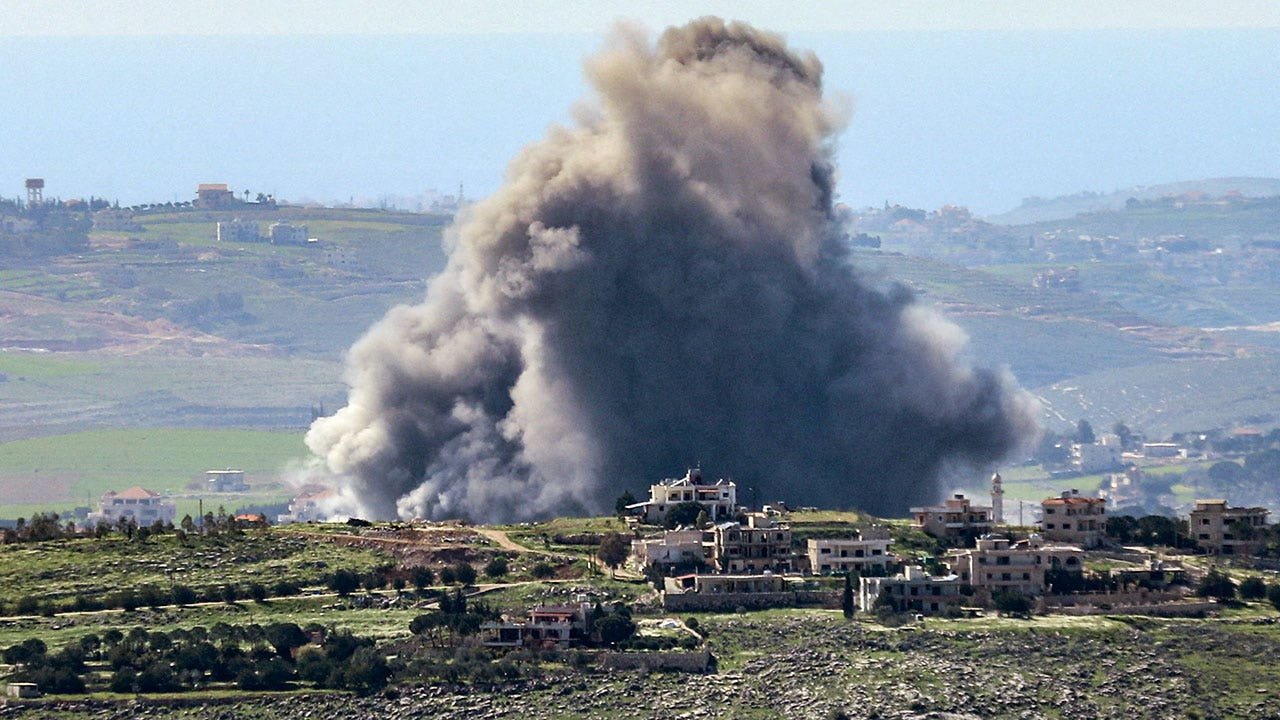
The warning comes as the IDF attacked multiple Hezbollah targets Friday in response to the terror group’s launching of rockets and drones toward Israel on March 2, its first attack since a November 2024 ceasefire ended the previous round of fighting.
Smoke billows following strikes on Beirut’s southern suburbs, following an escalation between Hezbollah and Israel amid the U.S.-Israeli conflict with Iran, as seen from Baabda, Lebanon, March 5, 2026. (Mohamed Azakir/Reuters)
Since the first day of the renewed fighting, the IDF has carried out over 200 strikes across Lebanon targeting Hezbollah’s military, media and financial infrastructure, as well as operatives from the group and affiliated networks, according to a March 5 analysis by the Foundation for Defense of Democracies’ Long War Journal. Israeli Defense Minister Israel Katz also threatened Hezbollah Secretary-General Naim Qassem.
The renewed fighting has exposed deep tensions inside Lebanon’s government, which in recent days called on Hezbollah to disarm and ordered security agencies to prevent attacks on Israel from Lebanese territory.
IRAN COULD ‘ACTIVATE’ HEZBOLLAH IF US TARGETS REGIME, TRUMP’S INNER CIRCLE TO DECIDE: EXPERT
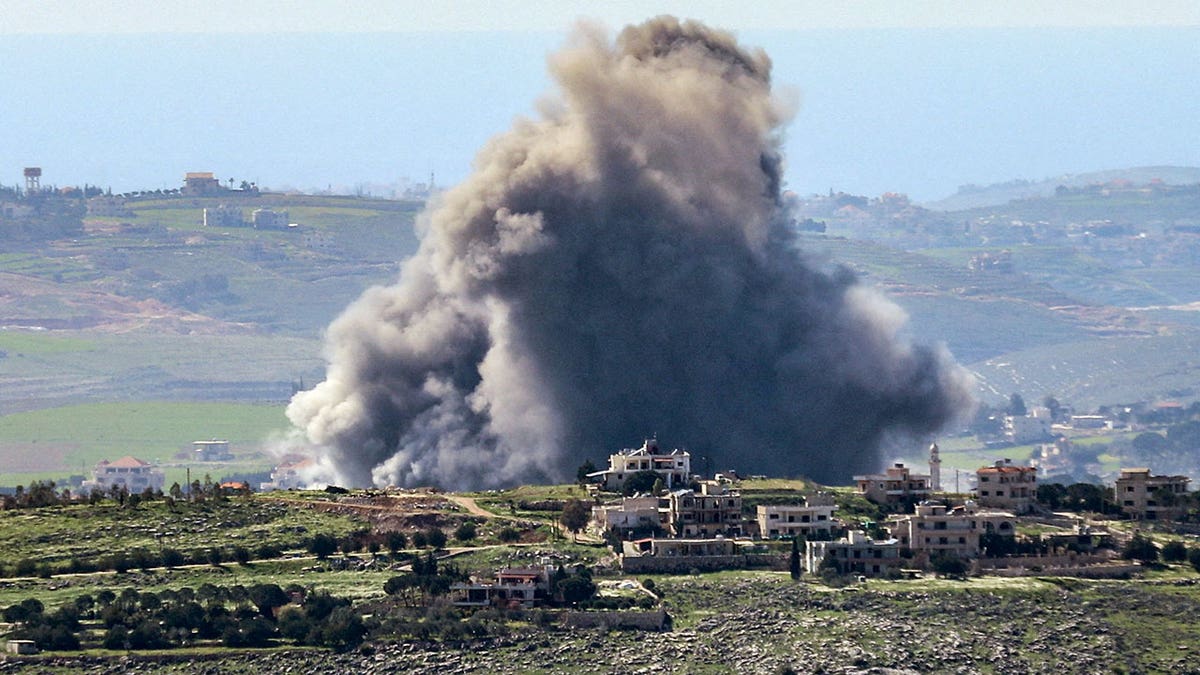
Smoke rises after Israeli strikes in Lebanon, following an escalation between Hezbollah and Israel amid the U.S.-Israeli conflict with Iran, as seen from Marjayoun, Lebanon, March 5, 2026. (Karamallah Daher/Reuters)
Schenker says the move reflects frustration in Beirut rather than a fundamental policy shift. «The Government of Lebanon’s latest cabinet vote on Hezbollah disarmament is nothing new,» Schenker said. «It is a reiteration of the cabinet decision last August mandating the disarmament of Hezbollah. The language is perhaps more strident, but the message is the same.»
«It is a reflection of the Government’s frustration and desperation over Hezbollah dragging Lebanon into yet another war with Israel,» he added. «It also reflects the Lebanese Armed Forces’ failure to date to take its mission of disarmament seriously.»
Hezbollah’s latest attacks appear to have caught Lebanese officials off guard. Reports suggest the group had previously assured officials it would not intervene in a broader regional conflict tied to Iran.
Schenker said the episode underscores a longstanding reality in Lebanon’s political system. «The government of Lebanon has never tried to control Hezbollah,» he said. «The few months that the LAF devoted to disarmament in south Lebanon was performed with Hezbollah’s consent and coordinated with the militia.»
Still, public frustration inside Lebanon may be shifting the political environment. «Given the population’s growing anger toward Hezbollah now, the political environment should be more conducive for the LAF to confront Hezbollah,» Schenker said.
ON MADURO’S ‘TERROR ISLAND,’ HEZBOLLAH OPERATIVES MOVE IN AS TOURISTS DRIFT OUT
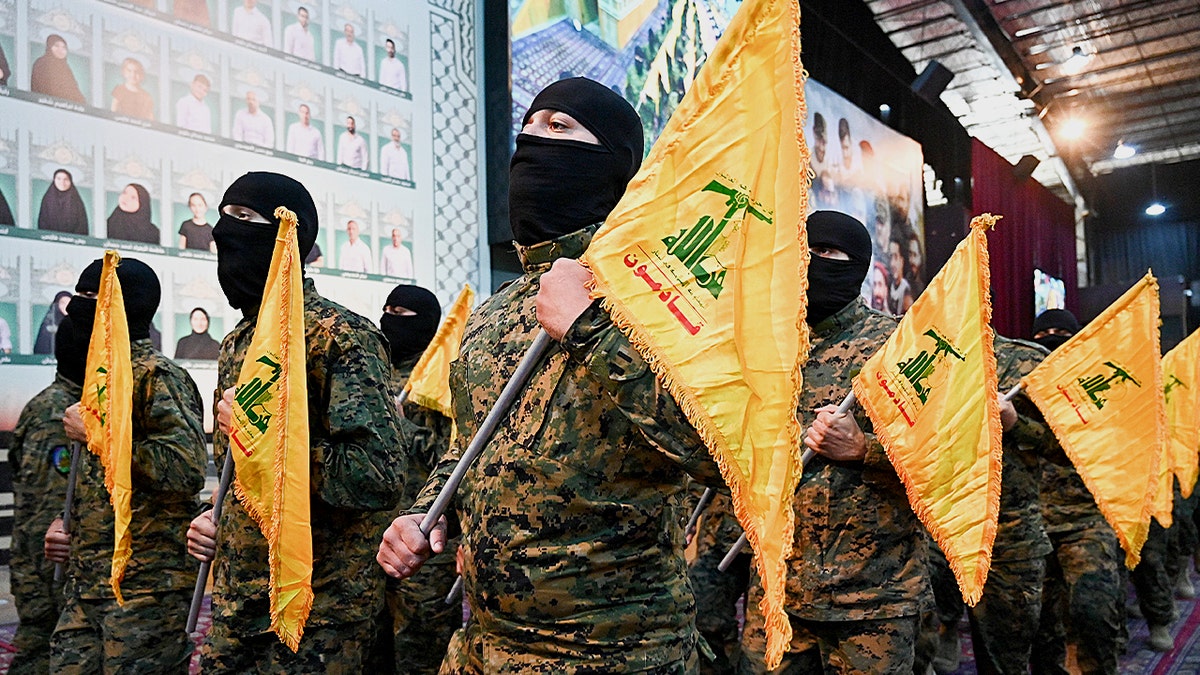
Iran rebuilds Hezbollah ties as Trump gives a 10-15 day deadline. (Fadel Itani/NurPhoto via Getty Images)
«The fear of ‘civil war’—i.e., Hezbollah perpetrating violence against the Government—remains,» he added. «But increasingly, Lebanese prefer taking that risk and possibly gaining sovereignty than being in a state of perpetual war with Israel.»
In a clip posted on X by the Center for Peace Communications, Lebanese people angrily responded to Hezbollah’s actions with one man telling Jusoor News: «If Hezbollah leader Naim Qassem wants to commit suicide, let him go do it in Tehran, not Lebanon.»
According to David Daoud, senior fellow at the Foundation for Defense of Democracies, Hezbollah’s decision to attack Israel despite the ceasefire reflects the group’s willingness to escalate the conflict even as Lebanon’s government seeks to avoid another war.
The crisis has also drawn international attention. French President Emmanuel Macron called for urgent steps to prevent Lebanon from sliding deeper into war.
«Everything must be done to prevent this country, so close to France, from once again being drawn into war,» Macron wrote in a statement posted on X on March 5 after speaking with Donald Trump, Benjamin Netanyahu and Lebanese leaders.
CLICK HERE TO DOWNLOAD THE FOX NEWS APP
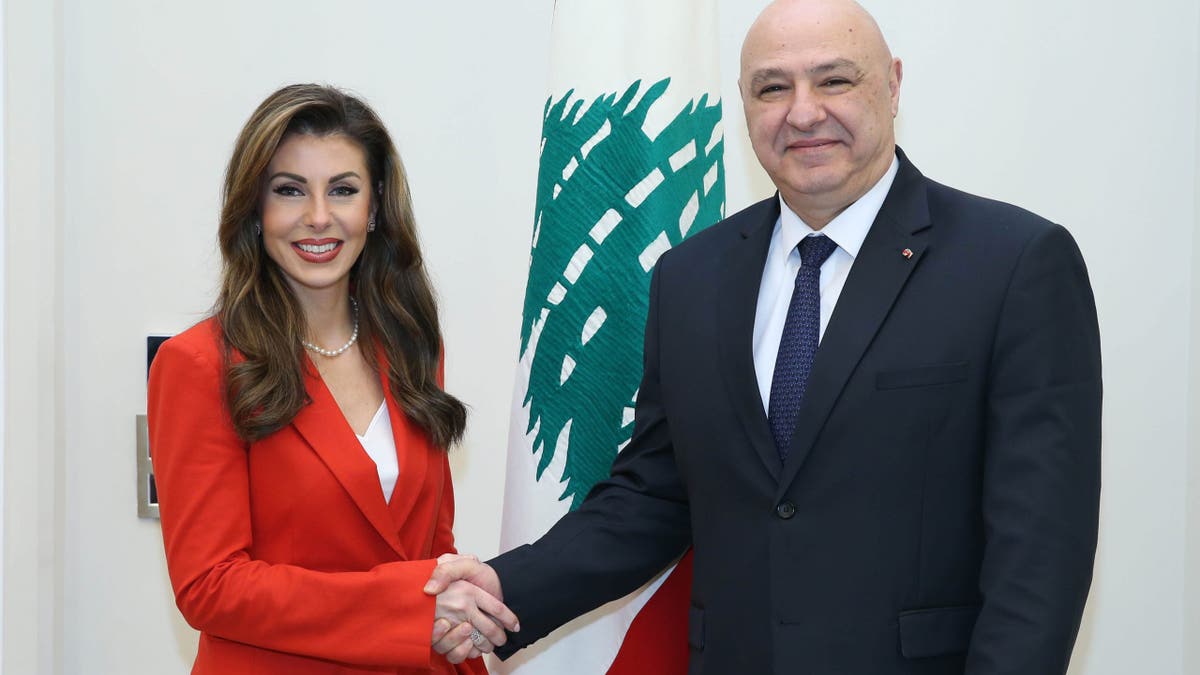
Lebanese President Joseph Aoun (R) meets with U.S. President Donald Trump’s Deputy Special Representative for the Middle East, Morgan Ortagus (L) at the Baabda Palace in Beirut, Lebanon, on Feb. 7, 2025. (Photo by Lebanese Presidency / Handout/Anadolu via Getty Images)
Macron said Hezbollah «must immediately cease its fire toward Israel,» while urging Israel to avoid expanding military operations inside Lebanon.
For now, analysts say the outcome may depend on whether Lebanon’s government is willing to confront Hezbollah directly or continue to tolerate Iran’s terror proxy that has long operated outside the control of the government’s control.
Related Article
war with iran,lebanon,terrorism
INTERNACIONAL
Dem Senate hopeful holds event at bookstore selling ‘ABOLISH ICE’ merch despite pledge to ‘secure the border’

NEWYou can now listen to Fox News articles!
A Democratic Senate hopeful in Iowa is pitching himself as a candidate who believes in the party’s «old Democratic values.»
However, on Saturday, State Senator Zach Wahls hosted a campaign event at a radical activist bookstore, Dog-Eared Books, that has been vocal about abolishing ICE, financially supports anti-ICE nonprofits, holds drag story time for kids, and promotes books banned in schools for their sexually explicit content, among other far-left activism the store engages in.
Fox News Digital asked Wahls ahead of the event if he was aware of the bookstore’s radical track record and whether he regretted holding a campaign event there, but Wahls never responded.
Meanwhile, Wahls’ campaign website promises Iowans he will work to «secure the border and fix our broken immigration system,» and in posts on social media he has insisted that the nation must have an immigration system based on «law and order.»
Democratic Iowa State Sen. Zach Wahls (right) next to an image of Dog-Eared Books located in Ames, Iowa. (Getty Images/Fox News)
«I believe in the old Democratic values of hard work and family, not handouts for billionaires and insiders,» Wahls also touts in a campaign video pinned to the top of his X account.
Video obtained by Fox News Digital from outside the Ames, Iowa, bookstore where Wahls held his campaign meet-and-greet event at alongside his novelist wife, titled «Reading and Running: A conversation with Zach Wahls and Chloe Angyal,» showed at least one sign right next to the front entrance reading «ICE IS NOT WELCOME HERE» in bold capital letters. The store has hosted events for Wahls’ wife in the past prior to Saturday, and sells her romance novels.
In the wake of the federal agent-involved shootings of Renee Good and Alex Pretti in Minneapolis, the bookstore created a logo of a dog in sunglasses holding a protest sign that reads «ABOLISH ICE,» and even put it on a stickler the store is selling on its website.
Following the shootings of Good and Pretti, the store also pledged to donate 25% of its sales to a network of mostly anonymous philanthropic groups called the Immigrant Rapid Response Fund. Some of the groups that have been publicly reported to be affiliated with the fund, include anti-ICE groups like the George Soros-funded Headwaters Foundation for Justice, which says it «believe[s] in a future without ICE,» and the Black Collective Foundation Minnesota.
DEMOCRAT IN KEY SENATE PRIMARY SAYS SHE ‘REGRETS’ VOTE ON LAKEN RILEY ACT, DRAWS GOP BACKLASH
«Do not retreat. Do not back down. Double Down,» Lulete Mola, president and co-founder of the group, said following the ICE shootings in Minneapolis, according to Inside Philanthropy.
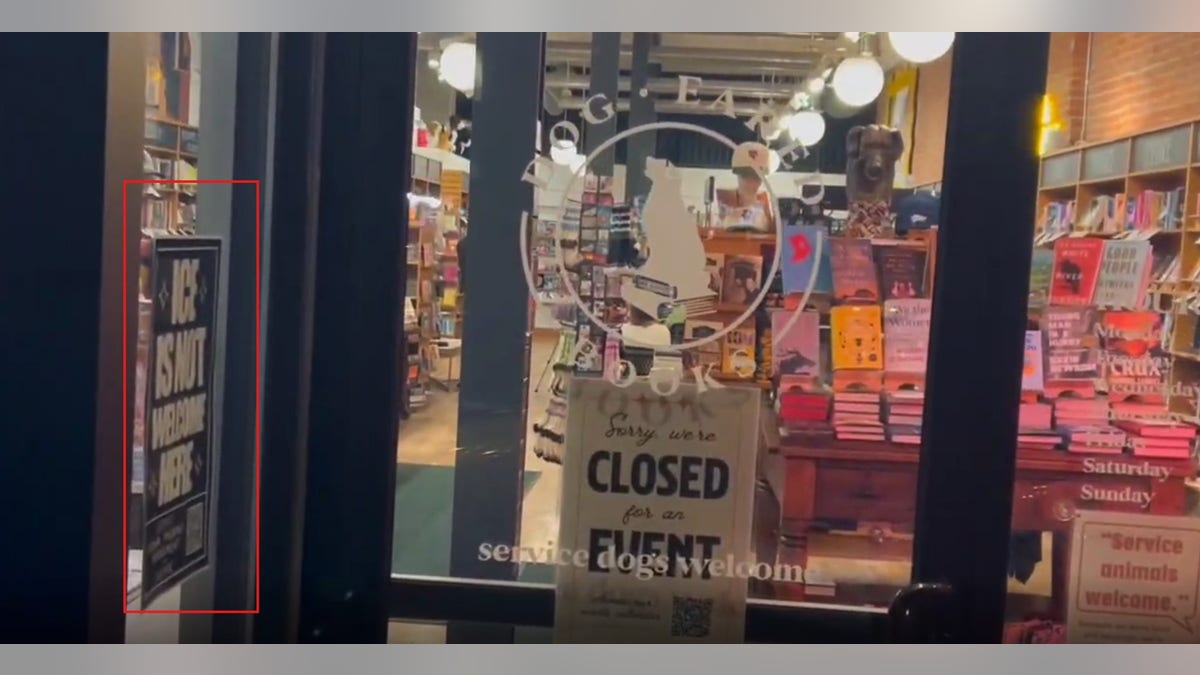
A sign reading «ICE IS NOT WELCOME HERE» sits in the window right next to the door at Dog-Eared Books on the night U.S. Senate candidate from Iowa held a campaign event there to meet with constituents. (Fox News)
Besides being staunchly anti-ICE, the bookstore where Wahls held his meet-and-greet event on Saturday also has a history of supporting child gender transitions and has worked against Republican lawmakers’ efforts aimed at protecting women by removing «gender identity» from the state’s list of protected classes under Iowa’s civil rights laws.
Dog-Eared Books also has a history of holding drag story time events for kids, including one that featured a 14-year-old teenage drag queen, and touts selling «banned» books that are frequently removed from school districts due to what critics deem is non-age appropriate sexually explicit content. Among them being sold is «All Boys Aren’t Blue,» by George Johnson, which Dog-Eared books notes on social media is «one of the most frequently banned books in Iowa,» and «Gender Queer,» by Maia Kobabe, a book widely banned in schools for its’ graphic sexual imagery.
Meanwhile, the store has also exhibited alignment with radical anti-Israel folks, claiming in a Facebook event post for a «Tattoos For Palestine» event that Israel is «committing a Genocide» with its actions that followed the attacks of Oct. 7, 2023. And, a web page on the bookstore’s website, encourages people to join their letter-writing campaign to lawmakers, aimed at promoting its values that include «No human is illegal. All people deserve access to reproductive healthcare. Healthcare is a human right,» and other policy positions that skew to the far-left.
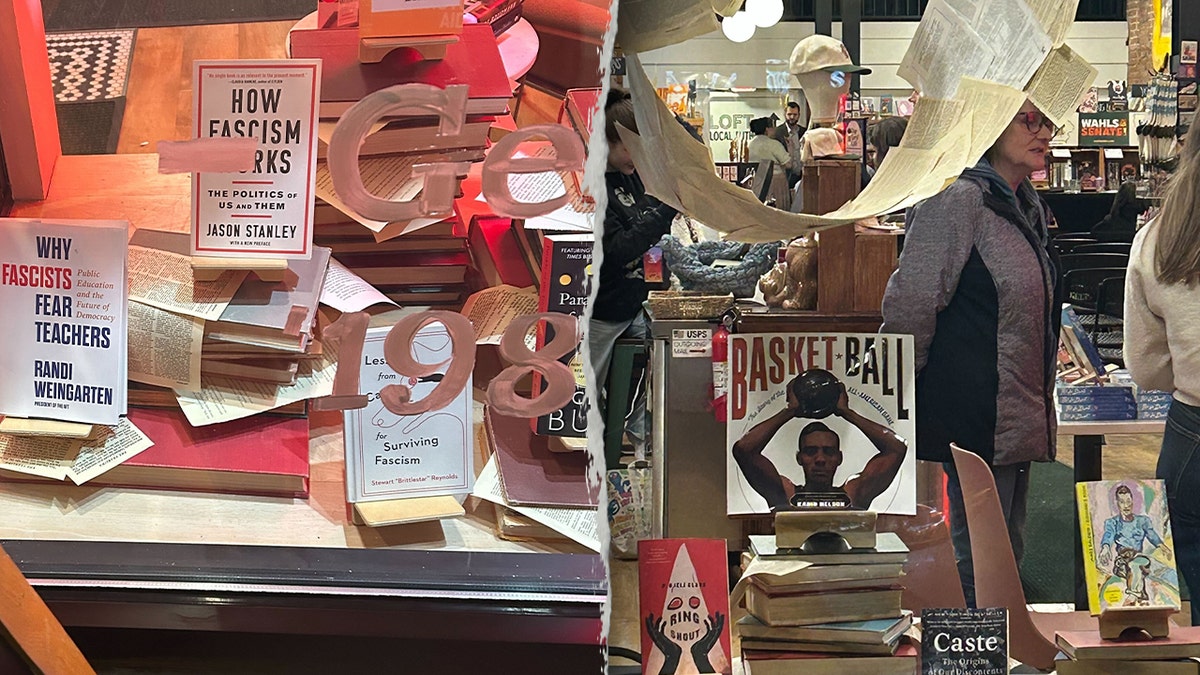
Books on display at Dog-Eared Books include American Federation of Teachers President Randi Weingarten’s titled «Why Fascists Fear Teachers» and «How Fascism Works» by Yale progessor Jason Stanley. (Fox News)
CLICK HERE TO DOWNLOAD THE FOX NEWS APP
Fox News Digital also reached out to Wahls after the event and did not receive a response. The bookstore did not provide a response either.
Wahls is vying to take over the U.S. Senate seat being vacated by junior Iowa Sen. Joni Ernst, R-Iowa, and if he were to win, would sit alongside longtime senior Iowa Sen. Chuck Grassley. Wahls, a former Iowa Senate Minority Leader, is taking on a field of opponents for his upcoming primary race in June. Among his main contenders is Democrat State Rep. Josh Turek.
Before entering politics, Wahls went viral as a young adult after giving a speech in the Iowa legislature about growing up with two moms, amid efforts in the state to amend the portion of the state’s constitution tied to same-sex marriage. He and his novelist wife credit the event for their meeting.
Related Article

democrats elections,iowa,senate elections,elections,midterm elections,democratic party

El tenso cara a cara entre Daniela De Lucía y Yanina Zilli en Gran Hermano: “No quiero tu disculpa”

A cuánto llegarán el dólar y la inflación a fin de año, según los principales analistas del mercado

Lola del Carril: de imitar a Mariano Closs en el colegio a consolidarse como relatora del fútbol argentino

Milei parte rumbo a Estados Unidos y Chile: todos los detalles de la nueva gira presidencial

La guerra en Medio Oriente golpea a China: petróleo, asociación estratégica con Irán y tensión geopolítica

«A mí no me van a llevar puesto como a Macri», aseguró el Presidente antes de viajar otra vez a EE.UU.

Puertas adentro, Villarruel explotó: «El esfuerzo no lo hizo la política» y demolió el relato económico de Milei

Pampita se mudó a un castillo francés de detalles alucinantes: «1000 metros, 14 ambientes, vale 11 millones de dólares»

El drama que vive Oriana Sabatini a horas del nacimiento de su hija con Paulo Dybala: se complicó la salud de su abuela de 90 años

El hijo adoptivo de José María Muscari tomó una tajante decisión de vida a los 18 años

 CHIMENTOS2 días ago
El hijo adoptivo de José María Muscari tomó una tajante decisión de vida a los 18 años
- CHIMENTOS2 días ago
¡Interna total! Pablo Layus explotó y blanqueó quiénes son los que arruinan Intrusos: «Te matan»
- CHIMENTOS3 días ago
Ángel de Brito contó la oscura verdad de Jorge Rial para no ir a LAM: “Es un…”