INTERNACIONAL
El sucesor de Francisco: alto, mediano, bajo y el arte de vestir al nuevo papa con los ojos de los sastres puestos en los candidatos

 Los sastres romanos tradicionalmente preparan las vestimentas para el nuevo papa, pero afirman que esta vez el Vaticano usará sotanas de elecciones anteriores. Foto AFP
Las tres túnicas
 El recién elegido Papa Francisco, el cardenal Jorge Mario Bergoglio de Argentina, aparece en el balcón de la Basílica de San Pedro tras ser elegido por el cónclave de cardenales, en el Vaticano, el 13 de marzo de 2013. Foto Reuters
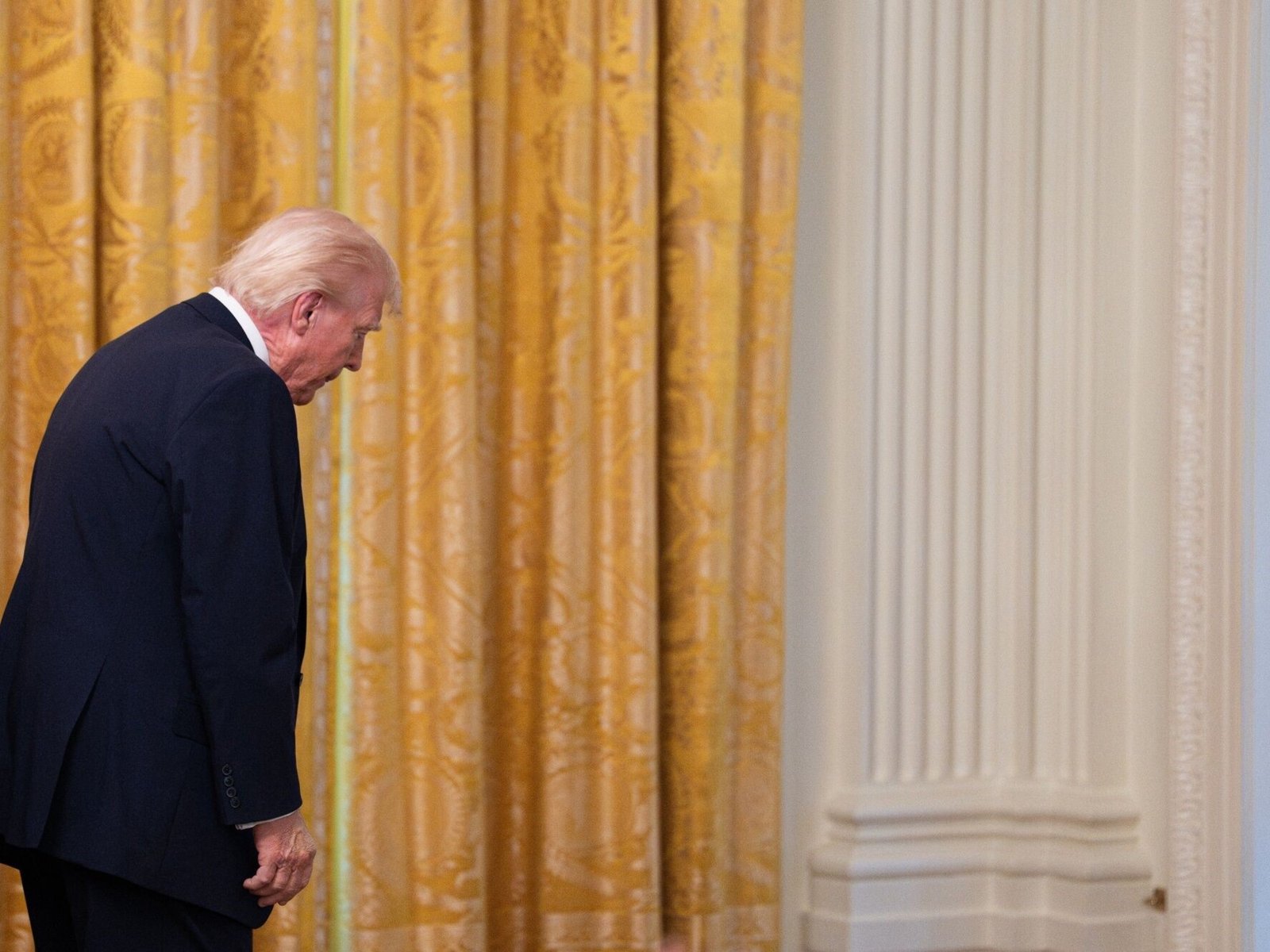
Una crítica frecuente contra Estados Unidos en el trámite de la guerra que conmueve hoy a Oriente Medio y al mundo es la ausencia de estrategia, preparación y adecuada caracterización del adversario. Esas carencias marcan también la apresurada intención de la potencia de liberarse del conflicto. El presidente Donald Trump ha despachado a Teherán un plan de negociación a través de Pakistán. Esa iniciativa cuenta con 15 puntos inaceptables para la teocracia, pero es presumible que fueron elaborados menos para el adversario que para darle sentido político y narrativa a la eventual retirada. El presidente insiste que la guerra ha concluido con la victoria norteamericana. Necesita ese discurso. Pero no es lo que está sucediendo.
Como acaba de señalar The Wall Street Journal “el régimen está maltrecho pero intacto, aún controla el estrecho de Ormuz y podría acceder a su material nuclear enterrado profundamente bajo los escombros”. Es claro que Trump lo sabe. También lo sabía cuando emitió su ultimátum el fin de semana pasado, que ha postergado ya dos veces, para que Teherán libere el tránsito del petróleo sin restricciones por ese paso estratégico, y por eso posiblemente luego convirtió en “conversaciones productivas” lo que son solo contactos sin profundidad por el momento.
Irán ha logrado mantenerse de pie y supone que cuenta con capacidad para imponer condiciones. El propio EE.UU. ha fundado esa visión al ordenar la liberación de la venta del petróleo del régimen, lo que implica un alivio para sus cuentas. Es la señal de que su estrategia de cerrar las canillas del crudo se ha convertido en el arma que define este grave episodio.
La participación relevante de Pakistán en estas negociaciones interesa porque se trata de un aliado histórico de China, ambos de los pocos países cuyos buques cruzan por Ormuz. Indicaría cierta mano de Beijing en las trastiendas de estos acercamientos por la necesidad de la potencia asiática para desescalar una crisis que amenaza encoger la economía mundial a niveles similares o peores que la pandemia. No es un dato menor en este sentido que Trump haya confirmado que viaja a Beijing en mayo.
La mano de China importa, además, porque posiblemente impida que Irán exagere sus ventajas estratégicas y cometa el peor de los fallidos. “Ninguna de las dos partes puede aspirar a humillar al contrario en esta guerra. Si lo hacen, se estarían metiendo en un agujero aun mayor”, evalúa Trita Parsi, del think tank Quinci Intitute for Responsible Statecraft, citada en El País de Madrid.
La cancelación del conflicto debe cuajar el complejo teorema según el cual ambas partes se consideren victoriosas. Un objetivo que aparece aún más difícil si se advierte que cualquier negociación se limitará a la apertura del estrecho y el levantamiento de sanciones. No habría espacio para nada más. Salvo alguna forma para que ese poder de Irán sobre el tránsito de los petroleros pueda ser limitado, como ha planteado Arabia Saudita en la cumbre sobre la guerra de los cancilleres de Egipto, Turquía y Pakistán en Riad el último jueves.
La guerra y su imprevisto desarrollo erosionó las capacidades coercitivas de Occidente. Una señal de ese defecto es la intensa búsqueda de EE.UU. de un arreglo. De ahí que el plan de 15 puntos que demanda el congelamiento del programa nuclear iraní, el desarme del arsenal misilístico y el control compartido de Ormuz, entre otras medidas, constituya solo una herramienta propagandística. También lo es el reclamo de la teocracia de resarcimientos o por el cierre de las bases norteamericanas en la región. No es eso lo que se discutiría.
Lo cierto es que después de dos guerras, la de 12 días el año pasado y la actual mucho más grave, ambas lanzadas en medio de negociaciones, cualquier diálogo estará contaminado de una inevitable desconfianza. No solo debido a estos antecedentes. La primera pausa de los ataques anunciada por Trump cuando promocionó las conversaciones, coincide con la llegada de una enorme fuerza de desembarco. Dos grupos anfibios de infantería de marina, el Trípoli de Okinawa y el Boxer de San Diego, convergen estos días en el Golfo Pérsico con aproximadamente 4.500 infantes de marina.
A tono con ese movimiento, The New York Times reveló preparativos para “el despliegue de tropas aerotransportadas”. Consistiría en una brigada de combate de la “Fuerza de Respuesta Inmediata” de la 82.ª División con 3.000 soldados para tomar la isla de Kharg, el principal centro de exportación de petróleo iraní y otro puñado de islas e islotes. Esa arriesgada misión buscaría convertir esa estructura en un activo equivalente al valor estratégico de Ormuz. Irán ha dicho que si eso sucede también clausurará el otro paso estratégico de Bab al Mandeb que enlaza el mar Rojo con el Golfo de Aden.
Las conversaciones, que no es claro si se harán y cuándo, suman otras sombras de desconfianza. Trump designó para la tarea a los empresarios inmobiliarios Jared Kushner, su yerno, y a Steven Witkoff, los mismos que dirigieron la anterior discusión mediada por Omán que interrumpió el bombardeo. Es una señal complicada que se suma a la curiosidad del descarte de diplomáticos de carrera.
Estos trasfondos opacos los usa Israel para desdeñar el planteo negociador de Trump. Como ya ha señalado esta columna, el premier Benjamín Netanyahu apunta a una guerra larga con objetivos más claros que Washington. Ya ha anunciado la toma del 10% del territorio libanés con el argumento de la seguridad nacional que utilizó ya antes para ocupar una porción adicional de Siria. Un conflicto agravado quitaría, de paso, sustento al plan de paz para Gaza elaborado por Trump con las potencias árabes que incluye una solución estatal palestina y la prohibición de la expulsión de los gazatíes de su territorio o la colonización total de Cisjordania ocupada.
En cierta medida Israel ya ha votado en contra de cualquier negociación cuando eliminó al influyente dirigente Ali Larijani, un pragmático aceptable para Occidente. Mohammad Bagher Ghalibaf, presidente del Parlamento y ex comandante de la Guardia Revolucionaria, aparece como el relevo de aquella figura y es quien se afirma, buscaría EE.UU. para un acuerdo. Suponemos que debe estar muy protegido. Pero Israel tiene un problema objetivo, sin EE.UU. ni aliados europeos, no puede continuar la guerra contra Irán. Deberá limitarse a Líbano.
La alternativa de un desembarco se correspondería claramente con los intereses de Israel y de algunos antiguos enemigos de Irán en la región, pero implicaría la muerte política de Trump. El desarrollo del conflicto pone en duda que la teocracia cedería si pierde el control de Kharg o las otras islas. Al mismo tiempo generales como Mark Milley y otros mandos que sirvieron en el primer gobierno de Trump advirtieron que una invasión terrestre sería “una trampa de proporciones históricas”. Aparte de la disparada previsible del precio del petróleo.
El escenario configura un inesperado alimento para la oposición demócrata con vistas a las elecciones legislativas de noviembre que amenazan con amputar el poder real de Trump. Esos comicios están a la vez muy cerca en el ánimo de los votantes y las necesidades políticas domésticas, y muy lejos para llevar la guerra hasta entonces e intentar utilizarla para suspender la votación por una “emergencia nacional”, una tentación que recuerda el intentó sin éxito de Trump con las presidenciales de 2020 durante la pandemia de covid.
Especulaciones. Los costos del trayecto del conflicto a noviembre serían extraordinarios. Solo para el registro, en estas horas el republicano acaba de perder una elección estatal en un distrito de Palm Beach que incluye Mar-a-Lago, donde tiene su lujosa residencia. En 2011 había ganado ahí por un diferencia de once puntos. La realidad a veces es obstinada en sus señales.
INTERNACIONAL
Fetterman tells far-left prosecutor to ‘lighten up’ after threatening to arrest ICE agents over raids
NEWYou can now listen to Fox News articles!
In the wake of a deadly shooting in Chicago, Sen. John Fetterman, D-Pa., criticized his own party’s reluctance to talk about violent acts carried out by illegal aliens with criminal histories and condemned calls from Pennsylvania figures to instead target Immigration and Customs Enforcement (ICE) agents.
Authorities are charging Jose Medina-Medina, a 25-year-old Venezuelan national, with the killing of a Loyola University student last week. Medina-Medina had already been arrested on unrelated charges months before but had been released.
«How many Democrats are talking about that case? I think probably none,» Fetterman said.
Fetterman said he was disappointed by calls from Philadelphia prosecutor Larry Krasner on Wednesday, who, less than a week after Medina-Medina’s shooting, had threatened to arrest ICE agents.
PRITZKER BREAKS SILENCE ON MIGRANT CHARGED IN STUDENT’S MURDER, BLAMES TRUMP FOR ‘POLITICIZING’ CASE
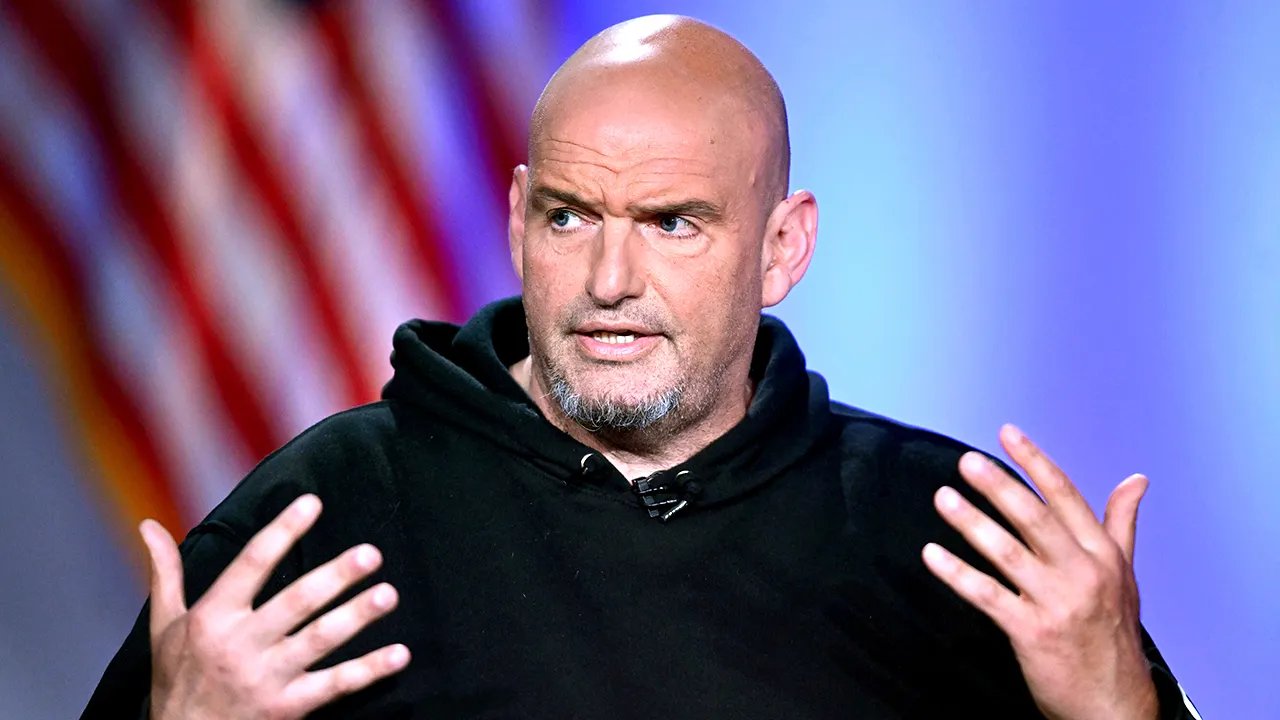
Sen. John Fetterman, D-Pa., speaks to members of the media after a vote at the US Capitol in Washington, D.C., US, on Tuesday, July 22, 2025. (Eric Lee/Bloomberg via Getty Images)
«Lighten up, Francis,» Fetterman said, quoting overstated threats made by the comically aggressive character «Psycho» in the 1981 movie, Stripes.
«[Krasner] is constantly — he says a lot of tough things but, you know, like, you gotta lighten up, Francis.’»
Fetterman’s comments come amid a string of illegal aliens who carried out deadly attacks after being released from captivity for unrelated crimes.
To the Pennsylvanian political maverick, the trend should be an easy one to condemn.
«If you’re here in the country illegally already, and you’re breaking the law, like — ya gotta go,» Fetterman said.
In recent weeks, the deaths of Sheridan Gorman in Chicago at the hands of Medina-Medina and Stephanie Minter in Virginia, stabbed to death by Sierra Leone native Abdul Jalloh, have intensified calls from Republicans for greater scrutiny of illegal aliens with violent track records.
The Department of Homeland Security (DHS) blasted the leniency afforded to both suspects ahead of their deadly attacks.
EX-ILLINOIS GOVERNOR ROD BLAGOJEVICH SAYS SHERIDAN GORMAN’S KILLING MAY HAVE BEEN A ‘GANG INITIATION’
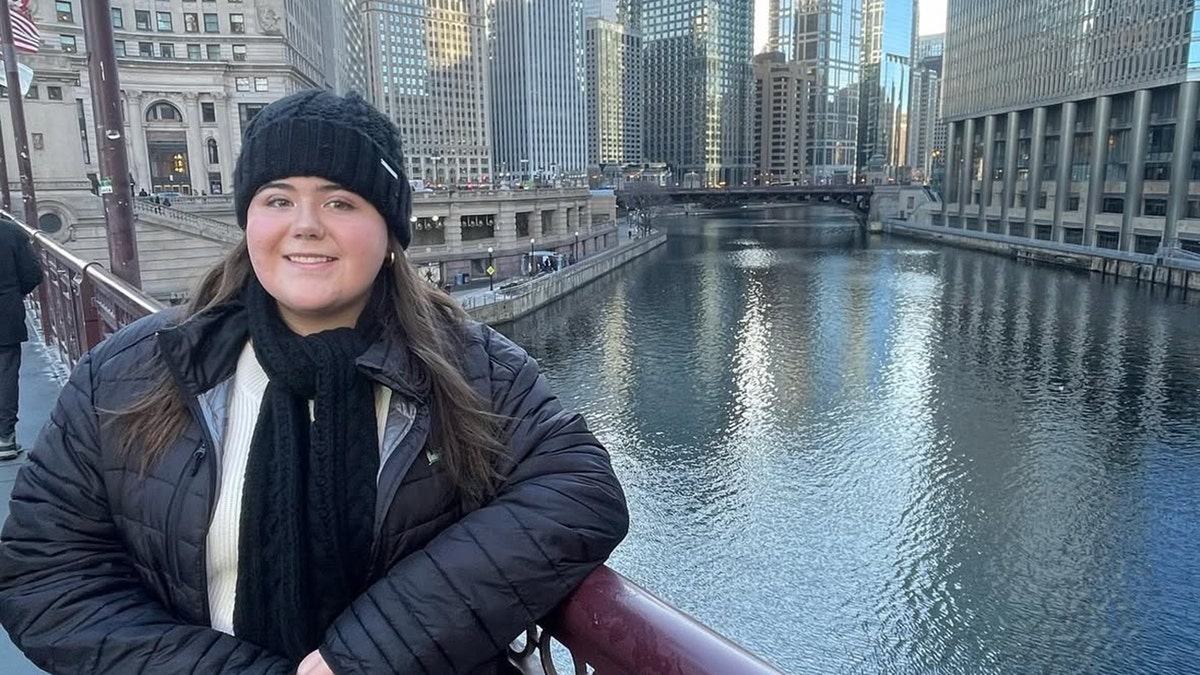
Sheridan Gorman smiles alongside the Chicago skyline in Illinois. (Sheridan G. Gorman via Instagram)
«She was failed by open border policies and sanctuary politicians who RELEASED this illegal alien TWICE before he went on to commit this heinous murder,» a DHS spokesperson said of Gorman’s killer.
«We are calling on Governor J.B. Pritzker and Chicago’s sanctuary politicians to commit to not releasing this criminal illegal alien from jail back into American neighborhoods.»
Similarly, DHS blasted Jalloh’s 30 releases before he stabbed Minter in the neck at a bus stop.
«We are calling on Virginia Governor Abigail Spanberger and Virginia’s sanctuary politicians to commit to not releasing this murderer and violent career criminal from their jail without notifying ICE,» DHS wrote.
Fetterman said the issue of repeat offenders has long-drawn his attention.
«From what I read, the individual that was accused of killing [Gorman]. He was arrested for shoplifting. That’s why I was the Democratic lead on Laken Riley,» Fetterman said, referring to the Laken Riley Act that Congress passed at the beginning of 2025.
CHICAGO MAYOR ASKED ABOUT CITY’S IMMIGRATION POLICIES AFTER ILLEGAL IMMIGRANT ALLEGEDLY KILLED COLLEGE STUDENT
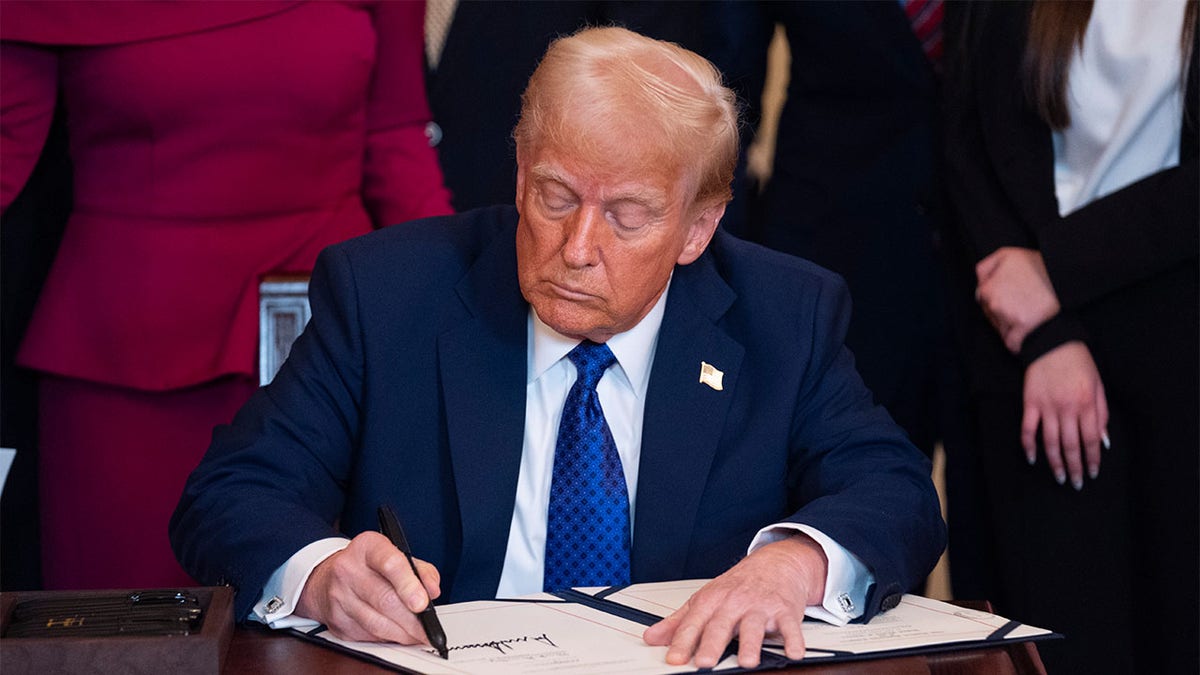
President Donald Trump signs the Laken Riley Act during in the East Room of the White House, Wednesday, Jan. 29, 2025, in Washington. (AP Photo/Evan Vucci)
That bill requires detention for aliens convicted of bodily harm crimes like burglary, theft, larceny, shoplifting, among others, and empowers state attorneys general to sue the federal government for failure to do so.
CLICK HERE TO DOWNLOAD THE FOX NEWS APP
Fetterman believes the recent attacks underscore the need for vigilance in enforcing immigration law.
«It should remind everybody how important ICE is for our security,» Fetterman said.
politics, immigration, homeland security
INTERNACIONAL
Asesinó a sus padres para hacer una fiesta con 60 personas en su casa: el parricidio que conmocionó a EE.UU.
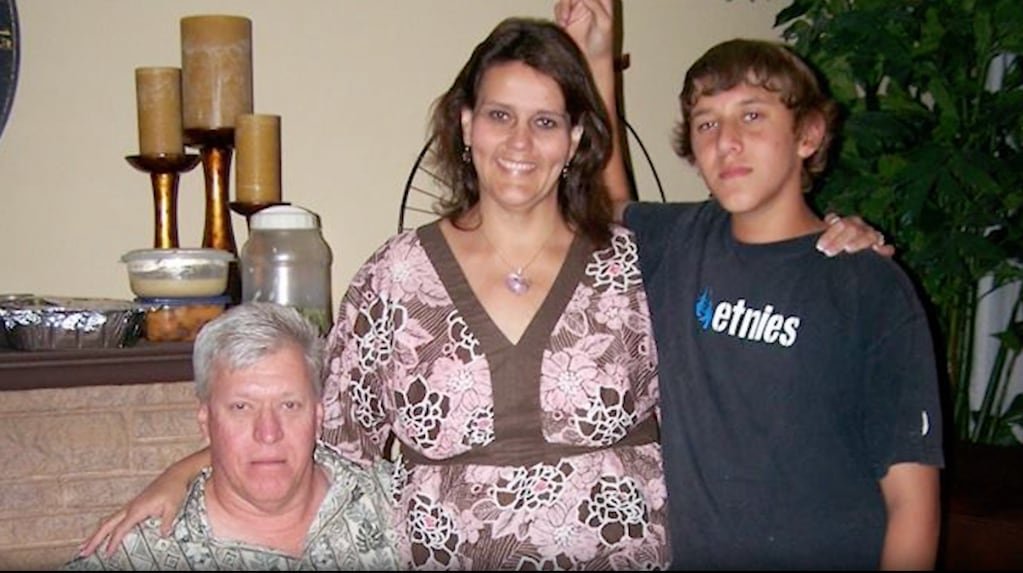
En la noche del 16 de julio de 2011, decenas de adolescentes llegaban a la casa de Tyler Hadley, un joven de 17 años que había organizado lo que él llamaba “la mejor fiesta de su vida”. La invitación era en una propiedad ubicada en la ciudad estadounidense de Port St. Lucie, en el estado de Florida.
Sin embargo, mientras el evento aparentaba ser normal, nadie se imaginaba que en ese mismo lugar se escondía un secreto macabro: el anfitrión había asesinado a sus padres horas antes y había dejado los cuerpos en su habitación.
Una noche que parecía normal
Tyler Hadley era un adolescente que tenía antedecentes de consumo de drogas, dificultades en la escuela y una relación conflictiva con sus padres, Blake y Mary-Jo Hadley. Por eso, ellos intentaban imponerle límites, como prohibirle salir de fiesta en algunas ocasiones y, principalmente, negarle la posibilidad de organizar una en su propia casa.
Sin embargo, Tyler tenía otros planes y decidió desafiarlos. Durante la tarde de ese 16 de julio, comenzó a invitar a amigos y conocidos a través de mensajes de texto y redes sociales. Les dijo que sus padres no estaban en casa esa noche y que podían ir sin problema. Rápidamente, la convocatoria escaló a 60 jóvenes aproximadamente.
Para muchos, era una oportunidad ideal: una casa sin adultos, música, alcohol y libertad total.
Hadley tenía antecedentes con el consumo de drogas y no se llevaba muy bien con sus padres. (Foto: CBS News)
Antes de enviar las invitaciones, Tyler había tomado una decisión extrema. Según se reconstruyó después, asesinó a sus padres para poder realizar el evento, ya que sabía que ellos no lo dejarían hacerlo. Si bien todo había comenzado como “un chiste”, la realidad es que había planeado todo durante meses. Finalmente, esa macabra idea culminó en haberlos golpeado hasta la muerte con un martillo.
Luego, en un intento de ocultar el crimen, arrastró los cuerpos hasta su habitación y los tapó con distintos objetos y mantas para evitar que alguien los viera. Después, cerró la puerta con llave, decidido a que nadie descubriera lo que había hecho. Al menos no esa noche.
Tras el crimen, limpió las manchas de sangre de la escena, se cambió de ropa y comenzó a preparar la casa para la fiesta. Movió muebles, compró bebidas alcohólicas y snacks, y esperó a que empezaran a llegar los invitados.
Horas después, llegaron alrededor de 60 personas que pasearon por la casa toda la noche. Algunos notaron que había zonas que estaban restringidas o puertas cerradas, pero nadie imaginó la razón. Tyler, mientras tanto, saludaba y charlaba con sus amigos y trataba de mantener un clima de normalidad. Tyler y un amigo en la fiesta que realizó en su casa, donde horas antes había matado a martillazos a sus padres. (Foto: Court TV)
En un momento de la noche, incluso le confesó a un amigo cercano, Michael Mandell, lo que había hecho. Pero el comentario fue tomado como un chiste y no le dio la seriedad suficiente.
La situación empezó a cambiar cuando ese mismo amigo, con el correr de las horas, comenzó a dudar. Algo en la actitud de Tyler era extraño y no cerraba. Todo cambió cuando se dirigió a la habitación de los padres de Hadley y descubrió lo que el joven había hecho. Sin dudarlo, se fue de la fiesta y, afuera de la casa, contactó a la policía.
Cuandos los agentes llegaron al lugar, la fiesta seguía. Había decenas de adolescentes afuera y dentro de la casa. Tyler se mostró tranquilo y aseguró que sus padres se habían ido de viaje.
Sin embargo, los oficiales decidieron inspeccionar la propiedad. En un primer momento, no encontraron nada evidente. Pero la insistencia y la información aportada por Mandell hicieron que profundizaran la revisión.
Finalmente, al ingresar al dormitorio principal descubrieron la escena que Tyler había intentado ocultar. Los cuerpos de Blake y Mary-Jo estaban ahí, totalmente masacrados.
Tyler fue detenido en el lugar y los efectivos desalojaron a los invitados para iniciar las primeras pericias sobre el crimen.
La confesión
Tras su detención, Tyler Hadley terminó confesando el parricidio: explicó que lo había hecho porque quería organizar una fiesta y sabía que sus padres no se lo iban a permitir. También reconoció que había planeado el ataque con anticipación.
Los investigadores encontraron varias pruebas que respaldaban la acusación. Entre ellas, el martillo, rastros de sangre en distintas partes de la casa y testimonios de algunos de los jóvenes que fueron a la fiesta. Muchos de ellos dijeron que Tyler actuaba de manera extraña, aunque no lo suficiente como para sospechar un hecho de tal magnitud. Tyler Hadley confesó el parricidio en cuanto fue detenido. (Foto: Kare 11)
De esta manera, el caso avanzó rápidamente en la Justicia y conmocionó a la sociedad estadounidense en cuanto se dio a conocer.
Hadley fue acusado de dos cargos de homicidio en primer grado. Durante el proceso judicial, la fiscalía sostuvo que el crimen había sido premeditado y que el móvil estaba directamente vinculado a su deseo de hacer la fiesta.
La defensa intentó argumentar que el joven tenía problemas de salud mental y que su capacidad de comprender la gravedad de sus actos estaba afectada. Sin embargo, el jurado consideró que las pruebas eran contundentes.
Leé también: El caso del hombre que fingió una vida exitosa, pero era un impostor: sus padres lo descubrieron y los mató
En 2014, Tyler Hadley fue declarado culpable y condenado a cadena perpetua sin posibilidad de libertad condicional.
El año pasado, Hadley, que ya tiene 31 años, dio una entrevista en donde se mostró arrepentido por el crimen de sus padres: “Quisiera volver el tiempo atrás y simplemente no hacerlo. No espero que me crean, pero no tengo idea por qué lo hice; quizás quise detener su dolor y el mío, y nunca más volví a tener ideas violentas”.
Estados Unidos, Parricidio

Messi presentó una demanda en la Corte de Nueva York por uso indebido de marca en Temu y otras plataformas online

Así fue la despedida de Noelia Castillo Ramos de su familia antes de la eutanasia: “Quiero dejar de sufrir»

El canciller Quirno se reunió con los embajadores del Golfo para analizar las tensiones regionales

La polémica celebración que enciende las redes y pone más presión a Italia

La cifra millonaria que deberá pagar Agostina Páez, la argentina acusada de racismo, a las víctimas en Brasil

Créditos hipotecarios sin UVA: cuánto hay que ganar y qué bancos los están dando

¡VERGÜENZA NACIONAL! Humillan a la Policía Federal mandándolos a un merendero antes de darles un aumento de sueldo digno

24 DE MARZO: La historia completa que el relato omitió sobre el golpe de 1976 y el Juicio a las Juntas

El mensaje de Milei sobre la “traición” que llamó la atención en el Gobierno y también en la oposición

El Presidente y Karina Milei volvieron a respaldar a Manuel Adorni tras la polémica por sus vuelos

 POLITICA2 días ago
¡VERGÜENZA NACIONAL! Humillan a la Policía Federal mandándolos a un merendero antes de darles un aumento de sueldo digno
- POLITICA3 días ago
24 DE MARZO: La historia completa que el relato omitió sobre el golpe de 1976 y el Juicio a las Juntas
- POLITICA2 días ago
El Presidente y Karina Milei volvieron a respaldar a Manuel Adorni tras la polémica por sus vuelos