INTERNACIONAL
El sur de Europa se consume entre incendios y una ola de calor que ya suma dos semanas









INTERNACIONAL
As airstrikes rain down on the Iranian regime, can a fractured opposition unite to lead if it falls?
NEWYou can now listen to Fox News articles!
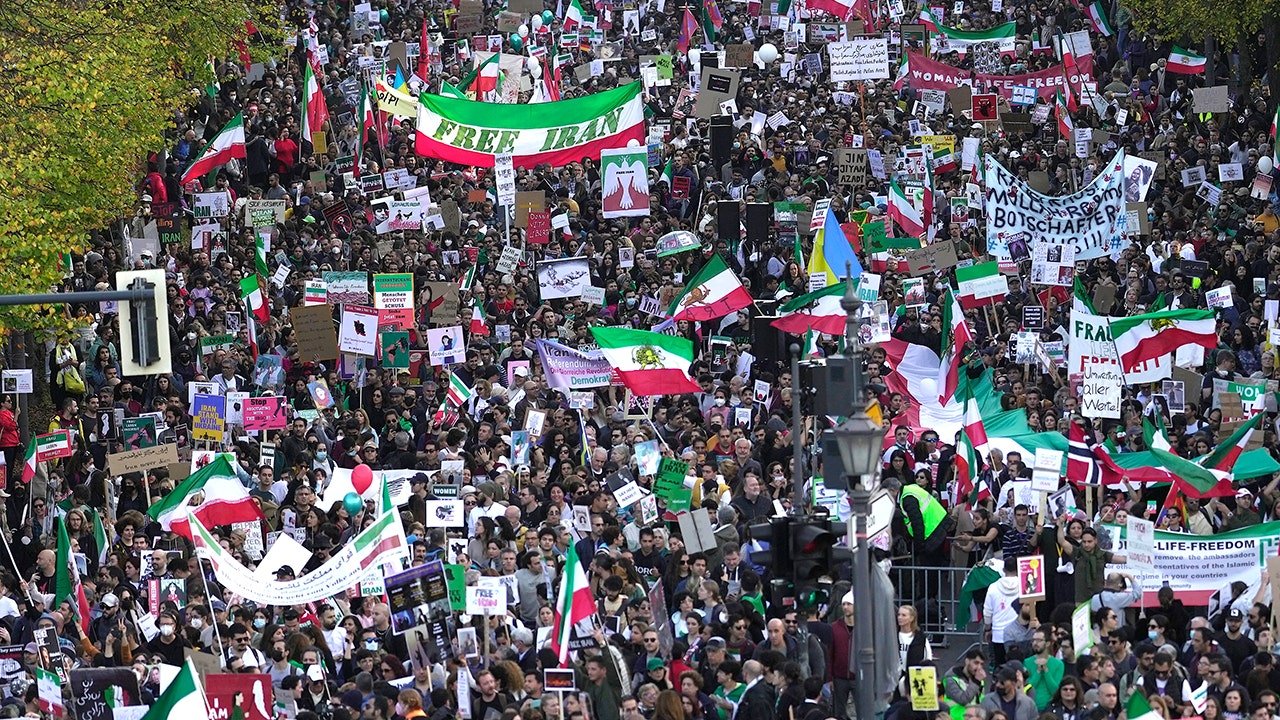
As U.S. and Israeli air forces continue to attack Iran’s leadership and facilities with devastating military strikes, there are intense discussions unfolding on who will rule the country if the regime falls.
One of the biggest questions being asked by Iran experts is whether the fragmented opposition groups can come together and unite in defeating the regime.
Lawdan Bazargan, an Iranian political and human rights activist who was imprisoned by the regime for her dissident activities in the 1980s, told Fox News Digital that there is a dangerous precedent for a total unified opposition. «Unity cannot mean everyone stands under my flag.»
A general view of Tehran with smoke visible in the distance after explosions were reported in the city, on March 2, 2026 in Tehran, Iran. (Contributor/Getty Images)
She said, «That model failed Iran once before. In 1979, one figure [Ayatollah Ruhollah Khomeini] absorbed moral authority while claiming he wasn’t seeking office and ended up consolidating absolute power. It’s also not fair to automatically position someone who has not lived in Iran for decades as the interim authority of over 90 million people. That fuels more mistrust, not less.»
She also warned about the need to avoid a Venezuela situation where Nicolás Maduro was replaced by his devotee Delcy Rodríguez.
Mariam Memarsadeghi, a senior fellow at Macdonald-Laurier Institute and founder and director of the Cyrus Forum for Iran’s Future, told Fox News Digital that «When it comes to helping unite opposition forces, the crown prince [Reza Pahlavi] has the most responsibility because he is leading. It is to everyone’s advantage for him to build true alliances and real cooperation.»
She added,»He can start through reconciliation with prominent figures who once were in collaboration with him, before spoilers in his own ranks were propelled by regime manipulation and infiltration to turn on others. It will be tempting to think that, because he is popular, he does not need others. But there is much hard work ahead.»
IRAN’S SENIOR CLERICS ‘EXPOSED’ AFTER BUILDING STRIKE IN QOM, SUCCESSION CHOICE LOOMS
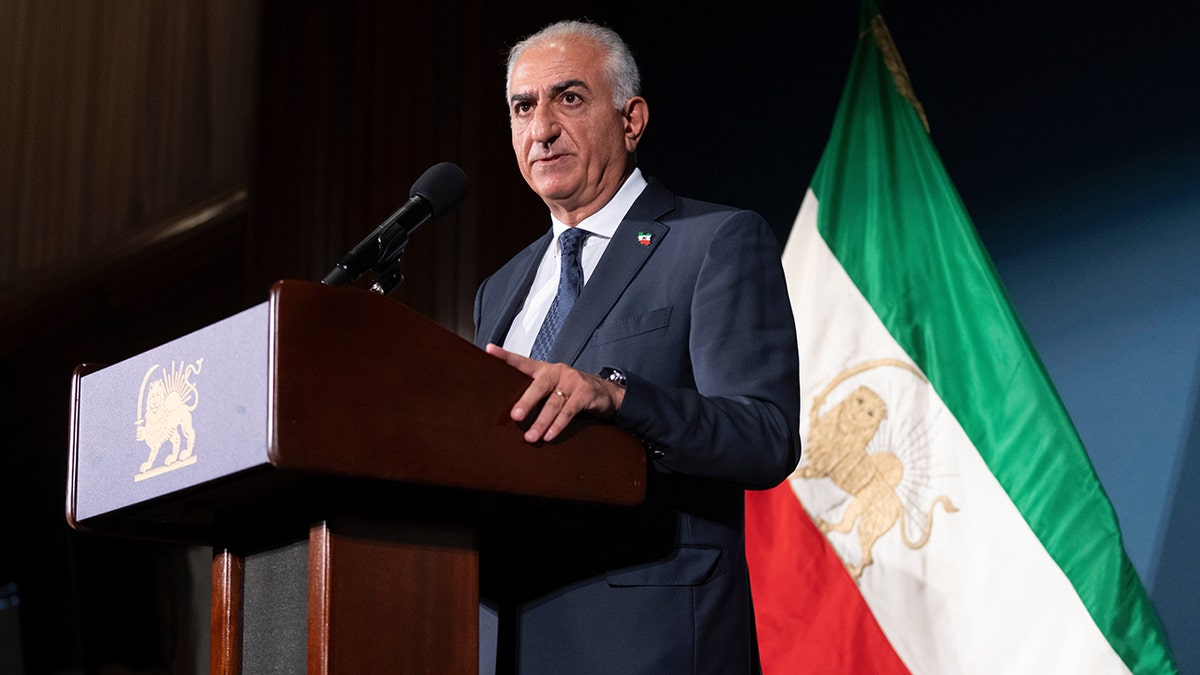
Exiled Iranian crown prince Reza Pahlavi speaks during a news conference on Friday, Jan. 16, 2026, in Washington, D.C. (Mark Schiefelbein/AP)
Reza Farnood, a researcher, writer and activist, told Fox News Digital «In 48 years of activism and struggle, I have never experienced such broad unity and alignment. Even those who for years held firmly leftist views and were staunch opponents of the Shah and the Pahlavi family are now openly supporting the prince. Inside Iran, people are openly and courageously chanting his name,» he claimed.
Yet others remain skeptical of Pahlavi. Alireza Nader, an Iran expert, said: «Unfortunately, the Iranian opposition is more divided than ever. And I blame much of it on Reza Pahlavi and his team. Take the announcement of the formation of the new Kurdish Iranian coalition. Pahlavi attacked the coalition as soon as it was formed, labeling them as ‘separatists’… But then Pahlavi had to walk back his statement after he found out that President Trump had called Kurdish leaders, an important development.»
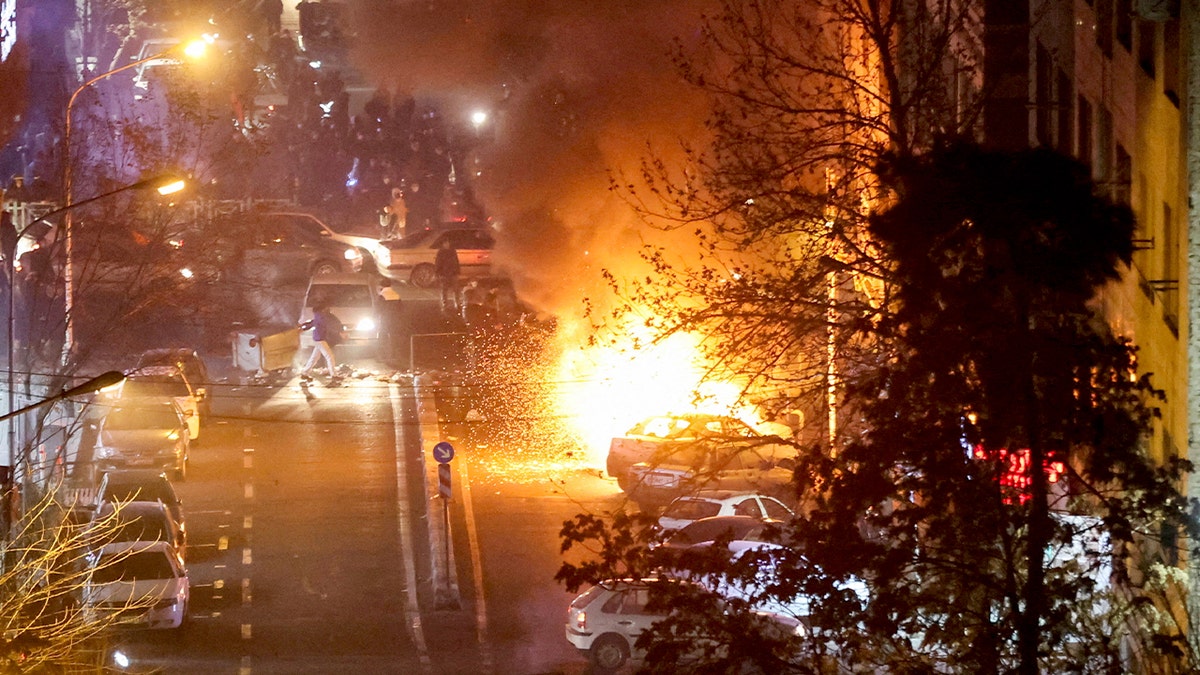
Cars burn in a street during a protest over the collapse of the currency’s value in Tehran, Iran, Jan. 8, 2026. (Stringer/WANA (West Asia News Agency) via REUTERS)
Nader said, «The Kurds are very organized and capable. And they are armed. Anyone who wants to free Iran has to work with them. The regime is a deeply entrenched system in Iran. It’s an ideology and belief system that will not be uprooted with air strikes. And the regime has been preparing for this moment for decades. The individual leaders may not matter as much as the system.»
FIREBRAND ANTI-AMERICAN CLERIC ALIREZA ARAFI SEEN AS CONTENDER TO REPLACE IRAN’S KHAMENEI
Yet while many voices claim Pahlavi should be the rightful successor to bring democracy to Iran, others point to the influential Mojahedin-e-Khalq (MEK), the Iranian exile organization that has attracted supporters like former Secretary of State Mike Pompeo and former New York City Mayor Rudy Giuliani.
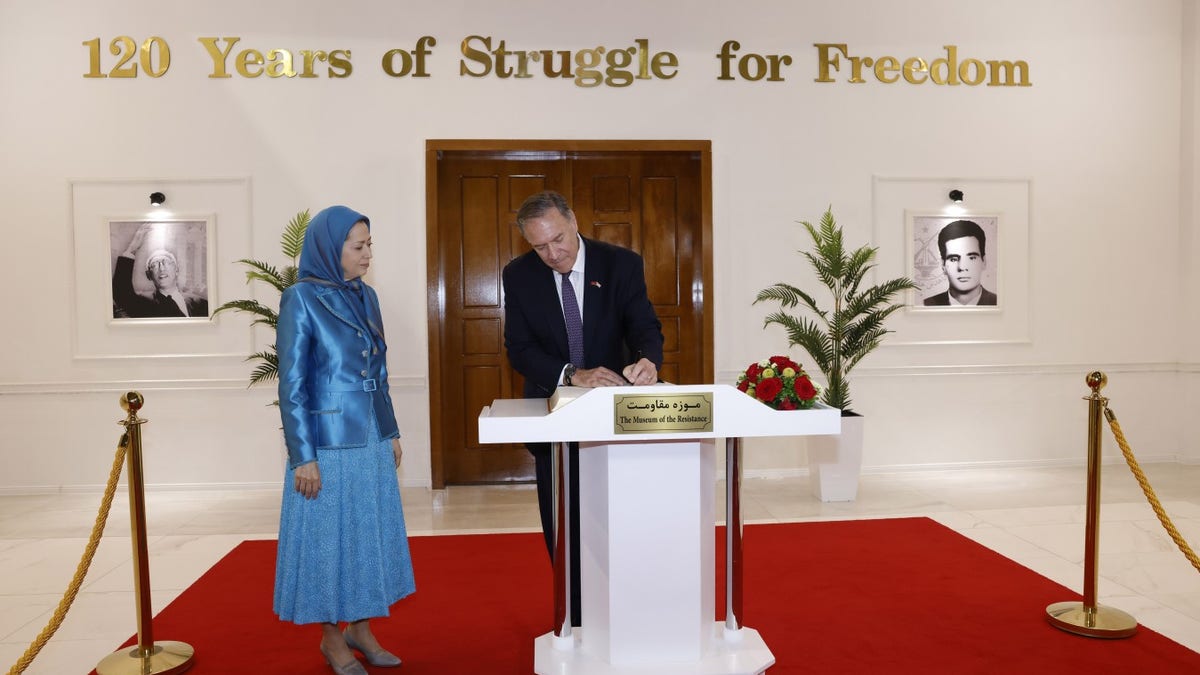
Former Secretary of State Mike Pompeo meets Maryam Rajavi at Ashraf-3 – May 16, 2022, in Albania. (NCRI)
The group was reportedly the first to highlight Iran’s nuclear weapons ambitions and regularly posts videos on its social media showing its active units operating against the regime. A post on X dated March 3 shows attacks against regime targets: «Resistance Units step up anti-regime activities nationwide,» it said, adding that there have been 30 operations in 15 cities, including Tehran, in the last days.
IRANIAN JOURNALIST URGES TRUMP TO ‘FINISH THE JOB,’ SAYS IRANIANS FEAR ‘WOUNDED REGIME’
Its Paris-based leader, Maryam Rajavi, says she supports a secular provisional government. Ali Safavi, an official with the Foreign Affairs Committee of the Paris-based National Council of Resistance of Iran (NCRI), told Fox News Digital, the organization «has consistently argued that unity must be built on principles — republicanism, popular sovereignty, human rights and the separation of religion and state — rather than on personalities or nostalgia for past systems.»
The NCRI is the umbrella organization for groups that fall under the rubric of MEK.
Andrew Ghalili, the policy director for the National Union for Democracy in Iran (NUFDI), defended Pahlavi’s standing: «There is no figure within the Islamic Republic who has legitimacy with the Iranian people or who would be a credible partner for the U.S.»
TRUMP SAYS IRAN’S SUCCESSION BENCH WIPED OUT AS ISRAELI STRIKE HITS LEADERSHIP DELIBERATIONS
He added, «As for opposition unity, the pro-democracy opposition is more united than it gets credit for. At the Munich Security Conference in 2025, a broad coalition came together around Crown Prince Reza Pahlavi and four core principles for democratic transition. That includes monarchists, republicans, human rights advocates, ethnic minority representatives — all committed to a democratic, territorially intact Iran.»
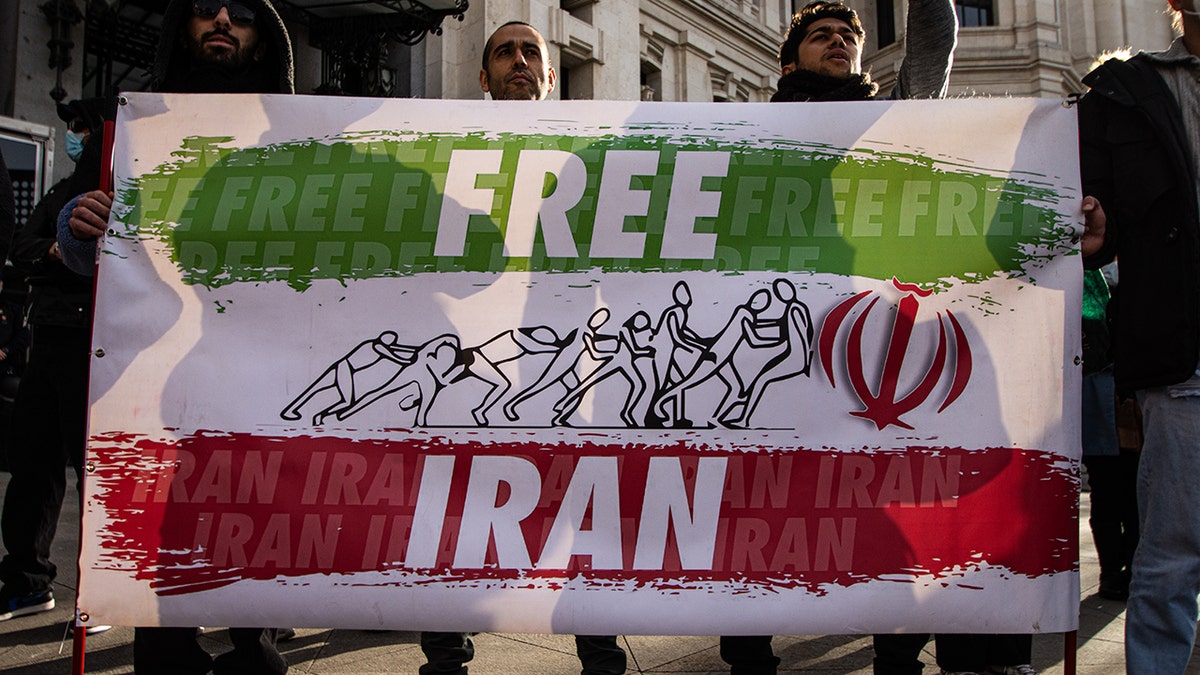
On Jan 10, 2026, in Madrid, Spain, members of the Iranian community gather at Plaza de Cibeles for a demonstration in support of the anti-regime protests. (Francesco Militello Mirto/NurPhoto via Getty Images)
Ghalili claimed, «When people say the opposition is ‘fractured,’ they’re usually lumping in groups like the MEK, which is universally reviled inside Iran and has no democratic credentials or aspirations, or separatist movements that don’t reflect what Iranians, including ethnic minorities, actually want. The real pro-democracy opposition is already uniting. The world, and international media, should recognize it.»
CLICK HERE TO DOWNLOAD THE FOX NEWS APP
Bazargan warned that «If the West truly wants stability and not a Venezuela-style managed authoritarian transition, it should not anoint personalities. It should push for a structured transition that guarantees free and fair elections within 12 months, with distributed authority and real safeguards against concentration of power. Iran does not need another supreme figure, even a secular one. It needs an accountable transitional framework so every Iranian feels they have a stake in their future. Without that, fragmentation will continue, and fragmentation only helps the regime survive.»
Her warning was echoed by Memarsadeghi, who said, «The Iranian people will not trust in any process that leaves in power any vestige of the regime that massacred them.»
Related Article

war with iran,terrorism,world protests,conflicts,iran
NEWYou can now listen to Fox News articles!
With prices still a concern and economic confidence subdued, voter anger toward Washington has reached new highs.
Majorities say the economy is struggling, inflation is not under control and the federal government is falling short.
A new Fox News survey finds a record 70% disapprove of the job congressional Democrats are doing, up 6 percentage points since December (29% approve).
Views of congressional Republicans have mostly held steady, with 36% approving and 64% disapproving.
The gap reflects greater party unity on the right: 77% of Republicans approve of their party’s leaders, while just 62% of Democrats approve of theirs.
The sour mood extends beyond Congress. Eight percent are «enthusiastic» about how the federal government is working, and another 26% are «satisfied.» But a majority is «dissatisfied» (33%) or «angry» (32%) with Washington.
While these views are similar to the one-year point in Joe Biden’s presidency (February 2022), there are two key differences. First, the 8% enthusiastic and the 32% angry are at record highs. And, second, the partisan intensity has flipped. Republicans were more than four times as likely as Democrats to be angry in 2022, while Democrats are more than five times as likely as Republicans to feel that way now.
FOX NEWS POLL: VIEWS ARE DIVIDED ON US ACTION AGAINST IRAN
«Political science research indicates anger is a more powerful mobilizing force than hope or fear,» says Republican pollster Daron Shaw, who conducted the survey with Democrat Chris Anderson. «The anger on the left may be one reason Democrats have been doing so well in recent special elections and early 2026 primaries.»
Much of that frustration appears rooted in the economy. Only 30% rate it positively, down from 32% earlier in President Trump’s term (July 2025). More than twice as many say economic conditions are only fair or poor.
Voters are still feeling cost pressures. Compared to a year ago, most say grocery prices have increased (81%), including more than half who say they are up a lot (56%). Large numbers also say costs have increased for utilities (79%), healthcare (71%), housing (65%) and gas (51%).
And while 22% say inflation is completely or mostly under control, the highest going back to 2022, most say it is not.
More than half, 57%, rate their personal finances negatively, and those ratings are especially high among independents (61%), Black voters (66%), voters under 30 (66%), women (66%) and households with income below $50,000 (74%).
Just 9% say there are a lot of jobs in their community that pay decent wages, while 15% say there are almost none.
Reflecting those concerns, half of voters identify the cost of living (50%) as the most important economic issue facing the country, far ahead of government spending (18%), jobs (10%), income inequality (9%), tariffs (8%) and taxes (4%).
Currently, 43% approve and 57% disapprove of the job Trump is doing overall. It was 44% and 56% in both January and December.
Another 6 in 10 say he is focused on the wrong things. By comparison, 54% said Biden had the wrong focus in November 2021.
Virtually all Democrats are unhappy with the job Trump is doing (95% disapprove) and say he is focused on the wrong issues (94%). Republican unity is strong but not absolute: 87% approve and 83% say he has the right focus. There is a fault line within the GOP over support for the MAGA movement.
Among Republicans who identify with MAGA, approval of the president climbs to 98% compared to just 63% among non-MAGA Republicans. And there is a similar 38-point gap in whether he is focused on the right issues (95% MAGA vs. 57% non-MAGA).
Most independents disapprove of Trump’s job performance (72%) and think he is focused on the wrong issues (78%).
Border security is the president’s only positive issue, with 52% of voters approving (48% disapprove). His ratings are underwater by 35 points on the cost of living (32% approve, 67% disapprove), 27 points on tariffs, 23 points on the economy and healthcare, 20 points on foreign policy, 19 points on taxes, 13 points on jobs and 6 points on immigration. Republicans rate Trump far more negatively on the cost of living (33% disapprove) than other measures.
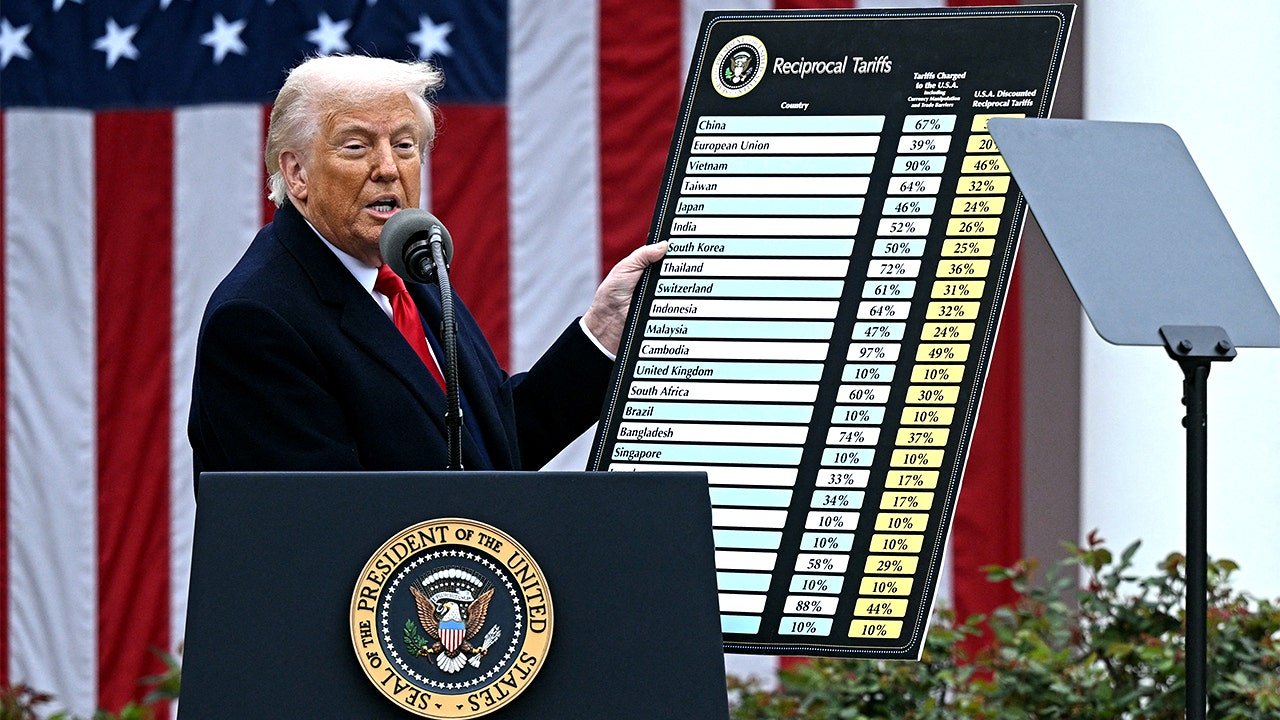
On tariffs, 63% of voters disapprove of how Trump is handling them, while another 56% oppose tariffs in general. The top concerns about tariffs are higher consumer costs, the risk of a trade war and reduced product availability. The main reasons for supporting them are preventing unfair trade practices from other countries, protecting U.S. jobs, increasing government revenue and reducing the trade deficit.
After the Supreme Court’s Feb. 20 ruling limiting the administration’s tariff authority, 62% say Trump is being treated fairly by the high court, including majorities of Democrats (76%) and independents (58%) and half of Republicans (50%).
CLICK HERE FOR CROSSTABS AND TOPLINE
Still, the Court’s own ratings have slipped: 57% disapprove, up 7 points since last summer. The higher disapproval is driven largely by a near doubling among Republicans, from 20% disapproving in 2025 to 39% today.
Conducted February 28-March 2, 2026, under the direction of Beacon Research (D) and Shaw & Company Research (R), this Fox News survey includes interviews with a sample of 1,004 registered voters randomly selected from a national voter file. Respondents spoke with live interviewers on landlines (104) and cellphones (642) or completed the survey online after receiving a text (258). Results based on the full sample have a margin of sampling error of ±3 percentage points. Sampling error for results among subgroups is higher. In addition to sampling error, question wording and order can influence results. Weights are generally applied to age, race, education and area variables to ensure the demographics are representative of the registered voter population. Sources for developing weight targets include the most recent American Community Survey, Fox News Voter Analysis and voter file data.
Fox News’ Victoria Balara contributed to this report.
fox news poll,politics,economy,global economy,donald trump,congress,democratic party
INTERNACIONAL
Cuando la alineación ideológica se puede convertir en estrategia política: ¿qué podemos esperar de la cumbre regional que redefine el hemisferio?
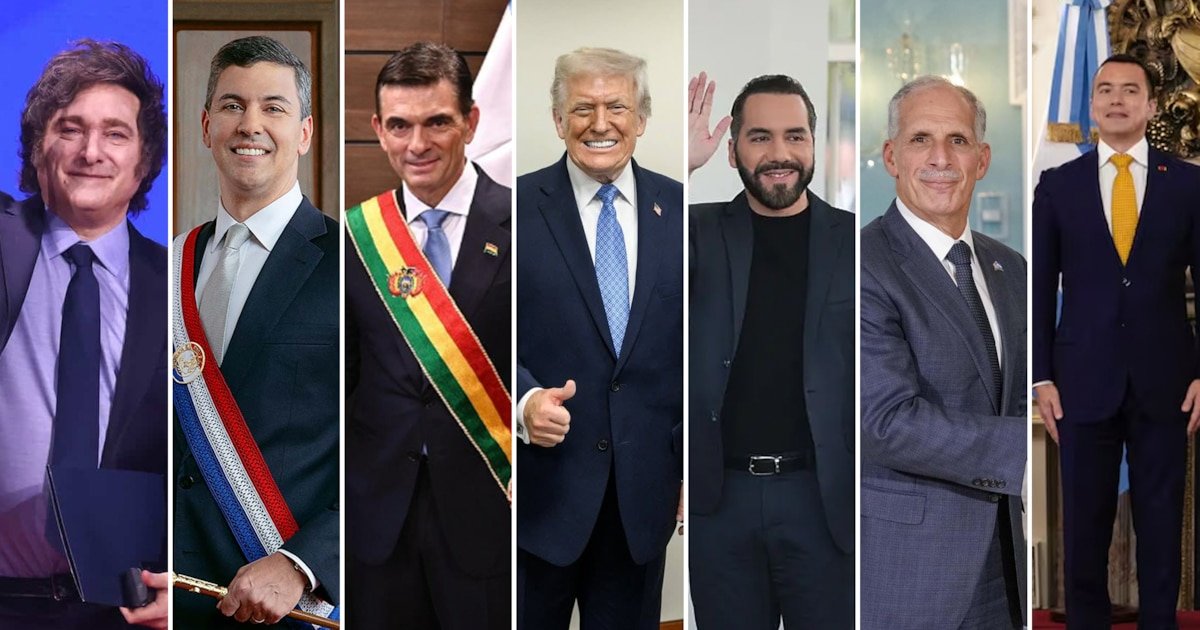
Este 7 de marzo, el presidente Donald Trump recibirá en Miami a una docena de presidentes del hemisferio occidental que tienen algo en común y además más valioso que la geografía compartida. La invitación original incluía a los presidentes de media docena de países: Argentina, Bolivia, Ecuador, El Salvador, Honduras y Paraguay. Ahora se han sumado otra media docena más: Chile (presidente electo), Costa Rica, Guyana, Panamá, República Dominicana y Trinidad y Tobago. Estos presidentes representan un frente común con una nueva doctrina hemisférica donde la lealtad ideológica podría entenderse como un acceso privilegiado a la Casa Blanca.
Esta cumbre marca un punto de inflexión en cómo Estados Unidos concibe la relación con América Latina y el Caribe. Trump ha renunciado explícitamente a la pretensión de liderar a toda la región mediante consensos amplios y declaraciones multilaterales tradicionales. En su lugar, empieza a construir una coalición compacta de gobiernos afines donde la claridad ideológica sustituye a la ambigüedad diplomática tradicional. La selectividad no es de ninguna manera una debilidad estratégica, sino que denota una clara eficiencia política.
Lo fascinante es el pragmatismo descarnado que subyace a este nuevo eje. Estos presidentes llegan con acceso a recursos naturales y estratégicos muy importantes para Estados Unidos y, en algunos casos, como el de El Salvador, con resultados visibles en temas que importan a la base electoral del Presidente Trump. En la lógica transaccional del presidente estadounidense, eso vale tanto como los minerales críticos que otros líderes le puedan ofrecer.
Los países representados por los líderes invitados a la reunión con Trump enfrentan la compleja tarea de recalibrar relaciones ya establecidas con Beijing sin generar fracturas económicas costosas. Miami les ofrece cobertura política para presentar ese giro como alineación estratégica con Occidente frente al autoritarismo oriental.
Lo que Trump construye no es un sistema interamericano tradicional, sino algo más cercano a una coalición ideológica y estratégica para el hemisferio. No se trata de integración comercial amplia ni de instituciones multilaterales burocráticas, sino de un pacto político explícito donde cada miembro entiende que su relación con Washington depende directamente de mantener distancia con Beijing. Es un modelo de alianza más exigente pero potencialmente más sólido que las estructuras basadas en consensos mínimos y compromisos vagos que generalmente quedan expuesto en manifiestos de buenas intenciones. El presidente Trump privilegia los aliados efectivos a los admiradores retóricos.
La selectividad tiene costos evidentes. Brasil, México, Colombia y Chile quedan fuera de este bloque no por descuido sino por diseño deliberado. Washington no intenta construir consenso hemisférico amplio, sino crear un núcleo duro de países alineados capaces de avanzar con su agenda de protección “antichina” sin el lastre de gobiernos escépticos o neutrales. No es más que una fragmentación consciente del espacio latinoamericano en bloques ideológicos claramente definidos.
El dilema para los gobiernos invitados es real. Pues China ha sido y seguirá siendo un socio comercial crucial para América Latina y el Caribe independientemente de las alianzas políticas. Beijing compra commodities sin condicionar esas compras a reformas internas o alineamientos geopolíticos. Estados Unidos, históricamente, ha sido más exigente. La pregunta es si los beneficios inmediatos de la alianza con Estados Unidos superan los riesgos de antagonizar a un socio económico que permanecerá presente mucho después de que el presidente Donald Trump abandone la Casa Blanca en 2029.
China quizás no permanezca pasiva. Beijing invirtió décadas construyendo presencia regional mediante infraestructura, financiamiento y comercio sin condicionalidades políticas. Esa paciencia estratégica ha sido su fortaleza a través del tiempo. La pregunta es si los países latinoamericanos preferirán la certeza de largo plazo que ofrece China o las ganancias inmediatas que podría significar la alianza liderada por el presidente Donald Trump.
Existe también una dimensión doméstica crucial. Milei batalla con recesión económica, Bukele enfrenta críticas sobre autoritarismo, Noboa lidia con violencia del crimen organizado y amenazas de revocatoria de su mandato. Para estos líderes, la foto en Miami junto a Trump tiene tanto valor interno como externo. Señala a sectores conservadores locales y a inversionistas internacionales que estos son gobiernos alineados con Occidente, confiables y predecibles. En política doméstica latinoamericana, eso se traduce en legitimidad que puede compensar deficiencias en otros frentes.
Lo particularmente interesante de esta cumbre es que rompe con décadas de diplomacia estadounidense hacia América Latina basada en multilateralismo formal y casi que sin resultados. Trump concluyó que las Cumbres de las Américas y la OEA producen más retórica que resultados, y es verdad. Su alternativa es más directa con gobiernos afines, generando oferta de incentivos concretos y exigencia de lealtad específica. Es diplomacia transaccional sin los adornos del lenguaje multilateral tradicional que le queda debiendo a la historia.
Trump elige con mucha inteligencia la profundidad sobre la amplitud, alianzas sólidas con pocos en vez de relaciones superficiales con muchos. Esta fragmentación del espacio latinoamericano en bloques ideológicos tendrá consecuencias duraderas para el sistema interamericano, pues, progresivamente hará más difícil mantener esa neutralidad o posiciones intermedias ambiguas que han sostenido hasta hoy.
Para América Latina, la cumbre de Miami plantea una pregunta incómoda pero necesaria. ¿Están dispuestos a apostar por la alianza con Estados Unidos asumiendo el riesgo de antagonizar a China? La respuesta varía según cada país, pero el margen para la ambigüedad se cierra rápidamente y los pone a definirse.
Lo que podemos esperar del 7 de marzo no son grandes declaraciones sobre integración hemisférica ni compromisos vagos sobre cooperación futura. Creo que veremos acuerdos concretos sobre minerales críticos, compromisos de inversión estadounidense en sectores específicos, posiblemente anuncios sobre bases o estrategias de cooperación militar o inteligencia, y desde luego, fotografías cuidadosamente coreografiadas que envíen mensajes tanto a Beijing como a las audiencias domésticas de cada presidente.
Trump está redefiniendo las reglas del juego hemisférico. Se posiciona como el socio deseado de quienes comparten su visión geopolítica. Es un cambio fundamental que refleja tanto la personalidad transaccional de Trump como la realidad más amplia de un mundo multipolar donde la neutralidad y falta de definiciones se vuelve cada vez más costosa.
La cumbre de Miami no resolverá los dilemas, pero los hará explícitos. Y en esa exposición radica tanto su mayor riesgo como su potencial transformador. Porque una vez que las líneas están claramente trazadas, cada gobierno debe decidir de qué lado quiere estar. Y esa decisión, a diferencia de las típicas declaraciones diplomáticas, tendrá consecuencias reales y medibles.
* El autor es empresario y comentarista político ecuatoriano. Fue presidente de BanEcuador.
América Latina

Jornada financiera: rebotaron los bonos argentinos y el riesgo país cayó 7% ante una mejora del contexto global

El inesperado dardo de Gasly a los equipos más fuertes de la F1: “Hay preguntas que deben hacerse”

Mahiques se otorgó licencia a sí mismo como fiscal general porteño para ser ministro de Justicia de Milei

Video: el momento en que el viceministro de Justicia se enteró en una reunión que debía dejar su cargo

As airstrikes rain down on the Iranian regime, can a fractured opposition unite to lead if it falls?

Fox News Poll: Voters give poor marks to economy, Congress and Trump

Destrozaron a Andrea del Boca por el terrible pecado que tuvo en Gran Hermano: “La quiero presa”, apuntaron contra la actriz por un detalle en la cocina

¡Tensión en vivo! Aníbal Pachano y Nancy Pazos protagonizaron un cruce explosivo en la mesa de Mirtha Legrand

¡Otro abandono! El participante de Gran Hermano que anunció su salida de la casa: La confesión de Gabriel Lucero que se suma a la lista de renuncias

La histórica figura de Intrusos que se va del programa y armó un escándalo con Adrián Pallares y Rodrigo Lussich: “Me voy”, reveló Pablo Layus

 POLITICA2 días ago
Puertas adentro, Villarruel explotó: «El esfuerzo no lo hizo la política» y demolió el relato económico de Milei
- CHIMENTOS2 días ago
Pampita se mudó a un castillo francés de detalles alucinantes: «1000 metros, 14 ambientes, vale 11 millones de dólares»
- CHIMENTOS2 días ago
El drama que vive Oriana Sabatini a horas del nacimiento de su hija con Paulo Dybala: se complicó la salud de su abuela de 90 años