INTERNACIONAL
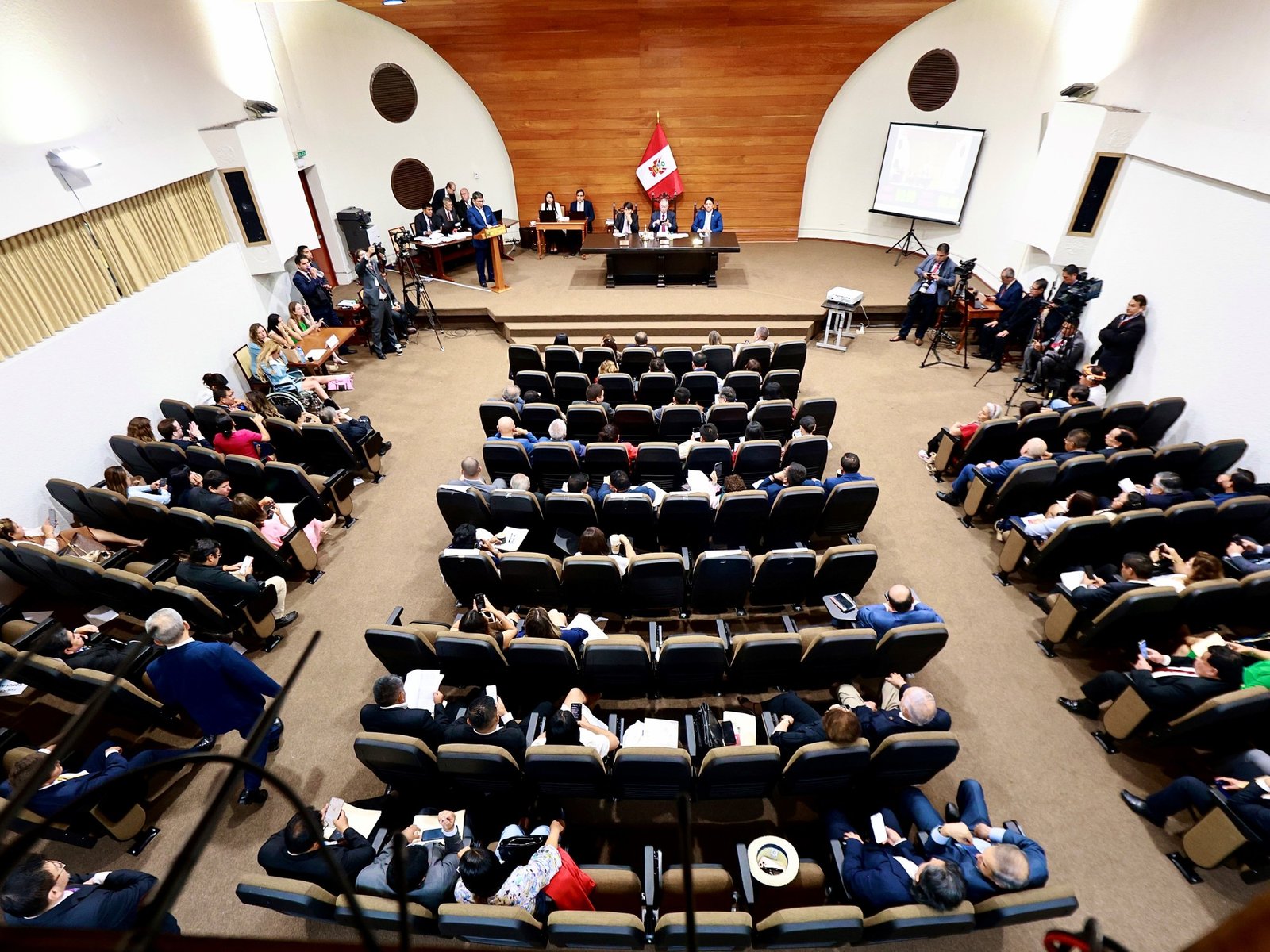
Elecciones generales en Perú 2026: qué cargos se eligen el próximo 12 de abril



INTERNACIONAL
DC’s bid to block Trump’s National Guard deployment hits basic legal snag: Can’t sue itself

NEWYou can now listen to Fox News articles!
FIRST ON FOX: A conservative watchdog urged a federal appeals court Wednesday to toss Washington, D.C.’s National Guard lawsuit, arguing the city cannot sue itself because it is part of the federal government.
«To start, one cannot sue oneself,» Oversight Project lawyers wrote in a brief in the case. «And that is what this case ultimately is—the United States suing itself. Moreover, it is a foundational principle of the law that a municipal corporation cannot sue its sovereign creator.»
The appeal sits at the intersection of Trump’s deployment of National Guard troops in Washington last year and D.C.’s long-running fight over self-government. What began as a lawsuit over the president’s deployment of forces into the capital has now evolved into a threshold legal battle over whether the district has the right to challenge that move in federal court at all.
Oversight Project lawyers told Fox News Digital in an interview that if the appellate court judges in Washington were to agree with them, the decision would reach far beyond the National Guard lawsuit, which arose last year when the Trump administration began deploying military forces to blue cities in several jurisdictions to support immigration officials and, in D.C.’s case, to make the city «safe and beautiful.»
NATIONAL GUARD TROOPS WILL LIKELY REMAIN IN DC THROUGH 2026, OFFICIAL SAYS
Members of the National Guard patrol around Washington, D.C., on March 26, 2026. (Heather Diehl/Getty Images)
«If the judges find our argument valid, it’s going to kind of restore the normal system, which is D.C. is entirely subordinate to the federal government and these disputes are resolved politically,» Oversight Project lawyer Sam Dewey said.
The proper recourse for D.C. against the federal government on any issue would be for the D.C. Council to turn to the president and Congress, not the courts, Dewey said.
The case stemmed from D.C. Attorney General Brian Schwalb suing last September, arguing Trump encroached on the city’s perceived independence by disregarding «Congress’s decision, half a century ago, to afford the residents of the District ‘the powers of local self-government.’»
A three-judge panel temporarily paused a lower court’s injunction against the administration while the appeals court continues to examine the merits of the case. Two of the judges on the panel, both Trump appointees, wrote in a concurring opinion that the pause was necessary because D.C. did not, in fact, have standing to sue, echoing what the Oversight Project detailed in its new amicus brief in the case.
«We have never recognized that the District possesses an independent sovereignty that can give rise to an Article III injury from actions of the federal government,» the two Trump-appointed judges wrote.
PIRRO TOUTS DC CRIME IS BEING PROSECUTED ‘LIKE NEVER BEFORE’ IN ANNOUNCING YEAR-END STATS
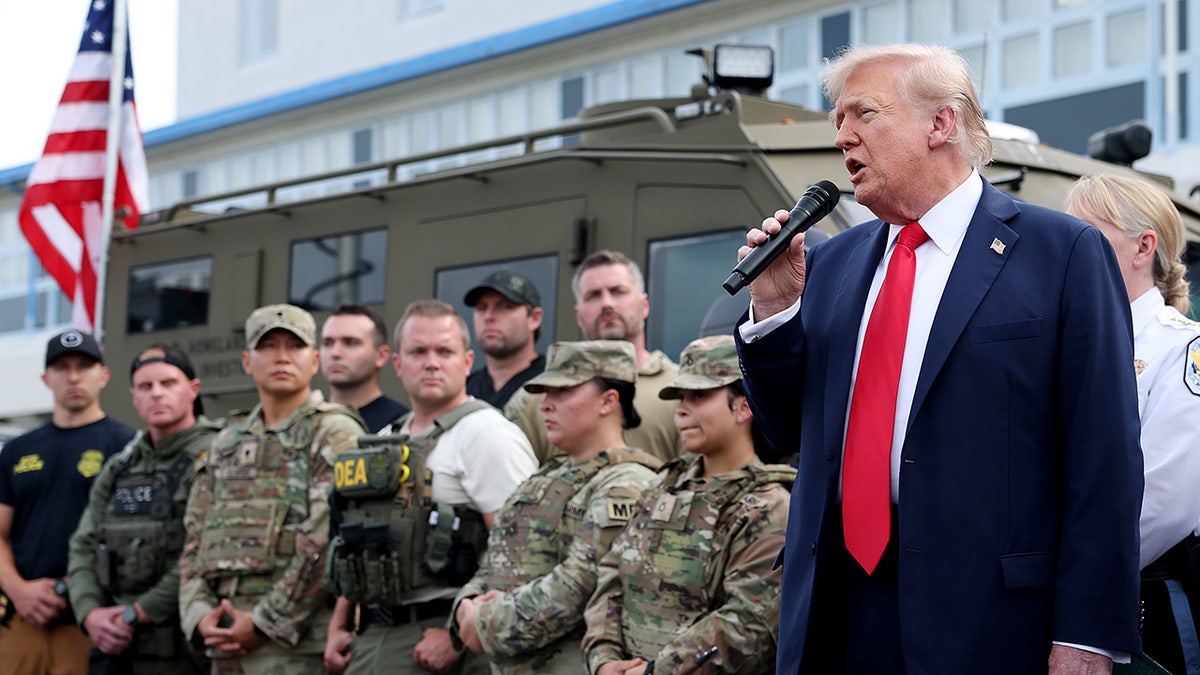
The Trump administration deployed federal officers and the National Guard to the District in order to place the D.C. Metropolitan Police Department under federal control and assist in crime prevention in the nation’s capital in 2025. (Anna Moneymaker/Getty Images)
President Donald Trump began deploying National Guard forces to cities across the country last year as part of an effort to support immigration authorities, who faced waves of protests and riots over their deportation efforts. The Supreme Court stepped in, however, saying the deployment was likely unlawful under the law Trump invoked. The order applied to cities including Portland, Oregon; and Chicago, but not D.C., because of the district’s unique status.
In D.C., Trump extended roughly 2,600 National Guard soldiers’ presence through the end of 2026, and the president has signaled he hopes to further extend that timeline, despite continued opposition from D.C.’s Democratic leadership.
«This is actually training. I never want to take them out of D.C. I mean, maybe somebody later on will do it,» Trump said in a Cabinet meeting last month.
ALITO RIPS SUPREME COURT MAJORITY AS ‘UNWISE’ FOR BLOCKING TRUMP’S NATIONAL GUARD PLAN
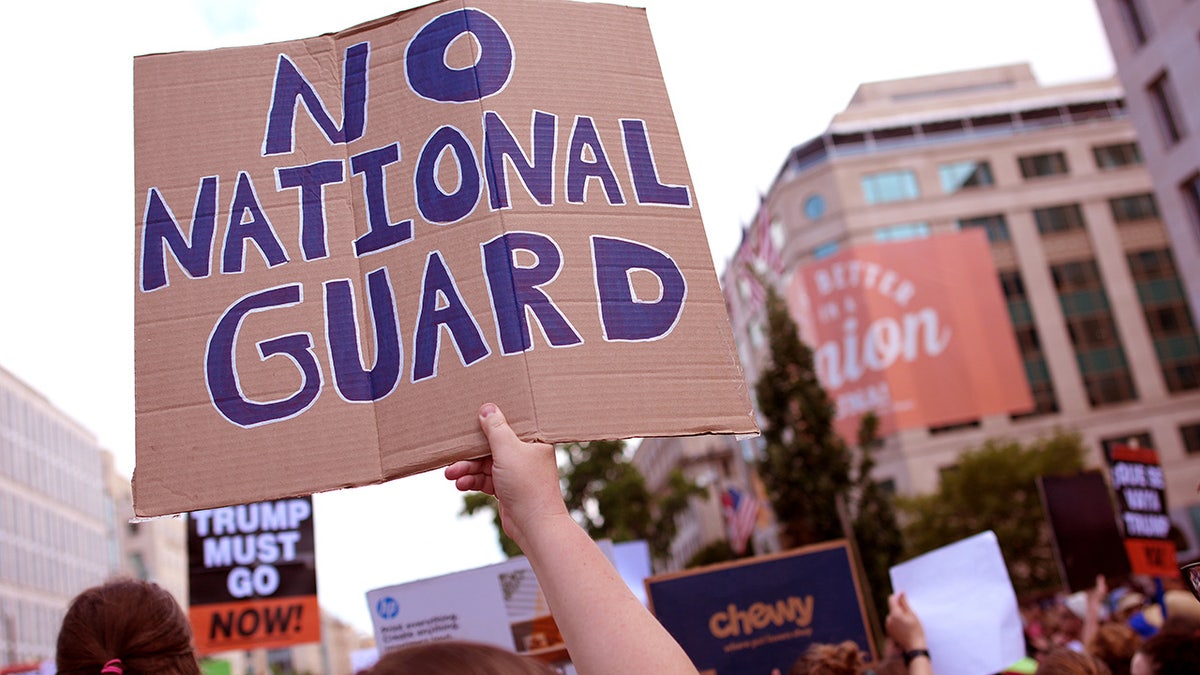
People participate in a rally against the Trump Administration’s federal takeover of the District of Columbia, outside of the AFL-CIO on August 11, 2025 in Washington, DC. (Kevin Dietsch/Getty Images)
CLICK HERE TO GET THE FOX NEWS APP
Briefing in the lawsuit is set to stretch through May and the appeals court could schedule oral arguments after that before making a decision on the legality of the National Guard’s presence and activities.
Fox News Digital reached out to Schwalb’s office for comment.
washington dc, national guard
INTERNACIONAL
James Ellroy, escritor estadounidense: “Los hombres matan porque están furiosos, por dinero, porque otros hombres los hacen sentir mariquitas”

Mis rincones oscuros (1996) no es una novela de ficción, sino una autobiografía de investigación y una de las obras más crudas de James Ellroy. En este libro, el autor deja de lado sus tramas policiales imaginarias para enfrentar el crimen que marcó su vida: el asesinato de su propia madre.
En 1958, cuando Ellroy tenía 10 años, su madre, Geneva Hilliker Ellroy, fue violada y estrangulada en El Monte, California. El cadáver fue hallado en una cuneta y el asesino nunca fue capturado. Casi 40 años después, ya como un escritor famoso, Ellroy decidió reabrir el caso. Para ello, contrató a Bill Stoner, un detective retirado de homicidios del condado de Los Ángeles, y juntos pasaron 15 meses revisando expedientes y buscando testigos olvidados.
Más allá de buscar al culpable, el libro es un intento de Ellroy por conocer a la mujer que fue su madre, a quien él mismo admite haber despreciado durante su infancia debido a la influencia de su padre. Es un libro donde el autor no se guarda nada sobre su propio pasado oscuro. Narra su caída en el alcoholismo, el consumo de drogas, sus arrestos por robos menores y su etapa como “mirón” y vagabundo antes de convertirse en escritor.
Allí escribe: “Los hombres mataban porque estaban borrachos, colocados y furiosos. Mataban por dinero. Mataban porque otros hombres hacían que se sintiesen mariquitas. Los hombres mataban para impresionar a otros hombres. Mataban para poder hablar de ello. Mataban porque eran débiles y perezosos”.

Y de ahí avanza: ¿por qué los hombres matan a las mujeres? Dice Ellroy: “Los hombres mataban a las mujeres por capitulación. La muy puta no les dejaba hacer lo que les venía en gana o no les daba su dinero. La muy puta cocía excesivamente el bistec. A la muy puta le daba un ataque cuando ellos cambiaban sus cupones de comida por droga. A la muy puta no le gustaba que sobara a su hija de doce años».
Hace unos años, en una entrevista con Patricia Kolesnicov en el diario argentino Clarín, reafirmó esta idea: “Los hombres siguen asesinando mujeres. Los chicos crecen consumidos por esa obsesión por saber. Ese porqué específico: ¿Por qué murió mi madre? ¿Por qué ese hombre en esa específica noche tuvo que hacer lo que hizo? En ese sentido el libro es eterno».
El enfoque de la violencia, sostiene el autor, trasciende las explicaciones individuales. Ellroy enfatiza, como muchas corrientes feministas, que no cree en causas singulares sino en comportamientos colectivos.
“Por supuesto que nunca encontramos al asesino ni lo vamos a encontrar. En esta vida no, en la otra veremos”, admite el escritor durante la entrevista. Sin embargo, en el final de Mis rincones oscuros, Ellroy formula un juramento en memoria de su madre: “No permitiré que esto termine. No volveré a traicionarla ni a abandonarla.”

Quién es James Ellroy
James Ellroy es uno de los escritores más potentes y singulares de la novela negra contemporánea. Se lo conoce como “el perro rabioso de la literatura estadounidense”. Su estilo es inconfundible: frases cortas, secas, casi telegráficas, y una visión obsesiva con el L.A. oscuro de mediados del siglo XX, la corrupción policial y los bajos fondos de la política.
Entre sus libros esenciales, hay dos grandes sagas. Por un lado, El Cuarteto de Los Ángeles, su obra cumbre, donde mezcla crímenes reales con ficción en la California de los años 40 y 50. Aquí están La Dalia Negra (1987), El gran desierto (1988), L.A. Confidential (1990) y White Jazz (1992).
Además, la Trilogía Americana (Underworld USA), que deja de lado el crimen local para contar la historia secreta de Estados Unidos entre 1958 y 1972, vinculando a la mafia, el FBI de Hoover y los Kennedy. Sus libros son América (1995), Seis de los grandes (2001) y Sangre vagabunda (2009).
essential,horizontal,literature,portrait,studio photography
NEWYou can now listen to Fox News articles!
Colorado’s loss in the Supreme Court’s Kaley Chiles case last week marked the third time in recent years the justices have rebuked the state in a major culture-war dispute, adding to a growing pattern of high-profile reversals in cases over speech, religion and anti-discrimination law.
The high court’s decision was the latest in a trio of lawsuits that backfired for Colorado, after the Colorado Civil Rights Commission lost in court to a cake baker in a key religious liberty case and after a website designer won a similar battle against the state’s civil rights division. Conservative legal experts said the legal setbacks for the state were not a coincidence.
«Colorado seems hell-bent on enforcing its own new orthodoxy of thought, and the Supreme Court has had to come back time and time again to correct them and to remind them that the First Amendment protects freedom of speech, freedom of religion, even when the state may disagree with a person’s opinions,» Carrie Severino, president of the legal watchdog JCN, told Fox News Digital.
The Supreme Court last week found that Colorado’s conversion therapy ban, signed into law in 2019 by Democratic Gov. Jared Polis, violated the First Amendment because it only restricted talk therapy when the therapy aimed to prevent minors from embracing being transgender or gay.
SUPREME COURT BLOCKS COLORADO’S SO-CALLED ‘CONVERSION THERAPY’ BAN ON FIRST AMENDMENT GROUNDS
Kaley Chiles, plaintiff in Chiles v. Salazar (Alliance Defending Freedom press release) (Alliance Defending Freedom, press release)
In response to a question from Fox News Digital about the apparent theme, Alliance Defending Freedom attorney Jim Campbell said the state «has proven itself to be no respecter of the First Amendment.»
«I don’t think at this point that it’s coincidental,» said Campbell, who represented Chiles before the Supreme Court during oral arguments. «The State of Colorado has shown an utter disregard for the First Amendment rights of people like Kaley Chiles.»
JONATHAN TURLEY: THIS BLUE STATE’S LATEST ATTACK ON FREE SPEECH IS AWFUL AND SNEAKY, TOO
In Chiles v. Salazar, the high court found 8-1 that the state law discriminated based on viewpoint. Justice Neil Gorsuch wrote for the majority opinion that such laws suppressing speech on that basis amounted to an «‘egregious’ assault» on the Constitution.
«The First Amendment stands as a shield against any effort to enforce orthodoxy in thought or speech in this country,» Gorsuch wrote.
The case centered on Chiles, a licensed faith-based counselor in Colorado Springs, who argued that she helped youths reach their own stated goals, which she said could include minors seeking counseling on their sexuality and gender identity.
COLORADO HOUSE ADVANCES CONVERSION THERAPY LAWSUIT BILL
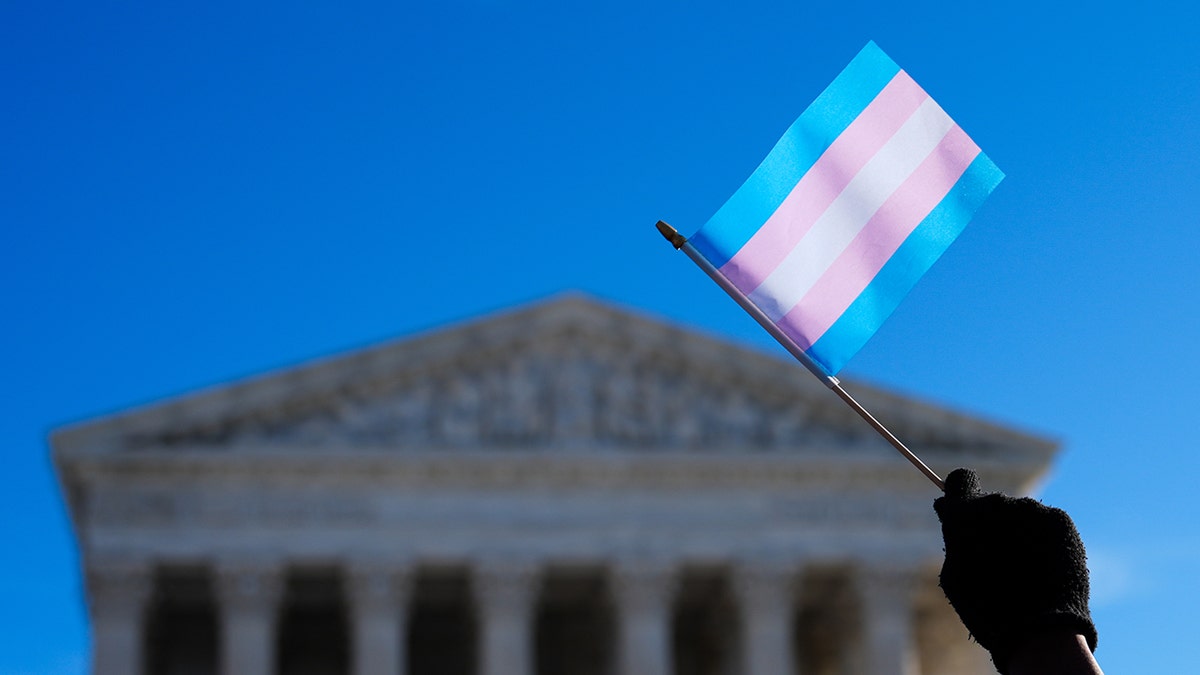
Protesters wave transgender pride flags outside the Supreme Court as it hears arguments over state laws barring transgender girls and women from playing on school athletic teams, Tuesday, Jan. 13, 2026, in Washington. (Julia Demaree Nikhinson/AP)
Colorado argued it was allowed to regulate Chiles’ therapy because it amounted to professional conduct and the state wanted to protect minors from Chiles’ perceived harmful counseling.
The decision followed a landmark ruling in 2023, when the Supreme Court found 6-3 in 303 Creative LLC v. Elenis that the First Amendment barred Colorado from using the state’s Anti-Discrimination Act to force a website designer to create wedding websites for same-sex couples. The high court said in the ruling that the state could not force a person to create content conveying a message that he or she disagreed with.
That ruling was viewed at the time as a broad free speech win that followed the Supreme Court’s narrower 2018 decision in Masterpiece Cakeshop v. Colorado Civil Rights Commission.
In that case, the justices sided with baker Jack Phillips, finding that the Colorado Civil Rights Commission had shown unconstitutional hostility toward his religious beliefs that the commission did not show toward other bakers.
«The Supreme Court found, at least at the time of Masterpiece Cakeshop, that Colorado’s state agency was acting in a way biased against a certain set of beliefs, and from what we can see that hasn’t changed in the intervening years,» Severino said. «Unfortunately, each time the Supreme Court has corrected them, they’ve only doubled down.»
KAGAN TURNS ON LIBERAL ALLY JACKSON WITH FOOTNOTE JAB OVER FREE SPEECH
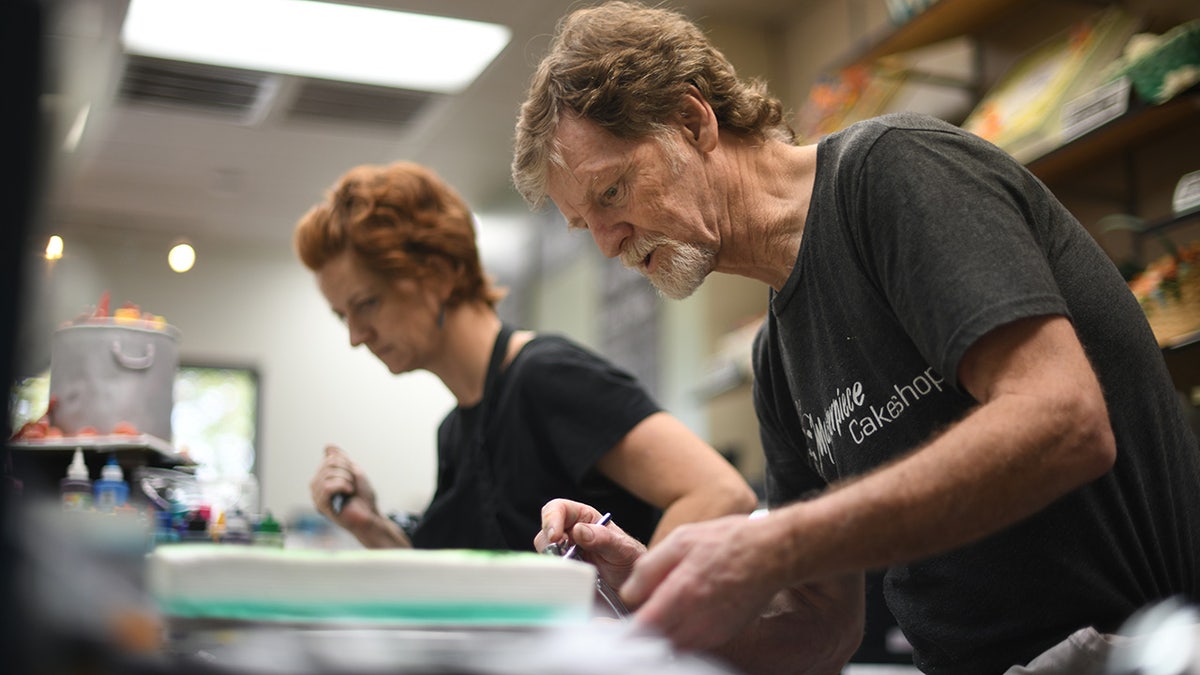
Baker Jack Phillips, owner of Masterpiece Cakeshop, manages his shop in Lakewood, Colo., Aug. 15, 2018. (Hyoung Chang/The Denver Post via Getty Images)
Terry Schilling, president of the conservative American Principles, observed the trend in Colorado, saying in a statement provided to Fox News Digital that Democrats there «will stomp on the rights of anyone who stands in the way of the well-heeled gay and transgender lobby whether it is bakers, doctors, or desperate families.»
«It should not take the lengthy legal battles or the Supreme Court to rein in the liberal war against reality,» Schilling said. «That is why fed-up Colorado families are appealing straight to voters to protect children from extremist Democrats,» Schilling added, citing his organization’s efforts to pass conservative ballot initiatives in the state.
CLICK HERE TO GET THE FOX NEWS APP
Outside the First Amendment cases, Colorado has also been a testing ground for other highly polarizing legal fights that made it to the Supreme Court.
The justices in Trump v. Anderson unanimously reversed the state Supreme Court’s decision to remove President Donald Trump from the 2024 presidential primary ballot over allegations that he had incited an insurrection, finding the state lacked the authority to remove him.
supreme court, colorado, first amendment, politics, donald trump
Petróleo WTI: analistas ven repunte a 140 dólares si se rompe tregua con Irán Por Investing.com

La escribana de Manuel Adorni volvió a Comodoro Py para ampliar su declaración ante el fiscal

DC’s bid to block Trump’s National Guard deployment hits basic legal snag: Can’t sue itself

Rosario Central vs. Independiente del Valle: formaciones, hora y dónde ver por tv

James Ellroy, escritor estadounidense: “Los hombres matan porque están furiosos, por dinero, porque otros hombres los hacen sentir mariquitas”

Gastón Edul empezó la preparación para su pelea en España… y se llevó flor de sorpresa: “Me emocioné, eran 100…”

Caputo habló sobre los créditos del Banco Nación que tomaron sus funcionarios: “No hay nada ilegal ni inmoral”

Adorni recibió US$100 mil de otras dos mujeres por la hipoteca de un departamento anterior en Caballito

Ajuste y Castigo: El Gobierno de Milei Pasa a «Disponibilidad» al Policía que se Encadenó por un Sueldo Digno

Adepa mostró su preocupación por las revelaciones de una presunta operación de espionaje ruso contra Milei

 POLITICA3 días ago
Adorni recibió US$100 mil de otras dos mujeres por la hipoteca de un departamento anterior en Caballito
- POLITICA1 día ago
Ajuste y Castigo: El Gobierno de Milei Pasa a «Disponibilidad» al Policía que se Encadenó por un Sueldo Digno
- POLITICA3 días ago
Adepa mostró su preocupación por las revelaciones de una presunta operación de espionaje ruso contra Milei