INTERNACIONAL
En qué lugar de la Argentina hay humedales que retienen microplásticos y cuidan el ecosistema

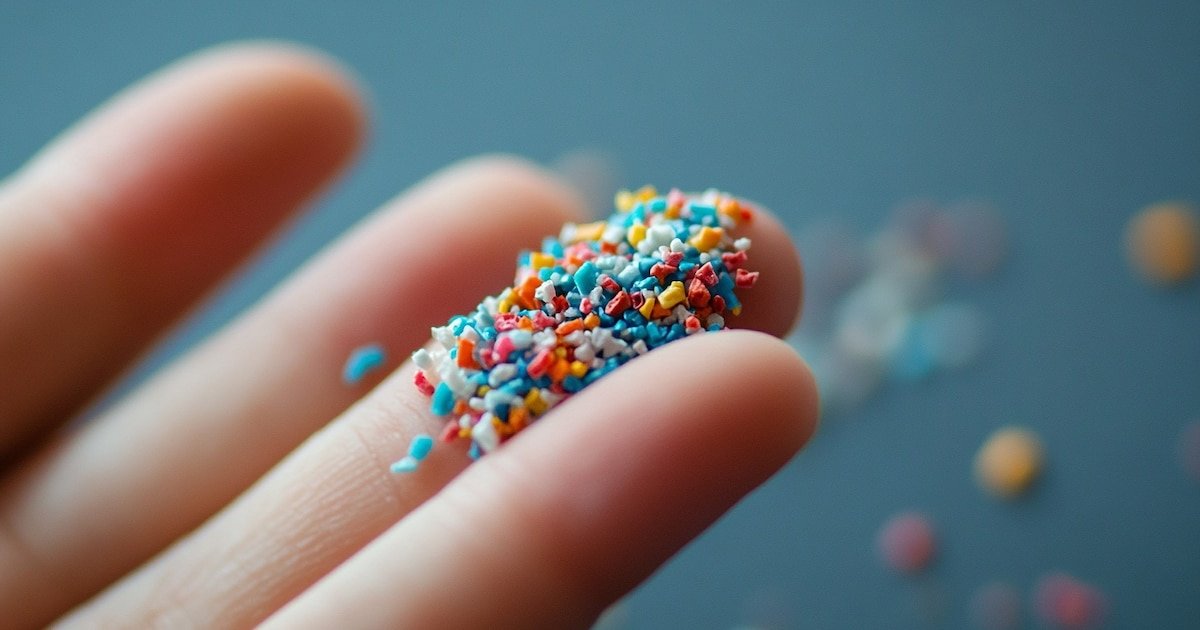
Los microplásticos son fragmentos diminutos de plástico, de menos de 5 milímetros, que suelen desprenderse de envases, ropa sintética o productos de uso diario.
Actualmente, un tratado global contra la contaminación por plásticos está en negociación en las Naciones Unidas: busca reducir la producción, el uso y el desecho de plásticos en todo el mundo. Muchos países aún debaten los límites y obligaciones que tendrá el acuerdo.
Ya se sabe que las partículas llegan al ambiente principalmente a través del agua de lavado, residuos urbanos y procesos industriales. Pueden acumularse en ríos, estuarios y mares, donde afectan la salud de animales y personas.

En el estuario de Bahía Blanca, un equipo de científicos del Conicet y universidades públicas detectó que las marismas, un tipo de humedales, están cubiertas por la planta que lleva el nombre científico Spartina alterniflora y retienen casi el doble de microplásticos y otras partículas humanas que los bancos de barro y sin vegetación.
Este ecosistema del sur bonaerense demostró una capacidad única para capturar microplásticos y ayudar a cuidar el ambiente local.
El estudio fue publicado en la revista Environmental Science and Pollution Research. La primera autora fue la licenciada en tecnología ambiental, María Eugenia Adaro, quien es becaria doctoral del Conicet en el Instituto Argentino de Oceanografía (IADO) bajo la dirección de la doctora Ana Carolina Ronda.
“Nuestro trabajo muestra que las marismas dominadas por Spartina alterniflora, una planta que se encuentra en el Estuario de Bahía Blanca y es capaz de vivir en ambientes salinos, actúan como una suerte de filtro natural para la contaminación», detalló Adaro en diálogo con Infobae.
“Allí observamos que las zonas con esta vegetación retienen más partículas de origen humano, entre ellas microplásticos, que las áreas sin plantas”, resaltó.

En tanto, la doctora Ronda, que es investigadora del IADO y forma parte del Departamento de Geografía y Turismo de la Universidad Nacional del Sur (UNS) en Bahía Blanca, señaló que “el hallazgo es importante porque sugiere que ciertas plantas costeras pueden frenar el avance de contaminantes hacia el mar. Pueden reducir su dispersión y su impacto sobre el ecosistema marino”.
A partir de estos resultados “se abre la posibilidad de estudiar si esta especie de planta podría usarse en el futuro como una herramienta para la remediación de ambientes costeros afectados por este tipo de contaminación”, puntualizó Ronda.
En la investigación también colaboraron Martín Amodeo (IADO-CONICET/UNS) y Lucas Sebastián Rodríguez Pirani, Andrea Lorena Picone y Rosana Mariel Romano, del Centro de Química Inorgánica, dependiente de la Universidad Nacional de La Plata, el Conicet y la Comisión de Investigaciones Científicas (CIC) de la provincia de Buenos Aires.

Los microplásticos llegan a los estuarios con las lluvias, los ríos y las aguas residuales. Las actividades humanas, como el uso de plásticos descartables, el lavado de ropa y la actividad industrial, elevan la presencia de estas partículas en el ambiente.
Una vez en el agua, los microplásticos pueden ser ingeridos por peces, moluscos y aves, lo que los introduce en la cadena alimenticia y puede afectar la salud de distintos organismos.
La investigación en Bahía Blanca se propuso averiguar si las marismas vegetadas con Spartina alterniflora retenían más microplásticos que los bancos de lodo sin plantas.

Adaro, Ronda y sus colaboradores analizaron cómo la estructura de la vegetación y las características del sedimento influyen en la cantidad y variedad de microplásticos atrapados.
Para lograrlo, tomaron muestras de sedimento en cinco sitios del estuario, tanto en marismas vegetadas como en bancos de lodo, y analizaron el tipo, el tamaño, el color y la composición química de las partículas.
Usaron técnicas como la microespectroscopía Raman, que les permitió identificar microplásticos como poliéster, poliestireno, polipropileno y algodón semisintético.

El estudio reveló que el 91,7% de los sedimentos vegetados contenía partículas de origen humano, frente al 75% en los bancos de lodo.
En promedio, las marismas con vegetación acumularon 132,3 partículas por kilo de sedimento húmedo, casi el doble que las zonas sin plantas.
Además, la diversidad de microplásticos fue mayor en las marismas: se encontraron fibras, fragmentos, películas, gránulos y microesferas, mientras que en los bancos de lodo predominaron las fibras.
El hallazgo principal fue que la presencia de la planta Spartina alterniflora influye más en la retención de microplásticos que la densidad o la biomasa de la planta.

Se detectó una relación débil pero positiva con la altura de las hojas, lo que sugiere que las plantas más altas pueden frenar la corriente y facilitar que los microplásticos se depositen en el sedimento.
Las microfibras azules y negras, que suelen provenir del lavado de ropa y la industria textil, fueron las más frecuentes.
Este patrón coincide con lo observado en otros estuarios del mundo, donde la contaminación por microplásticos está vinculada principalmente a actividades humanas cotidianas.

El equipo de investigadores consideró que conservar y restaurar las marismas vegetadas puede ser una estrategia para reducir la contaminación en los ambientes costeros.
Destacaron la importancia de integrar la función de “filtro natural” de la vegetación en los planes de manejo ambiental, especialmente en zonas urbanas y portuarias.
“Con cautela, los resultados en el estuario de Bahía Blanca se podrían usar en otras zonas de América Latina o con otras especies vegetales”, explicó Adaro junto con su directora.

Hugo Bret/Laboratorio Nacional Lawrence Berkeley del Departamento de Energía de Estados Unidos/Via REUTERS
Estudios previos habían demostrado que diferentes plantas de humedales, como manglares y pastos marinos, también pueden retener microplásticos y otras partículas.
“Se pone en evidencia que los ecosistemas vegetados cumplen un rol clave en la mitigación de la contaminación costera, no solo en Bahía Blanca sino potencialmente en otros estuarios de la región de América Latina”, subrayó Ronda.
“Estos procesos no dependen únicamente de la especie vegetal. También influyen las características del lugar, como la forma del estuario y la dinámica del agua. Por eso, si bien nuestros resultados son alentadores, aún es necesario continuar investigando para evaluar su aplicación no solo en Bahía Blanca sino también en otros ambientes de la región”, precisó Adaro.
Propusieron que se investigue cómo la dinámica del agua y las características de la vegetación influyen en la capacidad de las marismas para retener microplásticos y proteger los ecosistemas costeros.
Environment,Europe









INTERNACIONAL
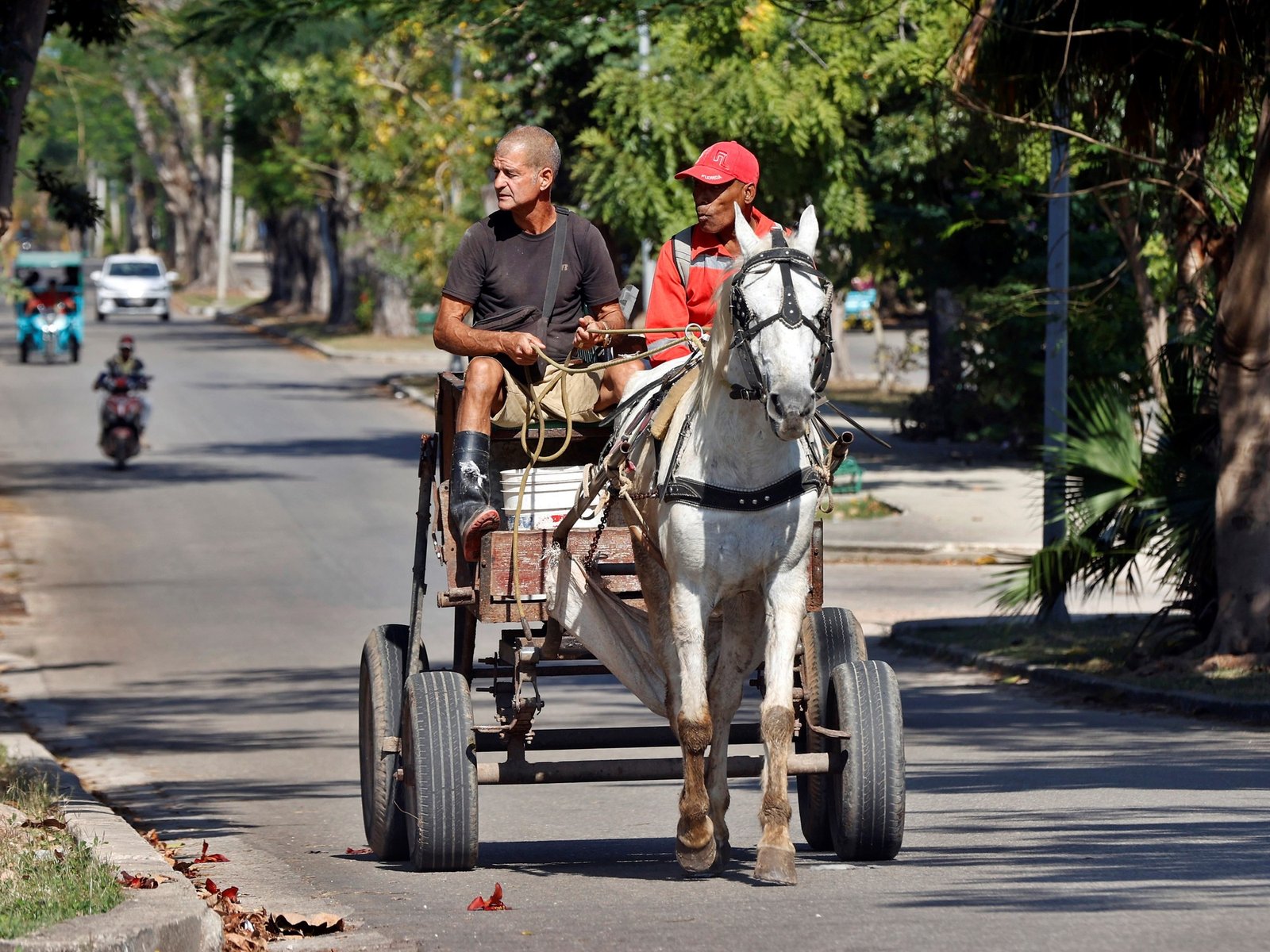
Los cubanos del exilio en Miami mantienen los envíos de dinero y productos básicos a la isla pese al bloqueo de Estados Unidos

INTERNACIONAL
Abbott surges Texas troopers to border after cartel kingpin’s killing sparks violence in Mexico
NEWYou can now listen to Fox News articles!
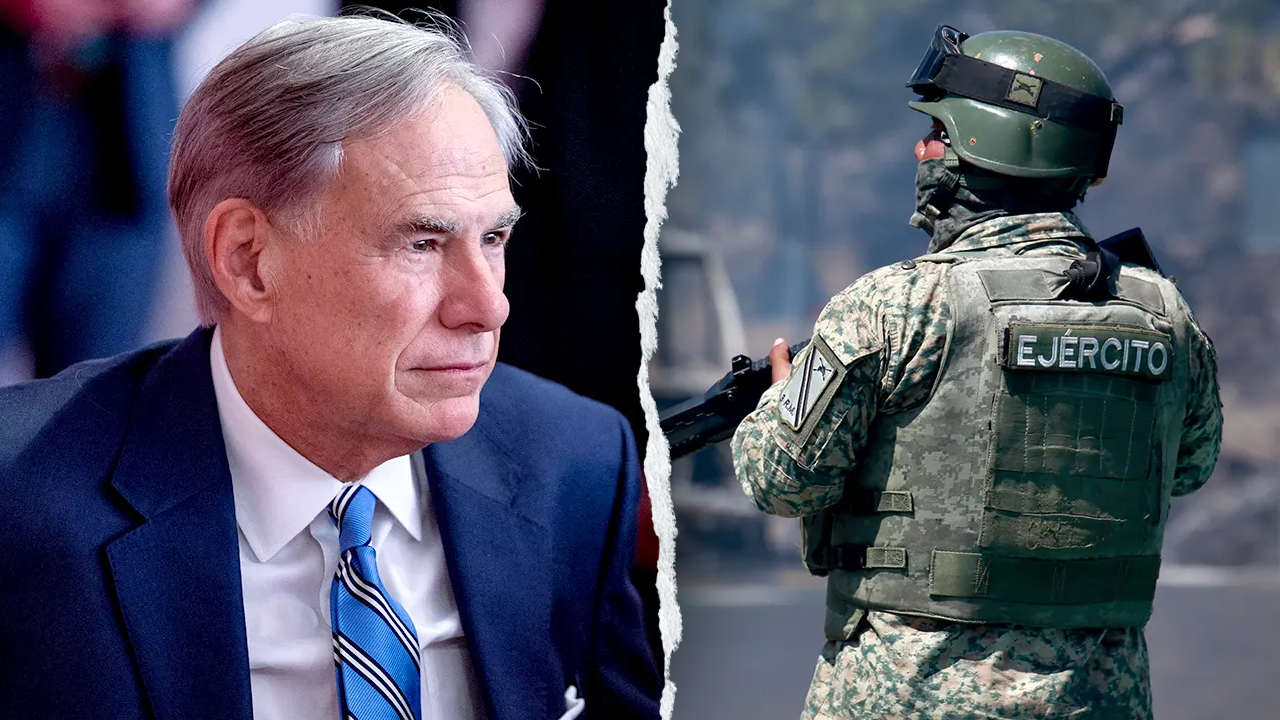
Texas Gov. Greg Abbott announced he is surging state troopers to the border and across the state to enhance public safety operations following a spike in cartel violence after the killing of kingpin «El Mencho» over the weekend.
On Monday, Abbott, a Republican, directed the Texas Department of Public Safety (DPS) to «enhance public safety and homeland security operations» across Texas. He said the surge is in response to escalating cartel violence in Mexico that he believes poses a growing threat to American civilians.
«Mexican drug cartels pose a significant threat to public safety and national security,» said Abbott. «By increasing proactive efforts to defend against cartel violence, Texas will continue to utilize every tool and strategy to protect our state and our nation.»
He vowed that in the face of increased cartel violence, «We will not cower to criminals who impose terror on our fellow Texans and Americans.»
Texas Gov. Greg Abbott visiting the border with the National Guard in Eagle Pass, Texas. (Raquel Natalicchio/Houston Chronicle via Getty Images)
At the governor’s direction, the state is surging Texas Highway Patrol, Texas Rangers, Criminal Investigations Division, and Special Operations Group resources to the border region to «detect, interdict, and apprehend criminals, and to prevent spillover activity from transnational threats.»
Texas is also increasing its Tactical Marine Unit and Aircraft Operations Division presence along the border to detect and apprehend criminals. Further, Texas is activating additional personnel from its Homeland Security Division and Texas Fusion Center to monitor social media and reports of suspicious activity 24/7.
This comes as cartel violence that erupted across Mexico left 25 Mexican National Guard troops and more than two dozen criminal suspects among the dead following the killing of Jalisco New Generation (CJNG) cartel leader Nemesio Oseguera Cervantes, who was also known as «El Mencho.»
The cartel reacted to its leader’s death with violence across Mexico, placing roadblocks and setting vehicles on fire throughout Sunday.
CRUZ WARNED MEXICO OFFICIALS ‘PRESIDENT TRUMP WAS GOING TO’ ACT IF THEY DIDN’T FIGHT CARTELS

A soldier stands guard by a charred vehicle after it was set on fire in Cointzio, Michoacán state, Mexico, Sunday, Feb. 22, 2026, after the death of the leader of the Jalisco New Generation Cartel, Nemesio Rubén Oseguera Cervantes, known as «El Mencho.» (AP Photo/Armando Solis) (AP Photo/Armando Solis)
Multiple American tourists vacationing in Puerto Vallarta, Mexico, also told Fox News Digital they unexpectedly found themselves in the middle of a violent cartel retaliation. As airlines canceled flights and authorities issued shelter-in-place orders, stranded visitors reported cars set ablaze, suspected cartel members blocking major roads, and stores ransacked by looters — scenes some witnesses said made parts of the popular resort city feel like «a war breaking out in the streets.»
Witnesses said they were forced to evacuate their rooms, manage with limited hotel food, and even venture outside in search of meals while waiting for Mexican authorities to regain control of the city.
Staying at an Airbnb near a main road, Eugene Marchenko, 37, of Charleston, South Carolina, told Fox News Digital he woke up to blaring horns and saw six cars completely engulfed in flames just outside his balcony. He and his wife, who had arrived in Mexico only a day earlier, were forced to evacuate for several hours, fearing that a nearby fuel tanker, also ablaze, could explode.
EX-NAVY SEAL PUTS ‘DERANGED’ MEXICAN DRUG CARTEL ON NOTICE AFTER VIOLENT WEEKEND: ‘MORE LIKE ISIS’
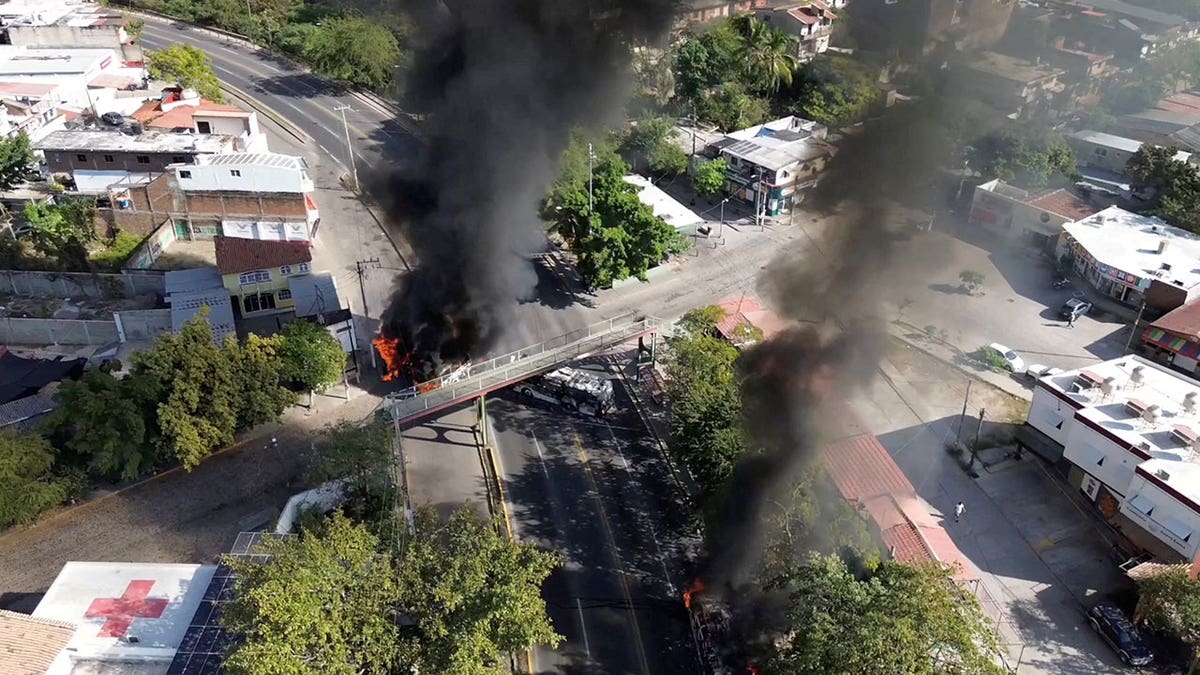
Smoke billows from burning vehicles amid a wave of violence, with torched vehicles and gunmen blocking highways in more than half a dozen states, following a military operation in which a government source said Mexican drug lord Nemesio Oseguera, known as «El Mencho,» was killed, in Puerto Vallarta, Jalisco, Mexico, Feb. 22, 2026. (screen grab obtained from a social media video. @morelifediares via Instagram/Youtube/via Reuters )
Abbott urged Texans in need of immediate assistance to call the U.S. Department of State or the Texas Fusion Center, the state’s primary tactical intelligence hub.
CLICK HERE TO DOWNLOAD THE FOX NEWS APP
He said the state is «closely coordinating» with the State Department and FBI as the situation unfolds.
Related Article
texas,mexican cartel violence,immigration,migrant crime,greg abbott

NEWYou can now listen to Fox News articles!
President Vladimir Putin said the development of Russia’s nuclear triad was an «absolute priority» Monday as he outlined the country’s stance on its weapons program, according to reports.
Marking Russia’s Defender of the Fatherland Day, the Russian leader spoke about strengthening the country’s nuclear capabilities before presenting state awards to officers involved in the invasion of Ukraine, the Moscow Times reported.
In his speech, Putin referred to the Russian nuclear triad, which is the country’s three-pronged system for delivering nuclear weapons, designed to ensure a credible second-strike capability.
Putin described its development as «an absolute priority,» saying that it «guarantees Russia’s security and ensures effective strategic deterrence and a balance of forces in the world.»
President Vladimir Putin declares Russia’s nuclear triad development an «absolute priority» on Defender of the Fatherland Day, emphasizing strategic deterrence capabilities. ( Contributor/Getty Images)
Putin also emphasized his country would continue to strengthen its army and navy, «taking into account developments in the international situation, based on combat experience gained,» amid the Russia-Ukraine war.
He added that Russia would also «significantly» enhance the capabilities of other branches of the armed forces, increasing their combat readiness, mobility, and ability to operate in all conditions, even the most challenging.
«And, of course, we will accelerate the development of advanced systems for the armed forces,» he added.
Putin’s remarks came after Russia suspended its participation in the New START Treaty on Feb. 5, 2023, the last remaining nuclear arms control agreement between Moscow and Washington.
RUSSIA FIRES NEW HYPERSONIC MISSILE IN MASSIVE UKRAINE ATTACK, KREMLIN SAYS
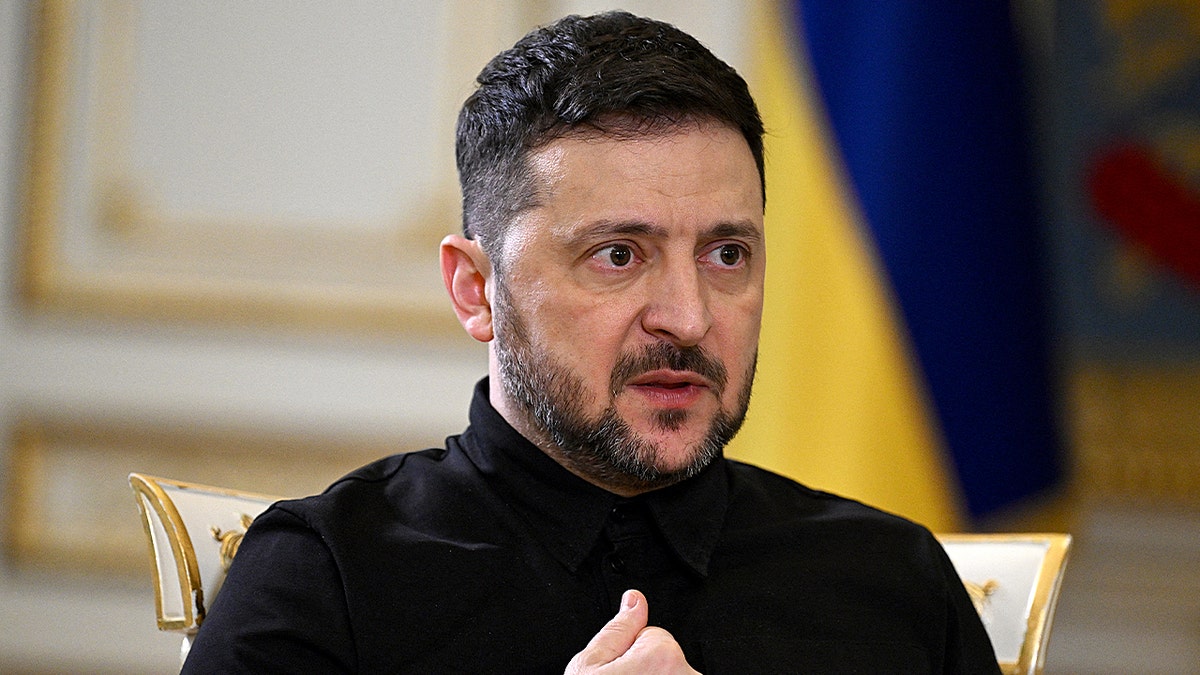
Ukrainian President Volodymyr Zelenskyy warns the Russian leader has launched «World War III.»
The treaty limited the number of deployed strategic nuclear warheads and delivery systems each country could have.
Russian officials have said they will continue to take a «responsible» approach to managing their strategic nuclear arsenal and would respect previously established limits.
Putin’s announcement came after Ukrainian President Volodymyr Zelenskyy warned that the Russian leader had effectively launched «World War III» with his invasion of Ukraine four years ago.
«I believe that Putin has already started it. The question is how much territory he will be able to seize and how to stop him… Putin will not stop at Ukraine,» Zelenskyy told the BBC in an interview Feb. 23.
RUSSIA SHIFTS FROM TALK TO ACTION, TARGETING NATO HOMELAND AMID FEARS OF GLOBAL WAR
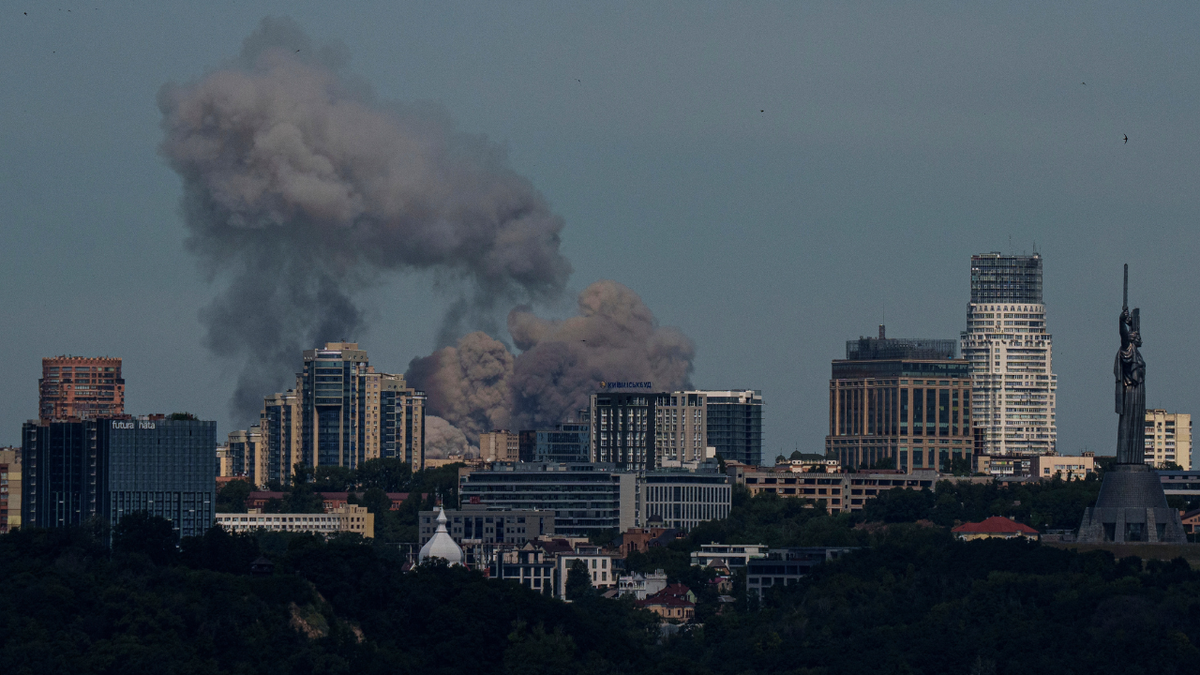
Smoke rises over the Kyiv skyline after a Russian attack, Monday, July 8, 2024. Russian forces launched multiple ballistic and cruise missiles against Ukrainian targets on Monday, Ukraine’s air force said, with explosions felt and heard across the capital, Kyiv. (AP Photo/ Evgeniy Maloletka)
Zelenskyy described the war as part of Putin’s broader attempt to impose a «different way of life» on the world.
«Stopping Putin today and preventing him from occupying Ukraine is a victory for the whole world,» he said.
However, when asked about the possibility of ceding the embattled Donbas region to Moscow as part of a peace deal, he warned that Russia would likely rebuild its military strength within «no more than a couple of years» and launch another invasion.
CLICK HERE TO DOWNLOAD THE FOX NEWS APP
«Where would he go next? We do not know, but that he would want to continue [the war] is a fact,» Zelenskyy said.
Related Article
russia,ukraine

Los cubanos del exilio en Miami mantienen los envíos de dinero y productos básicos a la isla pese al bloqueo de Estados Unidos

Fuerte cruce entre Manuel Adorni y Mayra Mendoza por las tasas municipales: “La única que se cree viva sos vos”

AFA: investigan supuestos pagos en efectivo en oficinas vinculadas a la segunda dueña de la mansión de Pilar

Abbott surges Texas troopers to border after cartel kingpin’s killing sparks violence in Mexico

Gran Hermano Generación Dorada: uno a uno estos son los participantes, con Andrea del Boca como gran figura

Chau al bono de Comercio: hasta cuándo se cobra y qué pasará con los sueldos

Villarruel cuestionó la apertura de importaciones: «Sin industria, se pasa a depender de China»

“Ahora es la hora de jugarse”: el mensaje de Patricia Bullrich a los empresarios tras aprobarse la reforma laboral

Según un especialista, el precio de la carne se mantendrá alto “entre dos y tres años”

Cómo será el tratamiento de la reforma laboral en el Senado, luego de haber obtenido la media sanción en Diputados

 ECONOMIA3 días ago
Villarruel cuestionó la apertura de importaciones: «Sin industria, se pasa a depender de China»
- POLITICA2 días ago
“Ahora es la hora de jugarse”: el mensaje de Patricia Bullrich a los empresarios tras aprobarse la reforma laboral
- ECONOMIA2 días ago
Según un especialista, el precio de la carne se mantendrá alto “entre dos y tres años”