INTERNACIONAL
Exiled crown prince calls on Iranian people to ‘finish the job,’ cheers Trump’s ‘humanitarian intervention’

NEWYou can now listen to Fox News articles!
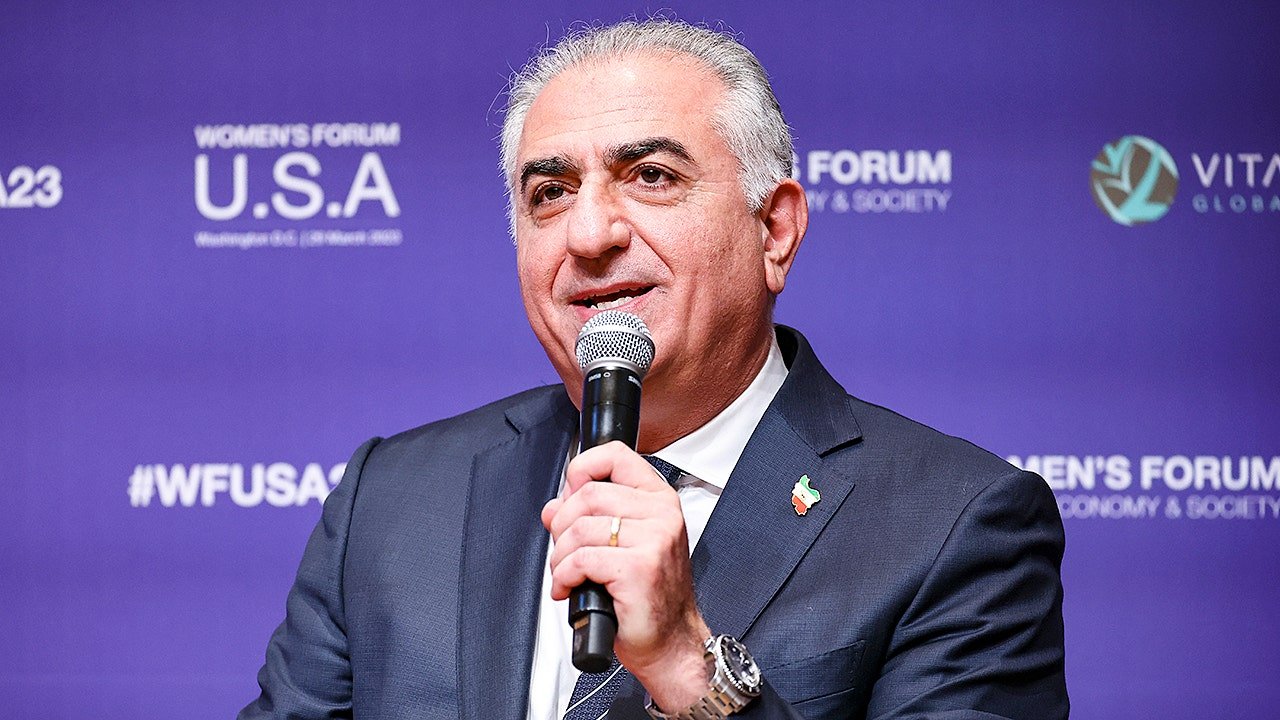
Reza Pahlavi, the exiled crown prince of Iran, described the joint U.S.-Israeli attack on the country as promised «aid» and an act of «humanitarian intervention» by President Donald Trump.
Following the reported strikes, Pahlavi urged Iranians to abandon the regime and called on security forces to defect.
«Moments of destiny lie ahead of us,» Pahlavi wrote in a statement on social media. «Even with the arrival of this aid, the final victory will still be forged by our hands. It is we, the people of Iran, who will finish the job in this final battle. The time to return to the streets is near.»
Pahlavi declared that the Islamic Republic is collapsing.
Reza Pahlavi, the former crown prince of Iran, described the joint U.S.-Israel attack on the country as promised «aid» and an act of «humanitarian intervention» by President Donald Trump. (Paul Morigi/Getty Images)
He framed the reported strikes as assistance directed not at Iran itself, but at its ruling clerical establishment and urged the U.S. to «exercise the utmost caution» to preserve civilian lives.
«The aid that the President of the United States promised to the brave people of Iran has now arrived,» Pahlavi wrote. «This is a humanitarian intervention; and its target is the Islamic Republic, its repressive apparatus, and its machinery of slaughter — not the country and great nation of Iran.»
Pahlavi issued a blunt warning to Iran’s military, police and security services, urging them to break ranks with Supreme Leader Ayatollah Ali Khamenei.
«Now that the Islamic Republic is collapsing, my message to the country’s military, police, and security forces is clear: You have sworn an oath to protect Iran and the Iranian people — not the Islamic Republic and its leaders,» he wrote.
ISRAEL LAUNCHES PREEMPTIVE STRIKE AGAINST IRAN, DEFENSE MINISTER SAYS
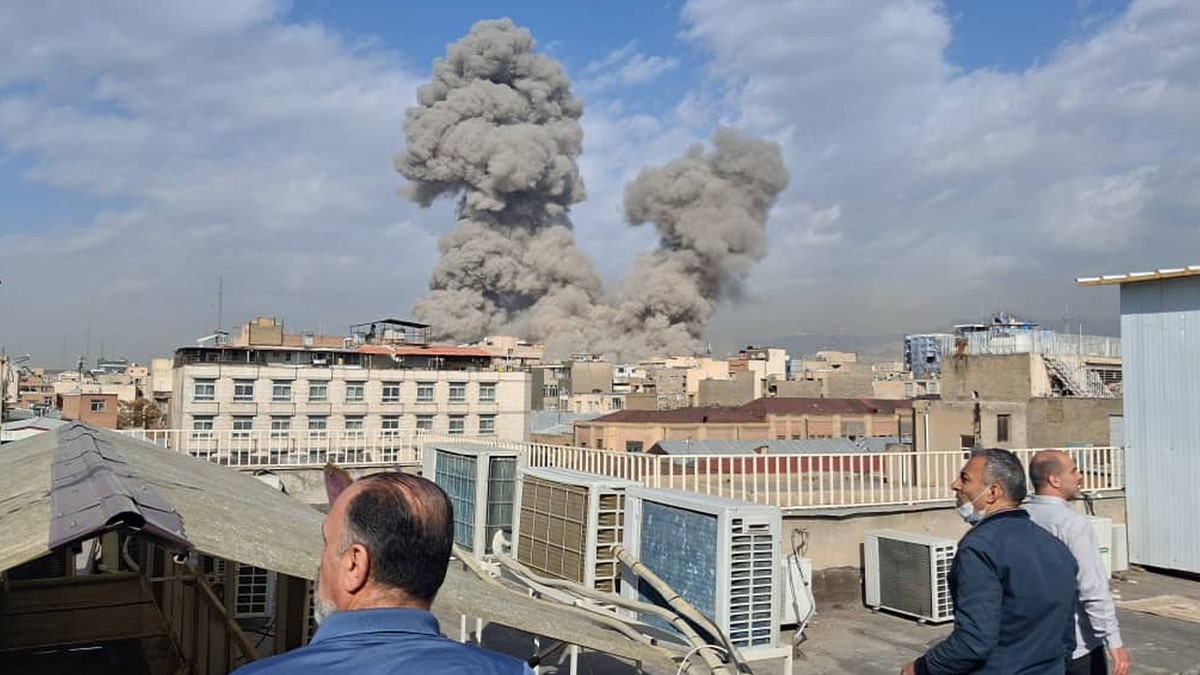
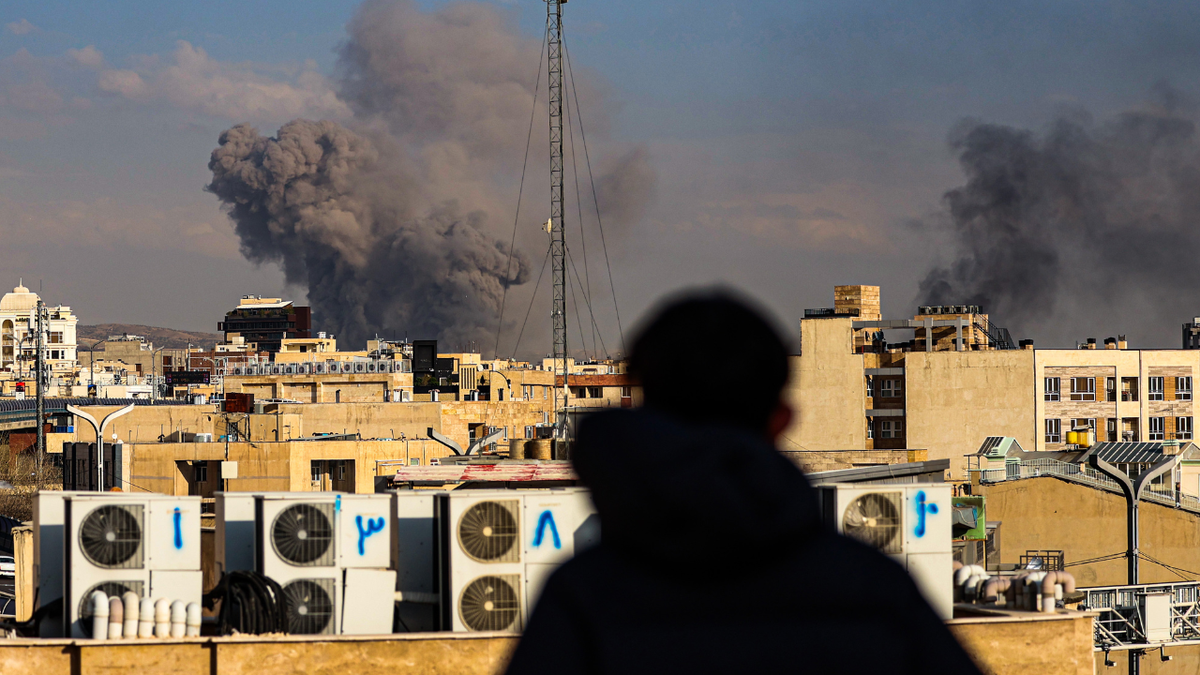
People watch as smoke rises on the skyline after an explosion in Tehran, Iran, Saturday, Feb. 28, 2026. (AP Photo)
«Your duty is to defend the people, not a regime that has taken our homeland hostage through repression and crime. Join the people and help bring about a stable and secure transition. Otherwise, you will go down with Khamenei’s sinking ship and his regime.»
His appeal mirrored past opposition efforts to persuade Iran’s security forces to switch sides — a move that could determine whether protests spread or the regime tightens its grip.
While predicting imminent change, Pahlavi stopped short of urging immediate street demonstrations. He warned citizens to remain in their homes and stay vigilant so that when he announces an «appropriate time,» Iranians can «return to the streets for the final action.»
«We are very close to final victory,» he wrote. «I want to be by your side as soon as possible so that together we can take back and rebuild Iran.»
He also indicated he would maintain communication even if authorities moved to restrict internet or satellite access — a tactic Iranian officials have used during prior waves of unrest.
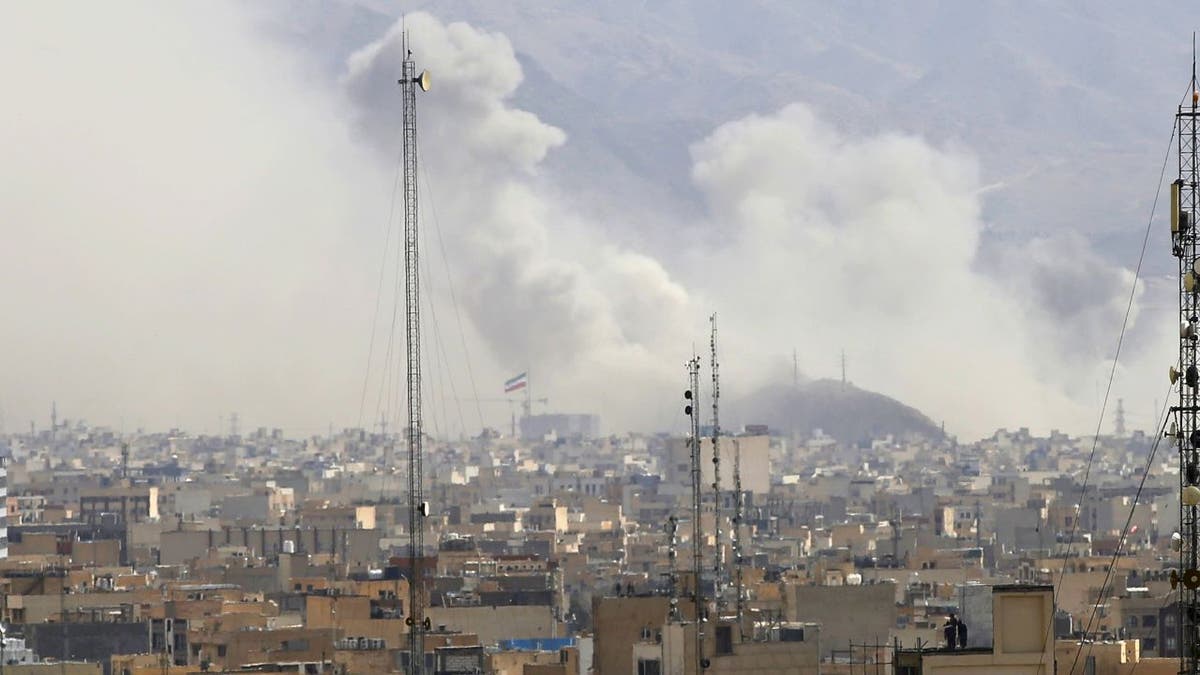
Smoke rises over the city after the Israeli army launched a second wave of airstrikes on Iran in Tehran on Feb. 28, 2026. (Fatemeh Bahrami/Anadolu via Getty Images)
Pahlavi thanked Trump for what he characterized as support while again urging caution to avoid civilian casualties.
«I now ask you to exercise the utmost caution to preserve the lives of civilians and my compatriots,» he wrote, adding that «the people of Iran are your natural allies and those of the free world.»
CLICK HERE TO DOWNLOAD THE FOX NEWS APP
Pahlavi, the son of the late Shah Mohammad Reza Pahlavi, has lived in exile since the 1979 Islamic Revolution toppled Iran’s monarchy and established the Islamic Republic.
In recent years, he has sought to position himself as a unifying opposition figure during waves of anti-regime protests, including demonstrations sparked by economic turmoil and the death of Mahsa Amini in 2022.
Related Article

world,iran,middle east,wars,donald trump,israel,ali khamenei









El equipo técnico del Fondo Monetario Internacional (FMI) iniciará en marzo de 2026 la quinta revisión de metas del acuerdo de crédito vigente con Ecuador, en el marco del Servicio Ampliado del Fondo (SAF), un programa de 48 meses aprobado en mayo de 2024 y ampliado en julio de 2025. De superarse esta evaluación, el país podría acceder a un nuevo desembolso estimado en alrededor de USD 400 millones, según el cronograma previsto del programa.
El acuerdo contempla un financiamiento total equivalente a DEG 3.750 millones —aproximadamente USD 5.000 millones— y tiene como objetivo fortalecer la sostenibilidad fiscal y de la deuda, proteger a los grupos vulnerables, reconstruir los colchones de liquidez, salvaguardar la estabilidad macroeconómica y financiera y avanzar en reformas estructurales orientadas a un crecimiento sostenible e inclusivo. Desde su entrada en vigencia, Ecuador ha recibido desembolsos acumulados por cerca de USD 3.330 millones, tras completar cuatro revisiones previas, según reportó Primicias.
La más reciente evaluación concluida por el Directorio Ejecutivo del FMI fue la cuarta revisión, en diciembre de 2025, que permitió un desembolso inmediato de aproximadamente USD 630 millones. En esa ocasión, el organismo señaló que el desempeño del programa seguía siendo sólido, que se cumplieron todos los criterios cuantitativos de desempeño a finales de octubre de 2025 y que las metas estructurales correspondientes a esa etapa habían sido alcanzadas. Con ese desembolso, el total entregado hasta entonces ascendió a alrededor de USD 3.300 millones bajo el acuerdo vigente.

La quinta revisión evaluará el cumplimiento de compromisos correspondientes al cierre de 2025 e inicios de 2026. Entre las metas estructurales previstas se encuentran la preparación y socialización de un marco conceptual y operativo para actualizar el Sistema Oficial de Contrataciones Públicas (SOCE), así como la aprobación y publicación de un plan estratégico para mitigar riesgos de lavado de activos y financiamiento del terrorismo identificados en la Evaluación Nacional de Riesgos aprobada en 2024, de acuerdo con medios locales. El cumplimiento de estos hitos, junto con los objetivos cuantitativos en materia fiscal y financiera, es condición para que el Directorio autorice el nuevo desembolso.
Los programas tipo SAF establecen revisiones periódicas que combinan metas cuantitativas —como resultados fiscales, acumulación de reservas o límites al endeudamiento— y compromisos cualitativos o estructurales, que pueden incluir reformas normativas, planes de acción institucional o mejoras en la gobernanza. El esquema opera bajo el principio de desembolsos escalonados: cada tramo se libera una vez que el país demuestra avances en los objetivos acordados.
En el balance macroeconómico más reciente divulgado por el FMI tras la cuarta revisión, el organismo destacó que la economía ecuatoriana mostraba señales de recuperación, con un crecimiento proyectado del PIB real de 3,4% en 2025, baja inflación promedio y superávits en cuenta corriente, lo que contribuía al fortalecimiento de las reservas internacionales. También subrayó avances en la consolidación fiscal y en la reducción de los diferenciales soberanos, aunque advirtió que la economía sigue expuesta a riesgos externos, como la volatilidad de los precios del petróleo y de los mercados financieros internacionales.

De aprobarse la quinta revisión, quedarían pendientes cuatro evaluaciones adicionales hasta 2028 y desembolsos por aproximadamente USD 1.265 millones en el marco del programa actual. Paralelamente, el país enfrenta un calendario creciente de pagos al propio FMI por créditos contratados en años anteriores: en 2026 deberá cancelar alrededor de USD 1.090 millones, cifra que aumenta en 2027 y 2028.
En este contexto, la evaluación prevista para marzo se inscribe en una fase en la que los desembolsos tienden a disminuir progresivamente, mientras el país avanza hacia la parte final del programa. La decisión del Directorio dependerá del grado de cumplimiento de las metas acordadas y de la valoración técnica sobre la consistencia de la política fiscal y de las reformas estructurales en curso.
NEWYou can now listen to Fox News articles!
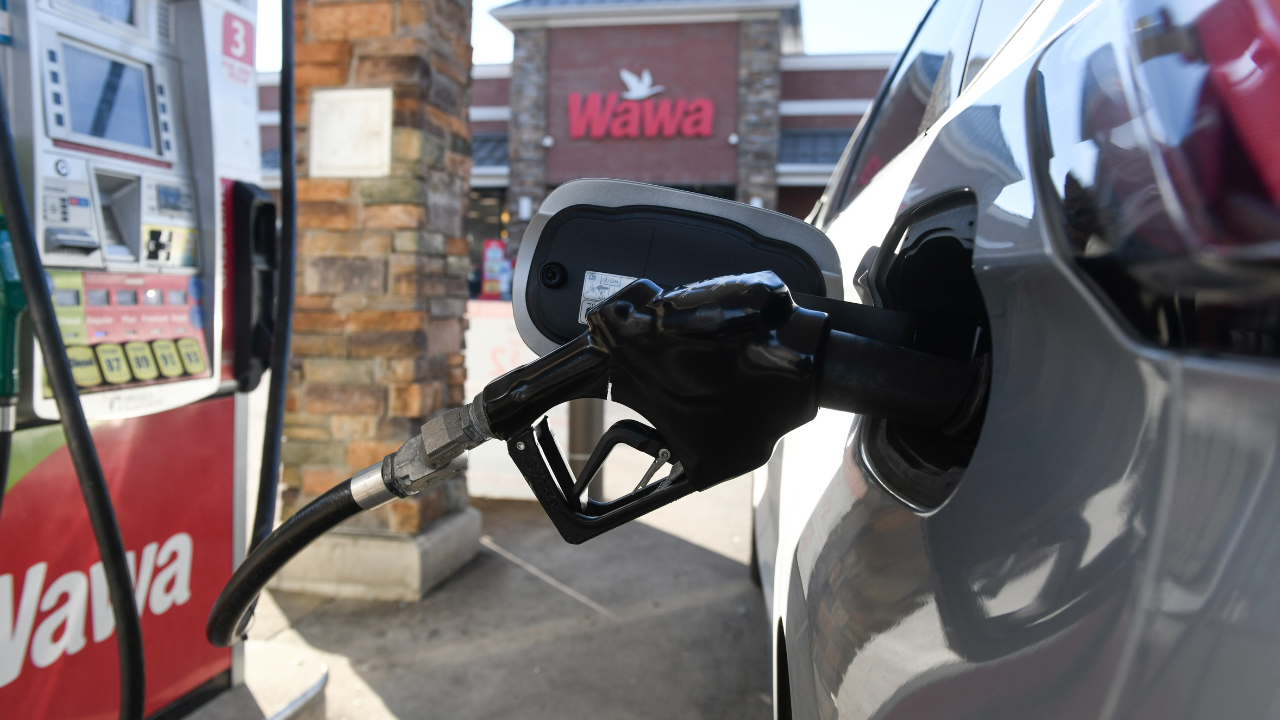
Americans could soon see higher gas prices as escalating tensions in the Middle East threaten a critical global oil chokepoint, raising fears of supply disruptions that could quickly reverberate across U.S. energy markets.
After joint U.S.–Israeli strikes, dubbed Operation Epic Fury, targeted Iranian sites over the weekend and killed Iran’s Supreme Leader Ayatollah Ali Khamenei, concerns quickly shifted to how Tehran might respond and whether oil infrastructure or tanker traffic could become collateral damage.
Any disruption to global crude supplies could translate into higher costs for American drivers at the pump.
«Every time we’ve had flare-ups in the Middle East like we’re seeing right now — and we’ve seen this kind of situation periodically over the last 50 years — it has caused significant disruption to energy markets,» economist Stephen Moore told Fox News Digital.
«I would expect we could see anywhere from 25 to 50 cents a gallon increase in gas prices in the short term,» he said.
Experts say Americans will likely pay more for gas due to the ongoing conflict in the Middle East. (Matthew Hatcher/Bloomberg/Getty Images)
Market data already shows prices moving higher.
Patrick De Haan, head of petroleum analysis at GasBuddy, said oil prices were up $5 per barrel, while wholesale gasoline prices had risen 11 cents per gallon.
He expects retail gas prices to begin climbing immediately, especially in areas where stations tend to adjust prices in sharp, periodic jumps.
The national average could hit $3 per gallon as soon as Monday, De Haan said, with some stations increasing prices by 10 to 30 cents this week and potentially more in markets that see larger price swings.
Moore warned that prices could climb further and remain elevated if vital transit routes or oil facilities are disrupted.
TRUMP PLEDGES TO ‘AVENGE’ FALLEN US SERVICE MEMBERS AS TENSIONS WITH IRAN INTENSIFY
The ongoing conflict in Iran is near a major energy corridor. (Contributor/Getty Images)
«Huge amounts of global oil travel through the Strait of Hormuz, so this could be incredibly disruptive, delaying delivery of oil and gas,» he said.
«The Iranians have already knocked out some oil facilities in the Middle East, and who knows what they’re up to next. When you have less supply, prices go up. The big question is whether this will be a temporary bump or something more prolonged.»
The ongoing conflict sits near the Strait of Hormuz, one of the world’s most strategically important energy corridors.
«This shipping route represents around 25% of global oil trade and 23% of liquefied natural gas trade,» explained Jaime Brito, executive director of refining and oil products at OPIS.
The Strait of Hormuz, a narrow shipping lane between Iran and Oman that has long been a flashpoint during regional crises, serves as a vital artery for global energy markets.
Roughly 20 million barrels of crude oil and petroleum products — about one-fifth of global oil supply — transit the strait each day, underscoring how disruption there can quickly send shockwaves through international energy markets.
HORMUZ ERUPTS: ATTACKS, GPS JAMMING, HOUTHI THREATS ROCK STRAIT AMID US-ISRAELI STRIKES
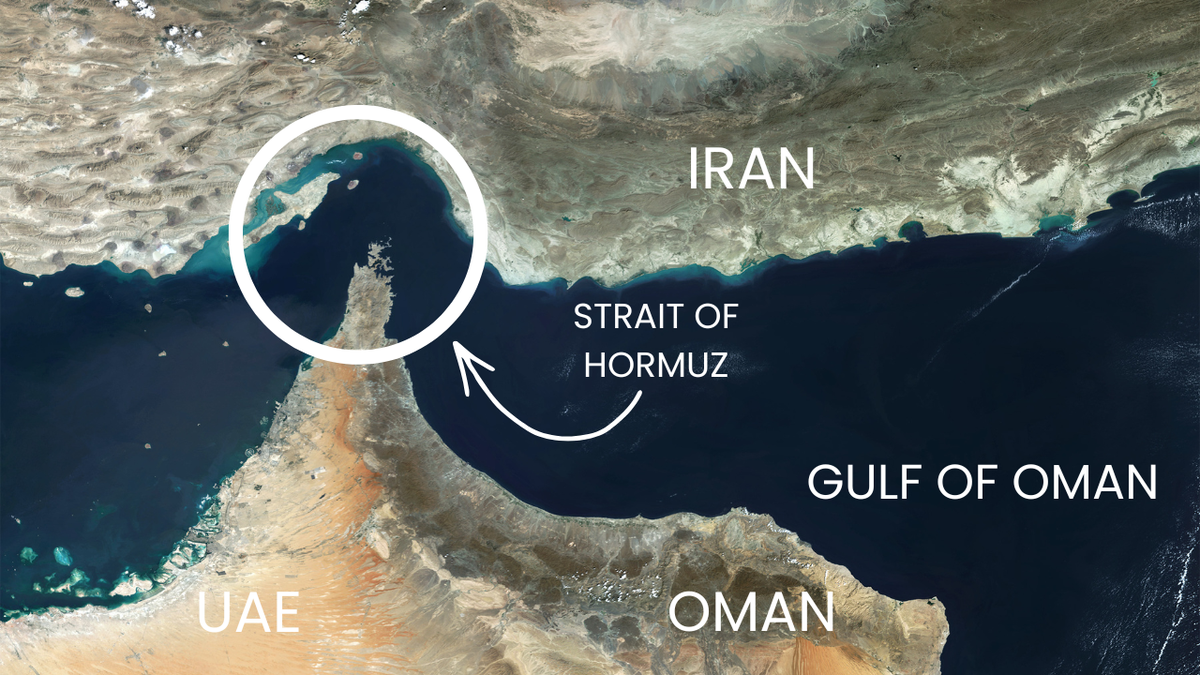
A satellite view of the Strait of Hormuz, a critical chokepoint for global energy supply, connecting the Persian Gulf to the Gulf of Oman. (Gallo Images/Orbital Horizon/Copernicus Sentinel Data 2025/Amanda Macias/Fox News Digital)
Highlighting the growing concern, Maersk, widely regarded as a bellwether for global ocean freight, said it will suspend all vessel crossings through the Strait of Hormuz until further notice and cautioned that services to Arabian Gulf ports may be delayed.
Still, not all price movements are immediate.
«Developments over the weekend in the Middle East should hypothetically take time to ripple into the global supply chain. An initial assessment would suggest no specific price impacts should be seen in the gasoline market across the world, including the U.S.,» Brito told Fox News Digital.
However, Brito said prices could climb quickly if markets expect trouble ahead, even before supplies are actually affected.
As a result, Brito said, developments in Iran may have already translated into higher gasoline, diesel and other fuel prices in parts of the U.S., depending on regional supply dynamics and individual company pricing strategies.
CLICK HERE TO DOWNLOAD THE FOX NEWS APP
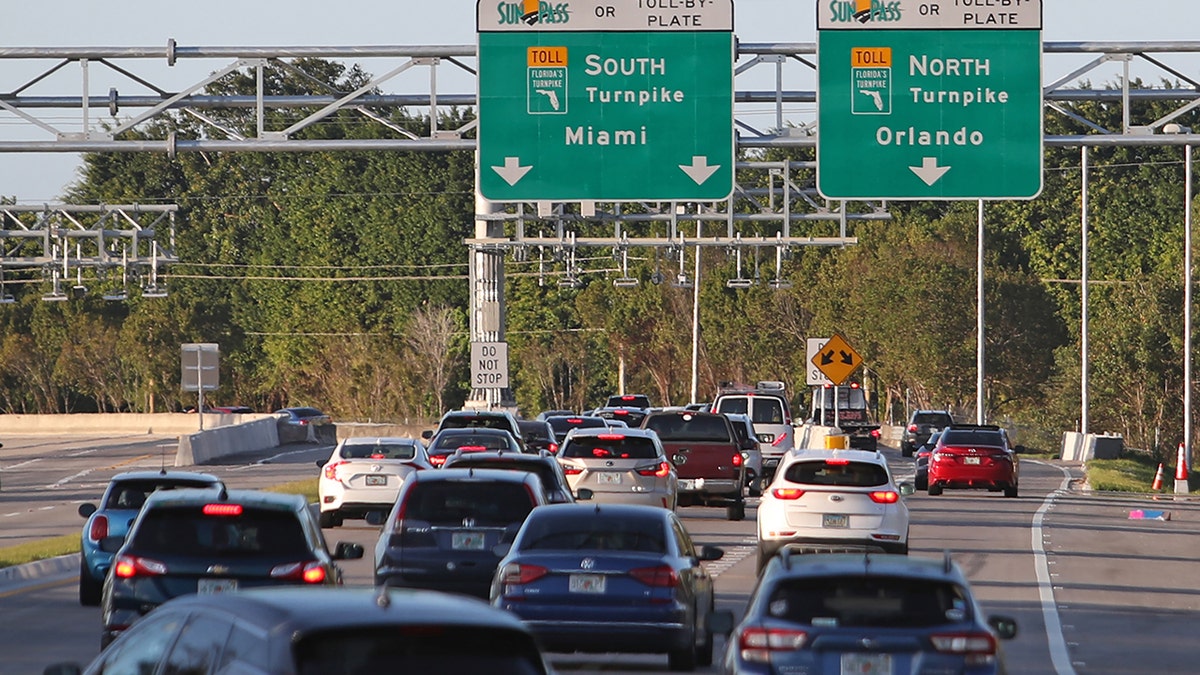
Experts say the increase in gas prices will be largely determined by how long the conflict in the Middle East lasts. (John McCall/South Florida Sun Sentinel/Tribune News Service via Getty Images)
From a domestic standpoint, Brito added that gasoline prices follow a seasonal pattern, typically climbing during the summer travel months.
«March prices are not expected to be significantly high,» he said, noting that spring break travel could support demand in certain areas — but not at the level seen during peak summer driving season.
Ultimately, the direction of gasoline prices will depend less on seasonal demand and more on how the geopolitical situation unfolds in the days ahead.
Related Article

war with iran,iran,middle east,energy,donald trump


Pampita se mudó a un castillo francés de detalles alucinantes: «1000 metros, 14 ambientes, vale 11 millones de dólares»

Juicio a Felipe Pettinato por la muerte de su neurólogo: la pista del desodorante en el incendio

Mendoza: el avance libertario activó la carrera para la gobernación en 2027 y abrió interrogantes en la UCR y el PJ

Reforma laboral: la CGT definió una doble vía para impugnar la ley y marchó al Palacio de Tribunales

Luis Caputo habló sobre el impacto económico de la tensión internacional en Argentina

Defensa y Justicia vs. Lanús: formaciones, hora y dónde ver por tv

Ginette Reynal dio una rotunda marcha atrás con una decisión que tomó hace dos meses: “No aguanto más”

Alarma por la salud de Divina Gloria tras salir de Gran Hermano: “La internaron directamente en terapia intensiva”

Evangelina Anderson contó qué pasará con sus hijos ante el próximo desafío de Martín Demichelis en España

¡Titi revolucionó Gran Hermano! Cuáles son las 5 cosas que ya extraña: «Accesorios, pilates, bondiola, auriculares y bailar»

 CHIMENTOS1 día ago
¡Tensión en vivo! Aníbal Pachano y Nancy Pazos protagonizaron un cruce explosivo en la mesa de Mirtha Legrand
- CHIMENTOS1 día ago
¡Otro abandono! El participante de Gran Hermano que anunció su salida de la casa: La confesión de Gabriel Lucero que se suma a la lista de renuncias
- CHIMENTOS2 días ago
Las predicciones más importantes en la vida de cada signo del horóscopo en marzo, según Jimena La Torre: «Será un cambio rotundo»