INTERNACIONAL
Expired Obamacare subsidy deal inches toward Senate floor vote amid bipartisan talks

NEWYou can now listen to Fox News articles!
A bipartisan group of senators is still working on a fix for the now-expired Obamacare subsidies and believe that they may be nearing a proposal that could hit the Senate floor.
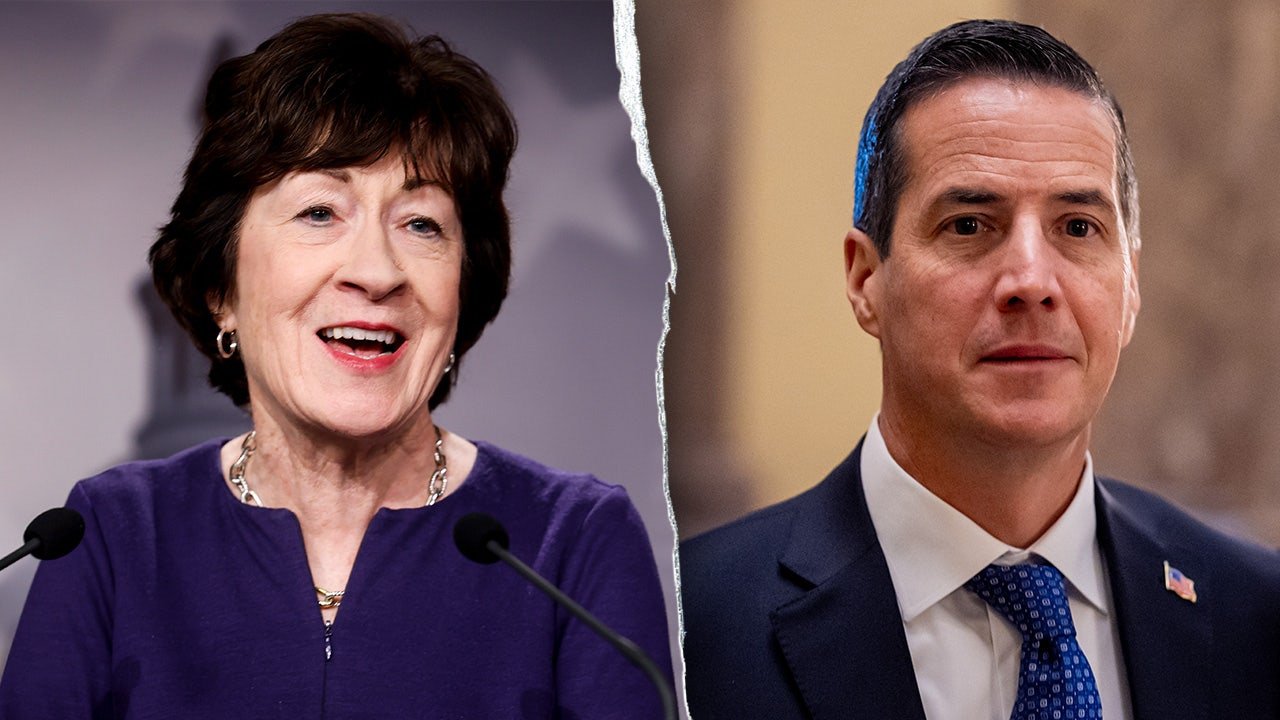
The confab, which met a handful of times during Congress’ holiday break, adjourned once more behind closed doors on Monday night. Sens. Susan Collins, R-Maine, and Bernie Moreno, R-Ohio, are leading the talks among several Senate Republicans and Democrats looking for a compromise solution.
Most who attended the meeting were tight-lipped on specifics of the still-simmering proposal, but Collins noted the plan was similar to the initial offering from her and Moreno.
CONGRESS FAILS TO SAVE OBAMACARE SUBSIDIES AFTER SHUTDOWN FIGHT, PREMIUMS SET TO SURGE
Sens. Susan Collins, R-Maine, and Bernie Moreno, R-Ohio, announced their plan to extend expiring Obamacare subsidies by two years, include income caps and end zero-cost premiums. (Anna Moneymaker/Getty Images; Andrew Harnik/Getty Images)
«Parts of the bill are similar to what Senator Moreno and I proposed originally, with a two-year extension, with some reforms in the first year and then more substantial reforms in the second year,» she said.
Their original plan — one of several floating around in the upper chamber — would have extended the subsidies by two years, put an income cap onto the credits for households making up to $200,000 and eliminated zero-cost premiums as a fraud preventive measure by requiring a $25 minimum monthly payment.
Sen. Tim Kaine, D-Va., one of the lawmakers who has routinely attended the meetings, said the talks were going well.
«We had a really good discussion last night,» Kaine said. «I don’t want to characterize it other than we had a really good discussion.»
And Senate Majority Leader John Thune, R-S.D., said that he had gotten an update on negotiations from Moreno Tuesday morning and believed that the bipartisan huddles had been productive.
SEN JIM JUSTICE SAYS REPUBLICANS ARE ‘LOUSY’ AT KNOWING WHAT EVERYDAY AMERICANS THINK ABOUT HEALTHCARE
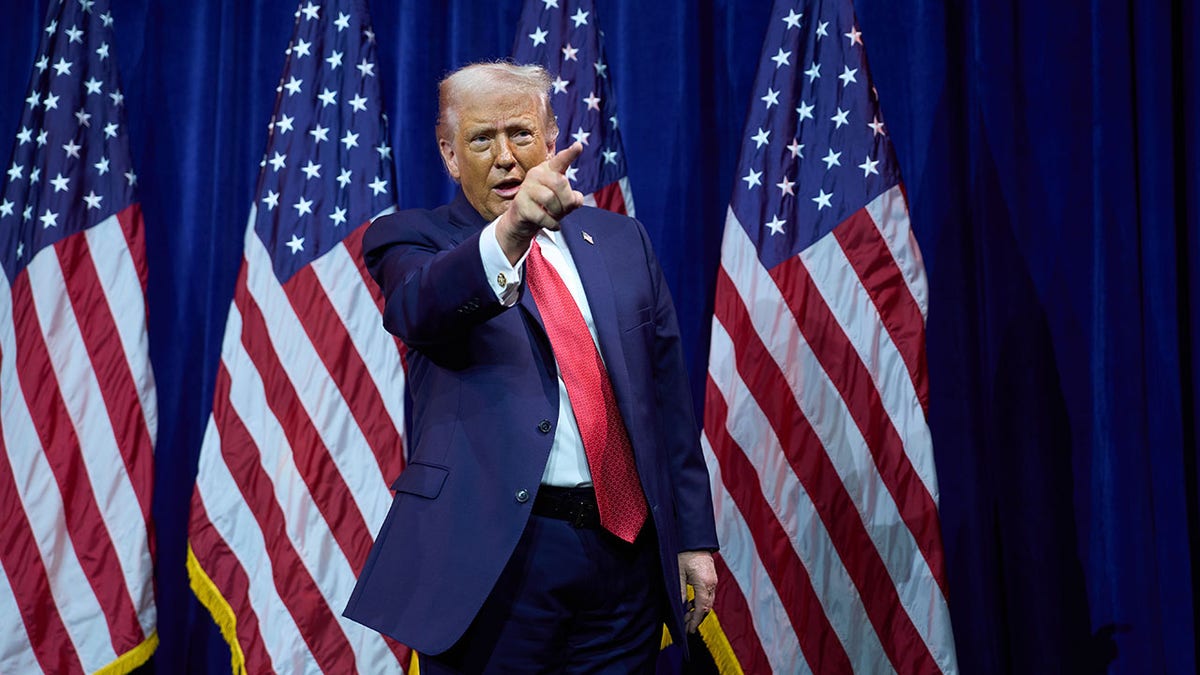
President Donald Trump points to the crowd as he walks offstage after speaking to House Republican lawmakers during their annual policy retreat in Washington, Jan. 6, 2026. (Evan Vucci/AP Images)
Still, any plan that hits the floor has to hit several benchmarks for Republicans, including antifraud guardrails, a transition into health savings accounts (HSAs) and more stringent anti-abortion language.
«The keys are reforms, obviously, and then how do you navigate [the Hyde Amendment],» Thune said. «I think that’s probably the most challenging part of this. But again, I think there’s potentially a path forward, but it’s something that has to get a big vote, certainly a big vote.»
The Hyde Amendment issue is a barrier for both sides of the aisle, given that Senate Republicans demand that changes be made to the subsidies, and more broadly Obamacare, to prevent any taxpayer dollars from funding abortions.
SENATE QUIETLY WORKS ON BIPARTISAN OBAMACARE FIX AS HEALTHCARE CLIFF NEARS
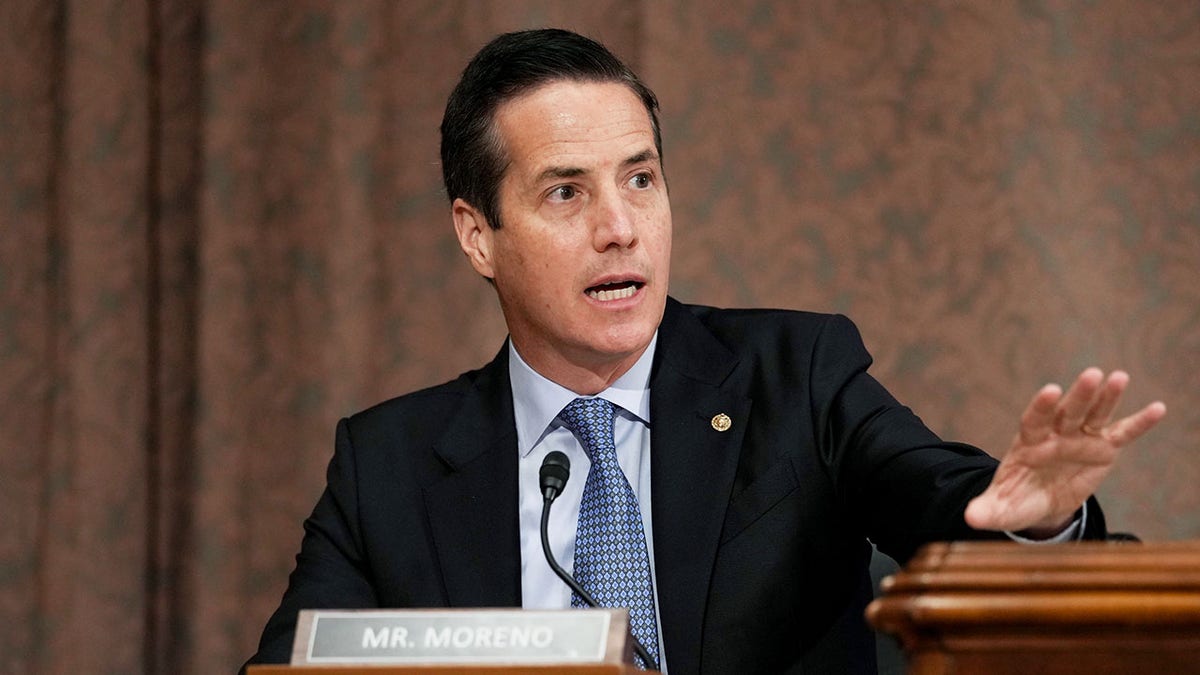
Sens. Susan Collins, R-Maine, and Bernie Moreno, R-Ohio, are leading the talks among several Senate Republicans and Democrats looking for a compromise solution. (Eric Lee/Bloomberg via Getty Images)
That debate received a wrinkle Tuesday when President Donald Trump told House Republicans «you have to be a little flexible» when it comes to the Hyde Amendment.
That triggered mixed reactions from Republicans in the upper chamber.
Sen. James Lankford, R-Okla., said that he had «no idea the context» of Trump’s remarks but affirmed that he was ardently against funding abortions.
«I’m saying I’m not flexible in the value of human life,» Lankford said. «Life is valuable. I don’t believe some children are disposable, and some children are valuable. I think all children are valuable.»
CLICK HERE TO DOWNLOAD THE FOX NEWS APP
Senate Democrats largely viewed Trump’s comments as a sign of progress — that maybe Republicans would budge on the Hyde issue. But flexibility goes both ways, and Sen. Ron Wyden, D-Ore., and top-ranking Democrat on the Senate Finance Committee, wasn’t ready to budge on the matter.
«I am not going to open the door to Hyde, given what happens and what has been seen historically when you do that,» he said. «If you open the door, it will get drafty in a hurry, and I’m not going to let it happen.»
Moreno signaled that Republicans might have to make a compromise on the issue if they wanted to move ahead with any kind of healthcare fix that could pass muster in the Senate.
He noted that there was a sense that «maybe the Obamacare language wasn’t as adherent to that philosophy [of Hyde] as it should be.»
«But that’s not something that we’re looking — able to change right now,» he said. «Because, quite frankly, if you put Hyde up to a vote among Democrats today, as opposed to Democrats 20 years ago, it would probably fail 46 to one on the Democrat side. So unfortunately, most Democrats today feel that there should be federal funding for abortion.»
politics,senate,donald trump,health care healthy living












INTERNACIONAL
El ejército de Estados Unidos informó que atacó a más de 10.000 objetivos militares en Irán desde el inicio de la guerra

El jefe del Comando Central de Estados Unidos (CENTCOM), el almirante Brad Cooper, informó este miércoles que las fuerzas estadounidenses atacaron más de 10.000 objetivos militares en Irán desde el inicio del conflicto el 28 de febrero.
En un mensaje en video de tres minutos, Cooper indicó que los bombardeos dañaron o destruyeron más de dos tercios de las instalaciones iraníes dedicadas a la producción de misiles, drones y armamento naval. El alto mando sostuvo que también resultaron afectadas partes significativas de los astilleros del país.
El almirante afirmó que las operaciones redujeron de forma considerable la capacidad militar de Irán en varios frentes estratégicos, aunque evitó brindar detalles específicos sobre la localización de los ataques o el estado actual de las fuerzas iraníes. Tampoco precisó cuánto tiempo podría prolongarse el conflicto, en un escenario marcado por la incertidumbre sobre su evolución.
Cooper además evitó referirse a eventuales esfuerzos para reabrir completamente el estrecho de Ormuz, una vía marítima clave para el comercio energético mundial que Irán mantiene de facto cerrada a gran parte del tráfico comercial.
La guerra entró en su cuarta semana tras la escalada iniciada el 28 de febrero con ataques coordinados de Estados Unidos e Israel sobre territorio iraní. En respuesta, el régimen de Irán lanzó oleadas de misiles y drones contra Israel y objetivos estratégicos en el Golfo, y mantuvo bloqueado el estrecho de Ormuz, por donde transita cerca de una quinta parte del suministro mundial de crudo.

En paralelo, Donald Trump afirmó el miércoles que su administración mantiene contactos con Irán pese a las declaraciones públicas en sentido contrario desde Teherán. Durante una cena con legisladores republicanos, el mandatario sostuvo: “Ellos están negociando, por cierto, y quieren llegar a un acuerdo con muchas ganas. Pero tienen miedo de decirlo, porque temen ser asesinados por su propia gente”.
Luego agregó: “También tienen miedo de que nosotros los matemos”.
Las declaraciones del presidente surgieron después de que el ministro de Relaciones Exteriores iraní, Abbas Araqchi, afirmara que su país “no tiene la intención de negociar”, en una postura que contradice la versión de la Casa Blanca.
Trump también se refirió a la situación militar y aseguró que Irán está siendo “diezmado” en el conflicto, en un contexto en el que Teherán mantiene presión sobre el estrecho de Ormuz.
Desde la Casa Blanca, la portavoz Karoline Leavitt reforzó la advertencia de una posible escalada. “El presidente Trump no bluffea y está preparado para desatar el infierno. Irán no debería equivocarse de nuevo”, declaró.

También sostuvo que “las conversaciones continúan. Son productivas”, aunque reconoció que parte de la información difundida sobre una propuesta estadounidense “no es completamente precisa”.
Según versiones difundidas por medios estatales iraníes, un funcionario no identificado indicó que Teherán respondió “negativamente” a un presunto plan de 15 puntos presentado por Washington. La Casa Blanca evitó confirmar los detalles de esa iniciativa y tampoco precisó con qué interlocutores iraníes se mantienen los contactos.
Leavitt afirmó que existen canales indirectos de diálogo y sostuvo que Washington considera que Irán enfrenta una situación militar adversa. “Si Irán no acepta la realidad del momento actual, si no entiende que ha sido derrotado militarmente y que lo seguirá siendo, el presidente Trump se asegurará de que sean golpeados más fuerte que nunca antes”, advirtió.
En paralelo, Estados Unidos incrementó su despliegue militar en la región en las últimas semanas, con el envío de tropas aerotransportadas y unidades de marines hacia el Golfo, en medio de especulaciones sobre una posible ampliación del conflicto.
La administración estadounidense sostiene que la ofensiva tiene objetivos definidos y un plazo estimado. Según Leavitt, la duración prevista de las operaciones se ubica entre cuatro y seis semanas.
(Con información de AFP)
North America,Whiteman Afb
NEWYou can now listen to Fox News articles!
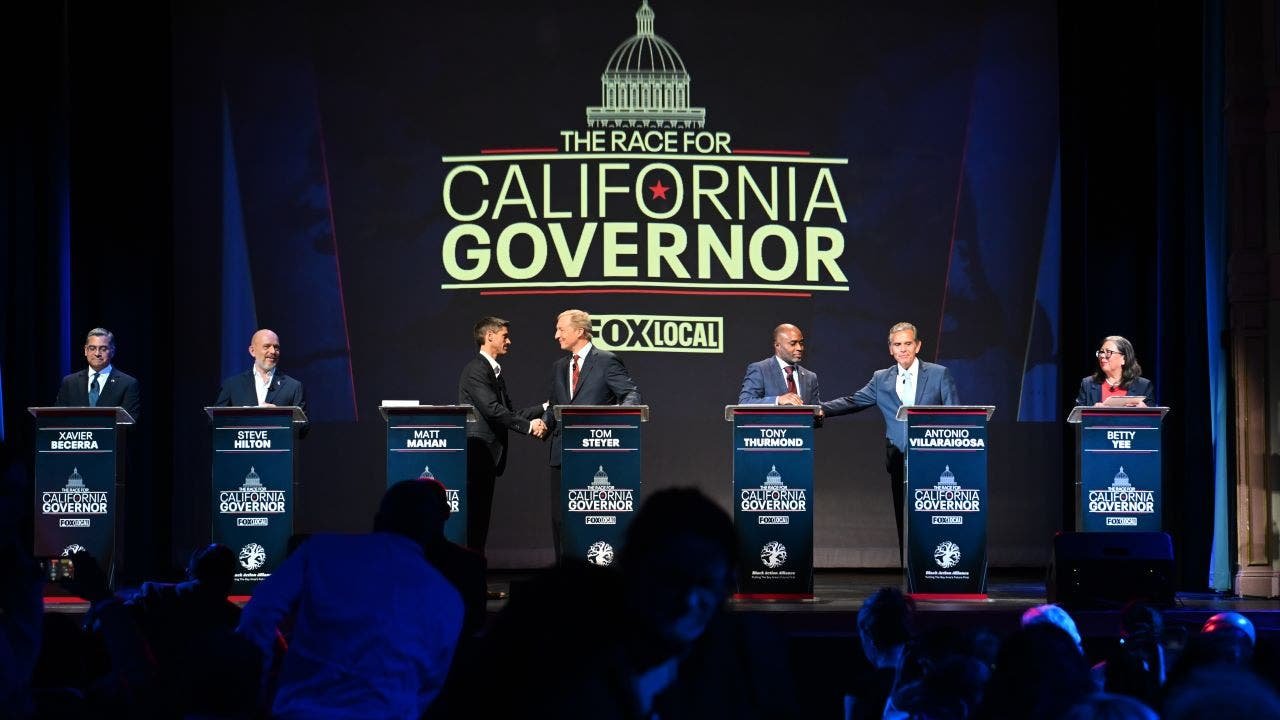
Top Democrats in the California state legislature demanded that the University of Southern California (USC) either expand the number of candidates allowed to participate in the gubernatorial debate, which had five White candidates, or they would boycott the debate.
The «data-driven» candidate viability framework produced a lineup of Republicans Chad Bianco and Steve Hilton, as well as Democrats Tom Steyer, Matt Mahan, Katie Porter, Eric Swalwell – all White candidates. The same criteria, developed by a USC professor and defended by the university, ended up axing Xavier Becerra, Antonio Villaraigosa, Betty Yee and Tony Thurman, all Democratic Party minority candidates, due to lower polling and fundraising scores, they said.
After news of who made the candidate pool and who did not, the excluded candidates expressed outrage over what they claimed was a racist candidate viability system created by USC that targeted people based on their race. One candidate, former Health and Human Services Secretary Becerra, even likened it to when his father used to talk about «the days when he would encounter signs posted outside establishments that read ‘No Dogs, Negroes or Mexicans Allowed.’»
GOP GUBERNATORIAL HOPEFUL HAILS LEGENDARY GOLFER FOR HEFTY CAMPAIGN DONATION: ‘INCREDIBLY HONORED’
Former Health and Human Services Secretary Xavier Becerra speaks during a hearing on Capitol Hill on November 20, 2024 in Washington, DC. (Tasos Katopodis/Getty Images)
Among those expressing outrage besides the candidates themselves were California state Senate President pro Tempore Monique Limon, Speaker of the California State Assembly Robert Rivas, and a handful of other Democratic Party members within the state legislature who called the decision-making framework «biased» in a letter they signed that also included concerns about one of the selected candidate’s donor ties to the university. They also referred to candidate’s complaints, such as from Becerra, as «valid.»
«If USC does not do the right thing, we call on California voters to boycott this debate. If the university will not give voters a fair shot at evaluating everyone running for governor, voters should find other ways to learn about the candidates,» stated the letter, which included letterhead with the logos of about half-a-dozen Democratic Party caucuses in California. «We are asking you, President Kim, to exercise the leadership this moment calls for: expand the debate stage, and trust California’s voters to make up their own minds.»
Meanwhile, in an announcement less than 24-hours ahead of the scheduled debate, USC said that KABC, the Los Angeles television station broadcasting the debate, could not come to an agreement to allow more candidates and, as a result, decided to cancel the debate.
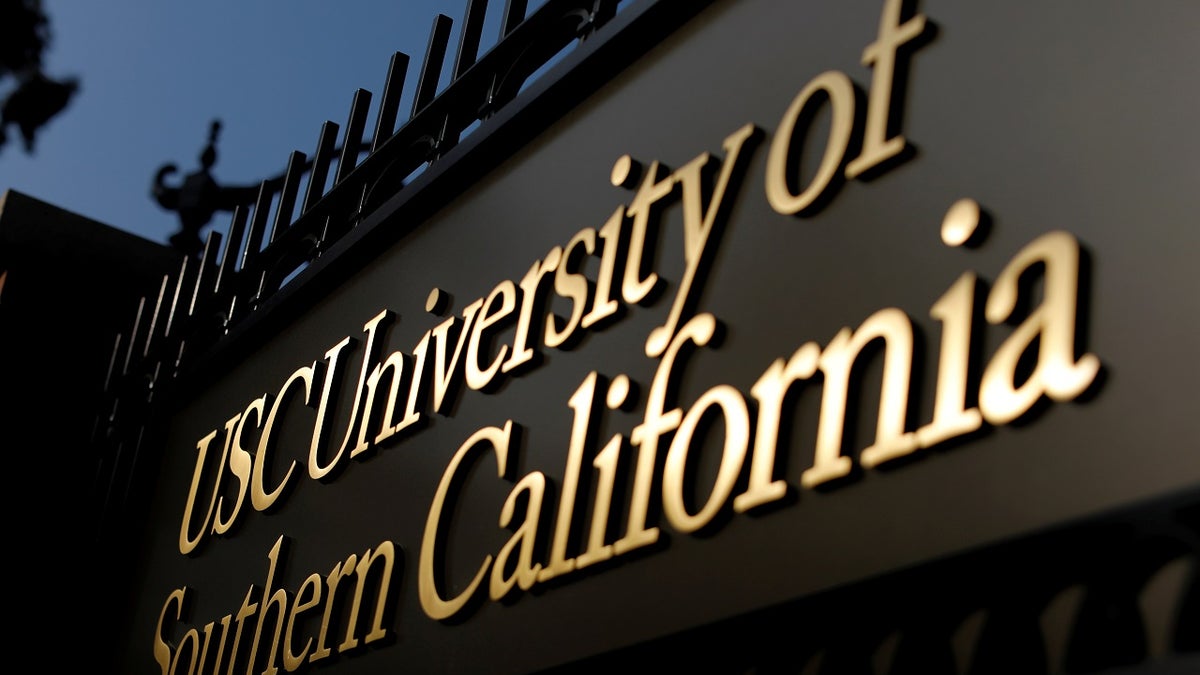
The University of Southern California decided to cancel the debate it was going to hold after backlash over its formula used to select which candidates would be able to participate, with some suggesting it was racist. (Reuters)
GOP CANDIDATE CITES ‘FAILURE’ OF NEWSOM, DEMS AS NEW POLL SHOWS REPUBLICANS LEADING CROWDED CALIFORNIA FIELD
«If you run anything in California, the legislature is very important to you and at the top of the letter, the top signatories to this letter, Robert Rivas, who is the Speaker of the Assembly, and Monique Limon, who’s the head of the Senate, the State Senate and the State Assembly. And that came very late on Monday. They sent this letter to USC. Then what happened? As we understand it – they’ve been pretty open about it – they get this letter from the legislature, they think, ‘Oh, sh–t, we better do something. This is now a real threat. This isn’t just the candidates complaining. This is the legislature, which, you know, regulates and affects everything we do,’» Hilton, one of the GOP frontrunners in California’s gubernatorial race, said about the situation.
«USC apparently went to ABC, the media partner who’s going to broadcast the debate, and said, ‘We want to expand it and put these people back in,’ and USC said, ‘No, I’m sorry. ABC said no.’ Then, that midnight, on Monday night, they put out that statement saying, ‘Okay, then we’ll cancel it.’»
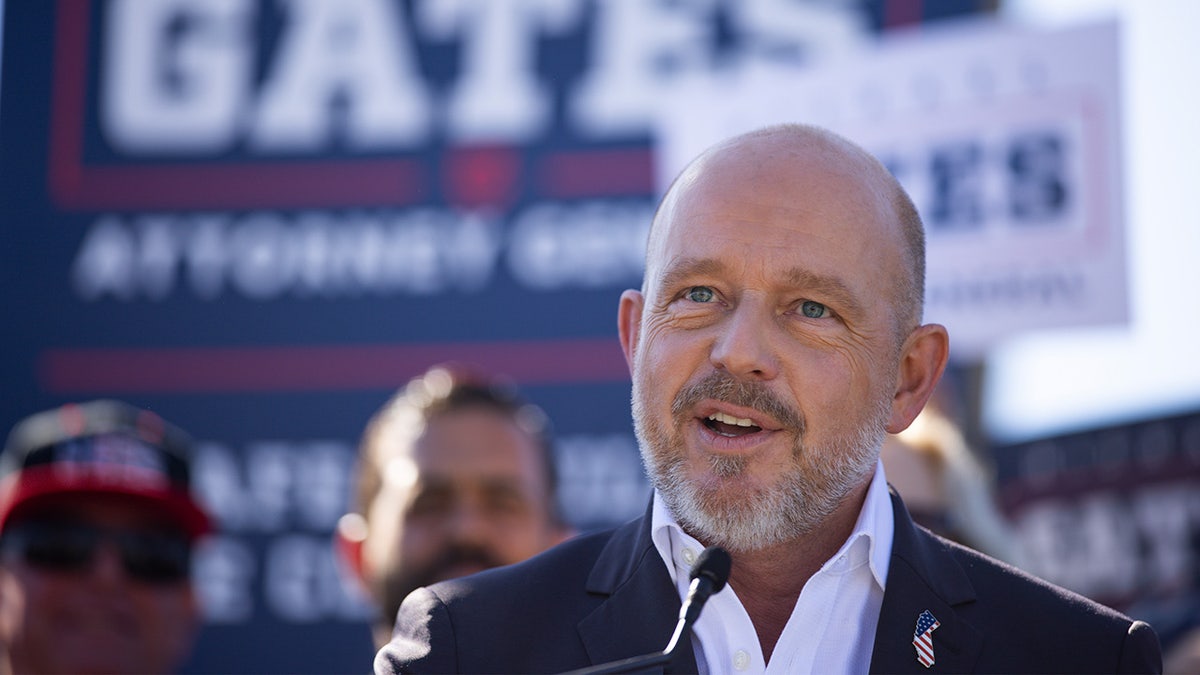
Republican governor candidate Steve Hilton speaks to press during Huntington Beach City Attorney Michael Gates press event at Huntington Beach on Wednesday, Jan. 14, 2026 in Huntington Beach, CA. Huntington Beach City Attorney Michael Gates announced his run for California attorney general. (Kayla Bartkowski / Los Angeles Times via Getty Images)
Reporting from Cal Matters, a local California publication covering state politics, indicated that, directly and indirectly, Porter, Steyer and Swalwell have suggested Mahan, a tech entrepreneur and former Mayor of San Jose, was invited to the now-canceled debate despite poor performance data.
In the lawmakers’ letter requesting the event allow more candidates or be canceled, addressed to USC’s President Beong-Soo Kim, an unnamed candidate with «notable ties to USC’s donor community» was also alluded to as part of the complaints about the debate. When Rivas’ staff was asked for clarification on whom the letter was referring to, they eventually confirmed it was Mahan.
CLICK HERE TO DOWNLOAD THE FOX NEWS APP
A party-sponsored poll from Democratic State Chairman Rusty Hicks showed Mahan behind Becerra, but had all other candidates that USC selected ahead of those who did not make it. Two Republicans, Hilton and Bianco, are still leading the field at 16% and 14% respectively. Meanwhile, Porter, Swalwell and Steyer are tied at 10% and every other Democrat is still in the low single digits. Twenty-four percent remain undecided.
Neither Rivas nor Limon provided on-the-record comments to Fox News Digital for this story prior to publication.
california, governors, controversies state and local, state and local, democratic party, campaigning, elections
INTERNACIONAL
EE.UU. afirmó haber ayudado a bombardear un campamento de narcotraficantes. En realidad, era una granja lechera


El Gobierno compra helicópteros de combate: cómo son los Black Hawk de EE.UU. y cuánto se pagará

El Senado debatirá pliegos militares y la designación de la ex legisladora Crexell como embajadora en Canadá

Mbappé sí será titular con Francia ante Raphinha, que liderará a Brasil

El video completo: qué dijo Manuel Adorni en la conferencia de prensa

Una lancha paraguaya arrojó en las costas del río Bermejo una carga de marihuana valuada en $58 millones

Qué ver en Netflix, la miniserie de 9 episodios que se metió en el ranking de las más elegidas: «El Museo de la Inocencia»

»¡VAN A FUNDIR A MEDIO PAÍS!»: El lapidario diagnóstico de Roberto Cachanosky sobre el plan de Milei

ALERTA FINANCIERA: 4 de cada 10 argentinos ya no pueden pagar sus deudas. ¡Caputo debe actuar ya!

El mensaje de Milei sobre la “traición” que llamó la atención en el Gobierno y también en la oposición

¡VERGÜENZA NACIONAL! Humillan a la Policía Federal mandándolos a un merendero antes de darles un aumento de sueldo digno

 POLITICA2 días ago
El mensaje de Milei sobre la “traición” que llamó la atención en el Gobierno y también en la oposición
- POLITICA7 horas ago
¡VERGÜENZA NACIONAL! Humillan a la Policía Federal mandándolos a un merendero antes de darles un aumento de sueldo digno
- POLITICA2 días ago
24 DE MARZO: La historia completa que el relato omitió sobre el golpe de 1976 y el Juicio a las Juntas